
Translated material
"Queen" for the second term
Ursula von der Lyain announced that she would be advanced to the post of head of the European Commission after the June elections in the European Parliament. We evaluate her chances and figure out what this will mean for the EU
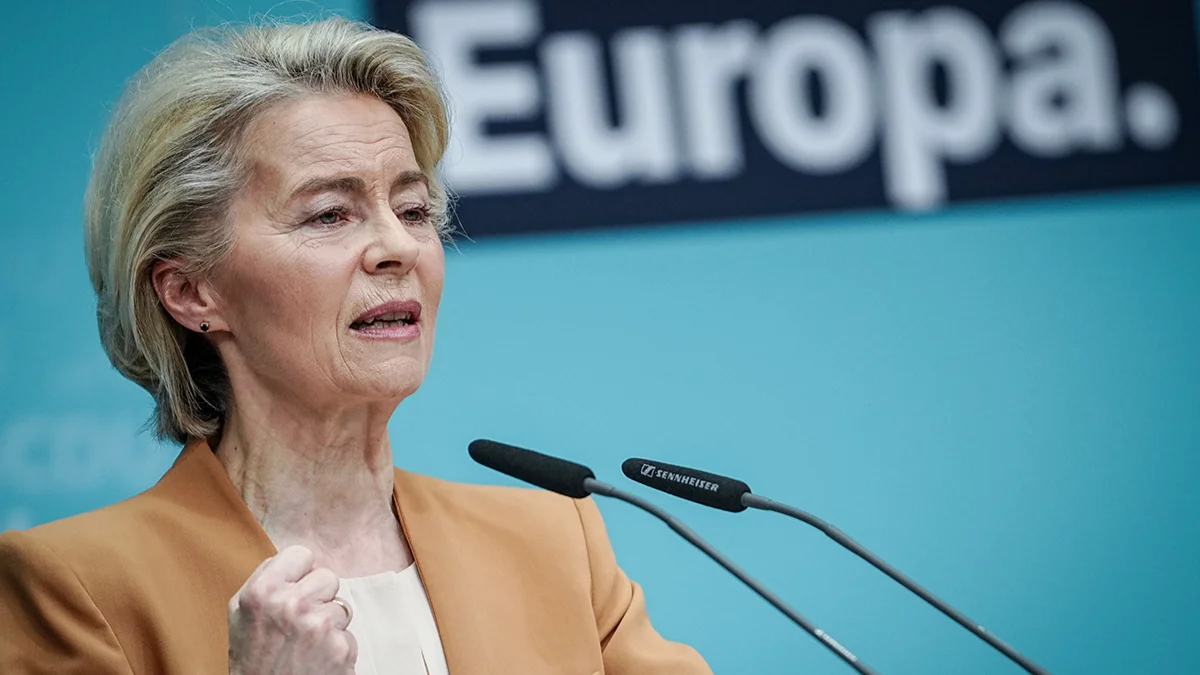
Chairman of the European Commission Ursula von der Layen. Photo: Kay Nietfeld / DPA / Picture Alliance / Getty Images
The German Christian Democratic Union announced his readiness to nominate Ursula von der Layen to the post of head of the European Commission for the second time. Thus, the rumors that went all last weeks have been confirmed, that the “queen” - this is what von der Layen is called for her hard leadership of the commission - will try to preserve the post for the next five years.
The chapter and the entire composition of the European Commission should be replaced by the results of the elections to the European Parliament, which are coming this June. The chances of von der Lyane are highly re-elected: the leaders of the EU member states will probably want to see a strong figure as chairman of the European Commission, taking into account the ongoing war in Ukraine and the probable crisis in the relations between NATO and the EU in the event of the election of Trump by the President of the United States. Why do Ursula von der Lyaine consider the European Commission Management style to be tough, and that its re -election will bring the EU, Ukraine and Russia - the observer of international and European policy Denis Leven was versed.
From June 6 to June 9, 2024, all 27 EU member countries will be held universal elections to the European Parliament. According to their results, the composition of the European Commission - the body performing the functions of the pan -European government will be updated.
The head of the European Commission today is probably the most influential figure in the West after the US President. In the past five years, this position has been occupied by Ursula von der Layen, who at the congress of her native party, the Christian Democratic Union, announced that she would try to preserve this post for the next five years.
Formally, the European Commission makes decisions collectively. It offers bills, forms the budget of the European Union and is responsible for the implementation of decisions of the Higher Political body of the EU - the European Council. For example, over the past five years, it was the European Commission that has supported the functioning of the Unified EU market during pandemia and Locksuns, after distributing the funds of the recovery fund for national economies, and with the outbreak of war prepared and implemented sanctions against Russia.
All this has contributed in recent years to strengthen the role of the European Commission in European affairs and in the international arena. At the same time, her chairman Ursula von der Lyain strengthened her position, more and more focusing power around him. Some of the decisions of the EU chief executive body were allegedly adopted. This approach made it possible to avoid bureaucracy in crisis situations, but I met a lot of criticism because of growing authoritarianism.
But despite this criticism, Ursula von der Lyain will run for the role of the chairman again and has every chance of success.
European Government
The European Commission is the most influential European Institute and the only body that has the right of legislative initiative in the EU. The European Parliament, in turn, can consider, make edits, accept or reject bills, but they are offered by the European Commission. In addition, the European Commission prepares the draft EU budget, and also implement the political decisions of the association. That is, actually acts as a government in the ordinary parliamentary Republic of European type - Italy or Germany.
During the last crisis decade, the already strong European Commission, as the expert of Carnegie Europe, Stefan Lena notes , has even more increased its influence. The reasons for this is largely structural . In the context of economic and migration crises, coronavirus pandemia, and then a full -scale war in Ukraine, the ability of the executive branch to make operational decisions was extremely important.
For example, during the Eurozone crisis, it was the European Commission that took up the budget and fiscal control of national economies. In the Pandemia of Coronavirus, she supported the functioning of the Unified EU market, and also participated in the centralized purchase and distribution of vaccines. Then the European Commission was able to distribute the funds of the recovery fund for national economies, and in 2020-to suspend these payments in cases of violation of the principle of the rule of law in EU member states. This tool, in particular, is now used to freeze European funds due to Hungary. Finally, with the beginning of a full -scale war in Ukraine, the European Commission became the main acting person in the preparation and implementation of sanctions packages against Russia.
Formally, the European Commission makes decisions collectively, and liability is distributed equally between all European Commissioners. The chairman of the European Commission is more likely to play a coordination role. At the stage of formation, he recruits a team of commissars, and later sets the agenda for the work of the European Commission and represents it in the international arena and in other European institutions.
However, in recent years, together with the strengthening of the European Commission itself, the position of its chairman has actually became the second most influential in the Western world after the American president.
Protective Merkel
Structural factors are not the only reason for strengthening the European Commission. This post of Ursula von der Layen, who has been holding this, was also facilitated by this, not just a skilled official, but a strong politician and leader.
Von der Layen is a hereditary Eurobondian. She spent the first thirteen years of her life in Brussels - her father Ernst Albrecht worked for a long time in the European Institutes, in particular, he was the head of the office of one of the first European Commissioners. Subsequently, Albrecht took up German politics and grown to the position of Prime Minister of Lower Saxony, actually becoming the head of the region.
Von der Lyain followed in the footsteps of her father, but she began with German politics and worked at all its levels - from local to federal.
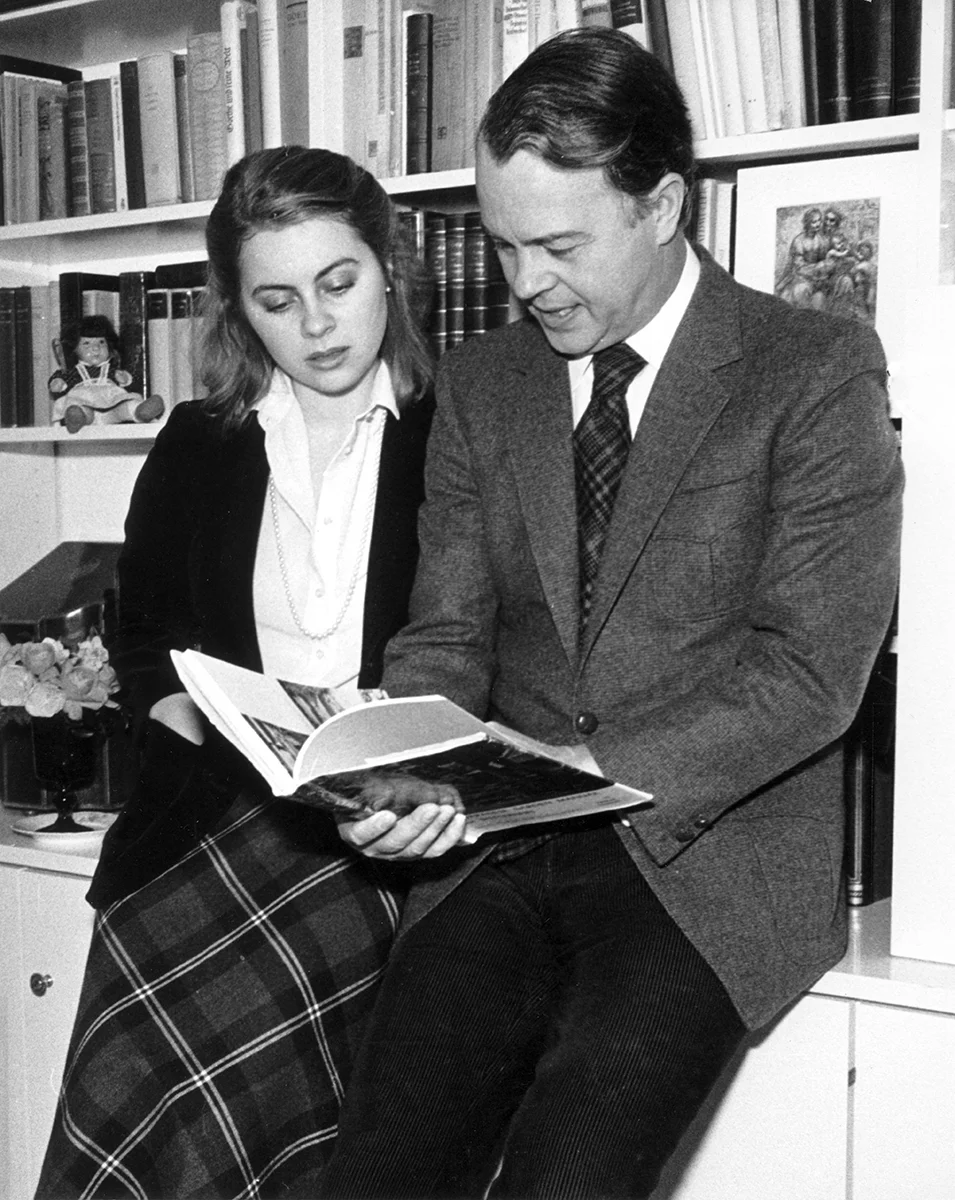
In 2003, Ursula fell into the city council of the small city of Zend in Lower Saxony from the Conservative Party of the Christian Democratic Union. After she made his way to the regional parliament, and then to the federal Bundestag, becoming a deputy since 2009, 2013 and 2017 on party lists.
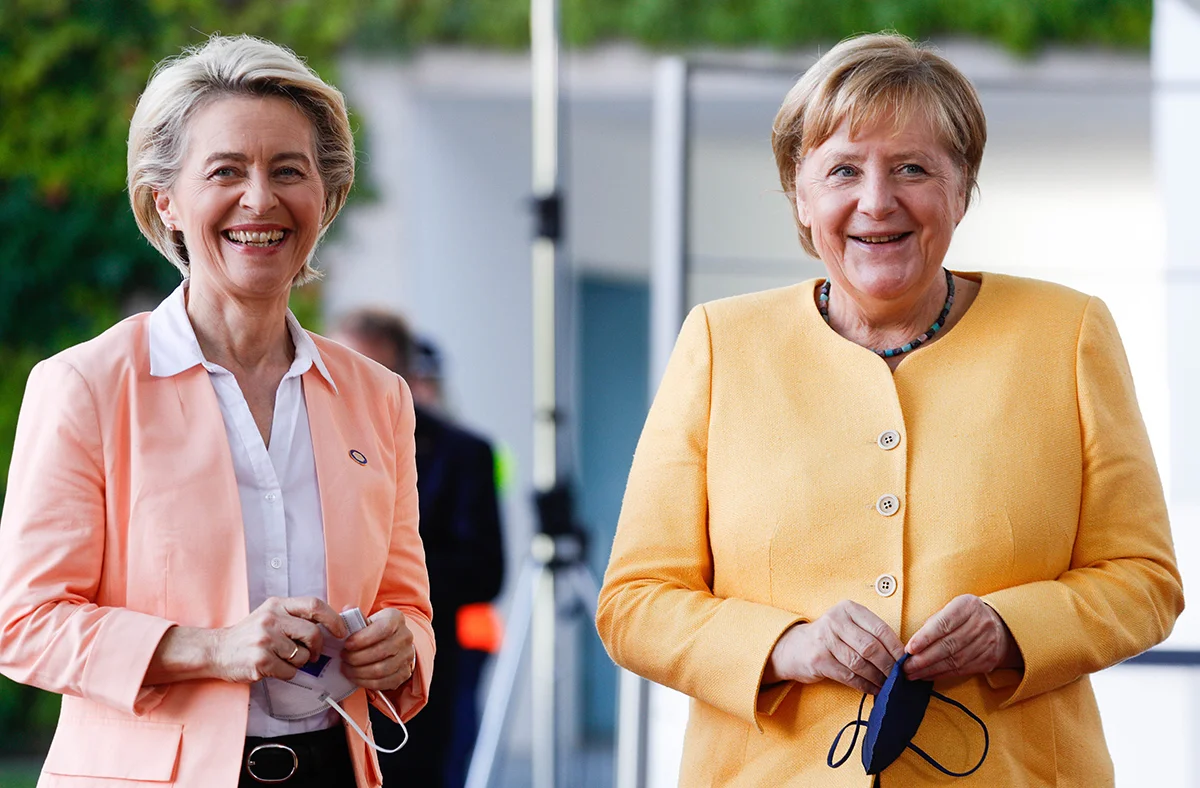
At the same time, von der Layen would hardly have reached such heights, if not for her ministerial career. It is believed that she was a protege of angels Merkel: for sixteen years, Ursula occupied various ministerial posts in each office of the main policy of Europe of that time. In 2005, von der Layen received a portfolio of the Minister of Family Affairs, in 2009-the Minister of Labor and, finally, in 2014-the Minister of Defense.
Such a long career, of course, did not do without scandals . The latter and the most loud concerned possible waste in 2019 of budget money for external consultations of the Ministry of Defense, since the consultants received contracts not on a competitive basis. Von der Lyain left the ministerial post until the end of the parliamentary investigation, but gave an occasion to suspect herself in obstructing the investigation. All data from her two mobile phones that could contain important information for investigation were erased after they were requested to join the case. And in general, her work in the Ministry of Defense is evaluated negatively: the lag of the German armed forces from competitors and, especially potential opponents during this period, only accelerated.
Nevertheless, this did not prevent von der Layen from taking the most responsible position in Europe - in 2019 to become the chairman of the European Commission. In this post, in a sense, she turned from an angel Merkel into her successor from the protractor.
“The European Council has great disagreements, and [the President of the European Council] Charles Michel is a rather weak figure.
Angel Merkel, who has long been the central figure of the EU, has gone, the axis of Germany - the francus does not function very well. Thus, von der Lyaine was able to take on the role of the leader of the whole EU. ”
-explains Stefan Lena in the commentary "New-Europe".
Leading candidate
Already in this March, the two largest pan -European political forces uniting national parties will hold their election congresses. On March 2, the Congress of the Party of European Socialists (PES) will be held in Rome, which is represented in the European Parliament with the progressive alliance of socialists and democrats (141 mandates out of 705). And on March 6–7, the Congress in Bucharest will hold the right -center European People’s Party (UNP), which makes up the group of the same name in the European Parliament (178 mandates out of 705).
The pan -European parties will have two main tasks: to develop the election manifestos of parties, that is, in fact, political programs for the next five years, and to nominate the “leading candidate” ( Spitzenkandidat ).
The leading candidate is a politician who will lead the party’s pre -election list in the pan -European elections, and in fact, this is a candidate that the party nominates for the post of chairman of the European Commission.
At the same time, who will be these “leading candidates”, is already clear. Nicholas Schmit, a little -known European Commissioner for Employment and Social Laws, former the Luxembourg Minister of Labor, will come from European socialists. And the right -centers from the European People’s Party will be represented by Ursula von der Lyain.
Von der Lyien has good chances to re -elect.
Firstly, because the European People’s Party, who is preparing for it, will most likely retain the status of the strongest group in the European Parliament and after the June elections. Secondly, in the conditions of the ongoing ultra-right turn in Europe, to support the legal and most importantly, other political forces can also be a reliable figure on this post: socialists, green, liberals.
However, the victory of von der Layen is not guaranteed. Despite the fact that the composition of the European Commission is changing after the elections to the European Parliament, the European Council, the main political body of the EU, consisting of the heads of state and governments, still plays the main role in the appointment of the chairman of the European Commission. The qualified majority of votes (55% of the countries that account for 65% of the EU), the European Council puts forward the candidacy of the chairman for voting in the European Parliament. The European Parliament, in turn, approves the candidacy with an absolute majority vote (50%+1 vote) or blocks.
At the same time, formally, in its decision, the European Council can also ignore the “leading candidate” from the winner of the elections. At least this has already happened.
In the past elections, in 2019, Manfred Weber was a “leading candidate” from the majority of votes. But the political leaders of the countries chose to give the post of head of the European Commission to another person - just Ursula von der Layen.
But this time, not all leaders of member countries can be configured in her favor.
Promptly, but authoritarian
As in recent years the role of the European Commission in European affairs has naturally intensified, it strengthened its power and von der Layen, which built a clear hierarchy with a concentration of power in its own hands in the originally collegial body of the EU. In some cases, she made decisions on her own, bypassing the commissars, and in some-together with the leaders of the EU member countries.
“Sometimes [von der lyaine] really seizes power when making some decisions, but, on the other hand, this is the most effective way to achieve the goal,” said the professor of European research at Amsterdam University Teresa Kun. In the conditions of ongoing crises, this approach made it possible to accelerate the decision -making process, which is vital for the clumsy bureaucratic apparatus of the EU.
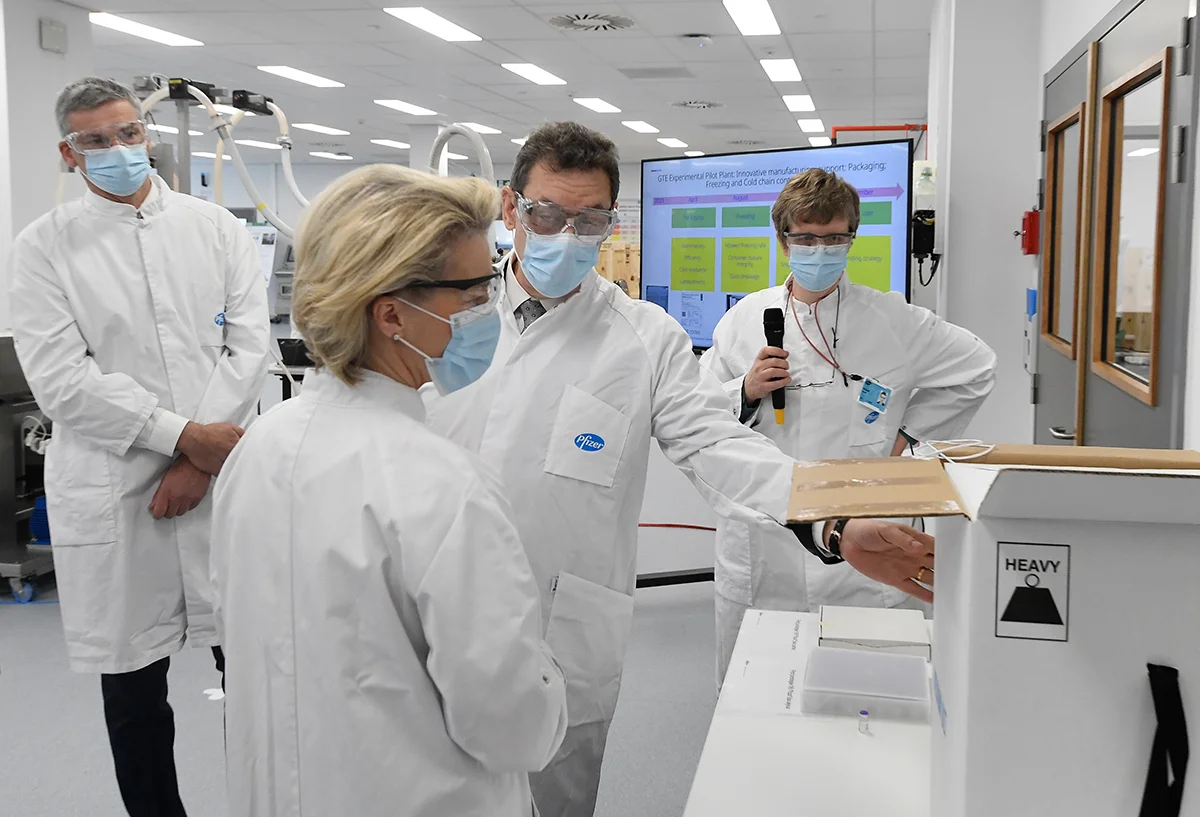
Often such operational decisions with the concentration of power are true. So, the purchase decision of 900 million doses of the vaccine from coronavirus Pfizer gave the adult population of Europe guaranteed access to three vaccinations. However, in the framework of negotiations, apparently bypassing formal procedures, von der Lyain talked with Pfizer general director Albert, using personal messages for this. Now access to them has become a reason for the trial between the European Commission and The New York Times.
After the full -scale invasion of Russia to Ukraine, von der Layen took leadership in the consolidated response of Europe to the Kremlin aggression. It is her team that prepares sanctions packages against Russia, while consulting only with Washington, Paris, Berlin and Rome. Using her hardware weight, she personally is engaged in the promotion of the most important decisions in this process - for example, providing the status of a candidate for joining the EU Ukraine.
But often such sole solutions also cause disapproval. Thus, the leaders of the EU member countries were outraged by Ursula von der Layen Ursula’s unscheduled trip to Israel in October 2023. During the visit, she announced the unambiguous support of Israel by the EU, but did not indicate the need to comply with international law in a military operation in the gas sector.
The scandal was so loud that even the head of European diplomacy, Josep Borrel, opposed his boss. “The EU’s official position on any foreign policy [question] is fixed by leading principles, the political decision of the high level of the European Council under the chairmanship of President Michel and the ministers of the Council of Foreign Affairs under my chairmanship,” Borrel said .
The unconditional support of Israel caused discontent not only among the heads of states, but also within the European Commission itself. More than 800 employees of the main body of Europe signed an open letter with criticism of their leader because of her one-sided position. The scandal ended in that after the pressure of von der Lyienn in November 2023, the state of Israel still called on to avoid victims among the civilian population and announced the expansion of humanitarian supplies to the gas sector.
However, it is reported that the scandal around the Palestinian-Israeli conflict was only one of the cases of dissatisfaction with the fact that von der Lyain “pulls” the powers of foreign policy from European capitals to Brussels. Especially dissatisfaction with this was expressed by French President Emmanuel Macron.
Some compare the control style of von der Lyain with the power of American presidents, others talk about the “queen” von der Lyain.
Fatigue accumulates from this approach and inside the European Commission. “[The style of her rule] drives us crazy. If it remains for a second term, a clear signal will be given from the inside of the European Commission, which cannot continue, ”the Politico quotes the official of the European Commission.
Protection from the ultra -right
The authoritarian style of Ursula von der Layen is simultaneously its main advantage and disadvantage. Nevertheless, if she nominates her candidacy for the main European post, which in general is no longer in doubt, the probability of success is very great, Lena believes.
Firstly, so far only the socialists have announced an alternative candidate, and only they have a second power in the European Parliament a theoretical chance of an election. But the candidacy of Nicholas Schmit is not known in wide circles and has not established itself in the international arena. Given that the crisis in Europe did not pass, a strong and capable European Commission will be much more important for European leaders.
Secondly, judging by the current popularity of European parties, only a noticeable growth is observed only among the extreme right-the alliance of European conservatives and reformists and the group “Identity and Democracy”. According to the election forecast of the European Council for International Affairs, these parties can increase their presence one and a half times - from the currently in the amount of 125 seats to 183. thereby they will receive control over a quarter of mandates in the European Parliament. Moderate forces (the European People’s Party, Social Democrats, the Liberal group Renew, “Green”), following the election results, will reduce their presence in the European Parliament.
Against this background, observers talk about the threat of rapprochement between the legal entities from the European People’s Party with the ultra -right and even the formation of the right coalition in the European Parliament. This, in turn, is fraught with the destruction of European unity on many important issues - migration, economic policy and even the support of Ukraine.
In this regard, the system forces can only support the candidacy of von der Lyain - if not from ideological proximity, then from the desire to maintain the performance of European institutions.
European leaders understand this. So, the Prime Minister of Spain Pedro Sanchez, being a member of the Socialist Party, in the summer of 2023 supported the idea of the second term for von der Lyain. Moreover, different sources claim that it can count on the unambiguous support of the German coalition government of socialists, liberals and green.
All this makes the re -election of Ursula von der Leyen very probable, as well as the fact that European politicians will have to reconcile with its authoritarianism for some time.