
Translated material
Disclosure of assets
Disclosure of assets
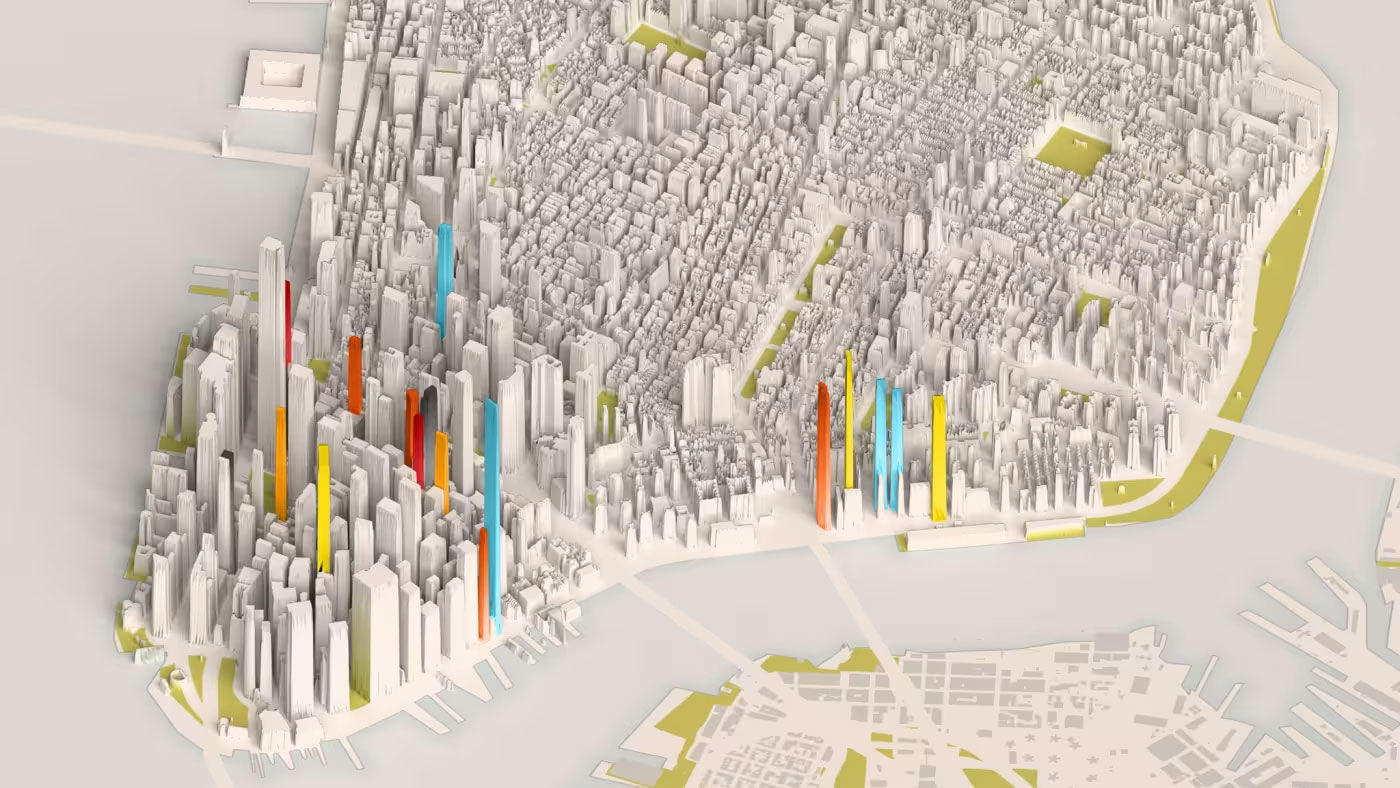
Mandatory disclosure by civil servants of information about their income and property may turn out to be an invaluable resource for journalists-investigators. Information about assets and their origin plays an important role in revealing corruption.
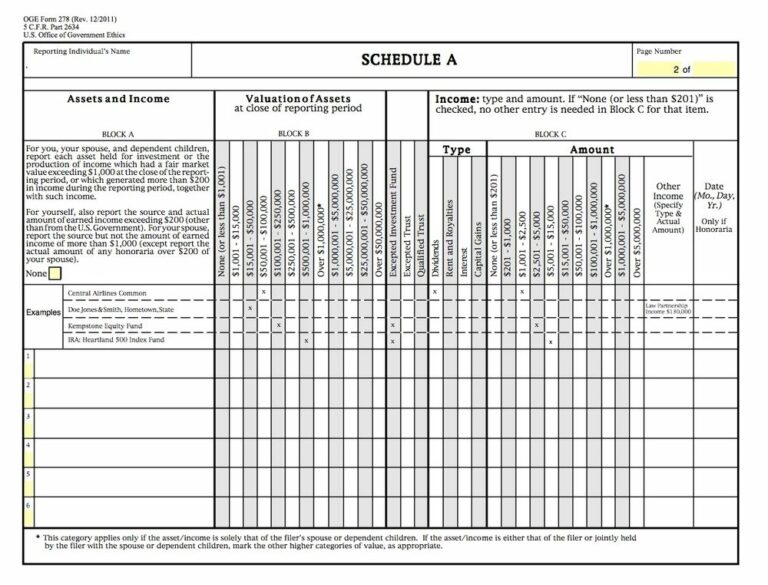
Official declarations are often the starting point of investigations about the origin of the assets. Nevertheless, the laws on mandatory declaration are imperfect, so the published information is not always complete.
Officers sometimes declare not everything that they must, then journalists-investigators find the missing data about their actual financial resources and their origin. In the process of investigation, a conflict of interests may be discovered. It is necessary to check the facts and context.
In this manual, the Gijn team has collected a list of sources in which you can find public information about income, and explained where what data should be sought.
Who concerns the laws on the declaration of assets?
Typically, laws on income declaration require that civil servants from a certain category reveal their financial and business interests.
As a rule, such people are called "public officials" (PDL).
In accordance with the definition [group of developing financial measures to combat money laundering (Fatf)]] (https://www.fatf-gafi.org/en/publications/fatfrecommentations/peps-r12-r22.html !!! 0Exposed%20persons%20 (REC%2012%20and%2022) & Text = a%20political%20Exposed%20person%20 (PEP, SUCH%20AS%20Corruption%20or%20BRIBERY.) The PDL is a person who is a public official, a member of a certain institution, for example, a central bank or the Supreme Court, or even a family of a well -known politician. To represent a significant risk to society.
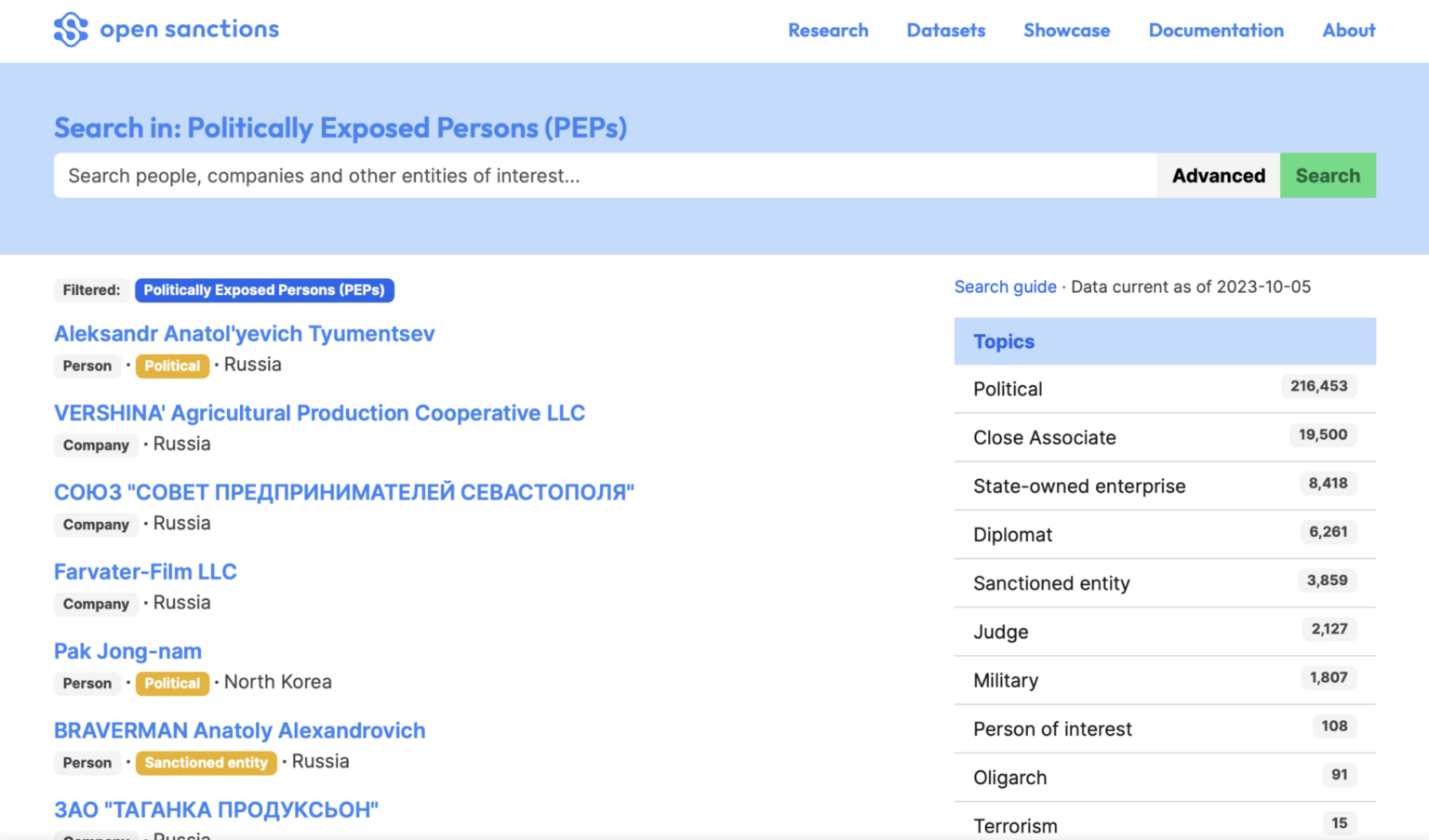
On the OpenSanctions website you can find a regularly updated free list of PDL with a search function . This database contains information about 190,000 politicians, 28,000 persons close to them, 120 persons related to terrorism, and 5 persons from the “spies” category. Another source of information about PDL is Wikidata, the knowledge base that tracks public officials around the world. You can also turn to the list of Russian Forbes Russian billionaires 2023 (in Russian).
Pepchecker contains a list of more than 1,000,000 public individuals from more than 240 countries and territories. Users can search for a limited number of times for free. As well as Opensances, Pepcheckker integrates information about sanctions from the official lists of relevant organizations. At the same time, the search on the database is performed by the name of the person.
What exactly needs to be declared?
There is an international consensus regarding exactly which information is necessary to disclose in declarations.
More than 160 countries created declaration systems in accordance with the report of the World Bank for 2017 . However, later the bank ceased to support this database, so there is no complete information about existing declaration systems.
National laws of different countries differ significantly in the requirements for the content of declarations and their submission frequency. It is also important that in some countries monitoring of compliance and forced fulfillment of these requirements is carried out. Therefore, it is always necessary to start by studying the specifics of laws on income declaration.
In the United Kingdom , for example, politicians should indicate the place of work, wages, gifts, privileges and benefits; disclose data on land and real estate in their property; family members working and receiving wages from the parliament budget; About the shares of the companies that they own.
In Georgia, it is necessary to declare real estate, vehicles, income and funds in banks and credit institutions - both within the country and beyond.
Nevertheless, it rarely happens that the laws on the declaration of assets are required to publish all assets. In addition, each country has its own specifics.
For example, according to the data of comparative studies conducted by the Office of Development and Dobrastimity in Southeast Europe, gifts from close relatives are not subject to declaration. In Hungary, no need to declare loans from individuals. In Northern Macedonia, the declaration of public officials is removed immediately after they put up the authority.
A classic way to avoid unnecessary attention is to transfer assets to other people or the acquisition of property to dummies. And since it is well known that in the laws on declaration a lot of laser, this makes it possible for reporters to demonstrate weaknesses.
Note: The declaration of contributions to the budgets of the election campaigns is usually regulated differently, and is stored in other databases. But such donations can obviously be important for checking the activities and connections of politicians.
Where to look for national databases with assets declarations
To find out if the declaration of assets is mandatory and where you can find declarations, it is necessary to study national laws. Civil society organizations that have taken over the supervisory functions will help to find the relevant databases.
However, finding national databases with assets declarations through the external interface of government sites may not be easy.
Search by the phrase “Asset Declaration” on government sites may not bring results. But if you introduce “[the full name and country of a public official]” in the Google search line, useful materials can find, even if these are just links to articles of the national publication that mention the base of declarations.
Even if the law on the declaration of assets was adopted, the declarations could not be published. It is not easy to knock them out: sometimes you have to send requests for public information or even act through the court.
Thanks to the efforts of the TRANSPARENCY International representative office on Sri Lanka , it was possible to overcome the provision on the classification of declarations on the income of parliamentarians, and achieve the legal possibility of access to them (for a fee), but with a ban on further distribution. After new laws on the right to information began to apply in 2017, and the terms of appeal production increased, the Prime Minister received an order to publish his income declaration, after which another 10 deputies of the Sri Lanka parliament submitted their declarations in TI-SL.
Additional information about the connections between companies and individuals can be found on sanctions lists. For example, the United States impose sanctions not only on an individual, but also on all companies in which it owns control packages of shares . Although the sanctions lists usually do not indicate the income of those on whom they are imposed, awareness of complex interconnected interests allows journalists to better understand exactly where to find certain assets.
There are many sources of such information, for example: Opensances , the Providence of the European Union (Publications Office of the European Union) , the Foreign Asset Management of the US Department of Finance (US Treasury's Office of Foreign Assets Control) and) War & Sanction . The UN Security Council also publishes lists of individuals, legal entities and groups of persons who have sanctions .
Journalists and private companies create databases
Journalists sometimes complement the existing registers of declarations on the income of public officials: they post them on the Internet and add information, sometimes with the participation of the public. However, this is a very difficult task, moreover, some such work has now lost its relevance.
In December 2016, the Serbian organization KRIK , a member of the GIJN and a network of journalists who investigate crimes and corruption, began to maintain a database on the property of Serbian politicians . We have already talked about this project in the article on the Gijn website. KRIK journalists complement the official information that they receive, for example, from real estate appraisers.
Journalists from the Center for Journalistic Investigations in Sarajevo (CIN) collected more than 2100 documents on 120 politicians in Bosnia and Herzegovina. Among them, for example, declarations, extracts from land registers, constituent documents of companies belonging to politicians, accusatory acts and court decisions against them.
In Argentina, citizens have the opportunity to get acquainted with the database in which you can find simplified options for declarations on income of 800 public officials , although now it seems irrelevant.
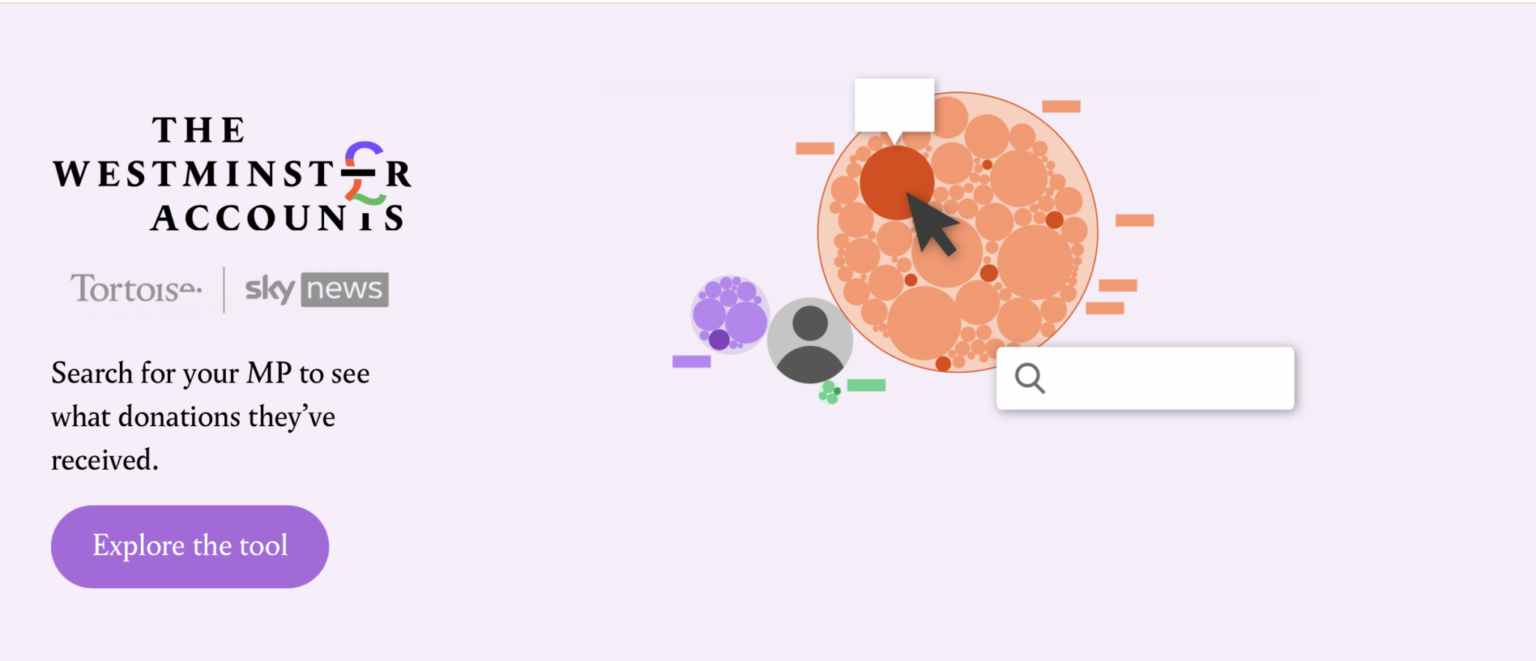
Recently, Tortoise Media and Sky News created the first database of second places of work, gifts and other donations to British politicians called Westminster Accounts . In connection with the features of the legislation in the field of declaration of assets in the United Kingdom, it was very difficult to collect data on parliamentarians: it was necessary to shove numerous databases, so cash flows in the pockets of politicians did not always give in public control.
Private sources of information about public officials also exist, but they are most often used by financial institutions. In many cases, a mandatory comprehensive financial and legal audit is performed. Private investigators have access to certain materials that are not available to journalists, for example, a report on credit history and registration of vehicles.
But access to private databases is not cheap.
Creative approach to the fact of declarations and the search for assets
The obvious first step in any investigation is a verification of the accuracy of the data specified in the declarations.
For example, you can start by studying available declarations and check the specified value of real estate or shares. In the process of such an initial investigation, it can be useful to study the assets of family members, although this is not indisputable. The classic way of hiding assets is their acquisition in the name of another person.
Particularly valuable resource can be records in real estate registers. They may indicate the price of sale and an official valuation of real estate (see GIJN allowance for real estate) . Also look for documents on changes in real estate, for example, building permits. Additional information can be found in other public registers.
Significant difficulty can be represented by assets hidden abroad - for example, real estate. In this case, public databases can help again. Another bell is the divergence of the level of declared assets and income with the level of expenses and the lifestyle. Travels, large acquisitions or even buying accessories such as wristwags can be brought on the trail. They can be monitored thanks to photographs from vacation with new cars, real estate objects, yachts, planes, art objects, wristwells or even horses (see Gijn allowance for tracking aircraft and tracking sea vessels ).
Another valuable source of information about assets may be legal documents, including in marriage proceedings. In addition, other government bases, for example, lists of persons receiving agricultural subsidies, can be useful.
To understand the context and narrowing of the search area, it is worth finding out the previous places of work - before being appointed to a public position. Find out if he was/she was the sole owner or a co -owner of the business. This can be very difficult to do if this business was incorporated into others or worked through stand -up companies (see GIJN’s guide “Search for data on corporations and their owners”) .
Sources
Opencorporates - a large database of corporate property.
Openscreening -a collaboration between Opensances , Linkurious and Open Ownership -it is possible to view millions of records from open databases in order to disclose hidden connections between the beneficial owners, politicians, suction persons and companies.
The Offshore Leks database created by the International Consortium of Journalists (ICIJ) now contains more than 810,000 records of offshore companies, funds and trains from the Pandora Papers , Paradise Papers , Bahamas Leaks, Panama Papers and Panma Papers, and Panma Papers and Panma Papers and Panama Papers and Panama Papers and Panama Papers Offshore Leaks . A series of three materials contains recommendations on how to look for data in this database by location , networks and metadata, as well as companies . So, for example, the scheme used by the Prime Minister of the Czech Republic to acquire real estate through offshore companies was disclosed.
Aleph is a global data archive created by the Center for Corruption and Organized Crime (OCCRP).
Finally, the methods of good old journalism, for example, conversations with friends, colleagues and critics of public officials often bring an excellent result.

This material has been prepared and translated by the Global Network of Journalists-Industors (GIJN) with the financial support of the European Union.