
Translated material
The time of "mantis"
As Reagan, in one day, Iran was curbed and how now it is not possible to curb the Husits
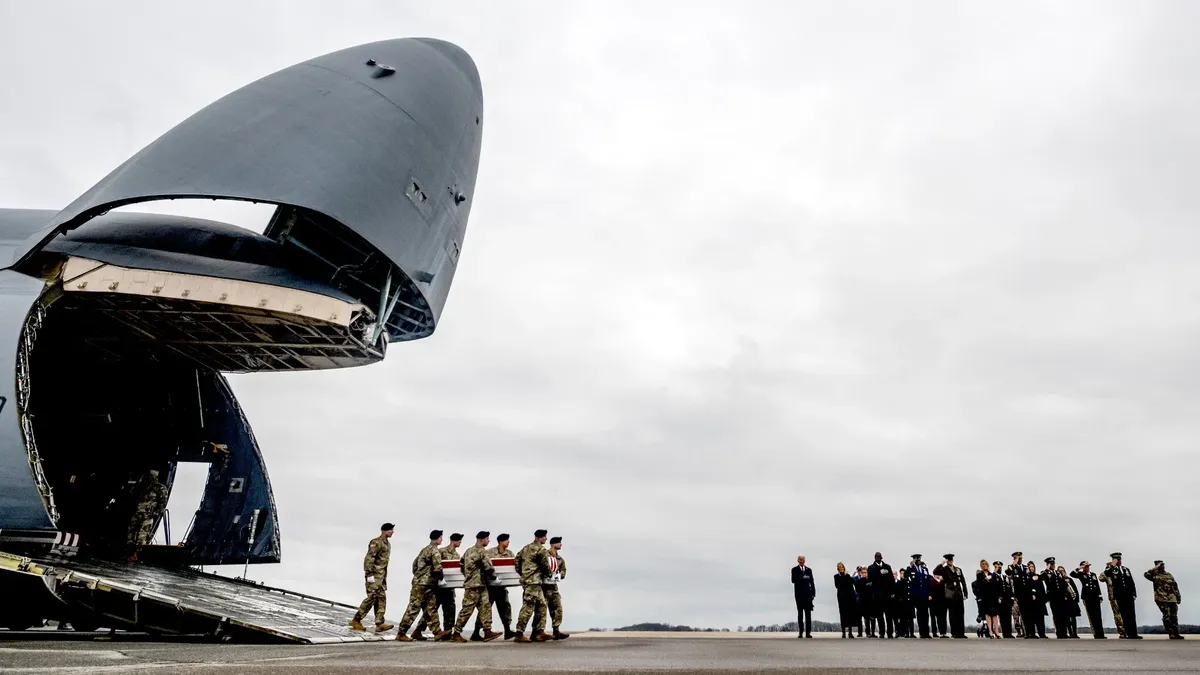
Transportation of the bodies of three military personnel who died as a result of a drone of drone on the American base in Jordan. Photo: Zuma TASS
Last year, on October 25, Wall Street Jornal placed an article by a former military pilot, ex-adviser to William Luti, entitled "How we last held Iran in the Persian Gulf." At the very beginning, the author notes how the American Navy in December boasted that one of his destroyers in the Red Sea won a skirmish with the Hussites who fired at him with a score of 22: 0. “But if the score is 100: 1,” Luti continues, “the Americans will demand that they explain why Iran did not feel that our naval forces restrained him so much and why our sailors were wounded or killed.”
These predictions came true on January 29, when the Drive of the Right Melminers killed three American troops in Jordan and wounded more than 50. According to the Washington Institute for the Study of War, from October 7 to mid -February, Shiite groups, which Tehran calls his “resistance axis”, made more than 170 blows and drones on American ships in the Red Sea and grounds. US positions, mainly in Syria and Iraq.

According to Luti and other critics of the Biden administration, the US sporadic response blows, including those who followed the death of three Americans in Jordan, were too lethargic and exposed the lack of a political will from the White House, which was necessary to recapture American bases and ships from the proactive groups. A series of retirees proceeded on the screens to the Americans, proving the need to strike at the objects of Iran himself, and not just his slander.
“Fortunately, we know how to recapture [Iran] to climb on the Rozhon,” Luti writes in his article. “We have already done it once.”
... April 14, 1988, the American frigate "Samwel Roberts", accompanied by Kuwait tankers in the Persian Gulf, was blown up by Iranian mine. The explosion lifted the ship above the water, made a 10-meter hole below the waterline, destroyed the five-meter section of the keel and seriously wounded 10 sailors. The crew of the frigate hastily cooked steel sheets together and handed the cables that did not allow the stern to fall off the ship.
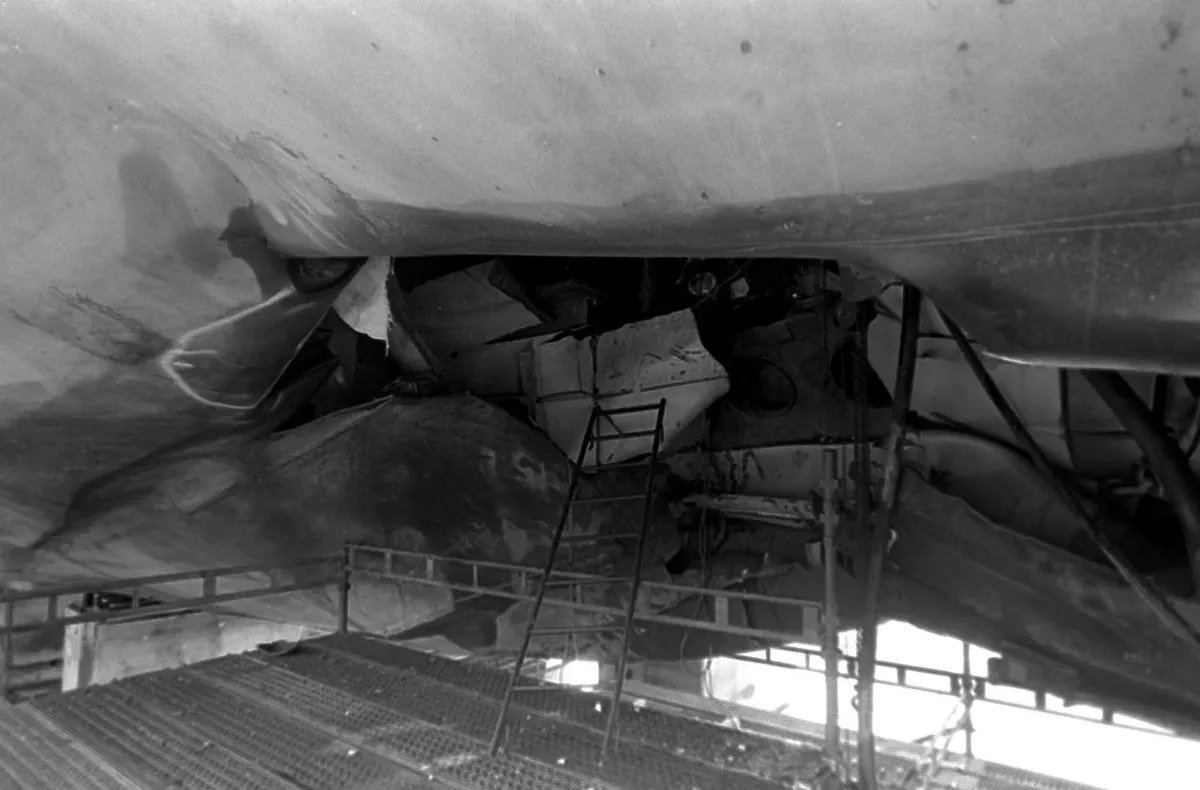
Four days later, American ships and aircraft, following the orders of President Reagan, entered the battle with the Iranian fleet, which lasted one day and bore the code name "Bogomol". According to Luti,
The Operation "Pogomol" remains a clear example of how to beat off the aggressor to get a hunt.
“Our victory,” the veteran writes, “frightened the Iranian fleet for more than two decades and helped change the course of the Iran-Iraq war, which over the years has turned the region upside down. Iran never put Min in the bay again. ”
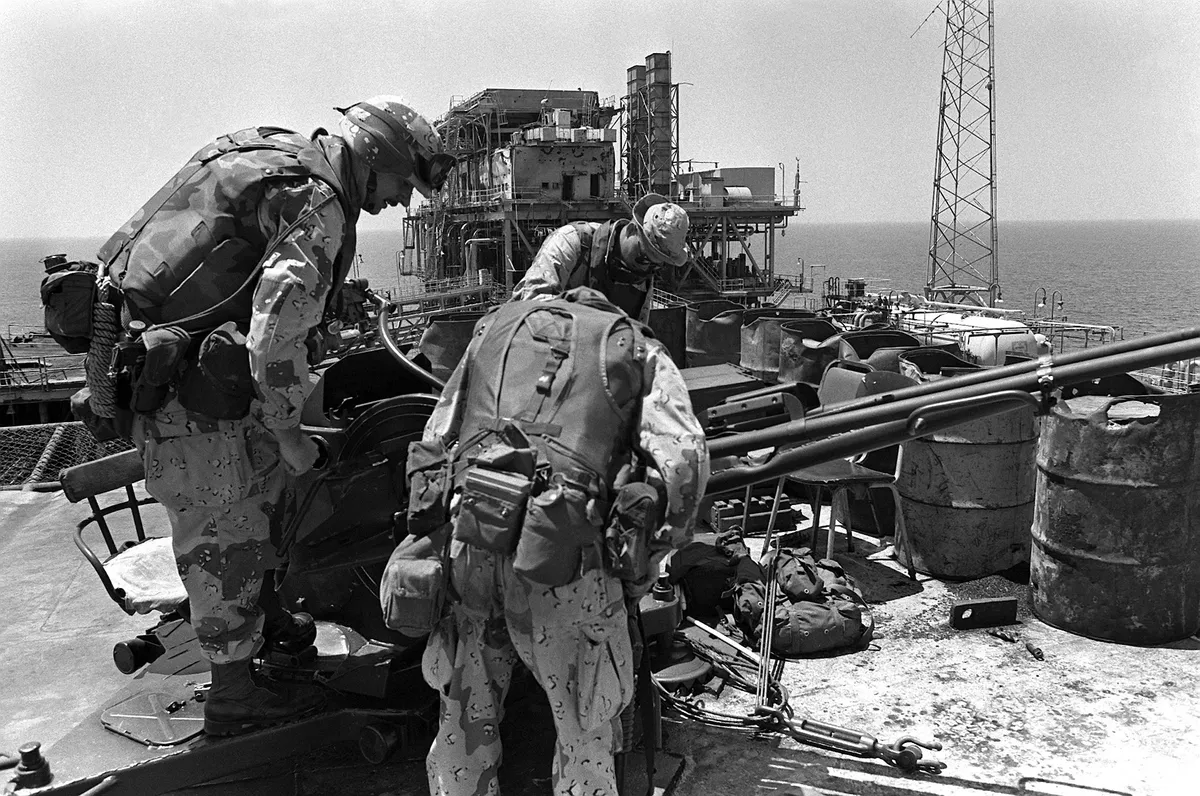
The American military needed to “destroy two Iranian oil platforms that served as a concentration base for attacks on ships in the bay, and sink one of two Iranian frigates who had not bad fame, since they shot sailors from machine guns on the bridges of merchant ships.”
The EA-6V Prauler electronic warfare squadron, in which Luti served, received an order to cut down the Iranian radar control and communications equipment so that American pilots could freely approach goals. The first salvo of ship guns damaged oil platforms. In response, the Iranians transferred two F-4 fighters “Phantom” to the battlefield, a guard with controlled missiles and a flock of armed high-speed boats “Boghammer”.
The Americans damaged one "phantom" and drove off both rockets. Waineite and Simpson ships sunk the Iranian watchman with rockets and gun fire. The A-6e Intruder attack aircraft attacked the Boghamers, sank alone and damaged the rest. The remaining boats were retreated to the base.
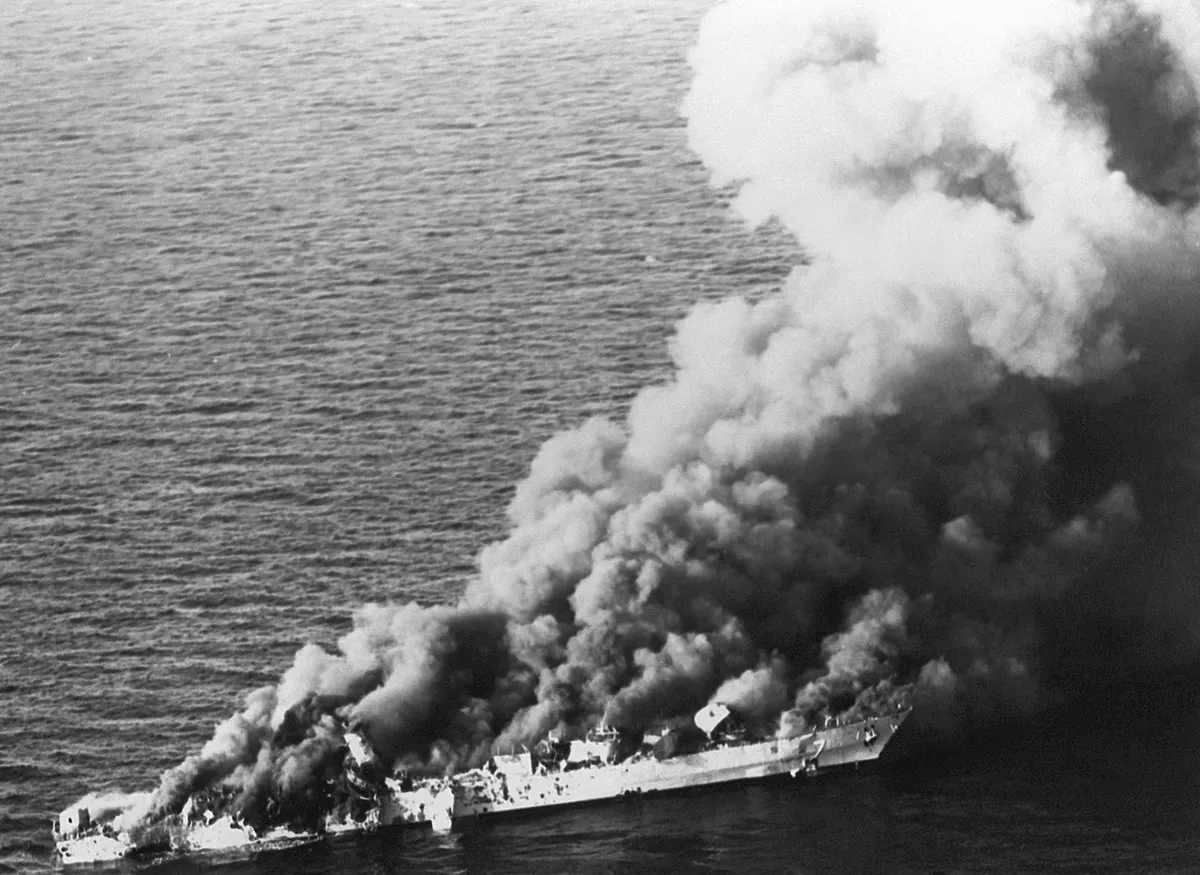
In the middle of the day, another “Intruder” was fired by the Iranian frigate “Sakhand”, which arrived in time to the battlefield. Intruder snapped with rockets and a laser -guided bomb. At the same time, a rocket launched from the American ship Joseph Straus crashed into Sakhand.
Another Intruder and A-7 Korsar, who set fire to it with bombs and missiles, got into the top of the Iranians. A few hours later, Sakhand turned over and sank. His twin “Sabalan” approached the battlefield and opened fire along one of the “introducers”. The plane responded with a laser guidance bomb that flew into the frigate pipe and exploded in the machine department.
When the planes rising from the decks of the Enterprise atomic aircraft carrier entered the bombing, the chairman of the United Committee of the Chiefs of Staff William Crowe said: “We shed enough blood for one day.” Reagan gave up the hunger. Iran towered a seriously wounded Salaban to the port. Since then, Iran prefers to kill the Americans by the wrong hands.
... our days. Six days after the Shakud-101 drone made in Iran, a residential container made of thin sheets of iron, in which the American troops on the Tower 22 base in Jordan, were sleeping, killed three and wounded dozens, the United States inflicted on the enemy “one of the most advertised blows in history”, and sarcastically remarked on February 2. "Wall Street Jornal." The Pentagon did not hit Iran and not on its objects abroad, but on command posts, warehouses and positions of Shiite militias that the Tehraan oversees and armed.
For several days in a row, American representatives openly talked about the prepared bombing and even leaked the information that the Pentagon was only waiting for the clouds to dissipate over the Middle East. “The leaders of the militants,” “Jornal, remarks,“ cannot complain that they were not warned, and if any of them was still hanging out at the objects that hit the blows, then they are the most stupid terrorists in the world. ”
Their Iranian curators are even more unlikely to remain in place and waited for the Americans, who warned in advance that their response strikes would last several days. “They have great opportunities,” the pentagon’s chief Lloyd Austin noted, referring to the enemy. “I have much more.”
This is yes, but so far the American response looked sluggish, and the warnings that the Pentagon made for several days in a row signaled that he did not want to apply too much damage to the enemy.
In Washington, they repeated several times that they did not want escalations of the conflict, but in fact they signed it that they were afraid of it.
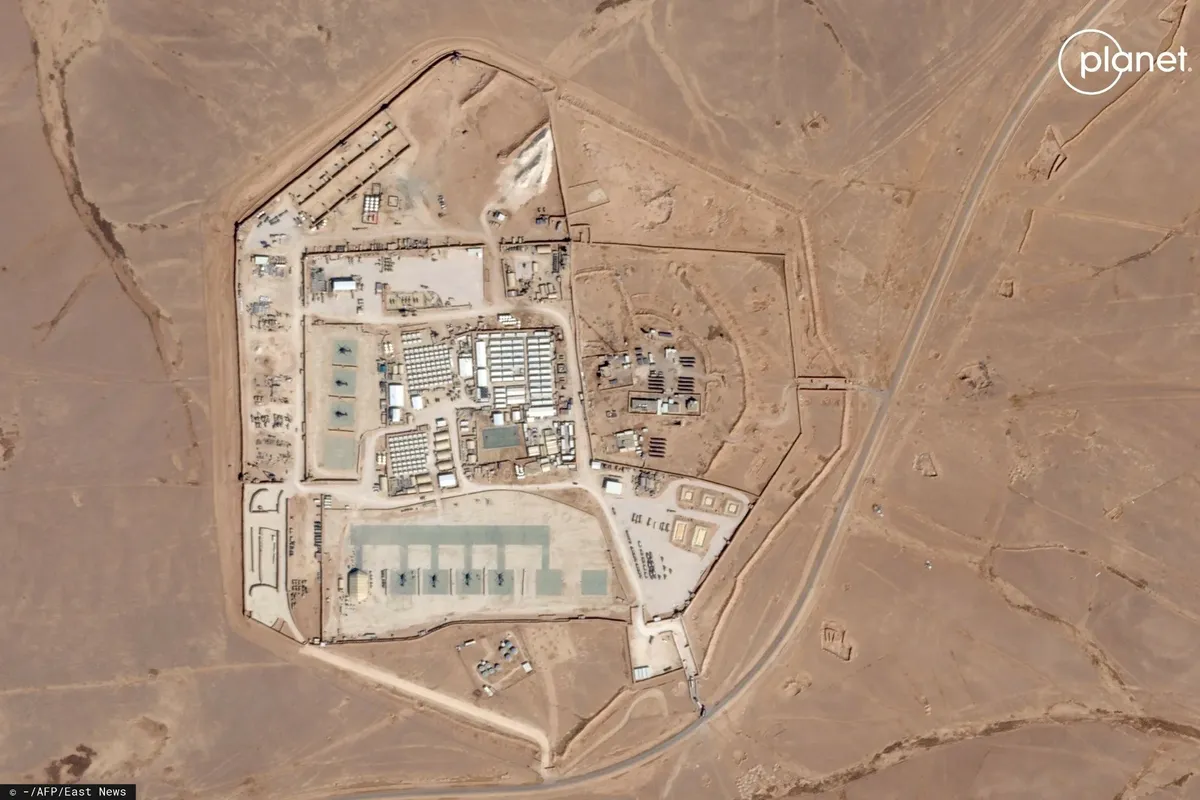
“The attacks on the Americans will most likely cease only when the enemy will be afraid of the escalation than President Biden,” Jornal writes that the restraint, which, according to his fans, shows Biden, “unlike the Militarists in Congress,” until she led to the deaths of three Americans, did not protect dozens of others from wounds and not beat off the opponent of the opponent Hunting to climb on the rampage.
“It looks like a very iconic action by the Biden administration,” Charles Lister from the Institute of the Middle East told Washington Post. “But, on the other hand, I do not think that this was even minimal enough to restrain these groups.” The militias have been conducting this campaign for more than 20 years and consider it as a long -term struggle. Ultimately, they are conducting a US exhausting campaign. ”
“I don’t see these air raids to solve American problems or helped to avoid further escalation in the region,” said New York Times, Steisi Filbrik Yadai, a specialist in Jordan and William Smith's colleges. “Although they can bake the Hussites in a short -term ruptake, the grouping of the group vowed to heal attacks in the Red Sea and get out of these air strikes.”
Shortly after the pentagon’s response, the American destroyer in the Red Sea barely dodged the next Husite rocket.