
Translated material
Kadish Abraham Grant

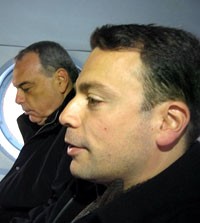
A visit to one of the readers of my magazine, who looked today from the distant Komi Republic, reminded me of events of 3 years ago. At the end of the summer of 2009, the Israeli football coach Abraham Grant , along with the correspondent of the Russian sports newspaper Sport-Express, Igor Rabiner visited the graves of the ancestors of the famous coach on the very edge of the inhabited land.
Igor Rabiner published a very indifferent report about this trip - the memorial prayer of Abraham Grant . Then almost all Israeli newspapers wrote about this, but in Russian publications this essay is rare, and I decided to repeat it at home by adding illustrations from the diary of Igor Rabiner , the Internet publications of the Komi online Republic and other sources.
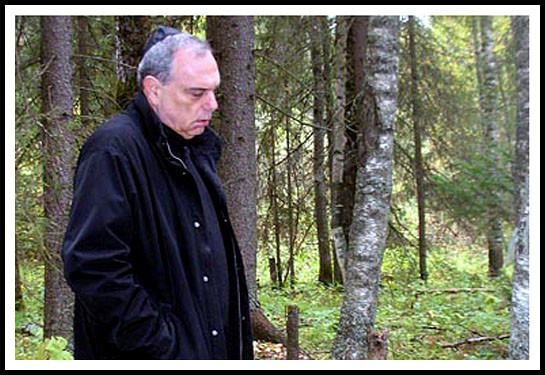
"El Male Rahamim" - all -merciful God
The beginning of a memorial prayer (Hebrew).
The famous Israeli coach visited the Komi Republic, where his ancestors graduated from his days. Together with him, this trip was made by the "SE" correspondent.
The Mi-8 helicopter flew over the endless taiga of the Komi Republic. Below, more than half an hour has replaced each other with green, gold, crimson tops of trees - and there was nothing else. No roads, no cars, no people. Only at such moments you understand how endless Russia is.
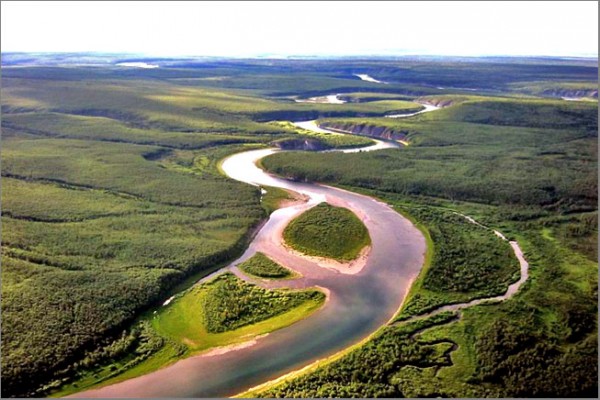
Virgin forests of Komi. (Photo - Elena022 )
One of the passengers of the helicopter did not break into the porthole. When a year ago, millions of football fans watched how Abraham Grant was led by Chelsea in the Champions League final, they could not imagine that Russia was far from Moscow, where that final was held. And something immeasurably greater.
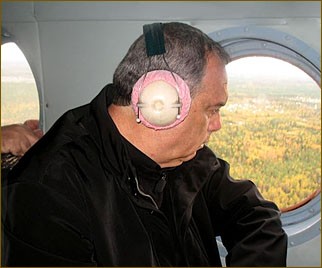
Sometimes Grant closed his eyes, and it might seem that he was sleeping. But he thought. He thought that one of the main goals of his life, which he set for himself when he was 15 years old was coming up.
One night, he suddenly heard a heartbreaking scream from the next room. His Father Meer screamed in a dream. Mom was sick that day, for the first time in many years, she slept in another room. Later it turns out that the nightmares tormented her father every night - but her mother felt with an interior when her husband was about to shout. She touched him lightly, he woke up - and the horrors retreated. So went on for years, and little Abraham did not even know what was happening to his father in a dream.
Meer - a light, cheerful, optimistic person - sometimes briefly talked about what was in his adolescence. Abraham heard about the mysterious land of Komi, where his grandfather, grandmother and two sisters were buried. But he was sure that all this remained in the distant past for the dad: Mer, due to his cheerful nature, never made a cult from the past, lived in the present and future.
Only at night he could not control himself. And Abraham, hearing his father’s cry, gave himself the word: to find out everything about what happened to his family. Find the graves of relatives, buried unknown where in distant land.
And so he flew to these graves.
And the 81-year-old Mer two days before his son’s travel left the Semindel Cow. Although the doctors gave one percent for this. One.
* * *
This story is about how much case decides in our life.
Herman Tkachenko introduced me to Grant - it was in May. Prior to that, the Israeli, after the resignation of Chelsea extremely upsetting him, did not give a single large interview in a year, although they asked for the New York Times and dozens of English and all Israeli editions without exception. I didn't want to - and that’s it. And then for some reason he suddenly agreed. Fate?
Before the conversation, Grant did not know me, did not know what questions would be. I thought, probably, about football. I, preparing for the interview, thought for a long time about where to start. The first question is that it is extremely important in order to ask the conversation tone and nerve. As a result, guided by the words of Vysotsky that in Israel - “a quarter of our people”, decided to ask if the grant of the roots in Russia had.
Could I not remember Vysotsky's lines? Could (besides knowing in advance that Abraham does not speak Russian at all) just not to ask this question, deciding to focus on Chelsea and on something more relevant? Could Tkachenko not introduce me to Grant? Could Abraham again disagree again with the interview - especially since the reporter did not ask for him in his native Israel and not in England, where was the matter?
But Tkachenko introduced him, Grant agreed, and I asked. So it happened. During the trip, the coach repeated more than once that, without that, the same one, most likely, would have been nothing. In response to him, Abraham told the story of the death of his grandfathers and grandmother. And he added: "I have never been to Komi, and my dream is one day to go there and find their graves."
Grant could not imagine that she would come true after four months. On May 22, an interview at SE was published, and on September 20, the plane and a coach on board flew out of Vnukov along the route Moscow - Syktyvkar. And a day later, as you already know, Grant sat in a helicopter, following from Syktyvkar in the village of Suda, the Koygorodsky district. A village that is not.
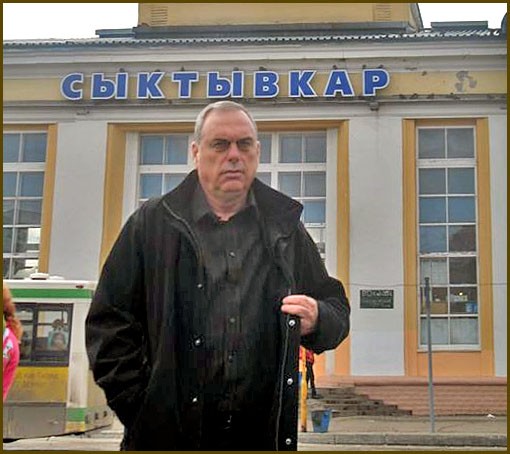
In the hotel, Grant forgot a passport. In the VIP front of the Komi capital airport, they did not want to register it on a flight at first. The Israeli found a driver’s license in English with a name, photograph and passport number. The girl at the registration languidly protested. She said: "I will miss. And how will he fly back?"
She was hardly explained: in the workshop there is no airport, registration, baggage checks. There is nothing at all. People in those places have not been living since the 50s, and in the 56th village disappeared from cards. By the 60th, the last barracks were burned there, because they started some kind of infection from which Merli Valians. In the 70s, rare shepherds built a hut there with a bathhouse - the last hint of the inhabitability of these places. In the 80s, they even stopped driving calves.
The village closest from the workspoons, the village of NUSGA, is 20 kilometers. Between them is absolute off -road. And before and after - forest, forest, forest.
* * *
The printed word is a great power, but one of it is not enough. The coach’s story and the publication in “SE” could and even should not have been enough. Where is the grant - and where is Komi?
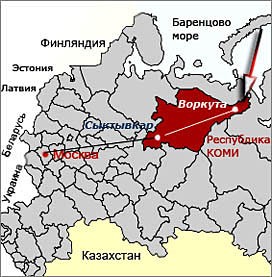
And she is gigantic, this republic. From the southwestern Syktyvkar to the northeastern Vorkuta-a day by train. Like Moscow. How do you know where the forest of Abraham fell and where is he buried? In those dashing years?
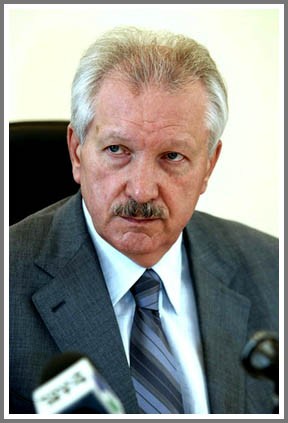
When, after returning from the worktop, Grant and I go to the Komi administration to meet with the head of the republic Vladimir Torlopov, I will say: "Thank you for the indifference. All great deeds are done because someone is not anyway."
Torlopov, probably, could not be anyway. His father is Komi, and his mother is Russian. The whole family was sent to these harsh lands in the same Stalin's times. And the grandfather and grandmother of the head of Komi were killed - just like the ancestors of Grant. Therefore, I think, he took the throwing of the coaching soul as his own.
The Republic of Komi was the first to include a separate point on perpetuating the memory of victims of political repression in the budget. Nine volumes of martyrologist "Repentance" have already been published in Syktyvkar with a listing of the names of all the victims of the Gulag on the territory of the republic. In one of them are the names of the native Grant. This Tom Torlopov personally gave the coach. And presented the death certificates of his grandfather and grandmother ...
On June 23, I received a letter by e -mail. Its author was a press secretary of the head of Komi Konstantin Bobrov. The 31-year-old passionate fan of football invested in search of the graves of his native Grant, and then to organize his trip to Komi the whole soul. For incomplete three months, we exchanged more than 50 letters by e-mail and even more SMS messages. Bobrov talked about every step, rejoiced at any little success, was ready to sweep away all the barriers from the way.
First, the registry office and the Ministry of Internal Affairs were raised. It was found that on January 5, 1941, a certain Abram Erselevich Granat died in the pile of myocarditis, and on May 31, his wife Rud Granat died of pneumonia. Bobrov asked Grant to find out whether these people are related to his relatives.
The hit was one hundred percent! The coach said that the surname of his family is just a grenade, and the letter "A" disappeared from it later. And the great -grandfather was called Ersez. Moreover, Mer Grant accurately remembered the dates of the death of his parents, and they coincided with the data of the Komi registry office.
Next, finding out the burial place was already a matter of equipment. According to Bobrov, the back of the horror of the Gulag was the strictest reporting. God forbid, which of the special settlers will disappear - the guilty could pay cruelly, up to the execution. Therefore, in archival documents, data on all 8,800 refugees from Poland who ended up in Komi have been preserved.
But one thing is to find out the burial place, and it’s quite another to find it. In the taiga, where no one has been living for more than half a century.
An expedition was organized. From Syktyvkar to workshop - about 200 kilometers, or 50 minutes by helicopter. But this type of transport was not involved at first. Let's go on jeeps. At some point, they got stuck: the road, even the most seedy, ended.
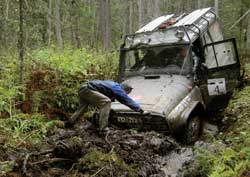
And what is the Northern Road, we found out on our own experience on Sunday evening, when we went to the place of Cherni for dinner in honor of Grant for a hour and a half. In about those places, Sergey Dovlatov was once guarded by Zekov. The famous Israeli journalist Roni Daniel (the film crew of the 2nd channel of Israeli television came in to Syktyvkar), a man with a severe face and an amazing sense of humor, noticed on this subject: "Now I understand why Napoleon lost."
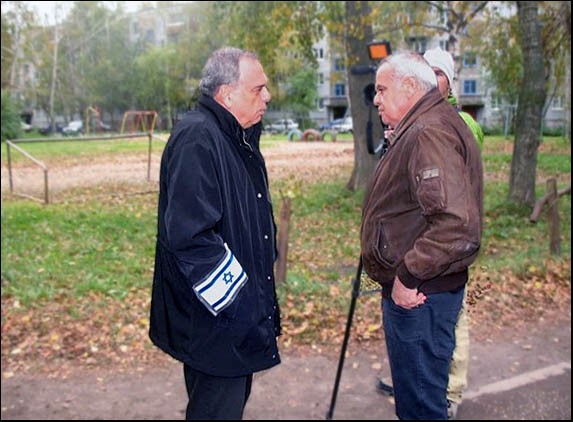
But we even got to Cherny. The expedition in the berths stopped: there was nowhere to go. The remaining ten kilometers was passed on foot - through the forest and impassable mud. When we arrive in much more comfortable conditions in the berths, tall swamp boots will be prepared for us. Fortunately, it will be dry, and they will not be useful.
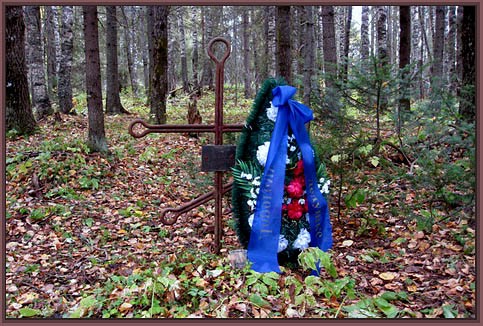
The expedition, accompanied by the elderly local residents, who still remembered the road to the Studies, nevertheless reached the goal. And they discovered a huge field where the village was located, and nearby - an abandoned graveyard. Now only a wooden fence and a single surviving cross reminded of him. Well, the characteristic failures of the earth in places where people were once buried without any coffins. Including - grandfather and grandmother Abraham.
When you step on such a failure, it is difficult to convey feelings in words. And these are the feelings of those who have no one in this earth. And the grant ...
* * *
Sometimes in life there are incredible coincidences. About one - the release of Father Grant from a coma two days before the trip - you already know. About the other - the equally terrible fate of the grandfathers and grandmothers of the Israeli coach and the head of the Komi - too. And now - the third.
When Grant flew to Syktyvkar, they told him that the parents of his former boss Roman Abramovich rest in the metropolitan city cemetery. The coach wished, if possible, to see the grave. Yuri Cheremisin, the old comrade Abramovich Sr., who tragically died at a construction site, was rapidly found, when Roma had not even able to speak. Taking with him a huge bouquet of flowers, Cheremisin spent our entire group to the grave.
Moreover, in the process of conversation it turned out that Abramovich’s ancestors were deported to Komi from Lithuania in the same 1940 as the ancestors of Grant - from Poland! The fates of the two Jewish families went in parallel courses. Many years later, their descendants met in England. And almost won the Champions League, which, against the backdrop of all these events, personally seems to me a real trifle. Grant from this coincidence seemed to be sewn with an electric shock. This was visible in the eyes.
When we fly to the berths, a series of new coincidences will come, which he will think about.
His grandfather, in whose honor Abraham was named, died in Komi at the age of 54. That is, exactly in the one in which the Grant-Venuk came to the place of his death.
His daughter is now 13. That was so much Meru when, during the first five months of 1941, both of his parents did not become. Meer snout for them in the frozen earth of the grave with their own hands. And buried - with them. According to historian Mikhail Rogachev, who went with us to the Studies, who died at best were wrapped in fabric. But usually there was not even fabric, and they put it in the ground as it is.
The son of Grant is now 15. At this age, Merer has been an orphan for two years and lived alone in the workshop. And then two more. How he survived - only he knows. “This is the most optimistic and cheerful person whom I have ever met,” said Abraham. “He had no opportunity to choose whether he would go to Komi or not. But he chose how to live on. He could be closed in his memories, become gloomy and unconvinial. But he left the past in the past. And only at night it did not give him rest and did not give him rest.”
When Abraham in 2001 found in Poland the place where the Grants family lived before the war, Meer remained indifferent to this. "Why do you drag me into the past all the time?! I want to live the present and the future!" he grumbled. But when in June the coach told his father that they found a churchyard where his parents were buried, he did not believe his ears. Because any accounting - living or dead - in those conditions seemed incredible.
But he was. And when the historian Rogachev (on whose head, it was funny, a baseball cap with the Champions League emblem) told Grant who was interested in every detail about what was happening in those years, the Israeli exclaimed: “This is exactly what my father told me!” It was impossible to find a higher compliment to the efforts of people from Komi.
The fact that Abraham flew to Komi, he first did not inform his father. Two days after returning to life - too short time to so worry a person, even if he completely returned to consciousness. But the next day, doctors allowed Grant to tell his father where he is. The reaction of Meer was unexpected: "Is it still cold there?"
In winter, at the forested in the workshop, 40-degree frosts were the norm. And warm clothes for special settlers were not provided. Like doctors. Needless to say, people there were dying of hundreds, thousands? ..
* * *
The grant family (more precisely, grenades) until 1939 lived near Warsaw. The war of Germany with Poland forced them, like many other Jews, to flee to the east of the country. Where a few weeks later Soviet troops entered.
Grenades wanted to return to their native places. But the Germans passed only the Poles and Ukrainians back, but no Jews. As Rogachev remarked, this ultimately saved them, because otherwise they would definitely become victims of the Holocaust, falling into gas chambers.
But, avoiding the Hitler Hell, the Grant family in the 40th hit Stalinsky Hell.
The father of Abraham had nine brothers and sisters. One fell under the bombing, two more were missing - apparently, a terrible fate awaited them somewhere in Auschwitz. The fourth found a shelter with a Catholic priest even after the war, when he was found, he did not even know that he was a Jew. Another brother and sister managed to hide. After some time, they will get to Canada and the USA.
And Grant and Grandmother Grant with her son Meer and two daughters - 14 -year -old Sarah and four -year -old Rachel - were loaded with thousands of other Polish Jews into echelons and drove into Komi. Locate the forest.
Local residents to communicate with special migrants were strictly prohibited. Nevertheless, they worked together, and Komi quietly taught them how to hold an ax, how to chop trees and branches. Meer Grant to this day remembers these people with a kind word. But could it save them if in winter they work hard ten hours a day to the waist in the snow, despite the fact that no one was going to give them to the felt boots instead of ordinary boots? In fierce frost, they wore light clothes. How did one of them survive?!
Until September 41st they were equated with prisoners. Then a partial amnesty was announced, and theoretically special migrants could leave for any city of Komi. Only how could you leave there? On what? Where?
According to the then rules, at least a hundred families should have lived in such villages. And there were two or three wooden barracks. On average, there were three square meters per person. There was even less food. No benefits and food rations were supposed to be on children - let them die, excess mouths are not needed. Disabled people officially paid salaries. But it was given out only if they performed the production of forest harvesting. The norms were such that even a prepared person was not able to cope with them. And urban residents ...
There was only flour in grocery stalls. From it, needles, crumps and sawdust cooked a terrible mess - but it somehow replaced people with food. There was nowhere to take clean water from - without a river. The dysentery was the norm. Like any other diseases, since there were no doctors for special settlers.
Berries and mushrooms were collected in the forest. The mushroom pickers from former citizens were also the same - that is why there were horrors as death from the poisonous mushroom of 14 -year -old Sarah grenades. Arkady Abramovich, the father of the billionaire, tells, after the war, mushrooms could not see, since all those terrible years mother fed him only by them ...
Mer Grant told his son Abraham that he woke up in the worktop for four years - and from morning to evening he thought about food and was looking for her. Most often - in vain.
When he was left alone, by law he had to be given to the orphanage. But the Jews did everything so that this did not happen: according to the story of Rogachev, even if the child had no parents, their friends hid him at home. True, Meer Grant says that he lived alone. From 13 to 16 years old.
How did he live? How did his days go? How did he not lose the faith that this horror would have a happy ending? This Grant thought about this the days that we spent in Komi. "Сейчас мы знаем, что это закончилось в 44-м, - говорил он. - Но отец-то этого не знал. Я всегда пытался представить себе его, тринадцатилетнего, в той ситуации, в которой он оказался. И понять, каким образом он потом смог превратиться в завзятого оптимиста с великолепным чувством юмора.
- "Все, что нас не убивает, делает нас сильнее"?
- That's right.
* * *
Мы прошли огромное поле - и попали на погост.
Грант попросил оставить его одного. Долго молился. По еврейскому обычаю сыпал на землю привезенный из святых мест Иерусалима песок. Зажигал свечи. Взял на память горсть рабогской земли.
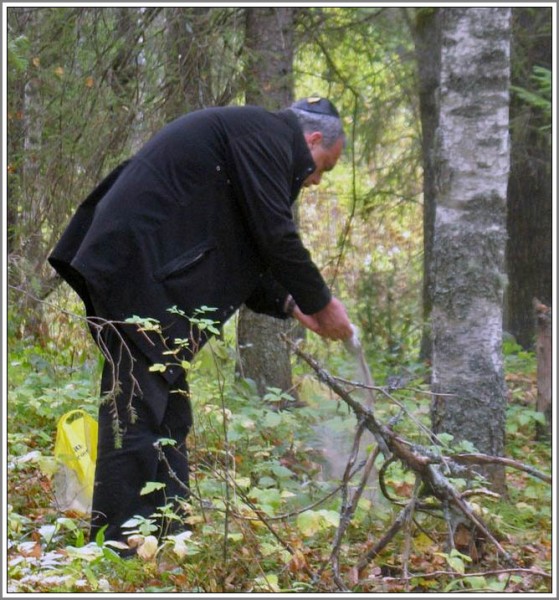
Плакал ли? Мне показалось, что все держал в себе. Потом он скажет: "Ребята с израильского телевидения, наблюдавшие за мной в камеру, говорят, что плакал. Но я не помню. Я думал о своем выжившем отце, о погибших родных. И даже не чувствовал, текут у меня слезы или нет".
А потом они вместе с главным кантором (певцом) Московской и Петербургской хоральных синагог Барухом Финкельштейном пели поминальные молитвы по каждому из умерших в Коми родственников. И еще - молитву о жертвах нацизма и сталинизма. Ведь семья Грантов объединила в себе одно и другое.
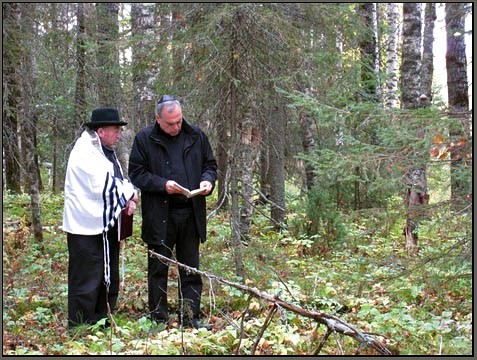
Посреди русской тайги звучала еврейская песня-молитва. "Сюрреализм", - качали головой израильские журналисты. Я вообще не раз за дни этой поездки ловил себя на ощущении нереальности происходящего.
"У меня как будто с сердца упал камень, который я нес всю жизнь", - скажет мне позже тренер. С которым нас теперь объединяет что-то неизмеримо большее, чем принадлежность к футбольному миру.
В вертолете он заснул. Рабог высосал у Авраама столько душевных сил, что наступило опустошение. Это потом эмоции вернутся, да с такой силой, что он всю ночь не сможет сомкнуть глаз.
Едва мы вернулись в Сыктывкар - полил дождь. Он словно деликатно ждал, пока святая миссия будет выполнена.
За два дня в Коми Грант успел еще многое. Выступил в местном еврейском культурном центре, где дети посвятили ему прекрасные танцы. Посмотрел тренировку молодых футболистов и ответил на их вопросы. Среди которых были заковыристые, например: "Сложно ли было работать с Абрамовичем?"
Грант отреагировал, как политик высшего разряда: "Вы должны гордиться тем, что есть такой человек, который вышел из ваших мест и столького добился. Он должен стать для вас примером того, что достичь в жизни можно всего".
Поучаствовал Грант и в открытии мини-футбольного турнира среди команд детских домов, проходившего в новеньком, отличном дворце спорта. Эта идея поразила его в самое сердце. А один из ребят произвел своей искренностью и непосредственностью такое впечатление, что Авраам собирается пригласить его либо в Израиль, либо в Англию на матч премьер-лиги. Ведь отец Гранта тоже рано стал сиротой, и тренер никогда не забывает об этом. Он вырос на том, что его семья, не бедная, но и не богатая, всегда отдавала десять процентов дохода на благотворительные нужды. Как велит древний еврейский закон.
Велит он и бороться за свою землю и свободу. В 44-м выживших в Коми польских евреев отпустили на Украину, а в 46-м Меер на корабле отправился в Израиль. Судно, однако, было перехвачено британскими властями, а все его пассажиры на год отправлены в тюрьму на Кипр. "Как там было?" - спрашивал потом Авраам отца. "Пятизвездный отель", - отвечал Меер.
Когда он в 47-м все-таки добрался до Израиля, прямо с корабля поехал в Иерусалим, воевать за независимость. А вскоре, уже в мирной жизни, встретил будущую жену, беженку-еврейку из Ирака. И на свет появился будущий финалист Лиги чемпионов Авраам Грант.
В Коми он не раз говорил "спасибо" футболу, хотя вроде бы при чем здесь игра? Тренер объяснял: не было бы футбола - не было бы и интервью "СЭ". И тогда глава республики не узнал бы об истории семьи Гранта и не распорядился начать поиски. И не нашлись бы неравнодушные люди, которые довели эту историю до логического завершения.
- Ваш отец, дай бог, восстановившись после болезни, не пожелает сам приехать в Коми? - спросил я Гранта.
- Зная его - не думаю. Он никогда не любил жить прошлым. Но фотографии поглядит с интересом и рассказ мой выслушает внимательно. А вот своих детей сюда обязательно привезу. Ведь я пережил здесь, в Коми, один из самых волнительных моментов моей жизни. И не забуду этого никогда.
© Игорь РАБИНЕР
Comments
livejournal
6 апр, 2013 21:13 (UTC)
Кадиш Авраама Гранта или как евреи из польши и литвы в 1
Пользователь kostyad сослался на вашу запись в записи « Кадиш Авраама Гранта или как евреи из польши и литвы в 1940-1944 рубили лес в Коми » в контексте: [...] Оригинал взят у в Кадиш Авраама Гранта [...]
6 апр, 2013 21:54 (UTC)
Thank you!
7 апр, 2013 13:23 (UTC)
Please. Рад, что вы обратили внимание на этот пост. ))
7 апр, 2013 17:58 (UTC)
С огромным интересом и вниманием прочла. Надеялась на продолжением под катом, оказалось, что там дублирована статья, и прочла ее снова.... Спасибо еще раз, это важно и нужно, спасибо!
7 апр, 2013 17:59 (UTC)
С огромным интересом и вниманием прочла. Надеялась на продолжением под катом, оказалось, что там дублирована статья, и прочла ее снова.... Спасибо еще раз, это дорогой материал!
7 апр, 2013 04:49 (UTC)
Я бы тоже хотел когда-нибудь побывать в Коми, проехать от Воркуты до Сывтывкара на поезде, по железной дороге, построенной моим дедом, которому повезло больше - он выжил и вернулся.
7 апр, 2013 13:26 (UTC)
На этой дороге работал и мой дед, но извещение о реабилитации он получил в лагере около Караганды. Я бы поехал по этим местам, но не в память о деде. В память о нем я в Израиле - то, до чего он так и не дожил. (
7 апр, 2013 07:04 (UTC)
Спасибо!Мой дед - русский, пацаном ещё попал в мясорубку ГУЛАГа, валил лес, ему помогли бежать, что бы спасти ребёнка... Потом война, Сталинград... Я родился в год его смерти и знаю о нём со слов матери. Там всё ещё так же холодно. Здесь я расплакался: холод и недостаток сна - это то, что помнилось деду сильнее всего.
7 апр, 2013 13:33 (UTC)
Мой дед - русский
------------
Боже мой, сколько полегло в лагерях русских, украинцев, поляков, латышей... Еврейский геноцид начался после войны, а тогда... тогда была классовая борьба: бей своих, чтоб чужие боялись!
7 апр, 2013 16:06 (UTC)
Страшно и радостно. Радостно потому, что Меер выжил и сын его помнит, и его дети помнят, благодаря ему,
и, надеюсь, что внуки тоже будут помнить... И что все это состоялось. Отправлю ссылку в ФБ.
7 апр, 2013 17:26 (UTC)
Yes. Страшно... и радостно.
Внуки будут помнить? Who knows? Most likely not. Мой пра-пра родственник был мухтаром в Кфар Табор. Что я помню, что я знаю об этом? А ведь и ему было нелегко. Что там пра-пра?! Я корю себя, что столько не спросил у деда, который отбывал срок Воркутлаге и в караганде, не спросил у матери про раскулачивание в 20-ые годы, а в 60-ые был знаком с людьми, которые вернулись с Колымы. Что я знаю?((
7 апр, 2013 19:10 (UTC)
Да, я тоже корю себя за многое. Слушала мамины рассказы, но ничего не записывала.Я сегодня у себя пост поставила в память о погибших в Катастрофе. И тоже "подняла" два поста прошлых лет. Там фотография двух моих двоюродных сестер, погибших в гетто, а я даже не помню как каждую из них звали. Имена знаю, они написаны на обороте фотографии.
Мама точно мне говорила, как каждую из них звали, а я не помню и спросить уже давно не у кого...:(
7 апр, 2013 20:08 (UTC)
Это тяжелое ощущение, когда понимаешь, что интересующие тебя факты уже не у кого спросить, а то, что ты знаешь, уже некому подтвердить.