Date
Author
Дмитрий Плотников

Preserved copy
Translated material
Kipling

Sitting in a spare wagon in anticipation of anger day,
From idle idle
Disabled people of a future war with the dark
And they do not see a white Covet.
Alexander Nepomnya
According to legend, Admiral Horatio Nelson told his subordinates to the Battle of Trafalgar: “England does not expect that each of you will become a hero. England is waiting for everyone to fulfill his duty. ” This story perfectly describes the character of the British, who was broadcast by Redyard Kipling through all his work.
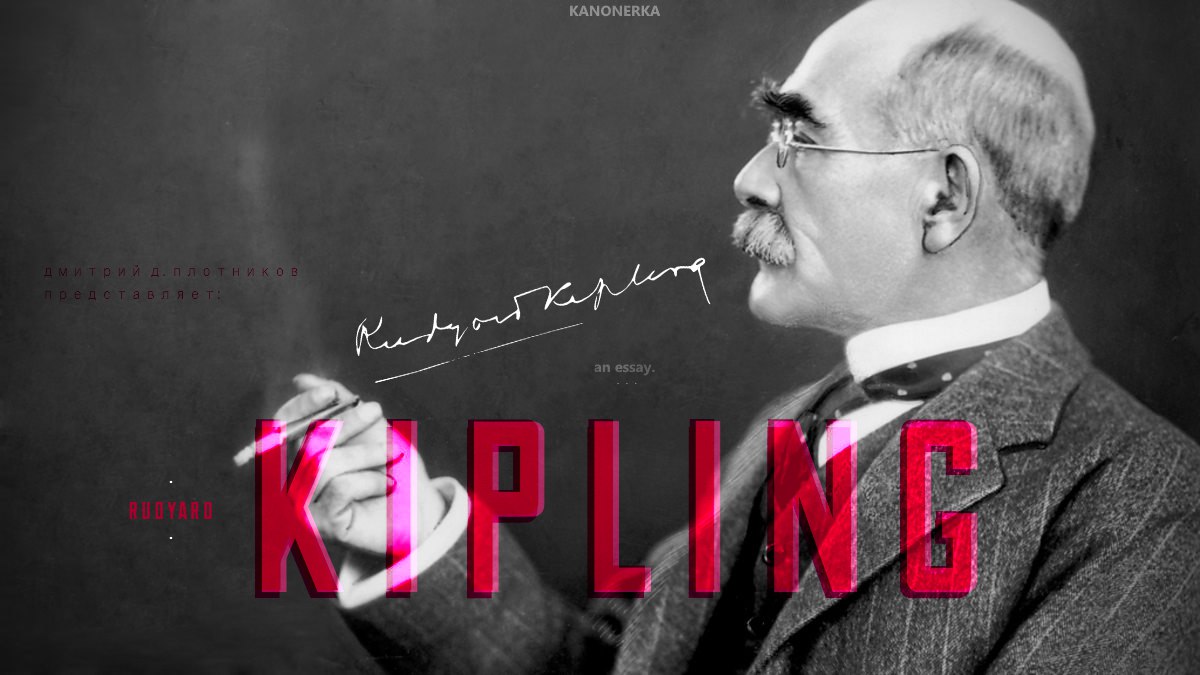
The singer of the empire, according to Osip Mandelstam, even capable of turning animals in the ode of the hierarchy and the ruling class. In art, the part is always more than the whole. Kipling is not a part of the empire, he himself is an empire, tied and closed to himself. In order to fully understand his poetry, we need to understand his vision of the world. The world who built Redjard for himself and his readers.
Fill with meaning every moment,
Hours and days inexorable run, -
Then the whole world you will accept in the possession,
Then, my son, you will be a man!
There is a god-boss in him, personifying the law. Through the divine law, the world is embodied, and not in our power to change them. However, God does not interfere in the affairs of the world of the Dolnoy, even when a person violates his laws. People punish themselves through the consequences of their actions and decisions. The freedom of choice and human security plays a large role both in the Anglo -Saxon intellectual tradition and in Kipling's poetry.
And when, completing the case, the new world will come to us,
To give us to our needs, without repaying anyone by sins, -
How the water is destined to wet us, how to burn fire,
The gods of alphabet truths will come, lifting the sword!
From here is the purpose of the existence of a person - to be the master of his fate, to go to the goal, personal or public. The structure of society for Kipling is a field of mutual responsibility, where only responsibility and only mutual. It is impossible to replace it with either rational expediency or personal arbitrariness. This also reflects the world of Anglo -Saxons, the world of a public agreement that needs to be strictly followed. Where the perception of the state depends only on how little it requires.
And the Englishman rumbled: “The weak, lame to hell!
I have a house and work. I am responsible for everything myself.
And while the graveor did not send an account to pay for my funeral,
I am for my wife and boys, so to hell with this law!
The poet considered it clearly below his dignity to explain his views from the field of Ratio . He was a romantic, Kipling. Not in life, but in creativity. His contemporaries, possessing comparable fame, have already stepped into a new age. And he with his romanticism remained not even in the past, but in the eternal. His famous “dust”, the translation of which so successfully went to the masses in the summer of forty -first, rings the refrain “there is no vacation in war”. In the original - "There's no dischaRge in the War". Here he practically quotes the eighth chapter of the book of Ecclesiast, where "there is no deliverance in this struggle." To her and its contents, Rediaard generally has a lot of references. This, one might say, is his manifesto. The edges of which he revealed in his verses and prose to the extent of the forces released to him.
I-Siel-Schuzhe-AD-six weeks, and I swear
There, no-ni-t-shma-neither fried nor devils,
But-pyl-pyl-pyl-drill-from walking boots,
And there is no vacation in the war!
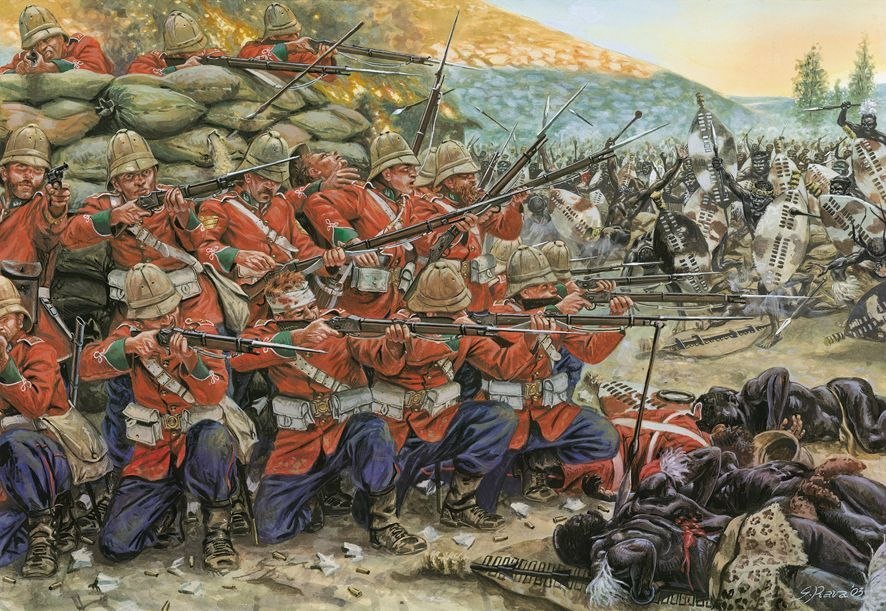
And England for Kipling is already good for England. I do not think that he considered the Anglo -Saxon order ideal or close to that. It was just that his duty, a man and an Englishman, in which a citizen and a subject mixed in equal shares. Imperialism was not for him for the sake of glory, but for the sake of life on Earth.
Bring the burden of white, -
What is the burden of kings!
Gallery of the pads
Then the burden is harder.
For them, work in a sweat,
For them, strive to live
And even your death
Make them serve.
Imperialism appears in him almost charity. At the same time, saving as the conquered peoples, to which he brings the light of not even enlightenment, but the English lifestyle, which, we remember, is not ideal and not even close, but good, because he is English, and the enlighteners themselves who give themselves to the service of the empire. Because, according to Kipling, only he at least somehow reflects the Old Testament laws.
If life must be paid for power -
Lord, to pay for power,
Lord, your own life for power! -
Each of us is the Lord!
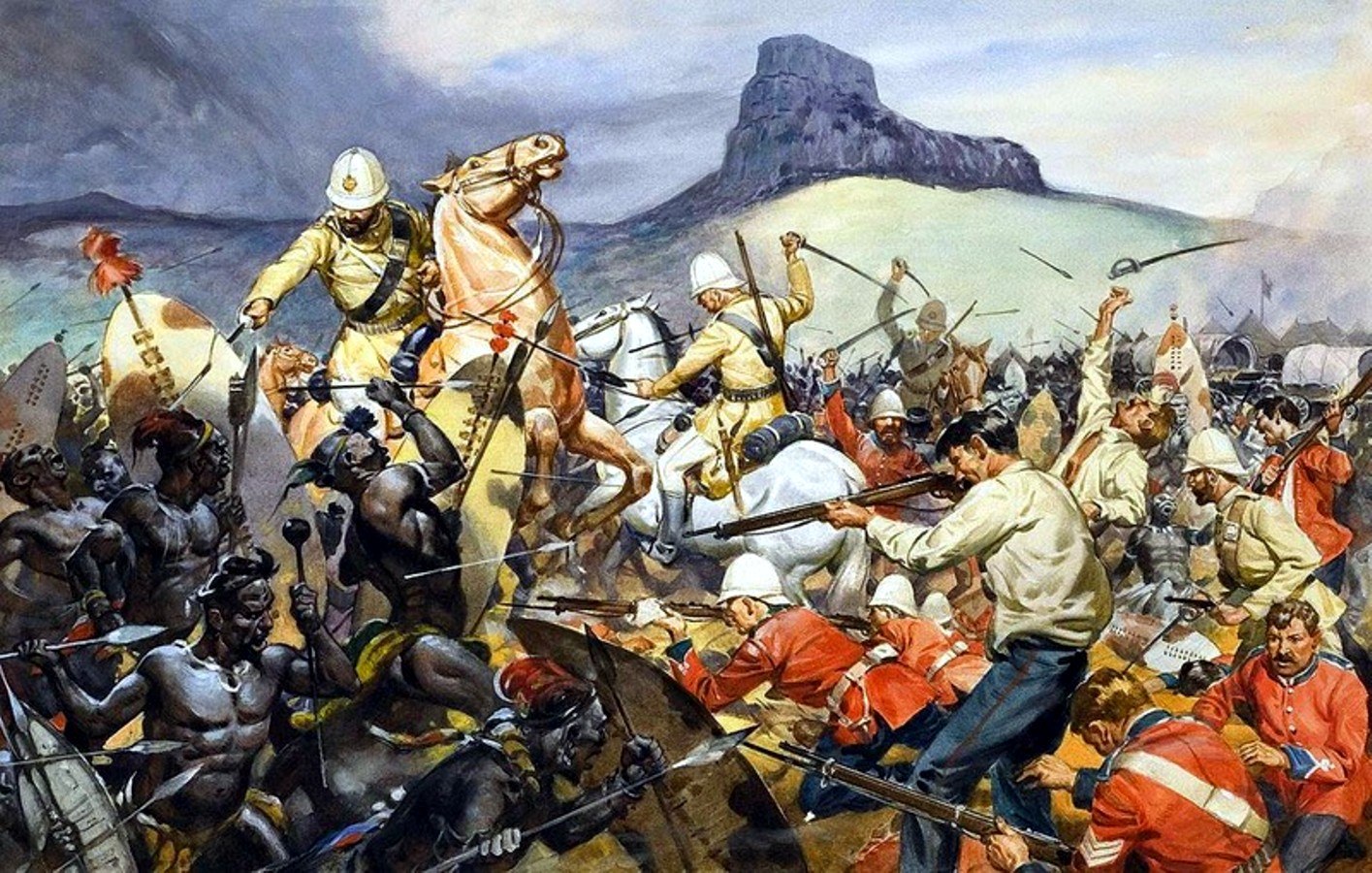
Moreover, these British established laws for themselves. They saw the planting and spread of the empire, no less, salvation for themselves and for "a crowd of either devils or children." Salvation through suffering, how else.
Kipling’s imperialism did not carry the goal of grinding everyone and everything into dust. Only bring the light of the harsh Kipling God, embodied on earth in an equally harsh English character. Neither empire named Britain, nor an empire named Kipling were gesture chauvinistic millstones. It was important for them to create everything Viribus unitis . And contemporaries never understood, accusing the racism, jingoism and many other "Izm", for the English gentleman of the unpleasant. Kuprin, who said that Kipling's talent was not enough, not enough of the most important thing - all -human talent. By natural modesty, believing that in it there are more than enough universality. On this, in fact, that's all. Well, almost.
When Kipling died, it was decided to bury him in Westminster Abbey. This is a very important symbol of faith, it is the highest posthumous honor, you can provide a CHEI with a bunny. Rocking his ashes next to those who built the empire so beloved by the “iron Redard”. In powder, it doesn’t matter in powder or with a pen in the hands of a candle light. England, as it were, admitted that empires are needed not only by builders, but also by bards. And the fact that none of the then literary bohemia came to the funeral was best explained by another Englishman, Swift long before Kipling. Liliputs do not make sense to walk behind the coffin of Gulliver.
You can talk about Kipling for a very long time. Political views, philosophical views or banal conjuncturalness - this is all Stadium . Here the entities can be multiplied to infinity. PUNCTUM in another. Kipling sang the Mosenna of the empire, because it was she who was his home. Not England, but Britain, over which the sun never comes.
Glory to the light, it is in everything.
It's no secret for anyone:
In your mind, and your way
Everyone will find their light.