
Translated material
EVGENY KHALDEY

Photographer Evgeniy Khaldey
A legendary photographer who has immortalized his name forever, whose work seems to be known to everyone...
Evgeniy Ananyevich Khaldei was born on April 10, 1916 in Ukraine, in the mining town of Yuzovka (now Donetsk). The time and place of his birth did not at all foretell a cloudless childhood: in Ukraine there were battles of the Civil War, and the actual military action was interspersed with the favorite entertainment in those places - Jewish pogroms. Evgeniy's parents, devout Jews, were affected in the most tragic way. In 1917, when pogromists broke into their house, his mother was killed, and the future photographer, whom she covered with her body, received his first and only bullet wound. The bullet that passed through the mother's body got stuck under the child's rib, and Evgeniy survived only thanks to the efforts of a local paramedic.
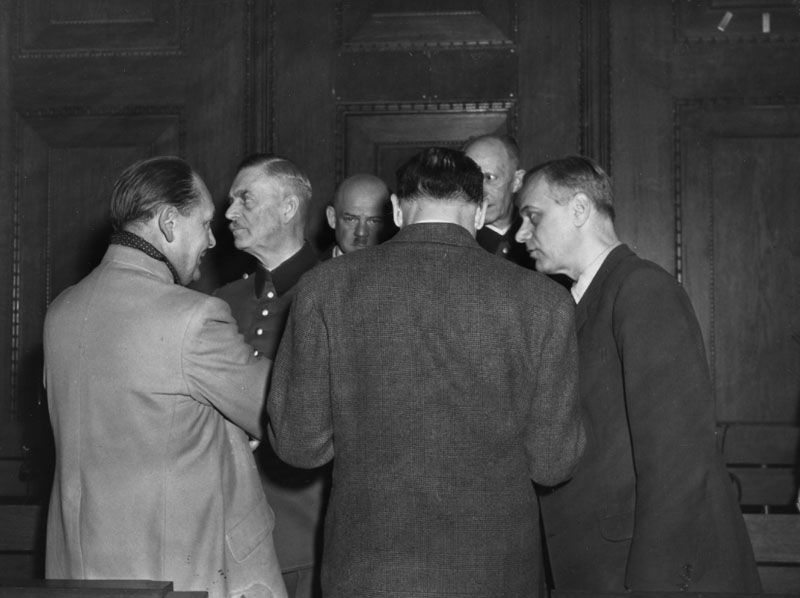
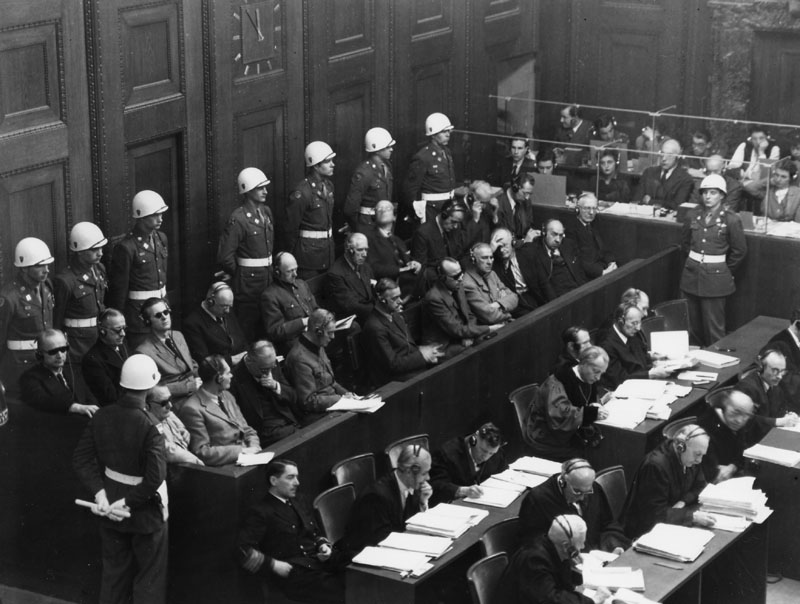
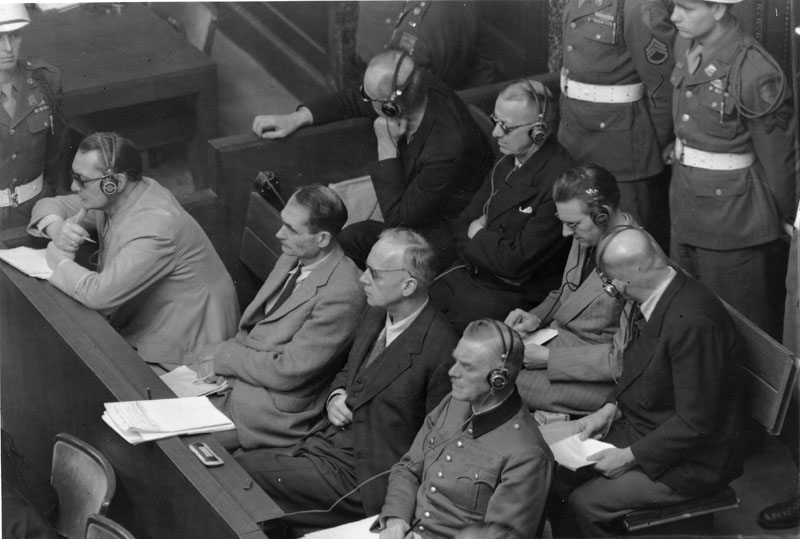
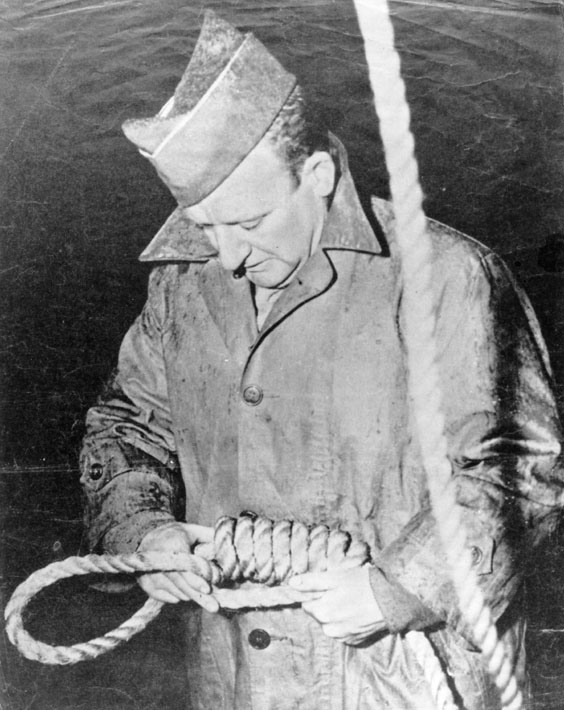
Next was the thorny path of becoming a Master. The talent of photographer Evgeniy Khaldei was fully revealed during the war. Here the legendary photographer himself got into the frame. Nuremberg trials:
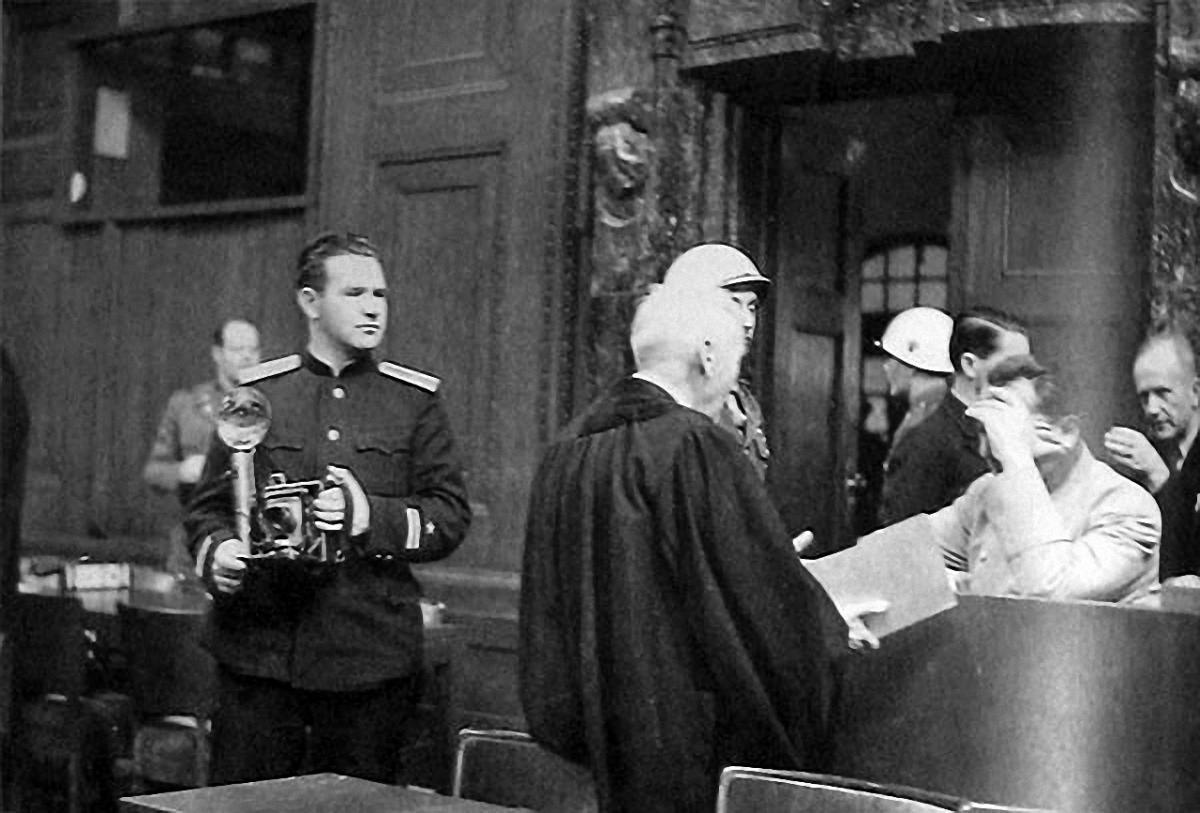
Evgeniy Khaldei with a Speed Graphic camera given to him by Robert Capa, the legendary American photographer, one of the founders of the Magnum agency. Nuremberg, 1946. Khaldei said that Goering did not forget about the blow with the baton and deliberately covered his face with his palm when he noticed that the Russian photographer wanted to get into the same frame with him.
Yes, the story laughed. A Jewish boy, who miraculously survived the pogrom, years later photographs the leaders of Nazi Germany...
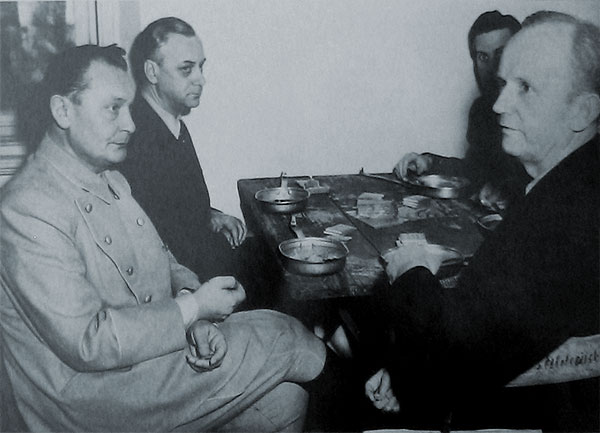
Evgeniy Khaldei: "Once an American chief photographer came to us and said that if we had flashes with us, then we could go with him. We were led into a room, about 40 square meters. There were tables against the wall, there was no light. There were four people sitting at each table. Here in the picture are Goering, Rosenberg, Admiral Doenitz and von Schirach. Keitel was sitting with Jodl. I walked along the wall with my camera and took pictures with with a flash. Keitel covered his face with his hand. Then I approached the table with Goering. While other photographers were walking - Americans and French - he did not say anything, but as soon as he saw my Russian uniform, he began to shout “What is it, you can’t eat in peace anymore!” He scared me. Then an American lieutenant came up and asked what was the matter, why Goering was yelling. I have no idea, I say. I just wanted to take a photo. The lieutenant approached Goering and told him to stop yelling. But he didn’t let up. Then the lieutenant raised his baton and hit Goering on the back of the head. After that it became quiet.”
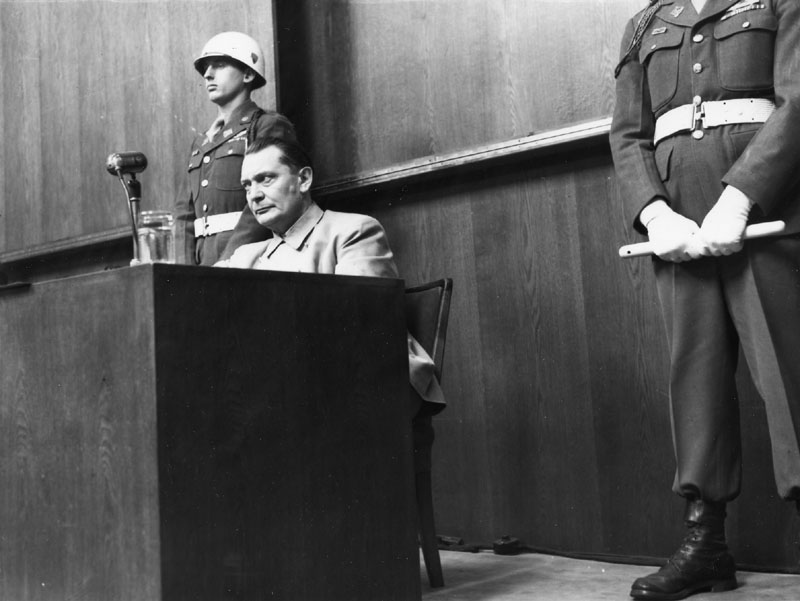
Evgeniy Khaldei: "I wanted to photograph Goering from an unusual perspective. But this was forbidden. I made an agreement with the secretary of the Soviet judge Nikitenko. For a bottle of gin, he gave me his place for a couple of hours."
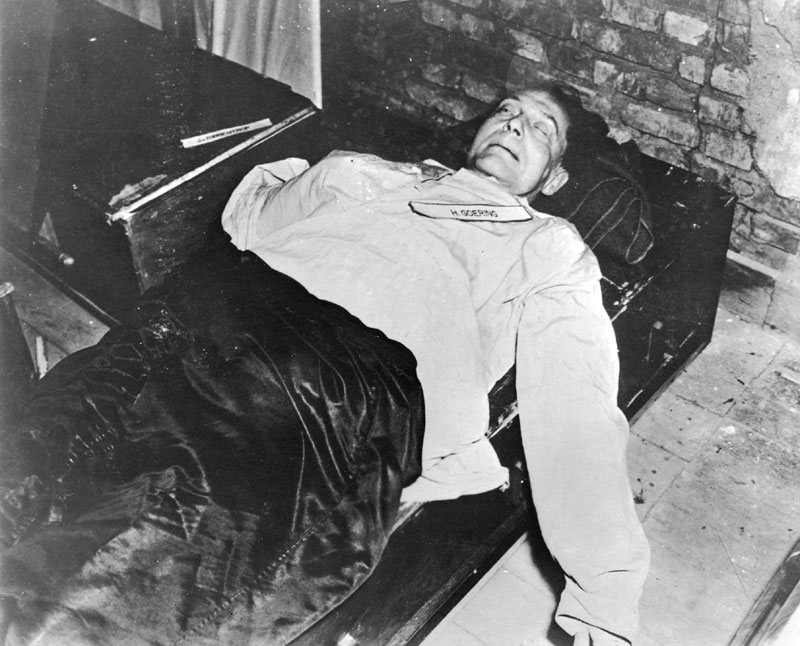
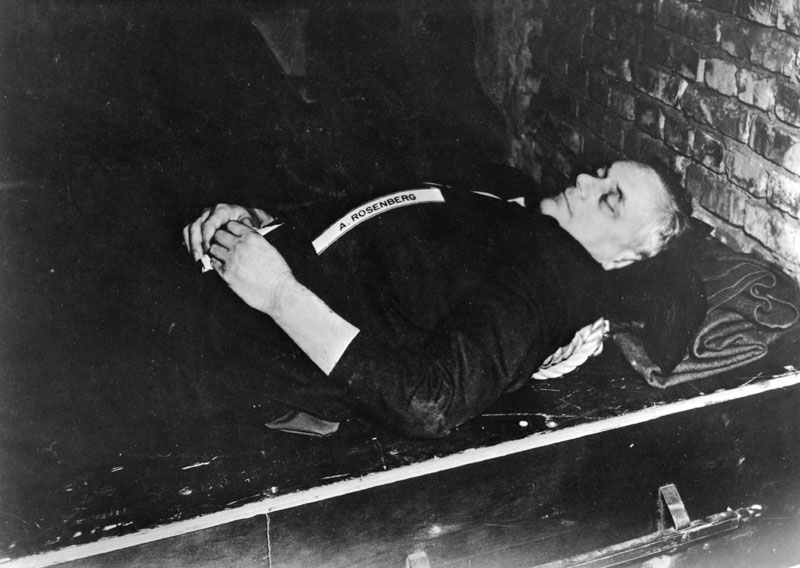
After the war, during the period of struggle with the cosmopolitans, Chaldea was remembered as his fifth count. A talented photographer, already legendary by that time, was left without work. An interesting document has been preserved:
E.A. Khaldey - M.A. Suslov with a complaint about unmotivated dismissal from the position of TASS photo correspondent
01/28/1950
To the Secretary of the Central Committee of the All-Union Communist Party of Bolsheviks, Comrade. SUSLOV M.A.
from photojournalist CHALDEYA EA, member of the All-Union Communist Party (Bolsheviks)
Dear comrade SUSLOV!
I ask you to help me, a photojournalist who worked in the Soviet press for 16 years, a party member, to get the opportunity to continue working in my specialty.
I am 33 years old. Since 1933, I constantly worked in the TASS photo chronicle and gradually became one of the leading TASS photojournalists. I was entrusted with the most important shootings: the construction of the Dnieper Hydroelectric Power Station, the organization of the first collective farms, the launch of the Donbass domain, etc.
Many of my photographs were published on the pages of central newspapers. From the first days of the Great Patriotic War, I joined the active Navy.
Being in the ranks of the Soviet Army during all four years of the war, I was a direct participant in the defense and assault of Sevastopol, the Caucasus, the assault on Novorossiysk, and the landing in Kerch. With the advanced units of the Soviet troops, I entered Bucharest, Sofia, Budapest, Belgrade, Vienna and Berlin. I took part in airborne assaults in Harbin and Port Arthur.
The photographs I took of the hoisting of the Victory flag by Soviet troops in Sevastopol, Port Arthur and over the Reichstag in Berlin circulated in all Soviet newspapers and are still published in connection with anniversaries.
TASS photo chronicles repeatedly sent me on business trips abroad with important assignments: I photographed Comrade IV STALIN at the Potsdam Conference, photographed the Paris Peace Conference and the Nuremberg Trials.
During all 14 years of work at TASS, I did not have a single party or administrative penalty, and many times my work was noted with gratitude.
It is quite natural that it was a complete surprise for me when I was released from work at TASS on October 6, 1948 “due to staff reduction.”
It is quite obvious to me that this wording is only a formal pretext for my dismissal from TASS.
However, I could not get from the TASS management what the true reasons for my dismissal were.
Since October 1948, I have been trying unsuccessfully to get a job. I contacted a number of editorial offices and organizations (Sovinformburo, magazines “USSR in Construction” and “Ogonyok”). Although all these organizations are interested in me as a qualified worker, they refuse me everywhere, citing the “unclarity of the reasons” for my dismissal from TASS.
The editors of Ogonyok magazine returned to me a number of photographs I had taken, informing me that, although these photographs were needed, they could not be published with my name.
The editors of the magazine “USSR at Construction” ordered prints from me and published six historical and documentary photographs I took in an issue dedicated to the 70th anniversary of Comrade IV STALIN, without indicating my name among the authors.
I believe that the current state of affairs is unacceptable. Without any reason and without explanation, I, an honest Soviet citizen and communist, are insulted, deprived of my legal copyright, and in fact do not give me the opportunity to work in my specialty.
For 15 months I was unable to get a job. I am forced to turn to the Central Committee of the All-Union Communist Party of Bolsheviks for help. I ask you to instruct me to look into my matter and give me the opportunity to continue working in print.
I am attaching to this letter 28 photographs I took.
E. CHALDEI, member of the CPSU (b) since 1946, party card No. 8612384
MOSCOW, Ozerkovskaya embankment, 48/50, apt. 76.
Comrade Slepov L.A.
M. Suslov, January 28, 1950
RGASPI. F. 17. Op. 132. D. 295. L. 1-1 vol. Script.
But the man photographed Stalin!
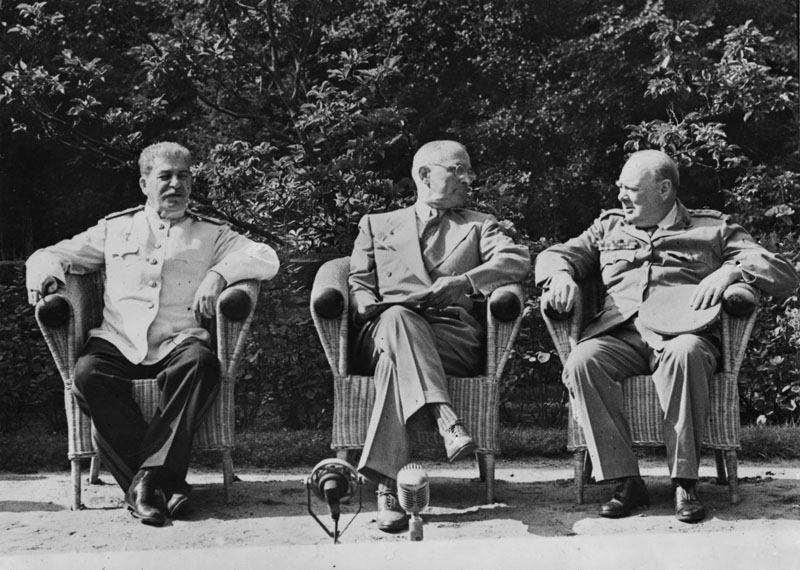
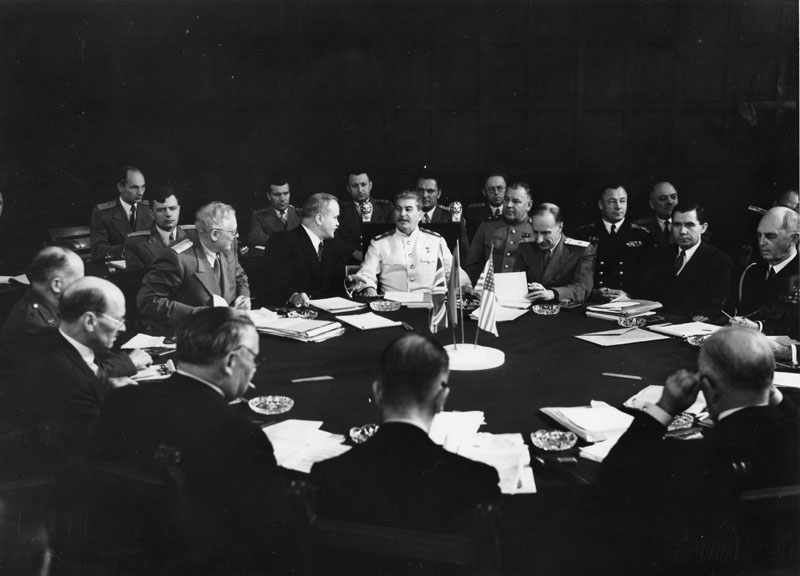
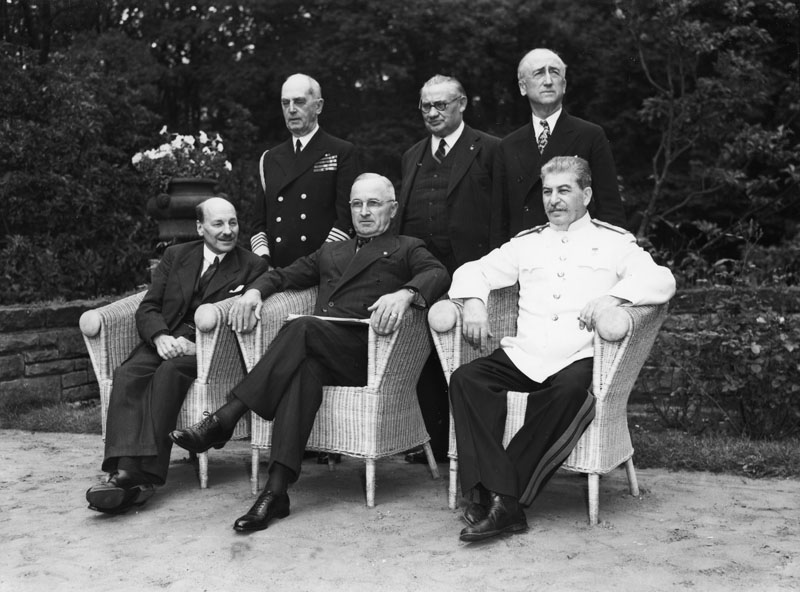
But for us, for posterity, it is not these photographs that make him valuable, but those in which the harsh everyday life of war is unvarnished...
Many of his pictures are not for the faint of heart:
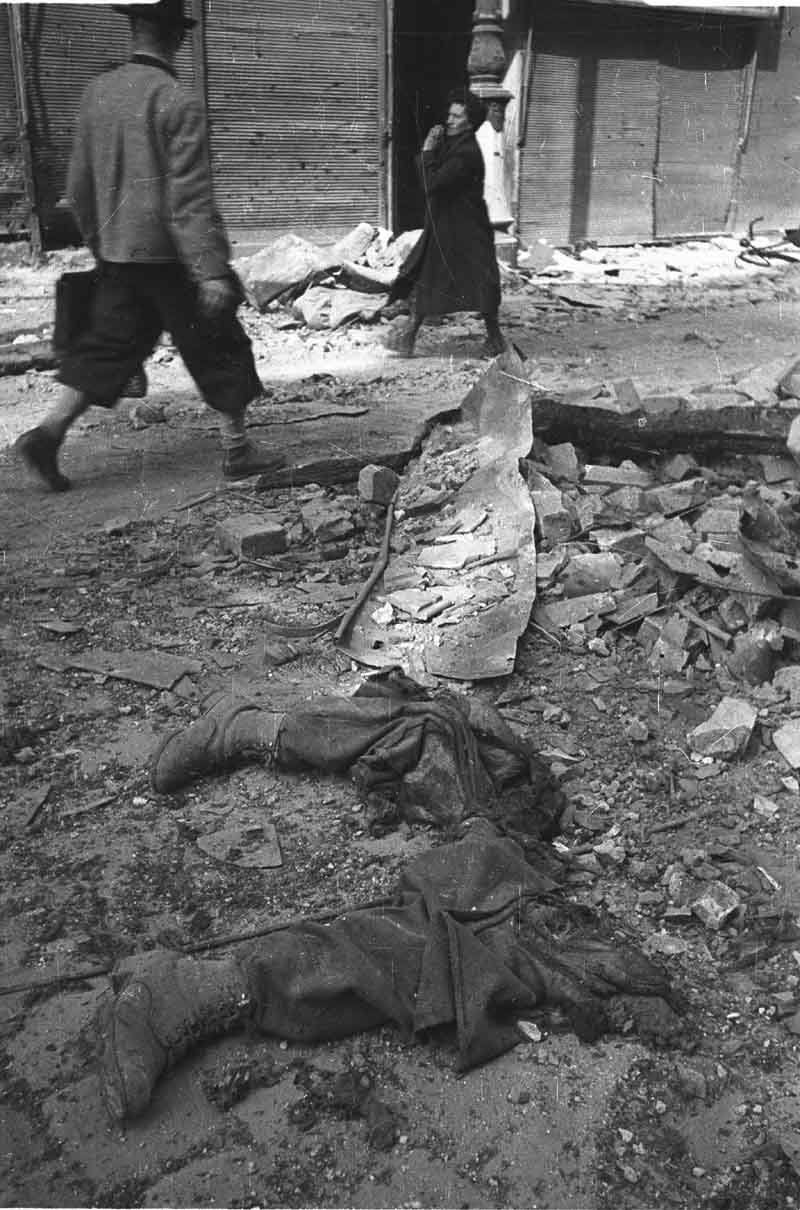
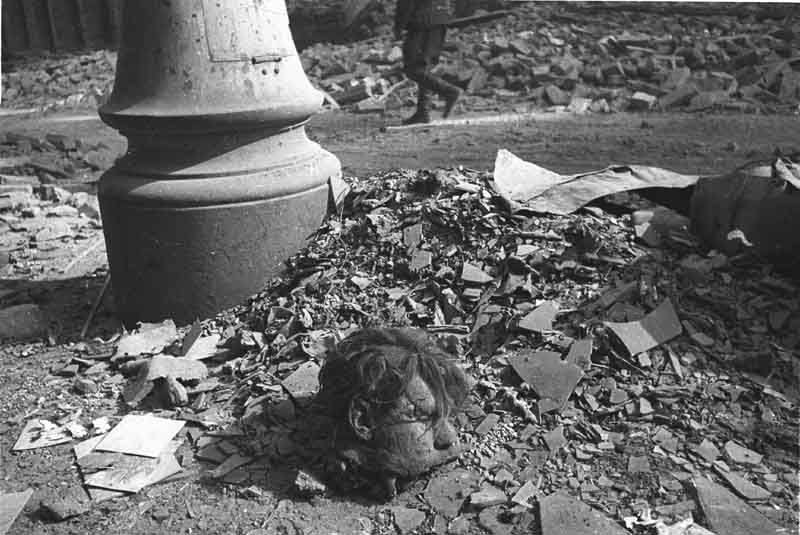
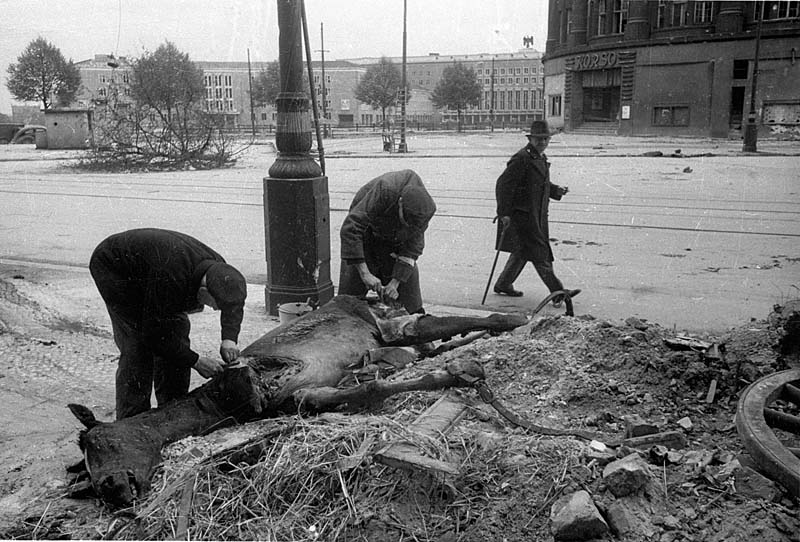
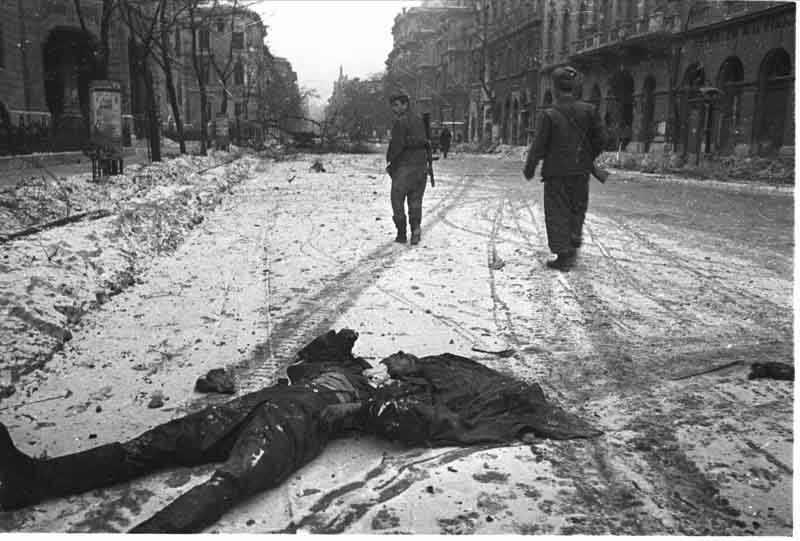
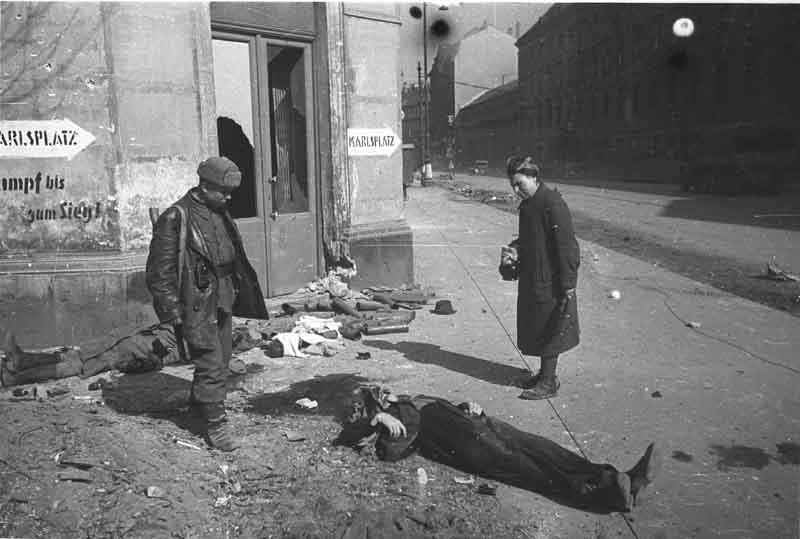
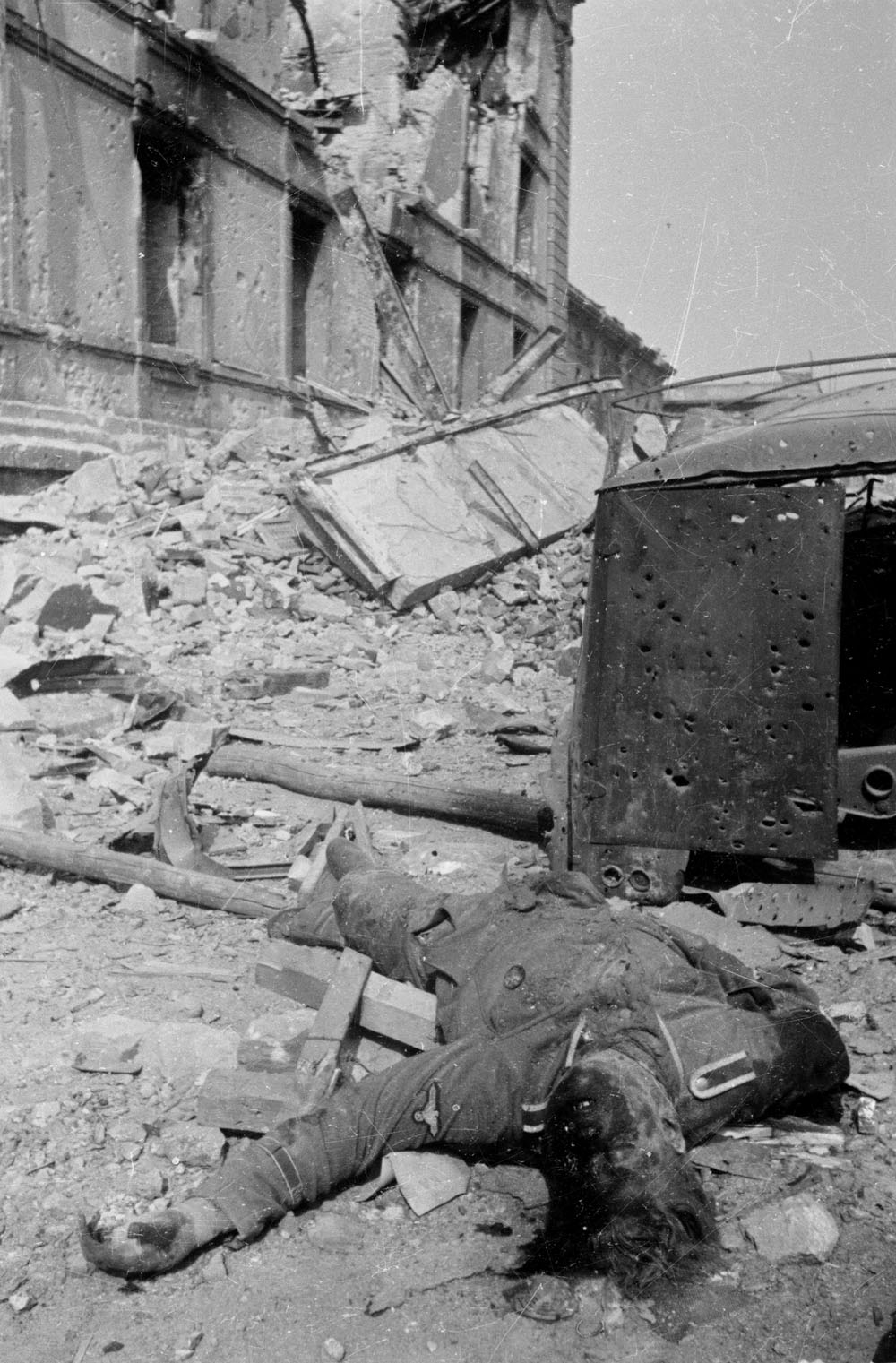
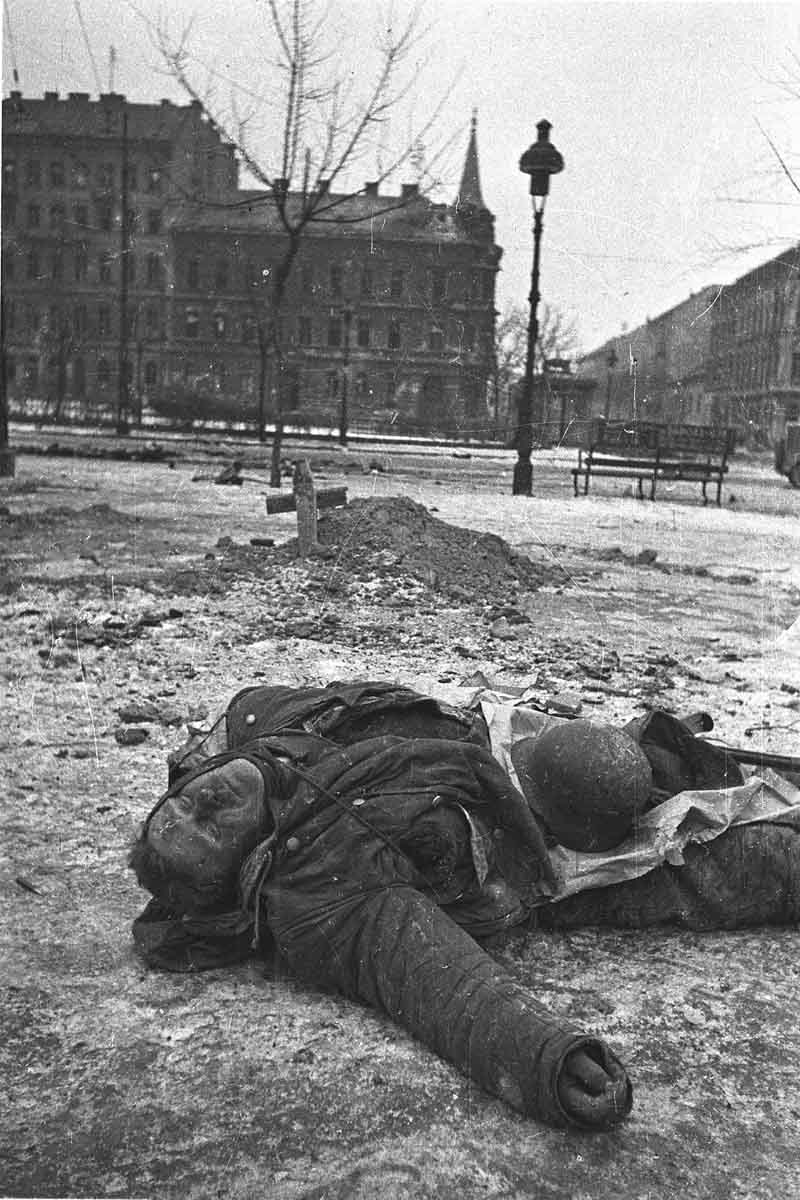
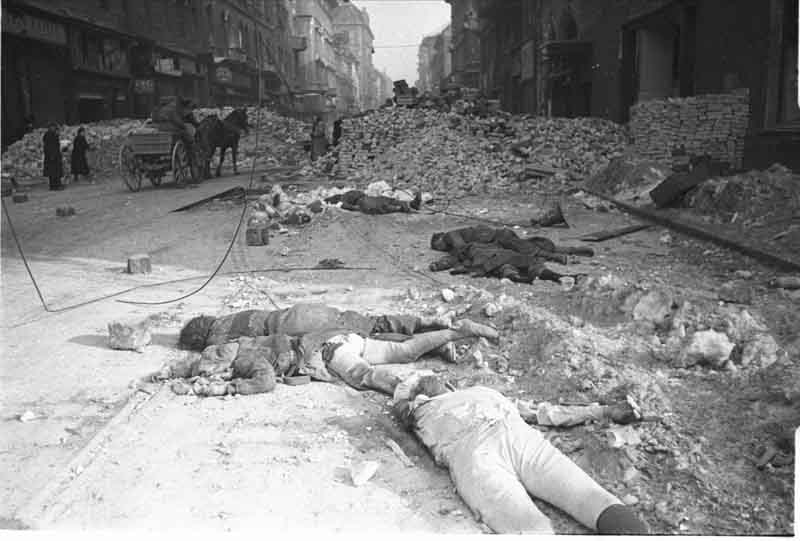
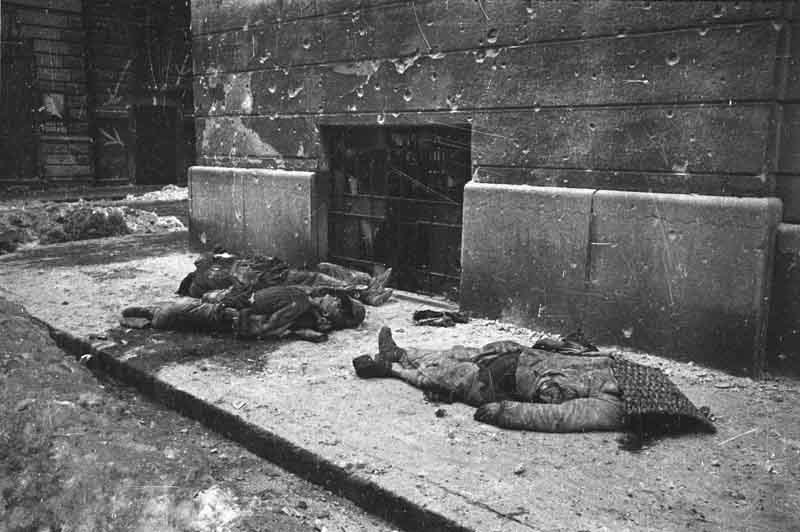
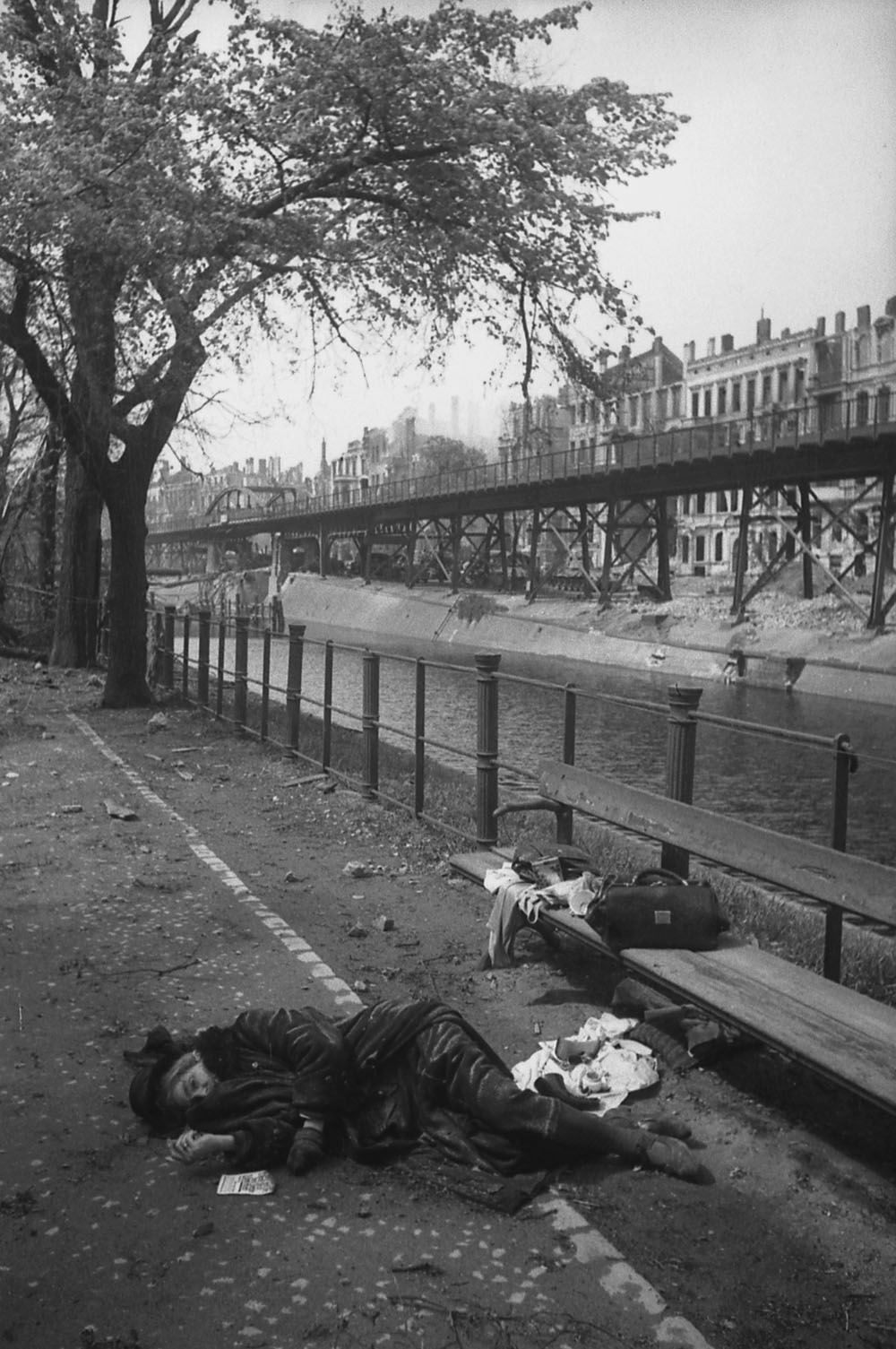
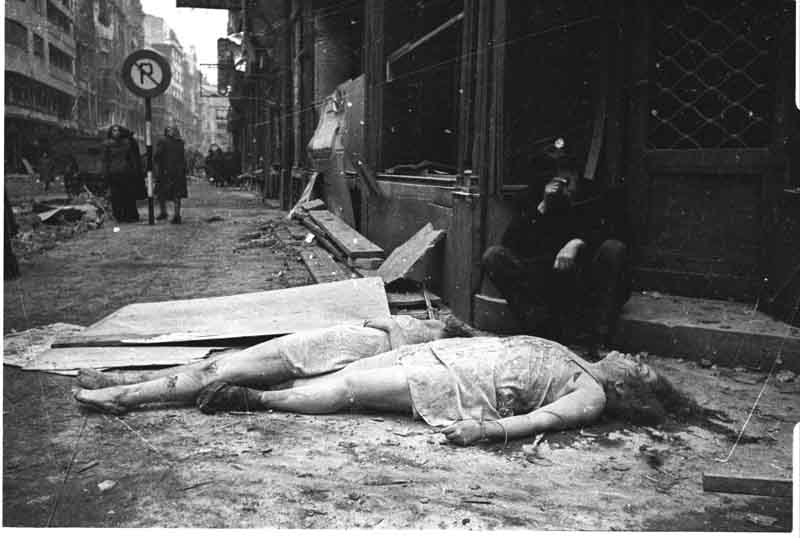
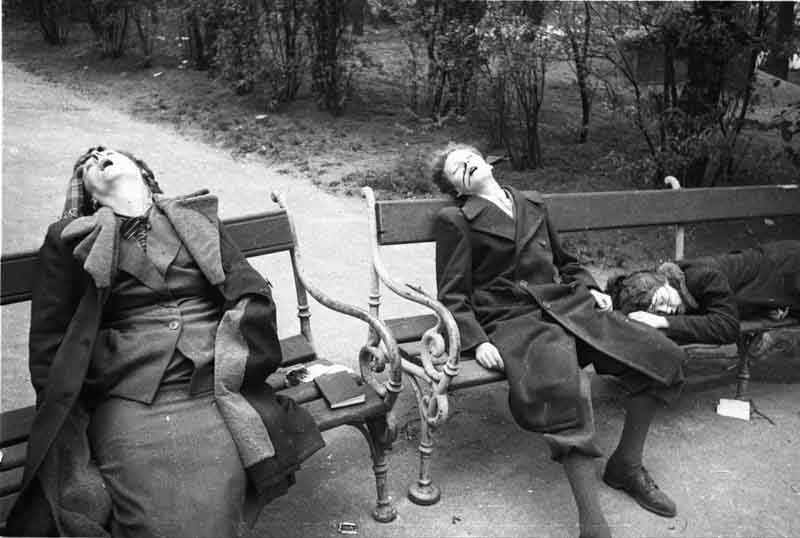
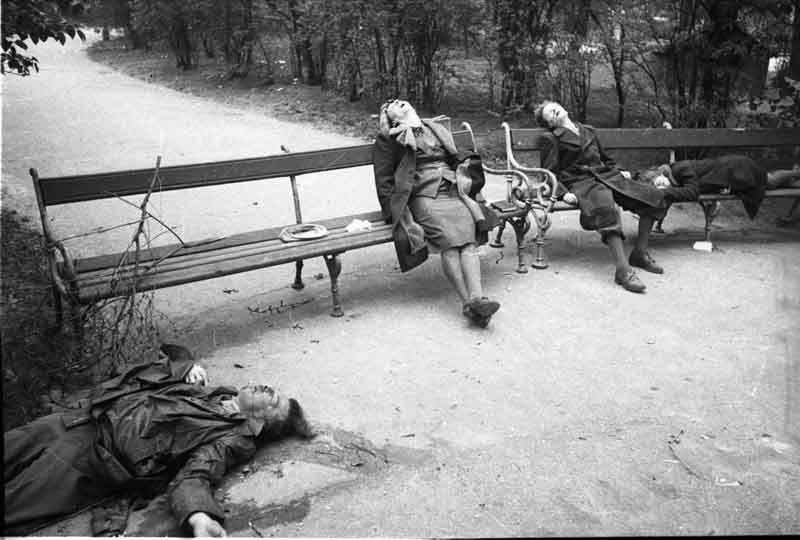
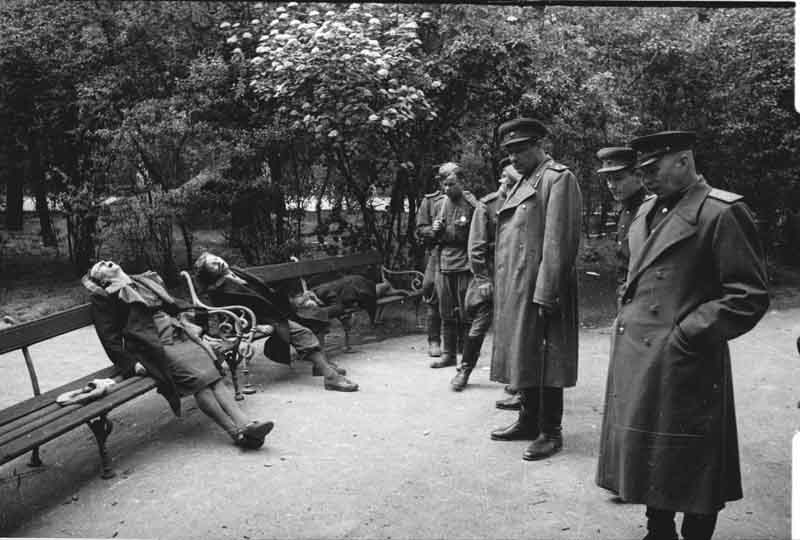
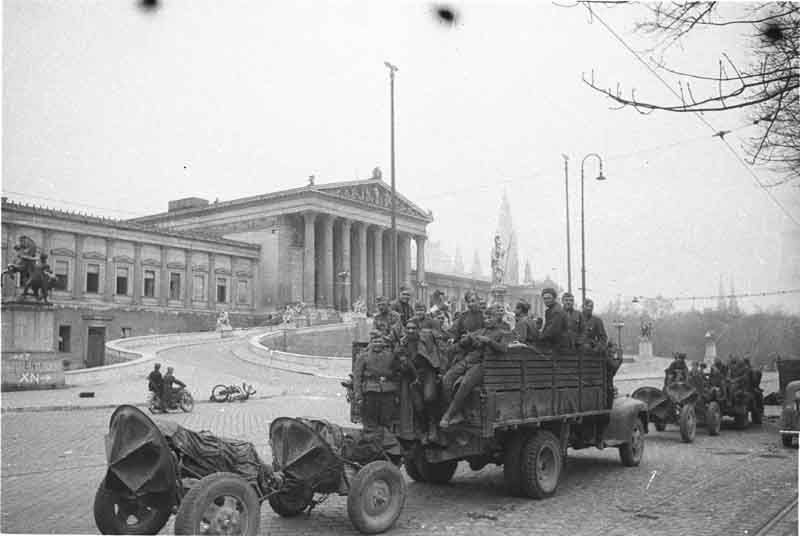
Vienna, 1945 Yevgeny Khaldei: "I went to the park near the parliament building to film the passing columns of soldiers. And I saw this picture. On a bench sat a woman, killed with two shots - in the head and neck, next to her were a dead teenager of about fifteen and a girl. A little further away lay the corpse of the father of the family. On his lapel he had a gold NSDAP badge, a revolver was lying nearby. (...) A watchman ran up from the building parliament:
- He did it, not Russian soldiers. Came at 6 am. I saw him and his family from the basement window. Not a soul on the street. He moved the benches together, ordered the woman to sit down, and ordered the children to do the same. I didn't understand what he was going to do. And then he shot the mother and son. The girl resisted, then he laid her on a bench and also shot her. He stepped aside, looked at the result and shot himself.”
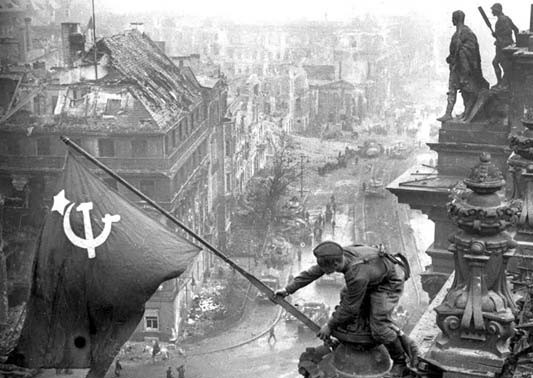
Of course, some of the master’s most famous works were staged, in particular the famous photo with the hoisted banner
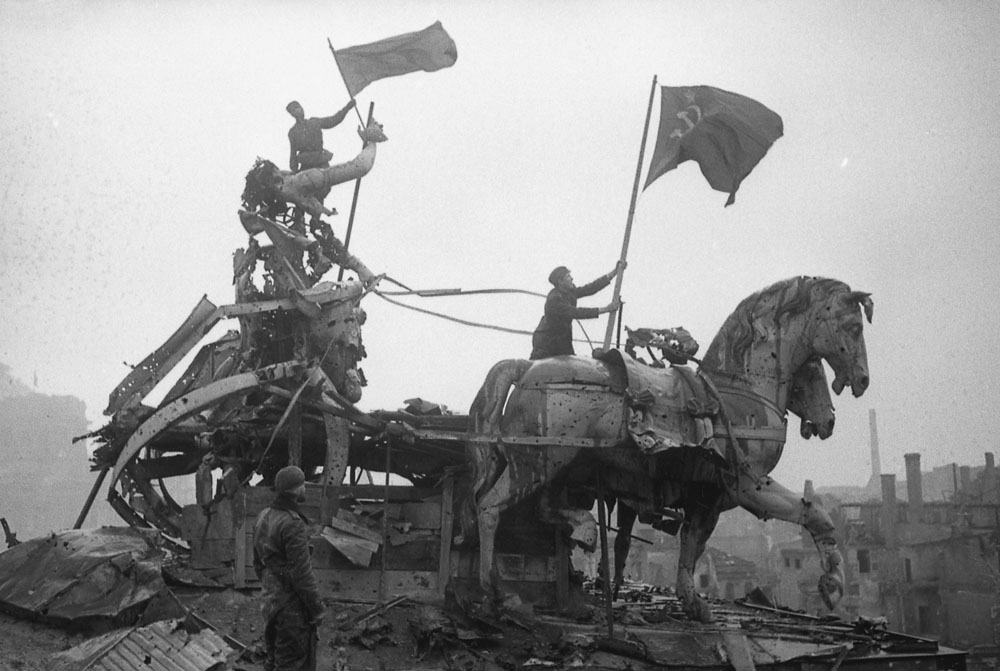
- On the evening of April 11, 1945, I returned to Moscow from Vienna. The editorial office of TASS Photo Chronicle, where I then worked, ordered me to fly to Berlin the next morning. An order is an order, and I began to get ready.
I understood that Berlin was the end of the war. By that time, I no longer returned from business trips without photographs depicting the hoisting of banners over liberated or captured cities. Perhaps these photographs - the flag over Novorossiysk, over Kerch, over Sevastopol, which were liberated exactly a year before the Victory - are some of my favorite and dearest.
I knew from experience that it was best to have the flag with you. A tailor I knew, with whom I lived on Leontyevsky Lane, helped me sew three banners. I cut out the star, sickle and hammer, and he sewed. By morning all three banners were ready. I rushed to the airfield and flew to Berlin.
The banner was sewn from a red tablecloth by an old tailor (Israel Solomonovich Kishitser) at the request of his nephew Evgeniy Khaldei.
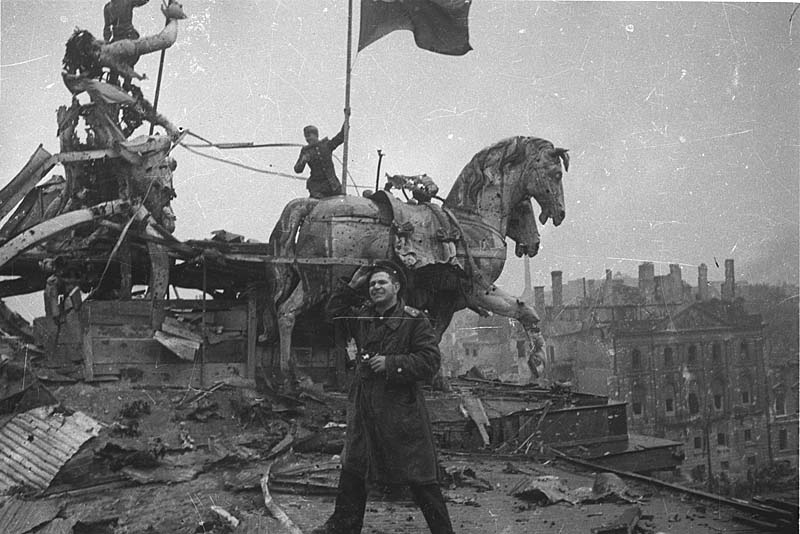
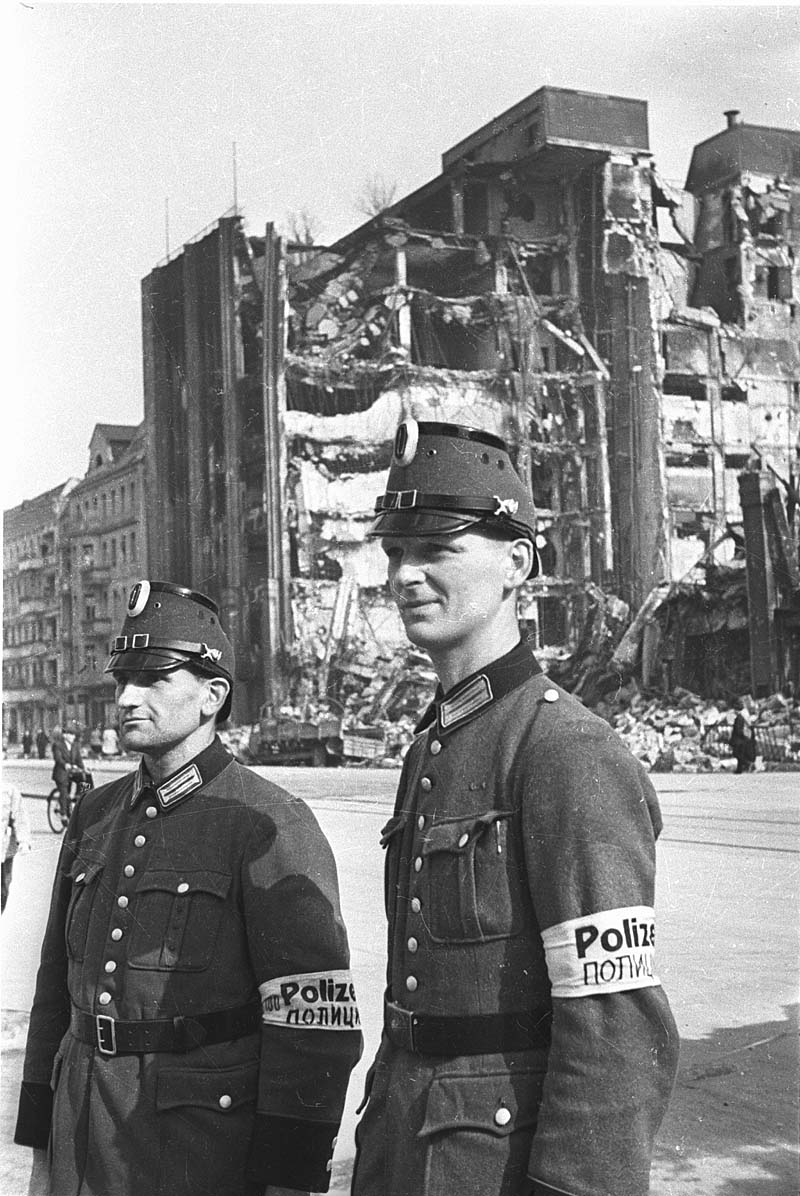
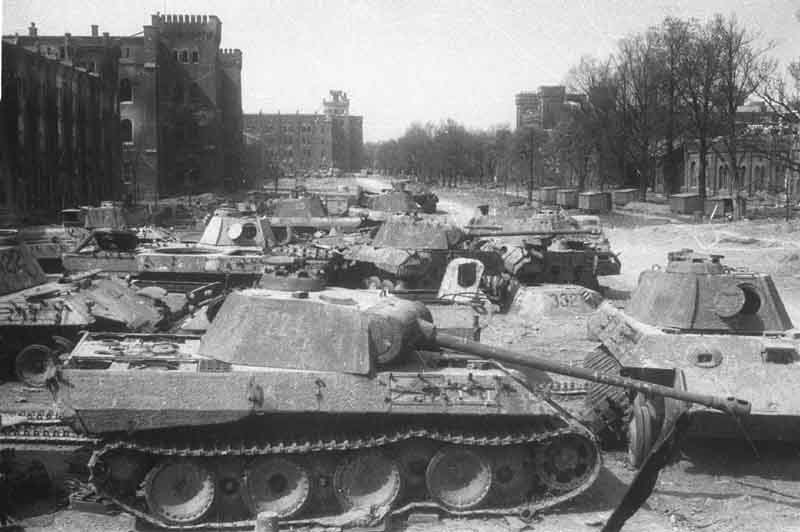
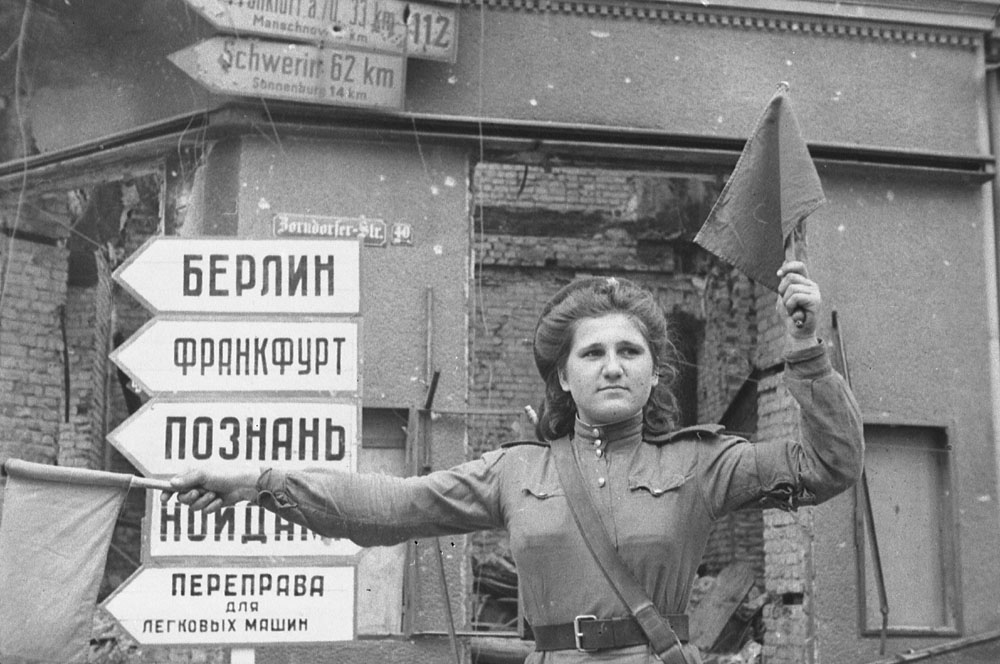
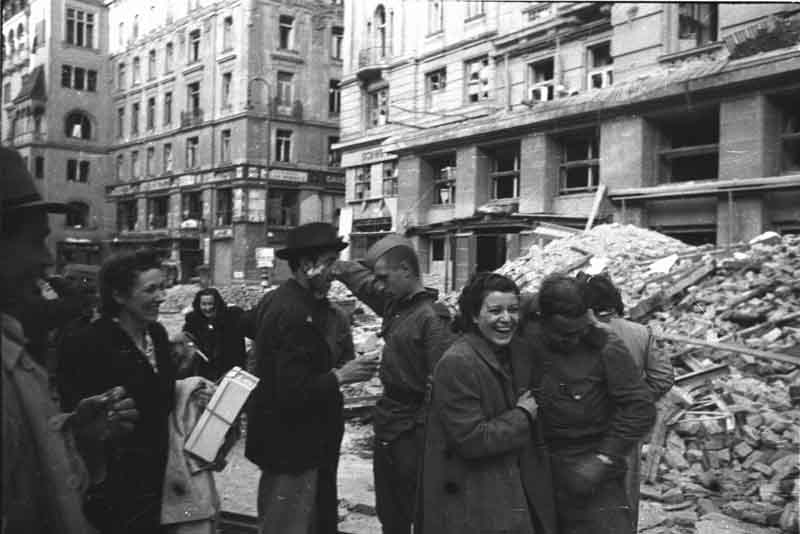
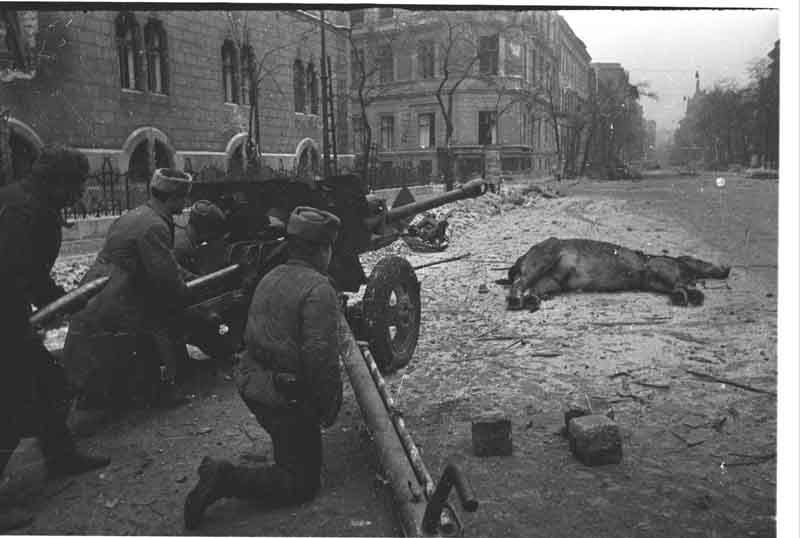
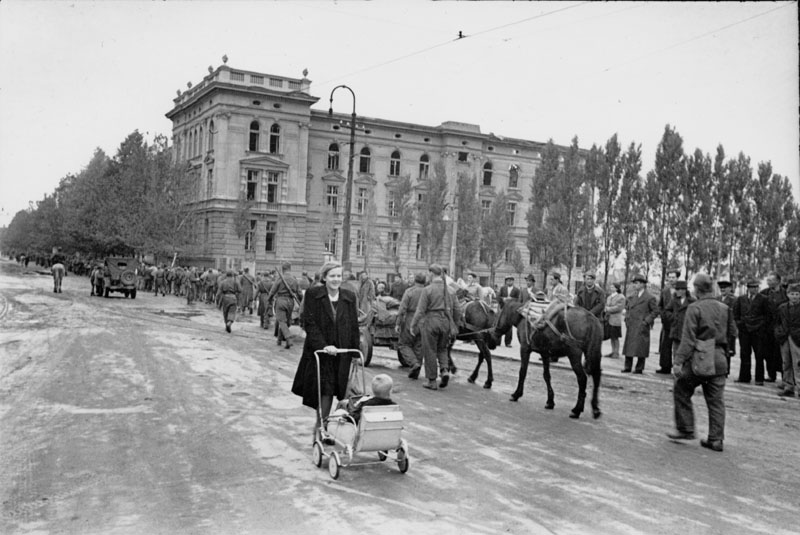
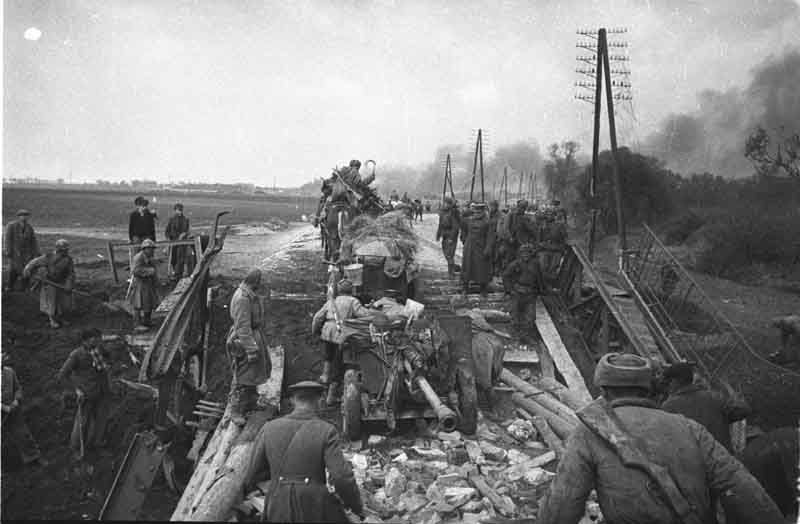
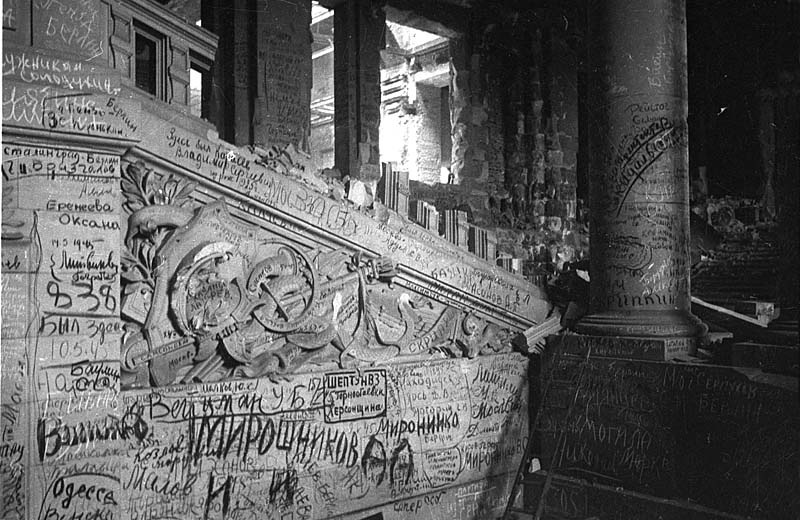
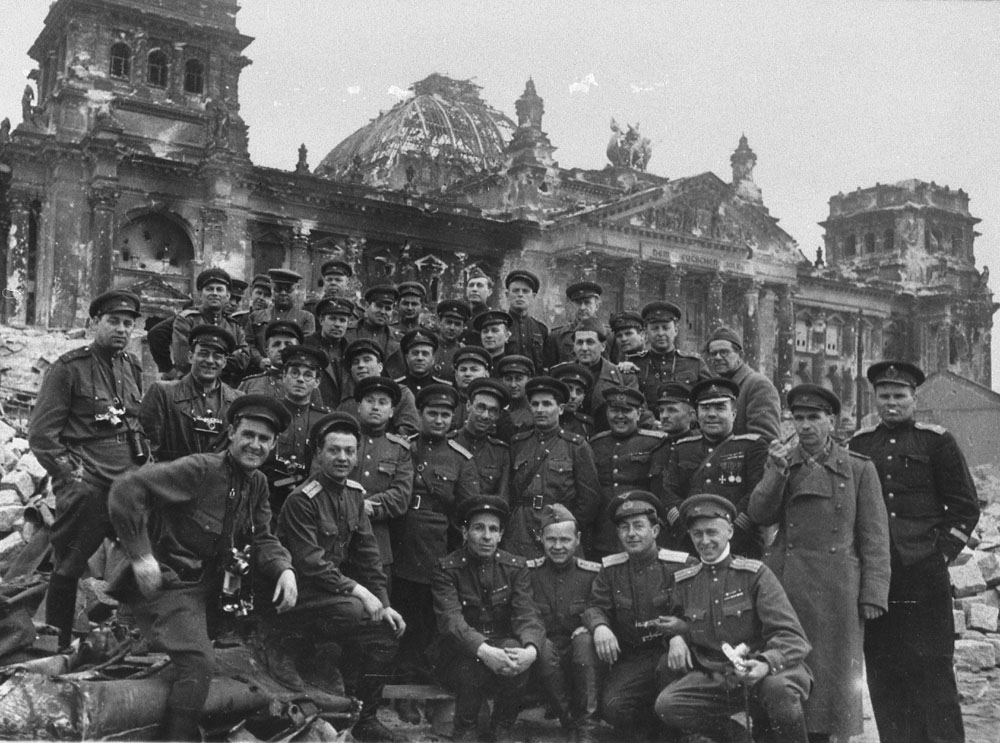
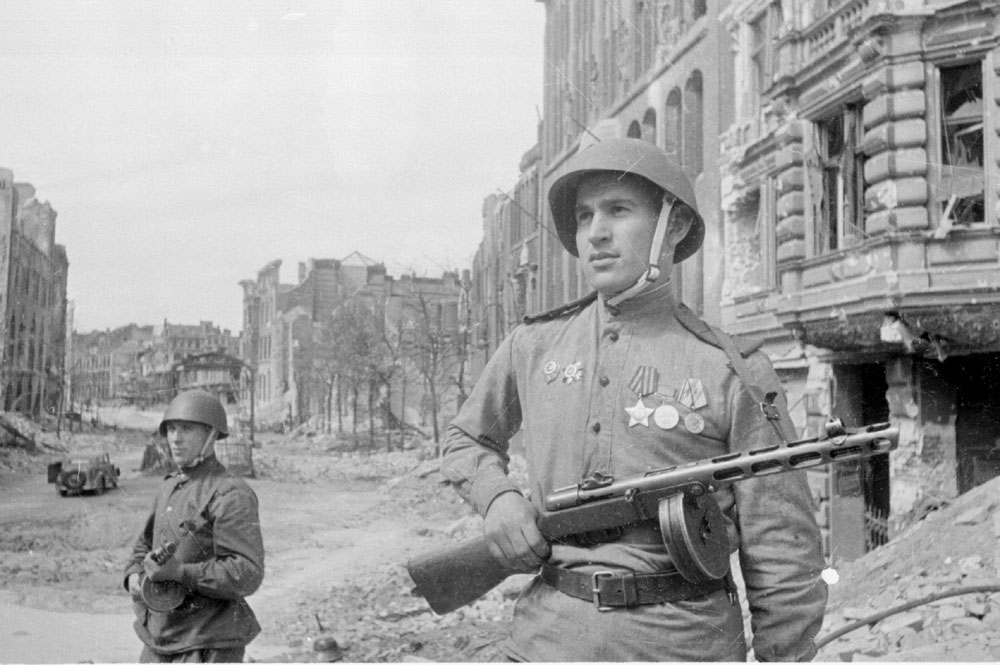
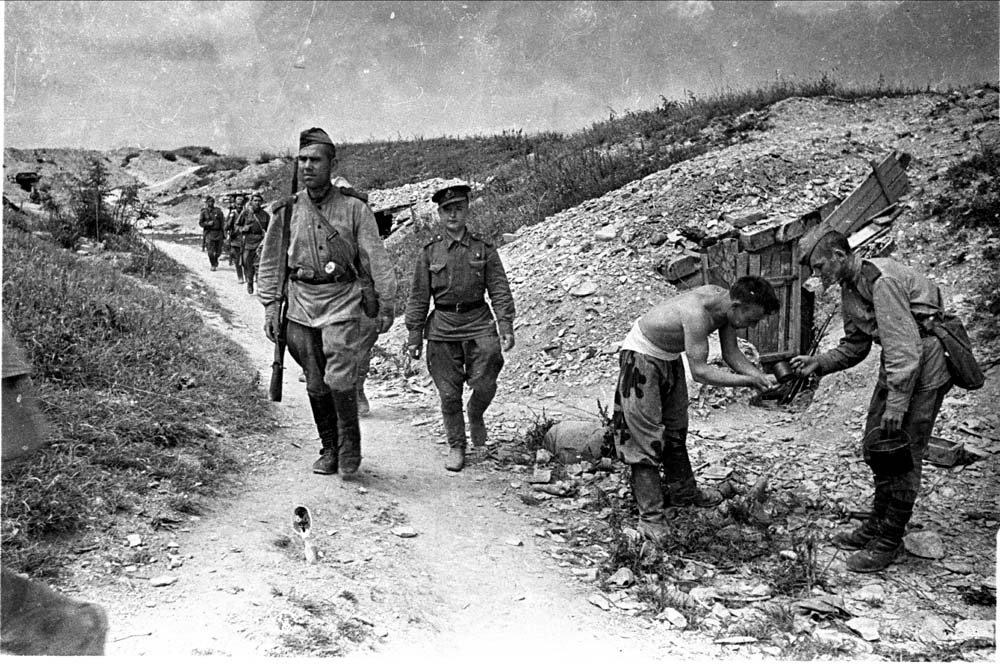
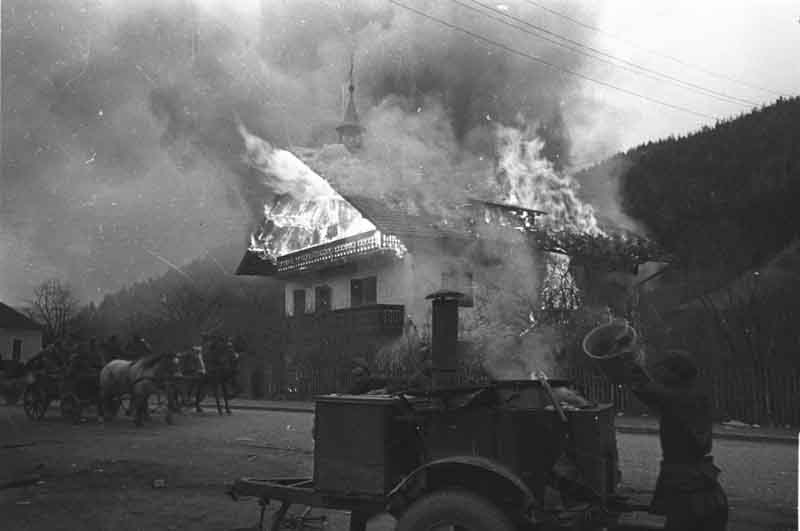
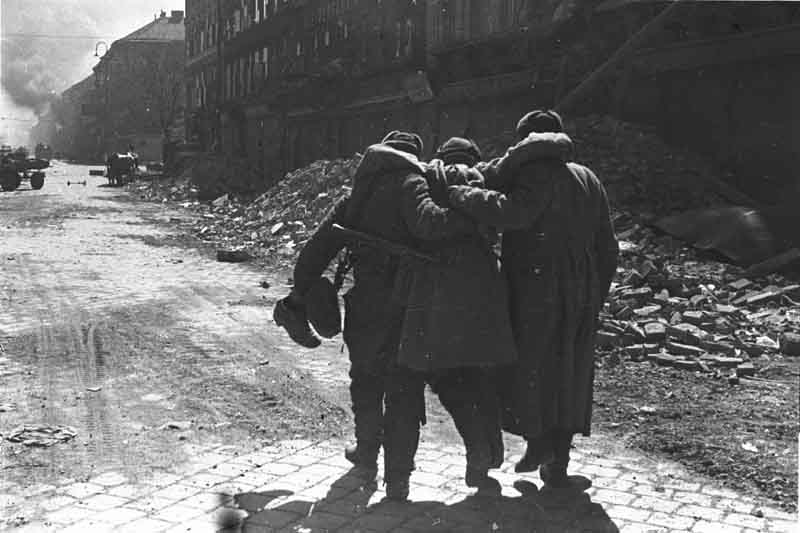
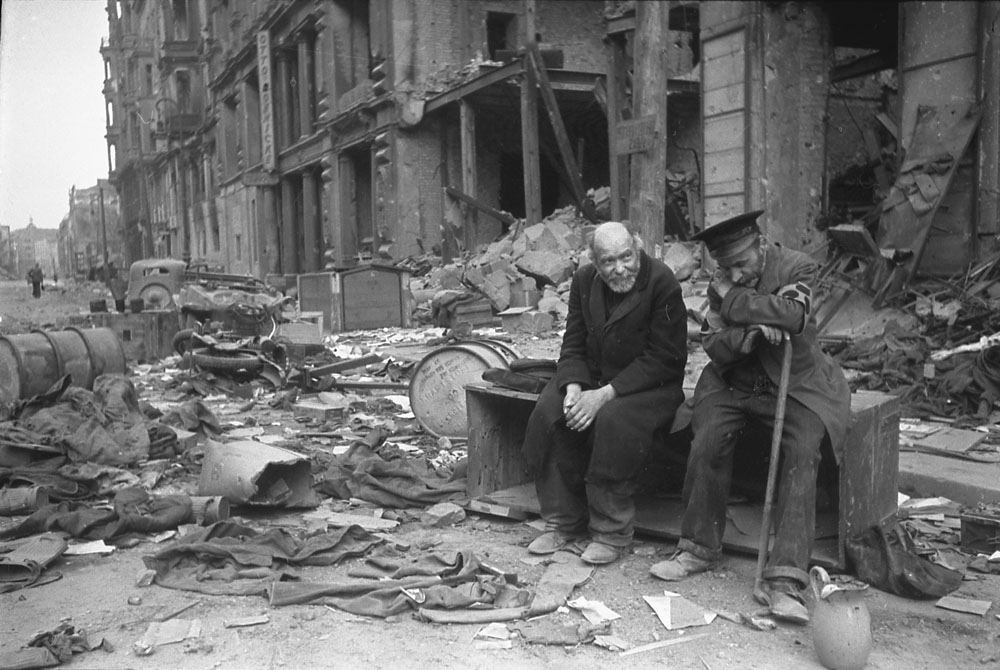
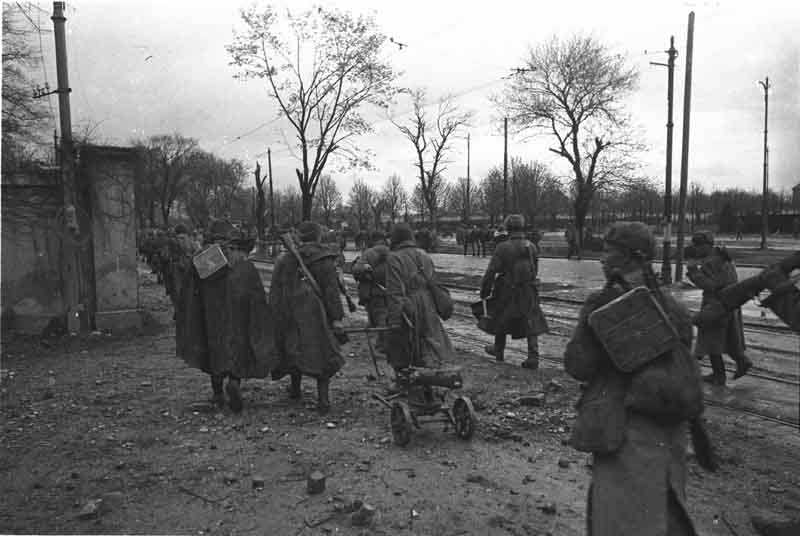
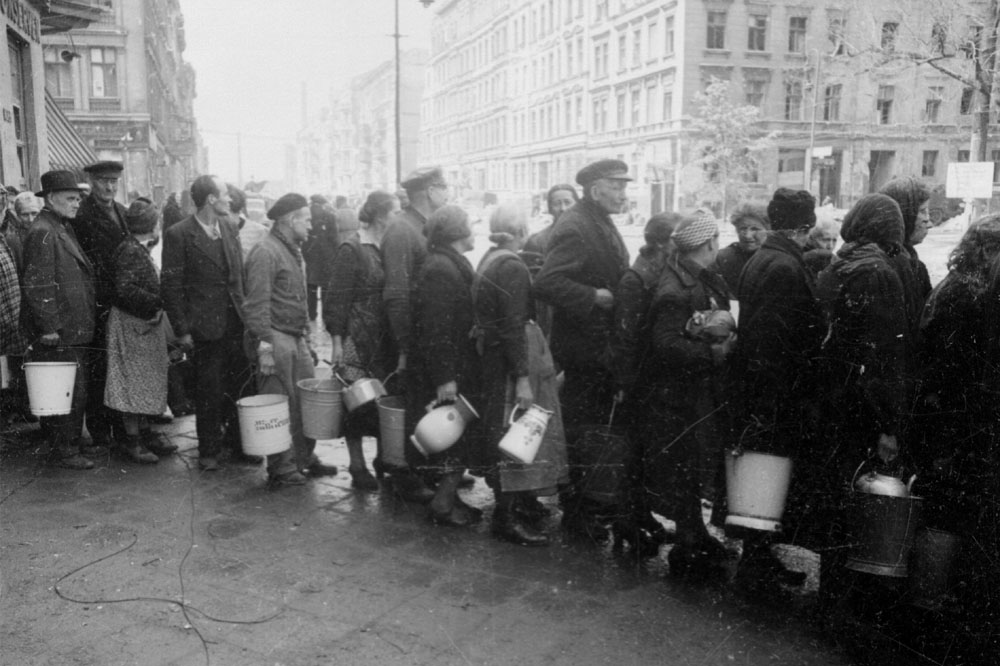
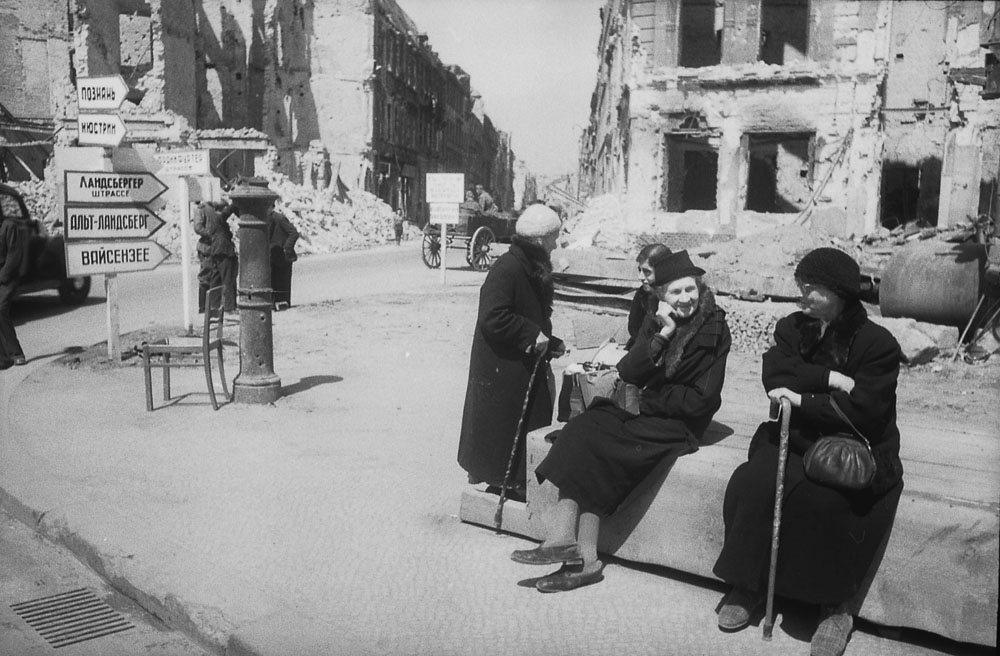
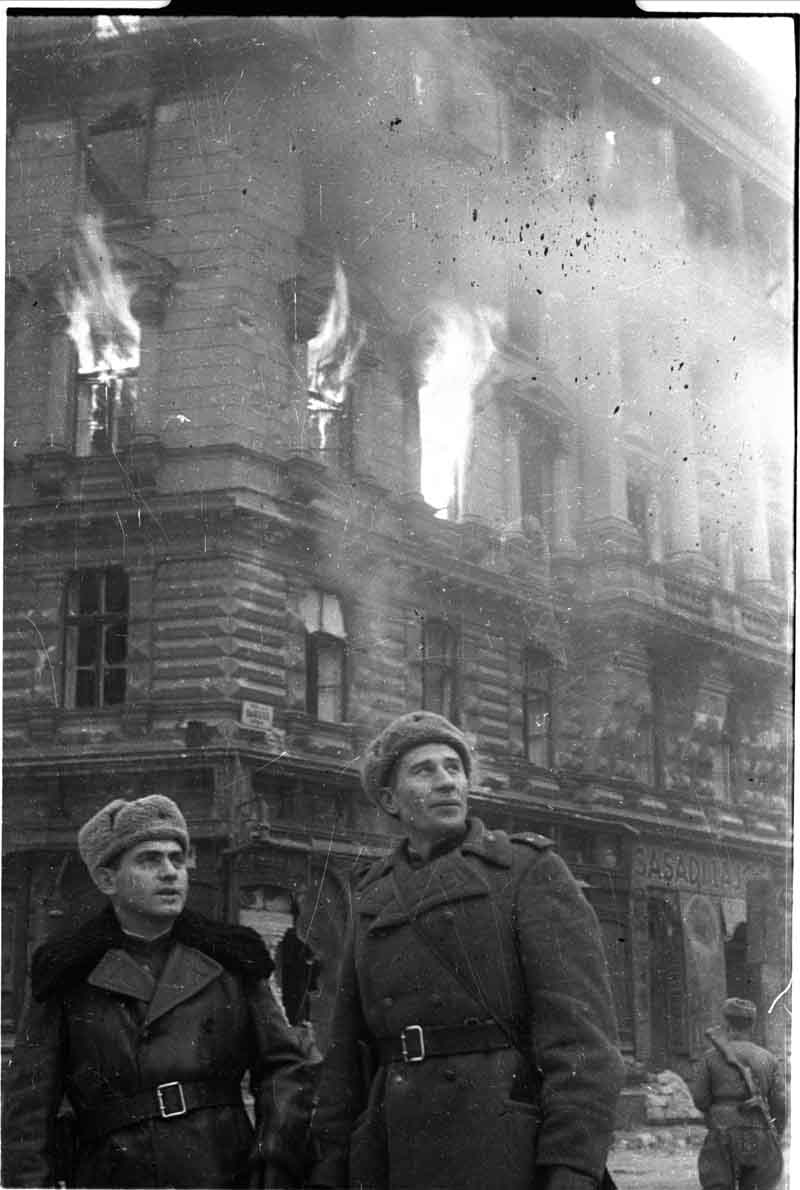
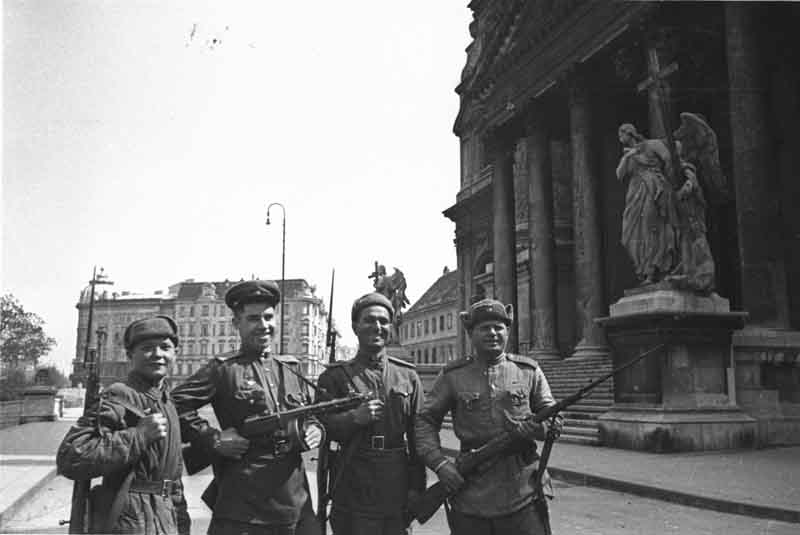
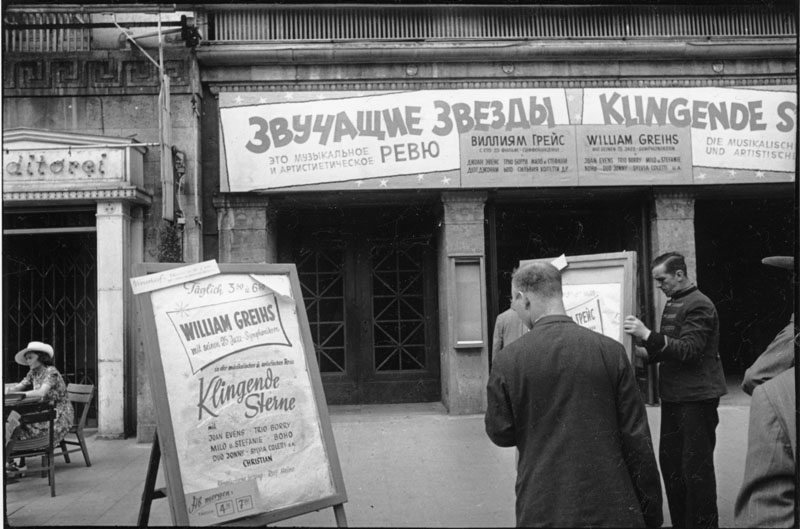
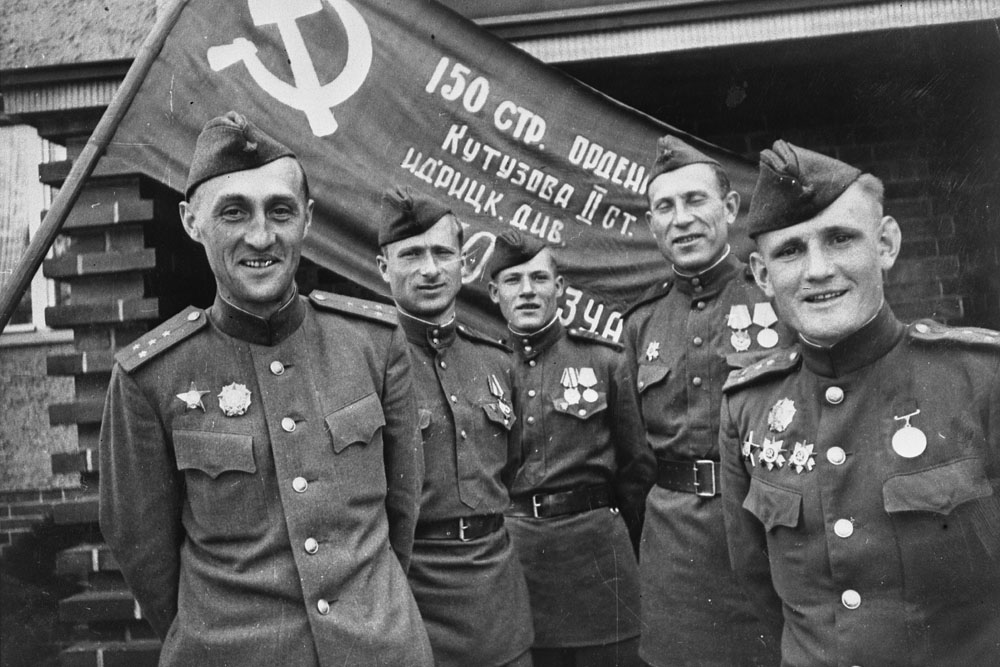
Interesting unstaged shots, which, perhaps, are not so artistic, but this makes them even more valuable:
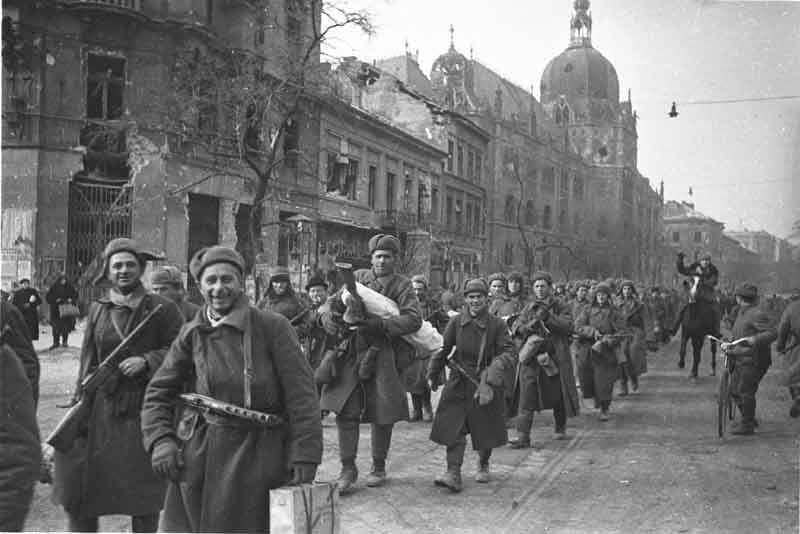
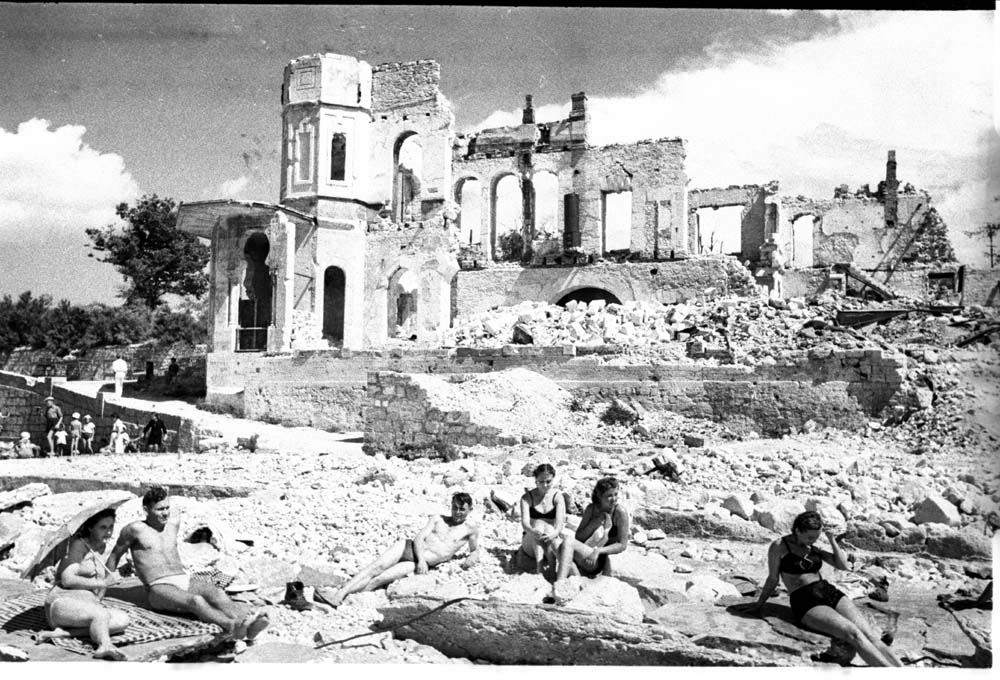
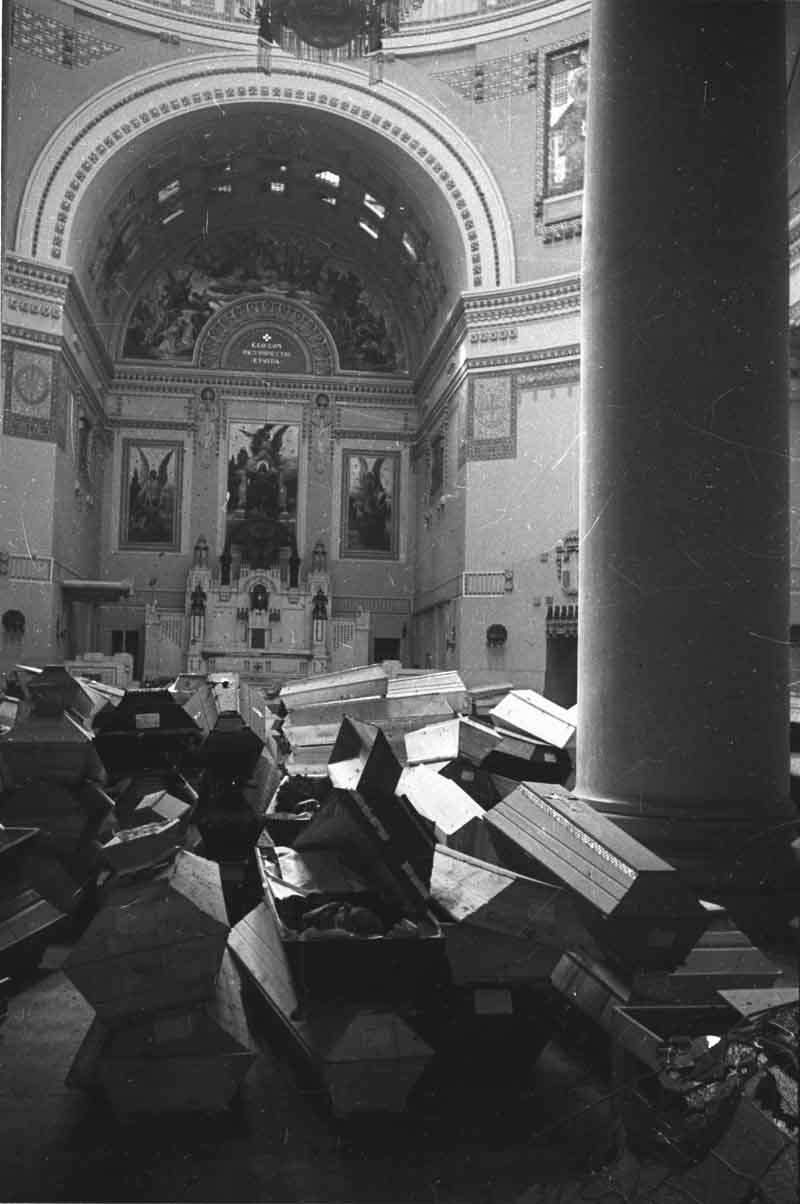
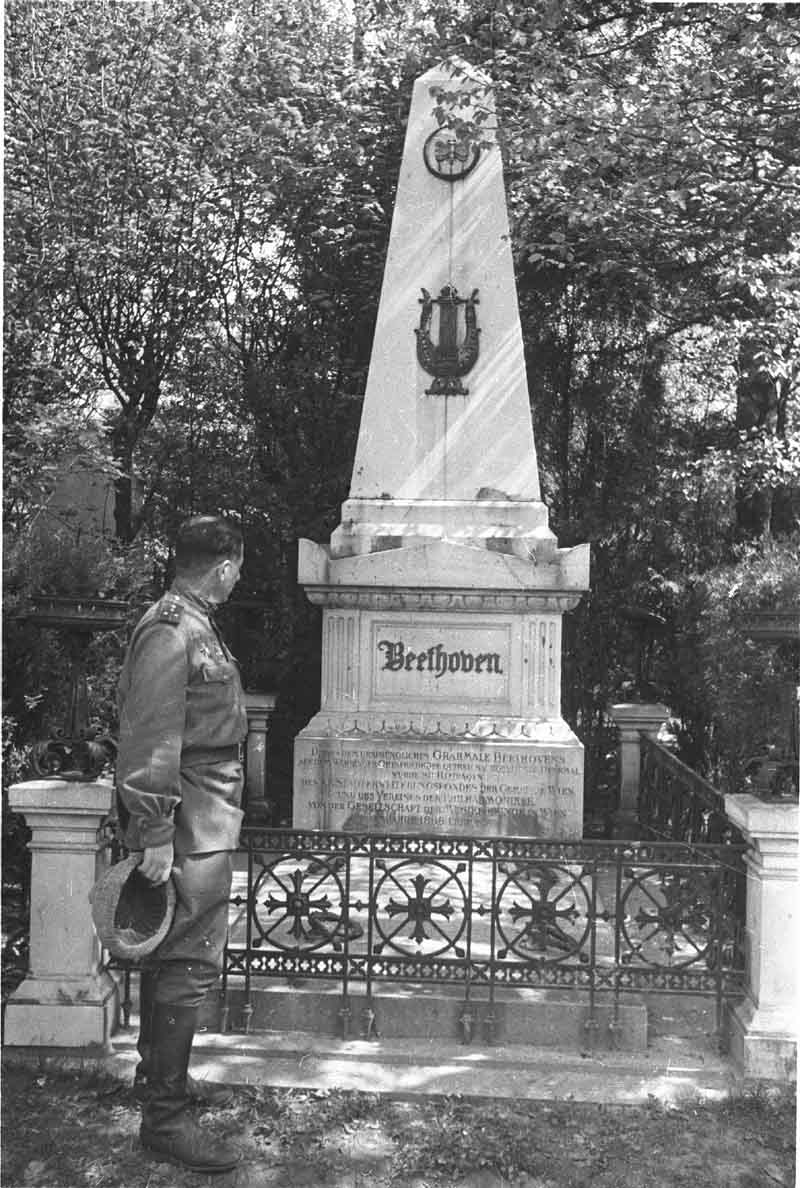
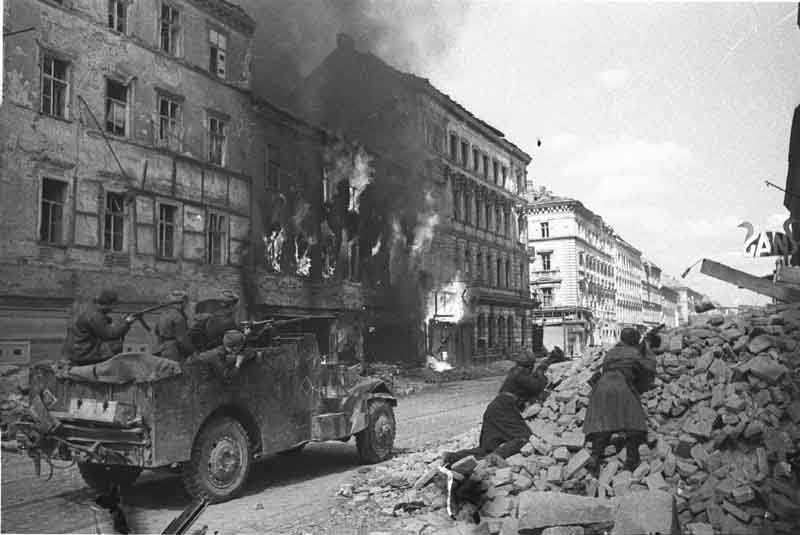
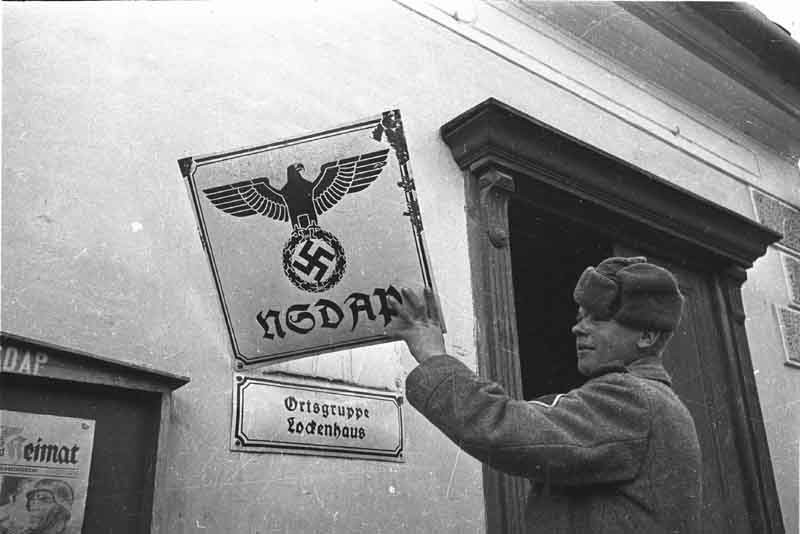
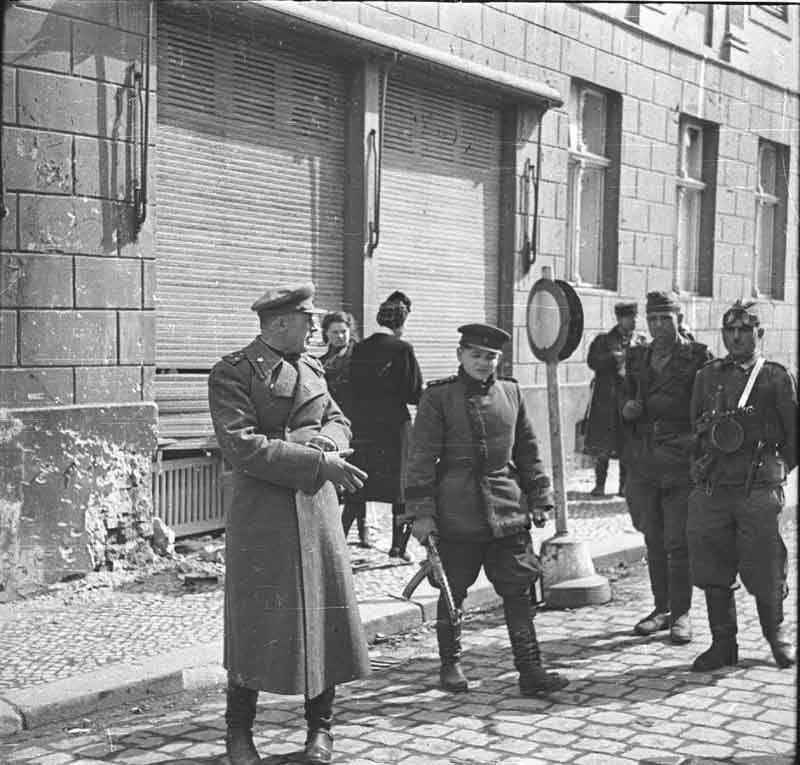
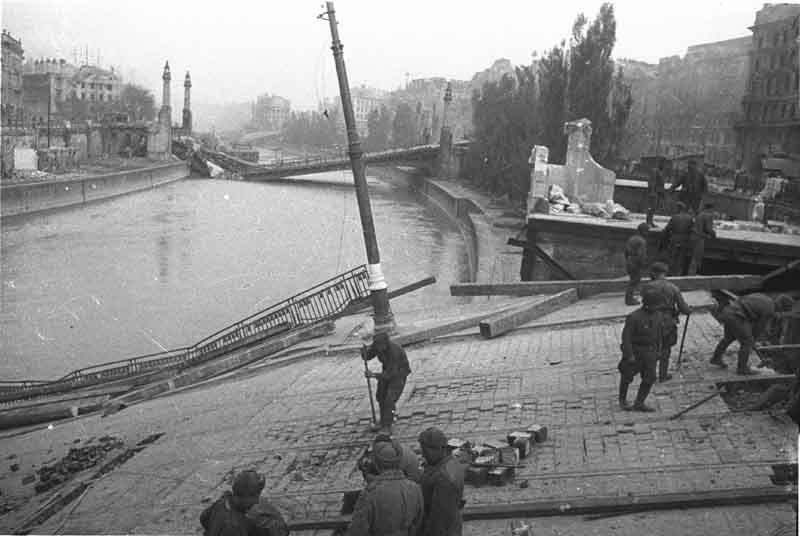
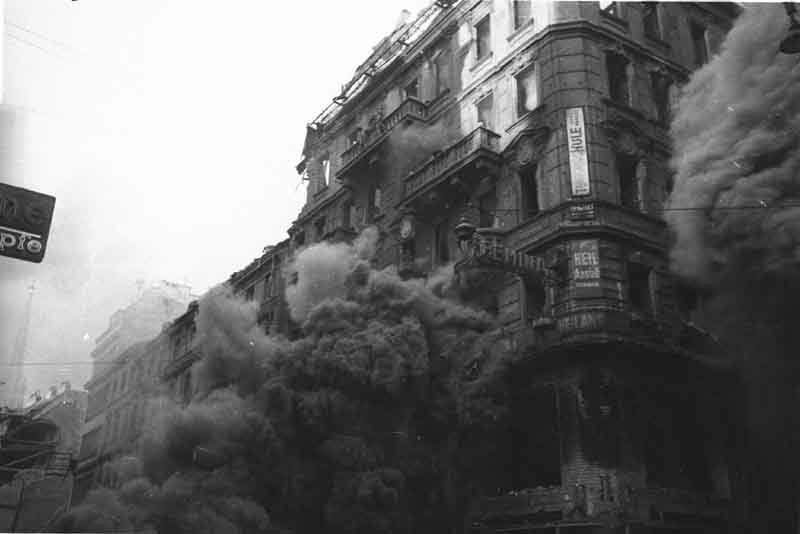
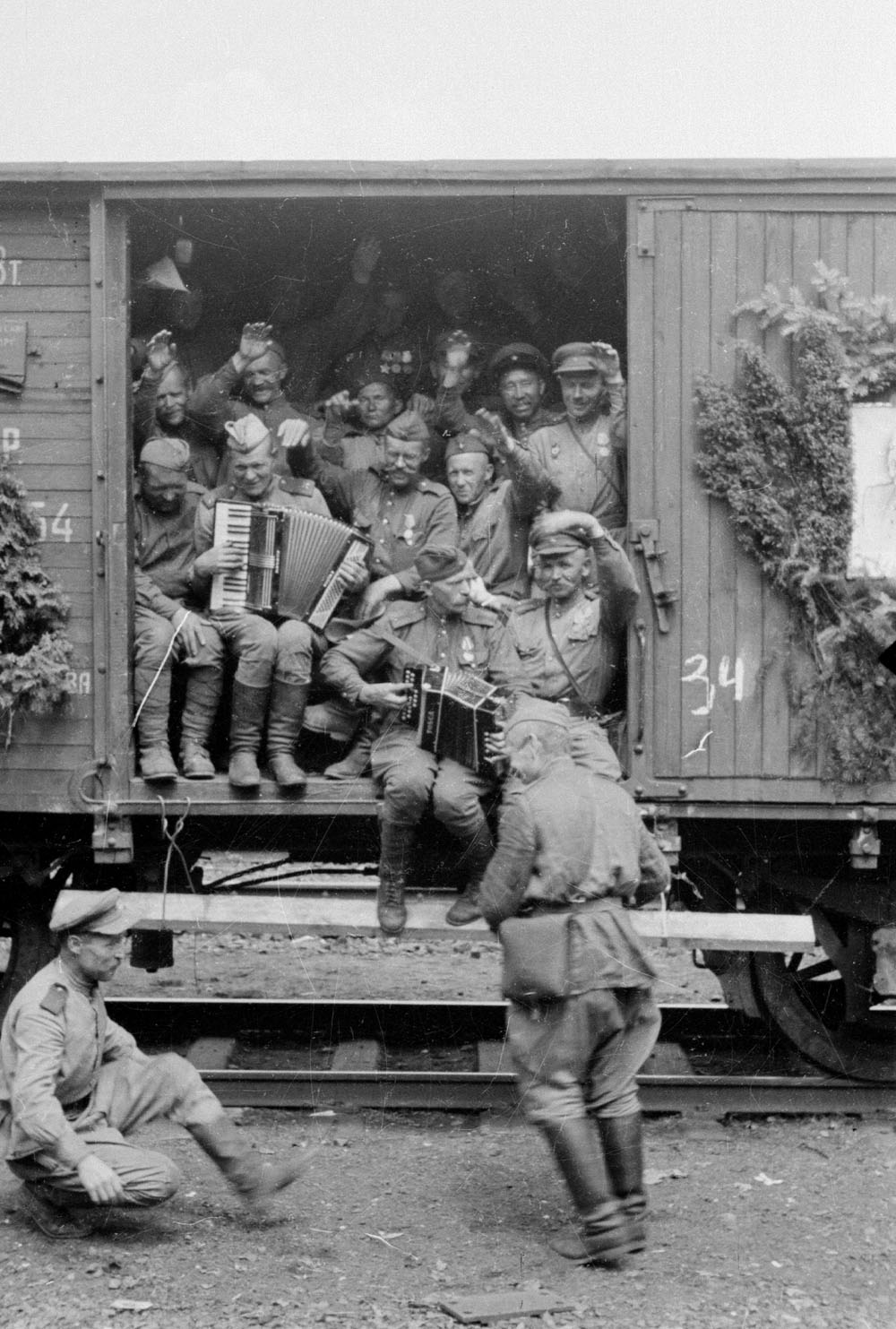
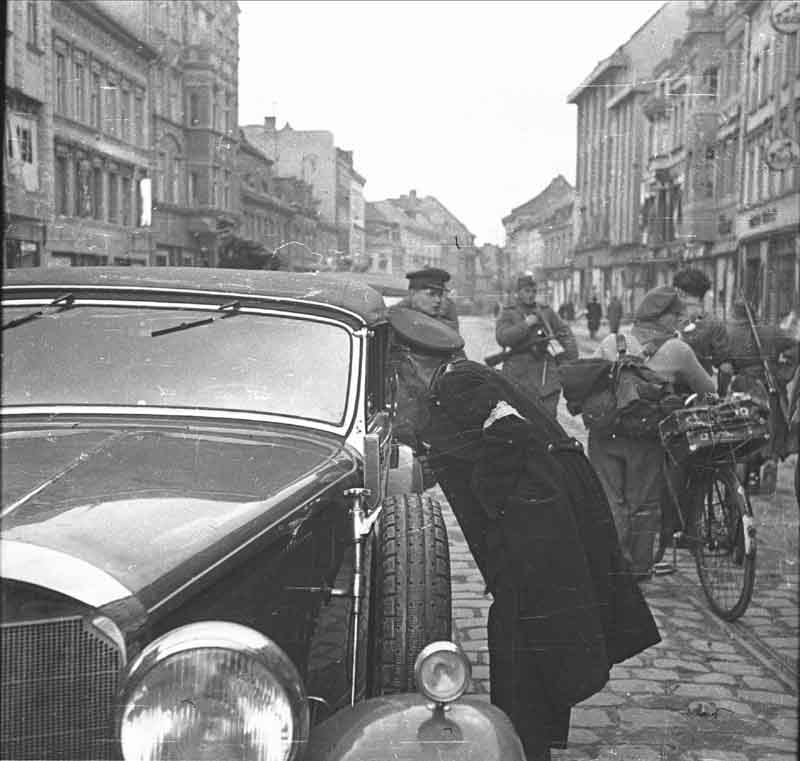
http://anton-klyushev.livejournal.com/662213.html
Legendary photographs of Evgeniy Khaldei
May 9, 2013




http://slavyanskaya-kultura.ru/bunker/war/legendarnye-fotografi-evgenija-haldeja.html
Classics of photographic art of the Great Patriotic War. Evgeniy Khaldey.(part 2) |
Thursday, 09 May 2013 18:23
In 1995, in Perpignan (France), at the International Festival of Photojournalism, Evgeniy Khaldey was awarded the most honorable award in the art world - the title “Knight of the Order of Arts and Letters.”
In 1997, the American publishing house Aperture released the book “Witness to History. Photos by Evgeniy Khaldei.” In May of the same year, the premiere of the sixty-minute film “Evgeniy Khaldei - Photographer of the Stalin Era” took place.
Muscovites listen to V. Molotov's speech about the German attack on the Soviet Union. 25th October Street, Moscow June 22, 1941 12 noon.
Aviation. Polar region. 1941
Soldier's work. Polar region. 1941
Murmansk, 1941
After a German air raid. Murmansk. 1941
Soviet prisoners of war killed by the Germans on the eve of the surrender of Rostov-on-Don, February 1943.
7 thousand civilians were shot by the Nazis. Crimea. 1942
I found my relatives. Crimea. 1942
Polar region. 1942
Battle for Novorossiysk. 1943
Rostov prison. 1943
Prisoners of the Rostov prison shot by the Nazis. 1943
In liberated Bulgaria. 1944
The Yugoslavs welcome the Red Army-liberator. 1944
Plant named after Voikov. Kerch. 1944
Before departure. Crimea. 1944
Over Crimea. 1944
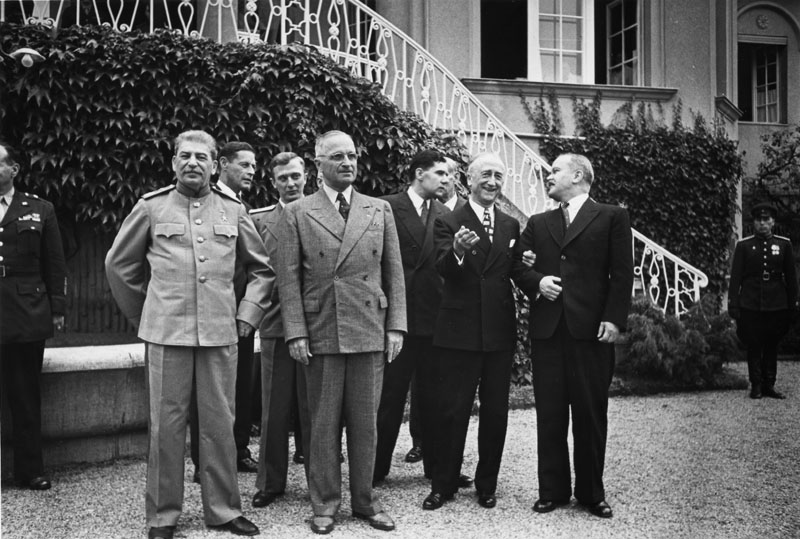
JV Stalin at the Potsdam Peace Conference. Germany. June 1945
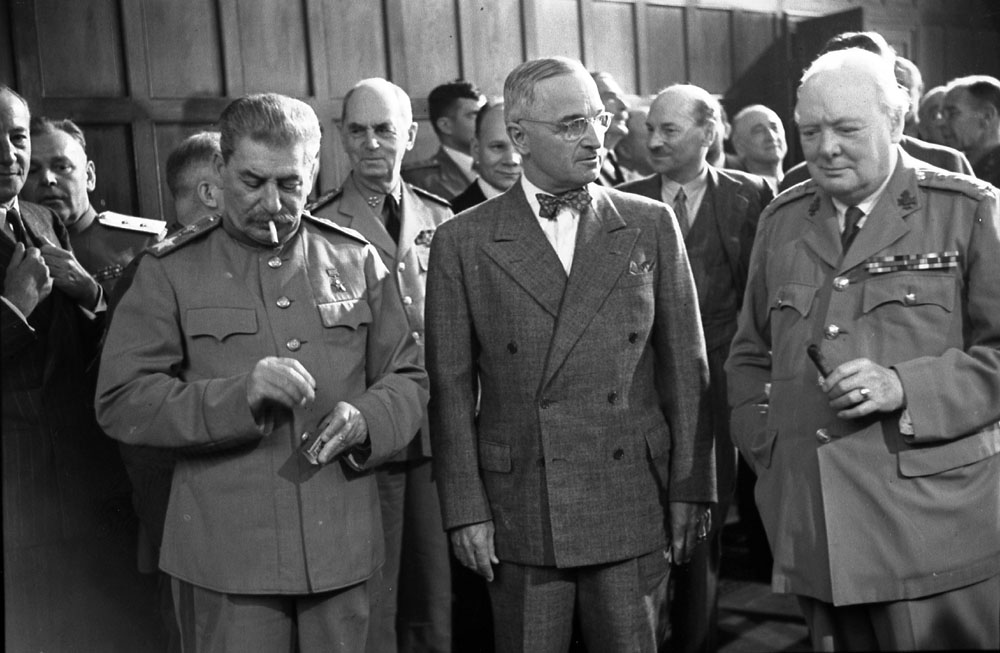
Joseph Stalin, Harry Truman and Winston Churchill at the Potsdam Peace Conference. June 1945
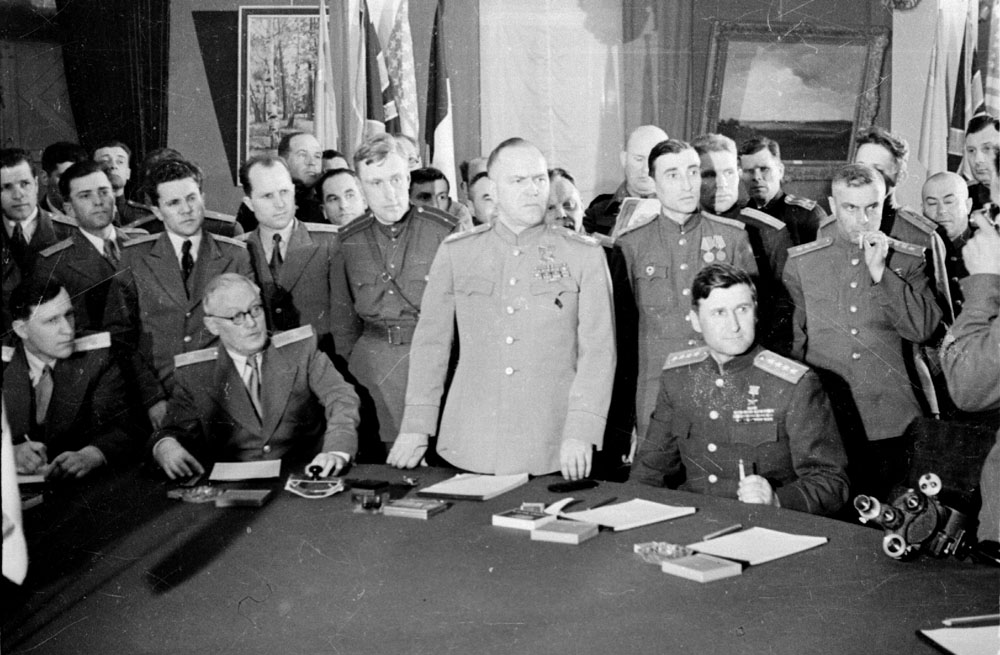
Marshal G.K. Zhukov during the signing of the Act of Unconditional Surrender of Germany. Karlshorst. Berlin. May 1945
Liberated from the ghetto. Budapest. 1945
Traffic controller Maria Shalneva. Berlin. May 1, 1945
Battle for Vienna. April 1945
End. Austria. April 1945
Returning home. Vein. April 1945
We are from Berlin! May 1945
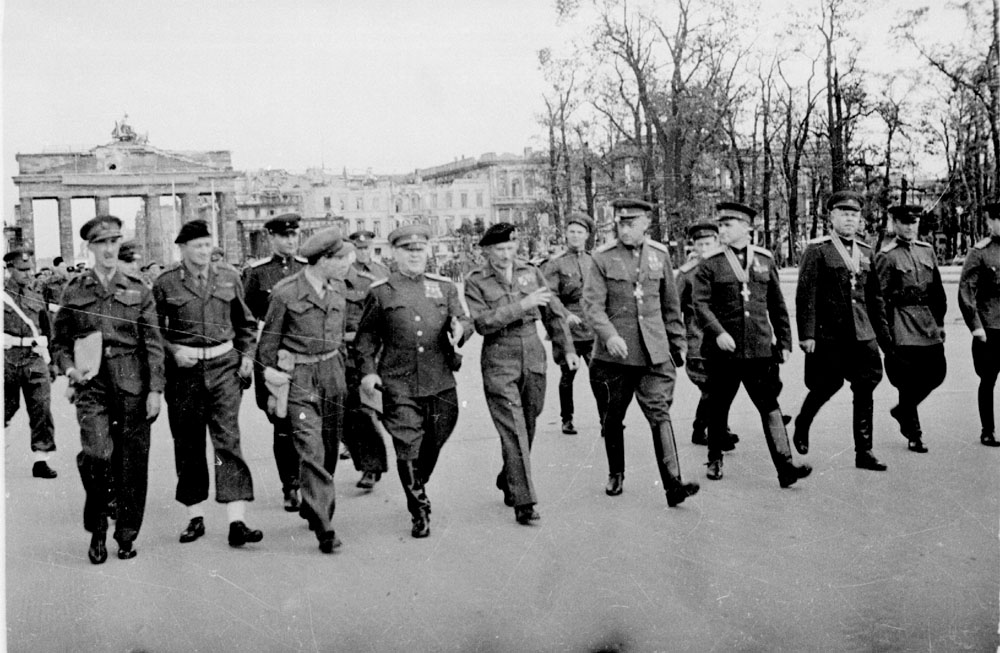
Traffic policewoman at the Brandenburg Gate. Berlin. May 1945
Soviet tanks entered the city. Berlin. May 1945
Evgeniy Khaldei: "It was April 30, 1945. Three women came out of the metro. One of them was without shoes. The second had a red fox fur coat in her hands. I myself was wearing a black coat, a black cap, and I had a camera with me. One of the women looked at me and asked what kind of tanks they were. I told her that they were Soviet. No, she says, it can’t be. And she asks: who are you anyway? SS? No, I tell her, not from SS, I’m a Soviet man. She: it can’t be! We sat underground for a week, listening to the radio. Goebbels said that there were not a single Soviet soldier in Berlin. When we heard that there were tanks coming up, we were happy, thinking that they were German tanks!
At the Reich Chancellery, 1945
Evgeniy Khaldei: “These are orders, they had to be taken out. The boxes could not bear the weight and the crosses fell apart. Both soldiers decided to take a smoke break before entering the Reich Chancellery.”
Poet Evgeny Dolmatovsky. Berlin. May 1945
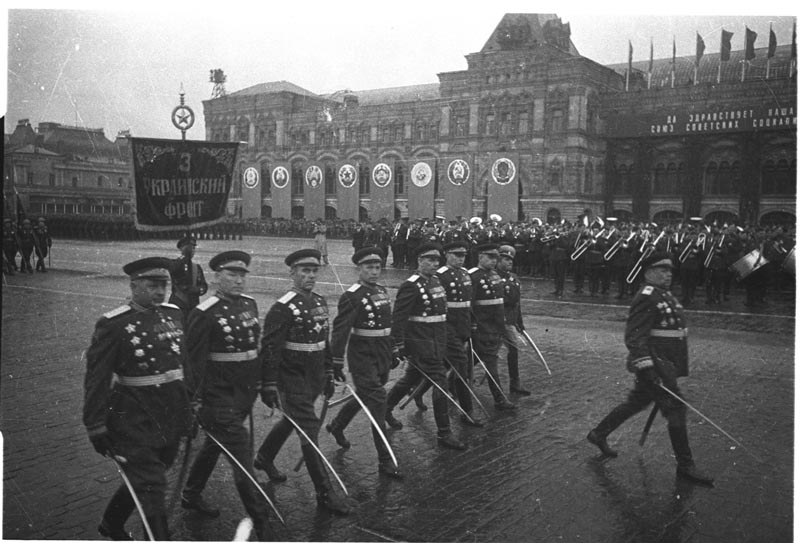
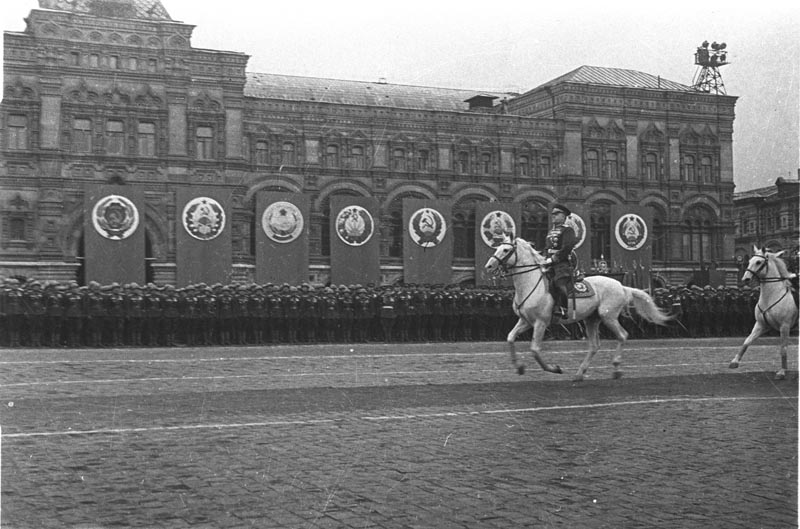
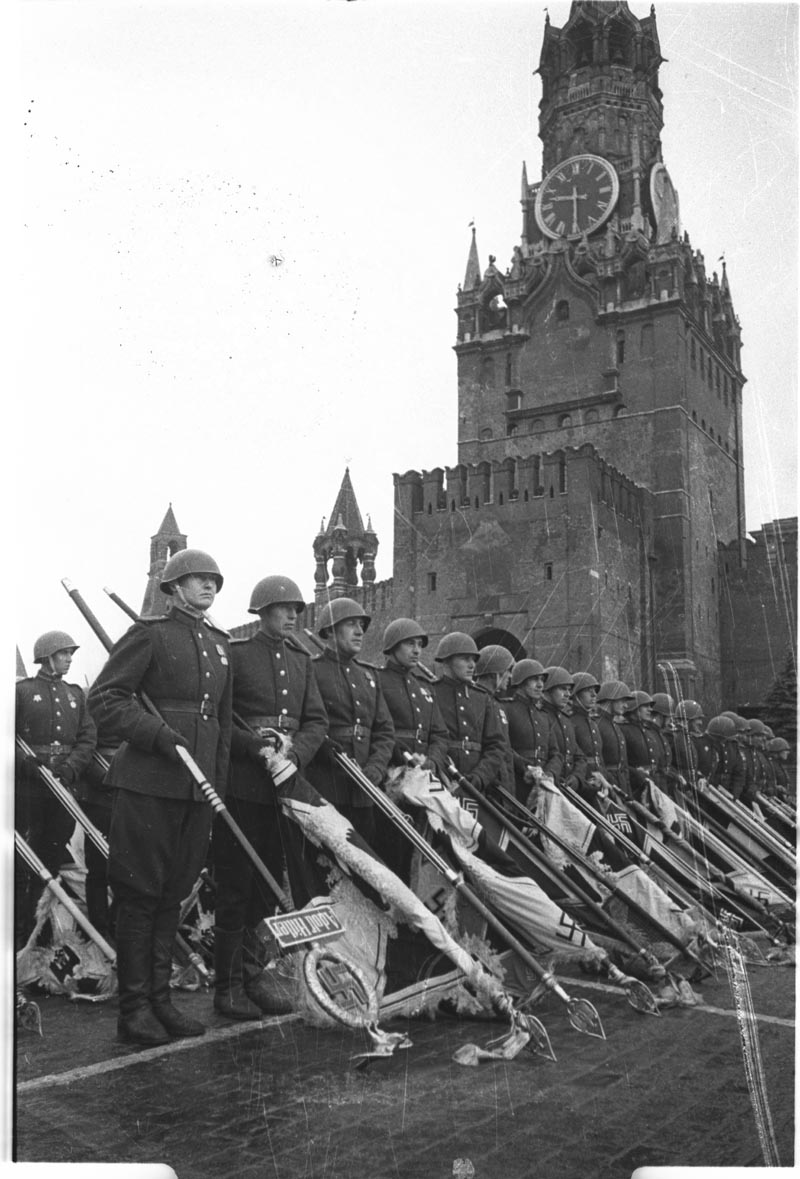
Soviet soldiers with German standards. Victory parade on Red Square on June 24, 1945.
The joy and pain of victory (Hero of the Soviet Union A. Gladkov with his wife at the end of the Victory Parade). Moscow, Red Square, June 24, 1945.
Three times Hero of the Soviet Union, fighter pilot Ivan Kozhedub at the Dynamo stadium. Moscow. 1946

Yevgeny Khaldei surrounded by Russian soldiers in Berlin, 1994
Although belatedly, the works of the TASS photojournalist still took their rightful place in the golden fund of world photography.