Date
Author
Александр Борисов

Preserved copy
Translated material
Day in "coals"
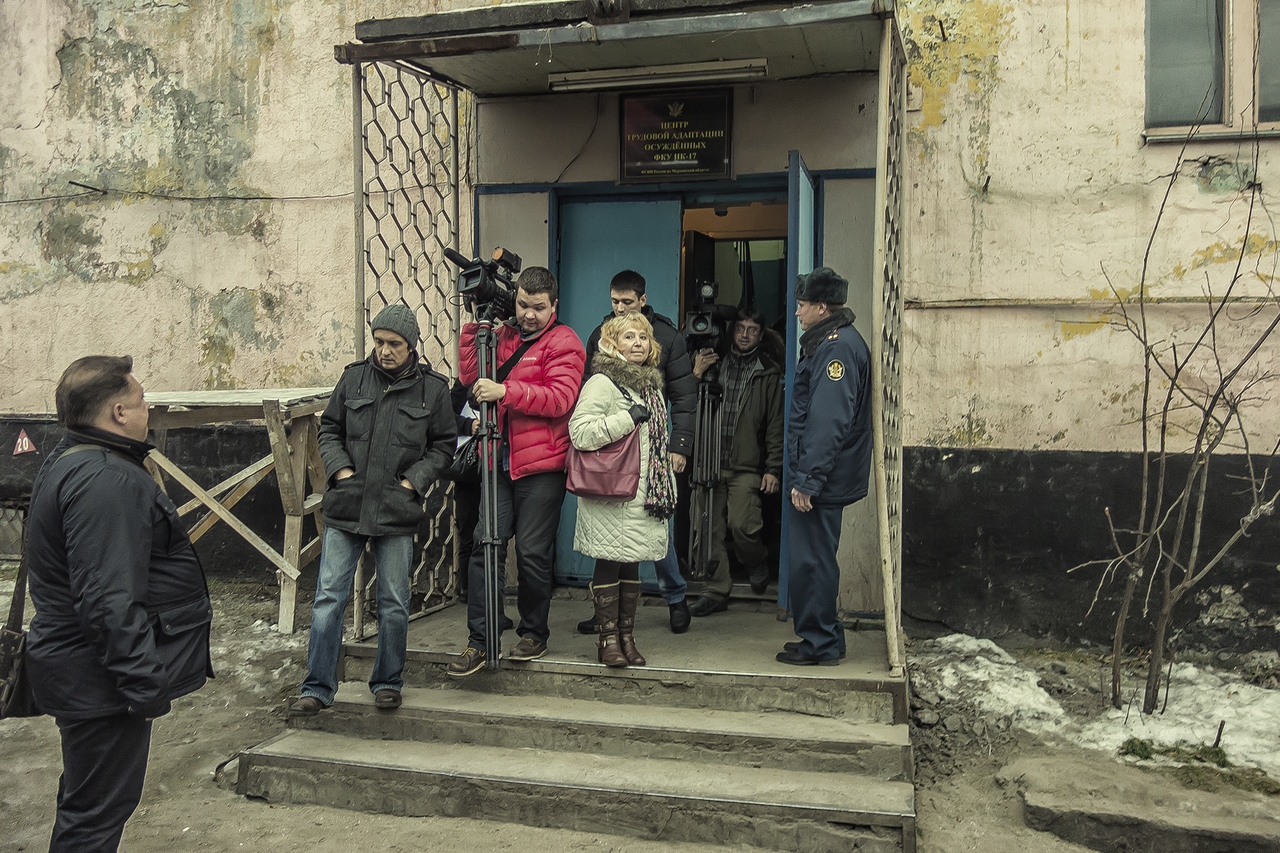
From November 5 to 8, in Murmansk, as well as the Norwegian cities of Vadso and Ward, the training seminar “How Journalists write about prisons” was held .
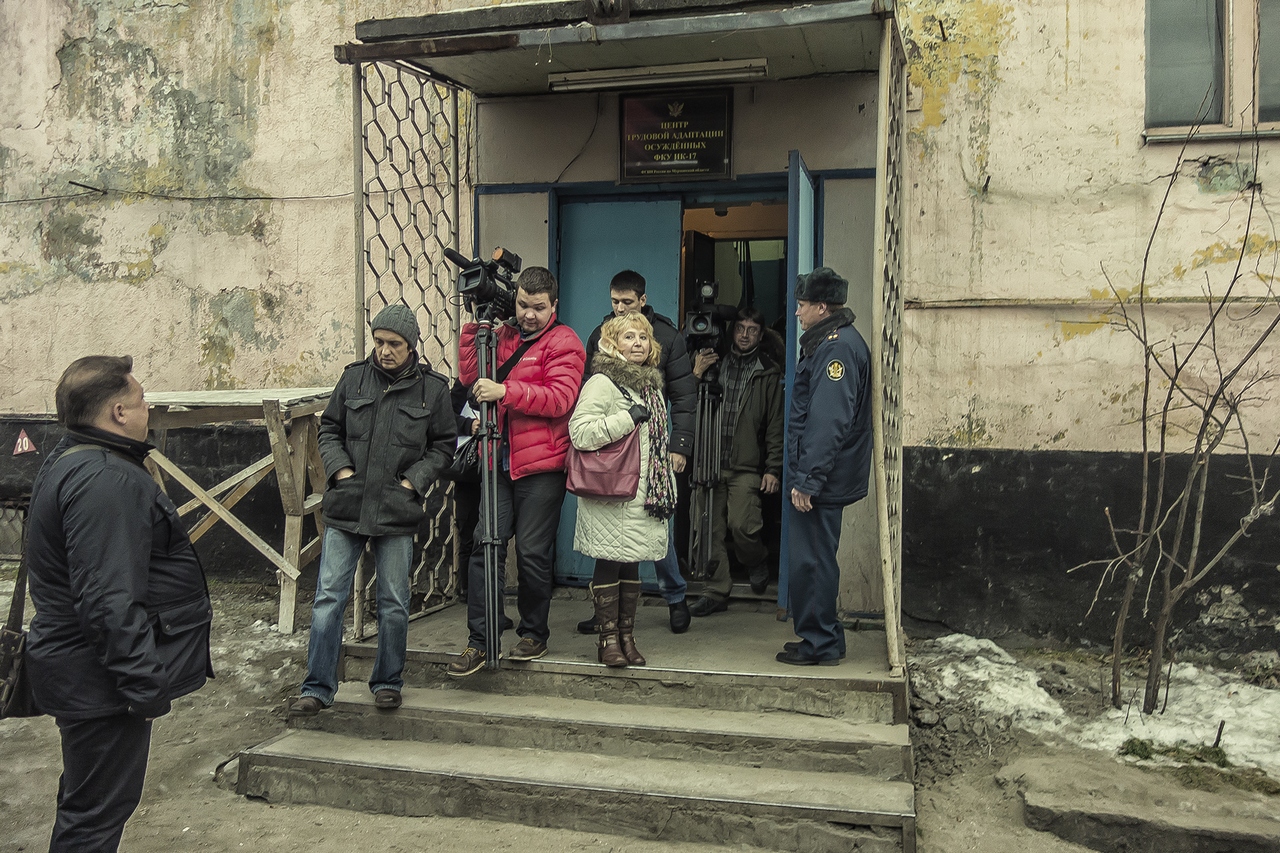
Photo by Alexander Borisov
It began with a visit to the correctional colony No. 17, which is located in the capital of the Arctic. The visit of representatives of the press coincided with the festive date - IR No. 17, popularly called "coal", turned 63 years old. The name still holds onto the colony, despite the fact that the coal boiler house has long been gone for a long time, and the institution has switched to central heating.
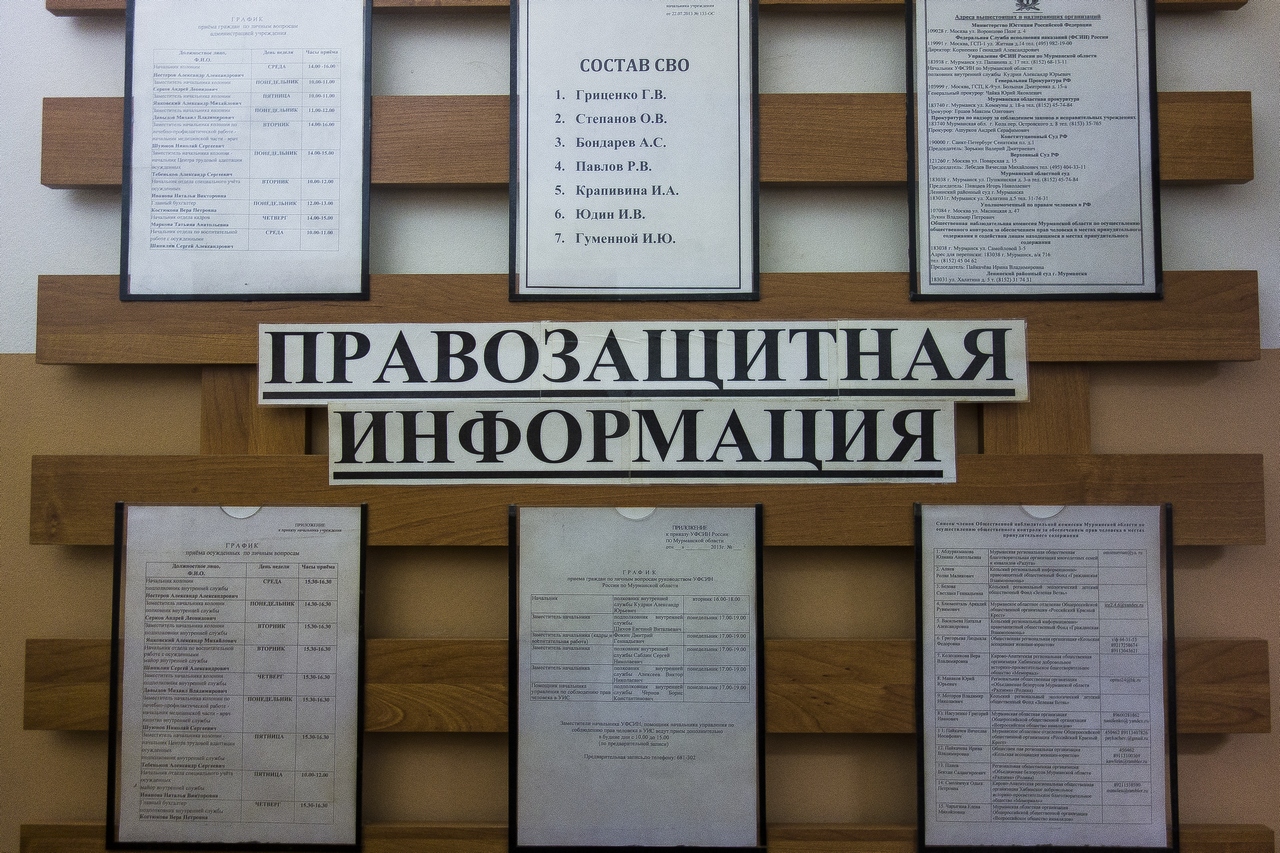
A place where, as a rule, they are always primarily leading visitors in the 17th colony-these are the rooms of the prisoners. In total there are 12 detachments, 3 of them are lightweight conditions, and it is the latter that are not ashamed to show people from the outside. There are relatively comfortable conditions, and there is even a stand with human rights information.
For Murmansk journalists, to be in the role of guests for barbed wire is a familiar thing, so they are interested in a little, unlike colleagues from Petrozavodsk and Arkhangelsk, with curiosity considering the production of a furniture workshop at IK-17, where 256 prisoners work.
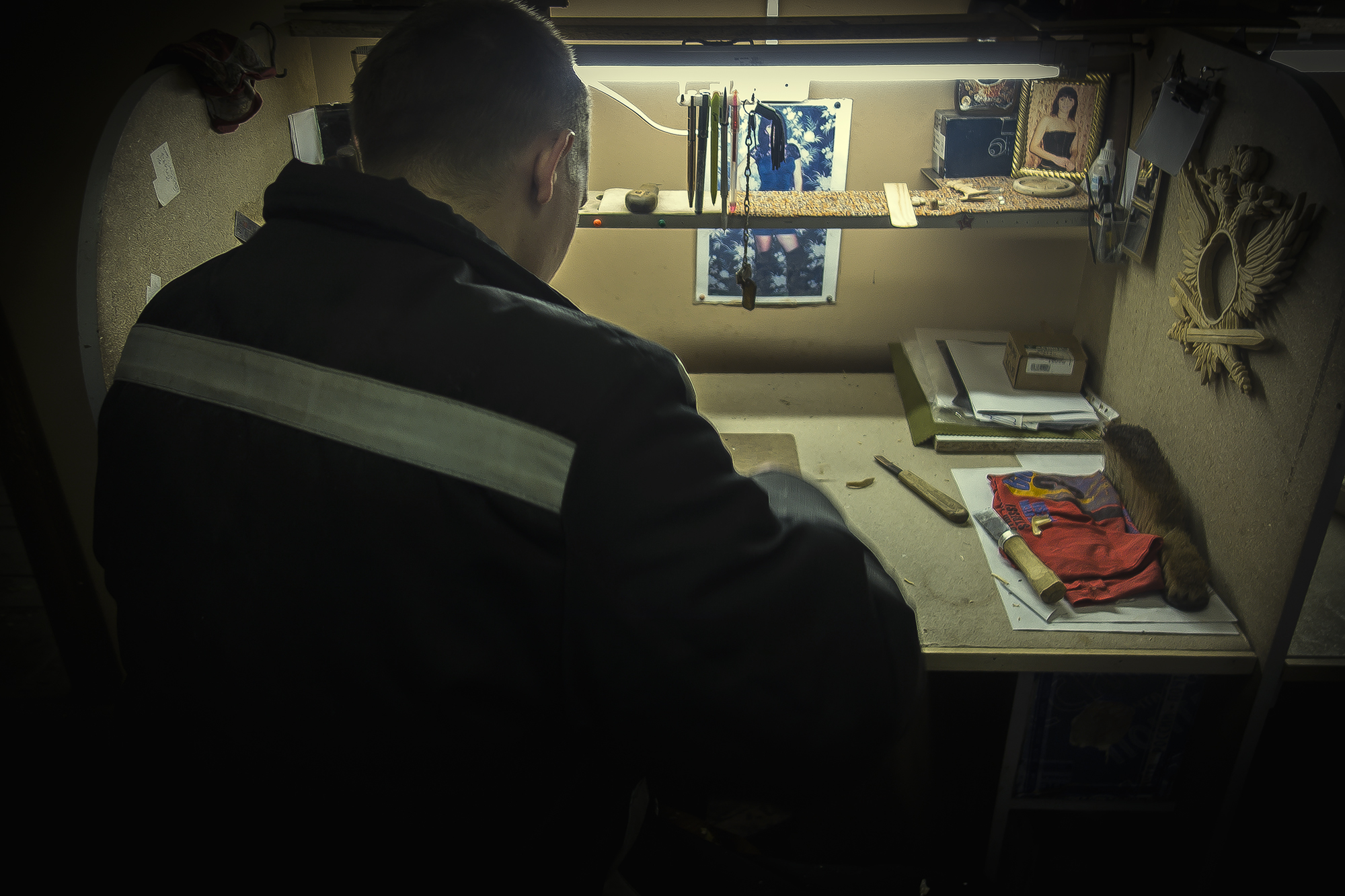
Kitchen corners, benches and unusual handmade souvenirs are the main product of production. On average, on wooden products, a correctional institution earns 14 million rubles. The convicted monthly salary is enough to buy tea and cigarettes in a local store. True, basically they do not go to work for material benefit, but in order to somehow diversify the prison life.
In conclusion, it is also worth adding that IR No. 17 is intended for “first -time”, that is, for those, then the first time hit the barbed wire. However, the deadlines on the tags of prisoners, for example 10 or 20 years, made a lasting impression on journalists.