Translated material
Two stories

Two stories (Zakhar Gelman) |
Friday, January 04, 2013 16:27
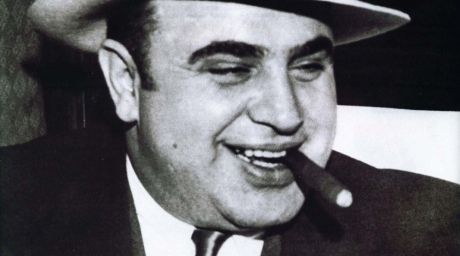
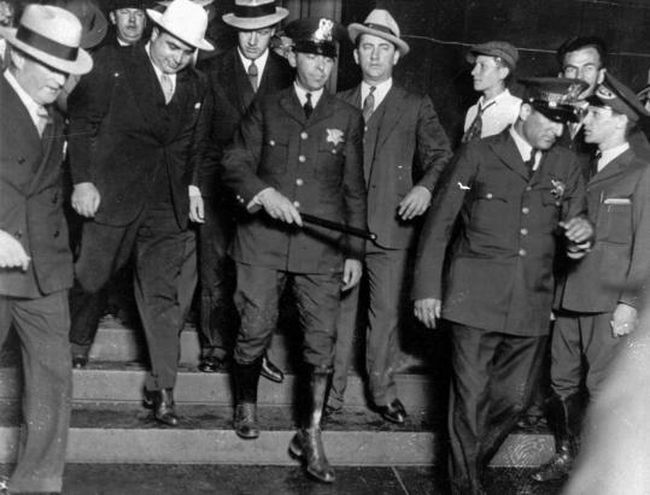
Pictured: Al Capone
First story
Years ago, Chicago was virtually owned by Al Capone. Capone was not known for anything honorable. A brutal gangster with a scar on his face has imperiously shrouded the Windy City in a stinking web of liquor smuggling, prostitution and contract killings. He had a lawyer named "Nice Eddie." Eddie was Al Capone's lawyer for a reason. Eddie was a damn good lawyer!
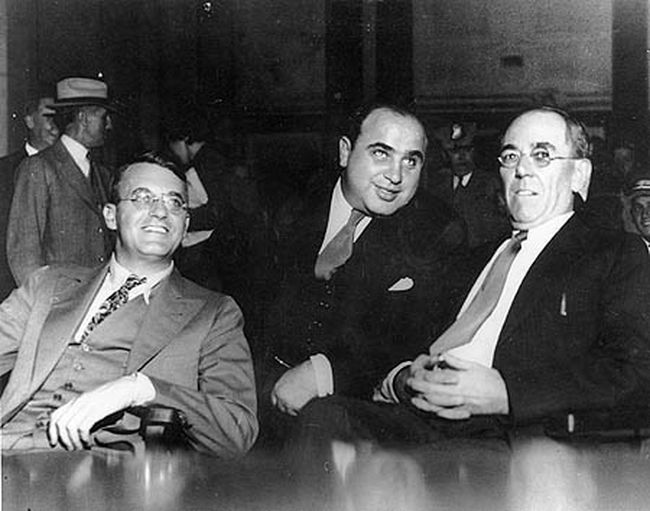
In the photo: Al Capone in court with his lawyer
It was thanks to his talents and agility that Big Al avoided prison for a long time. For this Capone paid generously. Not only huge amounts of money, but also special dividends. Eddie and his family lived in a fenced estate with servants and with all the amenities possible at that time. The estate was so large that it occupied an entire city block. Eddie lived the joyful life of a Chicago gangster and did not attach any importance to the horrors that were happening right next to him.
And yet Eddie had a weak spot - the son he adored. The son had everything: clothes, cars and an excellent education. There was no refusal of anything. The price didn't matter. Eddie, despite his connections with the mafia, tried to make the boy distinguish truth from evil. Eddie wanted his son to be better than himself. And yet, with all his wealth, there were things that he could not give to his son - his good name and personal positive example.
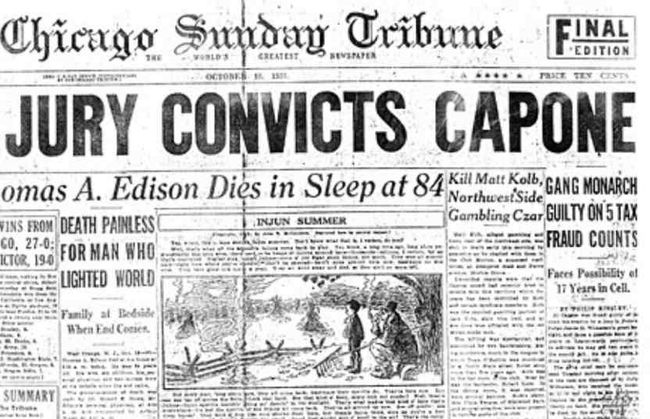
At some point, Nice Eddie decided to atone for all the evil he had done. He decided to surrender to the authorities and tell the world the truth about Al Capone - the Man with the Scar.
He wanted to clear his tarnished name and pass on some semblance of honor to his son. In order to do this, he had to testify in court against the mafia. He knew he would pay dearly. And yet he testified. A year later, Nice Eddie's life was cut short by machine gun fire on a secluded Chicago street. Yes, he gave his son the greatest gift, but he paid the highest price for it. In his pockets the police found a rosary, a crucifix on a medallion, and a poem cut from a newspaper:
“Someday the clock of life will stop
And no one can predict when they will give up -
at an early or late hour.
Now is the only time that belongs to you.
Live, love, work - with desire. Don't trust time.
Because the clock can stop so soon.”
Second story
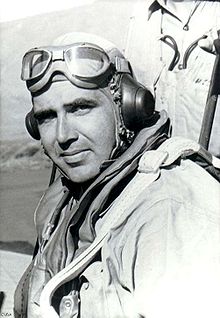
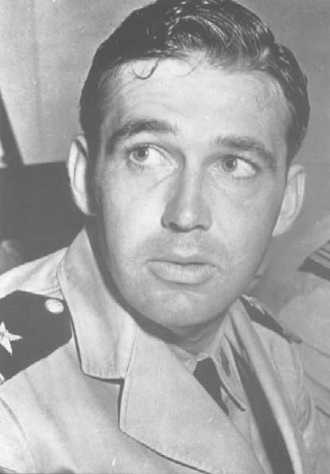
The Second World War gave birth to many heroes. One of them was Lieutenant Commander Butch O'Hara. He was a combat pilot stationed at the USS Lexington in the South Pacific. One day his squadron flew out on a mission. Having already taken off, Butch determined from the instrument readings that one of the personnel had forgotten to fill his fuel tank to the top. The available fuel in the tank was not enough to successfully complete the mission and return to the aircraft carrier. The squadron commander ordered Butch to turn back towards the ship. Reluctantly, he left the aircraft formation and headed back to the fleet.
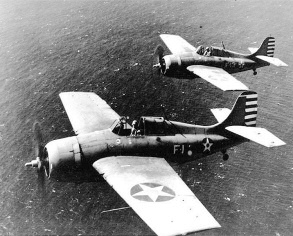
During the flight, he saw something that made his blood freeze. A squadron of Japanese combat aircraft was rushing at full speed towards the American fleet. The American planes were already far away and the ships were completely defenseless.
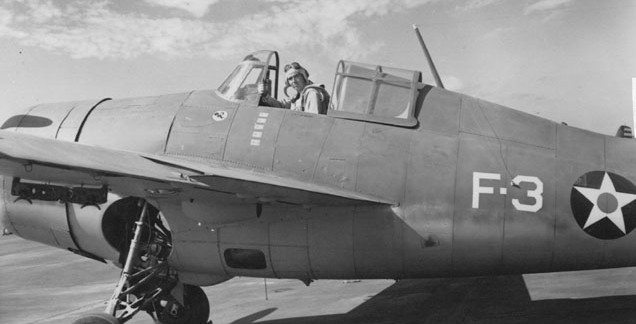
Butch was unable to return to his squadron and bring the planes back in time to save the fleet. He also did not have time to warn the ships of the approaching danger. There was only one way out: it had to force the Japanese to deviate from course. Forgetting about his own safety, he dived into a squadron of Japanese aircraft. For those, the sudden attack by the American was a complete surprise. The 50-caliber cannons on its wings fired an attack burst of fire. Butch rushed into the formation of the Japanese squadron and quickly brought the plane up, breaking the orderly combat formation of the Japanese. He poured fire on the enemy from all guns until the supply of ammunition ran out. But he continued to attack undaunted. He tirelessly circled around Japanese planes, trying to ram either from the tail or from the wings. The stunned enemy air squadron decided to turn around and went in a different direction. Butch O'Hare and his battered plane barely made it to the deck of the aircraft carrier.
Upon arrival, as expected, he made a full report on what happened in the air. The film from the video camera located on the front gun illustrated the report. She recorded all the crazy courage with which Butch defended his fleet. In battle, he destroyed 5 enemy vehicles. This happened on February 20, 1942. Butch became the first naval ace of World War II and the first naval aviator to receive the highest award for combat achievement.
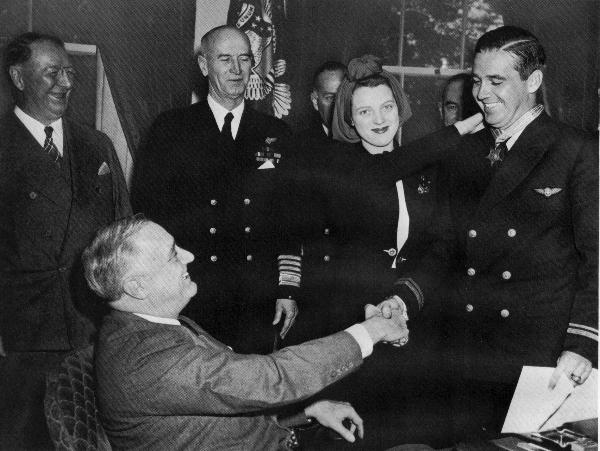
A year later, Butch O'Hare was killed in a dogfight. He was 29 years old. His hometown did not allow the memory of the war hero to fade into time. If you travel, then perhaps someday you will have the opportunity to visit Chicago International Airport. O'Hara, named after the great warrior.
Now you ask: what connects these stories to each other?
Oh, it's simple. Butch O'Hara was the son of "Nice Eddie."