
Translated material
The World Tourism Day has passed, but will tourism be left in Mari El?

This is a personal blog. The text could be written in the interests of the author or third parties. The 7x7 editors are not involved in its creation and may not share the author’s opinion. The registration of blogs on 7x7 is open for authors of various views.
Last weekend, World Tourism Day was celebrated. It so happened that I managed to spend this day in my hometown.
A short examination of the main attractions of the capital brought me to sad thoughts. Yoshkar-Ola as one of the centers of the Volga tourism dies. Those 600 thousand tourists who came to us are likely to flow like sand through their fingers. And the pandemic has nothing to do with it.
No, the victorious relations of the Ministry of Youth Policy, Sports and Tourism are not silent. Even the new institution was discovered the other day - the Center for the development of tourism, the purpose of which is the popularization of the tourist attractiveness of the republic.
And what, in fact, to popularize? For not the first month, guides have been alarming. Two main symbols of Yoshkar-Ola do not work: The sculptural composition “A donkey with the icon of the Mother of God“ Three -arc ”” and the dynamic watch “12 Apostles”. It was these unique objects for the last decade that were the main attractive force of tourists from the regions of Russia and abroad. The city hall so far only shrugs, feeds the Yoshkarolins "promises", and the government is generally silent.
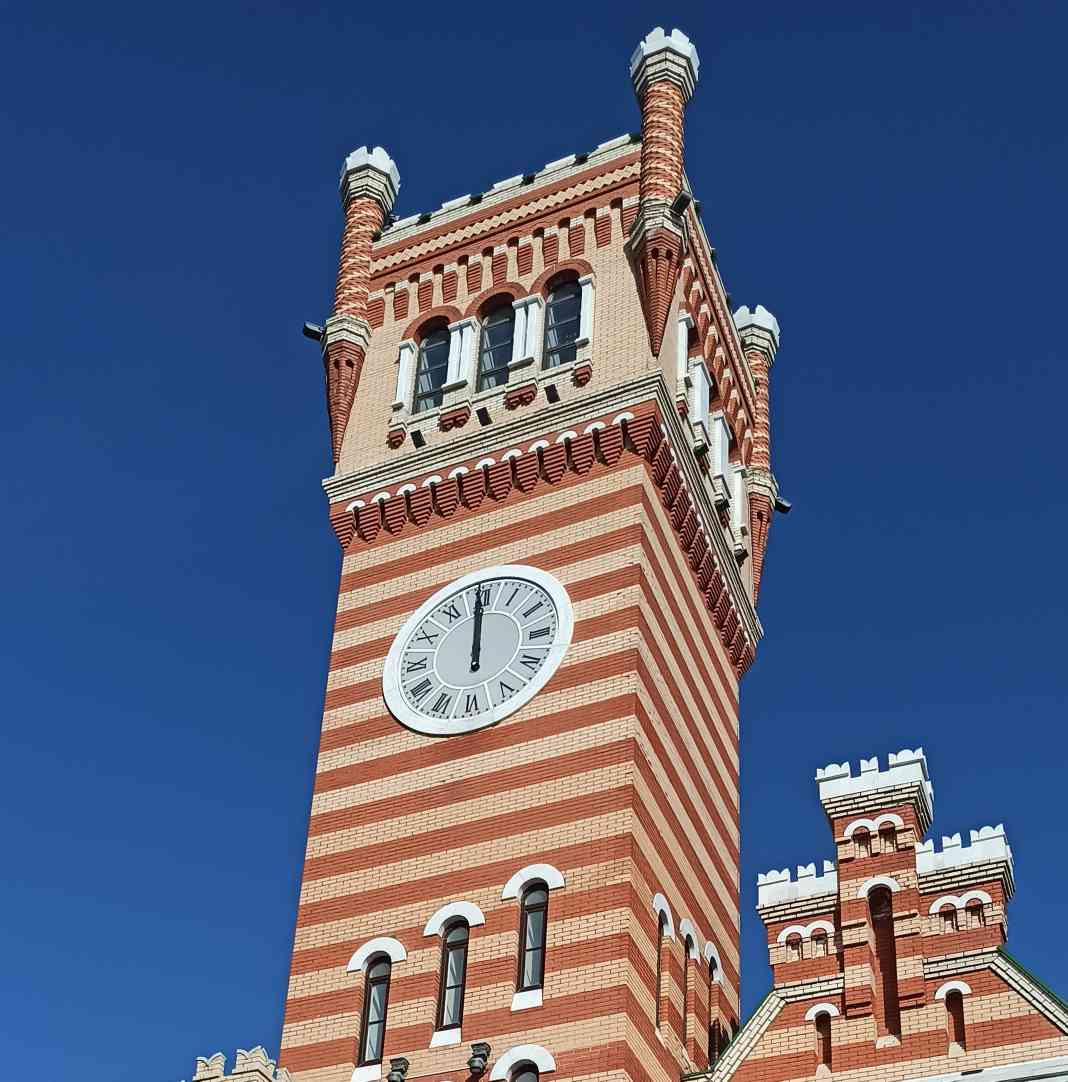
Okay, moving figures do not come out, but why stop the clock themselves, which froze on number 12. From the side it looks like a mockery of 12 apostles. I hope ensuring the work of the watch does not require any capital costs? Well, perhaps the payment of electricity.
But that's not all. The “face” of the capital - embankments of Bruges and Amsterdam came to the perfect decline. Buildings, monuments, pavements are destroyed. Through the paving slabs, not just grass breaks through. In some places of the embankment, entire thickets grew.
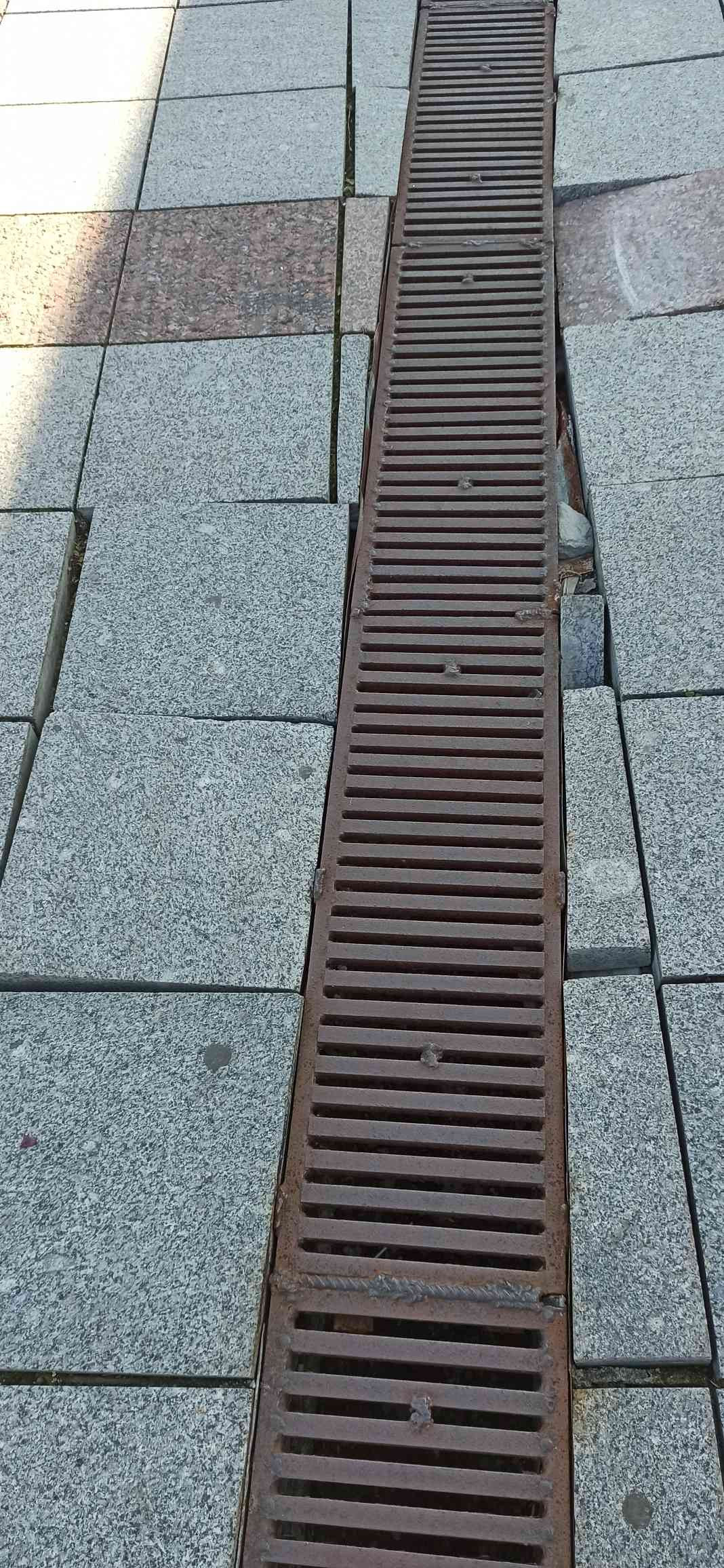
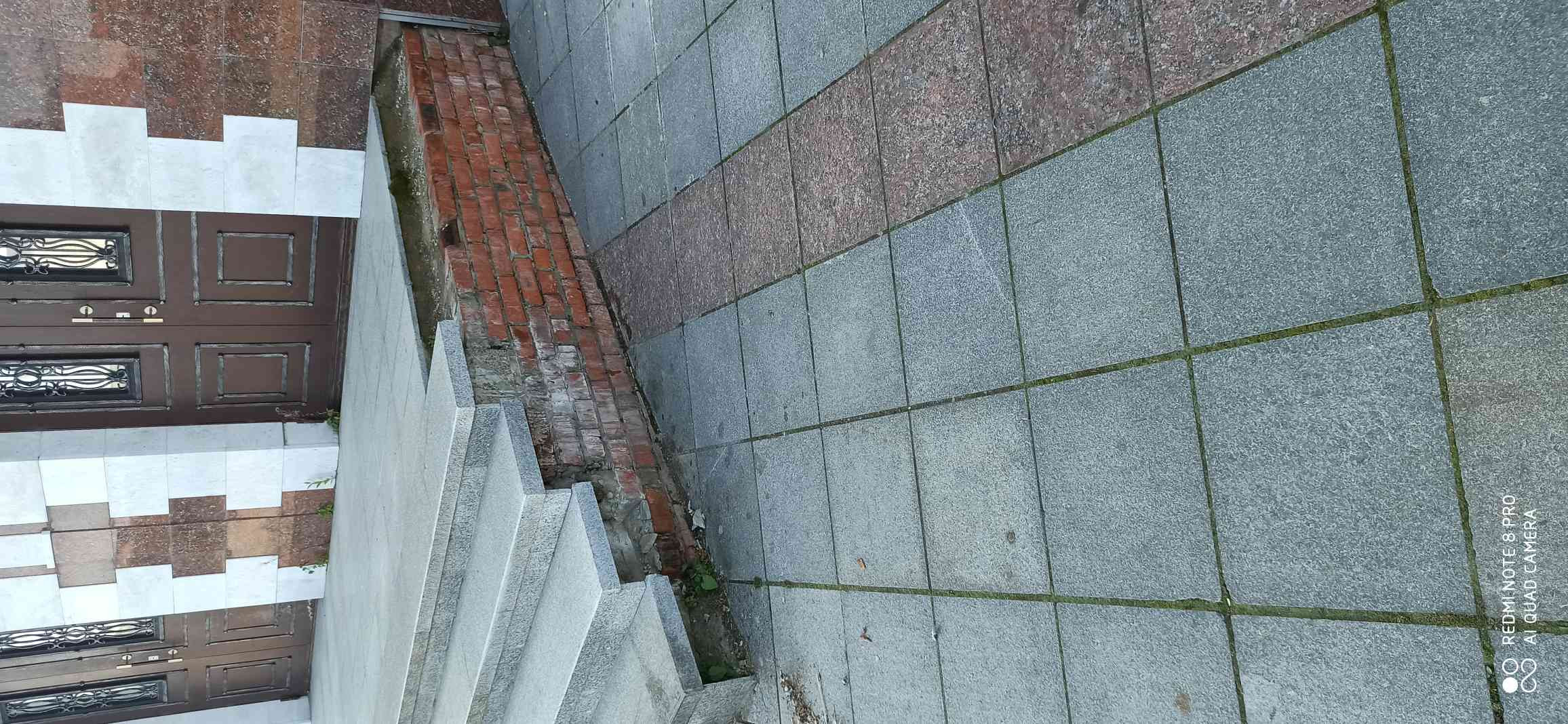
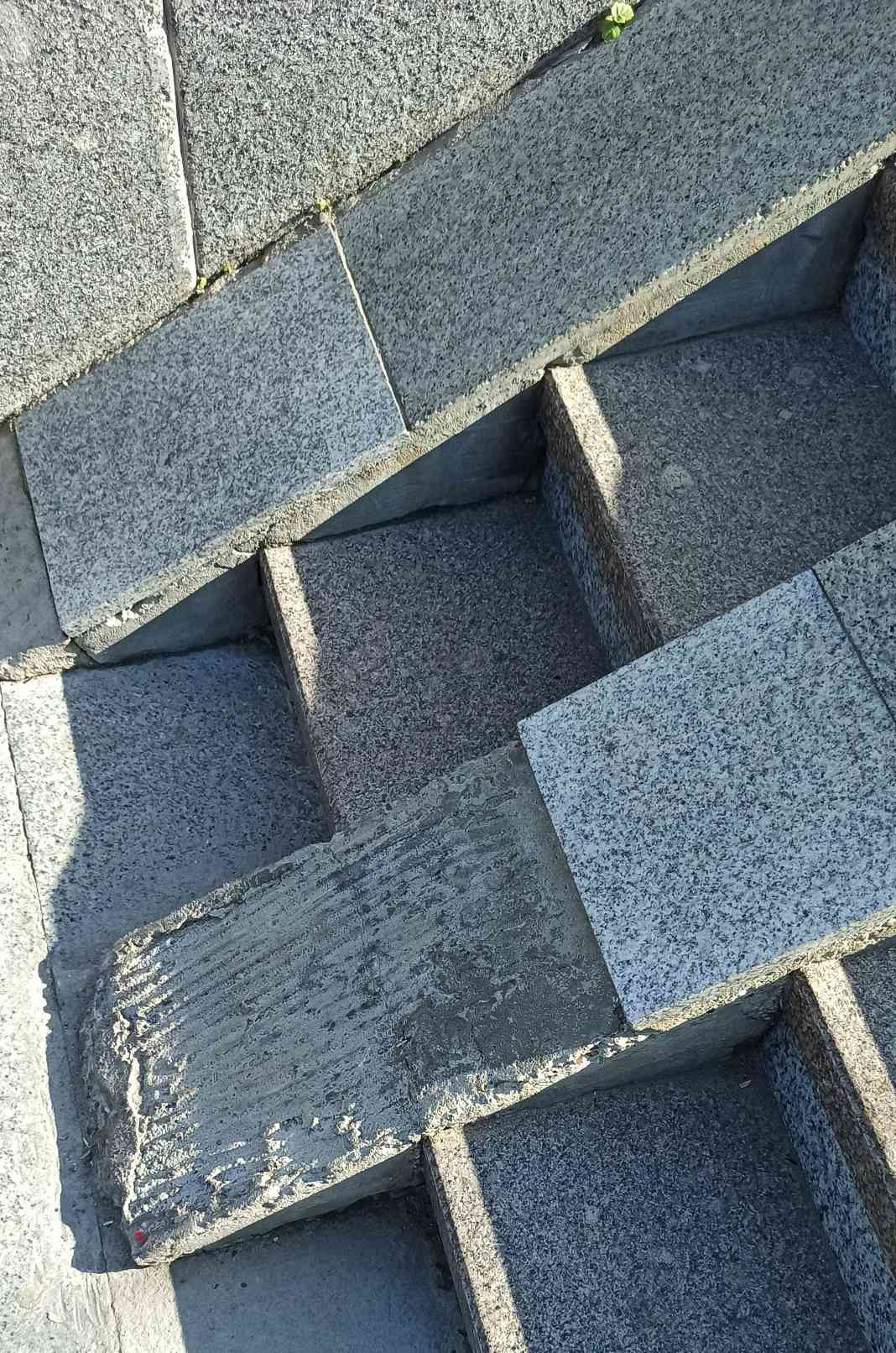
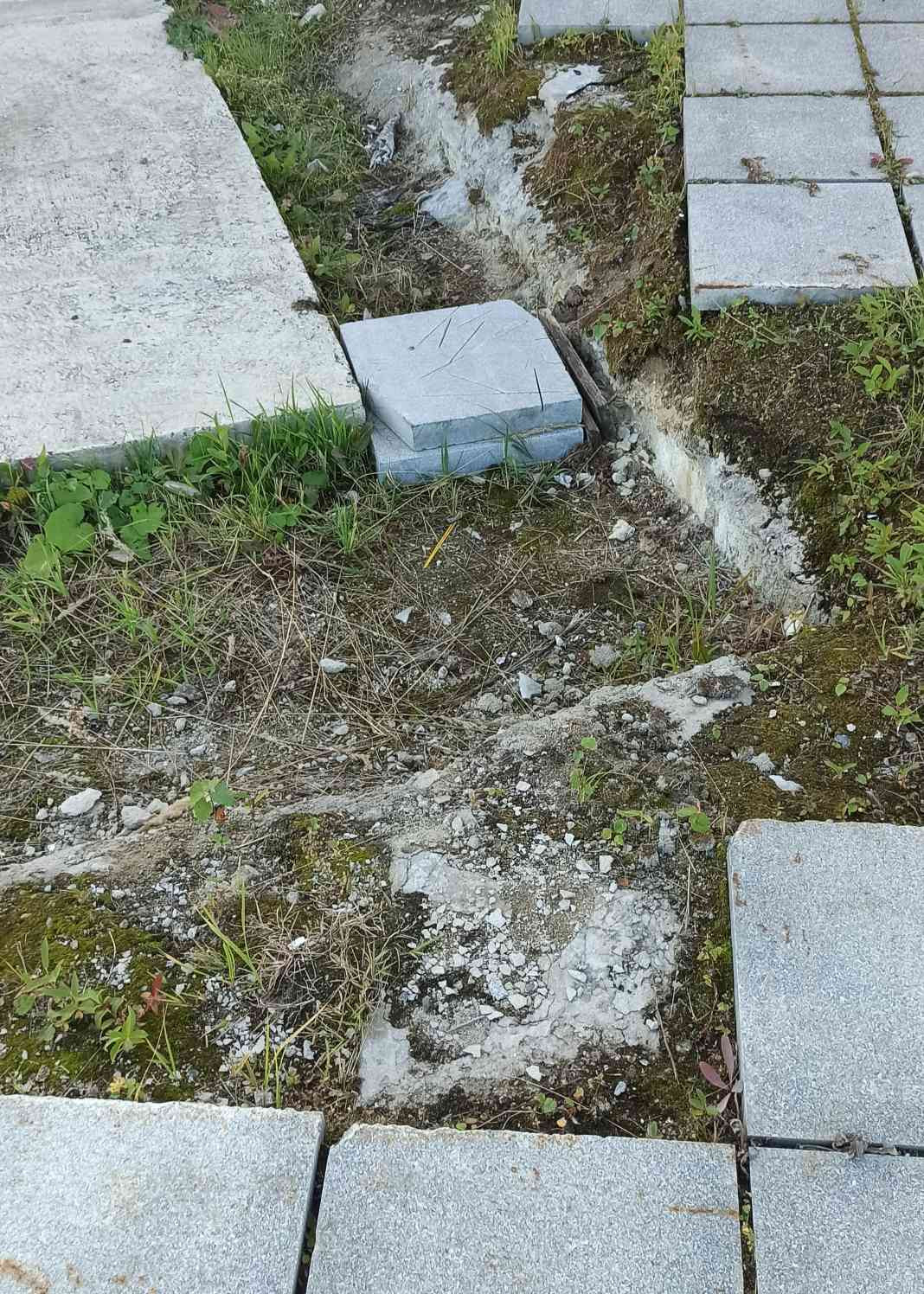
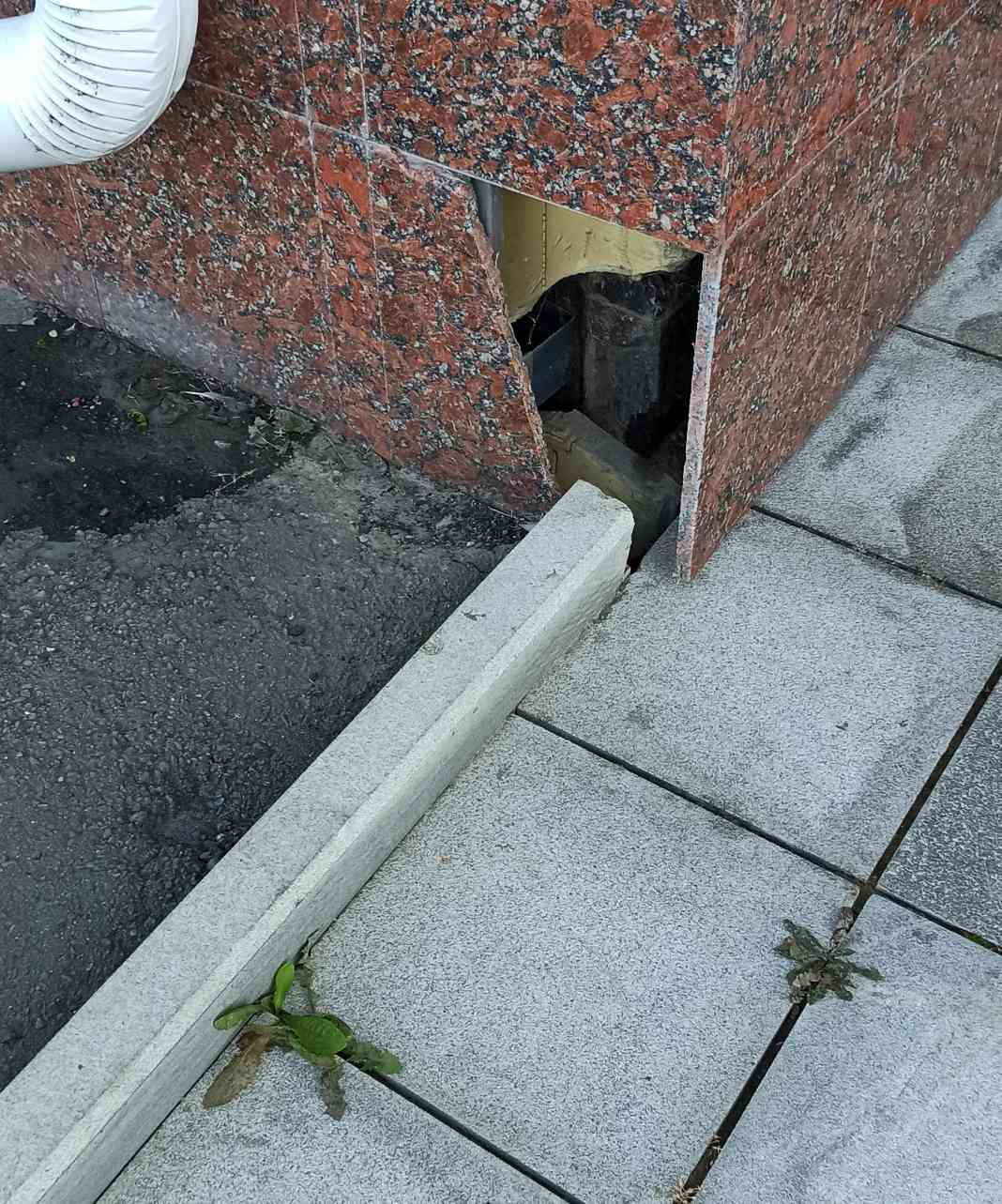
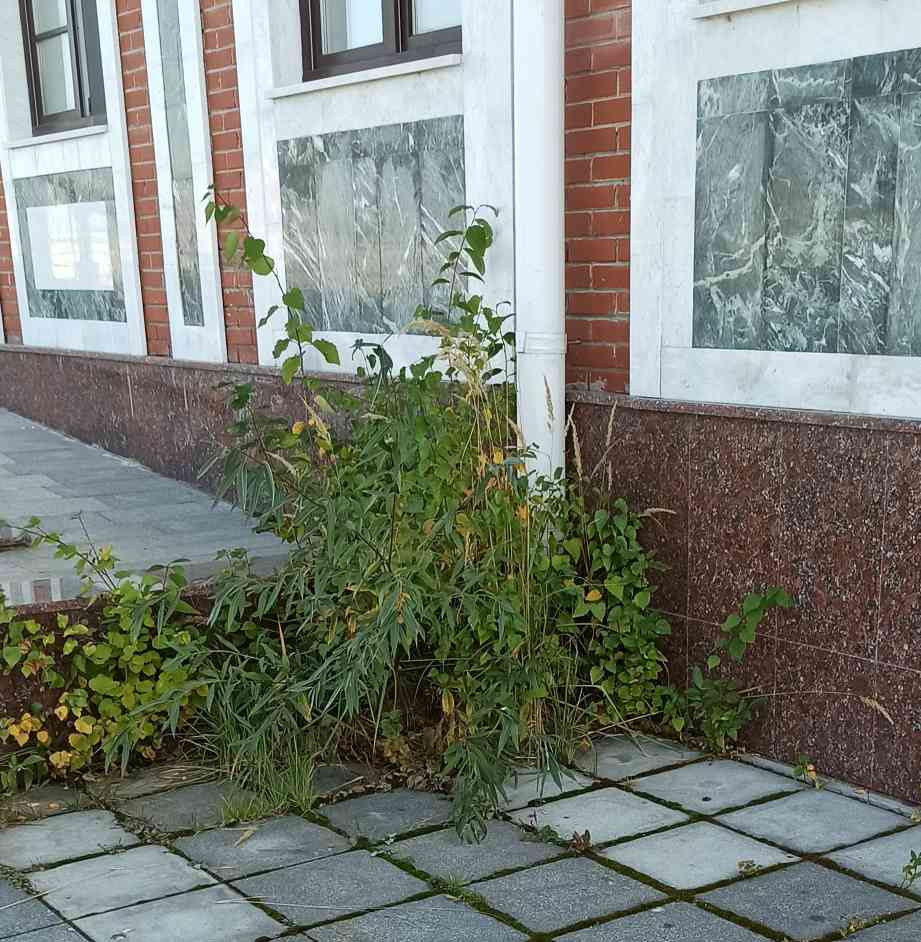
The inactivity of the authorities is imposed on the rampant energy of the vandals, which, with perseverance worthy of better use, destroy the beauty of the native city. Many tourist places began to resemble scenes from films about abandoned cities.
In general, the feeling that Yoshkar-Ola is again immersed in the era of the disorder of the 90s, turning into a state-owned provincial town.
In this regard, the question is: was not easier than the money spent on creating another bureaucratic structure - the tourism center, to direct to maintain truly unique tourist objects of the city?