
Translated material
Master of Freedom
A hundred years ago, Franz Kafka died. Today the world is recalled by the classic of the 20th century and the interlocutor of mankind in the XXI
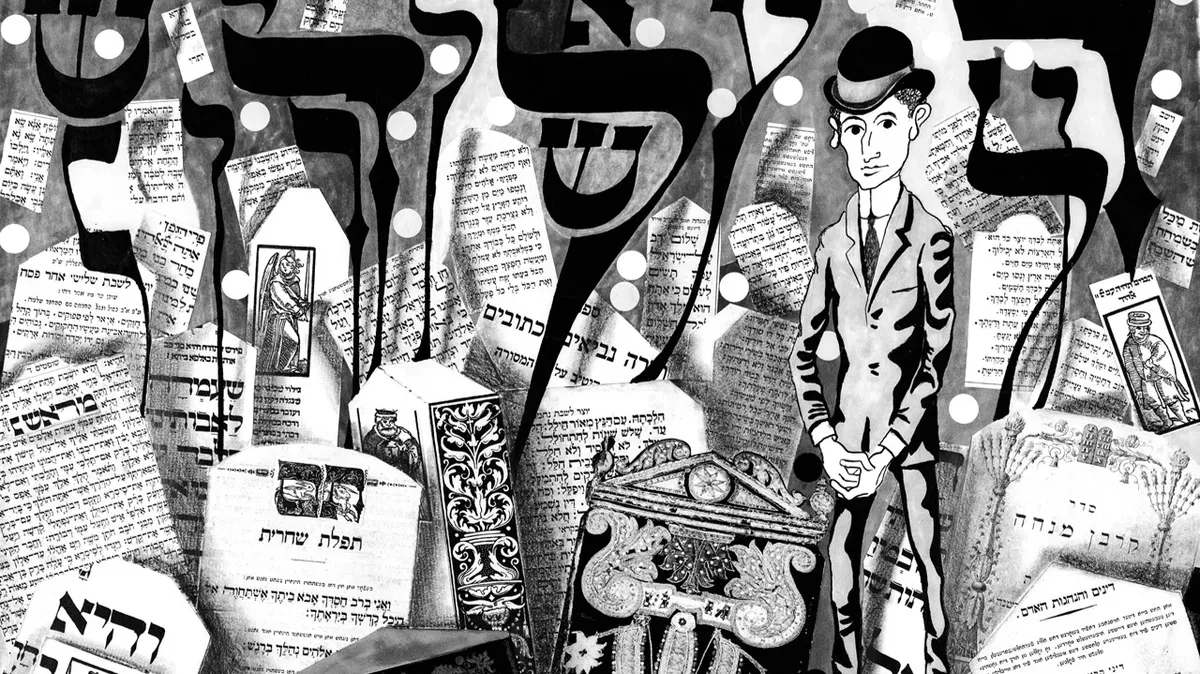
Franz Kafka. Illustration: Adolf Hoffmeister
The writer died on June 3, 1924 in a suburb of Vienna, the capital was no longer an Austro-Hungarian Empire, where he lived 34 years from the forty, but the first Austrian Republic. A native of Prague, a German stylist, son of Israel, who is this master of freedom for us now?
Kafka is the most unread of the classics, moreover, his very name is melted into memes and puns. “The name decides fate”, so Wikipedia first lines on you that his surname itself is “Galka” in a Chesh. A bird who loves to steal a jewel. Hypnotized by brilliance.
With regard to the biography of the classic - of course, he is a classic, although, for example, the word “great” does not suit him terribly - the audience behaves like a looter: here is his “complex relationship with his father.” Here are fluctuations in relation to marriage, all these proposals and engagement, ending with a break. Here is the dimensionality of reflection, some kind of grandiose cultural “removal”, “courier delivery” for the whole world from the experience of Austria-Hungary: in its fluid prose, in his epistolary heritage, it is so easy to see the prototype of our modern waste: and yes, the demonstrative absence of claims for “intelligence”, reservations, the incompleteness of discourse.
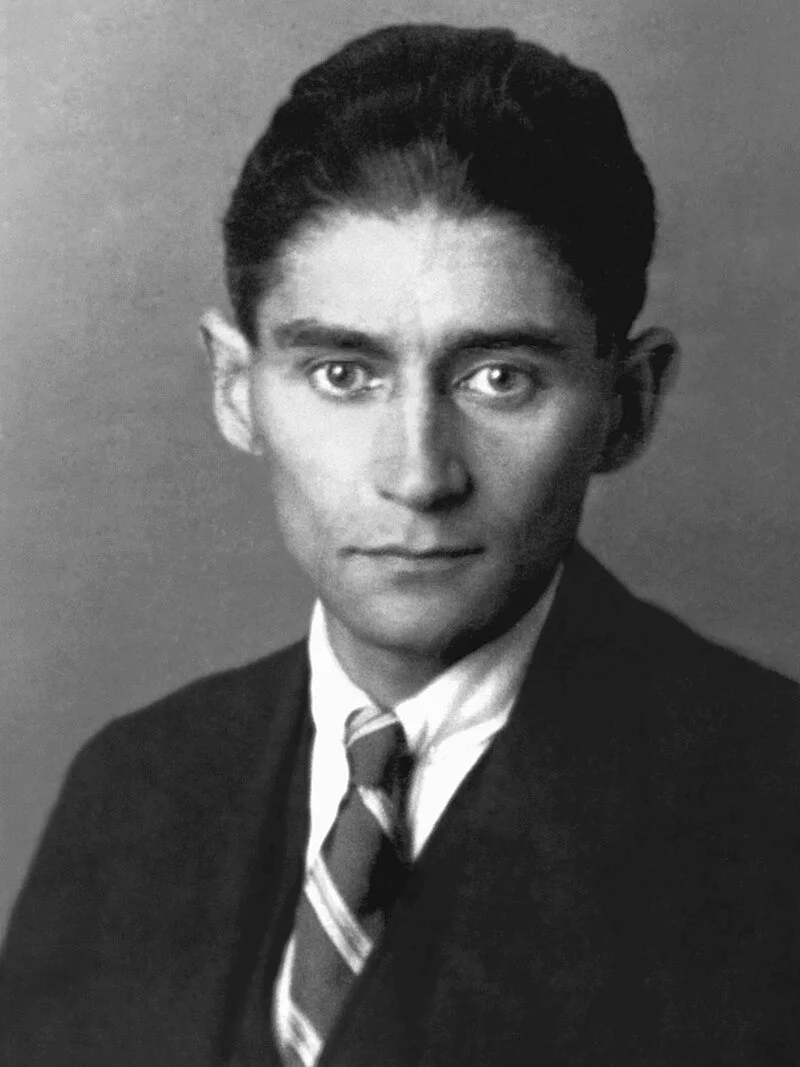
The modern world is blinded by that harsh empire: it happens, “yes” without any “and”.
The transplanting of the futuristic dreams of the line of the XIX-XX centuries announced the US young messianism in the 1990s: people left the former Austria-Hungary in the 1920s, sometimes fled in the 1930s, but old “themes and remces” grew on their new ground. An open society, like Karl Popper, a native of Vienna in 1902, is either like George Soros, who was born in the 1930s, already on the ruins of the Habsburg monarchy.
The ideas of the Viennese psychoanalysis possess the world, they reached the jungle of the Amazon and Nizovy Yenisei, they are his currency and the method of self -understanding, the subject for conversations of people about themselves and others.
There is nothing to talk about Hollywood: according to the short storage of the prose writer, the crown of Arthur Schitzler made the best film of the turn of the XX -xxi centuries, “with wide -closed eyes” by Stanley Kubrick.
All winter 2023/2024 in Moscow in the Bauman garden there was a play “Forest. A treatise ”, where actor Boris Alekseev reincarnated into Ludwig Wittgenstein, spoke on his behalf in Russian, English and German - about our modernity, about us, and everything coincided.
The context of Kafka - which he probably did not feel, creating his world - surrounds us. More precisely, it is us , with a vengeance.
You think under Mahler, in modern music, the achievements of the new Vienna school flash every now and then. You live surrounded by the ubiquitous style of modern: even the reception of the dentist and the fittings are hung with reproductions of the paintings of Klimt of his golden period, and the Egon Shile at the same time.
But in Kafka - as in the text, and not in the absurdity marked with his name - not everyone falls. Kafka is a quest.
The Kafkian text is one of the great (this word is completely completely to its texts) unheated warnings, dreams about a person, about his future.
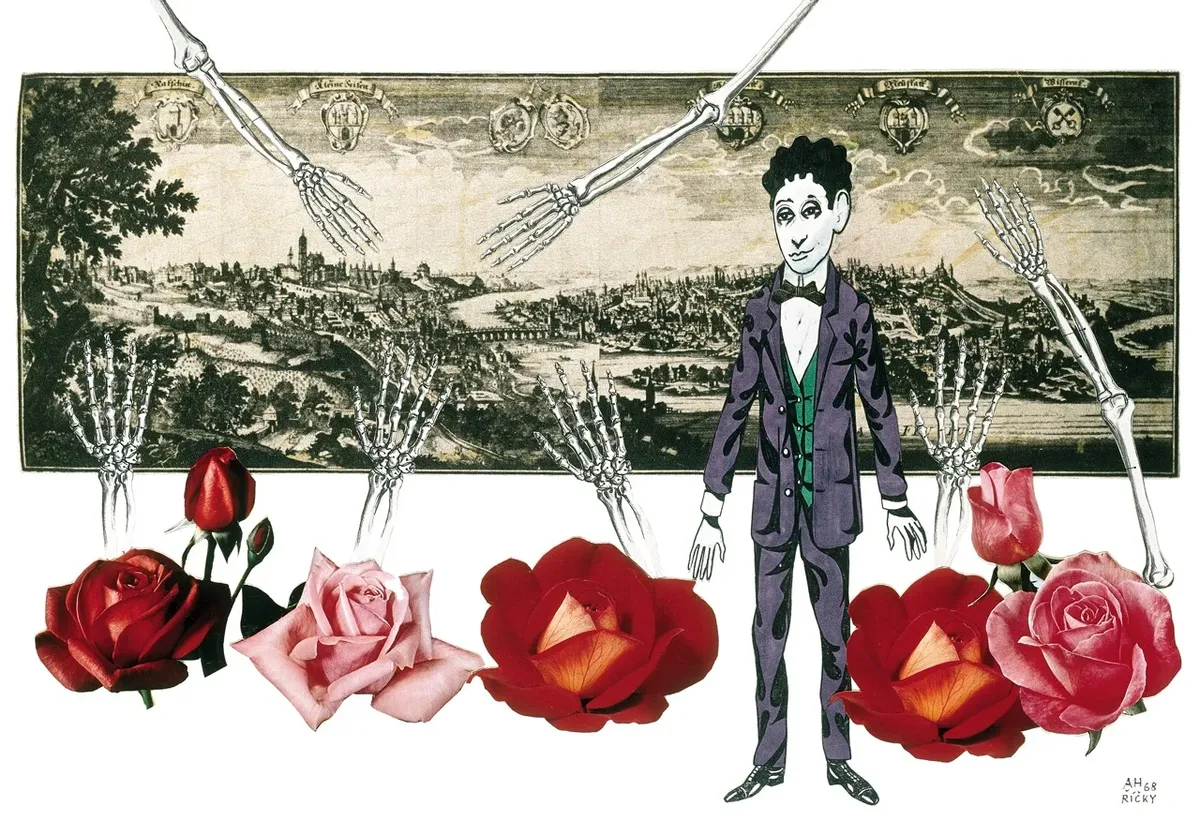
The philosopher Merab Mamardashvili believed that “the experience of Vienna at the dawn of the 20th century” (the so-called his lecture, popular in the early 1990s) did not get to people at all. "Didn't go." And he is the most important, cornerstone. He is about us.
About the hell of repetition of an unexplored, incomprehensible, not reflected, contrary to all attempts, the past.
“Viennese or Austrian experience is an experience of understanding how human civilization is a fragile phenomenon. After all, she appears before us as something extremely fragile and thin, like a cover of lightweight fabric, woven by invisible forces, in which, of course, we participate, depending on our concentration and effort, depending on how much pride and dignity woke up in us, a completely special dignity of existence, unique in any of the vital manifestations, has stood over the passion of the passion The existing ones and be convinced again and again of the inequence of their existence ... that in chronological times is stretched for decades and seems to us for a long time, is actually happening now, and we are in a sense at the same historical point, at the same point of historical time at which the artists, thinkers, publicists and musicians of Vienna were. ”
The people of that vein - both the real city, and the culture marked by him - “after Kafka” went through hell. Many have not passed, more precisely. They went out - only some.
As a psychologist and philosopher Victor Frankl, in 1942-1945-a prisoner of concentration camps Terezienstadt (Terezin, the territory of the modern Czech Republic), from where 88 thousand people sent to Auschwitz and other camps, where 33 thousand people died “on the spot”. Frankl’s book “Say the Life“ Yes! ”: A psychologist in a concentration camp” is read by compatriots after February 2022; In any case, sales have risen in a sparkling.
The experience of the founder of logotherapy, which survived - thanks to the profession and the search for meaning - in the impossible, came in handy and is useful to those who felt like a hostage, a living barrier of the “forces of history” from other similar forces. That vein is with us.
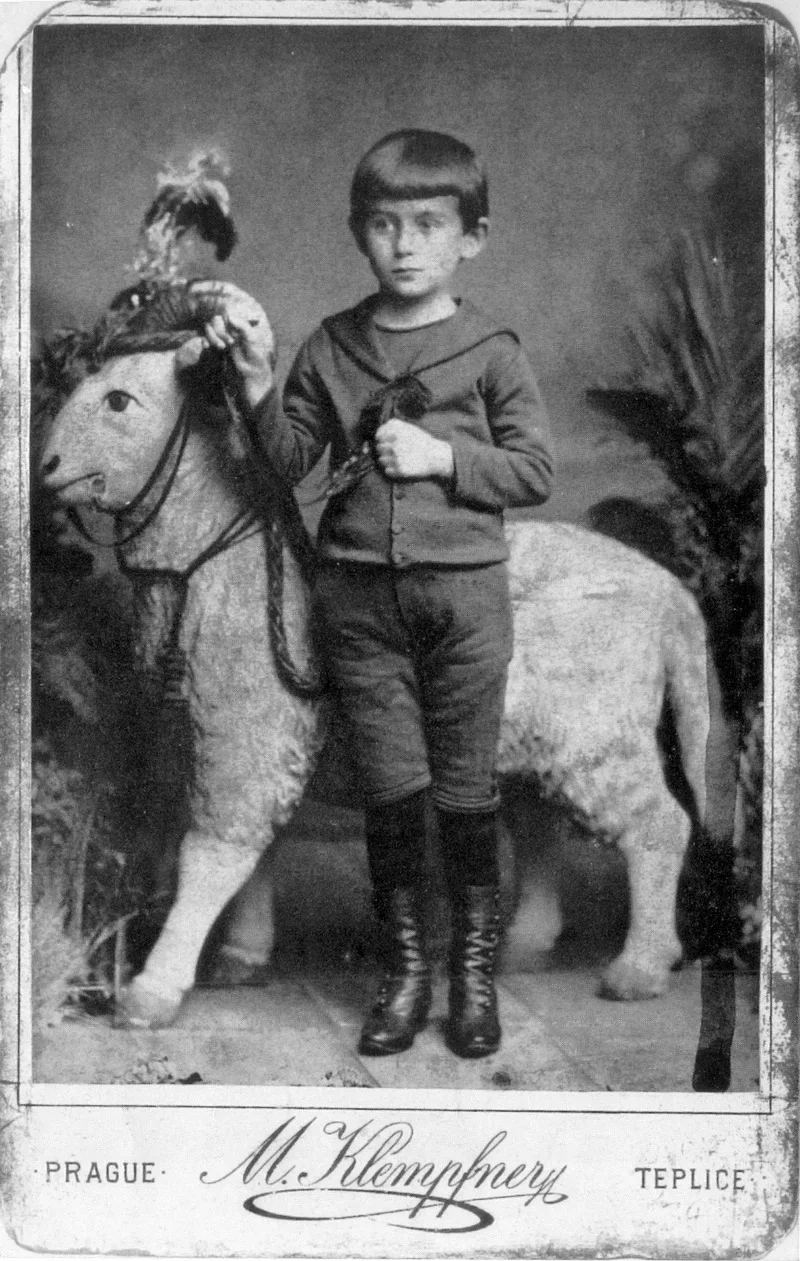
You will say what has Franz Kafka, who was born and lived almost all his life in Prague, the son of Israel, the exquisite flower of Eastern European Jewry?
No, not despite the fact that he is almost all other than a few letters to the Czech friend of Milena Yesenskaya (she died in a concentration camp of Ravensbruck in 1944), wrote in German. The same as the handwriting of his letters, now going for large money at auctions: elegant, free, naturally “selective”, where the most awkwardness is evading, almost ashamed of itself, the form of beauty.
This is actually a lot-write like that.
The point is not that the melting boiler (in fact, did not fuse, but only enriched with common hardy and gold veins on the borders inside the Amalgama), existed long before the boiler of America, and it was called the Austro-Hungarian Empire, the Habsburg monarchy.
The idea that that Vienna was the point of meeting of the West and the East. And it was not historical facts that the Ottomans already at the end of the 17th century, during the life of Peter the Great, almost won the city on the Danube. Not only that Vienna is a formal notorious “crossroads of cultures”.
The beginning of freedom and nature converged and converged in the city on the Danube to disperse some symbiotic strange radiation. Some synthesis of a person who is aware and unconscious for the sake of a “man is quite” took place there. Alchemy has gone, with all the breakdowns on the way, the method of a strange experiment. It happened.
And Kafka is a report of attempts, a chronicle, possibly the main human daring.
This - came true and did not come true. That Vienna - left, died, forever with us.
The place of the meeting of the West and the East, shifting from the German-speaking Central Europe, once (when?) Knighted us. In the most reckless political sense. To Russia. What is happening to us is the convulsions of the meeting. “But something went wrong,” as youth expresses.
Kafka was there in the center of the collision. A hundred years ago - it was. And then, on the same day, he was no longer.
He died on June 3, 1924. Having taken out everything on himself: a meeting of freedom and traditions, authority and doubts, austerities and adventures.
He is all of our, all -human, cosmopolitan mainly. Ours is not in a ridiculous sense of the lust of all this self -irony “we are born to make the kafka by the past”, and in the sense of the most noble fate that it happens: to endure the dignity of being on our shoulders as something material, as “Zlata Prague” with everything that is in it. Make an attempt.
Read Kafka.