
Translated material
"Be patient"
So said in Brussels Hungarians and Slovaks about the transit of Russian oil through Ukraine
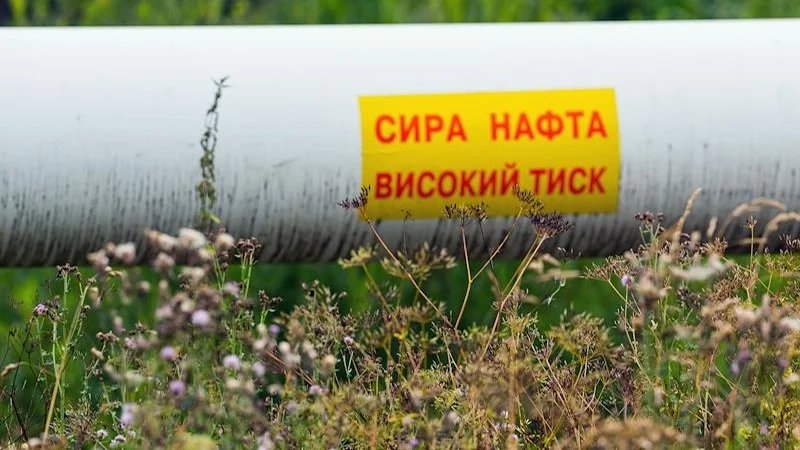
The oil pipeline "Friendship". Photo: Vladislav Sodel / Kommersant
The calls of Hungary and Slovakia to Brussels force Ukraine to continue the transit of Russian oil, fell on adverse ground. Budapest and Bratislava rely on contractual documents between the European Union and Kiev, but this dispute is political, not trade and economic, therefore it is difficult to get out of it using only legal tools. The prerequisites for the conflict began to take shape much earlier than its subject arose.
On July 17, Ukraine stopped the transit of the oil of Lukoil in Hungary and Slovakia, because this Russian company is under the sanctions of Western states. Russian raw oil, which arrives at the Druzhba oil pipeline, continues to compose a significant role in the energy balance of these countries even after the European Union on December 5, 2022 introduced a ban on oil imports from Russia in connection with the beginning of the Russian military operation against Ukraine.
These two EU members have achieved for themselves the exception of the pan -European ban. They motivated their especially in that more other EU countries depend on Russian supplies and do not have ready -made alternatives. Then the European Commission actively opposed this, but most EU members entered the position of two allies and agreed to make an exception until the end of 2025.
It provided for deliveries - including to Hungary, Slovakia and the Czech Republic - by the Druzhba pipeline to give these countries the time to find alternative options. Impuding that they will do it quickly.
Germany and Poland, which also used the Druzhba pipeline, stopped buying Russian raw oil last year. The Czech Republic intends to stop imports from Russia next year. Slovakia also promised to modernize its refineries for the processing of large volumes of non -Russian oil.
But Hungary decided to increase oil imports on this pipe by 50% compared to 2021, and also signed new agreements with Gazprom. Oil through the Druzhba pipeline continued to arrive.
But more than a year and a half passed, and against the backdrop of the continuation of the Russian special operation, Kyiv imposed sanctions against Lukoil and stopped transit.
Hungary and Slovakia immediately turned to the European Commission with a request to start consultations under the EU trading agreement with Ukraine of 2014. They have the right as EU members.
Their request put Brussels in a difficult situation. Officials, in accordance with the rules operating in the bureaucratic apparatus, made the rules with formal, but insignificant statements.
The executive deputy chairman of the European Commission, which oversees trade, Valdis Dombrovskis told the newspaper Financial Times (FT) that Brussels would take more time to collect evidence and evaluate the legal situation.
According to other sources, he also admitted that Ukraine can, under some circumstances, suspend part of the 2014 trade agreement for security reasons.
On July 25, the representative of the European Commission Olof Gill said at a briefing that the EU Executive Board “will make a decision when [will] be ready to make it.” He warned Hungary and Slovakia from any one -way response, such as a disabling electricity supply to Kyiv, emphasizing that in the EU only the European Commission has the right to make decisions on foreign trade disputes.
Considering that until the end of August, life in the Brussels apparatus of the EU traditionally froze for summer vacations, this “readiness” is unlikely to ripen soon.
The indignation of Budapest and Bratislava with the slowness of Brussels spilled out at the official political level. Hungarian Foreign Minister Peter Siyyarto on July 30 directly accused the EU of a crisis that arose.
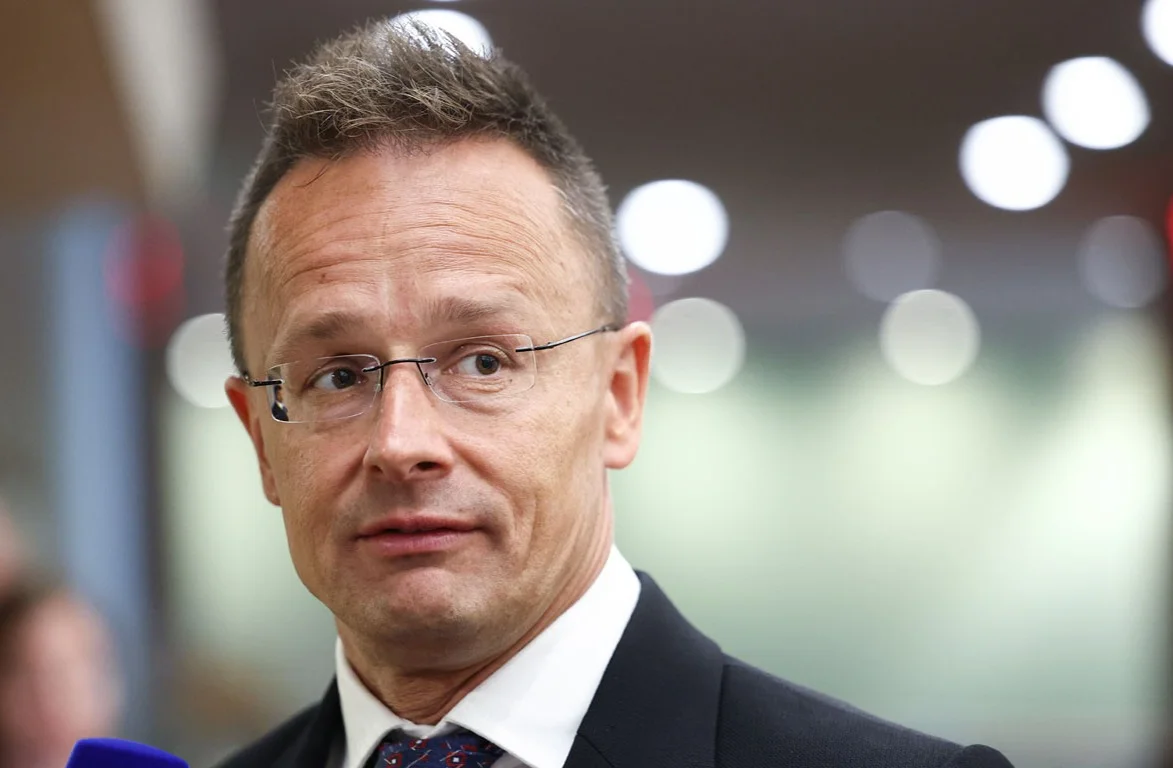
“More than a week has passed, but the European Commission did nothing. There are only two scenarios. The European Commission is either too weak to force the Candidate country (Ukraine) to respect the fundamental interests of the two EU countries, or all this was invented not in Kyiv, but in Brussels, and not by the Ukrainian government, but the European Commission wants to blackmail the two countries, ”he wrote on his Facebook page due to belonging to Meta, which is recognized extremist).
The Hungarian Minister demanded that the European Commission and its heads of Ursula von der Lyen immediately answer whether they were instructed to Kyiv to block oil supplies. And he again stated that the suspension of transit undermines the energy security of the two EU states and is a direct violation of the Ukrainian Association with the EU.
Earlier, on June 23, speaking on Hungarian television,
Siyyarto threatened with possible countermeasures. In particular, block the allocation of funds from the European Fund of the World (EFM) until Ukraine solves the problem with Lukoil.
We are talking about 6.5 billion euros intended to compensate EU members of money, spent on the supply of weapons and ammunition for Ukraine. Blocking is already a fact for several months, and Budapest confirms his veto. In addition, 42% of the electricity that Ukraine imports is coming from Hungary.
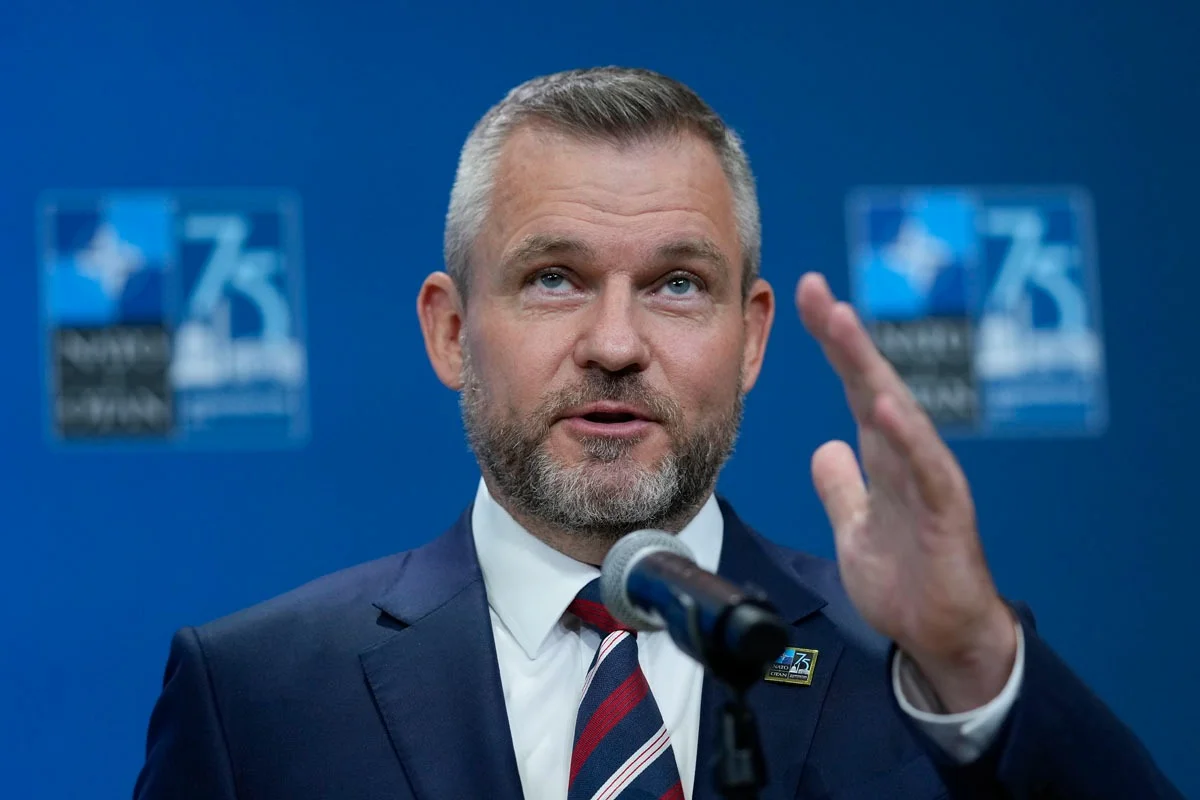
The leaders of Slovakia also mentioned the countermeasures. President Peter Pellegrini recalled that Bratislava helps Ukraine with gas reserves and electricity supply and will be forced to “respond”. Prime Minister Robert Fitzo said his country will stop the supply of diesel fuel to Ukraine if Kyiv does not restore the flow of oil from Lukoil through its territory. Deliveries from Slovakia make up a tenth of diesel fuel consumption in Ukraine.
Economic sanctions are actually not an economic tool, but a political one. Introducing them, states deliberately go to economic losses. For the sake of a political win, expressions of solidarity, demonstration of their attitude to something.
At least, this is understood in the EU. It is ridiculous to prove the failure of sanctions only by the fact that they are disadvantageous from the point of view of business.
Obviously, in Brussels, attempts by Hungary and Slovakia to swing their rights as members of the EU sympathy and readiness did not cause help. The case is accepted for the correct, but cool consideration. The reason is that for more than two years, both countries, especially Hungary, led by Viktor Orban, too often had a special relation to the majority decisions, blocked key projects, did not show enough, as they call, “sincere solidarity”.
In a relaxed prevention in the sidelines and private conversations with journalists, officials and diplomats did not hide the skeptical attitude to the calls of Budapest and Bratislava to solve their problems “in the spirit of solidarity” in the European Commission, to attract the “letter of the law”. A noticeable disappointment slides by the fact that this problem is generally on the agenda in Brussels. Like, now they turned to the EU for help, are trying to use the rules drawn up ten years ago in order to maintain access to the "free" - a discount product, which almost all others were forced to abandon - Russian oil.
The rest found ways to get rid of, and Hungary and Slovakia used the sanctions of Kyiv against Lukoil to continue to pump it into their storage facilities. Hungary even increased the import of Russian oil, which caused special outrage.
The Isters' countries “actually received direct economic benefits from geographical proximity to the Ukrainian market, reselling cheap Russian energy carriers with a huge margin, while restraining the supply of weapons and at the same time being the Trojan horses of Russia in Europe”, quotes the Politico words of one of the experts. Many EU members, for example, Germany, took expensive measures to get rid of dependence on Russian energy carriers.
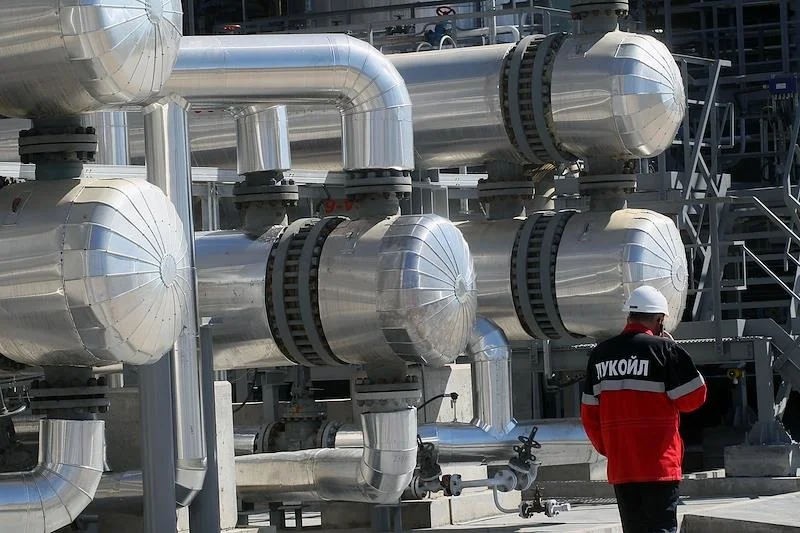
Against this background, the alleged losses of Hungary and Slovakia from Ukrainian sanctions against Lukoil do not look catastrophic. They can deprive both countries a third of their imports of oil, but also stimulate the search for alternative options. If they are ready for them politically. And there are such options. For example, increasing the import of non -Russian raw oil from Croatia through the ADRIA pipeline, another expert indicates. The Ukrainian authorities claim that even now, the same number of oil is supplied to the Druzhba pipeline as before, thanks to other Russian companies.
Therefore, the threats of countermeasures are perceived in Brussels is not dramatic.
They are more like the “argument that you use to persuade negotiations in [your] benefit” than on real threats, the third expert said.
Firstly, both countries continue to profit from the export of processed energy in Ukraine.
Secondly, they will face serious reproach from the EU for reducing electricity exports to Ukraine, which faces large-scale disconnections.
The general line of the EU (and they signed under it) - all -terrain support of Ukraine. In any case, these countries should think about their situation as members of the EU and receiving money from it. And about credit risks for their enterprises.
It seems that Brussel’s cool attitude towards his demarche in relation to Kyiv felt in Budapest and Bratislava. Therefore, softened the tone. Slovak Prime Minister Fitzo proposed an indefinite “technical solution” to restore blocked supplies after meeting with his Ukrainian colleague Denis Shmygal.
Hungary receives most of the oil from Russia, about half of which comes from Lukoil. The head of the ORBAN administration Gergea Gulyash said that blocking the supply of Lukoil could lead to fuel deficiency, but “there is no reason for panic,” since Hungary has reserves. Hungary will look for a way out of the impasse until September. He also stated that the country is studying "a legal loophole that allows you to transport oil to those who have not come under sanctions." This may mean imports through “friendship” from Kazakhstan or from Russian companies, including Gazpromneft or Rosneft, which did not fall under sanctions.
In case of this conflict, historical context and reputation are important. Press comments appear against the background of growing hostility in the EU in relation to Budapest.
EU countries are increasingly tired of the Hungarian Prime Minister Orban because of his deviations from the general course. Hungary turned out to be isolated in the EU because of its pro-Russian position and friendly manifestations for China. And due to the fact that it blocks the key solutions of the EU on Ukraine, the “green course” and migration, as well as due to violations of the rule of law in its European sense. High officials of the EU and the European Parliament boycotted informal meetings organized by Hungary, which now presides in the EU.
The unauthorized "peacekeeping" visits of Orban, which in the outside world are perceived as demarcers on behalf of the EU. And here is another discontent in the European Parliament by the decision of Budapest to facilitate the issuance of Hungarian visas to the Russians. After all, they open the entire Schengen space, including “Russian spies”.
Slovakia is also more and more annoying. Since the populist prime minister Fitzo unfolds the country into the pro -Russian side and suspended state military assistance to Ukraine.
All this in general left little susceptible ears in Brussels now, when both countries are asking for help in order to maintain their oil from Russia.