
Translated material
The ECHR fined the Russian Federation for 18 thousand euros for the maintenance of the defendants in metal cells
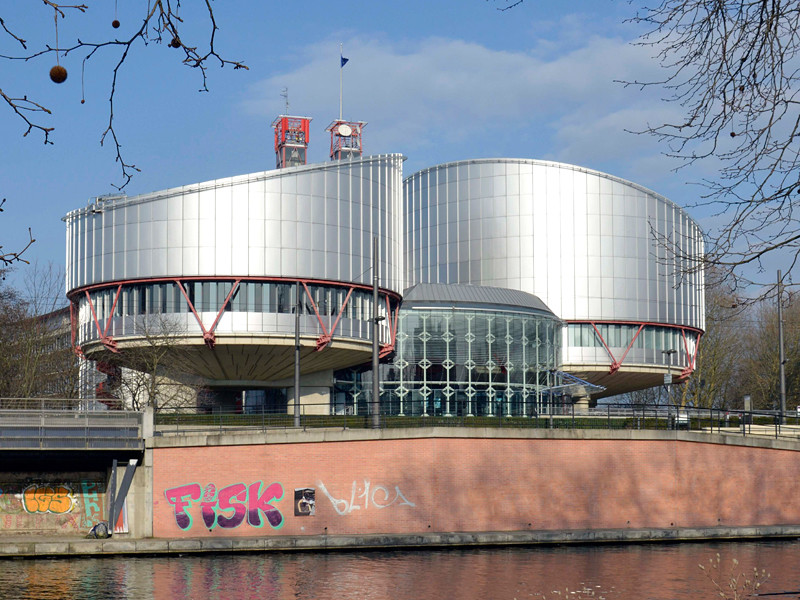
The European Court of Human Rights (the ECHR) recognized that the practice of detainees in metal cells adopted in Russia during the court hearings is humiliating and violates their civil rights, and decided to pay 18 thousand euros in favor of three applicants who challenged it independently. The verdict was made on Tuesday, January 31, and on Wednesday, February 1, published on the court website .
The decision was made in the case of "Vorontsov and others against Russia." The claims were filed by three citizens of the Russian Federation - Ruslan Vorontsov, Alexander Susarin and Evgeny Belyaev. Cases regarding plaintiffs not related to each other were considered by Russian courts from 2011 to 2014. The hearings of the Vorontsov case were held in Krasnoyarsk, the affairs of Susarin in Cheboksary, and the affairs of Belyaev in Vologda and Cherepovets.
Two complaints were sent to the Strasbourg court in October and December 2014, the third in January 2015. All three applicants complained about violation of their rights guaranteed by Article 3 (prohibition of torture) of the European Convention on the Protection of Human Rights. The ECHR has combined all three complaints into one production and sided with the victims, reports RAPSI .
The ECHR considered that the Russian authorities violated Article 3 of the prohibition of torture, and decided to pay the victims for moral damage in the amount of 3,000 to 7,500 euros, as well as reimburse legal costs.
As a result, three thousand euros by the decision of the ECHR were awarded to Vorontsov, 7.5 thousand euros each to other two applicants, Belyaev and Susarin. In addition, the court decided to pay at the state of the state Susarin's expenses for lawyer services in the amount of one thousand euros.
The ECHR has already considered a similar matter in 2012
In July 2014, the Strasbourg Court recognized the violation of the rights of Alexander Svinaarenko and Valentin Slyadnev, who complained that they were placed in a special metal cage while consideration of criminal cases initiated against them.
As the Russian BBC service noted, the case against Zlyadnev and Svinaarenko was considered with varying success in various courts for six years.
"During the court sessions, the applicants were detained in a metal cage of about 1.5 by 2.5 meters in size. The armed convoy was near the cage," Strasbourg said.
Svinarenko and Slyadnev complained about such an appeal, referring to an article on the prohibition of torture and inhuman or humiliating the dignity of appeal or punishment. They also complained of non -compliance with the right to fair trial within a reasonable time.
In a press release published according to the results of the consideration of the case “Svinarenko and Slyadnev against Russia, it was said:“ The court ruled that the content of the applicants in a metal cage during a trial in their case was a circulation that was humiliating their dignity, which could not be justified by any considerations. Such an appeal in itself humiliates human dignity in violation of Article 3. ”
The Russian authorities then claimed, among other things, that the maintenance of applicants in a cage in the courtroom was a regular security measure, in the case of Svinarenko and Slyadnev, which was also explained by the previous convictions of men, as well as the fact that they were accused of crimes related to violence. In addition, the accused allegedly could put pressure on witnesses and victims of the crime.
The Russian authorities insisted on a revision of this decision in the Grand Chamber, which in July 2014 confirmed it.
Members of the Grand Chamber of the ECHR decided that even if it was necessary to ensure the safety of the process, such a treatment of defendants could not be justified, they awarded Svinarenko and Slyadnev compensation in the amount of 10 thousand euros for the moral damage caused and obliged the state to reimburse them by judicial costs.
Such a appeal to the defendants is a standard practice in Russia: if a preventive measure in the form of a detention in the guard is chosen for the accused, a person will be behind bars at all court hearings. As noted in Strasbourg, the current order is regulated by an “unpublished ministerial order”.
In May 2011, the Strasbourg Court concluded that Article 3 of the European Convention was violated when the court of Yukos Mikhail Khodorkovsky was maintained in the courtroom during the hearing. The crimes in which he was accused were not related to violence, he did not have previous criminal records and a tendency to aggression, but "despite this, during the consideration of the case in court, which was open and accessible to the general public, the applicant was held in a cage." The court decided that it was "humiliating and caused him a sense of inferiority."