
Translated material
Pop-Underground
In the late 50s, abstract expressionism dominated in American fine art. Many artists who built themselves Europeans sought to fill their lives with many events in order to express their feelings and thoughts in painting, gutting themselves from the inside, leaving only the void behind the canvas. Having gotten out, they left for a suburb, away from the city bustle, to the house with a white fence, bought four cars and a color TV to become part of the consumption society, while denying their belonging to it and emphasizing the chosenness of their profession.
Drawing inspiration not from the American hinterland, as expressionists did, but straight, from the TV, Andy Warhol made it so that now young artists did not go deep into the country, but, on the contrary, came to New York to become an underground in the consumption society and turn the priest into art. So, Popmism quickly outgrown visually imitating forms, becoming more than just art. That is why Warhol took up the producing of young actors, musicians, and, of course, a movie. In fact, the processes that took place in the Western world of the beginning of the 60s could already control-on every corner people began to engage in creativity: if not in an open form, then at least a creative search. America was experiencing a real cultural revolution, an “factory” was an epitaph for this society-Warhol’s more or less exaggerated idea of the Pop-Art People, conceived as an art studio and turned into something more, which Andy himself did not expect.
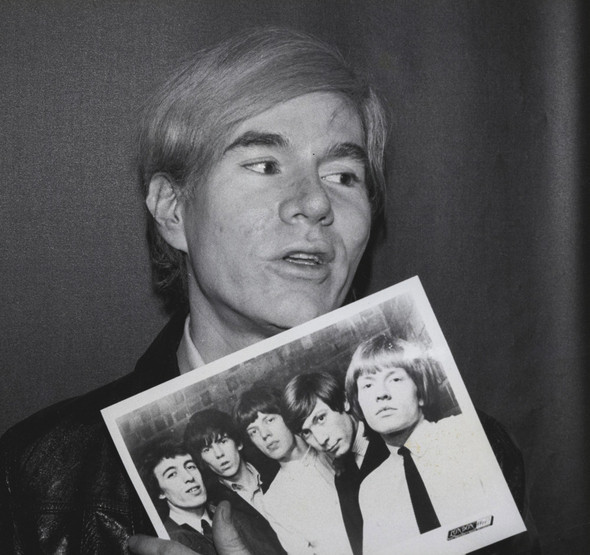
“In the 60s, so many things happened because they slept little (and sat on amphetamines), or people began to take amphetamines, because a lot had to be done and had to be wakeful as long as possible. Probably all together. I took a vet for losing weight, in doses prescribed by a doctor, but even this was enough to always be a little on a platoon, with this easy sense of happiness in my stomach, when I directly want to work, work and work again. 1965 to 1967, I slept for no more than two to three hours, but there were those who did not sleep for several days, exclaiming the ninth day, have already gone nine days. Go away! ""
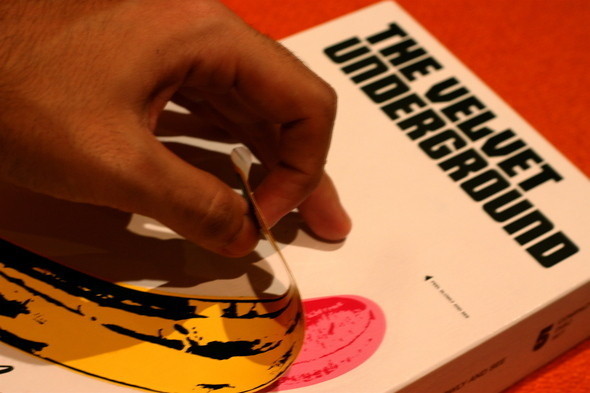
- “Peel Slowly and See” (“Pull slowly and look”). In the early editions of The Velvet Underground, the banana was simply glued on top of the envelope: if it is pulled away, a cleaned pink banana, drawn on the cover itself, was found under it. Later, the image of the banana was used at many different editions of the Velvet material, including on the well-known boxing "Peel Slowly and See" 1995.
Warhol initially did not think to make music, but he could not reject its existence among pop art, since young rock groups began to appear here and there, long before the British invasion of The Beatles-The who-The-The Rolling Stones, and The Velvet became such a group for him Underground. Most of the musicians of that time tried to convey to the public a certain idea, a kind of message and instruction to the American people - the velvetes were completely inaccessible to understanding the group, moreover, they were complete scumbags, but perhaps this was what attracted Andy. The velvetes sang about severe drugs, homosexuality, sadomasahism and possessed everything to become an idols, as they looked not at all like beatners or rockers - they were a very stylish group. This approach was ideal for Warhol. 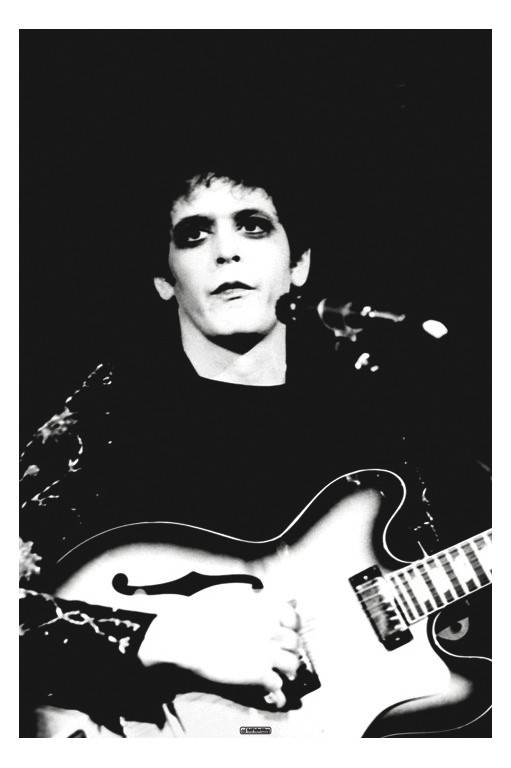
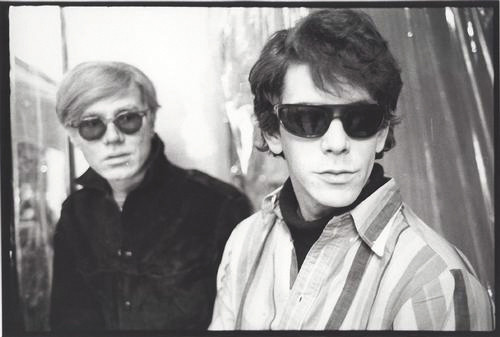
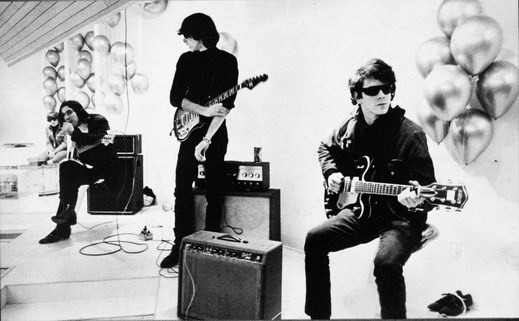
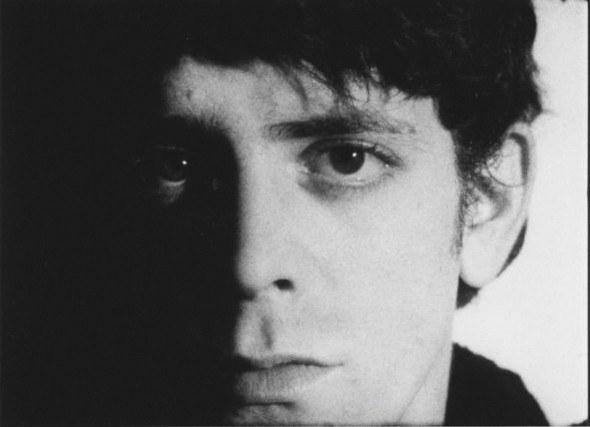
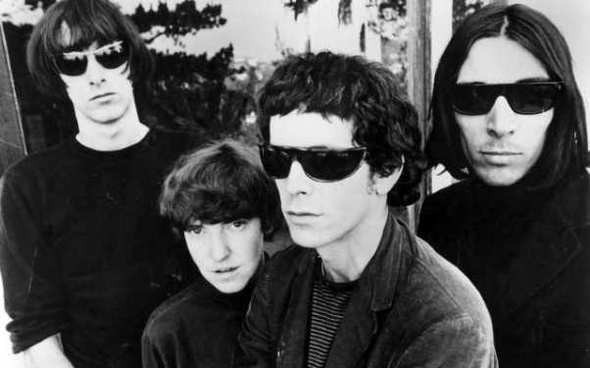
- Subsequently, the velvets will begin to consider punk as ancestors, and their music will be called a proto-punk.
Initially, there was no vocalist in the group, because Lou Reed , who later became the frontman of the group, at that time arranged something like a show - it was difficult to call it singing.
The Warhol factory had many talented people, and one of these people was Nico (Nico), by that time, who had just arrived in America, after filming in the film “Sweet Life” Federico Fellini.
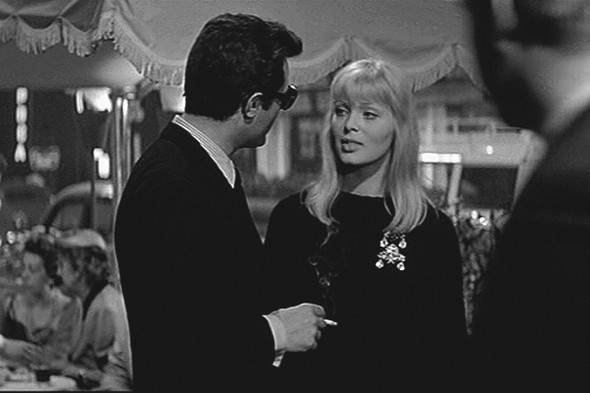
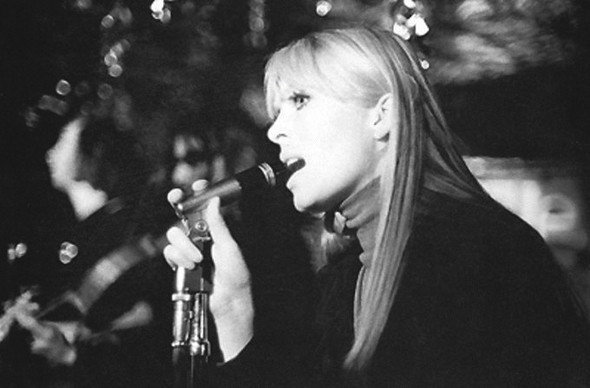
“She looked like a figure on the nose of the Vikings ship - such a face and body were. Her voice was described in the range from the terrible to soft and insinuating, viscous and deaf, "as if the wind walks through the pipes" or "the computer speaks with the accent of the harbo." Her singing sounded no less strange. "
Bob Dylan wrote to her I'll Keep it with Mine , and Nico quickly became the main star of the factory, almost overshadowing Lou Read, Edie Sadjvik, and possibly Warhol himself.
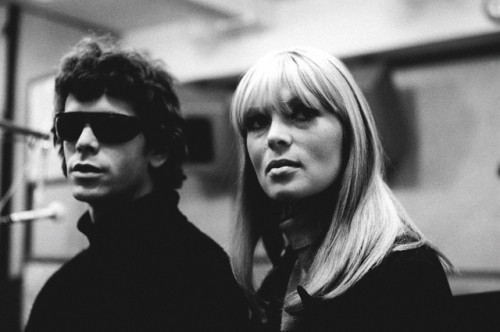
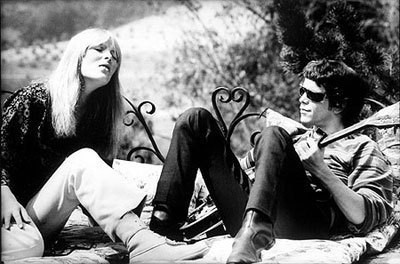
Bringing the novels in turn either with Lou Read, then with John Cale, one way or another Nicho had to leave the group. However, the “factory” was not impoverished from this, being straight on Manhattan, famous characters of the 60s often went there: Jim Maurisson ,Iggy Pop and even David Bowie .
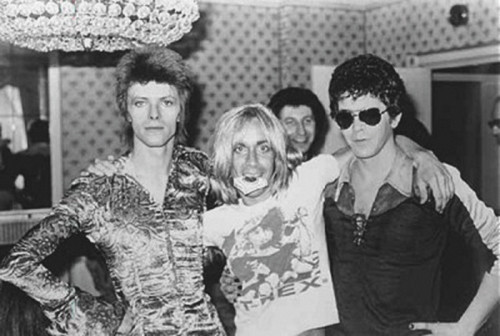
- David Bowie,Iggy Pop , Lou Reed
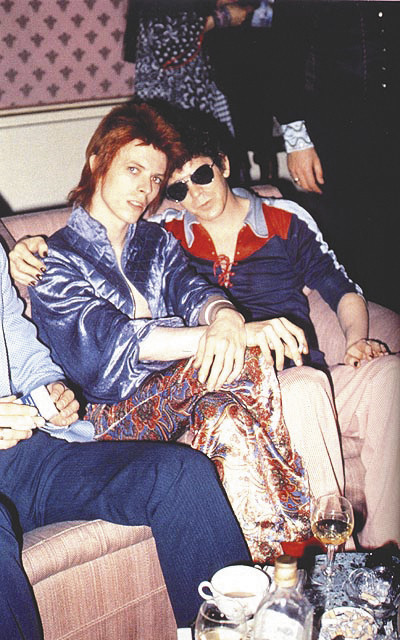
- David Bowie:
“Andy took out the camera and made several frames. The conversation did not stick, but then he saw my yellow-golden boots and said:
- Where did you buy them? I love such shoes.
My yellow boots helped us to get communication. I really like what Warhol does. I believe that its influence on art is huge. I heard he wants to do a real movie. This is very sad, because those films that he have already done are magnificent. ”
When the number of creative people began to go wild, the “factory” began to arrange ideas for the outside world. They simply came to various kinds of events in New York and arranged a show: there were ballet dancers-geis and amphetamine artists with sparkles on their face-they danced under the velvets, and showed some eight-hour film Endi, like “Empire”, where throughout the picture the highest-high skyscraper at that time was shown. 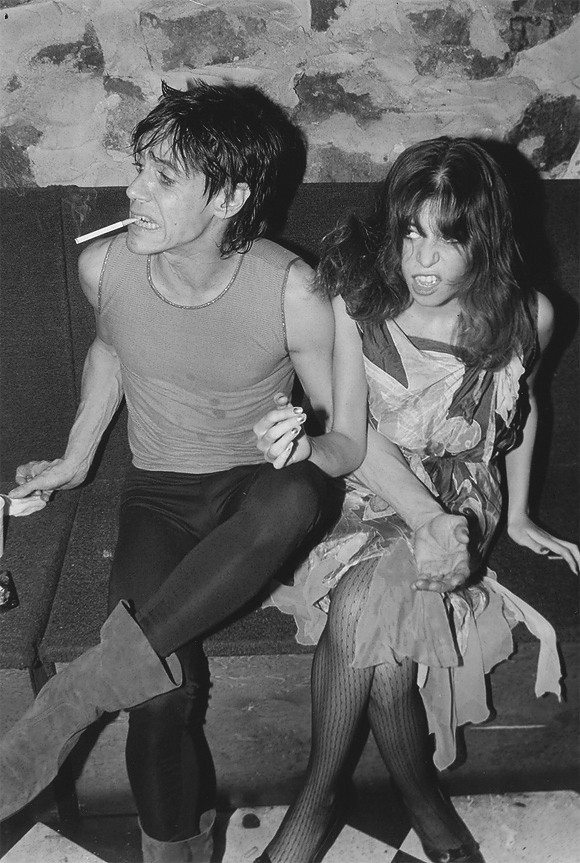
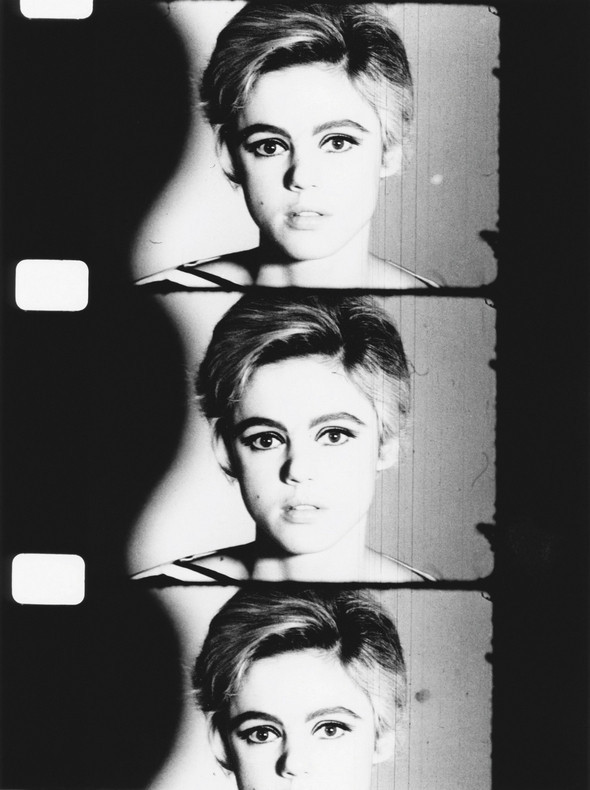
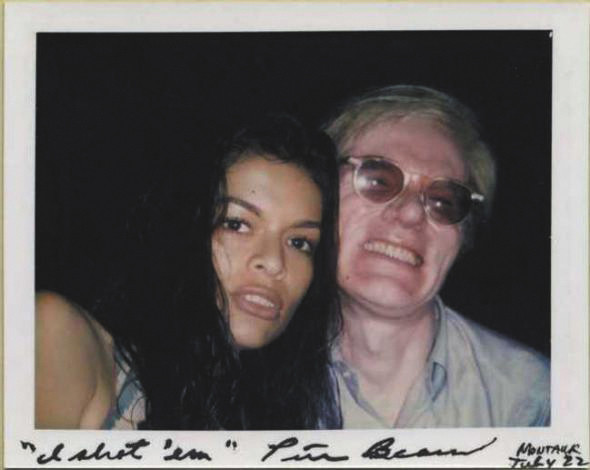
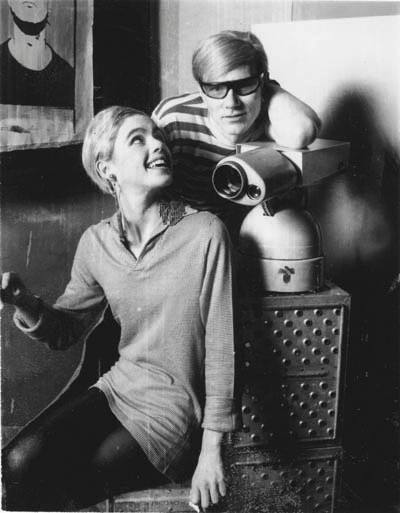
- Warhol liked that in his films people could calmly get up, smoke, go back and make sure that they had missed anything, since nothing happened. In general, the avant-garde experimental cinema of Warhol did not fit into the framework of the pop art industry, since he did not receive absolutely any commercial success. And perhaps the “Girls from Chelsea” brought success, but because of its length the film was shown at once on several projectors, and in one hall it was possible to see up to four pictures at the same time. Warhol could also show this film a background for the performance of the velvettes.
“... Cinema is entertainment, and art is work. Very few on the coast were interested in contemporary art or understood in it, so the press about me was not very good. I was always amused that Hollywood called pop art pretense! Hollywood? I mean, look at the films that they then released - are they real?! ”
By 1965, the "Factory" turned into the most favorite place of both New York Friceches and bourgeois top managers of recording studios or filmmakers from Hollywood. Thus, a portrait of bottles with Coca-Cola came in handy, because it was drunk by both homeless people from Brooklyn and students from Colombian University.
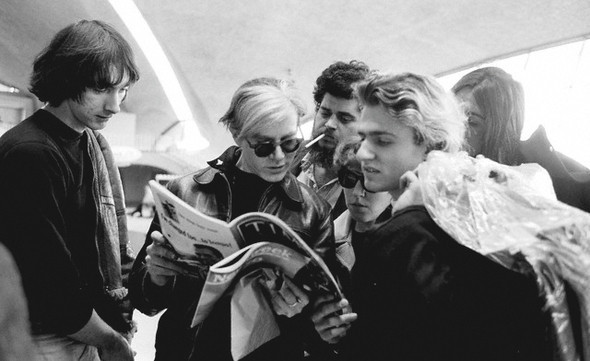
Max's Kansas City
One of the cult clubs, opened by one of the participants in the “factory” Mika Razkin, immediately acquired the status of one of the most pop art places in New York, since everyone went to it, from leaving poets, ending with movie stars and owners of fashion stores, looking for new models for their clothes. Everyone who lived in a “factory” is not Platiline only for clothes, but also for dinner in a restaurant, since everyone wanted to touch them - they were young and talented. Not only women, but also men began to dress beautifully, turning not into fashion models, but into real stars. Andy liked to call them deliberately "superstars."
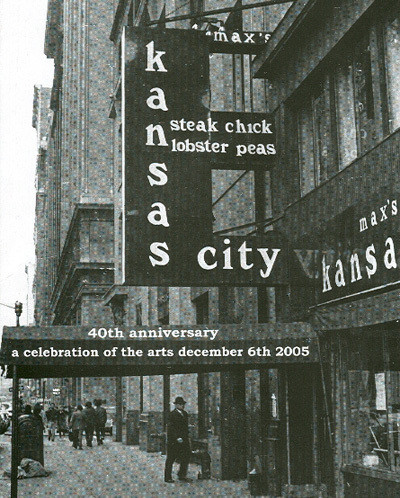
- Max became the legislator of fashion. It did not matter what a party was going on on a particular evening - each time people crowded in line, because there were everything in Max.
As a result, Warhol creates several of his clubs, but even they could not accommodate all these stars, even a certain shortage of party from the “factory” appeared. So, several trips to the west of the country to California were made, where the Velvetes performed, but Lou Reed remained unhappy that he saw in San Francisco: he said that people in New York were simply breaking away, but in California they came up with a certain excuse in the form of student communities and hip communities. In San Francisco, people use drugs to expand consciousness; in New York, people are just enjoying. The velvetes were dressed in black skin, and in the west in bright colors. They were “oh, look, happy!”, And the velvetes were like Jean's Books. They were gardens, and in the west-for free love. The velvetes loved gays, and in the West there lived militant homophobes. The Hippie problem was that the discord of the counterculture itself began. Hippi draw color patterns in their notebooks, incense, eat acid, but at the same time at any moment they can return to normal life.
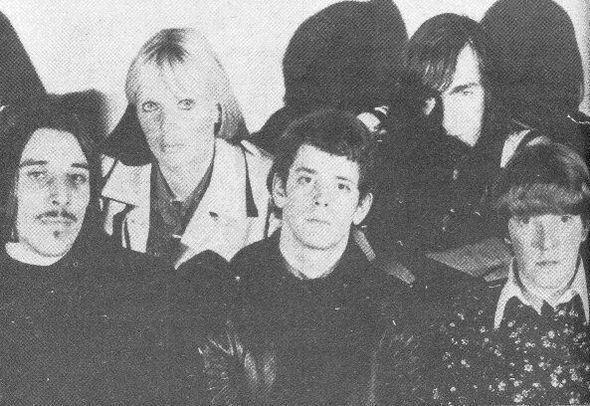
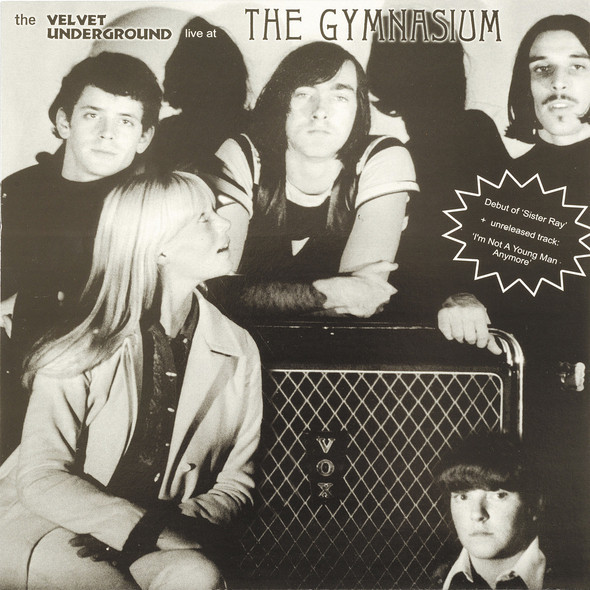
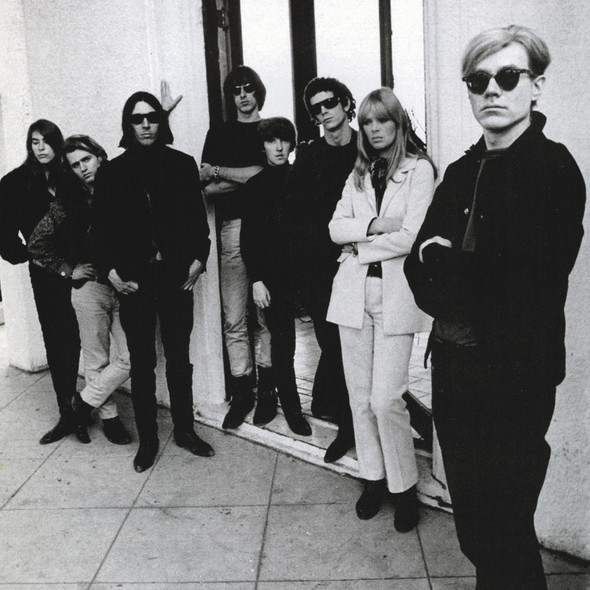
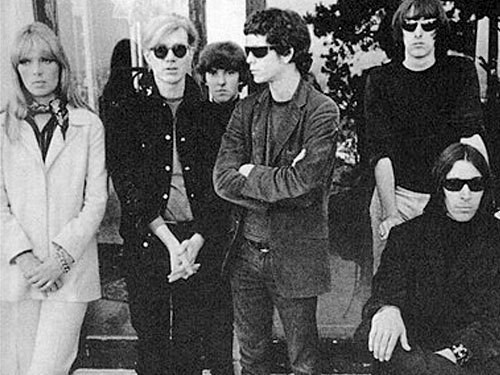
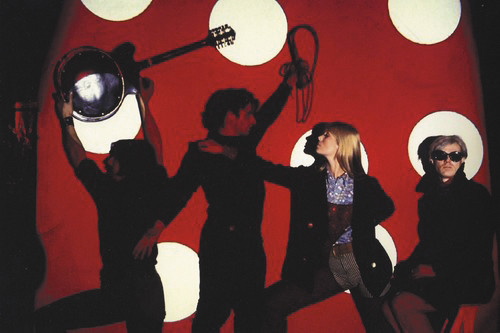
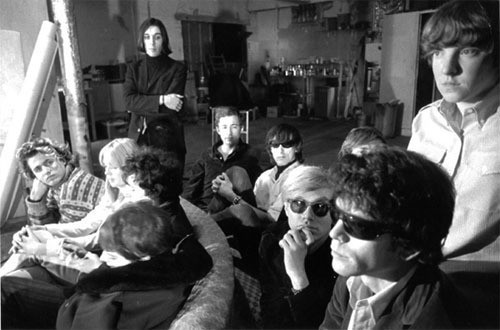
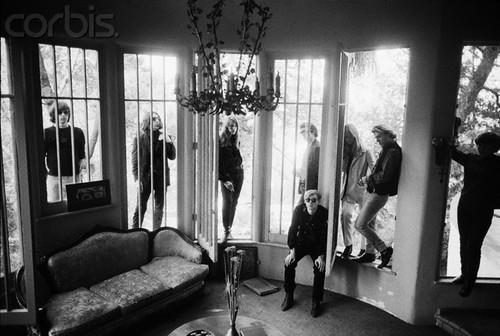
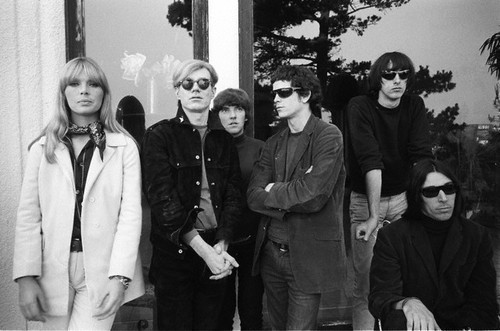
- The old sound was held on alcohol, the boals were a new sound. Music is sex, drugs and joy, and the music perceives joy best of all, ”said Lou Read.
Warhol and the company create the Sportsal club , which was literally located in the gym - with mats, dumbbells and bars.
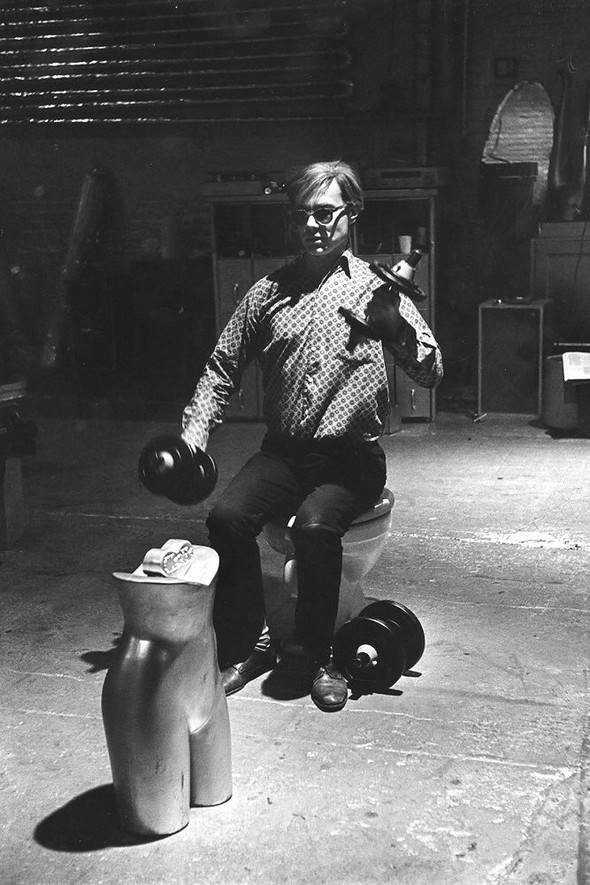
- “They say that you always want to get what you can’t get, that“ grass is greener ”and all that, but in the mid-60s I never, for a moment, never felt like that. So I was so happy to do exactly what I did, with those people. Of course, there were moments in my life when I wanted a lot of things that I did not have, and envied those who had it. But at that moment it seemed to me that I was in the right place and at the right time. It was a continuous luck and a continuous fairy tale. I was not particularly worried about anything - everything itself floated in our hands. "
1967 was the year of electrified dresses-vinyl, with a loincloth-oned belt on batteries-and cut hem, dresses made of plastic squares with metal rings and other manifestation of the futuristic principle in pop art: "The skirts are all shorter, the dresses are less."
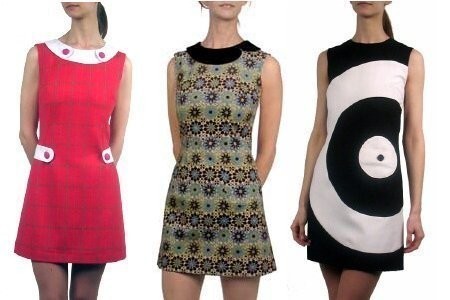
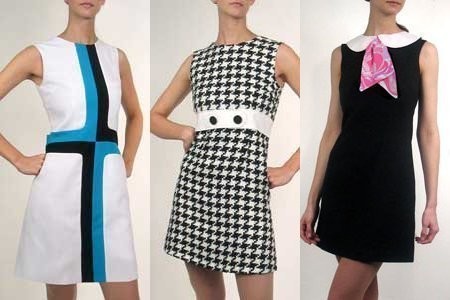
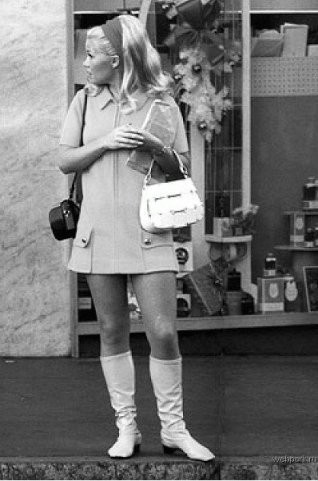
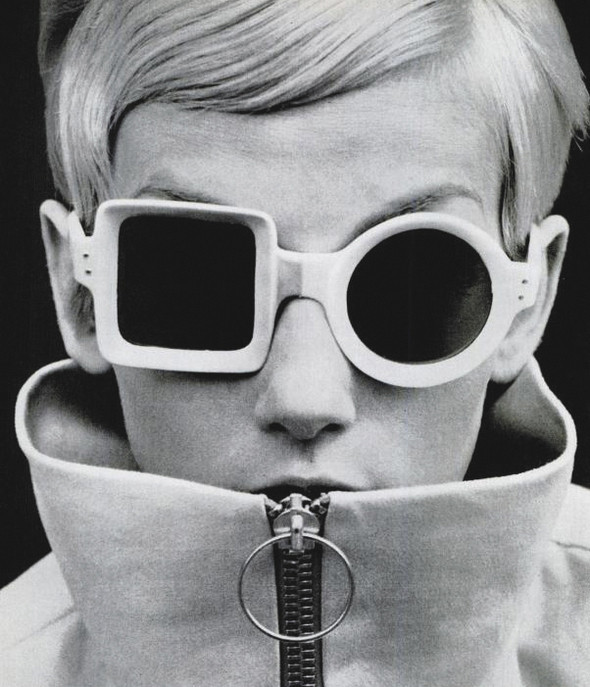
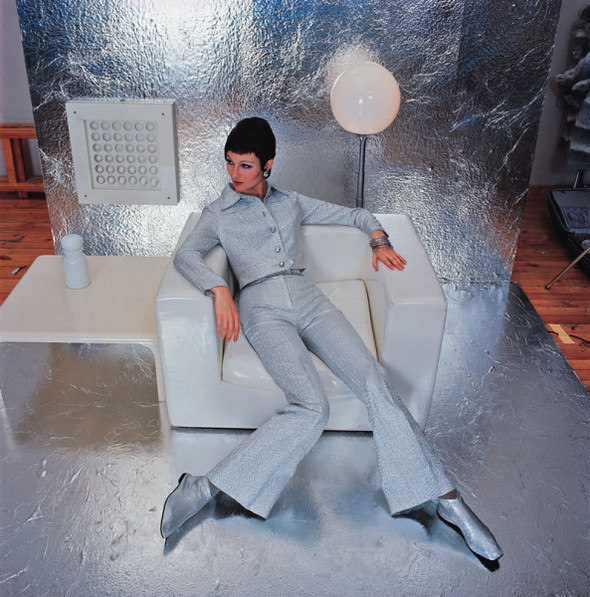
In 1966, the dancers from the Factory “Explosive plastic inevitability” arranged a show from film projectors, foil and luminous tubes and mirror balls in the club “House” - all this turned into mass production of equipment for light shows and goods for entertainment.
In 1967, the Dom club was renamed the Electric Circus , and in just one year the cabins for sex turned into rooms for meditation with carpets, artificial lawn and healthy food. By the end of the year, the building in which the Factory was located was going to demolish. The Factory moved to the city center, very close to Max Kansasas City.
By the end of the 60s, the “explosive plastic inevitability” broke up , since the clubs filled a bunch of people, the same as the guys from the “factory”. There was no reason to shock anyone, since each Clabber himself was ready to shock anyone. In the new “factory”, Andy surrounded himself only by trusted people, and there was no longer a place for freaks, because Warhol played Paranoi. Nevertheless, even to those who walked around the new “factory” in a suit, you could notice the teenager sneakers, as a reminder of the old “factory”. In Max appeared a fashion for hip things, and now it became popular to boast of the fact that they went almost for nothing and that they were bought in a second-hand. The psychedelic revolution in New York was brewing.
Pop culture was not a problem or choice for youth of the New Age-they did not know anything else.
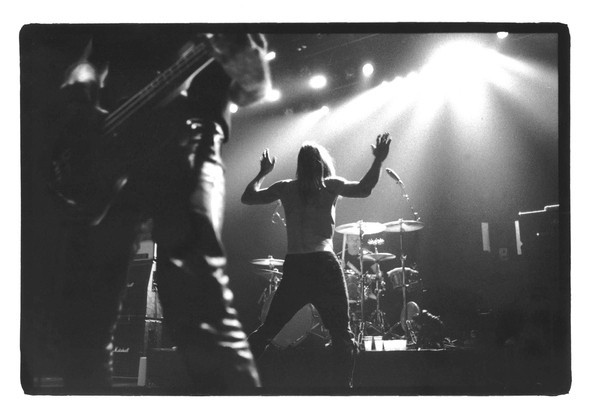
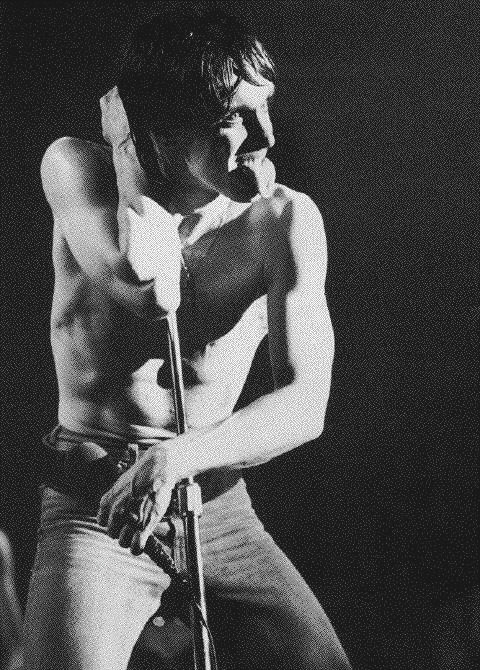
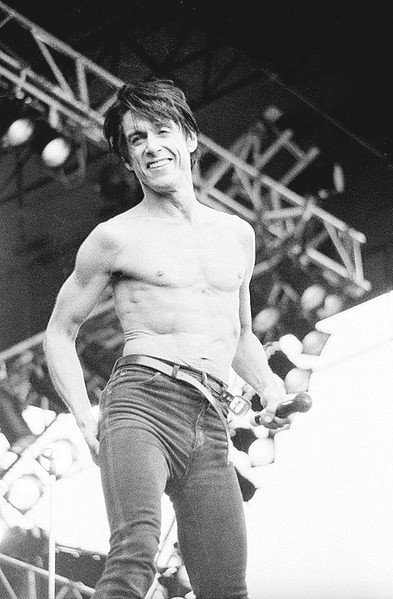
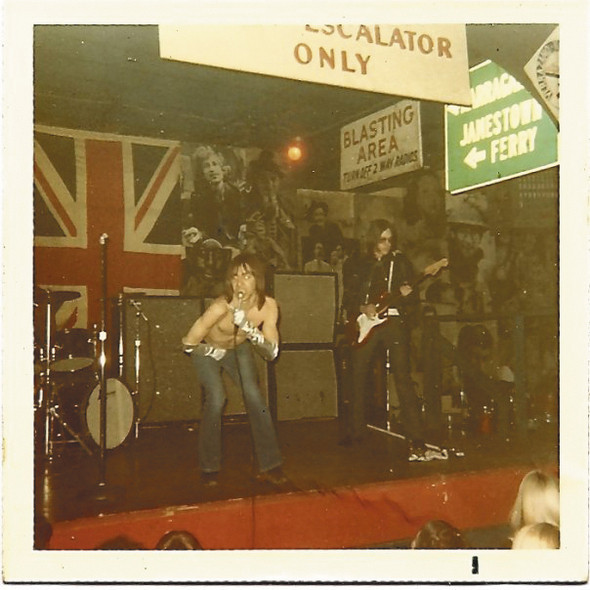
- Many of the “factory” died young at the very beginning of the seventies, those who stayed, put on the costumes of the clerks or, like Patti Smith andIggy Pop , rushed into a punk, which even ceased to exist even faster than the era of pop art.
Text: Alexey Goncharov
Art & shock w | 1