
Translated material
Kinder Surprise
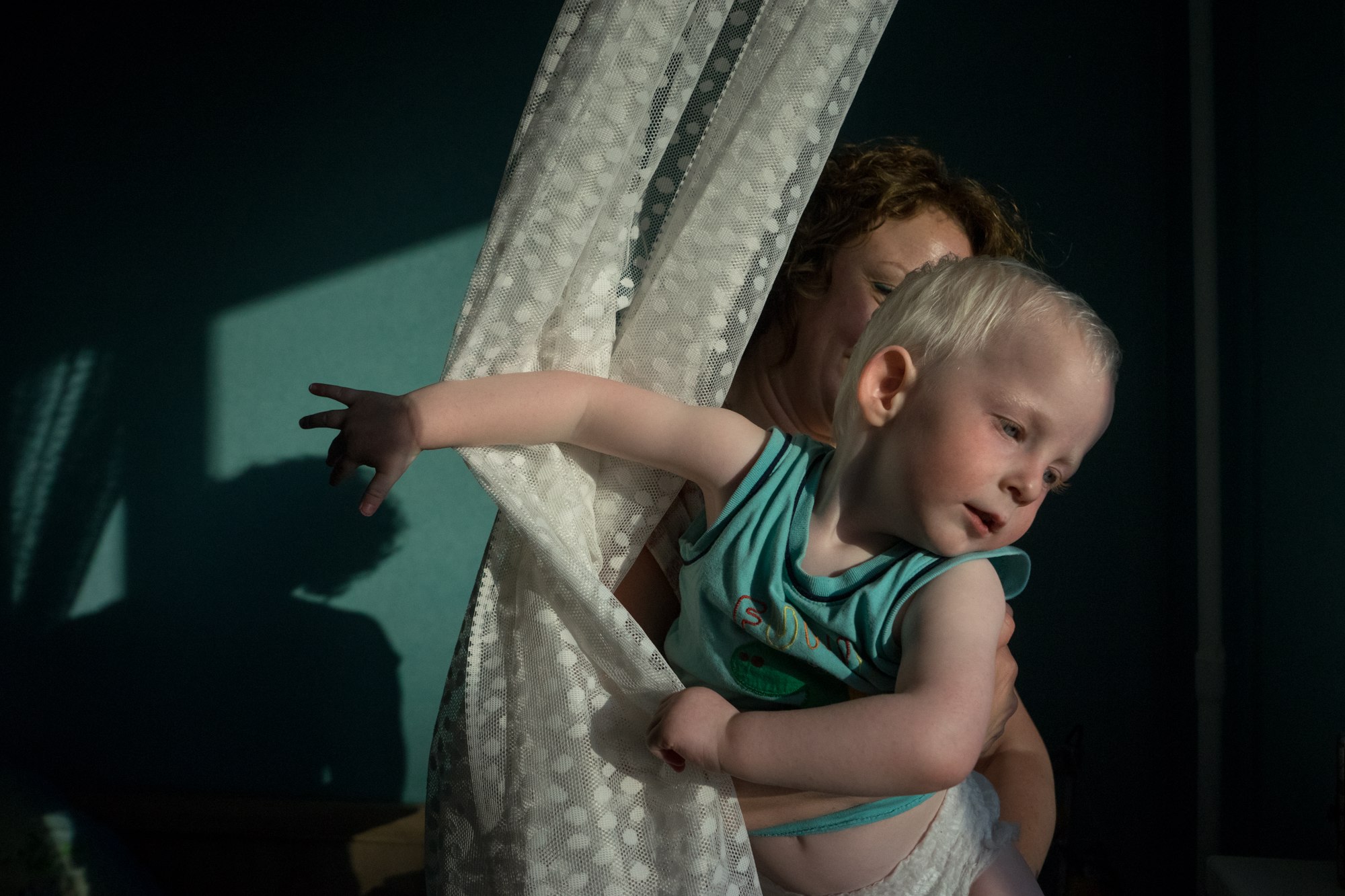
Miroslav has a rare genetic disease with a huge list of severe symptoms. Over time, the boy will manifest several of them, but what - no one knows
Help the center of medical pedagogy help"What a little world is white!"
In response, Anya and Yegor Baturina look at each other knowingly - they hear this phrase on every walk. Their son has a cold blond color, dark blue eyes, long eyelashes and porcelain transparent skin. Mironoshka is two years old, but he does not walk, does not run and does not say: instead, the boy flirtingly looks at us from the bottom up, crawls to me and asks for pens. And in his case, this is a big victory.
Science to wait
“I used to have an excellent student syndrome,” says Anya. - It was necessary to be the first and better everywhere. When Miroshka was born, I constantly looked on the Internet: how much children should turn over, crawl, walk. Miroslav was hardly squeezed into the framework of “normality”, and I realized that the result was not always achieved instantly. You need to work and learn to wait. "
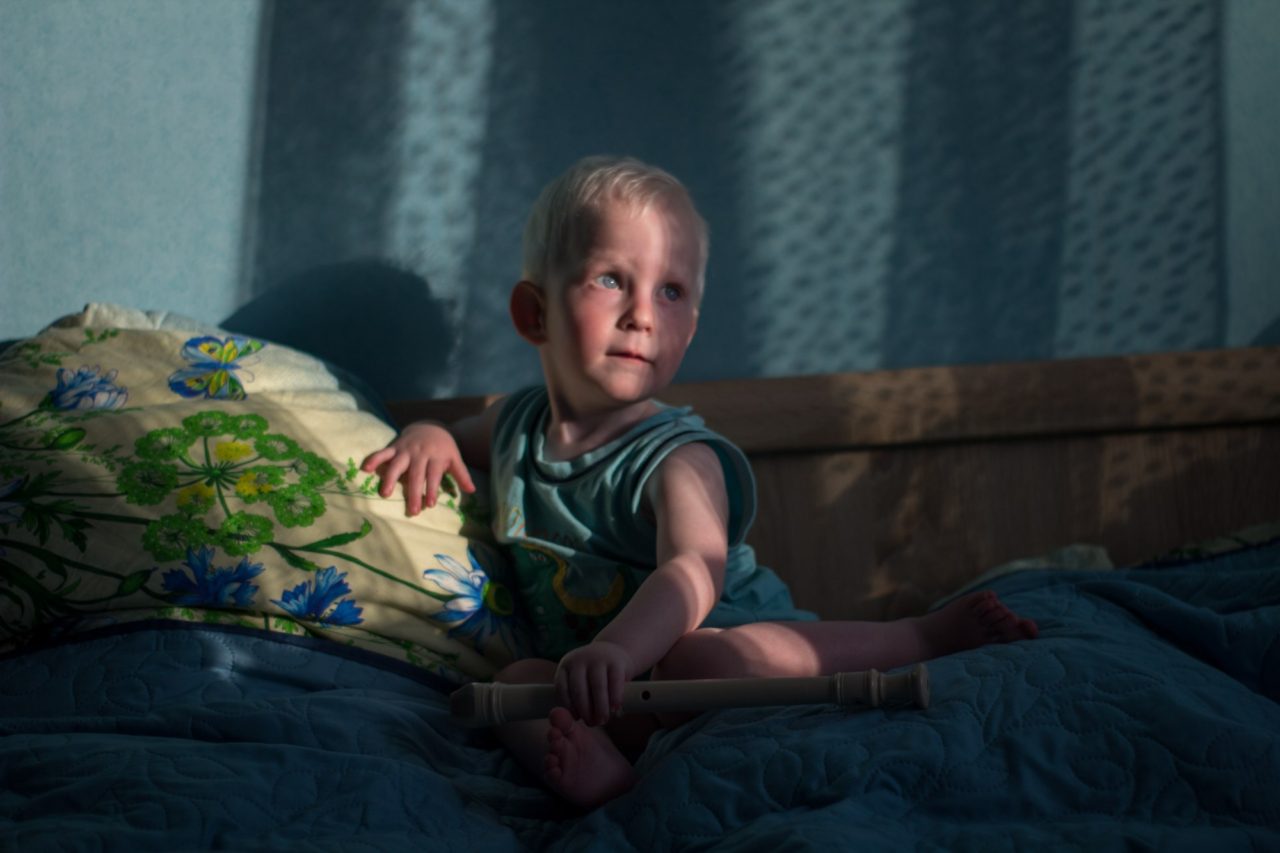 Miroslav photo: Stanislav Novgorodtsev for TD
Egor and Anya learned. At first they waited for me to take Miroshka in his arms - the boy was born four weeks ahead of schedule with a weight of 1900 grams. He was weak and did not breathe on his own. Anya was able to look at her son only the next day - in intensive care.
“He was all entangled with wires. So tiny that he drowned in diapers for prematurely. ”
But Anya and Yegor were not only worried about this: his son did not take a pacifier and ate only through the probe. Take the child in his hands was allowed in a month. Anya kept her son for five minutes and all this time was afraid to make an awkward movement or damage something: "Tired as if she unloaded the car with potatoes."
Battle per gram
We talk to Anya and Yegor in the kitchen. While drinking tea, Miroshka "for the company" evens a fruit puree - himself.
“When the doctors were discharged from the hospital, we fed my son through the probe for some time,” Anya takes out an empty packaging from the boy. “And then they decided: Miroshka will eat on his own.”
In the hospital, Miroslav was discovered pneumonia - and sent to the hospital. Then transferred to another. Here, doctors coped with pneumonia, but not with a hypotonus. The boy was examined by a neonatologist, neurologist, geneticist. They collected consultations, but could not make a diagnosis. Baturin was offered to determine his son in palliative, to lie down for the third time in the hospital in order to continue to look for the cause of the hypotonus, or to stay with the probe for life.
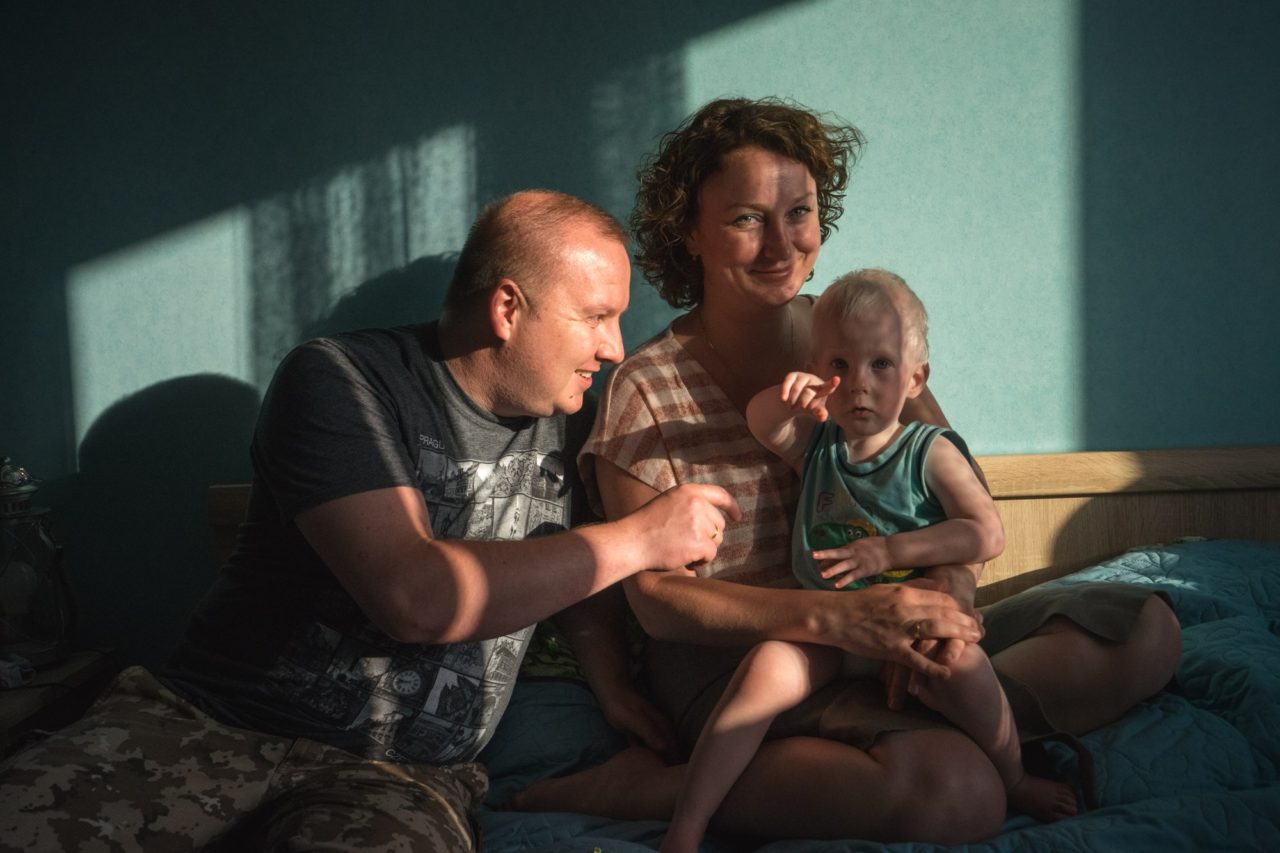 Miroslav with parents at home photo: Stanislav Novgorodtsev for TD
Instead, parents took Miroshka home and launched a large -scale campaign to save their son. At first, Anya was sitting with Miroshka at home, but then they decided that Yegor would sit with Miroshka: Anya works as an HR manager, and it was difficult to combine this with trips to the doctors, the design of disability and the solution of other issues. A huge board was installed in the apartment, where they meticulously recorded every gram, which Miroslav swallowed independently. The Baturins won this battle: two months later, the boy ate the laid norm from the bottle.
"Broken" chromosome
During our conversation, Miroshka misses and asks to the floor. Once at large, he quickly crawls into the room - he learned this only at a year and a half.
Miroshka did not hold his head for a long time and did not turn over, and at first no one knew what to do with him: including doctors in the clinic. Even taking tests was a problem: Miroshka had such thick blood that it was possible to donate it only in specialized centers - Miroshka's parents recall that nurses were afraid to do this in ordinary clinics.
It’s all about the “broken” 15th chromosome-when Mironoshka was seven months old, the genetic test confirmed his podir-villi syndrome.
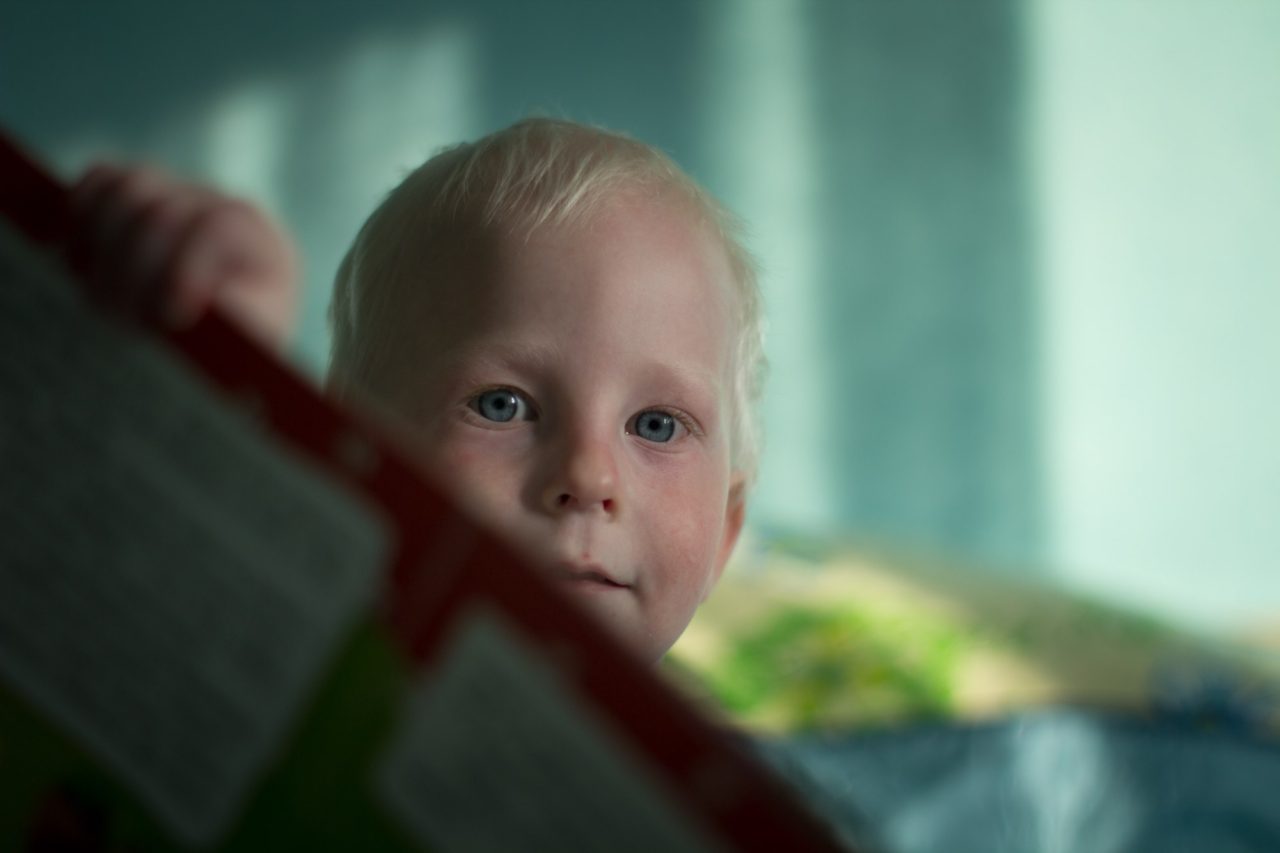 Miroslav asks him to read a photo: Stanislav Novgorodtsev for TD
Egor everybody lists the symptoms of his son's illness. Uncontrolled feeling of hunger. Obesity. Degre puberty and infertility. And there may also be a delay in mental and speech development, scoliosis, drowsiness, strabismus, poor teeth, violation of the temperature regime, shortened feet and brushes.
In a person with Prader-Villy syndrome, as a rule, no more than five signs appear, but what Miroslav got from this set is early to judge. While the boy is a kinder-surplus. Or a deed bomb. What will happen to him in a month, no one knows. But now it is clear: in the life of Miroslava there will always be doctors, endless tests and control.
I ask my parents what in this genetic lottery, in their opinion, will go to Miroslav.
The conversation in the kitchen sags in silence. Anya and Egor are trying not to think about it - they live in the present and wait.
“We will work with any manifestations,” Yegor finally says. “This is our son, and no one will support him besides us.”
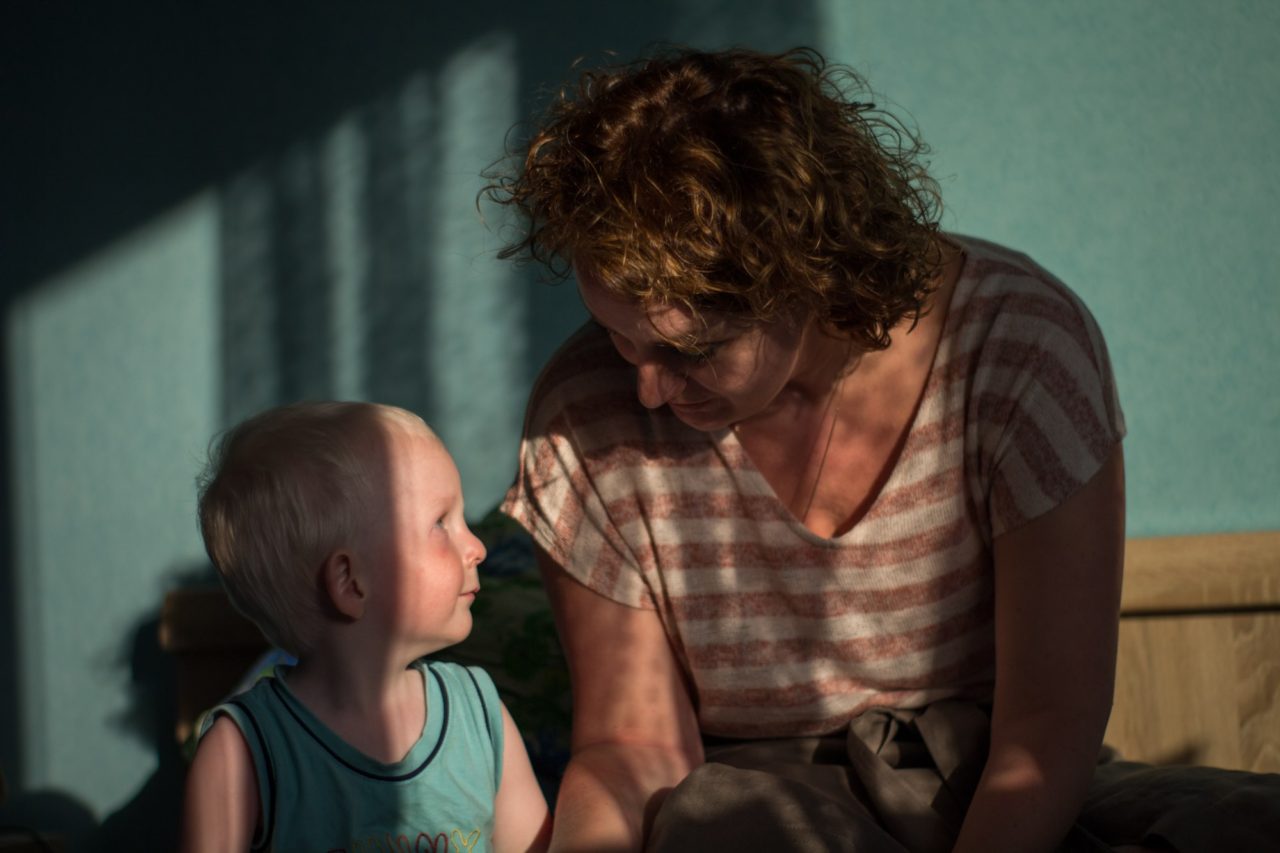 Miroslav with mom photo: Stanislav Novgorodtsev for TD
It is really difficult to support patients with Prader-Willy syndrome in Russia. The disease is rare, occurs in one case for 12-15 thousand babies. In the Russian WhatsApp group of parents of children with such a diagnosis of only 120 people.
The syndrome is poorly studied, you need to try to find a competent specialist. Many doctors did not even hear about Permer-Villy: the baturins often went to doctors with a book, in which they themselves were collected bit by bit all that were able to find about the disease of their son on the Internet. But even after that they had no idea what to do next - how to raise a child with this syndrome.
And then Julia appeared in their life.
Confident support
In the Room of Miroshka there is a huge box with toys, books on the bed and a huge portrait of a boy on the wall. He himself is happy to demonstrate his skills to me: crawls out, descends from the bed, “flipping through” the pages and blows loudly into a toy flute.
“It brought Julia. The son loves her, ”says Yegor, implying both the flute and Julia.
Last spring, the neurologist advised Ana to write to the “confident beginning” program, the coordinators of which give babies under three years old the opportunity to develop, and adults teach to be happy next to the child.
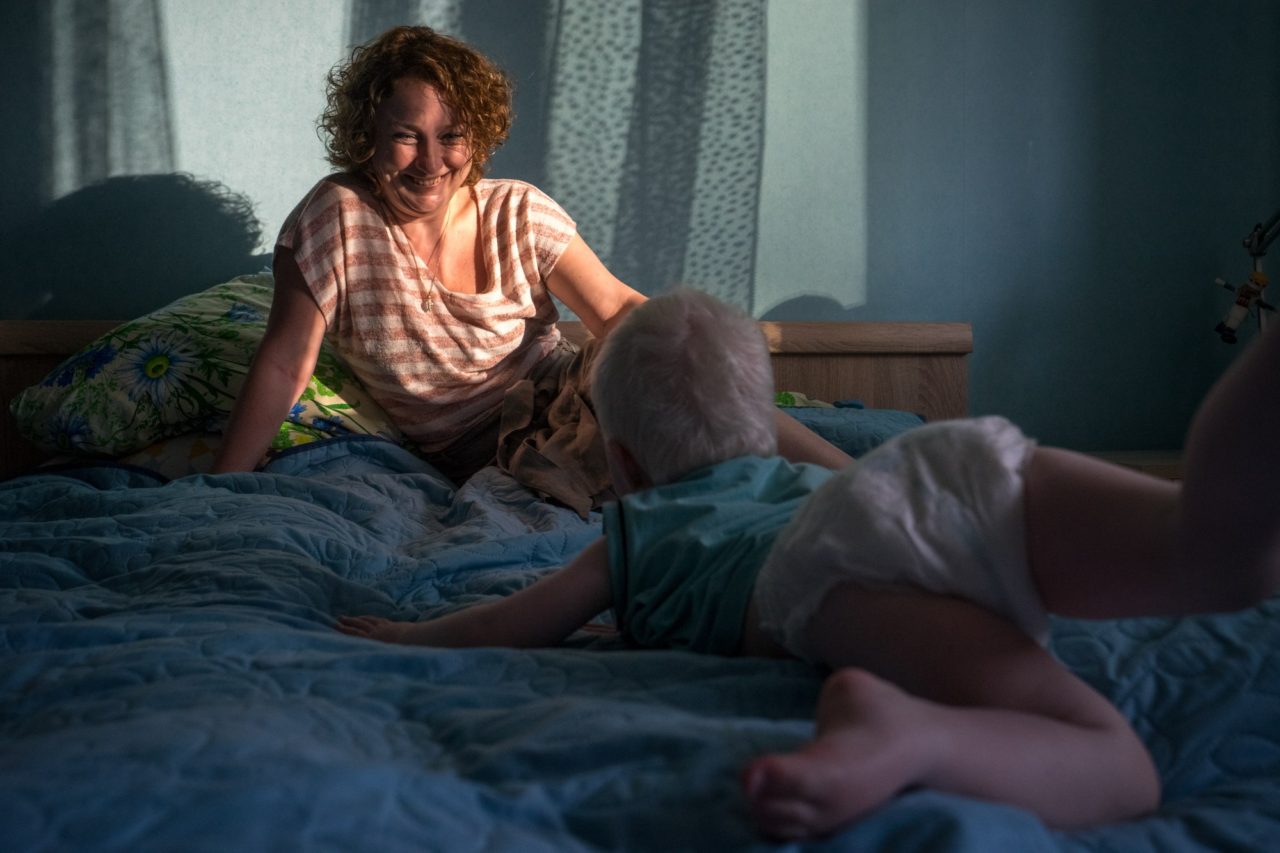 Miroslav with mom photo: Stanislav Novgorodtsev for TD
In the “confident beginning” they answered quickly, and the consultant Julia came to Miroslav, Ana and Yegor.
“If you tell your son that Julia will come now, he will sit in the corridor and will not budge anywhere,” Yegor smiles.
The consultant is engaged in the boy for an hour twice a week. The lessons resemble a regular game - reach the plush bear, consider the machine, turn the handle. But they give a lot: thanks to his studies, the boy mastered crawling, learned to sit and walk with support, learned the names of parts of the body. “The main thing is that everything happens very naturally, through interest,” says Yegor, “Miroshka likes to study, he is happy to repeat Julia and study himself.”
But the consultant sets the tasks that help parents: Yegor demonstrates the cart, which Julia advised them to make Miroshka learning to crawl. She showed how to teach the boy to speak and drink from the mugs, explained how to get to the right doctor or go through a disability commission. For Ani and Yegor Julia, a person who gives answers to any questions, from legal to household. Now Miroslava is behind the development of peers for about six months, but for a child with Prader-Villy's syndrome, this is an excellent result. “It's hard for me to imagine what we would have achieved now without a program,” Anya admits.
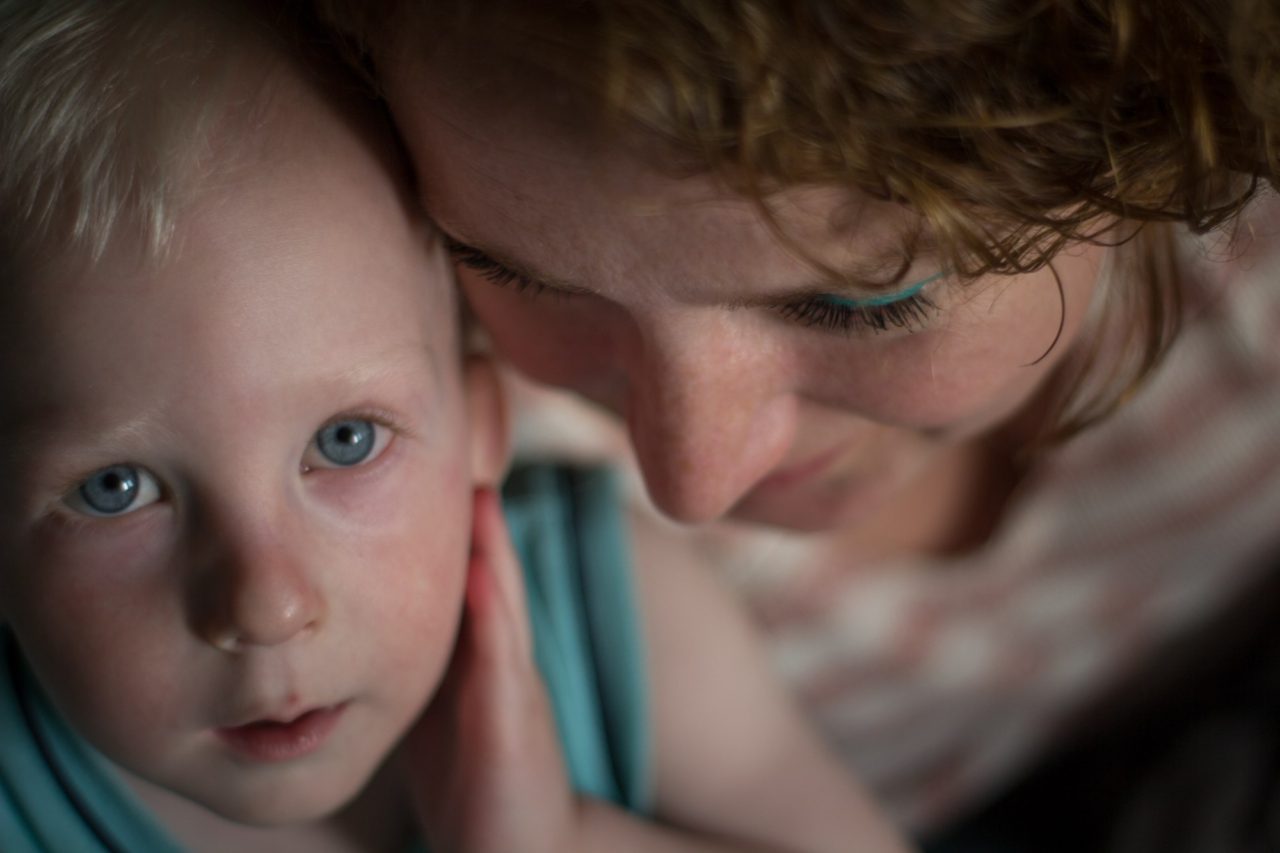 Miroslav with mom photo: Stanislav Novgorodtsev for TD
The “confident beginning” helps the families to return a normal life and serves as a support for those who have nowhere to wait for help. In order for Miroshka, other kids with severe and multiple violations and their parents could receive help on time, it is also needed by the program. Please support the “confident beginning” - even a small donation will be a guarantee that such families will not be left alone.