
Translated material
The law on commodity aggregates entered into force in Russia
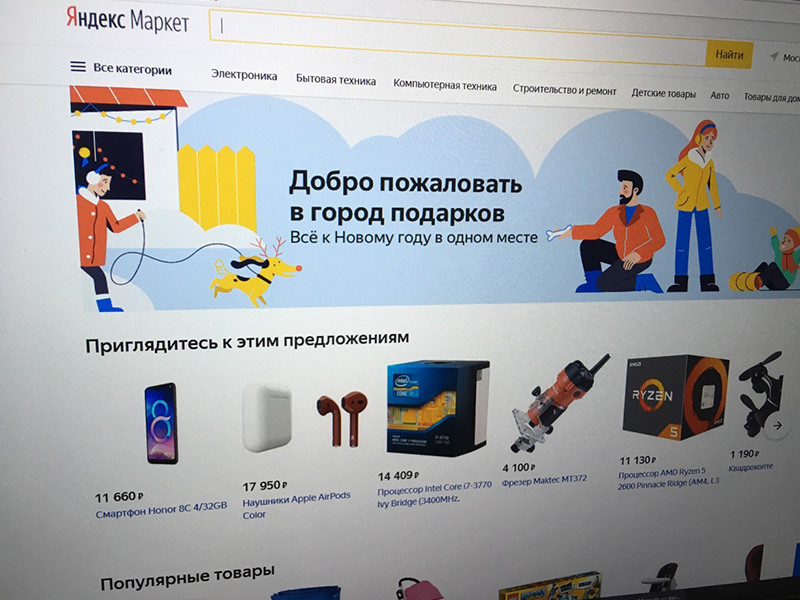
In the Russian Federation, the law on the regulation of the activities of Internet aggregators of goods and services entered into force (for example, Yandex.Market, “Products.mail.ru”). New norms began to operate on January 1.
The law introduces the concept of a commodity aggregator and responsibility for providing them with obviously inaccurate information about the product (service) and the seller. Russian President Vladimir Putin signed the law in July 2018, Interfax reports. Earlier, the bill was adopted by the State Duma.
The new law eliminates the legal gap related to the absence of the concept of "aggregator of goods and services" in the legislation. Until now, the activities of the aggregators have not fallen under any norms of legislation.
The new law states that the owner of the aggregator is obliged to bring to the attention of consumers information about himself and about the seller, as well as in time to inform about the change in these data (within one day).
The seller, in turn, is obliged to post reliable information about himself on his website on his website, as well as provide the owner of the aggregator. If the seller makes changes to the data, he is obliged to inform the owner of the aggregator within one working day and place them on his website.
If the owner of the aggregator provides inaccurate or incomplete information about the product, service or seller, then he is responsible for losses caused to the consumer who concluded the contract of sale on the basis of such data. At the same time, the owner of the aggregator will not be responsible for the losses of the consumer if he did not change information about the product or service that he received from the seller.
The consumer has the right to demand from the owner of the aggregator to return the prepayment for the goods or service if the seller has not fulfilled his obligations on time. The owner of the aggregator must return the prepayment within 10 calendar days from the date of presentation of the requirement to return the prepayment. However, he may refuse to return the prepayment if the seller provided the aggregator with confirmation of the transfer of goods to the consumer.
In case of disagreement of the consumer with the as the owner of the aggregator, the evidence of the consumer acceptance of goods (provision of the service), the consumer has the right to demand the refund of the preliminary payment of the goods (services) made by him in court.
Also, from January 1, 2019, supervisory authorities received the right to conduct inspections of commodity aggregators. According to the Decree of the Government of December 14, the owners of the aggregators of information about goods (services) may now verify compliance with the law on the protection of consumer rights, to receive from the relevant authorities the instructions on the elimination of violations. In the case of repeated violations, consumer defenders have the right to apply to the court with a statement on the termination of the marketplace or even its liquidation.
Since 2012, the number of complaints to Rospotrebnadzor for remote trade has grown 2.5 times and amounted to more than 34 thousand. Most often, people complain that it is impossible to find out information about the real seller of goods or services, it is unrealistic to return the goods, including improper quality, as well as that they have to wait for delivery for a very long time.
Meanwhile, the chairman of the board of the International Confederation of Consumer Societies Dmitry Yanin expressed previously the fear that if the aggregators begin to punish for false information about goods and services, then this segment of Internet trade will disappear altogether.
In Rospotrebnadzor, this moment was taken into account and amended: the aggregator is not responsible for losses if the seller himself provided false information about the product.