
Translated material
Why visit religious attractions

Believers will figure out without us what shrines to visit. "For what?" - They do not ask such a question. We want to explain why to visit religious attractions and temples atheists, agnostics and people far from religion.
I understand why religion and, accordingly, religious attractions repel: the inelerance of the church, priests in the Mercedes, Islamic fanatics and aggressive Hasids seriously spoiled the reputation. But we travel to recognize and see not only understandable, close and comfortable, but also unfamiliar, new and often unpleasant.
Religion is one of the most important components of social life and statehood. I can’t imagine how to pass by Islam in Iran or Tajikistan, Buddhism in Myanmar, Christianity in Georgia or the USA. This is a huge layer of culture and identity, which is banal to ignore.
ARCHITECTURE. Enjoy!
Architecture forms and affects the appearance and perception of cities the most. Often the most significant structures of their time were just temples, which also designed and built the best architects. Temples are dominants of historical quarters. Remember the center of the Western European city: Square with a monumental cathedral. In small cities, the temple can be a dominant not only of the center, but of the whole city. Therefore, it is easy to navigate in an unfamiliar city by minarets and dome: where the highest bell tower is the center.
According to architecture (ancient Russian style or modern, Gothic or Empire, classicism or eclecticism), it is easy to determine which Christian denomination belongs to the temple, as well as the approximate years of construction. All this gives a more complete understanding of cities and countries.
Temples are the brightest representatives of a certain architectural style and era. For example, Russian wooden architecture is perfect to study by churches and tees of the Russian North (ensembles from two churches and bell tower). Civil buildings have been preserved in fewer quantities: the villages often burned. If the temples burned, then they were restored first. The northern tees were seriously affected by Soviet power, weather and improper care: if in 1942 there were 50 ensembles, now only six have been preserved.
So on the next vacation in the Arkhangelsk region, because every year of temples in the natural environment is becoming less and less. Museum complexes "Kizhi" and "Small Korely" do the right thing - retain wooden architecture. But a completely different atmosphere and perception, when you see majestic wooden temples in the deaf Arkhangelsk villages than in the territory of museums.
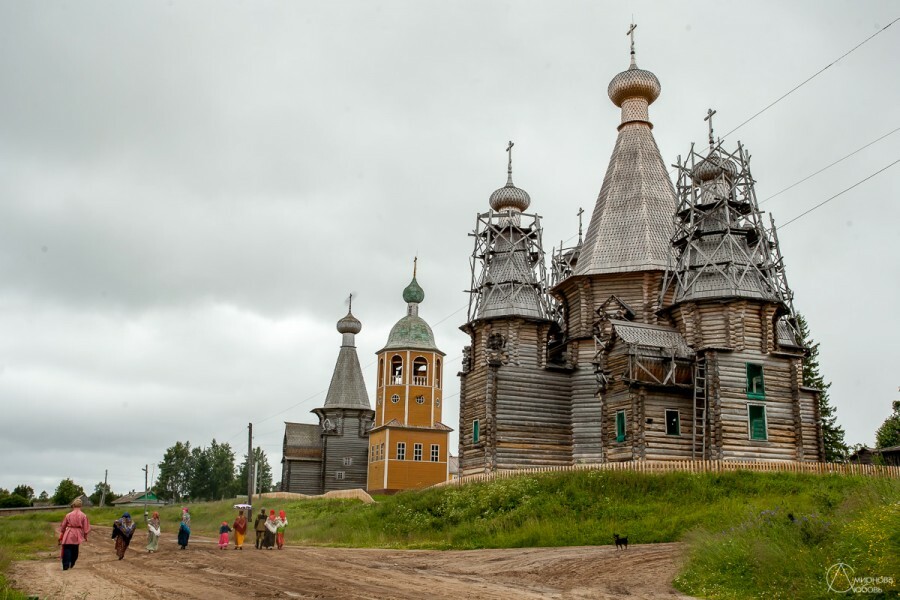
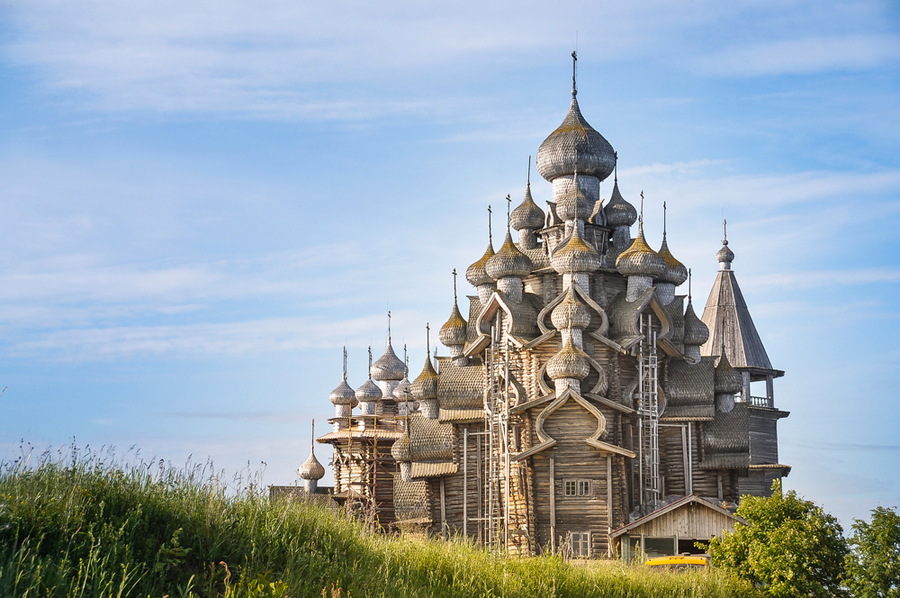
If you delve into the temple architecture and understand what an apse, a bait, oil, an altar or drum is, then it becomes interesting to identify patterns, see differences. Visiting temples does not turn into idle eyes, but into a cognitive process, the notice of details.
Or take religious architecture in Buddhism. At first it seems that all the datsans and monasteries are the same: gold and red color, hundreds of incomprehensible figures and statues. But over time, you can easily distinguish between the temples of Buddhism of the Theravada (Myanmar, Sri Lanka, Thailand, Laos) and the temples of the course of Mahayan (Tibet, Nepal, Mongolia, Russia and others).
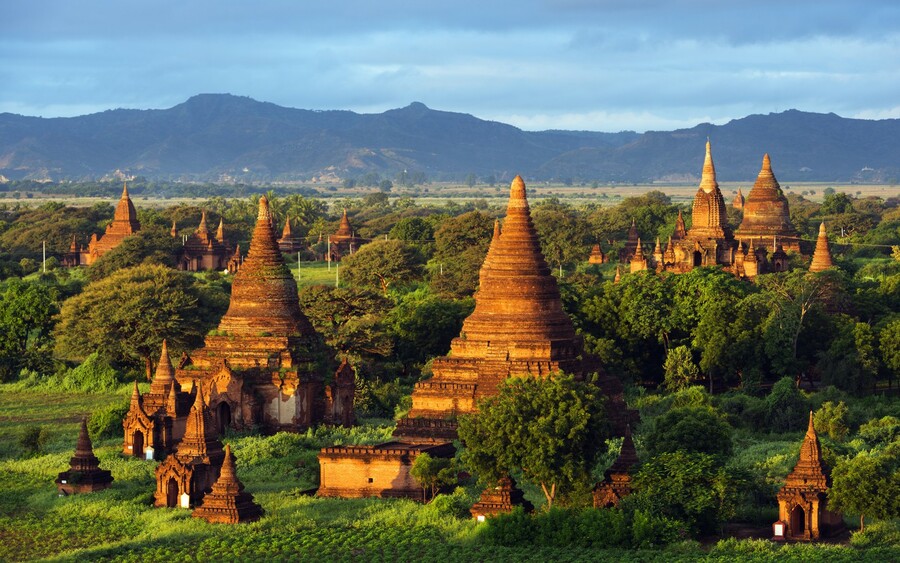
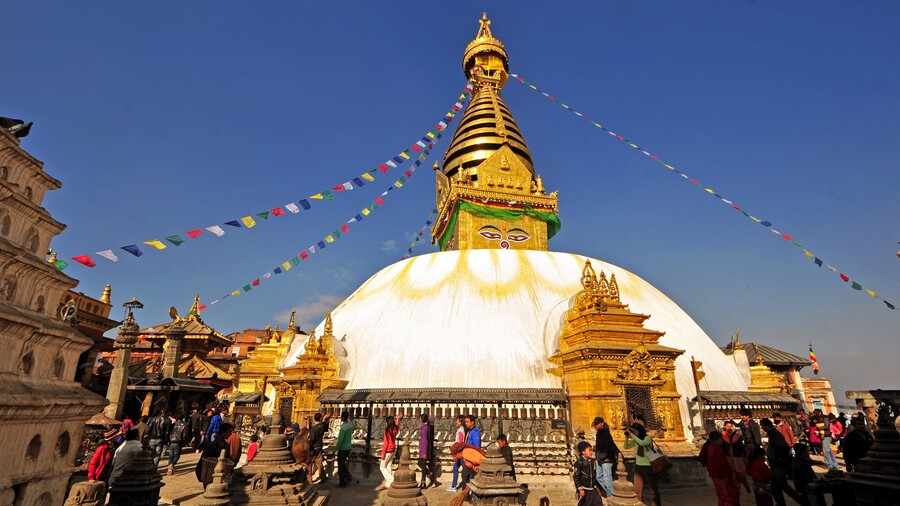
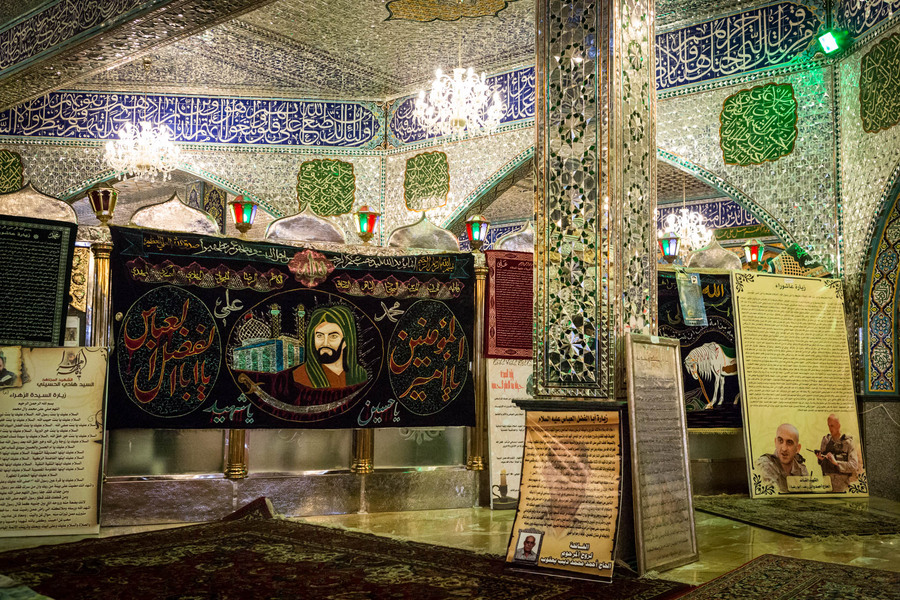
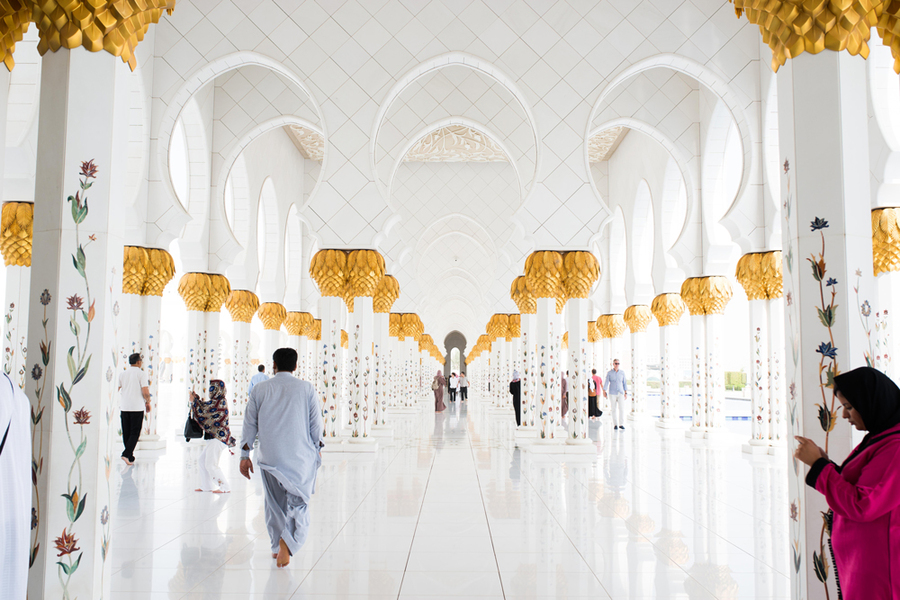
It is more difficult with mosques: it is almost impossible to determine by architecture, Shiite or Sunni. But you can by details: you will recognize the Shiite mosque from afar by black and green canvases and portraits of the prophets. If they are not there, then already on the threshold, without even looking at the interiors, you understand that it is Shiite, on the prayer stones (Muhr). Sunni mosques are easily guessed by the severity of interiors and simplicity in decoration.
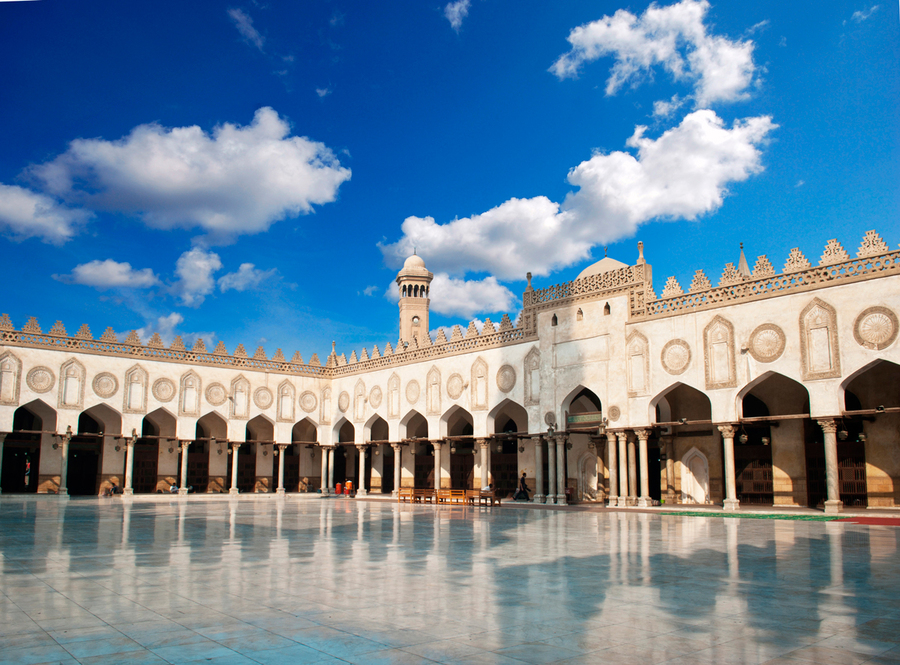
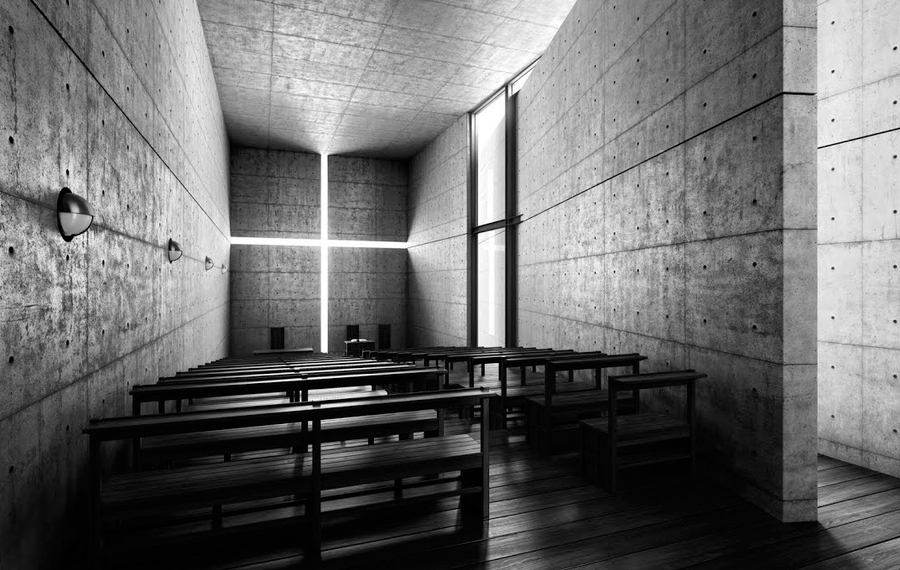
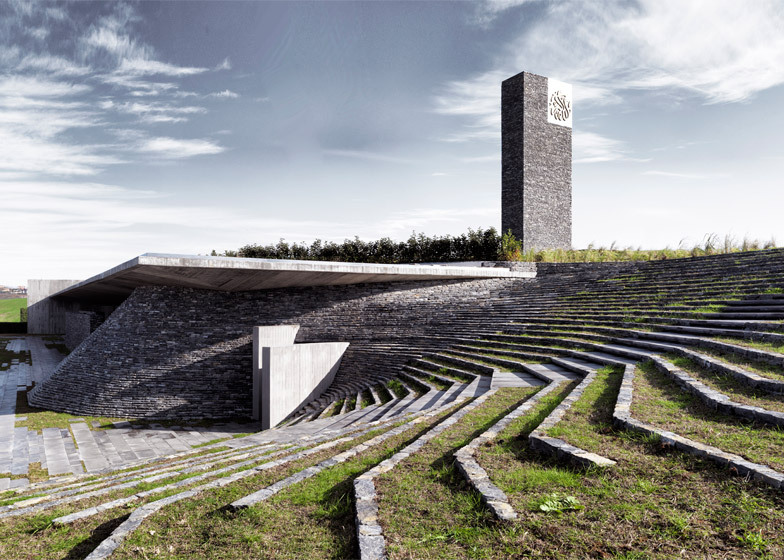
Despite the patriarchalism and conservatism of religions, some are still open to experiments. In European countries and the United States, they build Catholic and Protestant temples in the high-tech style, and do not copy the classical temple architecture (Santa-Monica in Madrid or Copenhagen). Suddenly, Islam is open to architectural experiments, unlike Orthodoxy, where all churches are built according to strict canons. Even in Russia there are examples - a mosque in the Chechen argun.
STORY. Form!
Religion is inextricably linked with world history: it is its inseparable part, since the religious institution plays an important role in the state. The church knows how to influence people, therefore, the authorities either builds friendly relations with it, or, conversely, arranges repressions, puts in prisons, organizes the Union of Militant Atheists. This posted an imprint on the development of religion and affected the appearance of temples and their functionality.
Scientific atheism dominated in the USSR: mosques and churches turned into warehouses, prisons, planetariums, kindergartens, bakery, libraries, archives or at best museums. You can still touch the Soviet rethinking, because not all temples returned to the bosom of their churches. These temples have not even changed their appearance.
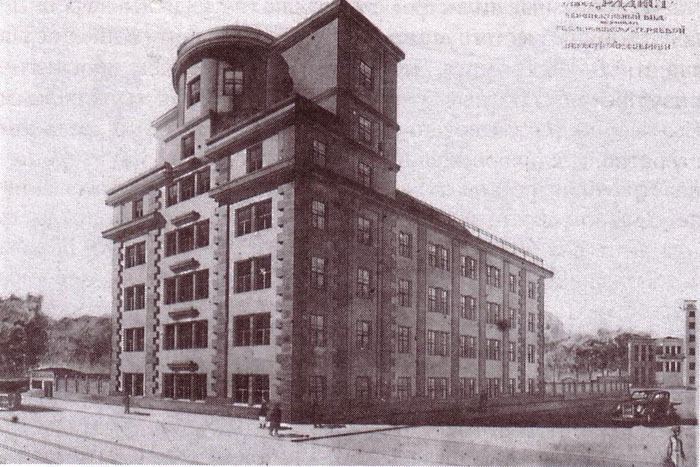
Come to Veliky Ustyug to see churches-archives, libraries and museums. In Vologda, a dozen churches still do not fulfill their function. Lutheran Kirkh in Baku is still a concert hall of the Ministry of Culture of Azerbaijan. Or the sensational church in St. Petersburg, which in 1932 was turned into a training base of submariners and where military divers trained until the early 2000s. In the church building there were a pool and a 20-meter tower in which sailors were immersed . Since 2015, the church has been closed for restoration, and perhaps the pool and the tower have already been dismantled, although they can still be seen in the photographs of 2017.
Also, dozens of temples are scattered across the territory of post -Soviet countries, which have completely rebuilt , and now in their appearance only experienced architects or local historians can recognize the silhouette of the temple. Until October 2018, a movie was shown in Kiev in Kinopanorama, a former synagogue building, but on October 1 the cinema was closed - most likely, they will demolish the building .
You can not even read Wikipedia, but go to the temple, which was built before 1917, and ask the abbot what was in it in Soviet times. Get a cognitive story in response, how they baked bread in the temple or stored fertilizers. The connection with the story that can be seen, touched, feel.
In communist times, faces scrape off the frescoes. And the Soviet guides finished off the inscriptions in the style: “Here were Luda, Vasya, Stepa. Sverdlovsk, 1953. " Orthodox churches strive to get rid of these tags and restore frescoes. But it is very expensive, so there are still many saints in historical temples without faces. But, for example, in the Georgian tradition, they do not fundamentally restore them, preserving even blasphemous inscriptions. A striking and diverse example of Soviet vandalism was preserved in the cave complex of the David-Gaedzh monastery .
Reorientation is not a purely Soviet chip. Now in Western Europe, temples are turning into museums, creative clusters, residential buildings. The church and the state do not have enough money to maintain thousands of temples. But you can be calm: the 200-year-old Kirkh will not receive an extension from the corrugated board, and the owner will not lay arched windows with brick. The main requirement is not to change the appearance, and work only after the coordination of local architectural commissions.
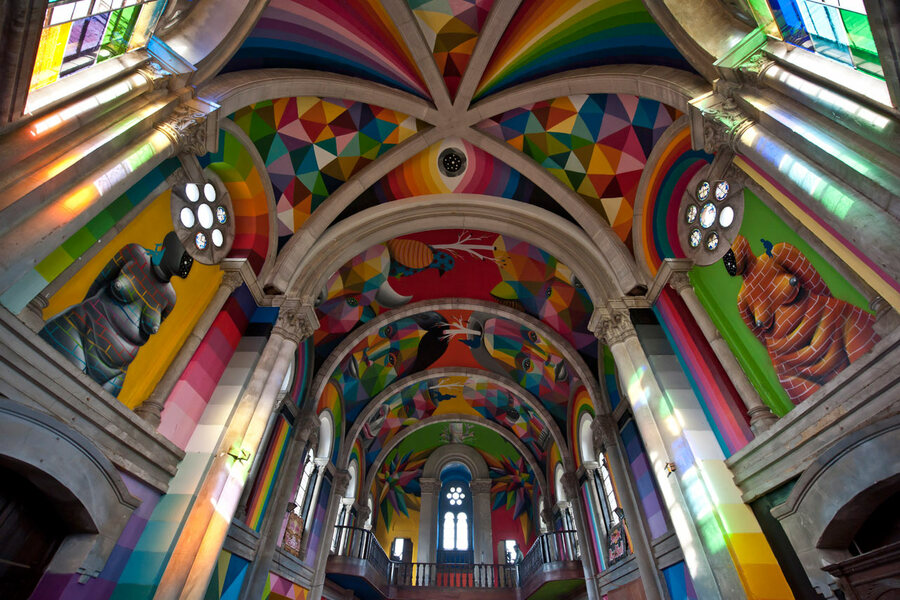
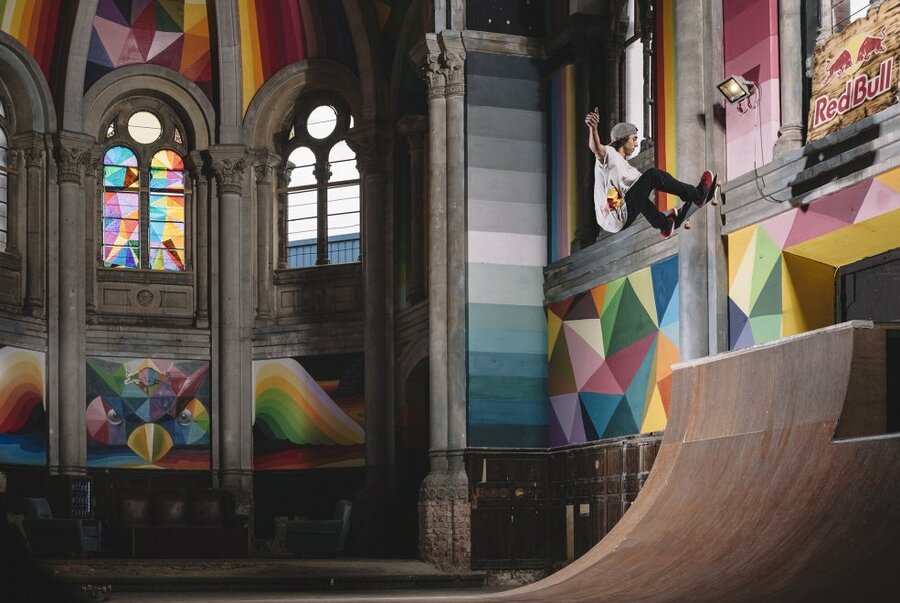
In Belgium, temples turn into private mansions, workshops or offices. Can you imagine how cool it is to wake up every morning under the dome of a medieval church with a view of the frescoes? You will be in the Dutch Arneme or Spanish Lyaner-roll in the skate parks that were built in temples of the early XX century. In Italian churches , hotels, courts, pizzerias and even car repair shops open.
An obvious and banal example of a change in purpose is Ayia-Sofia in Istanbul. Now - a museum, until 1935 - a mosque, and from VI to the middle of the 15th century - the Orthodox Council.
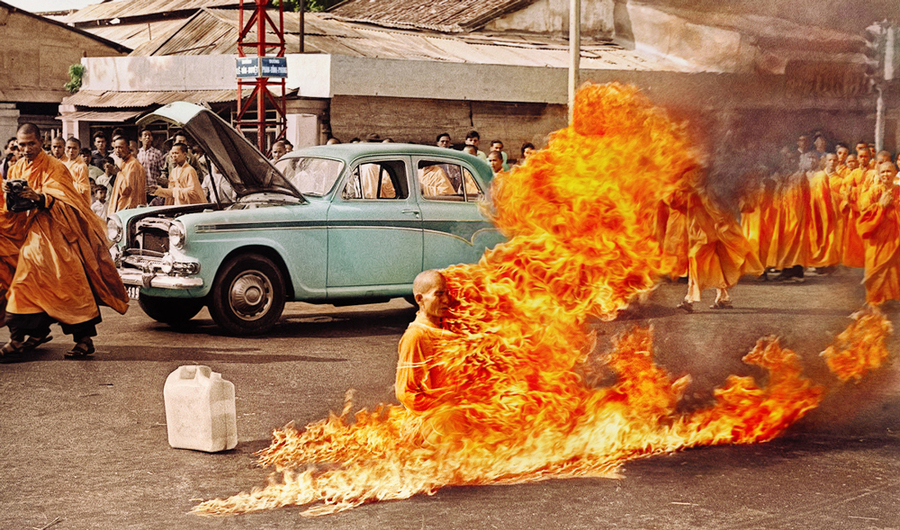
You acutely feel the story in the inconspicuous pagod of the Vietnamese city of Hue. In the garage in the back of the complex there is a blue car, and not everyone will pay attention to it. Although this machine is a symbol of the resistance of the Vietnamese Buddhists. In the Blue Sedan, in 1963, he arrived at the city of Saigon (now Hoshimin), Monk Koang Duc to burn himself, protesting against the oppression of the Buddhists in Vietnam. After his death, the situation in the country did not immediately change for the better, but this was an impetus for protests and similar self -immolations. Six months later, President Vietnam, to whom the monk turned to, was overthrown and killed. This was not the first self-immolation in history, but the most famous, the photograph of which was won even by the World Press Photo Grand Prix.
And I did not even talk about the classic religious attractions that are related to world history: the Wailing Wall in Jerusalem, the Solovetsky Monastery in Russia, from which the bloody era of the Gulag, the Vatican, the Dalai-Lama Palace in Lhasa began.
Culture and society. Subtract!
In each country there are dozens of traditions that have been woven with culture and society and went beyond the limits of temples and religion. They are part of the cultural code of people.
In Russia, Easter or Maslenitsa went beyond religious holidays. They are also noted by people who are far in everyday life from religion (as well as Christmas in European countries).
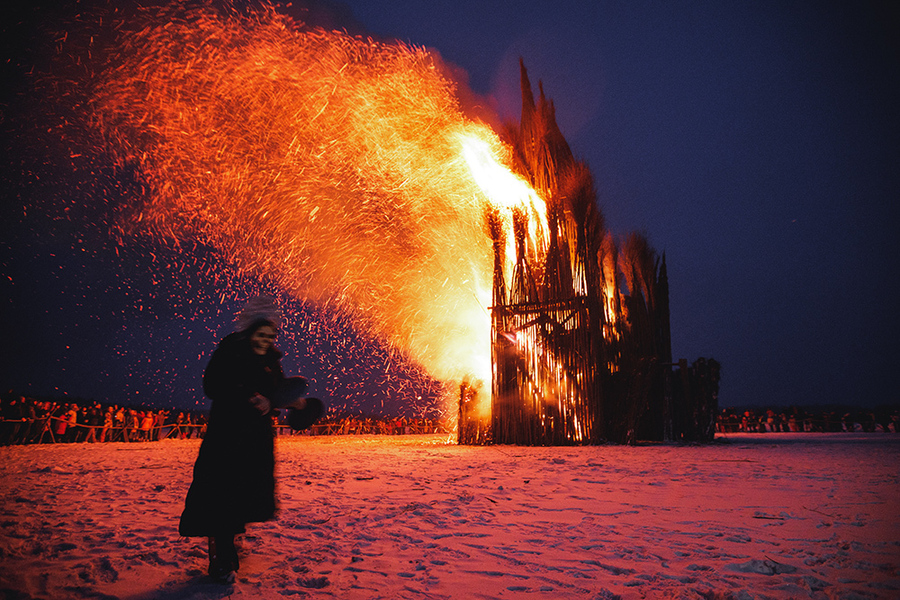
Not far from Moscow, at least two large and unusual events are expected for Maslenitsa: on March 9 in Nikola-Lenivts , the basket of the Bastille will be burned , and 10- Baxshevskaya Maslava -the super-general celebration of Shrovetide, which has been taking place for more than thirty years.
Crosses at every suburban intersection in Moldova and Romania. Compositions with the Mother of God on the houses in Naples. Altars with fruit offers in Thailand and Laos. These religious traditions have become part of everyday life and a everyday landscape of cities, and it is impossible to ignore them.
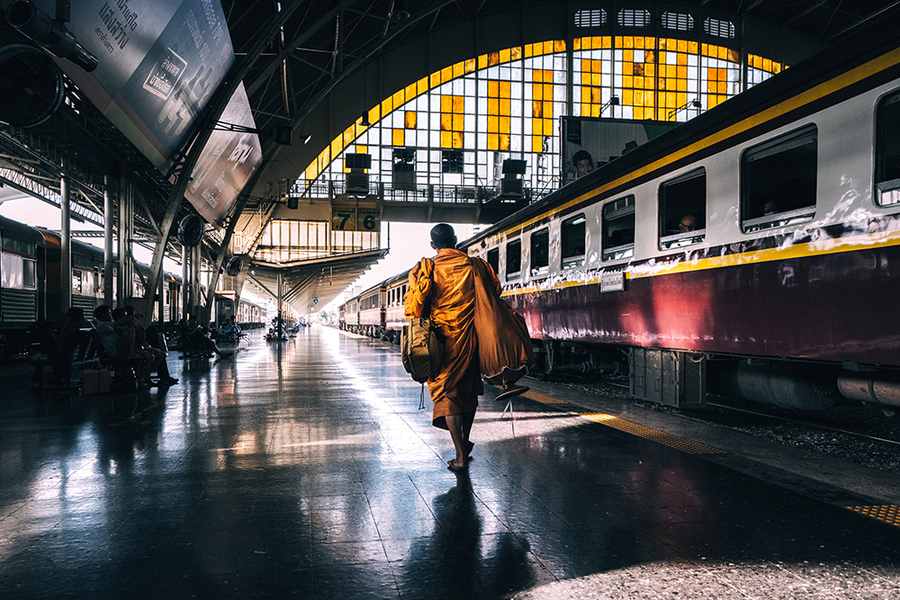
Is it possible to understand Southeast Asia, if you do not plunge into Buddhism and the culture of monasticism? After all, every man in Myanmar or Thailand at least once in his life spends at least a couple of months in the monastery, and some periodically live in monasteries to tidy up thoughts, cope with problems or to save a corny.
A good opportunity to see, for example, Thai Buddhism from the inside, and at the same time to make a sacred tattoo occurs annually at a festival of a tattoo in the Church of Wat Bang PRI, 30 kilometers from Bangkok. The traditional Buddhist tattoo of the Sak-dant is made by a large needle (handpoke), less often as a machine. At this holiday, you feel how many pagan cults have absorbed Thai Buddhism, when the participants will fall into a trance, turn into animals and behave like tigers, monkeys and alligators.
In Christian churches, the musical tradition is strong. Traveling around the United States and not listening to state -owned gospel performed by expressive African Americans - a crime. To abandon the organ concert in the context of the ideal acoustics of the centenary European church means to sue unique impressions (or put a box: listened to the organ), even if you are not a fan of classical music.
Believers retain traditional clothes in life. Visiting parishes and acquaintance with communities is an opportunity to see traditional shirts or sundresses not in the local history museum behind glass, but on real people.
In the tradition of Christian monasteries to grow their own vegetables and fruits, as well as make and sell various products. For example, Belgium is famous for the Trapping (Monastery) beer, which has long gone beyond the limits of the monastery walls: it is sold in each supermarket and regularly occupies high places in world beer tops. In addition to beer, monasteries make cheese and other dairy products, bread, wine and natural cosmetics. A good opportunity to buy delicious and natural products and support the community with money.
Rare religions. Know!
In addition to well -known Buddhism, Christianity and Islam, there are religions in the world that people know little about. We will not go far: Christians who live next to us are Old Believers, Baptists, Pentecostals. How much do you know about them?
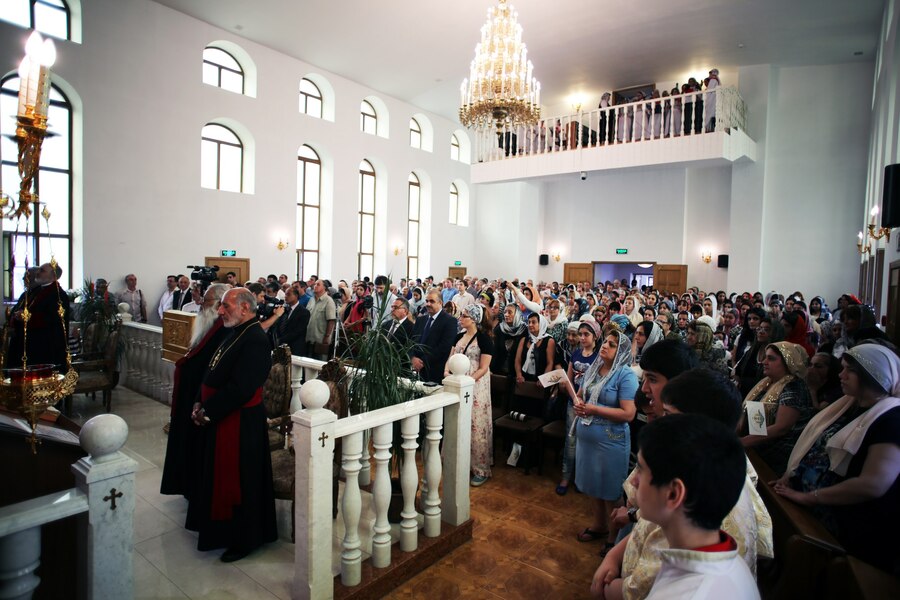
The temple is the concentration of the life of a religious community: in the Assyrian Church of Moscow, Middle East Christians from Jordan, Lebanon, Syria gather. Sikh temples in Iran concentrate a community from India around them, and not just Sikhs. A visit to such temples is an opportunity to get acquainted with the culture that is torn from its homeland, to touch its traditions without visiting the country.
Have you heard something about Amishas who drive on American roads on horse-drawn carts, do not use modern technologies and live closed inside their communities? Or the Russian Old Believers in South America, who retained their life, traditions, Russian language from the 19th - early XX century?
Perhaps you know about the principle of Achims - the principle of non -violence. This is one of the pillars of Jainism . Jains-Miryans are even forbidden to cultivate the Earth, because there is a possibility of killing an insect. And the jains-monks go with a broom that they sweep in front of them, so as not to accidentally step on the insect. Not interested?
The Zoroastrians , who worship the fire, whose holy places with eternal light can easily be found in Azerbaijan - is it not interesting?
Krishna temples are open in all the big cities of the post -Soviet countries - come to Sunday prasada: get acquainted with a piece of India and have a delicious lunch (Krishnas are very cool chefs).
Would you like to plunge into the Yamaika clerk ? This is the main symbol of the island, along with the dreadlocks, grass, Bob Marley and a bolt.
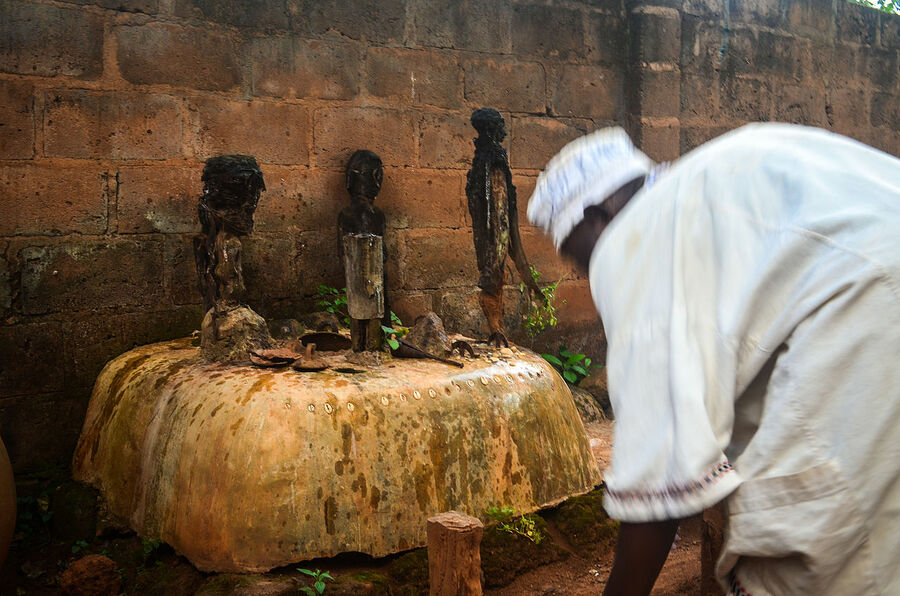
Cults and rites of Voodoo in Haiti and Central Africa. Sacrifice ceremony, markets with dried stuffed monkeys, rat tails and other abominations. Doesn’t I want to quit everything and now buy a ticket for Haiti?
HOLIDAYS. Furiously anneal!
Religious holidays are a great reason to go on a trip to get acquainted with culture and see how the country lives during a big event.
Discounts and crazy lines in stores, cozy cities that sparkle a million bulbs, hot mulled wine in squares - I am sure that thousands of people dream of meeting Christmas in Europe. The main thing is not to make a mistake with the date: in Western Europe it is celebrated on December 25.
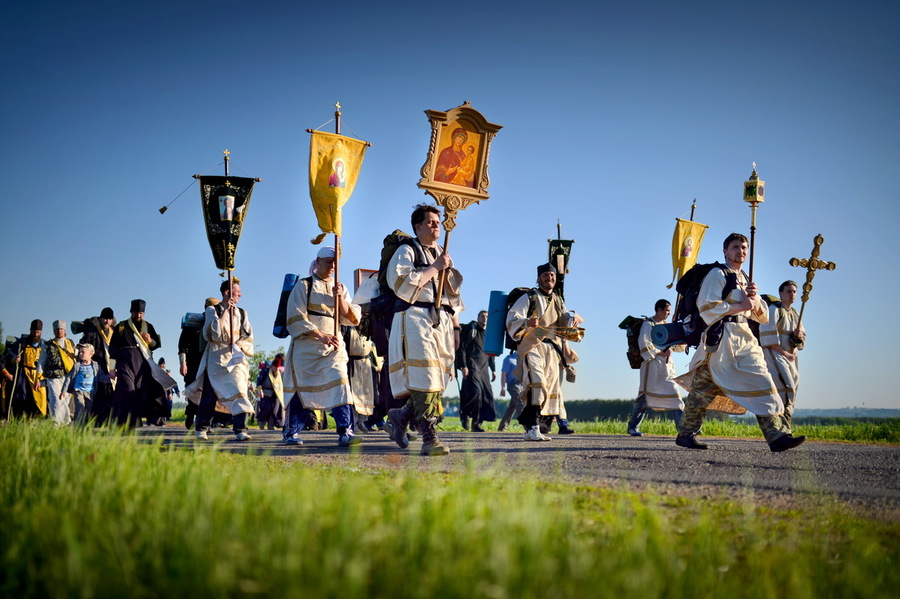
The Great Cross in the Kirov region is the most ancient, the longest (seven days) and the most numerous (70 thousand pilgrims in 2018) in Russia. Field sociology and real ethnography: barefoot elders with knapsacks on their shoulders, crazy old women, bikers with banners, babies in strollers, bloody corns and unsolved buckwheat for dinner - concentrated Russia during a weekly tracking in the rain, knee -deep through impassable Kirov forests. Okay, ankle. By the way, you can’t come up with a better place and climate to experience your new The North Face.
In the Bulgarian region, Thrace is popular with the religious and cultural phenomenon of non-navigation, which is an plexus of Orthodox and pagan traditions. The main and most colorful holiday is the Day of Saints of Constantine and Elena. The culmination of the holiday is a dance on the coals, during which non -navigations fall into a religious trance - it looks incredibly beautiful and mystically.
Those who traveled to Thailand are familiar with Songcan - a family Buddhist holiday. The main attribute by which the holiday is recognizable in the world is dousing with water. A great reason to recall the childhood and day of Neptune in summer camps.
For the Shiites, Iraqi Karbel is one of the most sacred cities, because it killed the Imam Hussein, the grandson of the Prophet Muhammad, who was revered by the Shiites. The main holiday that attracts pilgrims to Karbel is Ashura, the day of the death of Imam Hussein. In recent years, a little more than three million people come to celebration. But the celebration of Ashura can be spectacular not only surrounded by millions of believers in Iraq, but also in the small mountain Dagestan village among only a few hundred villagers .
One of the most contradictory and fascinating Islamic rites is the Sufi zir . It takes place on certain days in mosques after an evening prayer or at a funeral. You can look at the mystical rite in Chechnya, Ingushetia or Dagestan.
To touch Muslim traditions, it is not necessary to leave far from Moscow. During the celebration of Kurban-Bayram, tens of thousands of believers paralyze the lives of areas near a few Moscow mosques. Muslims lay out rugs on any free plot of land near mosques and make a prayer - a spectacle that discourages with its unusual numerous and public prayer, which most Muscovites are not used to seeing.
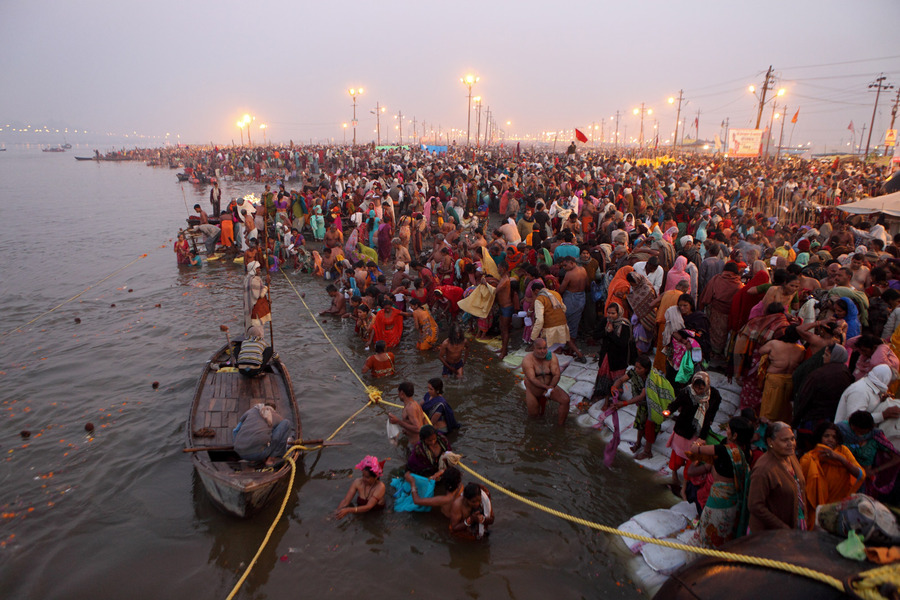
Но самый многочисленный религиозный праздник в мире проходит в Индии. Кумбха Мела — обряд паломничества к святыням индуизма. Праздник проводится раз в три года и длится около месяца. В 2007 году в паломничестве участвовали 70 миллионов человек. Если этого недостаточно, чтобы вы захотели это увидеть, тогда я пас.
ЧЕЛЛЕНДЖ. Становитесь лучше!
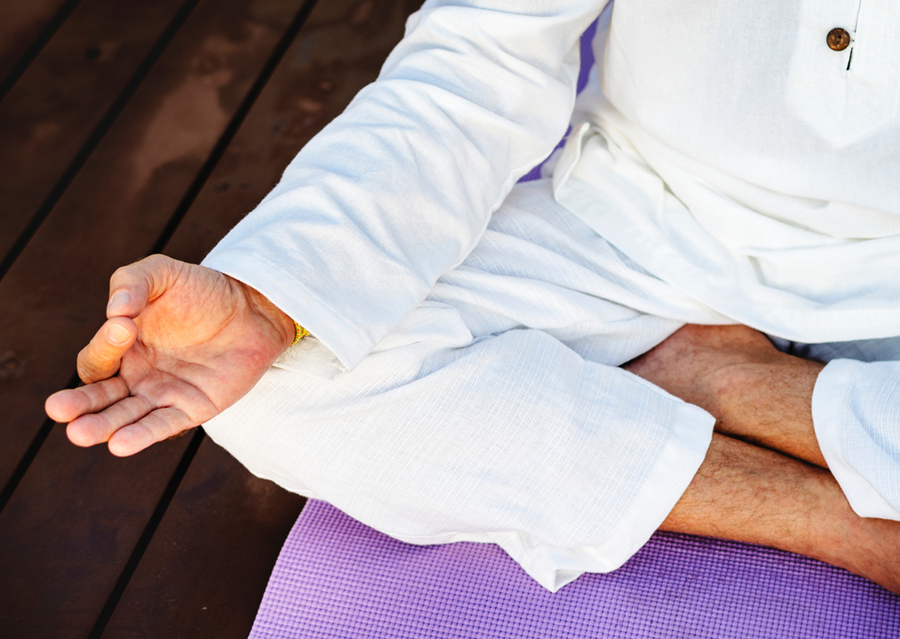
Каждый уважающий себя бэкпекер в свой gap year проходит курс випассаны в Юго-Восточной Азии. Это вид медитации в буддизме, который разработали монахи в Мьянме. Поэтому там находятся самые уважаемые монастыри для випассаны. Также для прохождения медитации популярны Таиланд, Индия, Шри-Ланка. Курс длится десять дней, в течение которых участники медитируют различными способами, отказываются от связей с внешним миром и разговоров. Многим помогает перезагрузиться, а для некоторых это лишь новый необычный опыт.
Православие предлагает свой вид медитации — трудничество. Верующие приезжают на определенный период времени, живут и работают при монастыре. Православный человек жертвует свои силы и время с целью расти духовно и приближаться к Богу. Православное монашество и трудничество — глубокий и интересный социальный феномен. Часто для многих людей, которые не знают, как справиться с проблемами, монастырь — это последний спасительный вариант.
Некоторые паломнические маршруты используются как трекинговые. Хрестоматийный маршрут в Европе — путь Святого Иакова (или Камино-де-Сантьяго). Он даже внесен в список всемирного наследия ЮНЕСКО. Но большинство участников проходят по этой дороге больше с этнографическими целями, чем с паломническими. Один из путей длиной 800 километров начинается во французском городе Сен-Жан-Пье-де-Пор и пересекает Испанию от французской границы на севере почти до Португалии и заканчивается в городе Сантьяго-де-Компостела, где, предположительно, похоронен апостол Иаков.
Топовый трекинговый маршрут в Непале — вокруг горы Кайлас, которая является священной для буддистов, индуистов и последователей религии бон. Путешественники проходят ее, не всегда задумываясь о религиозном смысле маршрута. Ведь даже туристический маршрут проходит по часовой стрелке — потому что так легче. Паломники же ходят против часовой, следуя религиозным традициям.
ADVICE. Do not be afraid!
Путешественники боятся косых взглядов, что их не поймут, что христианам запрещено заходить в мечеть и так далее, — все это заблуждения и чушь.
Не бойтесь заходить в храмы любых конфессий. В некоторые храмы нельзя иноверцам, но это редко (вас вежливо об этом предупредят). В какие-то мечети нельзя заходить женщинам или для них отдельный вход — вам тоже это подскажут. Не бойтесь ошибиться (звучит как фраза дешевого коуча по личностному росту, сорри) — бить вас не будут, максимум сделают замечание. Бабушки в православных храмах не подходят под это правило — они проверяют вас на стойкость и твердость. Просто представьте, что это своеобразный тест.
Появились вопросы — спросите у прихожан, батюшки, имама. Относитесь уважительно — шутки о религии и насмешливые замечания оставьте для друзей. Или ожидайте жесткий ответ: вера для многих — важнейшая вещь в жизни. Соответственно одевайтесь: в православном храме мужчины снимают головной убор, в синагоге надевают, а в мечети неважно. Загуглите заранее, если не хотите выглядеть глупо. Но проще смотреть на поведение и одежду прихожан. Штаны, длинные рукава и головной убор — универсальное одеяние, в котором вы пройдете дресс-код в храме любой религии.
CONCLUSION. Смотрите шире!
Не зацикливайтесь на кофейнях и креативных пространствах — храмы и поп-ап-бары отлично сочетаются. Днем любуйтесь столетними мечетями Сараева, забегайте на вечерний намаз в Цареву мечеть, а ночью отрывайтесь под турбофолк.
Я не предлагаю заходить в каждый храм и дацан, не агитирую становиться теологом или религиоведом, не уговариваю ехать в паломнический тур (хотя сходить в Великорецкий крестный ход рекомендую), а всего лишь хочу, чтобы путешественники не игнорировали религиозные достопримечательности из-за предрассудков, страхов или негативного образа религий и верующих, тем самым лишая себя огромного пласта культуры, знаний и impressions.
Отгородиться от религии в путешествии непросто — даже топовые мировые достопримечательности когда-то имели отношение к религии: Парфенон — это древний храм, который посвящен богине Афине, а Ангкор-Ват в Камбодже построили в честь индуистского бога Вишну. Религия везде, и игнорировать ее не получится — лучше ее познавать.