Translated material
They want to destroy the protest graffiti in London
The work of the artist Mear One has revived a discussion about freedom of expression in public space
The London District Council decided to delete the mural of the famous California artist Mear One from the wall of a private house in East end. The mural depicts bankers playing in the “monopoly” on the backs of the oppressed people. Factory pipes are being adopted around, workers are striking, and a dollar pyramid with the all -seeing eye of capitalism and the slogan “The New World Order is the enemy of mankind” are shining above the table. The oppressed are young and dark, and bankers are old, bearded and costumes.
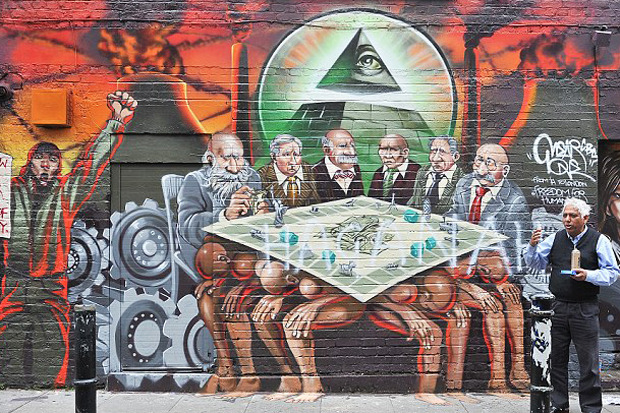
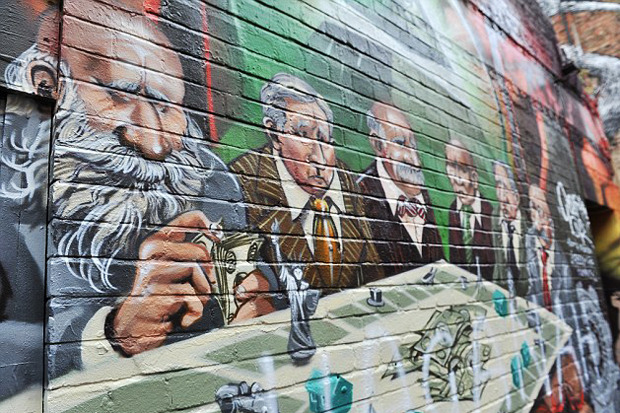
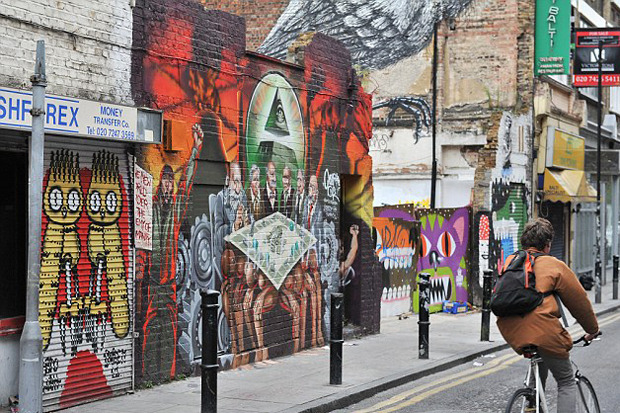
The authorities received many complaints about the image, and the head of the district council said that graffiti was made in “stylistics resembling the propaganda of the time of the Third Reich” and is anti -Semitic in nature. The ambiguity of the situation is also that the work is protected by the owner of the house named Amel Hussein. The artist himself explained in an interview with Daily Mail that “local conservative authorities do not like such topics, so they play a racist map. My drawings are not about Jews, they are about classes and privileges. What to do if bankers are mostly white and Jews. But I'm not an anti -Semite. I believe in equality and brotherhood on a global scale. I am against class oppression. "
The City Council ordered the owner of the house in the area inhabited today by Muslims to remove the mural within 28 days, otherwise sanctions will follow. History received a wide resonance, and on the Internet there are already calls to boycott the City Council and fight for freedom of speech and images.
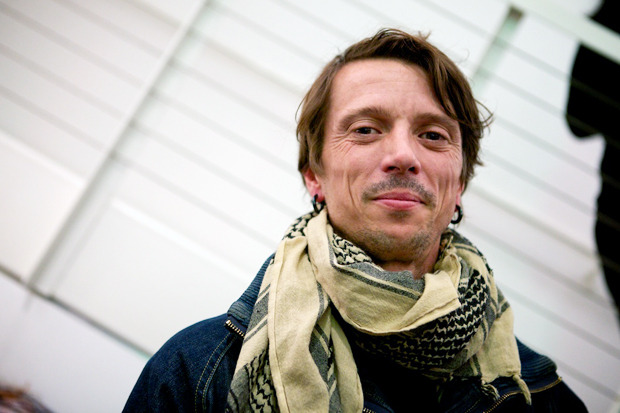
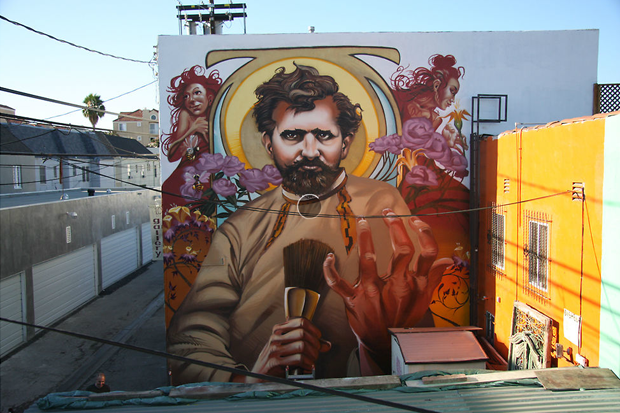
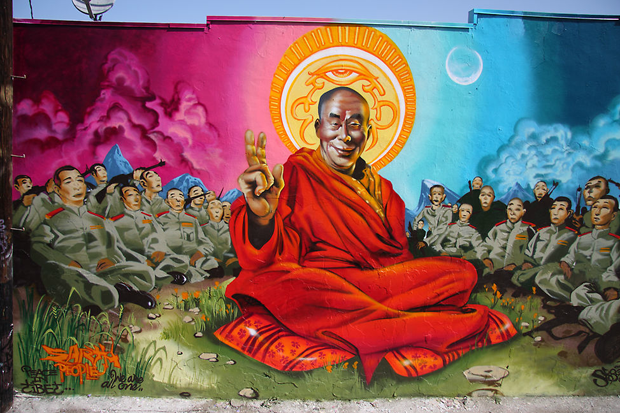
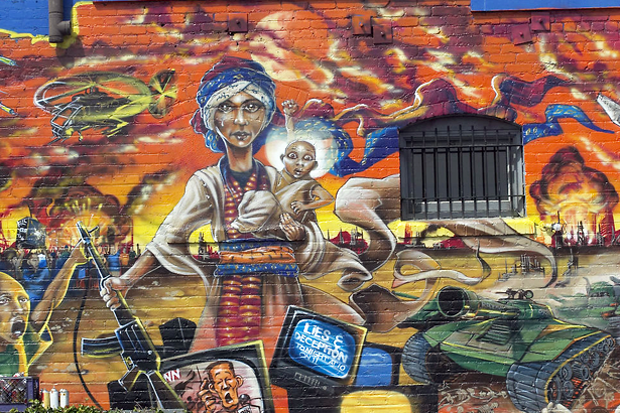
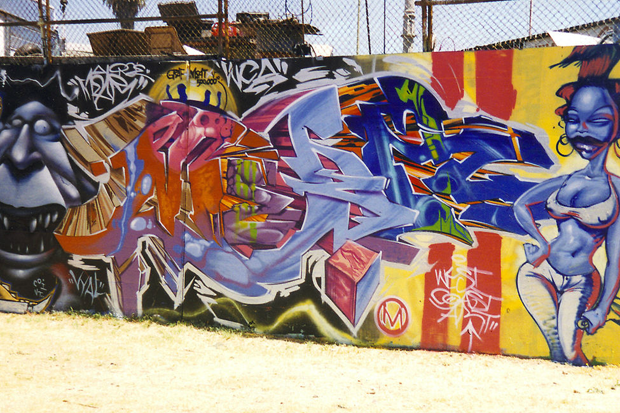
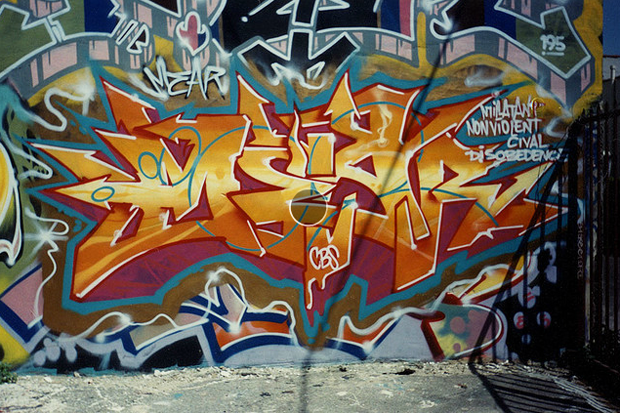
Mear One began his career in 1986 and since then earned the glory of "Salvador Dali Hip-Hop." Since the beginning of the 90s, his large-scale work has won the love of fans in his native Los Angeles and Tokyo, he makes “living shows” in the world capitals, drawing before the public, accompanied by poems and music of his own composition. In 2004, he held an American tour against Bush’s economic policy, and also participated in significant exhibitions of Street Art and Graffiti, including the Museum of Contemporary Art in Los Angeles. The main topics of the artist’s work in recent years can be considered criticism of US economic policy, corruption and neglect of the needs of ordinary Americans, environmental problems and industrial vandalism in relation to natural resources.