
Translated material
Wall-E
“Vall-I” (Wall-E, Walle-i) is the ninth full-length cartoon created by the joint efforts of Disney and Pixar studios.
From year to year, the Wall-E robot works diligently on empty ground, cleansing our planet from the mountains of garbage, which left behind people who flew into space. He does not imagine that very soon incredible events will happen, thanks to which he will meet friends, rise to the stars and even be able to change his former owners who completely forget their native land for the better.
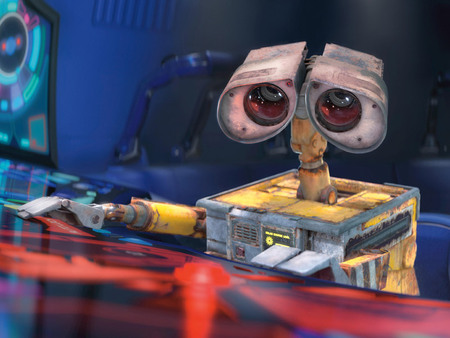
“We wanted the audience to believe that the car that they observe is coming to come to life. The more they believe that this robot has its own character and emotions, the more touching the story becomes ”
Andrew Stanton, director and screenwriter
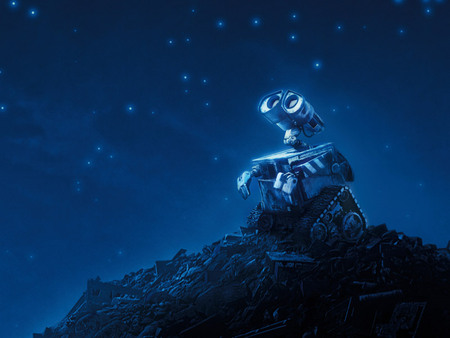
They used the musical “Hello, Dolly” and songs from this film of 1969 to show the character of Wall-E. In fact, it was the continuous views of Wall-E of the old cassette with the film (the only one in his collection), and led to the emergence of romantic feelings in Wall-E. He showed this film to a robot named EVA.
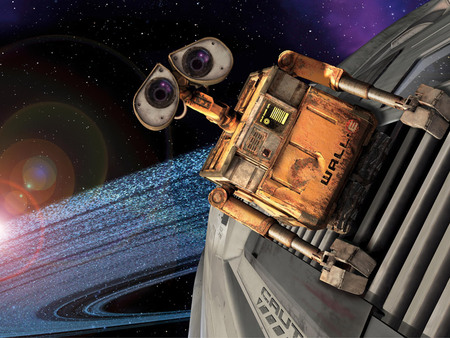
Wall-E is more characteristic of movement with the participation of motors, mechanical programs, and parts. It can be fought with an old cassette player. And EVA is a smooth oval robot that moves using magnetic traction. She has elegance and grace in movements-everything that you can expect from a technic-front robot. ”It can be compared with the iPod.
In addition to the fact that robots have feelings very well in the film, our utopian future is shown: the global corporation, with its armies of robots, intellectual tracking systems and universal production lines have gained control over the world of people, promising the inhabitants of the Earth a beautiful future and comfortable present.
Actually, instead of a beautiful future and comfortable present, they received a two hundred kilogram weight of their own body and the complete lack of freedom.
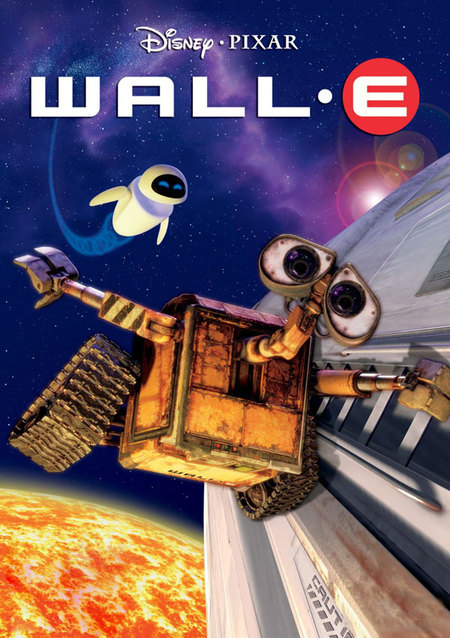
The official website of the film