
Translated material
The program in the program
Why are genetic studies of congenital immunodeficiency in children who for some reason are not paid by the state
We help analyzes for children with primary immunodeficiency collected 5 059 024 R required 5 028 960 r helpWhat is primary immunodeficiency
Primary (congenital) immunodeficiency (PID) is a terrible diagnosis that means that the child was born without natural protection and his body cannot resist infections. About 250 children are born annually in Russia, for whom the surrounding world is a source of constant danger. Any infection becomes deadly for them, even one that a healthy person will not notice at all. Officially, only 2 thousand Russians are diagnosed with PID. However, according to immunologists, in our country at least 15 thousand patients with PID. Despite the fact that PID is an innate state, its first symptoms can manifest itself after 20 years.
This disease does not have pronounced unique symptoms. At first, the baby simply gets sick too often, it would seem, ordinary colds, any infection instantly sticks to it. And for some time, doctors do not even suggest that health problems are caused by genetic defects of the immune system. Gradually, the infection goes into a chronic form, gives severe complications (pneumonia, purulent otitis media, abscesses), ceases to respond to antibiotics. And irreversible changes begin in the body. Another manifestation of PID is a tendency to develop autoimmune and tumor diseases. Children with severe types of illness rarely live up to a year. Unfortunately, about 90 percent of the diagnoses are already posthumously.
PID is a group of genetically determined chronic diseases, they cannot be infected with another person, it can only be inherited. But a child with PID can also appear in absolutely healthy parents - as a result of a random mutation in the gene system.
How can sick children be helped
PID requires lifelong therapy and frequent, sometimes very long -term hospitalizations. Without proper treatment, most children die from numerous infectious complications. There is also a radical way to get rid of PIDs - to make a sore child a bone marrow transplant, but for various reasons this expensive and very difficult procedure is not shown to all patients.
PID includes more than 300 forms caused by a violation of one or more immune protection mechanisms. Children with the most severe forms rarely live up to a year, however, patients with other forms of PID, timely complex therapy allows you to live long and fully. Therefore, it is very important to make an accurate diagnosis as early as possible and begin the correct treatment. In particular, it is expensive replacement therapy, which consists in supporting its own immunity by monthly intravenous or subcutaneous introduction of immunoglobulins . As well as supporting antibacterial and antifungal therapy. Every month for medicines, one child with PID requires 50 to 500 thousand rubles.
Today, various effective methods of treating congenital immunodeficiencies have been developed, which allow you to completely cure many small patients or maintain the quality of their life at a good level, says the factory of immunology of NMIC DGOI named after Dmitry Rogacheva Professor Anna Shcherbina. However, the results of treatment largely depend on the timeliness and accuracy of the diagnosis: the same symptoms can be caused by various genetic breakdowns, and therefore the approaches to treatment differ significantly.
What is the diagnosis
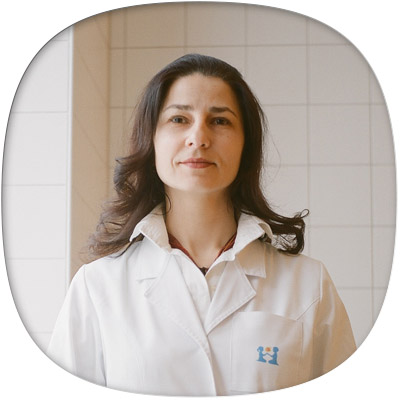 Anna Shcherbina Photo: From Personal Archive
PID is very difficult to diagnose. This is due to the rarity of PID (their frequency ranges from 1 to 10 thousand to 1 to 1 million newborns, depending on the type of immunodeficiency), as well as with the variety of manifestations of the disease, Shcherbina explains. “There are a number of laboratory tests that allow you to get closer to the correct diagnosis,” the doctor says. -However, only molecular genetic diagnostics can finally confirm the PID, and also determine its variety. Only knowing a specific genetic defect, a genetic counseling of a family is possible, an examination of relatives of the patient, including potential donors of stem cells. ”
According to world statistics, only about 15 percent of patients with PIDs are detected in Russia. Making the correct diagnosis is late for an average of five years. And children with the most severe forms simply do not have time to help - they die in infants. And genetic studies are the only chance to confirm the diagnosis in time, prescribe the medicine and begin treatment.
High-tech molecular genetic tests are made only in a few laboratories in three cities of the country-Moscow, St. Petersburg and Yekaterinburg, Shcherbina said. The most complete spectrum of molecular genetic diagnostics today is carried out at the NMIC DGOI .
What are the possibilities for this in Russia
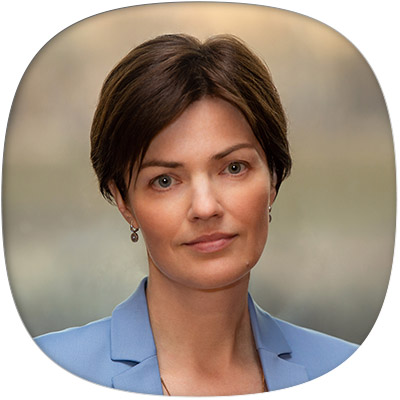 Irina Bakradze photo: from personal archive
In the program of state guarantees of the provision of free medical care to the population of the Russian Federation, all these studies are not provided for, says Irina Bakradze, managing director of the Fund for Assistance to Children with Violation of Sunflower Immunity. According to her, high -tech tests are still not included in the compulsory medical insurance standards and are not paid by the state. Although the treatment tactics depend on the accurate establishment of mutations, the standards of medical care for PID do not provide genetic tests. And parents often do not have enough money for tests, because they cost from 30 to 150 thousand rubles.
Another problem associated with the absence of vital research in “correct lists” lies in insufficient alertness of pediatricians: there are no such tests in the compulsory medical insurance system - which means that it is not necessary. And even with an officially established diagnosis of combined immunodeficiencies and some autoimmune diseases, genetic diagnostics is not necessary, but only possible at the discretion of the doctor, Bakradze notes.
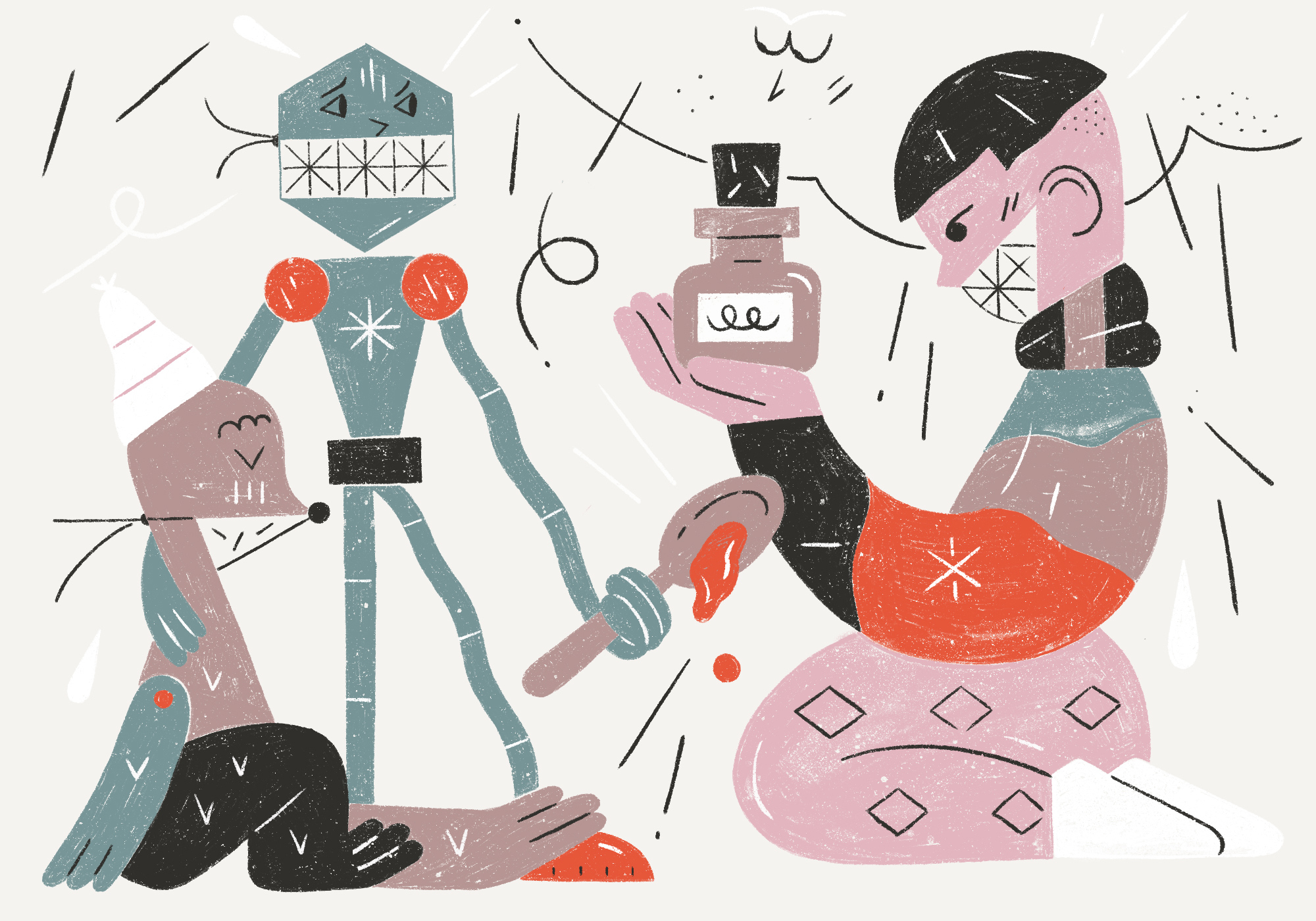
 Illustration: Vera Khokhlova for TD
So the decision on the need to conduct molecular genetic diagnostics is not least dependent on the technical capabilities of the medical institution. For example, in the NMIC Dgoi named after Dmitry Rogachev is a genetic laboratory, and the children received there for treatment by quota are carried out for free. But already children who have received a quota in the RDKB, where there is no genetic laboratory, can be directed for analysis to another institution only on a paid basis, says Bakradze.
The same applies to outpatient research. If the patient was discharged from one of the regional or federal hospitals with a recommendation to conduct a genetic analysis, this can be done only for a fee. And institutions, which include a genetic laboratory, cannot hospitalize children for analysis. Their goal is to take the maximum number of patients with an updated diagnosis in order to choose a specific treatment in the hospital.
Today, the waiting time for hospitalization in NMIC DGOI for non-excess patients with suspected PID is 4-5 months, says Shcherbina. But often it is possible to clarify the diagnosis without hospitalization. The genetic laboratory explores blood samples delivered from other cities. And if the diagnosis is confirmed and the clinic will have the opportunity to carry out the necessary treatment at the place of residence, the conclusion is sent there with the recommendation to immediately begin treatment. In difficult cases, the patient enters the federal center, but if his genetic defect is already known, then pathogenetic treatment begins from the first day of hospitalization.
According to Shcherbina, 30-40 people per month need molecular genetic diagnostics. The average cost of research is 40 thousand rubles. According to the Sunflower Foundation, many of its wards cannot pay for the tests themselves to confirm the diagnosis or select vital therapy.
“People live with serious immunological diseases, not knowing about it or copeing on their own. Over the past 10 years, medicine has significantly advanced in the study of genetic immunity disorders. And if a genetic study is done in a timely manner, patients who would have died before childhood, can now be prescribed adequate therapy, they will be able to conduct an active life, work, start a family and children, ”says Timur Bekmambetov, co -founder of the Fund.
What to do
The Sunflower Foundation collaborates with leading domestic immunologists and more than 10 hospitals throughout the country. In 2018, 183 applications for payment of genetic tests were received in the fund. By state standards, it is negligible. But, as you know, the stingy pays twice. Specialists are unanimous: it is much more profitable for the state to solve the problems of patients with primary immunodeficiency than spending even more funds on permanent hospitalization, antibiotics, registration and payment of sick leave to adult patients and parents of sick children. Not to mention the moral side of the matter.
And it is also very important to include a study on PID in a well -established program of neonatal screening, Bakradze believes. Screening in the early days of life reveals the disease to clinical manifestations, and with timely treatment, you can either completely level the symptoms or greatly alleviate the course of the disease.
For the past 10 years, all newborns have been screening for five hereditary diseases. And, according to the Ministry of Health, annually these diseases are diagnosed in more than a thousand newborns. Another 250 with timely PID could be added to this thousand children. But in general, according to experts, the screening of newborns in Russia will save several thousand children from severe disability and death, if you expand it, following the example of developed countries, up to 30 diseases.
But so far such genetic studies are not provided for by the state, they are paid by the Sunflower Foundation. Monthly it is possible to pay for research for about 20 patients. Unfortunately, some applications remain overboard, because the fund simply does not have enough funds. Let's help him a little: if we sacrifice 50 or 100 rubles, several other patients with PID can make the necessary genetic tests and prescribe the right treatment. No one but me will help them.