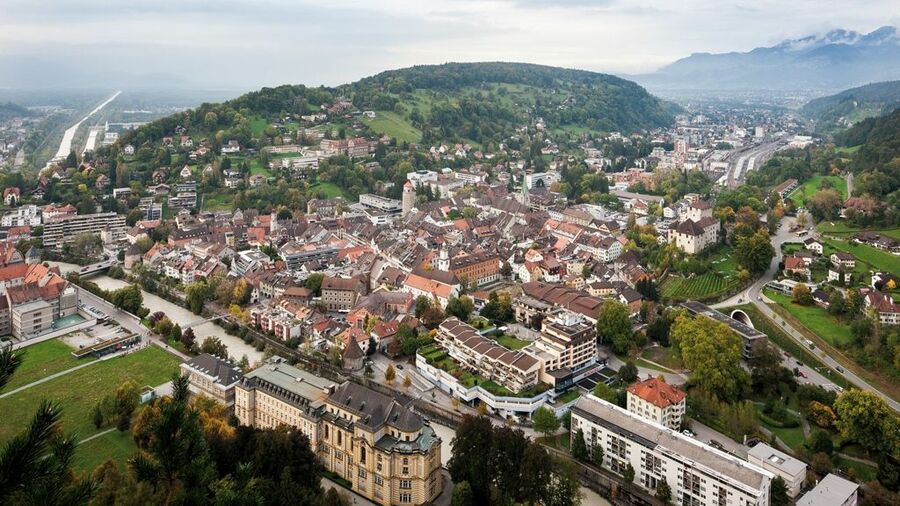
Translated material
The most beautiful cities in Austria
Not only Vienna: 10 most beautiful cities in Austria
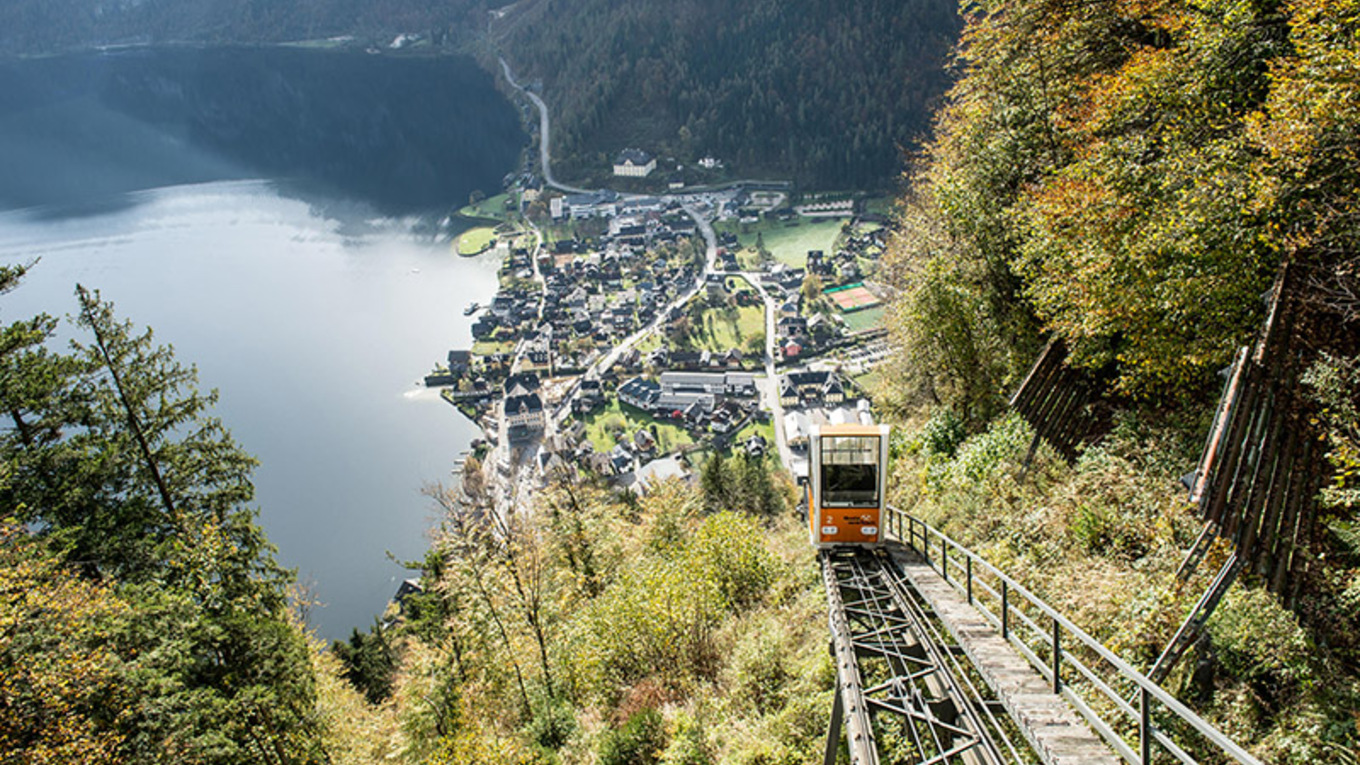
In addition to the binding for each tourist Vienna, Salzburg and Innsbruck, Austria has a lot of beautiful cities in Austria.
Austria, which is called the most beautiful European country, is worth exploring carefully, not limited to popular directions. We have translated for you the guide of the publication The Culture Trip to the less famous cities of Austria: from snow -covered high -mountain cities to lake architectural ensembles in the Baroque style.
Finenberg
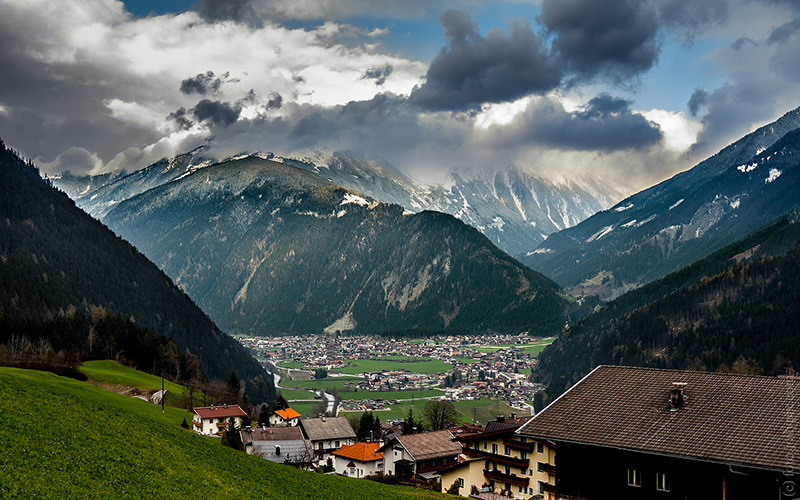
Surrounded on all sides by the mountains of the Tsillerte valley, green in the summer and snow -covered in winter, Finenberg is a textbook example of the traditional Tyrol city. The shawl trimmed with wood in spring is decorated with baskets with flowers. From the city, a view of the Kh -techistux glacier opens; Here, the cable car begins Finenberger Almbanen, along which you can climb the alpine ski resort Mayrhofen .
Hallstatt
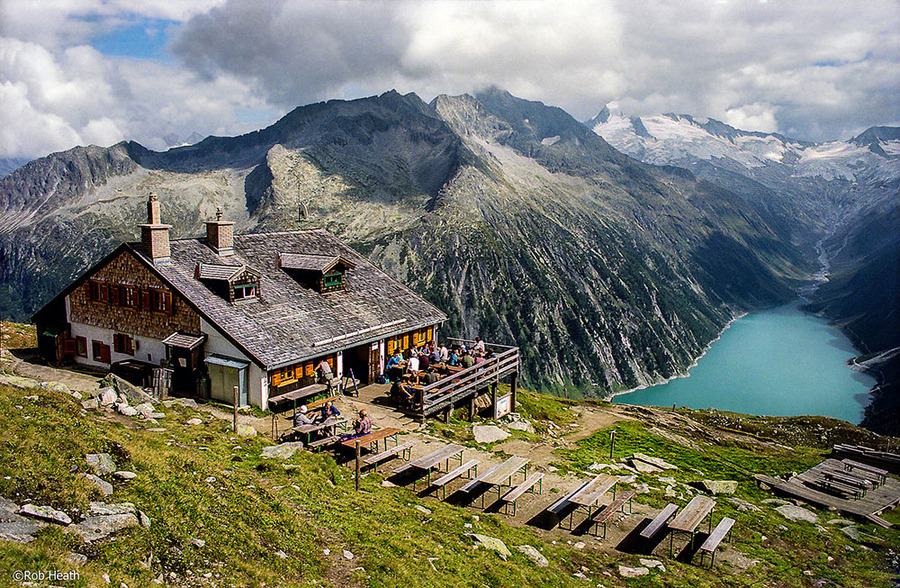
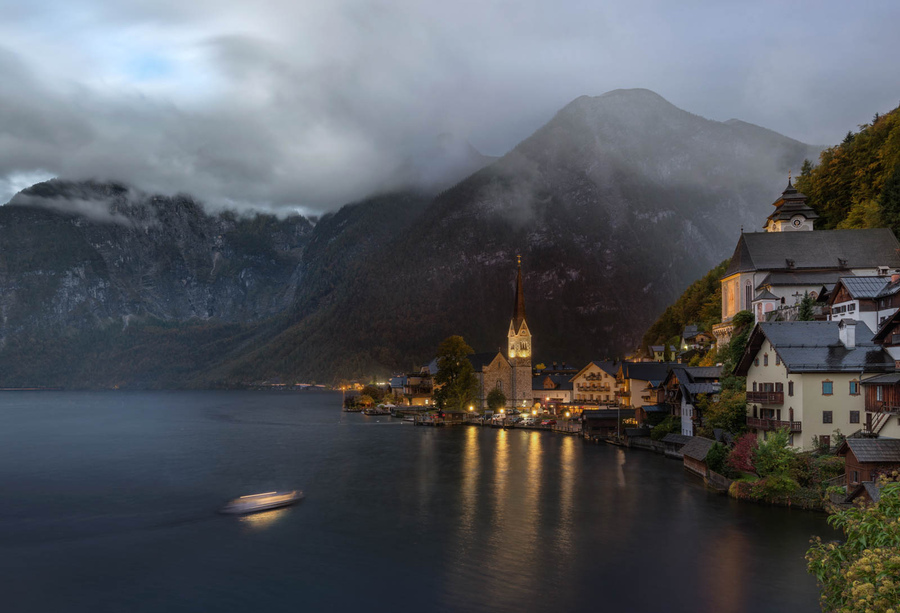
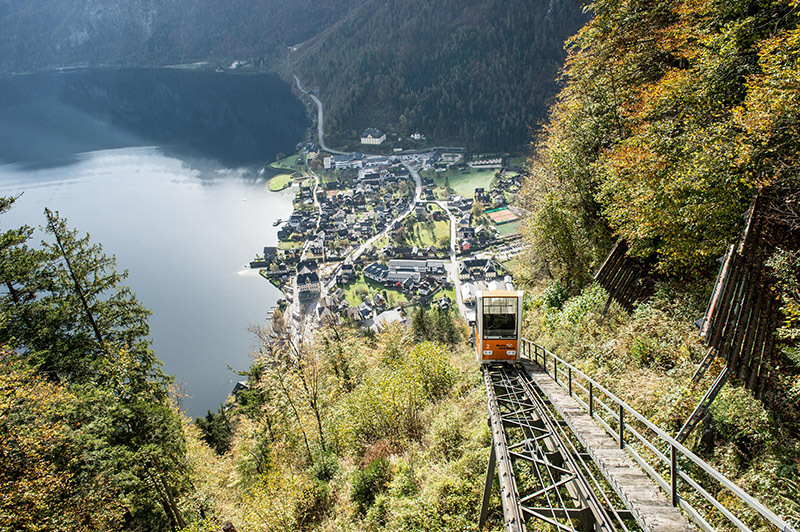
Not a single list of the most beautiful cities in Austria will be full without this amazing village east of Salzburg. Located on the shore of the lake of the same name, Hallstatt is a labyrinth of paved streets and squares, along which traditional houses entangled ivy are ivy. Architectural beauty is complemented by the incredible landscape of the Dakhsteinggierge mountains. On the cable car you can climb to old salt mines. At the top of the observation deck, from where the walking routes begin to the Echertal Valley.
Alps
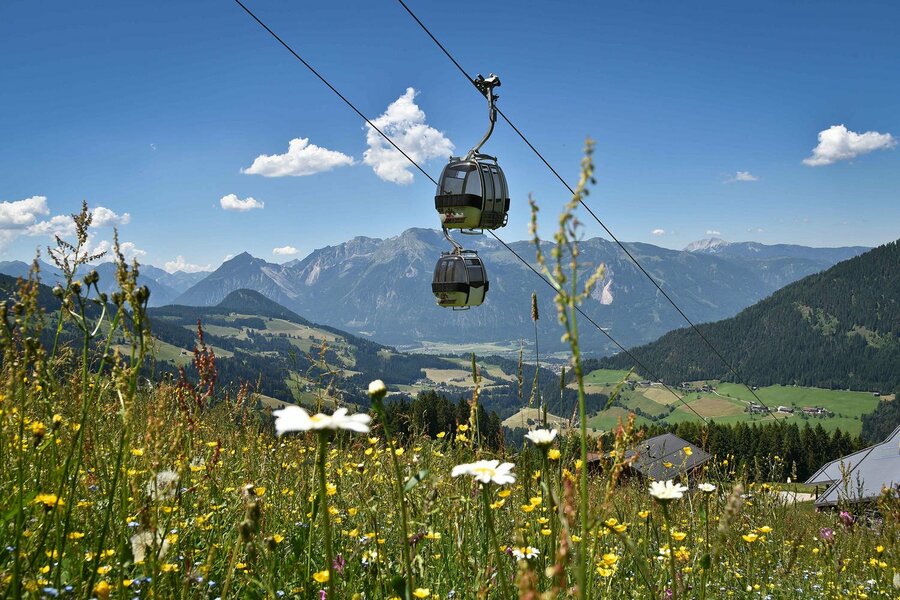
This alpine village is popular among lovers of skiing, but here they will like those who are not interested in this sport. In winter, at home, snowdrifts are covered here, and in the summer the village is replete with flowers. During the flowering period in Alpsbach , it is so bright that the lens of your camera can melt.
Cell-Am-Ze
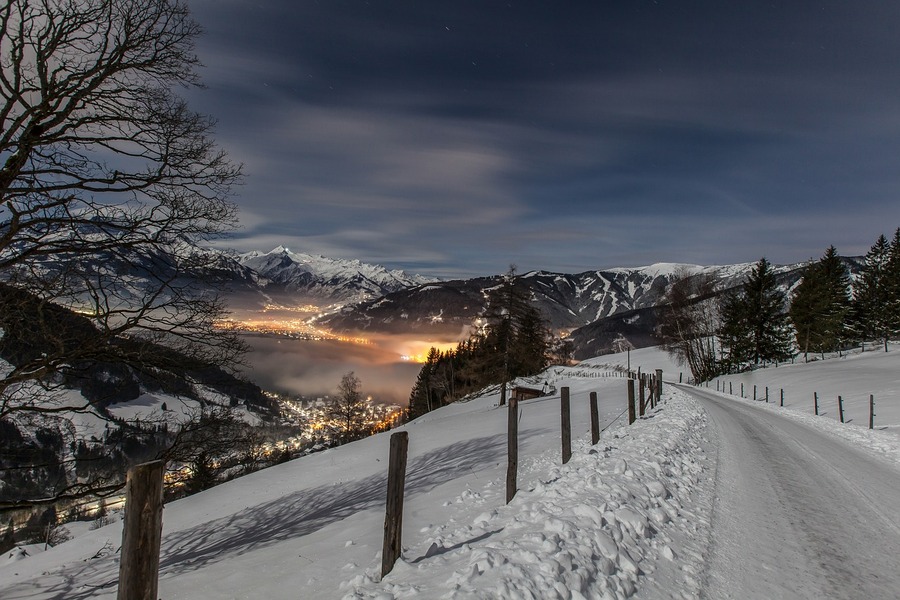
Cell-Am-Ze could be seen in the background in the episodes of the series “Brothers in Weapons” of the HBO channel. The species that opens from this city is the standard of the Austrian landscape: mountains covered with forests, mirror lakes and ice peaks of the northern alp on the horizon. The city itself seemed to appear from a fairy tale: narrow cobblestone streets, medieval facades, beer mosaic, which in Austria call Brauhausen, and beautiful embankments, over which the Cathedral of St. Hippolytus, the real treasury of the entire region rise.
Badgastain
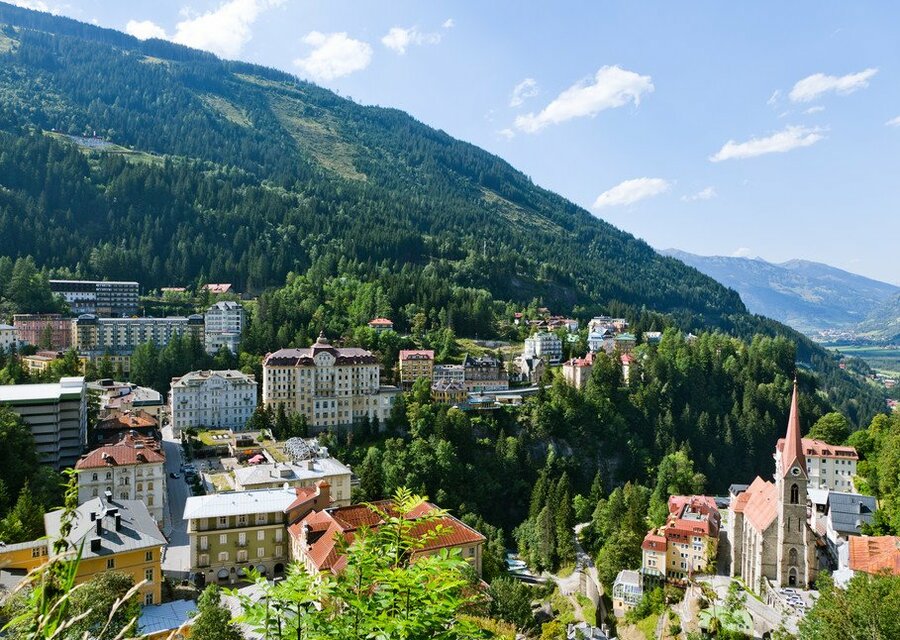
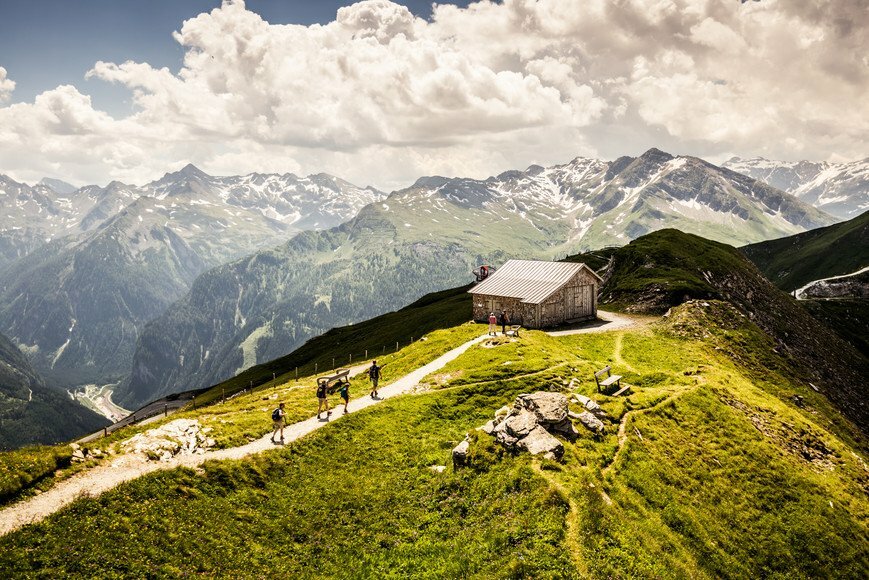
The city of Badgastine, located in the depths of the National Tauern National Park, is a living textbook on architecture from Baroque and a beautiful era. Since the 19th century, this mountain town has attracted the most influential people in the world. Otto von Bismarck visited here in the 1860s, he was followed by the Iraqi king Faisal I, and the Empress of Austria Elizabeth regularly came here to visit local thermal springs. It is not surprising that the city was so luxurious: yellow and ocher facades of houses on the slopes of the valley form a whole and unforgettable architectural ensemble.
EMIST
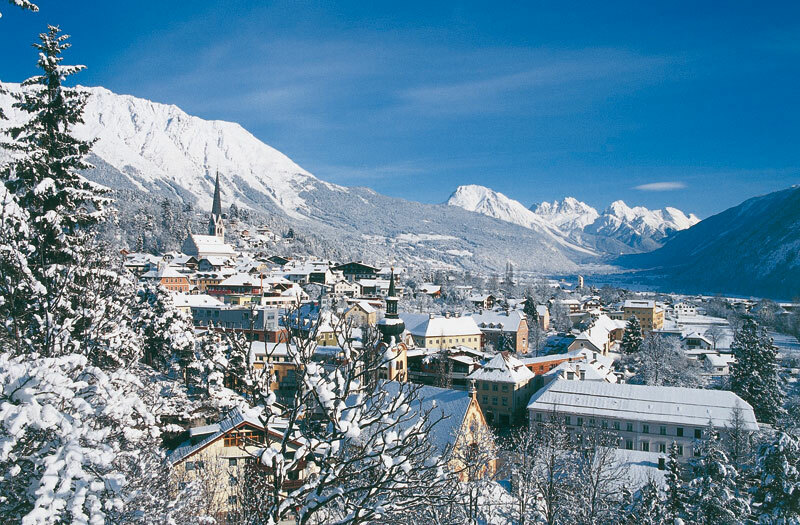
The landscapes of the town of IMST, located in the depths of the Gurgl Valley, are a tyrol in the best form: snow -capped mountain ranges that are buried in the forest, squat wooden barns with hay, the winding banks of the Tin River. In the city itself, the most attention is attracted by the Baroque Cathedral, the spire and domes of which shade the streets with numerous beer and snacks.
St. Wolfgang-mulzkammerg
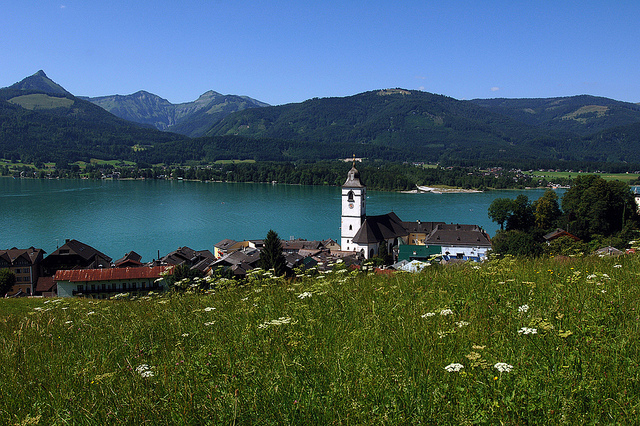
Popular simultaneously among fans of operetta and admirers of St. Wolfganus Regensburg, this small city is located in the mountains of Zalzkammerghus on the shores of Lake Wolfgangsa. For the first time, St. Volfgang-Maulskommerg became known after the canonization of its founder and patron saint in 1052; He gained popularity among a completely different audience after staging in 1897 the play “At the White Horse”, the action of which takes place in one of the local hotels. In 1930, the composer Ralph Benatski revised the play in Operetta , which was put around the world and filmed several times. Today, they go to the city for skiing in winter and walking in the summer, as well as to see the amazing altar in the Cathedral of St. Wolfgang, created in the 15th century by the painter Michael Pacher.
Pirchi-Am-Sterrze
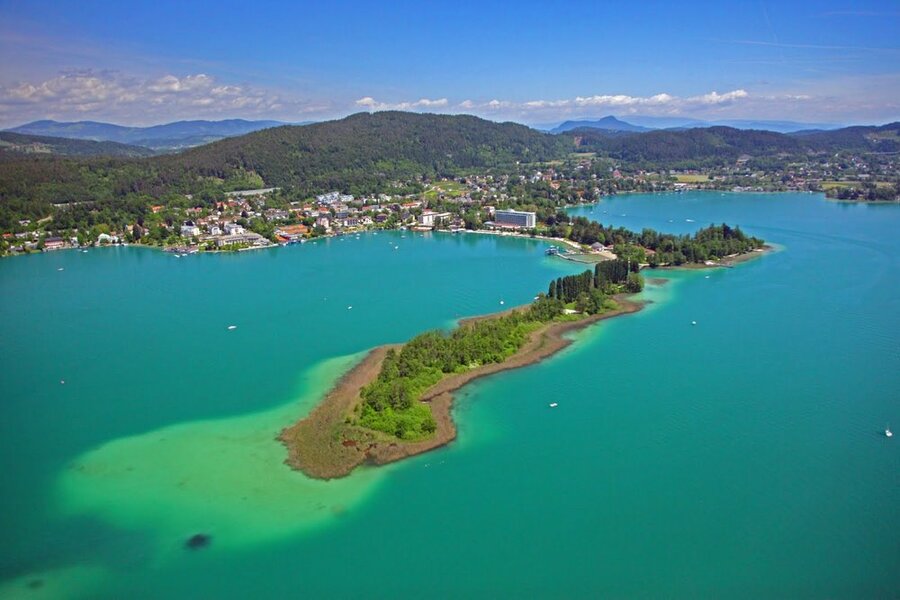
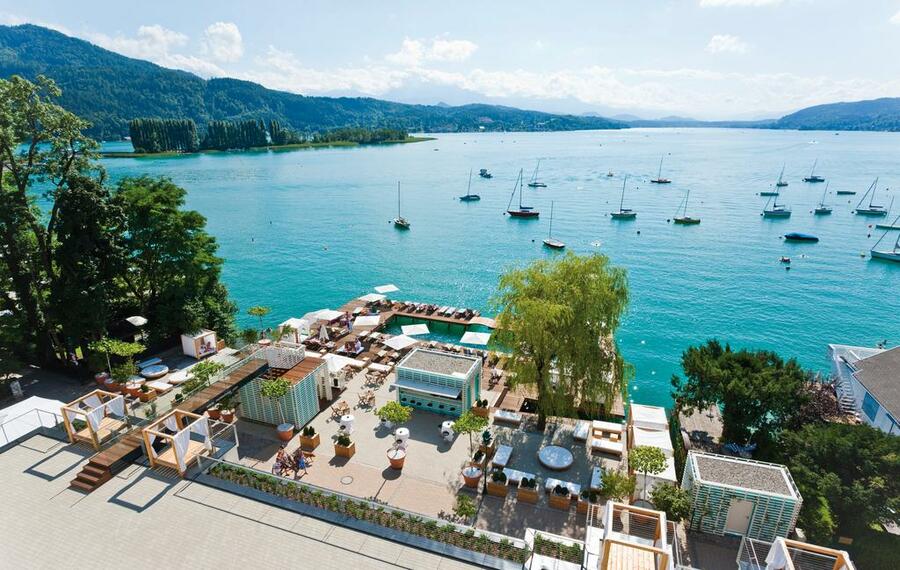
The chic Pirchi-am-Sterza is located on the shore of the lake of the same name in the south of Austria, at the foot of the Julia Alps and next to the border with Slovenia. Here the Austrian elite prefers to spend the summer months. Local embankments are especially picturesque. The city is surrounded by forests and dense fields; It offers a view of the ruins of the Leonstein castle - a little Gothic over the city of money and luxury.
St. Gilgen
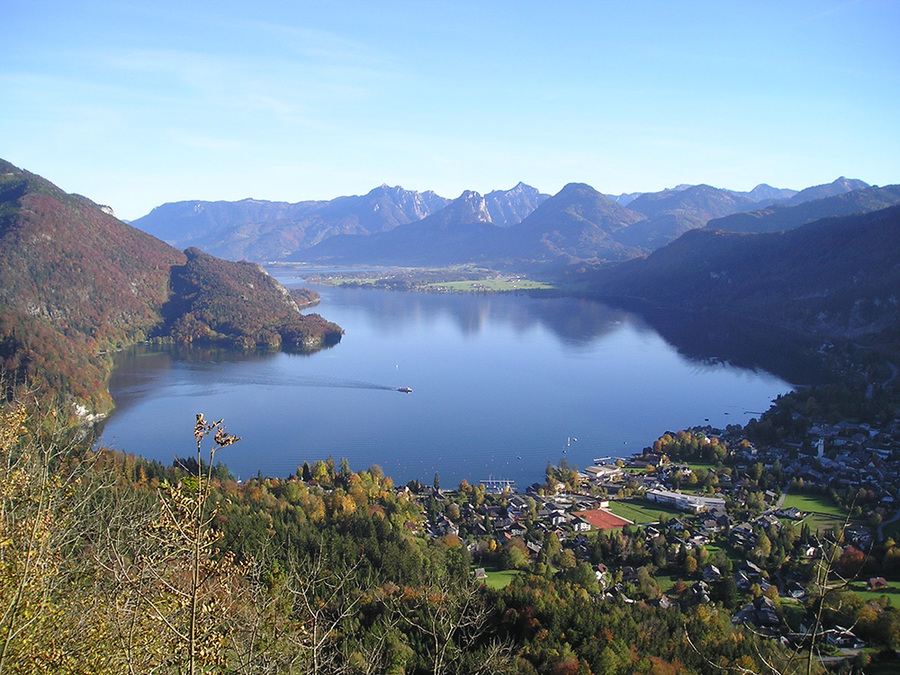
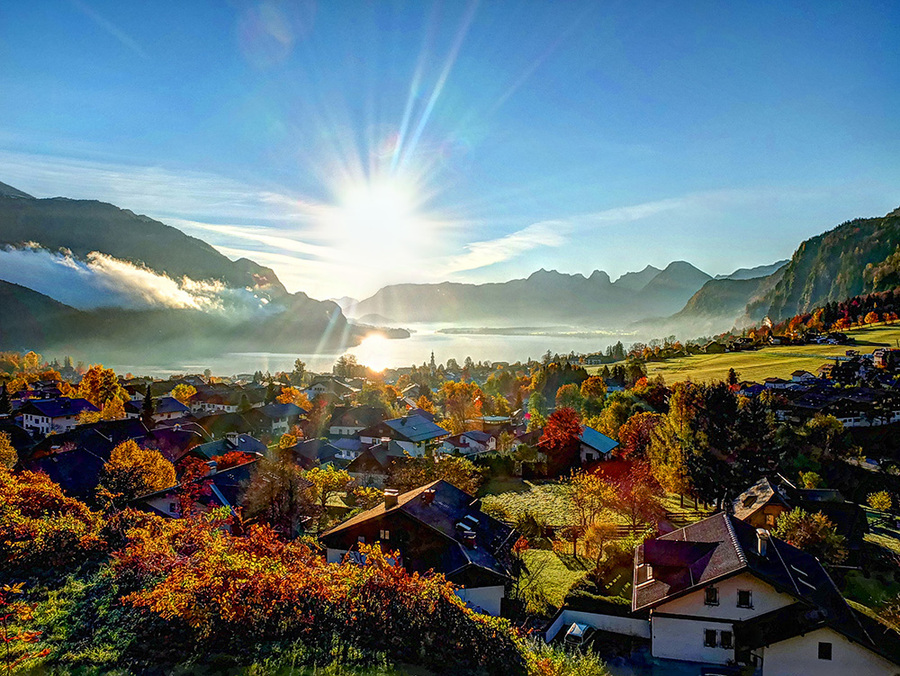
St. Gilgen is also located on the shores of Lake Wolfgangsa, very close to the already mentioned St. Wolfgang-Moltskammerg. The city is replete with traditional German facades and areas decorated with flowers with fountains; In the summer, they come here for yachting, bathing and hiking, and in winter - for the sake of bright Christmas fairs and completely different, but no less beautiful landscapes.
Felkirh
This city, located federal land for Forarlberg, at the western border of Austria, was built at the beginning of the 13th century. The spirit of antiquity has been preserved literally in every building of Felkirch, and the landscape is completed by the harsh castle of Shattenburg on the mountain above the city. It is worth walking along the local cobblestone pavements, see the whole splendor of Gothic architecture, and then go to the cathedral of St. Nicholas, whose spire is clearly visible in the city center.