
Translated material
Is it worth moving to Thailand
The Village finds out how to go to study, work and do business to Southeast Asia and what to expect from this
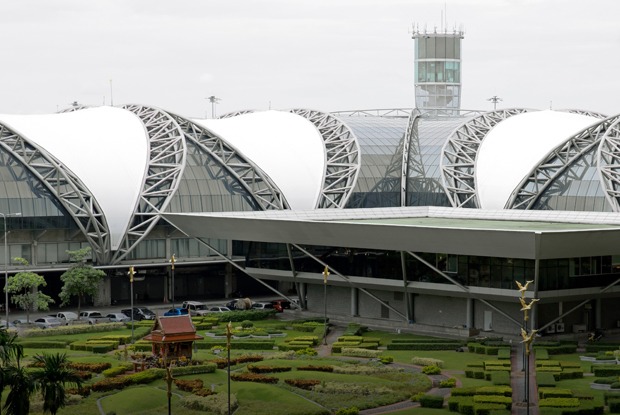
The Village continues a series of materials about where you can leave Russia to start a new life. In the new issue - Thailand. In the 2000s, he, along with India and Bali, became the center of Russian downshifting. Tired Moscow managers left here to learn diving, to open a small bar or travel agency. From here, Internet marketers, programmers, copywriters and other specialists who can afford remote work were fulfilled. With the fall of the ruble, the life of downshifters has become noticeably more difficult, and many decided to return to Russia.
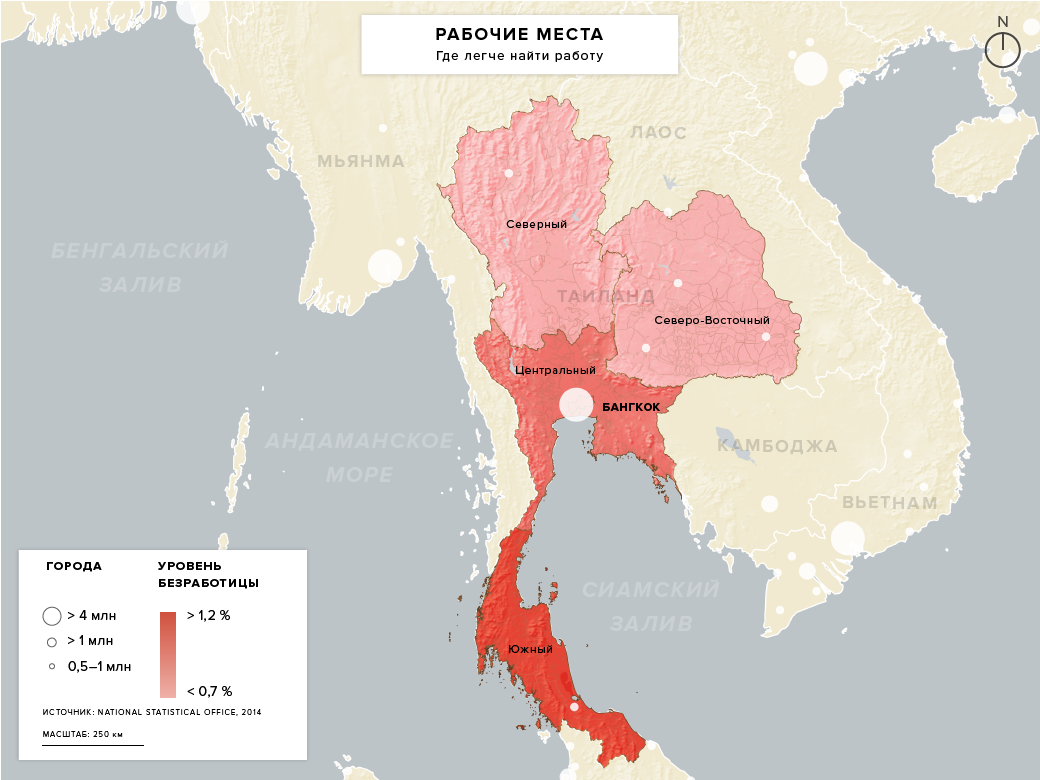
But the country remains an attractive place for those who can afford not to worry about the fluctuations in the course. This is the second economy of Southeast Asia after Indonesia. There is practically no unemployment, and tourism accounts for up to 16 % of GDP. The Village found out what to study, work and do business here.
Studies
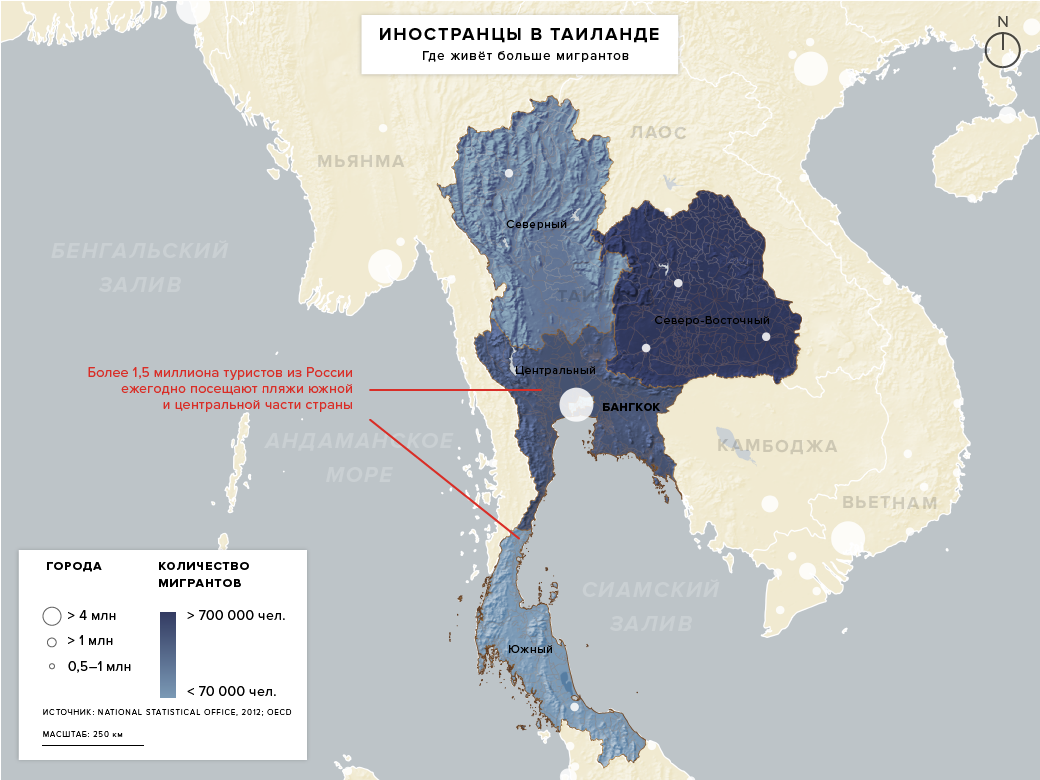
Most local Russians perceive educational institutions as a means of emigration, not an end in itself. To get a long -term visa, Russians, as a rule, go to a language school. At school, you can request a package of documents, pay for training, come to the consulate and get a student visa for 90 days with the possibility of extending during the year.
A visa with English teaching in Pattaya costs about 25 thousand bats per year ($ 750). For 15 thousand bats you can simply be at school. But the rules are changing: recently, local authorities began to check whether students visit school. They say that in order to avoid problems, you need to pay for the extension of a visa of 5 thousand bats instead of 1,900 (probably part of this money goes to bribes), and this is quite unprofitable - Russians are looking for other ways to stay here for a long time.
In addition, in Thailand you can truly learn: for example, four years of training marketing at the bachelors of Bangkok University will cost 12 thousand dollars.
Job
Before the fall of the ruble from Thailand, quite a few freelancers worked. To extend the monthly visa, they left the country to neighboring Laos or Cambodia, and then came again. But recently, local authorities stopped issuing a second visa to those who return to the country on the land border, and flying every month is too expensive anywhere.
Alexander Wresttsov, Chiangmai: After the dollar suddenly became 70, and at the peak of 80, a real panic covered many. In Russia, people still have not realized all the horror of what was happening, and we, the residents of foreign ones, literally in a week have become exactly two times poorer. No, I, of course, do not inherent, but when such a leap occurs, it is simply very unusual to pay a double price for the same things. Those who rented apartments in Moscow or downshires gathered and left. At some point, in the city group Facebook there were several sales every day: people left for Russia and sold the acquired property almost free: from pans and plates to motorcycles and cars.
I lived on a training visa, and now I have a tourist one. Recently introduced a multivisa, for its receipt it must be shown on the account of 5 thousand dollars continuously over the past six months. There is also a tai-elite-you pay a million bats and for five years you get a visa without questions. Until 2014, I had an SMM agency and I worked with clients from Russia. But it is hard to work with clients and you can’t travel. Therefore, now I work only for myself, I am engaged in the so-called arbitration of traffic-that is, I find companies selling something on the Internet, new customers for a percentage of sales. My new project is dedicated to tourism. Despite the fact that the industry is falling, tourism on the Internet is growing, and we grow even faster. I live in the north of Thailand - in the city of Chiangmai. There is no sea there, and many do not understand this. But there are mountains, a cooler climate, and this is some kind of city, and not a damn village or island.
In addition to freelancers, Russian companies also work in Thailand. The most famous example is the Aviasales ticket search service. About how the life of hundreds of company employees in Phuket works, we wrote last year.
Janis Zenis, Phuket: Thailand is quite actively attracting IT business-we have no restrictions on hiring foreigners, as well as in the size of foreign capital. Of course, the process of design is long (like everything in Thailand), but this is not impossible. Our office on Phuket is synchronized in time with Moscow and St. Petersburg, so the working day begins at 12:00. Of course, a monkey can be found in the negotiation, or a snake may fall out of the air conditioner, but there are no other differences. And no one is particularly reacting to the snakes.
Regarding the snakes, there are clear instructions - if that, call Pest Control Service, it is better not to touch them yourself, and we will photograph all the others and post on Instagram. You get used to the heat very quickly, especially since the office is so cold that, for example, I drive uggs with me, because without them I freeze in a second.
In communications with partners, the difference is more noticeable. Working with Thais, you have to devote a lot of time to personal meetings and endlessly repeat the already written and spoke. One of the most memorable episodes on the project with the local television channel was a proposal to draw up two contracts. For a long time we could not converge in a single opinion, and therefore lawyers came up with not one, but two contracts: in one - all that we need, and in the other - everything that they want. In general, the philosophy of Sabai is the basis of many local processes, therefore, for example, covers for passports and many other souvenir products we have to do in Russia and then carry to Thailand.
Business
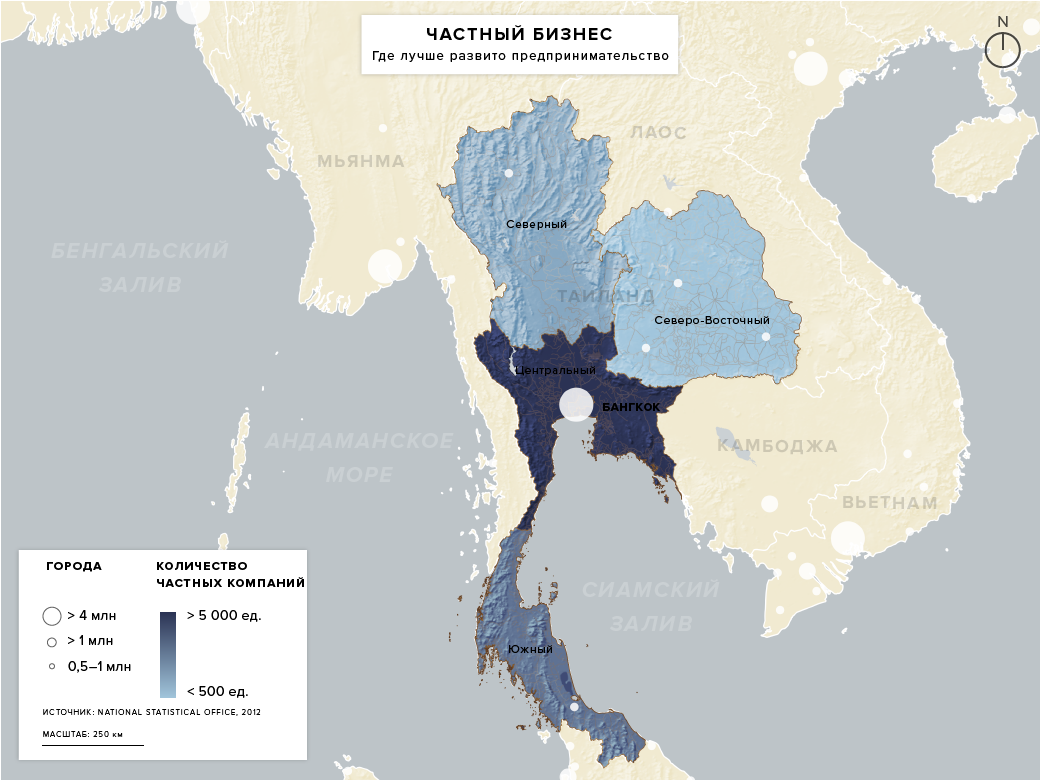
Most of the business activity of Russians was focused around tourism. Some helped with the search for housing, others arranged excursions, and others carried out photography. Now this segment has been noticeably stung: Russian businessmen are looking for alternative ways of earning.
Denis Glazyrin, Pattaya: In 2009, I came here as a tourist. I thought it would be Asia like India, without roads, with cows in yards and frantic dogs. But I saw the forest of skyscrapers in Bangkok and realized that here you can not only relax, but also live. I returned to Moscow, completed things over the summer and moved. I had small accumulations for a long vacation, but after a couple of weeks I was offered work in the German real estate agency in Pattaya - they needed a Russian -speaking employee. I worked there for a year, gained experience, clientele and realized that it was better to work for myself by opening my agency.
Opening the company is quite simple. But for this you will have to contact a company that can register a company and keep reports. According to the law, the company should have four local founders, but then they can transfer all their votes to a foreigner. In fact, I am the only manager of my company, you can not only conduct business with it, but also acquire real estate, land, at home, which foreigners cannot do in their name, only apartments. On average, the cost of opening a company in Pattaya is 25 thousand baht, or $ 700.
The presence of its company gives the right to open a business announcement without the right to work. On its basis, it will be possible to get Work Permit later. To hire a foreigner, you need to hire four Thais, but your company may be a cleaning lady, a gardener and other home staff. They need to pay - about $ 300. You can also find nominal employees through the same legal firms.
The fall of the ruble significantly affected the stream of Russians. Now few people buy real estate. Previously, we earned mainly on it - many Siberians bought cottages here. But since last year, a noticeable decline has been observed. If earlier in Pattaya it was like in Anapa - Russian signs, restaurants - then now how a cow licked. The locals were quickly oriented and made Chinese signs. We are now more engaged in rent and real estate management. This business works on its own, and I began to make backpacks of shirts under the brand What the Factory . We have a factory in Thailand and Moscow. Due to the difference in courses, the cost of production is approximately the same, but in Russia it is difficult to find people who know how to work with their hands.
Natalya Shavkunova and Kuba Stopuki took part in the preparation of the material
Cover: Shutterstock.com/ Veniamin Kraskov
To read the whole, buy a subscription. She opens three editions at once
Subscribe [you can pay for a Russian or foreign card. The subscription is extended automatically. You can unsubscribe at any time.]
Where are the money subscribers going