
Translated material
Freak Scene #4
Here is the new issue of the Freak Scene section, in which Look At Me speaks of musicians who cynically despised the traditions of pop music.
Sleigh Bells


In relation to this group, it is customary to recall the term Loudness War . Its essence is as follows: in the 90s, the musical producers believed that the louder the recording of their wards sounds louder in the music store, the sooner it would like a potential buyer. All this happened, of course, to the detriment of the music itself: imagine what is happening with the song if you deliberately raise its volume to the limit.
Sleigh Bells guys beat this very phenomenon in their own way, deliberately overtaking the sound to the limit. The recordings of their performances on YouTube are a few minutes of noise, and their hit “Crown on the Ground” looks more than entertaining in the audio editor. If you introduce these tracks without unnecessary noise, you will get ordinary cute pop men that rivet on both sides of the Atlantic for a dozen years.
Many journalists have already managed to christen Sleigh Bells with the hope of alternative pop music of the next year, evaluating such an unexpected approach to the sound. The trend is not new, the A Place to Bury Strangers group from New York, for example, became famous a few years ago as the most loud group in the world. Moreover, such groups have already begun to give way to musicians who are more loyal to the ears of their listeners.
Wooden Shjips
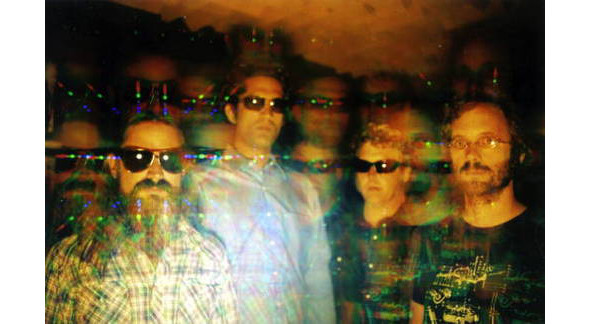

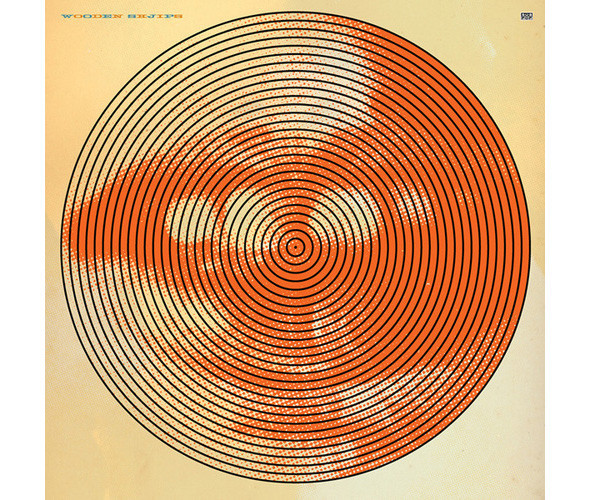
These harsh guys are engaged in the fact that they are trying to find something between the southern psychedelic rock and the German crowut of the Can and Neu!. The guys distributed their notes very simply: they left copies on benches, in libraries and second-hand. But the main thing in them is not at all: unlike half of modern psychules like MGMT or Yeasayer, their music has a decline in the late 60s, a sense of hopelessness, bitterness in the war ...
The first association that comes to mind from their music is endless dusty roads; The desert landscapes repeated outside the window spare the closed circle of a leisurely bass reef. Closure is a keyword in their music; Wooden Shjips are ritual dances on the bones of the dead of the sixties, a memorial service for ideals and dreams that cannot come true.
Gold Panda


Behind the Gold Panda mononian, a young and promising producer from London named Darwin (Darwin Panda, would have corrected us, would have corrected us by the musician). Among other things, he is seriously passionate about Japanese culture: once the musician sold his entire collection of records to get into the country of his dreams.
They started talking about the guy after he made several interesting remixes to groups like Block Party, Marina and the Diamonds and Telepathe. Nevertheless, the young man is not satisfied with his works: “I can’t stand them, with the exception of remix on Telepathe,” he says with a fraction of a joke in an interview with PitchFork.
Different names from folktronics and indicatronics can come to mind, but it is worth noting that Darwin managed to open his own, very warm and sunny sound. It is known that Gold Panda is already pouring over his debut album, and, apparently, there will be, what to profit from.