
Translated material
Tsar-apparatus
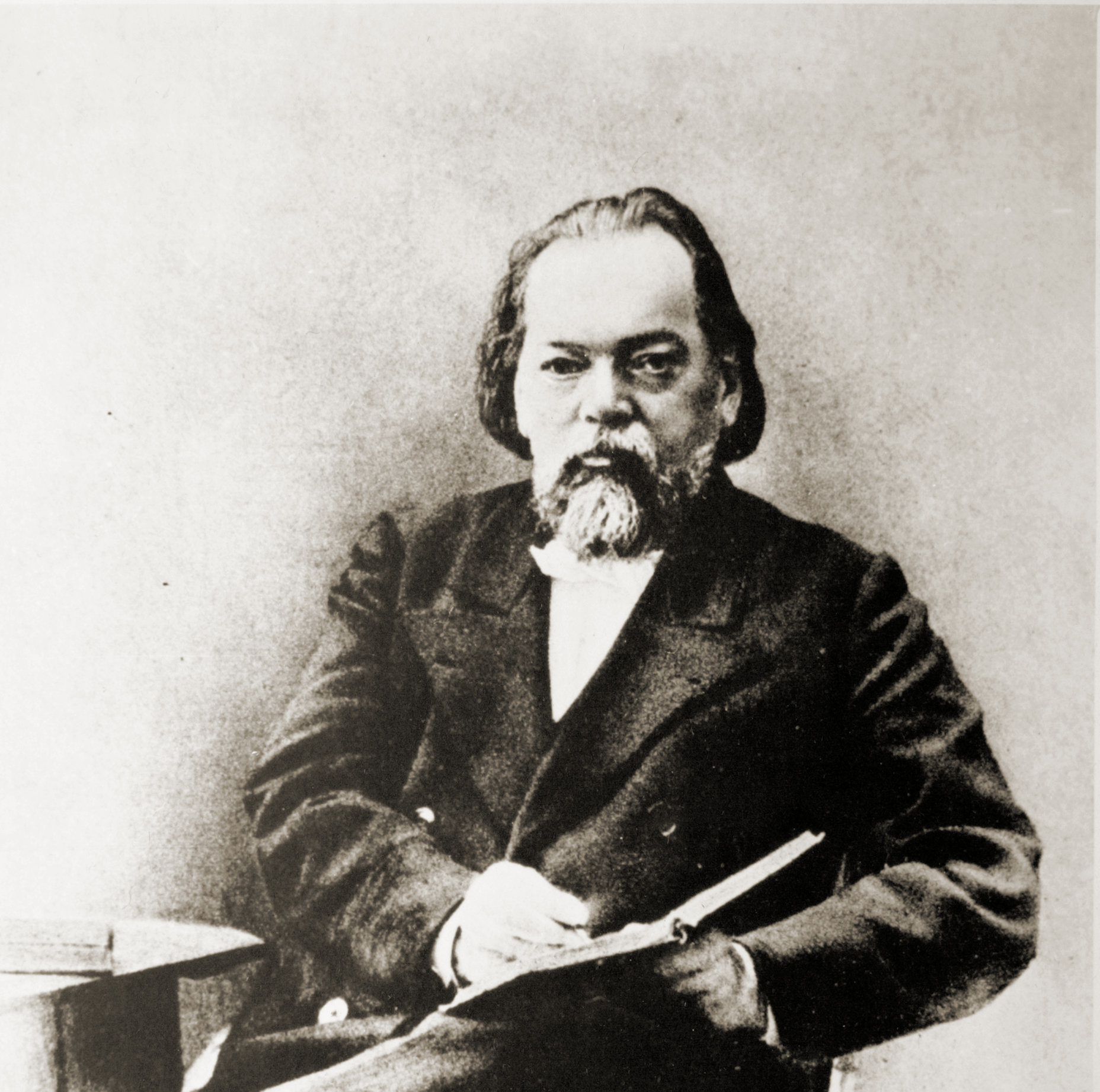
Muscovites considered Fedor Povleko a landmark of the city, as a king-gun or king-coal. And he selflessly defended them, sometimes at his loss
It was an ordinary trial, not murder from jealousy and not a political case - just an old woman stole a tin kettle. The prosecutor has already made an indictment that could well be a line of protection: they say, an old woman brought a bitter need, and what, in essence, the theft is a cheap kettle ...
But in time, remembering that he was nevertheless the prosecutor, the prosecution representative ended the speech with the words that, even taking into account the mitigating circumstances of the case, it should be remembered that the property is sacred. That the whole society is kept on the property, and if you allow you to assign someone else's property with impunity, the country will die.
The line of protection came - the attorney Fedor Nikiforovich Polevako rose from the place. He looked around the jury, sighed heavily: “A lot of troubles, a lot of trials had to endure Russia for its more than a thousand -year existence ... The Pechenegs tormented her, Polovtsy, Tatars, Poles. Twelnate languages fell upon her, took Moscow. Everything endured, Russia overcame everything, only stronger and grew from testing. But now, now ... The old woman stole an old kettle at a price of thirty kopecks. Of course, Russia will not stand this, from this it will die irrevocably. ”
Of course, the old woman was justified.
On the position of outcasts
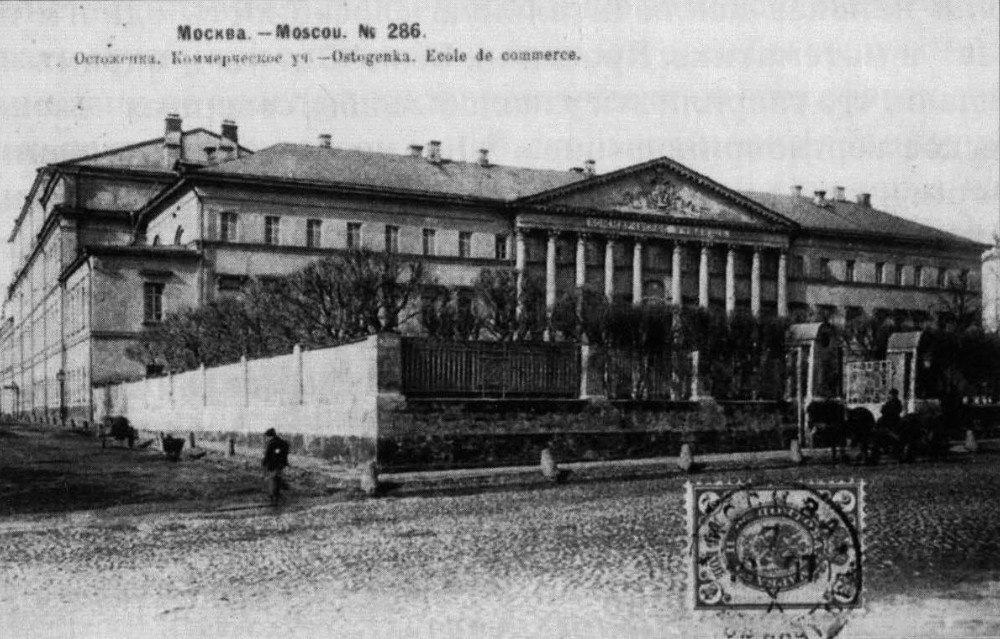 Moscow Commercial School on Ostozhenka Photo: Archive of the State Public Historical Library of Russia
In the fall of 1852, the Moscow Commercial School on Ostozhenka was visited by an honorary guest - Prince Peter Oldenburg. The teachers made sure to show the prince the school from the best side: the classes shone with cleanliness, and only the best of the best were allowed to communicate with the prince.
Among the best were the brothers Dormidont and Fedor, whose names were listed on the school’s gold board for the brilliant end of the first year. The prince wished to personally verify the ability of eight -year -old Fedor to verbally add and change three -digit and four -digit numbers. The boy made such a favorable impression that two days later in his name in the school, to the envy of the other guys, “confection” came.
And three months after the highest visit, both Fedor and Dormidont were expelled. The leadership of the school reached the information that the boys illegitimate.
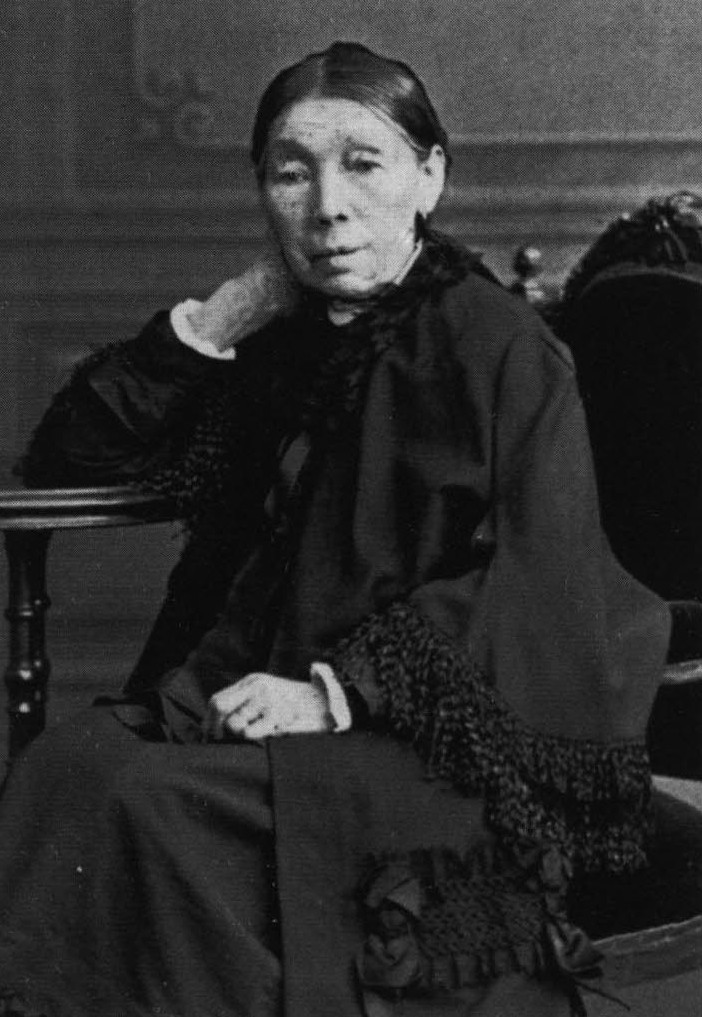 Ekaterina Stepanovna, mother of F.N. Poleko photo: Archive of the State Public Historical Library of Russia
This children's trauma remained with Fedor Povleko for life. According to Vasily Smalychuk, a lawyer’s biographer, Palevko recalled this episode: “We were declared unworthy of the very school that praised us for successes and flaunted the exceptional ability of one of us in mathematics. Forgive them to God! They really didn’t know what these narrow -minded foreheads did, making a human sacrifice. ”
The father and mother of Dormidont and Fedor were really not married. The story of their relationship is foggy, and each new biographer of a lawyer tells her in his own way. The customs officer and the court adviser Vasily Povelak and the serf Kyrgyz, baptized under the name Catherine, agreed in Troitsk by the Orenburg province. There are four children there, two of whom died in infancy. The marriage was never legalized, so the first few years of life, the brothers bore the name of the Nikiforovs - in honor of the Cross Nicephorus.
Among the many legends about the life of Palevko there is one from his early childhood. Once, even in Troitsk, the boy’s mother, exhausted by her position of an illegal wife and ridicule of the neighbors, grabbed the younger Fedor and ran to drown. But the woman stopped by the river itself - the baby suddenly screamed piercingly in her arms. This was the first speech of Palevako - speech in defense of his own life.
“It’s not for me to judge my father, who put my soul, taking care of us, but I don’t understand much,” the lawyer thought already in maturity. - He was single. There are enough affection with us. Dying, left orders in our favor, giving us the opportunity to study and get to our feet. Despite this, he did not marry my mother and left us in the position of outcasts. "
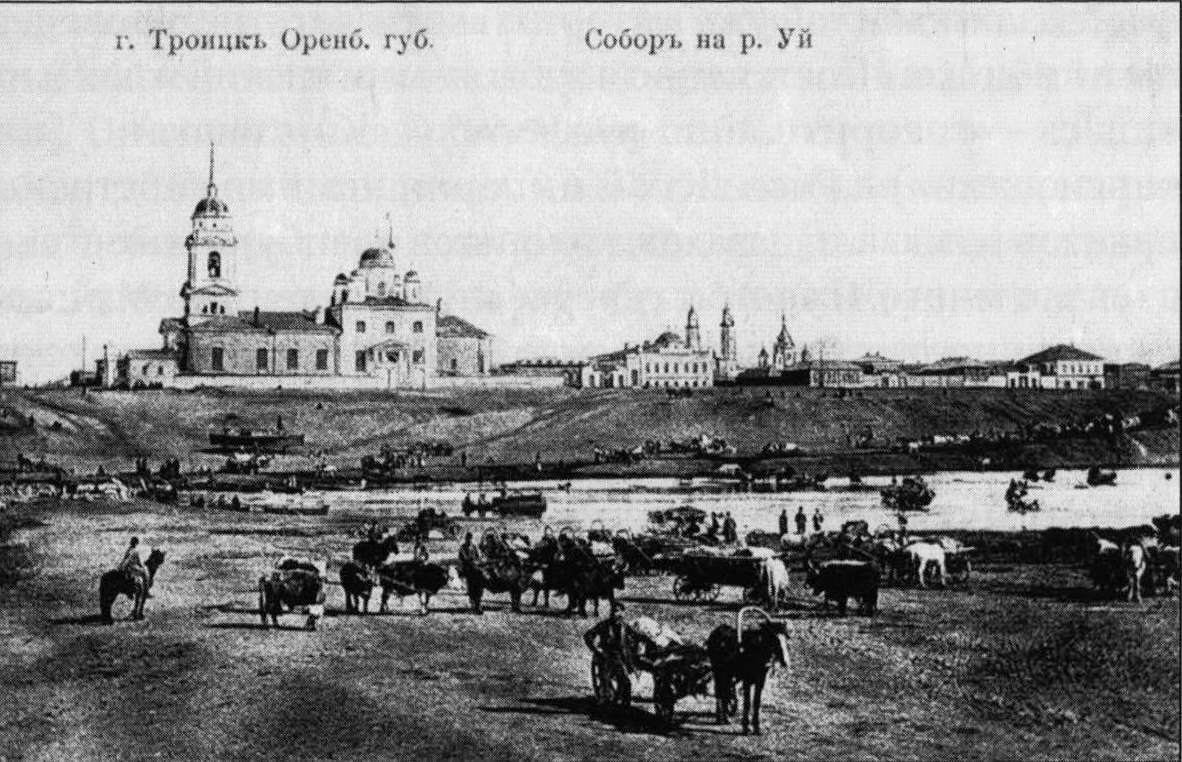 Troitsk photo: Archive of the State Public Historical Library of Russia
The scandal after the expulsion of the brothers from the commercial school was settled, Vasily Palevak arranged sons at an equally prestigious institution - the first Moscow gymnasium on the Prechistenka, and immediately to the third grade.
The father of the boys died during their training at the gymnasium. Fedor was already entering the law faculty of Moscow University with a new surname: he took his father’s, and added “o”, which he emphasized. A new life began.
Democrat-grinding
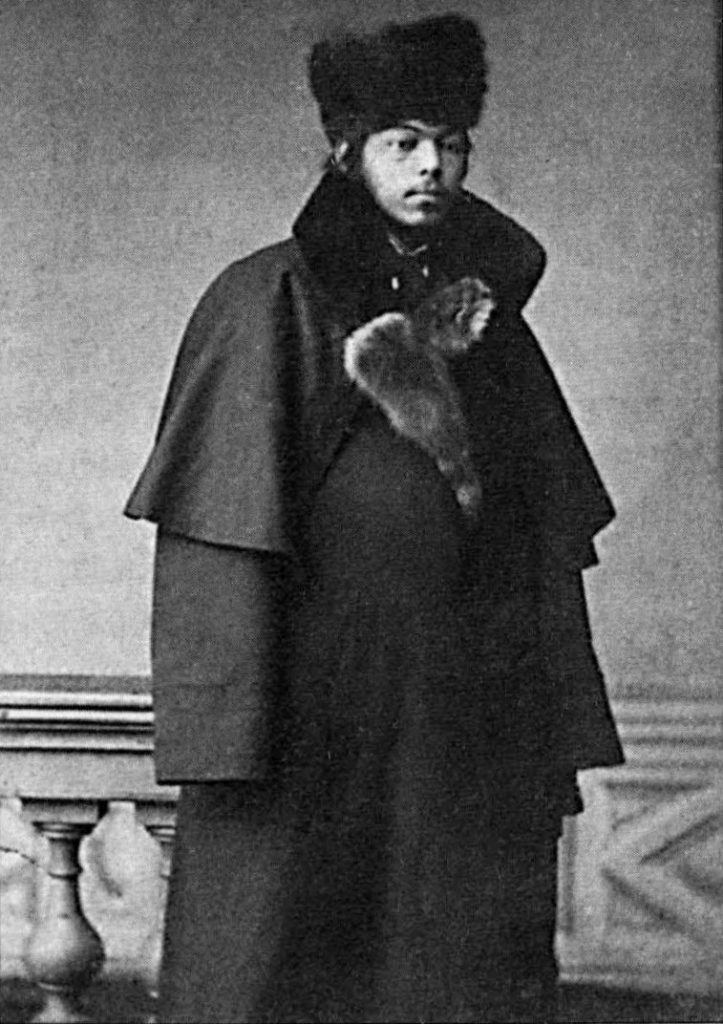 Gymnasium student Fedor in the overcoat of his father, V.I. Polevak photo: Archive of the State Public Historical Library of Russia
New court charters were adopted in 1864 - in the same year in which Palevako graduated from the University. He remembered the evening of November 20. Distinguished by religiosity is already at a young age, he stood in the festive evening service of introduction to the temple. “My friend enters the church and says:“ Rejoice, the charters of the new court, they say, have been approved! ”, The lawyer recalled.
Before the reform, the courts in Russia were arranged in such a way that, according to one secret adviser, "a person who recognized Russian justice can get sick and have been plucked, so it is disgustingly bad." Thanks to the charters adopted shortly after the abolition of serfdom, the court became vowel, open and oral, a judicial investigation was introduced into the criminal process, a jury appeared. And thanks to the new system of competition, an acute need for lawyers was formed. Educated, well -read, eloquent, charismatic. Povleako came in handy.
True, before the first processes in which Povleako attracted the public attention as a gifted speaker, there were several more years. First, Fedor worked as an interns in the Moscow District Court, then held the position of assistant to the jury attorney. Truly career Poleko began in 1870, when he was admitted to the jury of the districts of the Moscow Court of Commerce.
After the adoption of the charters in the Russian court, several bright representatives of the lawyer appeared: Anatoly Koni, Alexander Urusov, Sergey Andreevsky and other famous speakers. But it was Polevako who was to become a favorite of the public, the hero of admiring stories and semi -adequate jokes.
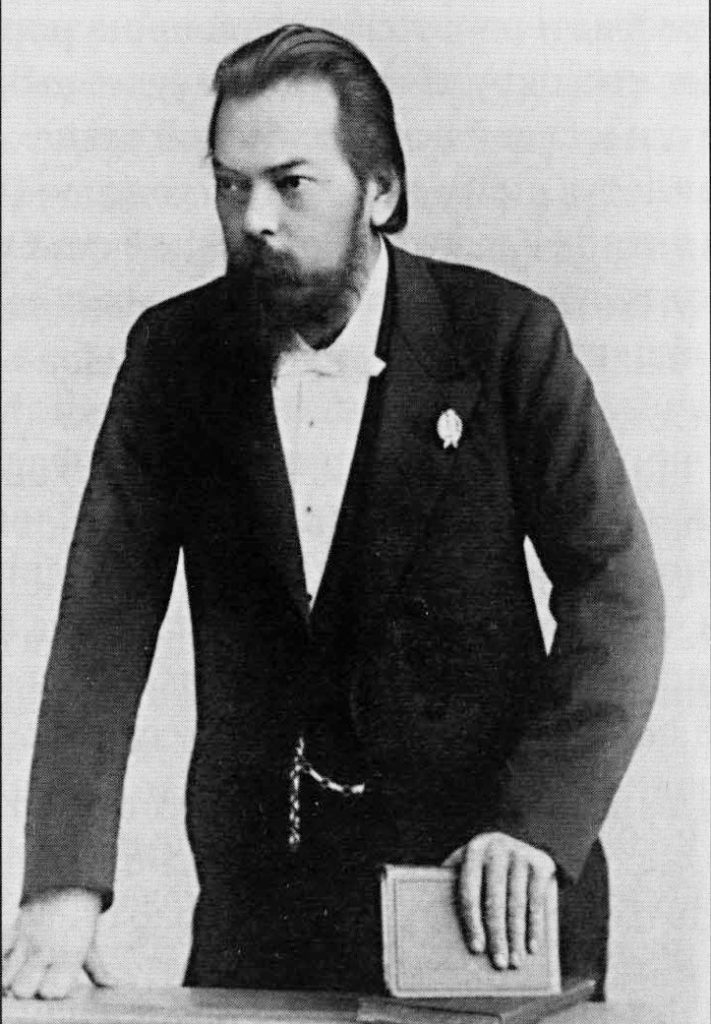 Fedor Povleko in your youth photo: Archive of the State Public Historical Library of Russia
Outwardly, Fedor Nikiforovich was little like a hero. The lawyer's tailcoat always sat on it somehow not according to the figure, the movements were cutting, and sometimes lacas. Black naughty hair always fell on the forehead, and the face was wide, her cheekbone, with far -arranged eyes. According to Anatoly Koni, the face of Povleako could even be called ugly, "if he had not been covered by internal beauty, which shone in a generally animated expression, then in a kind, lion's smile, then in the fire and splendor of the speaking eyes."
Perhaps the popular popularity of Palevako was that he, unlike his colleagues, had never “condescended” the rivals or jurors. It did not have a share of arrogance, characteristic of his colleagues, scientific husbands. If, for example, Urusov, according to Koni’s memoirs, “condescends to his enemy and unfolds with some disgust and illuminates in his own way the mournful or repulsive pages of the case”, then Povleako is “democrat-growing”, able to communicate with all sections of Russian society responsive, simply and without losing dignity.
He empathized to ordinary people and was not afraid to directly set himself next to them. During the process over the 29 peasants of the Sevsky district, who arranged a pogrom and plundered a barn with grain from hunger, Povleako, protecting the defendants, said: “And I want to ask you, the gentlemen of the judge, to allow me to transform into one of the defendants, to stand between them and speak not for them, but from their face, their words and feelings.” And he got up and said. It was impossible to imagine another eminent lawyer uttering such a speech.
Protection
Usually Fedor Nikiforovich did not write speech in advance. The listeners created the feeling that he was invented by the line of protection right in the courtroom, succumbing to inspiration. If Povleako decided to prepare, he was limited to the sketch of basic thoughts. Critics of a lawyer accused him of a frivolous approach to work. It was argued that Povleako reads the case materials diagonally, without bothering himself important details for the investigation. But even if this was true - who was worried, because the lawyer almost never lost and tickets for open court hearings with his participation were sold out per minute.
Those who in December 1880 attended Polevako’s speech in defense of 34 peasants of the village of Lutorichi of the Tula province who rebelled against the arbitrariness of the landowner, assured that it was a spectacle worse than another theatrical performance. Fedor Nikiforovich directly called the position of the peasants after the abolition of serfdom “half -starved freedom”: “But the man has a rare ruble and he gets expensive. With the bloody ruble taken, he often goes the happiness and future of the family, eternal slavery begins, eternal dependence in front of world -eaters and rich people. ”
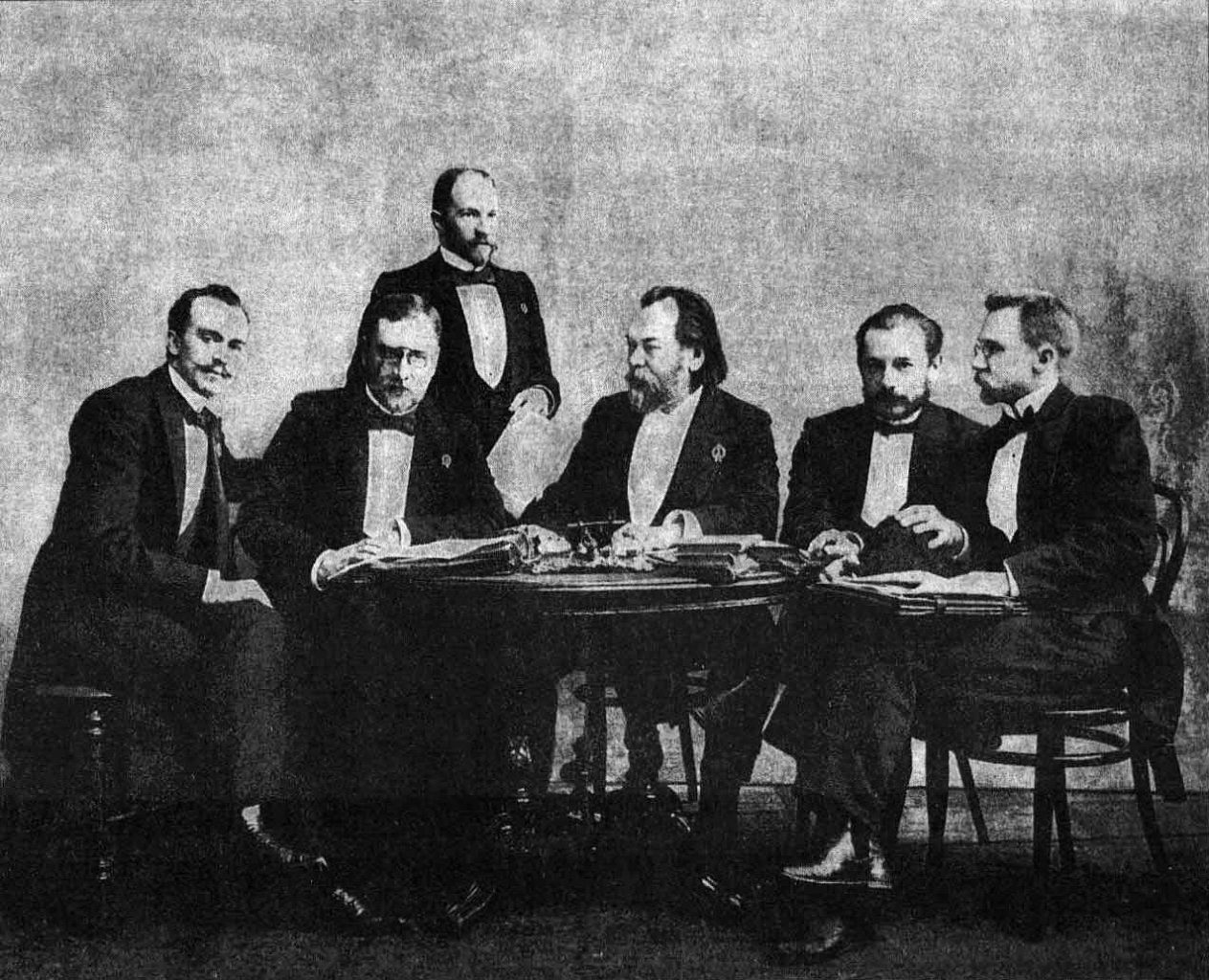 Representatives of the Moscow “Young Bar”, gathered around F.N. Pleevo (in the center) photo: Archive of the State Public Historical Library of Russia
Those who reproached the lawyer in an insufficiently careful approach to the study of cases: in this process, Povleako raised the numbers and facts that the current position of the peasants “a hundred times heavier than the reformation” in this process. In the course of the speech, the lawyer seemed to be ecstasy, his usually quiet voice sounded like thunder and spread into the farthest corners of the hall. In the end, many present ladies took the handkerchiefs. The lawyer finished the speech with a fiery appeal to the judges: “They are people, people! .. Judge humanly! ..” The hall exploded by appliances. The court acquitted 30 out of 34 peasants.
He defended Fedor Nikiforovich and workers who arranged strikes. Pointed to difficult working conditions, to unheated premises of factories, he asked: “They have the right to leave, refuse to work with the cash of the lawless actions of the host or should a heroic death?” It is not surprising that Leo Tolstoy peasants, in need of judicial defense, always sent to Povleako with a note: "Fedor Nikiforovich, impose the unfortunate."
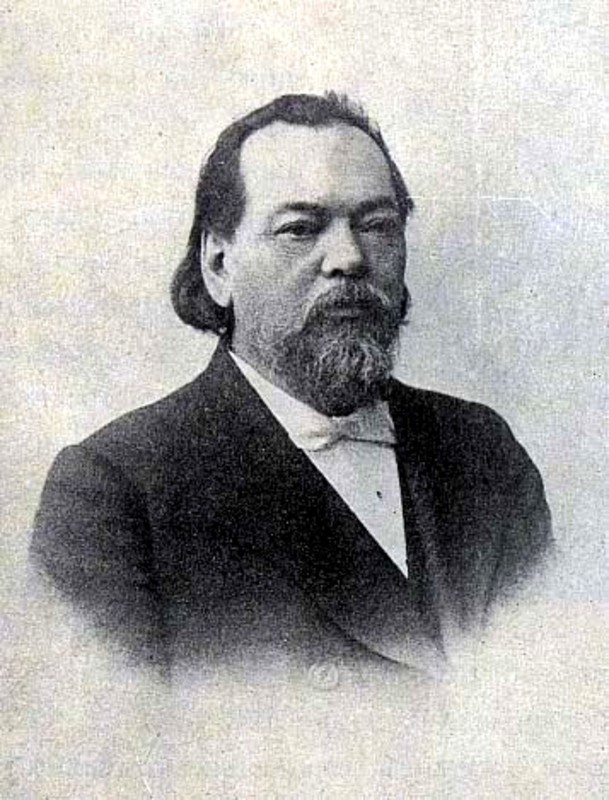 F. N. Plevako Photo: Wikimedia Commons
Polands happened and, if this can be expressed in the judicial context, humorous processes. Somehow the lawyer argued with the philanthropist Savva Morozov-the witness of the dispute became Nemirovich-Danchenko-that the hopeless process would win. The process really seemed like that: the priest was not just accused of many years of embezzlement of church money, he also pleaded guilty.
Fedor Nikiforovich was silent for the whole meeting, did not interrogate the witnesses, did not interrupt the prosecutor. And when the line of defense finally came up, he got up and turned to the jury: “Before you sits a man who let your sins in confession for thirty years. Now he expects you: will you let him go his sin? " And the jury released his sin to the priest - justified.
In general, in the stories about Palevko, it is difficult to understand where the truth ends and the joke begins. Muscovites loved and respected their most famous lawyer. And someone considered him almost a city attraction, assuring that there are five miracles in Moscow: the King Cell, the King of the Pushka, the Cathedral of Vasily Blessed, the Tretyakov Gallery and-Fedor Povleko. But they were not averse to laughing at him. Here, for example, is the epigram popular in the 1880s:
Will be a scribble somewhere,
It will happen where the fight is in the tavern,
Lee will come from the darkness
Thieves of public cloac
Whether the lady of Zabiyak will push
Whether the dog will bite anyone
Whether Zoil-playing is on,
Who saves them all? - Poland.
Attack
Once, when a potential customer-wiper indignantly asked what an advance is, Povleako replied: “Do you know a deposit? An advance is the same deposit, but three times more. ”
Poleako took huge fees with the rich and at the same time himself entered the expenses and was called to protect for free those who needed: during a three -week trial, Povleko took all the costs of their maintenance over Lutorich peasants. Among the clients of Povleko were the richest people of the era, someone, despite the high fees, turned to him more than once-for example, Povleako twice bred the Moscow merchant Vera Firsanova with unsuccessful husbands.
Some cases did not bring the lawyer of income, but strengthened his reputation as the defender of the oppressed. In this case, the trial of the 18-year-old Praskovia pitch became. The girl was in a relationship with a student who, falling in love with her friend, did not bother to explain with Praskovia, began to plan a wedding with a new passion. At the same time, he continued to hold Praskovya nearby, invited her to student feasts. At one of these meetings, the girl took out a revolver and shot the former lover in the head.
She wanted to commit suicide right away, but did not have time: they took her revolver. “Murder out of jealousy,” take another lawyer for him, would bring the girl to hard labor. But Povleako, having studied the biography of the client, in court described in detail the sad circumstances of her life: orphanage, cruel treatment of men, the betrayal of a loved one. He asked the jury: “Take a look at this 18-year-old woman and tell me that she is an infection that needs to be destroyed, or infected, which must be spared?” And finally, he called: "Not with hatred, but with love, judge if you want the truth." The girl escaped hard labor - she was sent for treatment, having passed which she was released.
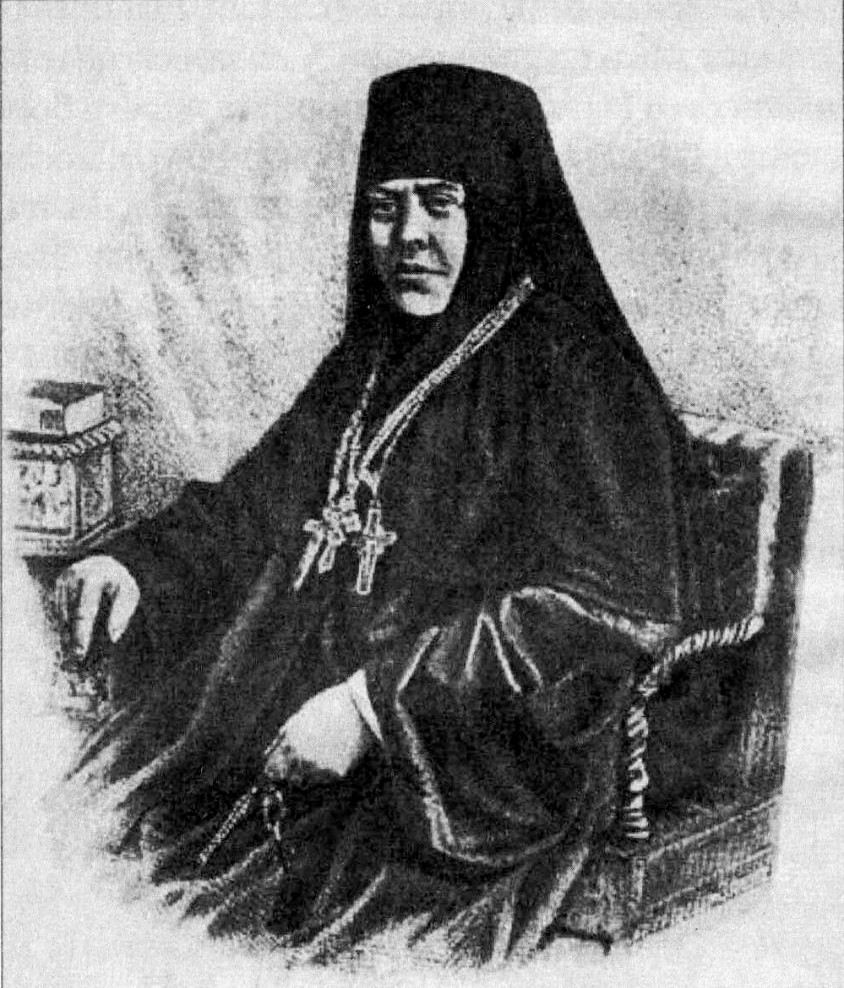 Igumen Mitrofania Photo: Archive of the State Public Historical Library of Russia
But not always Palevako acted as a defender, sometimes he got the prosecution. The most famous such process was the trial of the abbess of the Serpukhov rustic monastery Mitrofania, in the world Baroness Praskovia Grigoryevna Rosen. The process caused a great stir not only in Russia, but also in Europe - not often on a bench of the defendants on charges of forgery, fraud and embezzlement of other people's property were such high -ranking churchmen.
In addition, Igumeni had many influential noble friends-after all, she herself was once maid of honor. Yes, and the church did not intend to surrender to the mercy of secular proceedings: all two weeks that the process lasted, by decree of the Holy Synod in the Moscow churches, prayers were served daily "On the granting of the Igumeny of the Force to transfer the tested test to it."
The process was a test for the prosecutor Povleako. The fact is that Fedor Nikiforovich was a deeply religious person. In everything, even in his work, he saw the manifestation of the Divine, observed all the posts, had in his vast library the richest collection of theological books.
But in the end, this did not stop him - or maybe it helped - to make a convincing line of the prosecution against the abbess. And of course, to present it in a framing of fiery speech: “A traveler coming past the tall walls of the lines of the lines of the lines of the rod is pious to be baptized on the golden crosses of the temples and thinks that he was coming past the house of God, and in this house the rector and her servants did not rise to prayer, but for dark things! Instead of the temple - the exchange, instead of the praying people - scammers, instead of prayer - exercises in the compilation of bills, instead of the exploits of good - preparation for false indications; Here's what was hiding behind the walls ... ”Mitrofania was sentenced to exile in Siberia.
Personal business
Muscovites chuckled, who kindly, and who was not very good: finally Povleako lost. And lost his own business!
Maria Andreevna, the wife of the manufacturer Demidova and the mother of his five children, turned to the famous Moscow lawyer, as she was assured that he would definitely save her from an unloved husband. She had no idea what this business meeting would turn into.
At the time of acquaintance with Demidova, Povyako was married and had two children. What were his relations with his first wife, the lawyer’s biographers are completely unclear. According to one report, the first wife of Povleko was a teacher from the Tver province. According to others, more romantic - he stole her from the monastery. But no matter how the relationship begins, it is obvious that by 1879, the moment of the meeting of a lawyer and Demidova, they have already outlived themselves.
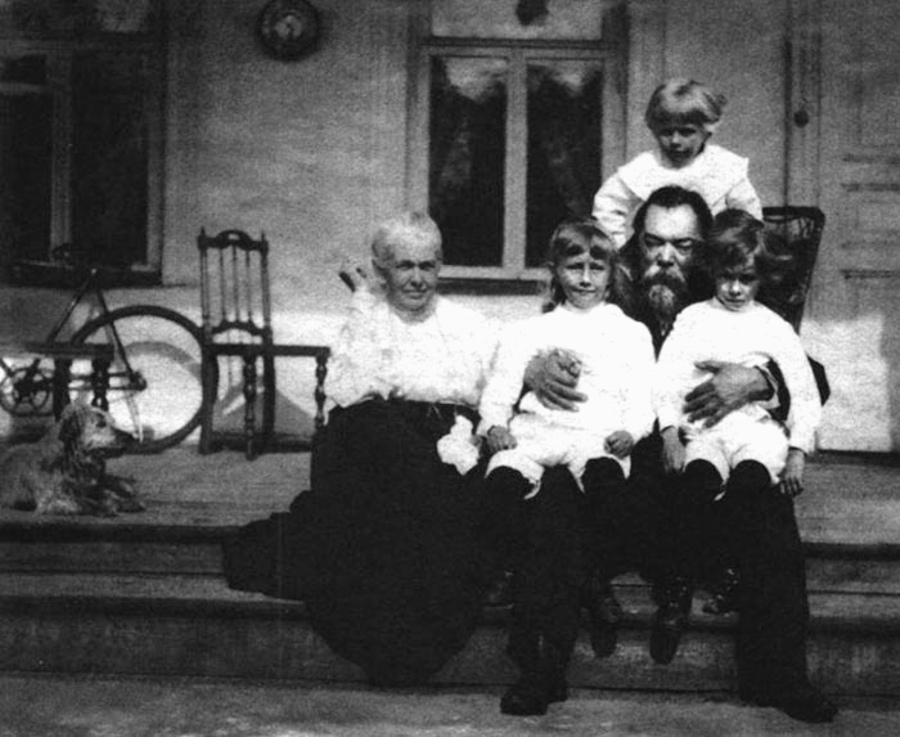 F. N. Palevko with his wife and children photo: Archive of the State Public Historical Library of Russia
It was even rumored that Fedor Nikiforovich had a love relationship with a young girl. But the meeting with Maria Andreevna changed everything. Poleako divorced his wife. But Demidov was in no hurry to give his wife a divorce. He was stubborn and did not want to stain his name, even if his wife openly lived with another man. Povleako used all the connections, his whole gift of eloquence and beliefs, but Demidov did not go to court. Fedor Nikiforovich and Maria Andreevna had to wait for the next century to get married, - Demidov died in 1904. And the four children born were decorated as “founding”. Later, the lawyer made a petition to the Senate so that the "found" was assigned to Fedorovichi’s middle name and the surname Povleko, as well as that his honorary citizenship was transferred to them.
Years later in Moscow, two lawyers named Sergey Fedorovich Polevako will work at once. One-advocate son from the first wife, the second son-appropriate from the second. The confusion is amazing.
"Judge with love"
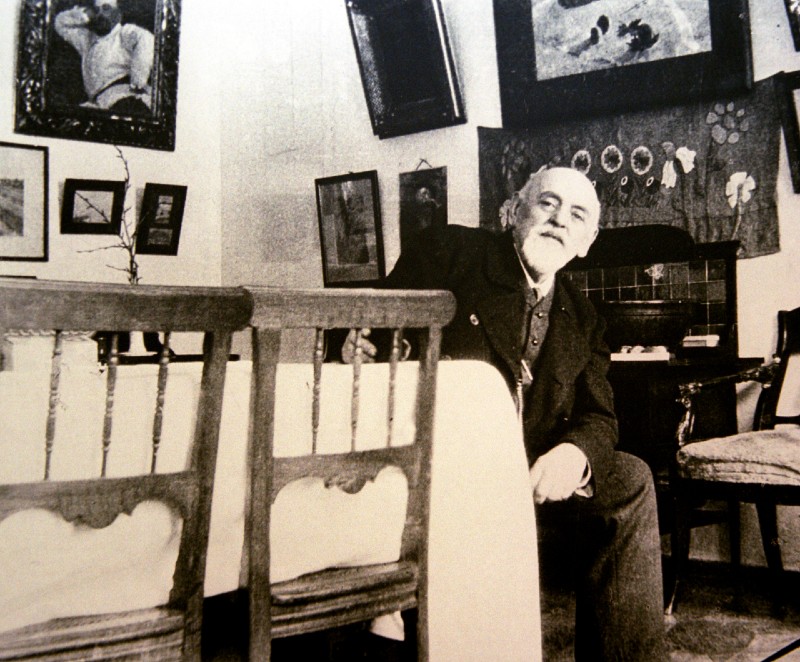 Industrialist and philanthropist Savva Ivanovich Mamontov Photo: RIA Novosti
One of the last loud affairs of Povleko was the defense of Savva Mamontov in the “embezzlement and assignment” of 6 million rubles from the funds of the Moscow-Yaroslavl-Arkhangelsk Railway. Знаменитый меценат оказался на скамье подсудимых по уголовному делу, но Плевако удалось доказать отсутствие корысти в действиях Мамонтова и даже обвинить в случившемся «нездоровую обстановку в русской промышленности». В итоге несмотря на то что факт растраты средств был установлен, суд присяжных признал Мамонтова невиновным.
На этом же процессе, во время возражения обвинителям, Плевако попутно озвучил причину, по которой он выигрывал большинство процессов: «За прокурором стоит молчаливый, холодный, незыблемый закон, а за спинами защитника — живые люди. Они полагаются на своих защитников, взбираются к ним на плечи, и… страшно поскользнуться с такой ношей!»
Царский манифест 17 октября 1905 года обнадежил Федора Никифоровича. Адвокат решил, что гражданские свободы уже близко, и даже вступил в III Государственную думу, где в 1907 году произнес единственную речь, призвав депутатов заменить «песни о свободе песнями свободных рабочих, воздвигающих здание права и свободы». Но политической карьере Плевако не суждено было осуществиться.
Федор Никифорович скончался в канун Рождества 1908 года. He was 66 years old. Попрощаться с любимым адвокатом на кладбище Скорбященского монастыря пришли сотни москвичей. На могильном камне Плевако была высечены сказанные им на процессе по делу 18-летней Прасковьи Качки слова: «Не с ненавистью судите, а с любовью…»
При подготовке статьи использована литература:
Ф. Н. Плевако «Избранные речи», Москва, 1993 год
А. Ф. Кони «Избранное», Москва, 1989 год
Н. А. Троицкий «Корифеи российской адвокатуры», Москва, 2006 год