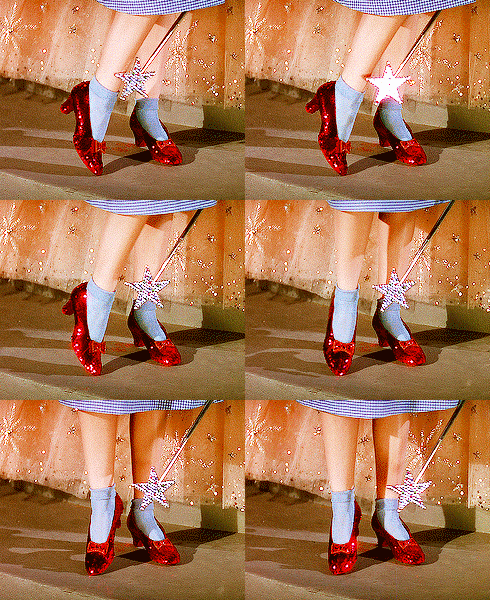
Translated material
Ellie against Dorothy
Gorky compares the main characters of the tales of Alexander Volkov and Laimen Frank Baum
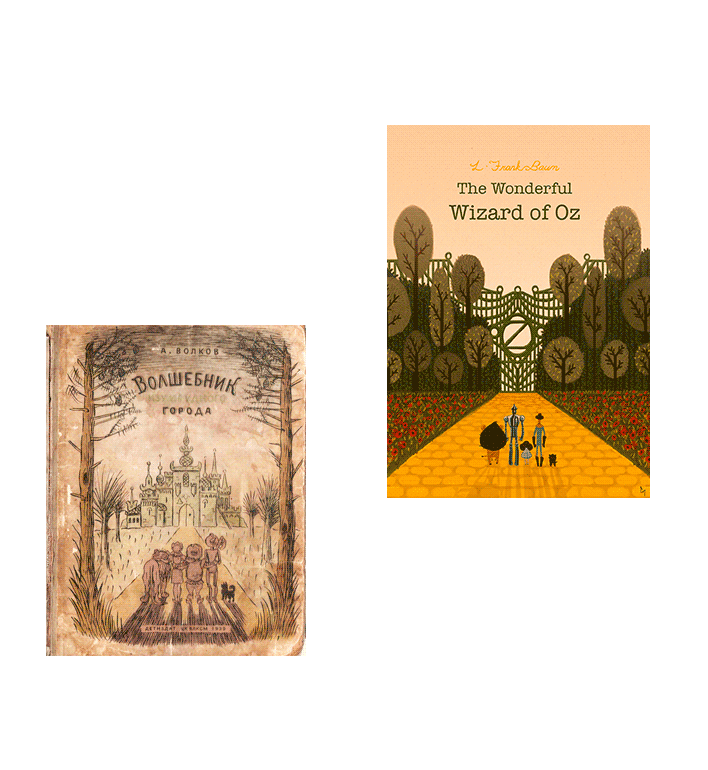
In the books of Alexander Volkov, more than one generation of readers grew, and many of them know that the “wizard of the Emerald City” is the processing of the fairy tale of Laimen Frank Baaum “The Great Wizard of the Lake Country”. These works at first glance are so similar that it is difficult to give preference to one of them. Gorky decided to dot the I and asked Yevgeny Gubskoy to compare the main characters of fairy tales so that the reader could finally decide which of them more to his liking.Dorothy Gail and Elya Kuznetsova (jokes to the side, Ellie Smith) - girls with different names, but like fabulous fates: they fall into a magical country from their native Kansas, meet scarecrow, lumberjack and lion there and go to the emerald city to the wizard. Let's take a walk with them and figure out how they differ from each other. I compared the “Wizard of the Emerald City” in the 1959 editorial office with the translation of The Wonderful Wizard of Oz (1900), made by Olga Warsaver, Dmitry Psurtsev and Tatyana Tulchinskaya.
Baum, a woeful businessman, a failed actor, an unsuccessful breeder of decorative chickens and a little-known journalist, published his famous fairy tale at the turn of the century, between the civil war and the great depression. Before the “great sorcerer of the Lake Country”, American children read the full violence of the fairy tale “Red Red Riding Hood”, “Genzel and Gretel” and the sad “Mermaid”. As Baum himself put it in the preface, these were "chilling plots, through which the authors brought the intelligent little reader to the inevitable morality." Baum, however, wanted to please and entertain children, and not scare and pacify them.
Alexander Volkov, teacher of mathematics, connoisseur of foreign languages and literature, published the first edition of the “Wizard of the Emerald City” in 1939, between Stalinist repression and the Great Patriotic War. Children's literature in the USSR was supposed to educate future communists, non -circulation and entertainment were not welcomed. The decision of the Central Committee of the CPSU (b) on the fight against cosmopolitanism, correspondence with editors of publishers and directors and the general atmosphere did their job: Volkov rewrote the “wizard” (and more than once). Things went noticeably better in Kansas, Ellie had parents, the magical country became less affordable, and the hurricane from chance turned into the machinations of an evil witch.
And now, finally, on the road! We Off to See a Wizard, A Wonderful Wizard of Oz!
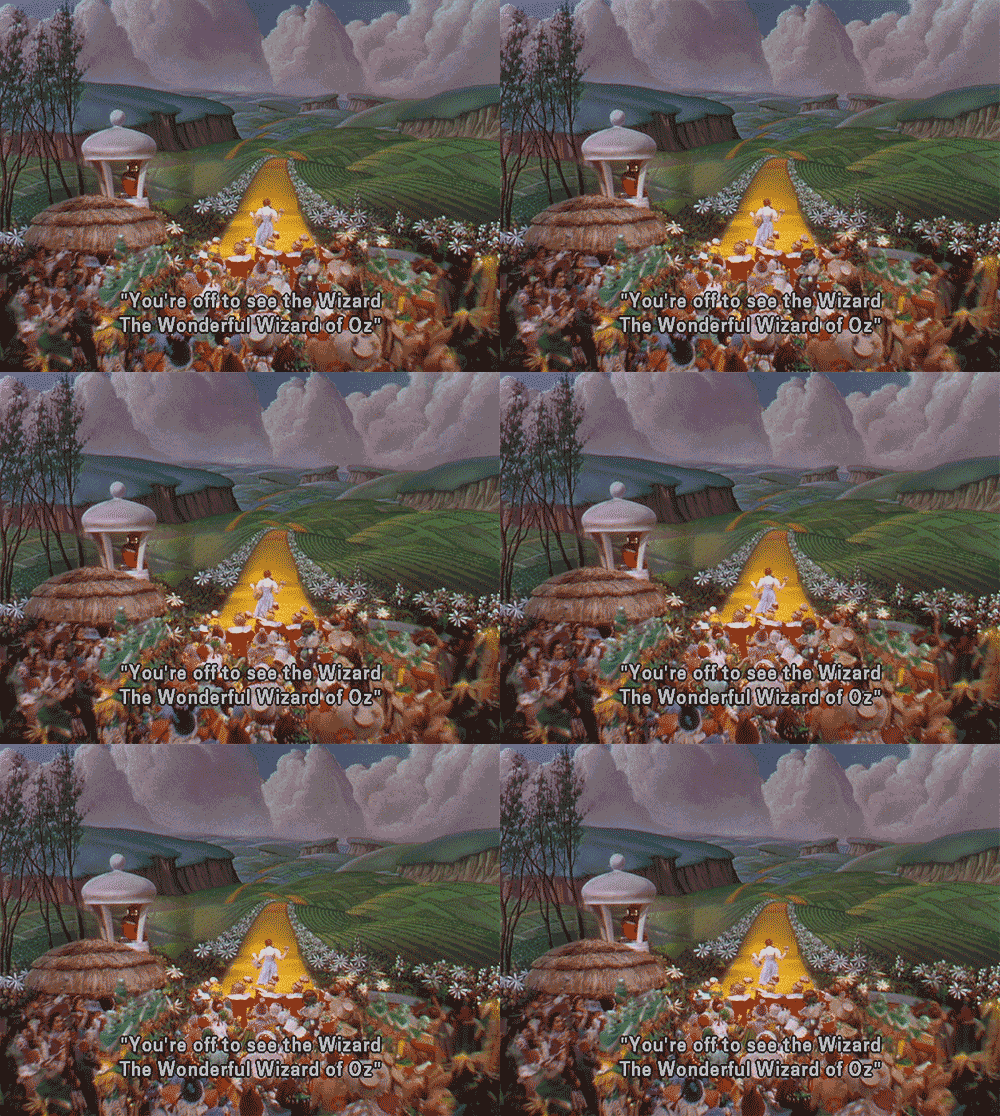 Native Kansas
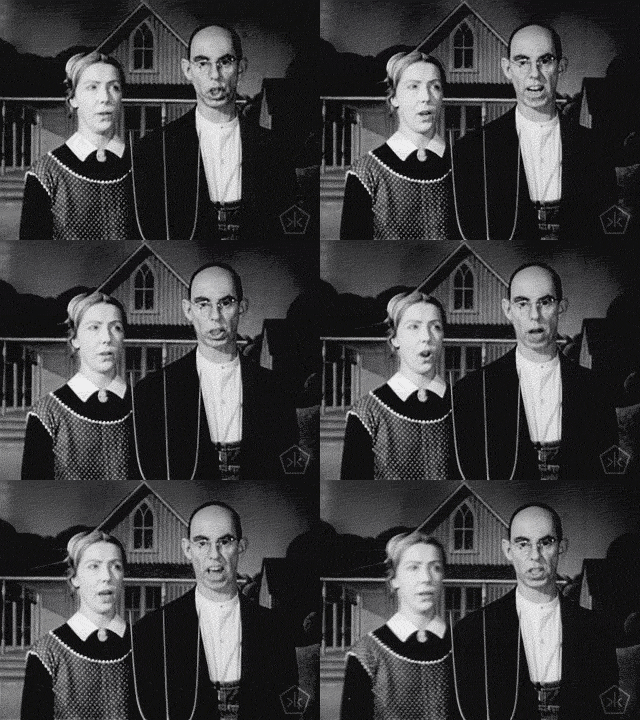
Kansas Dorothy Gale is a lifeless steppe and a lonely peeling house. Nature reigns over this area: the steppe vortex is not uncommon, the sun is mercilessly firing, burning life from everything around: from grass, pashen, even from aunt Emilia, who came here a young, blooming young lady. Now she and Uncle Henry have become as gray as the steppe herself.
Kansas Ellie Smith is an extensive steppe with arable land, sown with corn and wheat, and poorly furnished Furgon house. They have neighbors: children Bob and Dick, the old Rolf, who makes children toys. The dog Totoshka was not Ellie's only joy, but “the wide steppe did not seem dull to her,” because she did not know other places.
As you can see, Ellie lived much more fun than Dorothy. And the more amazing the conversation of Dorothy and Bolvash sounds:
- Why return to this boring kansas, because we have so good ...
- Oh, you, a straw head! .. The homeland, even gray and boring, is better than any, the most beautiful country. All people understand this.
Dorothy, like Ellie, breaks home - not only to Aunt and Uncle (Dorothy an orphan), but also to his homeland.
Parents
Dorothy has only Uncle Henry and Aunt Emilia. This is not to say that they are worried about the formation of Dorothy, and only one phrase makes it clear that they generally talk to each other: "Aunt Emilia says that all the sorceresses and sorceresses have long died." When the storm begins, Aunt tells Dorothy to climb into the cellar and, frightened, descends there first. The storm takes away the house with Dorothy and Toto, no one tries to save it.
Ellie has parents. Dad teaches her literacy, she reads books herself and talks with her mother about wizards. When the hurricane takes Ellie, mother is desperately trying to save her, but in the end, the “orphaned father and mother” look at the dark sky for a long time.
When Dorothy first says that she wants to return home, she is worried that her uncle and aunt are worried about her. Later, she will talk about Kansas and her homeland. And what does Ellie Willine say, the first sorceress with whom she meets in a magical country? “We have better at home. You would look at our farm yard! You would look at our variegated, ma'am! No, I want to return to my homeland, to mom and dad ... ”She wants to be for her parents, but first of all she recalls the cattle yard and variegated.
 A couple of details. In the first chapter, Ellie dreams of shoes, and mother promises her that dad will definitely buy them at the fair. When Ellie, after a long journey and separation from her parents, returns back to Kansas, she immediately recalls this promise: “I was in the magical country of Goodwin, but I thought about you all the time ... and ... did you go, daddy, to the fair?”
Dorothy is worried that due to her possible funeral, the aunt will have to spend money on a mourning dress.
Given all this, the phrase of Volkov seems strange: "I <...> took out a philistine morality typical of Anglo -Saxon literature." Kh.
Motivation
We move on to the most cardinal, but not quite obvious difference between Dorothy and Ellie - to their motivation. Both girls arrive in a fairy -tale country and meet a good sorceress there. Both of them receive a prediction, which leads them in the plot a good half of the book.
At Baum, the magic griffle board of a good northern sorceress says: "Let Dorothy go to the emerald city." A great sorcerer lives there, he will help her return to Kansas.
The magic book of Willina's magic book saved another parting words: “The great wizard Goodwin will return the little girl home <...> if she helps three creatures to achieve their most cherished desires.”
What follows from this small difference? The fact that Baumovskaya Dorothy went to the RAM, and on the road, of her own free will, helped Bolvash, a tin lumberjack and a fearful lion, and Ellie was obliged to help. Was her help disinterested? We don't know. Would she take the horror stories, the iron lumberjack and the cowardly lion with her to the emerald city, if not for the prediction? It is incomprehensible.
The following situations tell us something:
1. When Ellie talks with the chews and finds out that they had a single cherished desire for everyone, and even then she involuntarily fulfilled (her house crushed Gingema), she says: “Then I have nothing to do here. I will go to look for those who have desires. ” 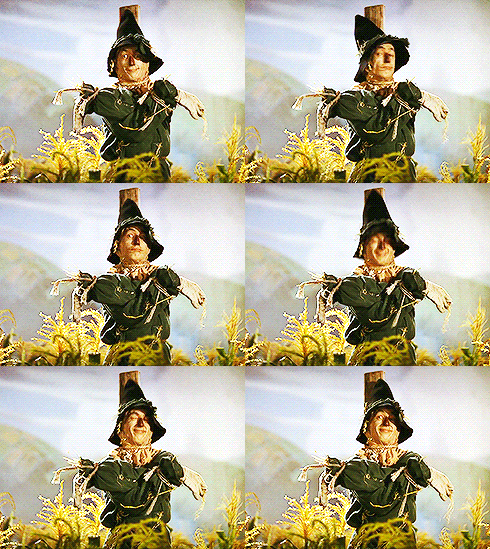 2. Ellie asks the horror story if he has a cherished desire. He asks to remove him from the stake, but then it turns out that this desire was not the most cherished. "How are you not ashamed to deceive?" - the girl of a new friend reproaches.
3. In the future, Ellie keeps records of cherished desires and rejoices when three pieces were gained.
Volkov wanted to keep the reader in suspense, and this partly explains the appearance of cherished desires. In the comments to the 1959 publication, he wrote that he wanted to give all the actions of Elli determination. But this plot move affected the characterization of the character. The fulfillment of the terms of the magical agreement excites Ellie no less than the fate of her comrades.
Enemies everywhere, they surround us!
How safe is Dorothy and Ellie to the Emerald City? From the very beginning, Dorothy knows that she is protected by the kiss of a good northern sorceress, and “to offend the kiss of the northern sorceress, no one will dare” (subsequently this defense with love will only switch on Harry Potter's forehead). It is important that Dorothy knows: she can travel calmly and no one will offend her for sure.
Ellie, as it turned out closer to the end of the fairy tale, also traveled under the protection of the silver shoes of Gingema. But she did not know about it! Therefore, a journey through a magical country seems to her much more dangerous.
In addition, Volkov has many times more enemies, real and alleged, starting with a badger, who simply went into the hut in search of food: "The horror story seemed that Ellie was in great danger." This badger is Volkov’s idea, Baum did not have this.
Ellie will meet a terrible cannibal who hit the Totoshka (“Streams of blood flowed from his nostrils”), wanted to eat Ellie (“tied and put it on the kitchen table, and he began to sharpen a large knife”) and chased his friends with a club. Baum has no cannibal, and could not be: he avoided bloodthirstiness and did not want to teach fear.
The Palace of Goodwin at Volkov is “well protected from enemies” with a moat and a high wall. Baum describes a peaceful life on the streets of the Emerald City: “Everything on the windows was green: candies, corn flakes, boots, hats and other things.” Not a word is said about the protection of the palace and the existence of any enemies.
In the country of Miguns (they are Morgachi), Ellie and Dorothy come across a common enemy - wolves, crows and black bees, led by Bastinda (she is an evil Western sorceress). Only now, Volkov Bastinda not only makes Ellie work, but also threatens: “If you work badly, I’ll hang you with a big stick and put you in a dark basement, where rats are huge greedy rats! “They will eat you and swallow your delicate bones!”
But Bastinda melted and stopped intimidating the miguns/morgists. “We are so helpless and timid. We need a sovereign who could protect us from enemies, ”they ask for an iron lumberjack, that is, we are again talking about potential enemies. In Baum, in the same place we read this: "They begged him to stay in the castle and rule this country, but the lumberjack firmly decided to go with friends."
We go further and meet the next antagonist: a spider in a dense forest that eats animals and sucks blood from them. This chapter surprisingly remained untouched, although it raised questions: in an interview with Volkov, director Sergei Obraztsov called Leo an imperialist, since he achieves the kingdom for himself.
About the porcelain country, or where does freedom end?
 But Volkov’s fans do not know anything about the porcelain country, although Baum was at Baum, and this episode adds colors to the portrait of Dorothy. At first, I could not understand why Baum needed such an unhappy porcelain country? The answer lay on the surface, or rather, in the dialogue of Dorothy with a porcelain princess. The girl wants to take this princess with him to Kansas and put it on a shelf near the stove, but in response he hears: “Oh, I would be unhappy from you <...> it is worth taking us from here how our joints are firming and getting numb. When you stand on a fireplace, a cabinet or a desk, you are just a beautiful inanimate tributar. Therefore, in our own edge, we are much more pleasant for us. ”
Dorothy understands that the freedom of everyone ends where the freedom of another begins. It is wrong to make another creature unhappy, indulging their whims. In a porcelain country, she learns not to be selfish.
One for all and all for one
Meanwhile, Ellie and his comrades threatens the flood. Yes, just in the place where Baum has an almost absence of a porcelain country, Volkov placed the river and sent rain, a whirlwind and a thunderstorm on his friends. “The two chapters slowing the action and not directly related to the plot, I threw it away,” the author will later explain this replacement.
How is Ellie revealing here? She refuses to use a golden hat to save herself and friends from bad weather! The scarecrow is afraid to lose vision, hearing and speechlessness, the lumberjack will be immobilized from minute to minute. But Ellie decides to save the hat despite the requests of friends. No, when she understands that the case takes a completely bad turn, she will decide to use flying monkeys for the third time, but it's too late: the wind tears the hat from her head.
Throughout the “wizard of the Emerald City”, the heroes save each other every now and then: Ellie removes the horror science from the stake, lubricates the lumberjack oil, collects them in parts after the Bastinda attack. Friends save her either from the cannibal, then from a badger, then taken out of a poppy field. It seems like everything is fair, but in fact, she willingly saves friends until the fulfillment of desires, and then - not very well. And Volkov every now and then emphasizes that it is a little more important than the rest: “Despite her cowardice, Leo was a good comrade and I bitterly leave him here, among the damned poppies. But let's go, Ellie must be saved, ”says the horror.
At the end of the story, Ellie without question gives Stella's hat with the words: “I was going to pass it on to the horror, but I’m sure that you will dispose of better than him.” That is, an unfamiliar sorceress is a more reliable person than a proven and pretty smarter friend.
What is Baum in this place? "I am now useless to me, and you can call the winged monkeys three times." There was no flood before this phrase, and Dorothy did not promise to give a golden hat to Bolvasha.
Wine and shame - engines of progress (although this is not exactly)
Let's talk about dialogs. How do Dorothy and Ellie talk to their friends and other characters? When I re -read the “wizard of the Emerald City”, this is what caught my eye: “wine”, “shame”, “cowardice” - these concepts among the heroes of Volkov’s story constantly in use. I decided to calculate how many times “wine”, “shame” and “cowardice” in the dialogs of both fairy tales are mentioned.
Wine, 0-6. The heroes of Baum are not inclined to look for the guilty. Volkov’s gaze of guilty is Ellie (“You yourself are to blame ...” says Ellie Bastinde when he melts).
 Shame, 3–9. Only the OZA is ashamed of Baum (“It’s just not ashamed to deceive?”), But Volkov shall be ashamed of everyone except Ellie, using the standard phrase “howhamed you!”. This is an example of classic Gazlaling - a form of psychological violence, the main task of which is to force a person to doubt the adequacy of his perception of the surrounding reality.
Cowardice, 10-19. In Baum, only a lion is called a coward (“I don’t want to be a coward ...”), and Volkov’s palette of panties is more: a scarecrow and a Totoshka fell into this company (“As you are not ashamed to offend the weak! You are just a coward!”).
“In fairy tales, children can find new strategies on how to cope with strong feelings,” said Ekaterina Minaeva, existential psychologist. She is convinced that there is a positive meaning in experiencing shame and guilt. Shame helps to understand when we do actions that do not comply with our moral principles, and thanks to the feeling of guilt, we can understand what we did wrong. But if parents often manipulate with shame, then, of course, the child begins to experience it painfully.
So if you see unhealthy methods of communication in Volkov dialogs, you know: your children can take them into service.
Allegory of growing up
The tale of Baum seems more simply written, more neutral. It resembles classic fairy tales, where any of the characters is more likely a symbol than a literary hero written in the smallest detail. Dorothy at Baum is a simple -minded girl, if not simple. She was less lucky with her homeland and family, and yet she constantly rushes back and worries about her relatives.
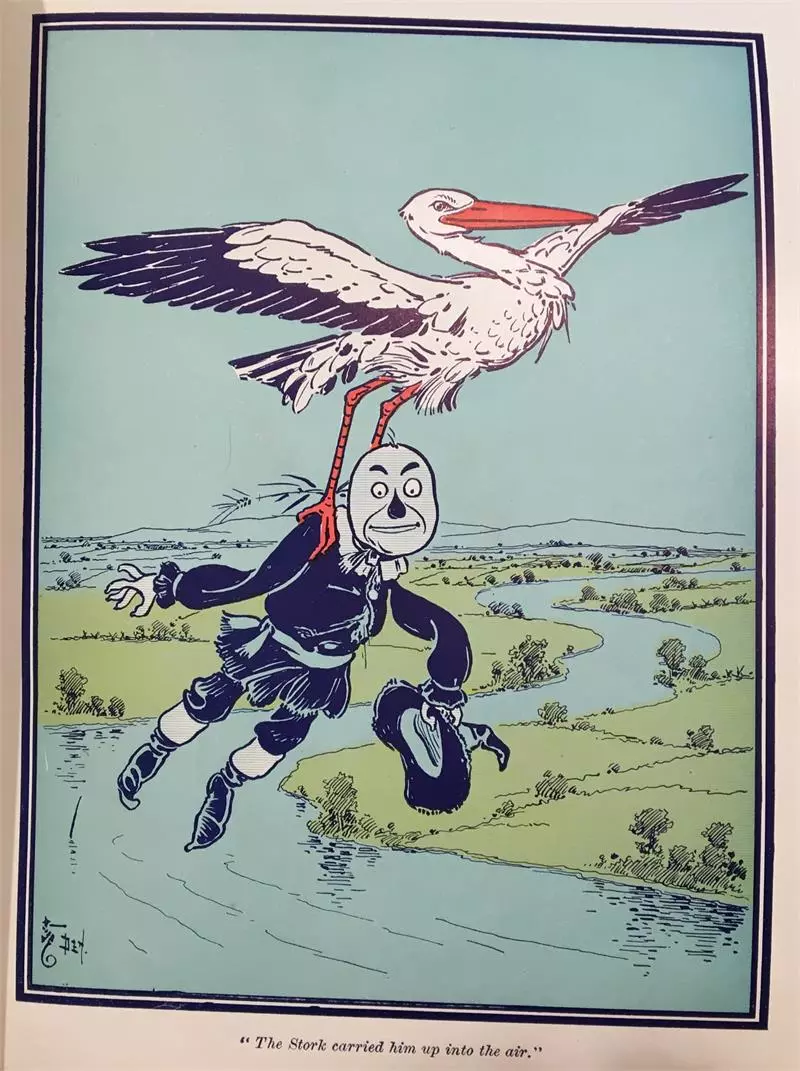 In Volkov, the main characters come to life, cease to be streamlined by symbols: they are described in more detail and have a rich speech characteristic. Even the secondary characters have overgrown with literary meat - Volkov devotes time to the guards, and the cook of Bastinda, and the stork who saved the horror of the river.
The style of Baum allows the reader to collect all the main characters together and think about them as a whole. So, Dorothy is a nucleus of personality, what is laid down in children from birth: unity with mother and home. Bolvasha is a mind, a lumberjack is emotions, and a lion is courage, determination. They even meet in a fairy tale precisely in the order in which each person masters these qualities: kids do not think of themselves without parents. Later they “break away” from their mother and start to know the world. Then they are waiting for a school, establishing relationships with friends and loved ones. As a result (and ideal), self-confidence and their abilities come to everyone, and behind it the ability to make bold decisions in an adult way. All adventures of this magnificent four can be interpreted as a process of growing up, turning a child into an adult.
Such an interpretation is possible only if there are sufficient vague in the images of the main characters. That is, it is impossible with Volkov.
So who won?
If it seemed to you that Dorothy walked around Ellie on all points with the exception of education and readiness, then it did not seem to you.
The “Great Winnow of the Country of Oz” F. Baum is not just a fairy tale, but a parable, an allegory of growing up.
+ Dorothy loves his homeland and relatives unconditionally and even contrary to.
+ She helps friends exclusively of her own free will.
+ In the country of the Oz, there are fewer enemies of real and, more importantly, imaginary. Heroes do not come up with their own.
+ In the porcelain country, Dorothy learned to respect the desires of others.
+ In dialogs, the heroes of Baum cherish each other and do not manipulate feelings.
- The book does not mention that Dorothy loves to read and does it often.
The Wizard of the Emerald City is a fabulous story that Volkov was released from the tale of Baum. Everything that distinguishes two works was supposed to, according to Volkov, to improve the American fairy tale, but hardly came out as he wanted.
- Ellie loves his homeland and parents, because this is not difficult: parents care about her, dad promises to buy shoes, and they also have a cattle yard and a variegated.
- Her love is not unconditional, just as helping friends is not unconditional, because otherwise she will not be able to get home.
– Мир Волшебной страны кишит врагами — по крайней мере, складывается такое впечатление, ведь даже замок Гудвина защищен от врагов (от каких?).
– Герои, в том числе главные и положительные, манипулируют друг другом, винят, стыдят и обзываются.
+ Элли образованнее, она много читает.
Дорогие присяжные заседатели, прошу удалиться в комнату совещаний для вынесения вердикта.
Я отдаю свой голос за Лаймена Фрэнка Баума и его «Великого Чародея страны Оз».