
Translated material
Joel-Peter Witkin.
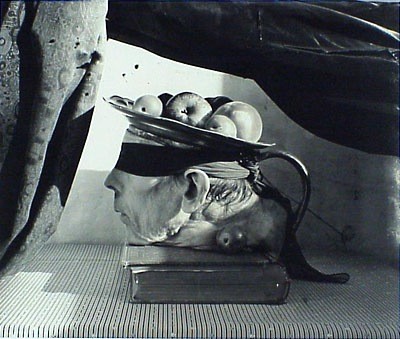
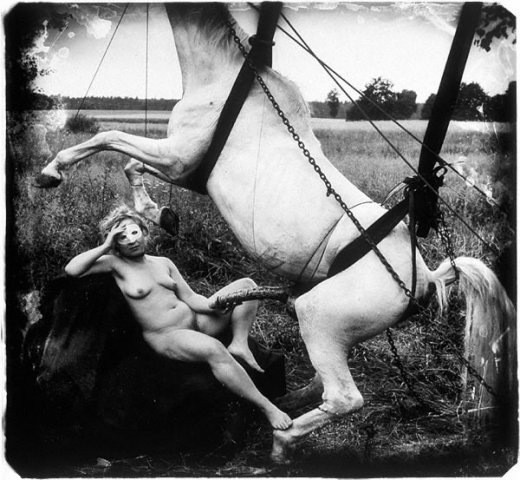
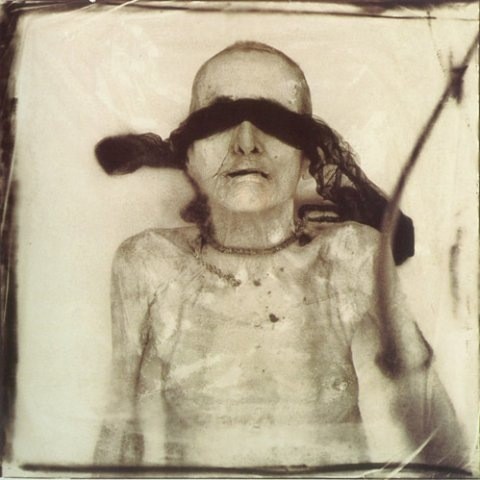
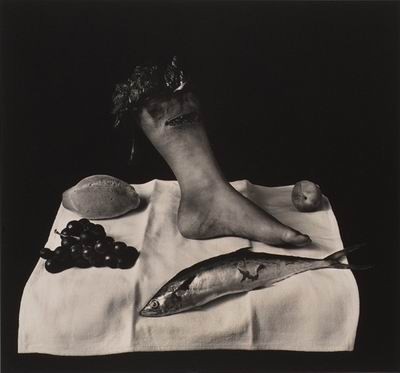
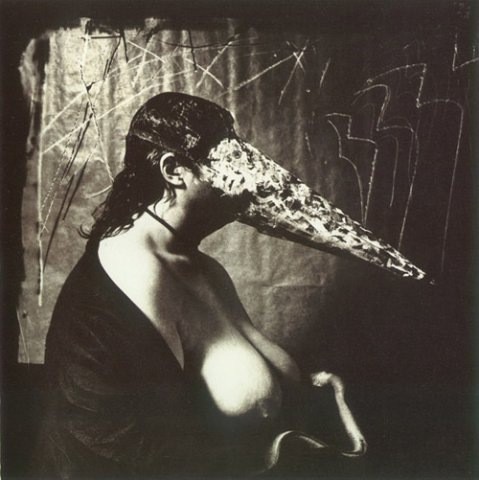
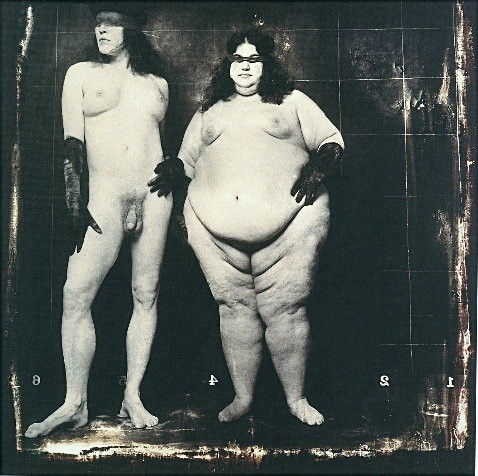
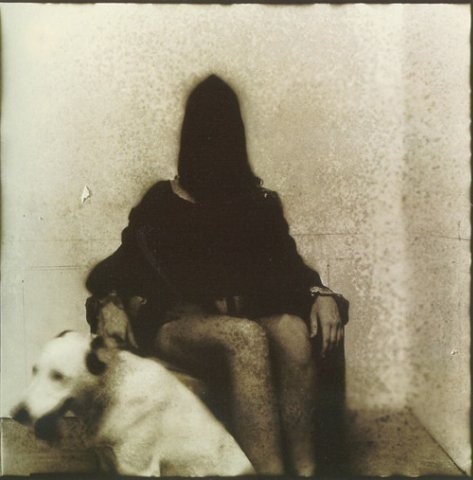
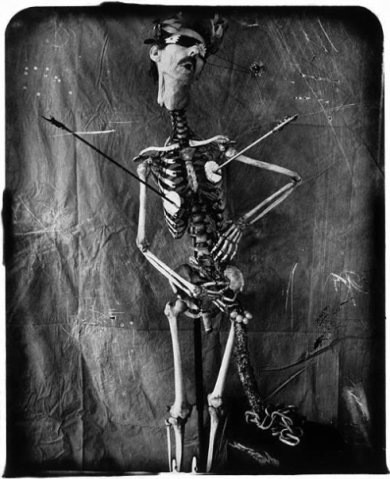
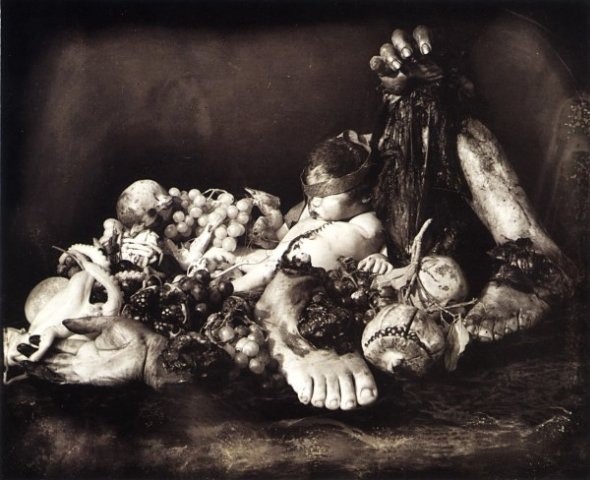
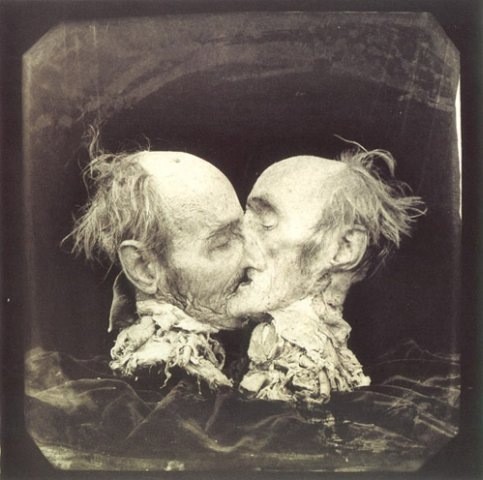
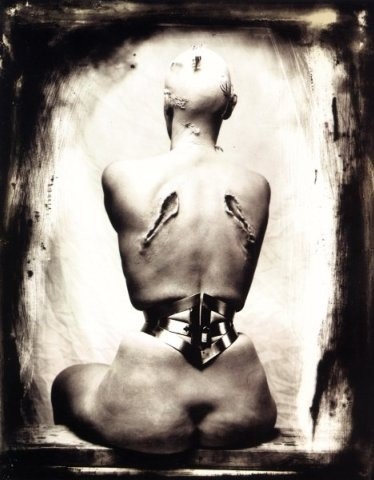
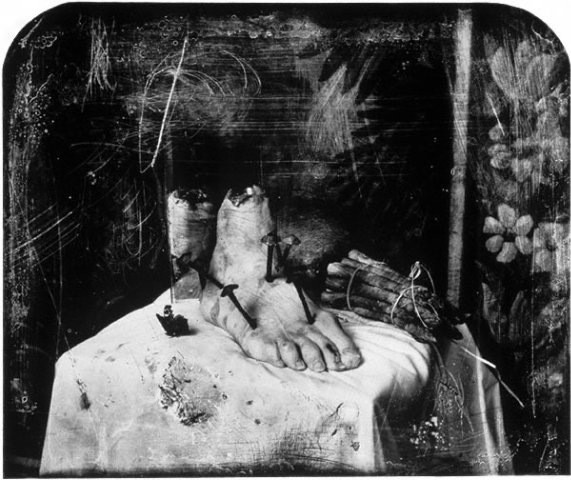
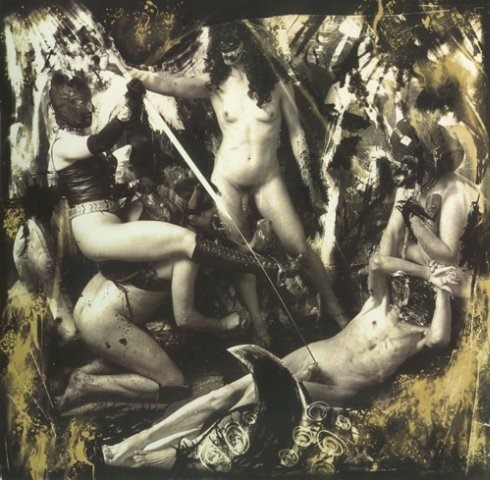
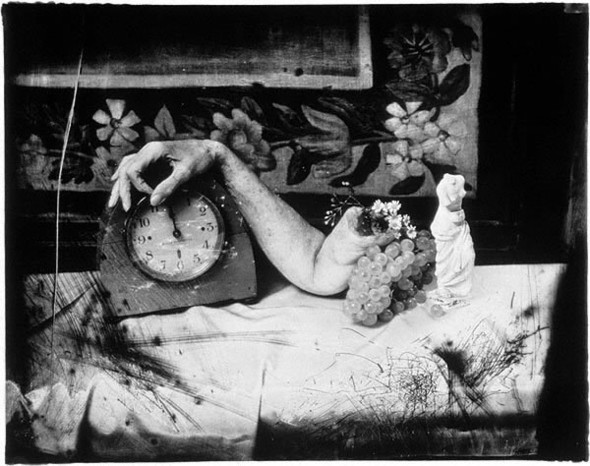
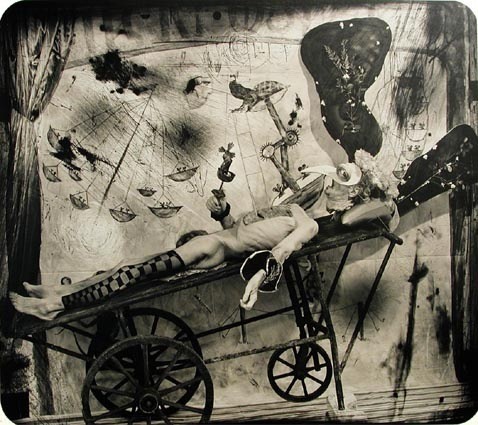
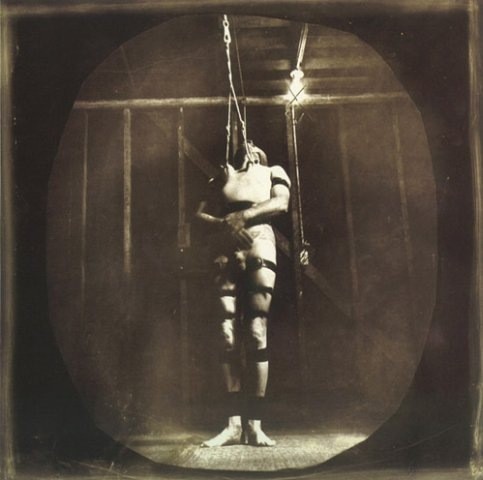
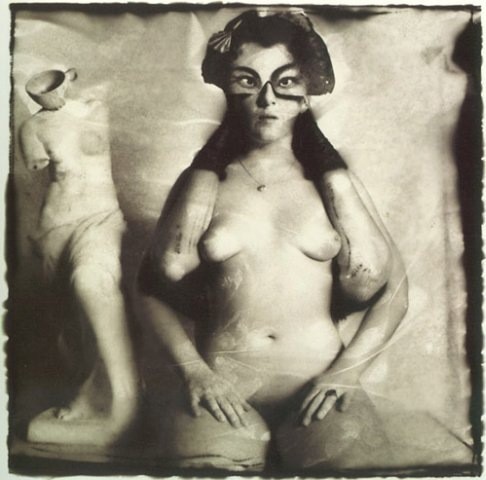
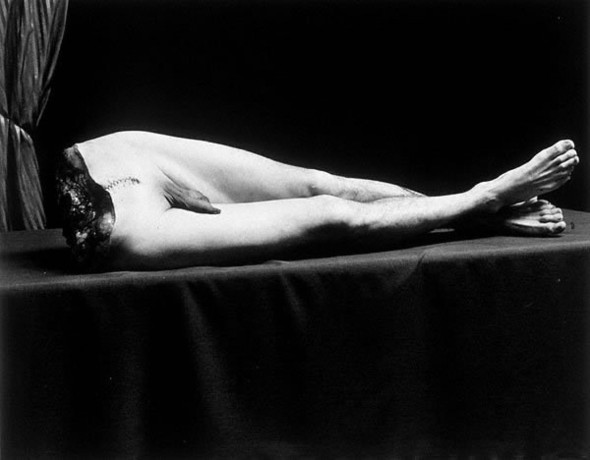
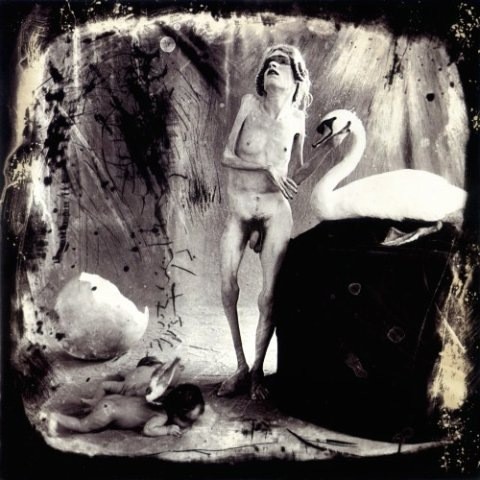
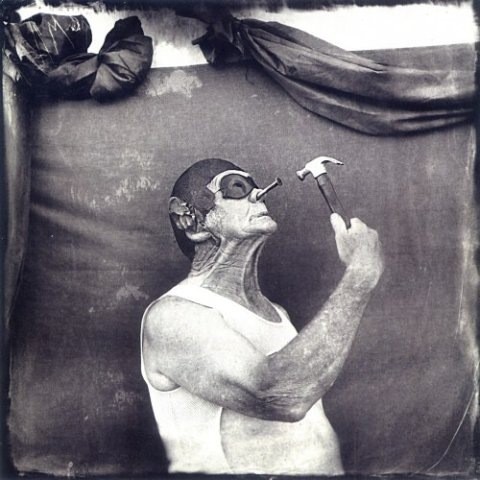
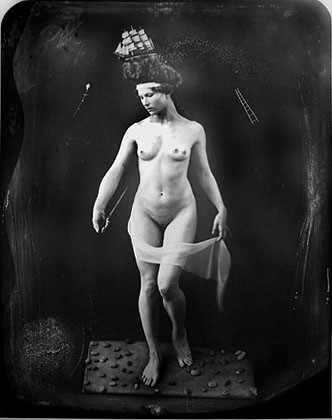
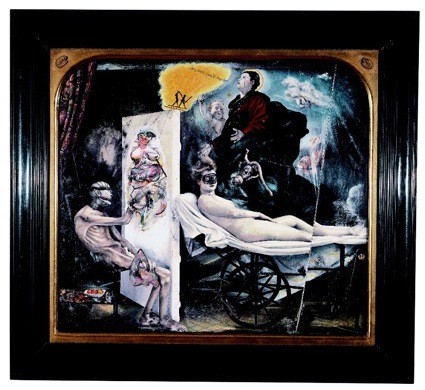
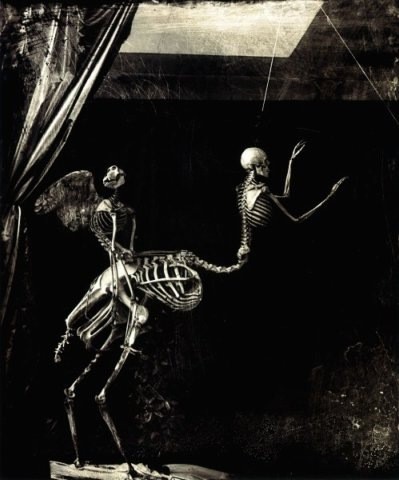
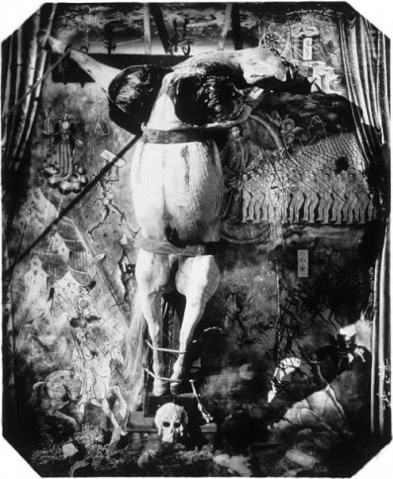
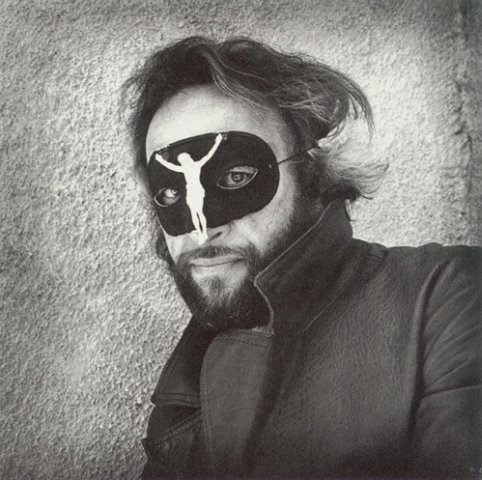
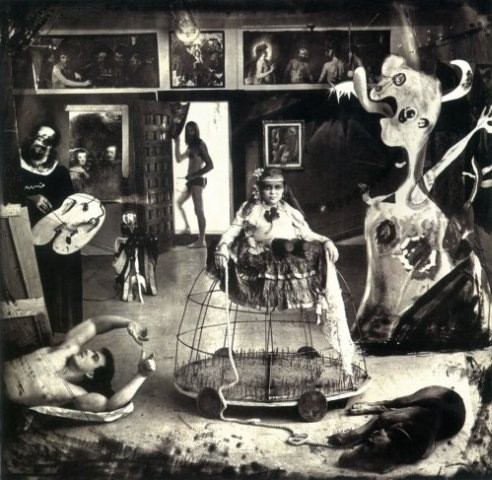
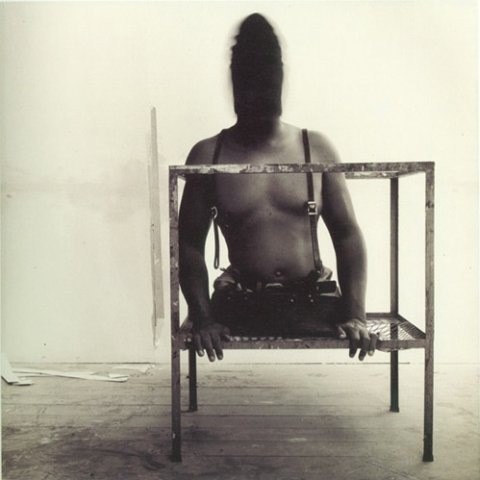
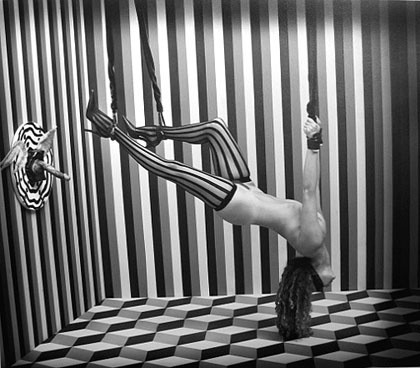
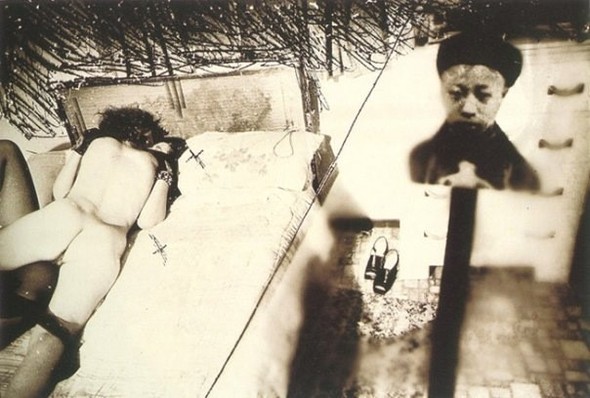
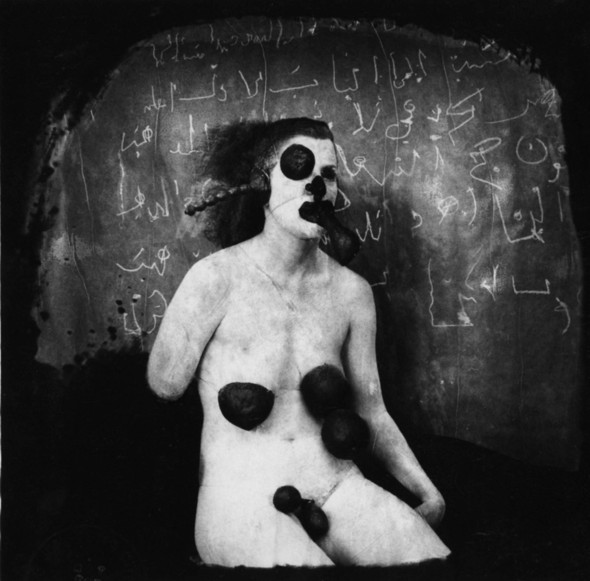
Vitkin says that his vision and feeling of the world were initiated by one episode from life, which he remembered from distant childhood, a car accident that occurred right in front of his house, as a result of which a little girl tore his head. He also says that the difficulties in his family also sufficiently influenced his work. His beloved artist is Giotto, but the surrealists, especially Max Ernst, and the art of Baroque, influenced his work. His photo technique is similar to dagherrotypes and to the work of E. Bellok.
His work is related to such topics as death, body (or their parts) and different members of society, such as, for example, transsexuals, hermaphrodites, physically altered people. Its TableAux complex often shows religious episodes or well -known classical works of painting. Due to the transgressive nature of his works, Witkin’s work has always been called explosive and always shocked the views of the audience. His art, often marginalized due to the call, which the artist abandons to the audience.
The titled, recognized master in Europe, Vitkin remained a mysterious gloomy cloud on the horizon of artistic heaven. He was lucky, he crept unnoticed by the censorship of the 80s-one god knows how. And this despite the fact that the Monk Pat Robertson cursed him as a satanist, and the wife of the British Prime Minister tried to close his exhibition in London last year (because of the photograph of the “Feast of the fools”, which depicted a dead child surrounded by grapes, shrimp, grenade, with a damaged hand, feet and legs). At the end of the exhibition, Vitkin was awarded for the fourth time for his contribution to British fine art.
He also uses some physical methods to create his photographs-scratching negatives, tinting prints and applying spots on them, as well as the technique known as “Hands-in-Reactivas”.