Date
Author
Валентина Петрова

Preserved copy
Translated material
Women with a pen
To talk about women and their texts means to somehow retell the essay of Virginia Wolf “in your room”. It is easier to pull out two aphorisms from the beginning and end from there: from “every woman, if she is going to write, there must be funds and her own room” to “I ask you to write any books without caring, is it small, is the topic great”. Before and after this sincere request, there were still women who write. Sometimes they did not have money. Or spaces where no one will touch, where you can store notebooks and gnaw a pen in the evenings. Or even strength to discard everything superfluous. But still they managed to speak, and today we think about them.
Having the text of the body, this body would undoubtedly be feminine - hardy and marvelous. But Virginia Wolf refers to his “room” to Kolridge: the great mind is always an Androgin, and explains: “The Androgyn mind is the one that responds to everything, absorbs everything, freely expresses his feelings; The mind is through creative, fiery and indivisible. ” There is no “female text”, although there is a female experience that you can write about. Or something else. It’s just the eighth of March today, and this is a special text by this day - like a bouquet that you buy from the subway because you respect your mother, and she respects customs. This is a text-memorable about women who wrote classic novels, or experimented with shape and style, or simply wanted to tell stories; They took men's pseudonyms, successfully cut off, changed their lovers, remained old virgins, supported the brothers, got into debts, entered the March river in a coat with pockets stuffed with stones. Some of them managed not only to speak out, but also to become famous - they entered this list. But only those whom I read and approved. True, without poets and without Ursula Le Guin.
In a word, the participants of my own Juveniles of the beginning of the spring of 2017.
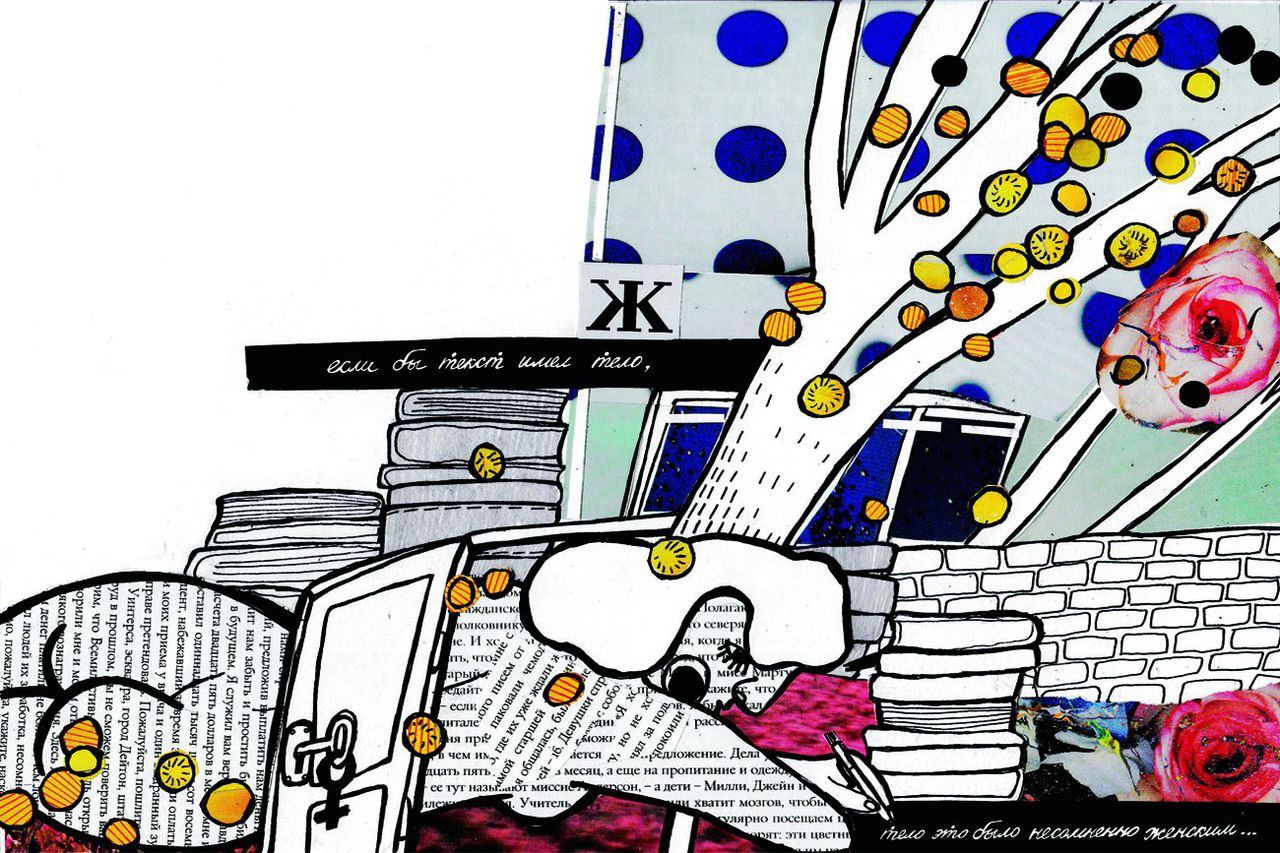
Angry and delicate
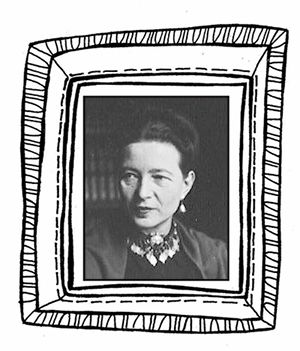
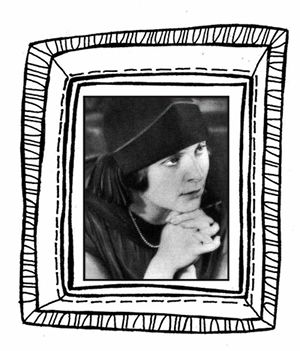
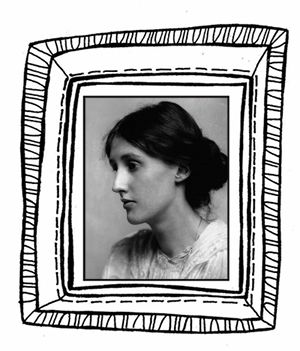
Everyone who got into this list dates back to the twentieth century: probably anger is very modern. All of them, so to speak, are difficult people. Three more of these authors are united by a feeling of some existential, or something, incorrectness and resistance attempts. In the “Roses on Credit”, Martin’s triol beats with the disorder of the dirty gear (and his own childhood), Laurence from “lovely pictures” de Bovoir protects the daughter from life, which is all over to the stone “pancakes”, Mrs. Dalloway from the novel of the same name, and Septimus Warren-Smith, and Septimus Warren-Smit Loses his mind. They all could create a party “But how, what, but why do we need it” or just to be relatives: Laurance could be the daughter of Mrs. Dalloway. We ourselves, probably, could be it if we had not been nervous like that.
Frank and tense
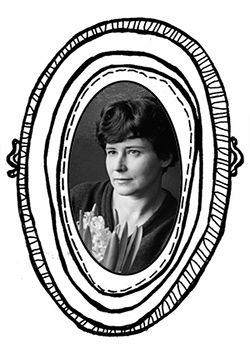
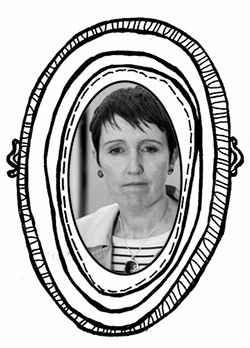
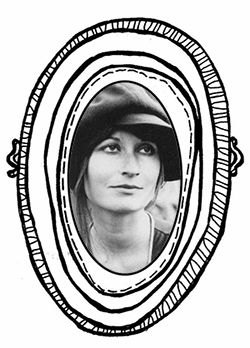
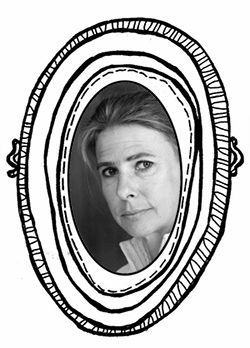
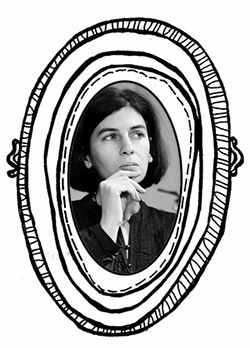
These writers are so modern that for the most part have not yet died, and already well rooted in our time: there is so much oddity around, so much bustle that any epic text will be brushed except for the picture “The masterful fuel of a fairy tale”, or even in Bedlam. It is easier to take one story, one hero, in order to see in them poverty, infinity, and all this strangeness and vanity.
In this world, the simplest values - mother, child, man, woman - are confusing, with a double, triple, fourth bottom. By the way, for some reason, it is precisely the children that most often become the heroes of these writers: “The Fifth Child” Doris Lessing, “The price of the dislike” Lionel Schravever, “What disappeared” by Katherine O'Flinn, “The House in which ...” Mariam Petrosyan is all about children in the family and outside her.
And these texts are perfectly exposed: according to Roman Shreiver C, we will be honest, the film “Something is wrong with Kevin”, according to the “Pianist” of Elfrida Elinek, is the stupid name, and I also hope for the adaptation of the “Home ...” in which ... ”
Pure and clear
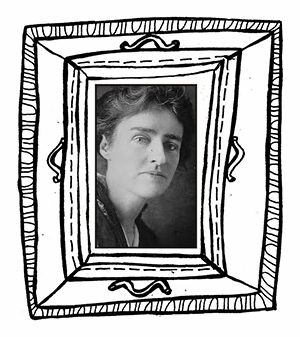
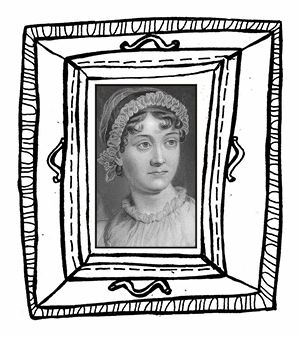
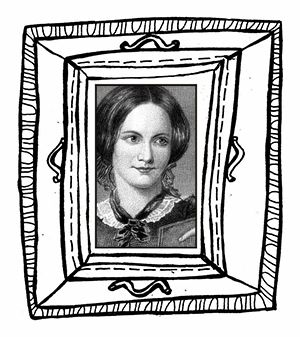
It is they who are most often remembered by the words “women writers”, they are brought into the lists of additional literature and called the “old school”. There are a secret in these books, but there are no tricks. They are straight, but not straightforward. They may seem old -fashioned (although Jin Webster is a hundred years younger than the other two), but at the same time remain beautiful. They are witty in their own way.
In fact, the “long -legged uncle”, “Jane Air” and “pride and prejudice” for the most part one heroine: Jerusha Ebbot could grow in Jane and Elizabeth Bennett. All three, of course, look into their own souls, but before - in the souls of others; They clearly see the world around them and are free to accept it or act in their own way. All three are witty in their own way: they, in fact, are only a sense of humor and brightens up. The heroines, like their authors, do not cunning, they are sincere and straight. It seems that Jerusha, Jen and Elizabeth took quite a lot from Gene, Jane and Charlotte, respectively. It is funny, as the text and the image, drawn by the text, become the reflection of the author: three writers perfectly coped with this gloomy life.
Romantic
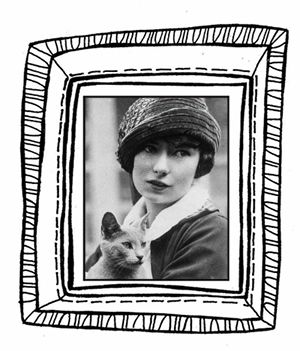
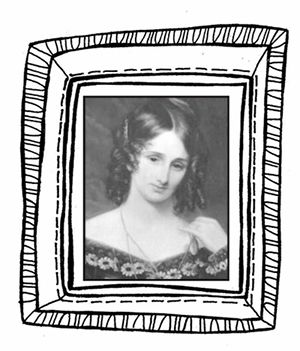
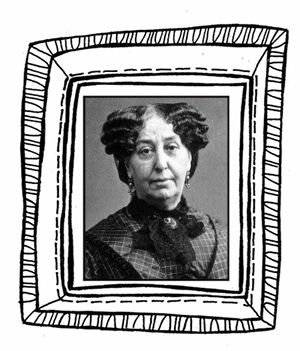
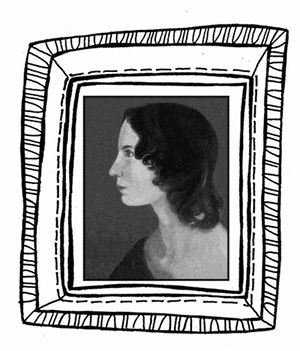
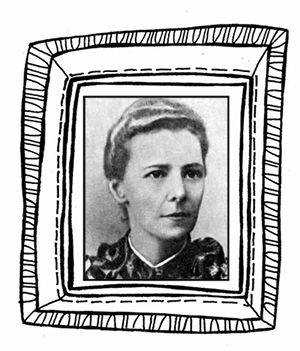
Drama in a good old style: a little more passions and strong characters, a little more than a romantic hero, for the most part with black eyes. There will be no ironic beat. It seems that we have already forgotten how to write this way: we are afraid of the dramatic effects and seriousness in the text, and the black -eyed heroes like Rett Batler (“Directed by the Wind”), Hitcliffe (“Thunderstorm Pass”), Albert Rudolstadt and even Andzoleto (“Consuel”) are not given to us at all.
Thunder is rattling, Atlanta is on fire, a heroic boss from the novel War, the soldier is amused before the execution, the revived dead man is sad, Hitcliffe plans revenge, and all in this spirit. It is funny that the heroines in these books are whatever: self -wise to hysteria, pure and calm, mercantile and even cynical (“take off your shoes” Wojnich), and only the manifestations of the very romanticism are expected from the hero: passions, riot, explosion. Behind him, what would now be called existential longing, but there was no place for her yet. Romanticism with his zippers, rebels and snack lips spoiled the life of millions of teenagers who began to wait for all this from real life, and yet he still lives: it rains in the fall, and precisely these books are best go to tea and the Voltaire chair.
Observation
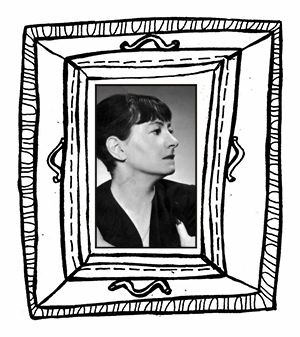
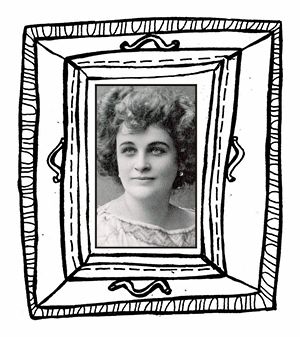
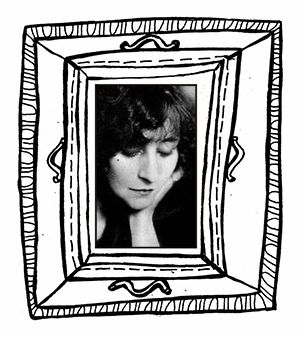
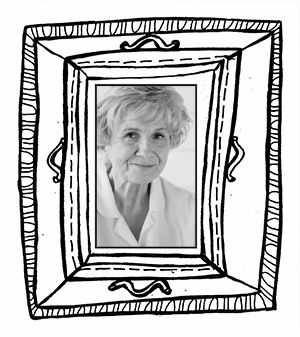
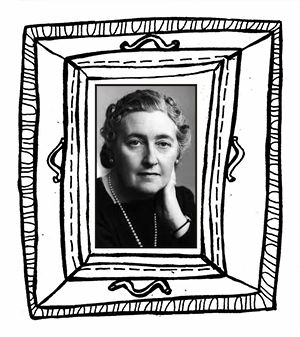
Writers who see, writers with a faithful eye and a faithful word. By accident or not, but four out of five in this list are mainly known for their short stories - either the form determined the essence, or the essence determines the form, I do not know. It is precious to their ability to watch and not evaluate, not to bring history to their ethical code - in a word, nothing from Leo Tolstoy. Maybe that's why they are so easy to grab them on the illustration of their own life. Taffy’s “Life and Collar” - for shopping, “Magralar” - for repair and alien logic, “phone call” Dorothy Parker - for a lover and “large blonde” - for a large company, “Miss Brill” Katherine Mansfield - for the evaluating look of another, and “Cup of tea” - “Measurement” by Elis Manro - for great misfortune. And so on.
Agatha Christie seems to be standing apart here, but in reality the detectives are the same masterpiece of observation, and also the ability to connect the little things among themselves in order to create a story. Anyone who at least once tried to develop a detective plot of the “limited list of suspects” format knows how jewelry this is. Everything goes into the chain of events, the habit of aligning trinkets in an even line helps to reveal the murder; Small crimes, according to Miss Marpl, differ from large only scale.
Restrained
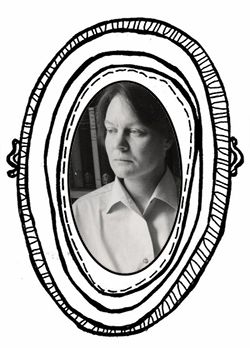
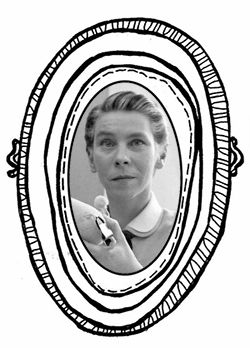
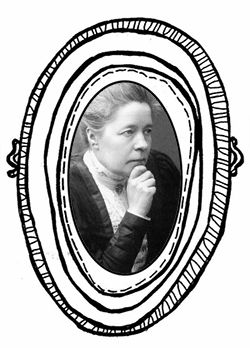
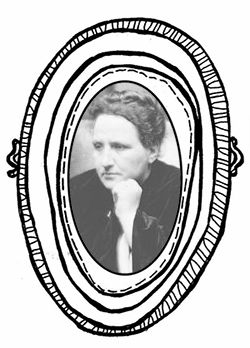
Yes, restraint is like my passion. A variety of mania. To be sincere and not to break into a scream, it’s hard to worry and show it a little, to avoid torn meat and obscenities-and not lose the interest of readers. Tuva Jansson in this list is not so much “mumm-trolls” as the “daughter of the sculptor”. This short list seems mothers like a patchwork blanket: what is the Black Prince of Black Prince with Autobiography Jansson, the “Emperor of Portuguese” has Selma Laherlef with the “three lives” of Gertrude Stein? And here it is. Restraint through which the painful sound of the game on one string shows. The anxiety of the murmar, because of the comet, the clouding of the reason Lena from the “three lives” and Yana from the “Emperor of Portuguese”, the search for something-life wisdom and “what's what” about the melankta Herbert from “three lives” or self-justification of Blaz Gavender from the “holy and sinful machine of love” of the Murdok. We are talking about important.
Separate gratitude is brought out by hetrude to Stein for the charm of the presentation of "Autobiography of Alice B. Toklas." Especially for the phrase "I love views, but I love to sit with my back."
Twenty -five came out of the list in forty names, so that there is not too long, but in fact there are much more, and I hope that the list will grow more.