
Translated material
Everything is decided not by ATACMS, but by restrictions
The General Staff of the Ukrainian Armed Forces is not free to independently dispose of Western long-range weapons
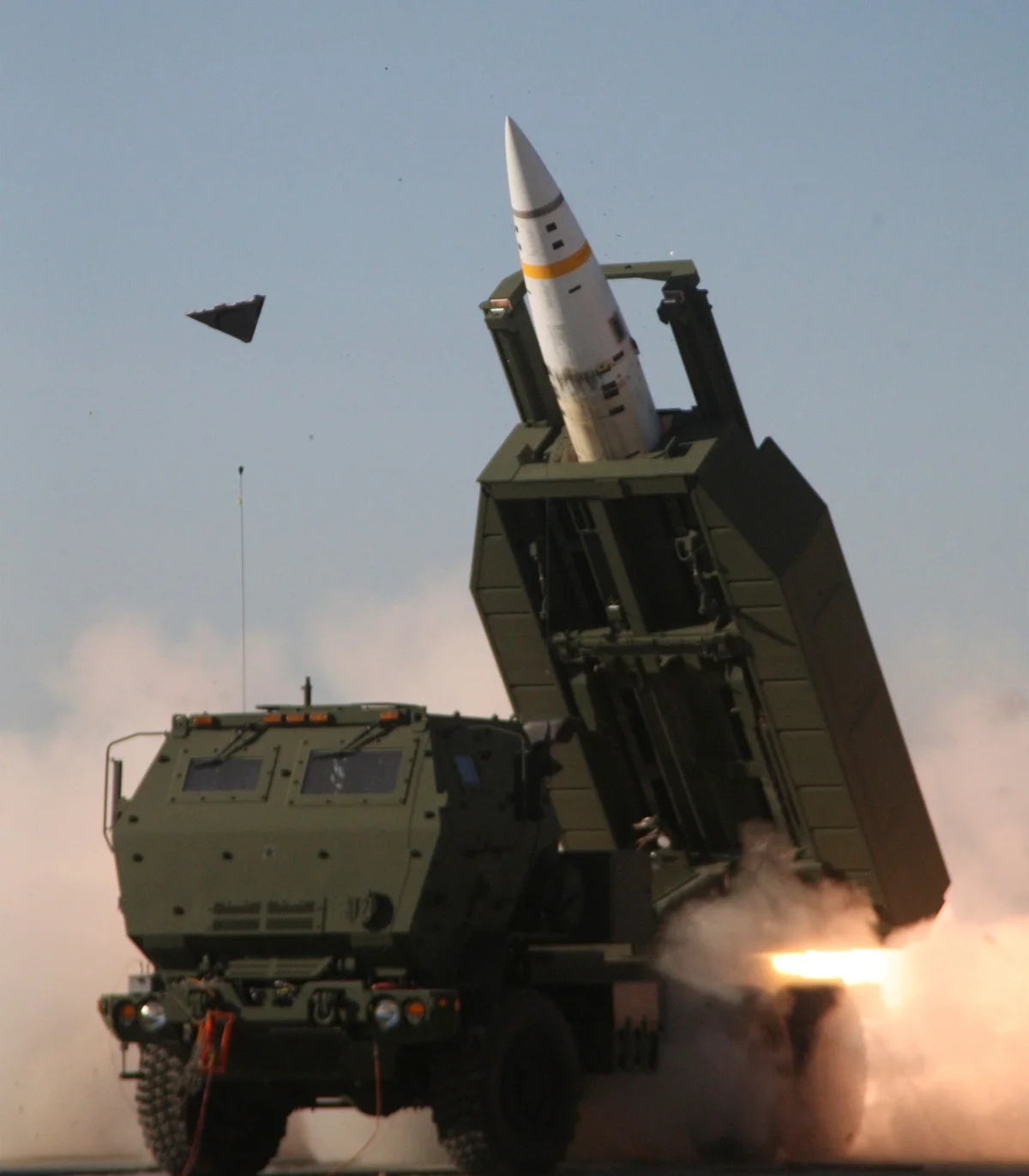
After Biden allowed NATO missile strikes deep into Russian territory, observers rushed out of habit to draw distance lines on maps 300 km from the border. These diagrams with a list of military and industrial facilities falling within the coverage area of ATACMS OTR and French-English-Italian Scalp cruise missiles were published by all major media outlets in the West and Ukraine. But, it seems to me, there are things more important than formal indicators.
Military observers, who have been discussing these strikes that have not yet been carried out for more than six months, know that there are at least 400 targets for these missiles, adequate to their cost (from one and a half million dollars and more), at a distance of 300 km from the borders. The Institute for the Study of War in Washington used for compiling a list of all local airfields, including civilian ones, addresses of military units from their Internet pages and the most visible industrial enterprises. Let's accept this list conditionally: each formation and important part has, in addition to peacetime addresses, reserve command posts (several), which are not on the list.
But even with this approach, it is obvious that the number of targets is many times greater than the number of missiles transferred to the Ukrainian Armed Forces. In addition, all aircraft were relocated to airfields further than 300 km - at least that’s what official sources of the Russian Ministry of Defense assure us. And airplanes have become the most important means of armed conflict, ensuring sustainable superiority of the Russian Armed Forces in the air. Therefore, commentators are now wondering what types of missiles and with what warheads are at the disposal of the Ukrainian army - will they reach and what damage will they cause?
In fact, the type of warhead, range, control method and resistance to electronic warfare and Russian air defense systems are not particularly important.
It all depends on the restrictions imposed on the use of these missiles by the American government. Here everything is decided not by the office of the president, but by the presidential administration.
Judging by the first leaks in the media, Biden authorized strikes only in the Kursk region, preferably against North Korean troops, which no one has yet seen. It is very difficult to keep any military from the temptation to launch a missile outside the agreed zone, and the Ukrainians are no exception. But in this case it is possible: control is in the hands of the Pentagon.
Of course, strikes will be carried out primarily against targets according to NATO intelligence. And if the headquarters of a division or an army communications center dies, this will be a very sharp transition to a higher level of confrontation between Russia and the United States in all areas. I don’t know if this is Biden’s goal, but in this case he will hand over to the next president, Trump, a problem that will be impossible to solve quickly.
An action unprecedented in military history is unfolding before our eyes. One army fires missiles, while the other regulates their use, as well as the types of targets, locations and firing ranges.
That is, the Ukrainian General Staff is not free in its desires. And this has been going on for a couple of years now in the largest armed conflict in post-war history.
The interests of the military-political leadership of the United States and Ukraine are not just different - they are drifting further and further from each other. Kyiv considers its primary goals to be a return to the 1991 borders and joining NATO. Washington prioritizes preventing a direct clash between the armies of the two largest nuclear powers and preserving the possibility of dialogue. The new US administration is unlikely to change its priorities.
Therefore, Biden and his foreign policy apparatus staged a strange maneuvering of admissions and permits for an outside observer. And this maneuvering is extended along the pyramid to England, France and all of NATO. In fact, this is manual control of someone else's army, which has become dependent on the allies.
In the meantime, it is impossible to understand what level of escalation Biden decided to take at the end of his term - this is classified information. All international observers are waiting for practical steps—the first strikes. They will show the approximate extent of what is possible in this conflict.