
Translated material
Czech velvet
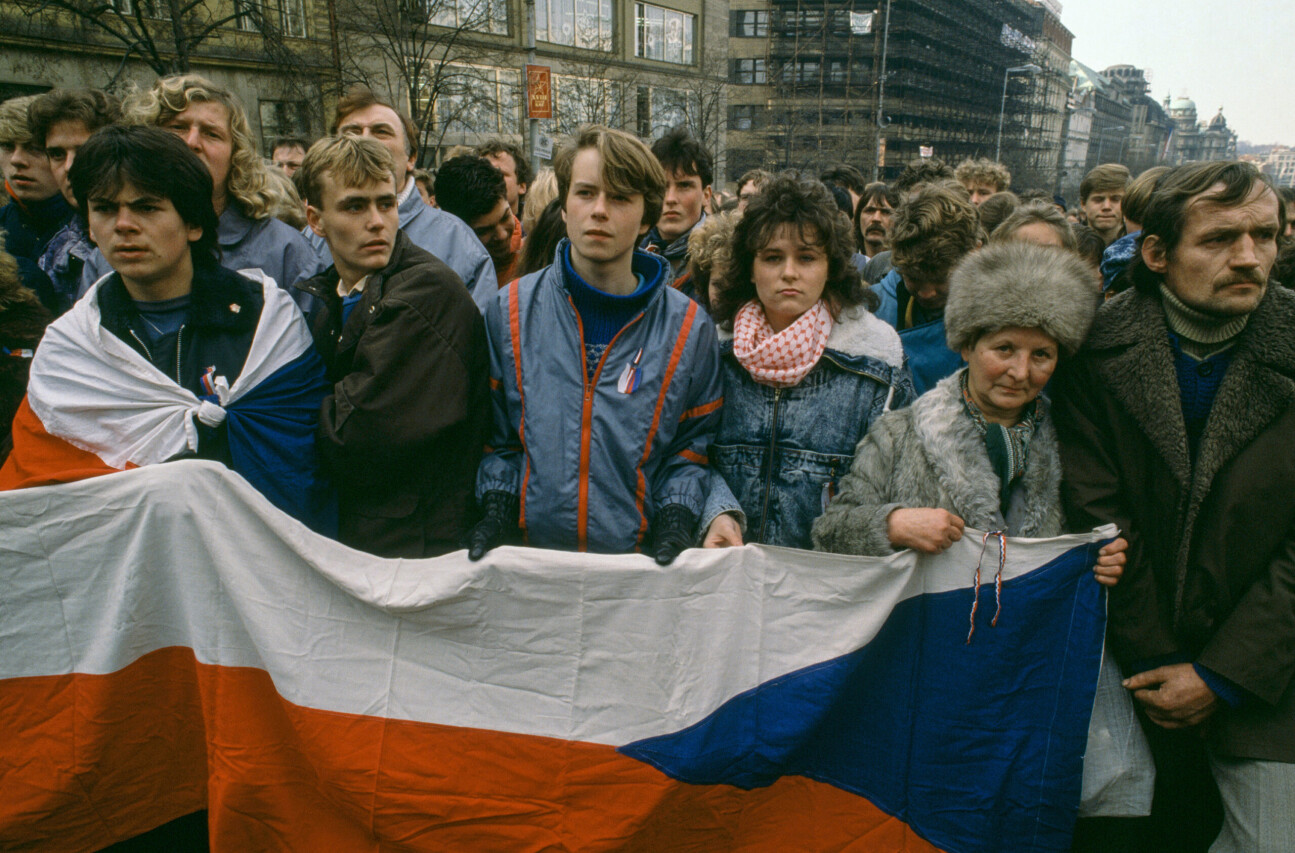
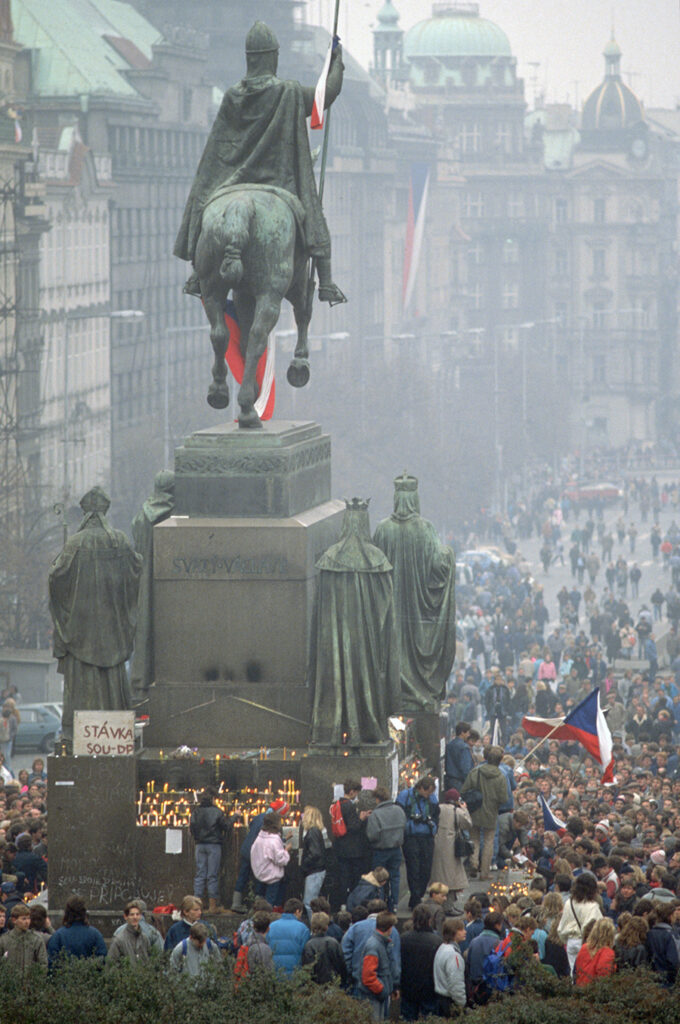
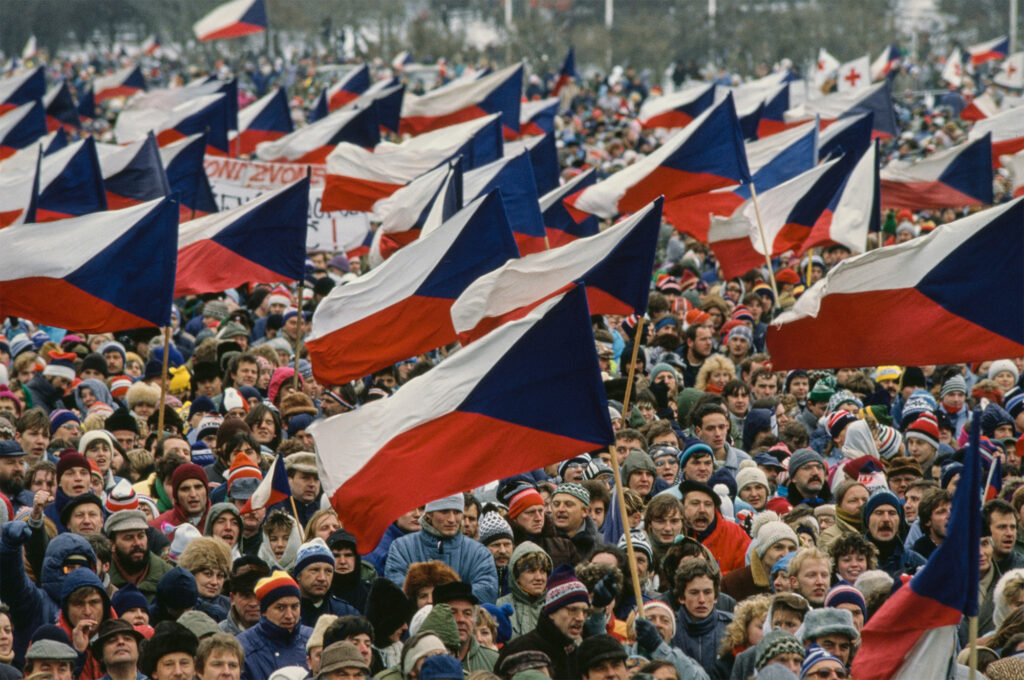
The Velvet, or Tender, Revolution in Czechoslovakia is considered one of the main examples of the peaceful transit of power in the countries of the former socialist camp. Public dissatisfaction with the Soviet order and the policies pursued by the pro-Kremlin government accumulated for decades and by the end of the 20th century burst out with such force that they could no longer stop it: millions of protesters filled the streets throughout the country. November 17, 2024 marks 35 years since the first student protests, which swept the entire country and led to the dismantling of the Soviet regime in Czechoslovakia. The impotence of communists and the Velvet Revolution - in the photo history of “Cold”.
Student protests roused the entire country and helped defeat the Soviet Union bloodlessly. That's how it was
After the end of World War II, Czechoslovakia, previously divided by the Nazis into two parts (the Protectorate of Bohemia and Moravia and the Slovak Republic), regained its own statehood with minor territorial losses, but quickly fell into a new dependence. At this time, communism was very popular, and in 1948, pro-Kremlin forces seized power in the country and began nationalizing enterprises, collectivizing agriculture, and repressing dissent. Over time, the shortcomings of the planned economy and public dissatisfaction with the Soviet order forced local authorities to move away from classical socialism and seek solutions to problems in reforms.
In 1968, the post of first secretary of the Central Committee of the Communist Party of Czechoslovakia (essentially the head of state) was taken by Alexander Dubcek. He came to power after the resignation of Antonin Novotny, who worked closely with Moscow. Dubcek became the first Slovak to occupy the highest position in the party.
Contrary to the expectations of the USSR , Dubcek, who spent his childhood in Soviet Kyrgyzstan and graduated from school in Gorky, followed the path of liberalization of Czechoslovakia. In an attempt to build “socialism with a human face” in the country, he carried out democratic reforms that went down in history as the Prague Spring. In 1968, censorship was abolished in communist Czechoslovakia, rallies were allowed , and victims of repression were rehabilitated . Non-party people began to be allowed to participate in government.
The Soviet Union did not approve of Czechoslovakia's new policy. The USSR leadership tried to stop liberal reforms through negotiations and summoned Dubcek to Moscow. As a result, negotiations between Czechoslovakia and the USSR took place in a railway carriage in Cierna nad Tisou (located on the border of modern Slovakia and Ukraine). Dubcek simply left one of the meetings because he was furious with the demands of the Soviet side.
No agreements convinced Moscow that the Czechoslovak communists were devoted to Lenin’s cause, and on August 21, 1968, about half a million military personnel from the USSR and its Warsaw Pact allies (Poland, Hungary, Bulgaria) were brought into Prague. The building of the Czechoslovak Communist Party was surrounded by armored vehicles, and the leadership of Czechoslovakia, led by Dubcek, was arrested and forced to sign the so-called Moscow Protocol, which canceled all the reforms of the Prague Spring and restored the Soviet status quo. Dubcek was replaced by a new government led by Gustav Husak, completely loyal to the USSR.
New try
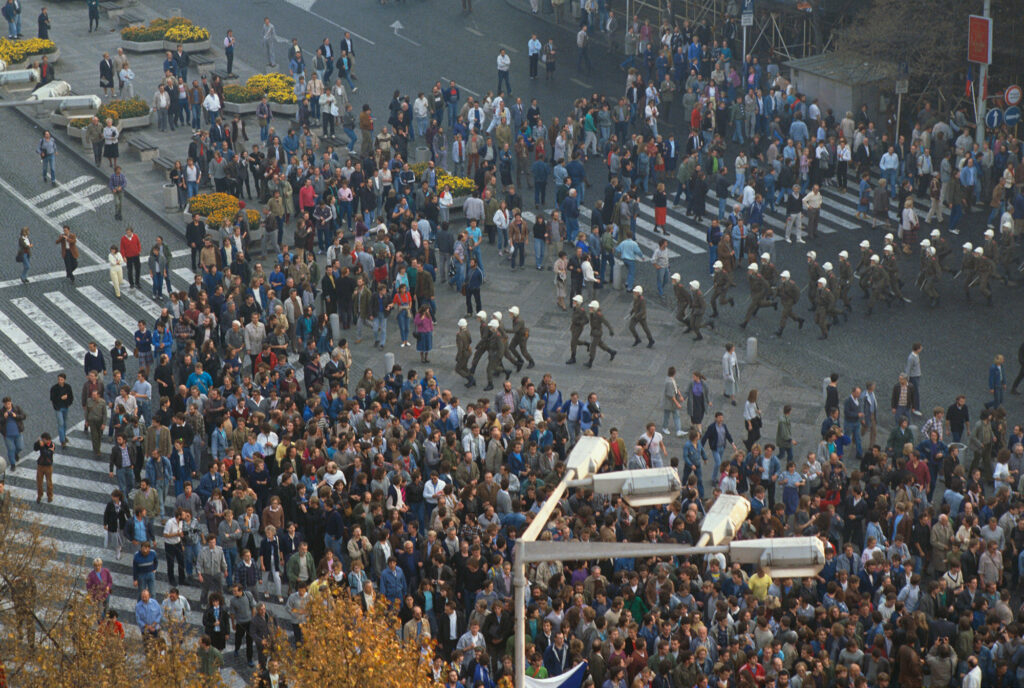
Perestroika in the USSR and the dismantling of pro-Soviet regimes in Poland and Hungary by the end of the 20th century fueled democratic sentiments in Czechoslovakia. In 1988, several rallies were held across the country, which were timed to coincide with historical dates. Having started as thematic events, they gradually became more and more politicized: participants demanded the resignation of the socialists. The authorities reacted harshly: they dispersed these protests with batons and water cannons, which only increased the number of supporters of the protests.
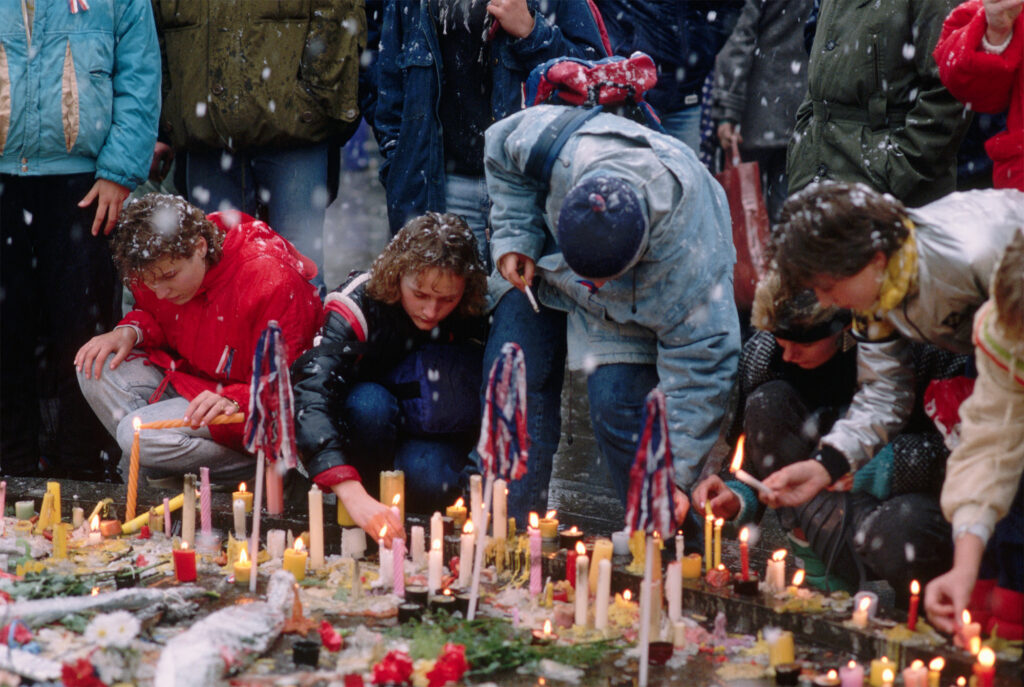
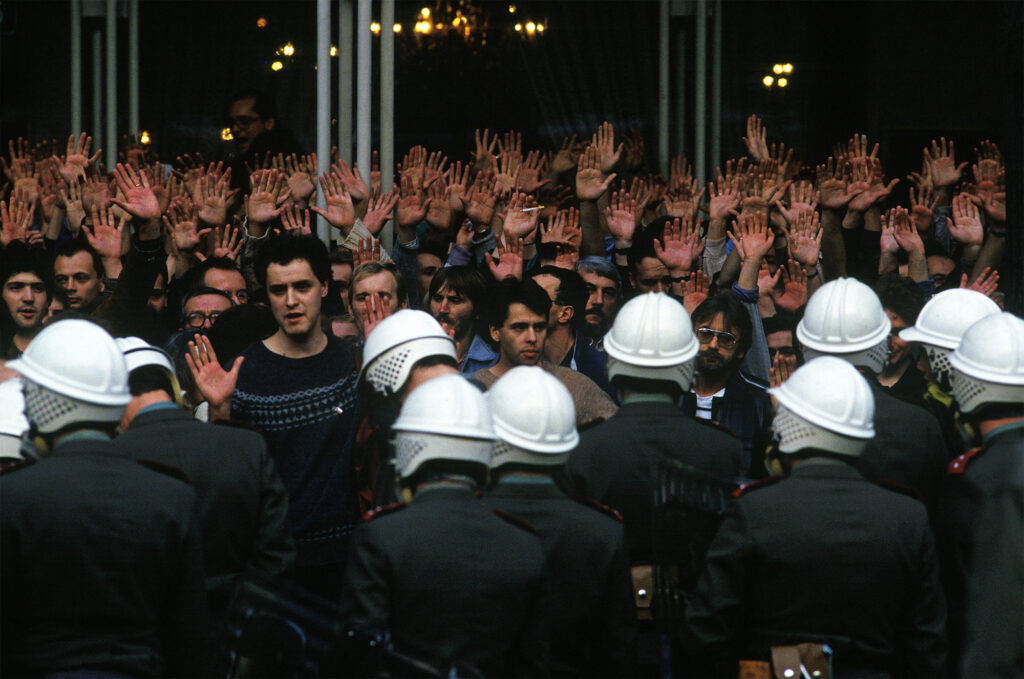
On November 17, 1989, a student rally was held in Prague in memory of Jan Opletal, a Czech student who died in 1939 protesting the German occupation of Czechoslovakia. The peaceful demonstration turned into a protest demanding that the communists resign and launch democratic reforms, but the authorities brutally dispersed the demonstrators. The actions of the security forces gave rise to rumors about a new dead student.
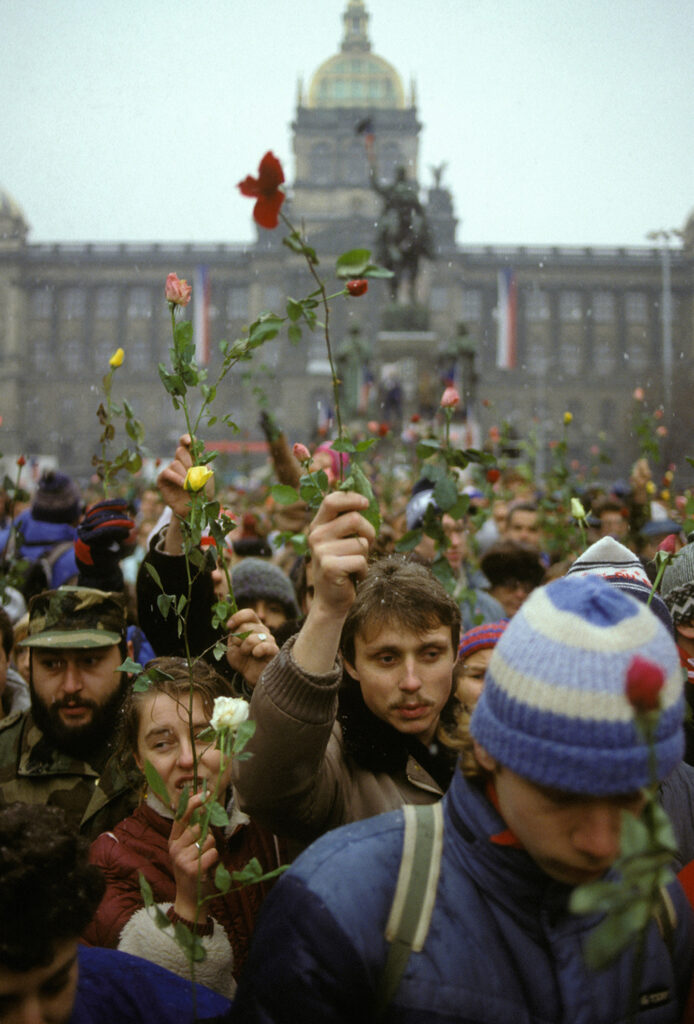
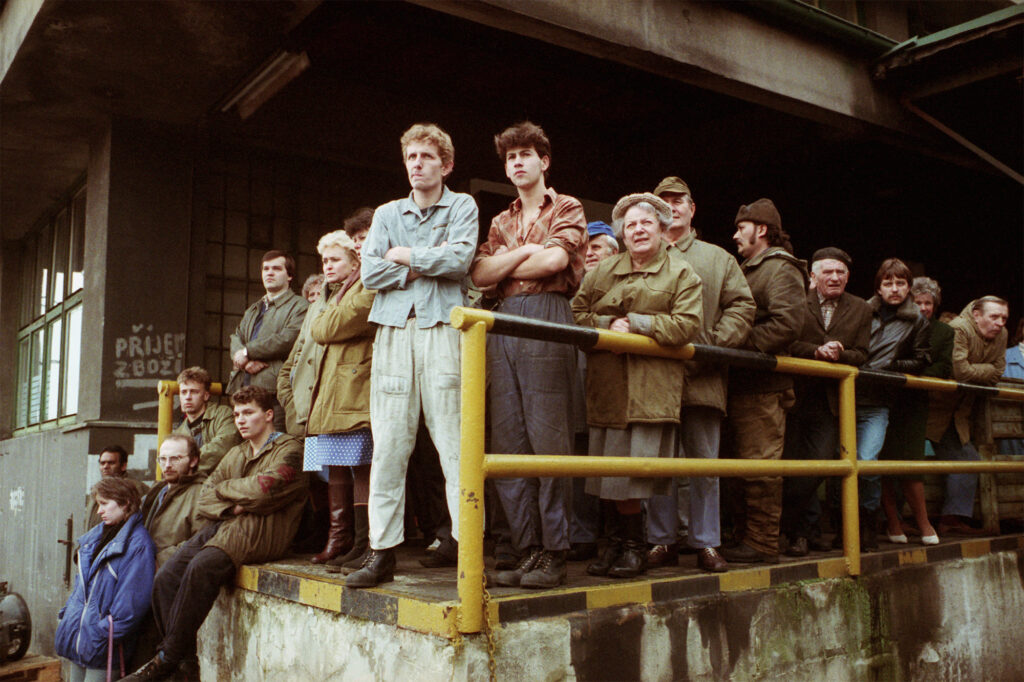
Against the backdrop of these rumors, the university community announced a strike and new protests, which were subsequently joined by representatives of the intelligentsia and blue-collar professions. The center of the protest was Prague, where hundreds of thousands of people gathered on the streets every day. The largest protest took place on November 26, and from November 27 a national strike was declared throughout the country: even employees of 24-hour enterprises refused to go to work. The authorities no longer considered the option of suppressing the protest by force.
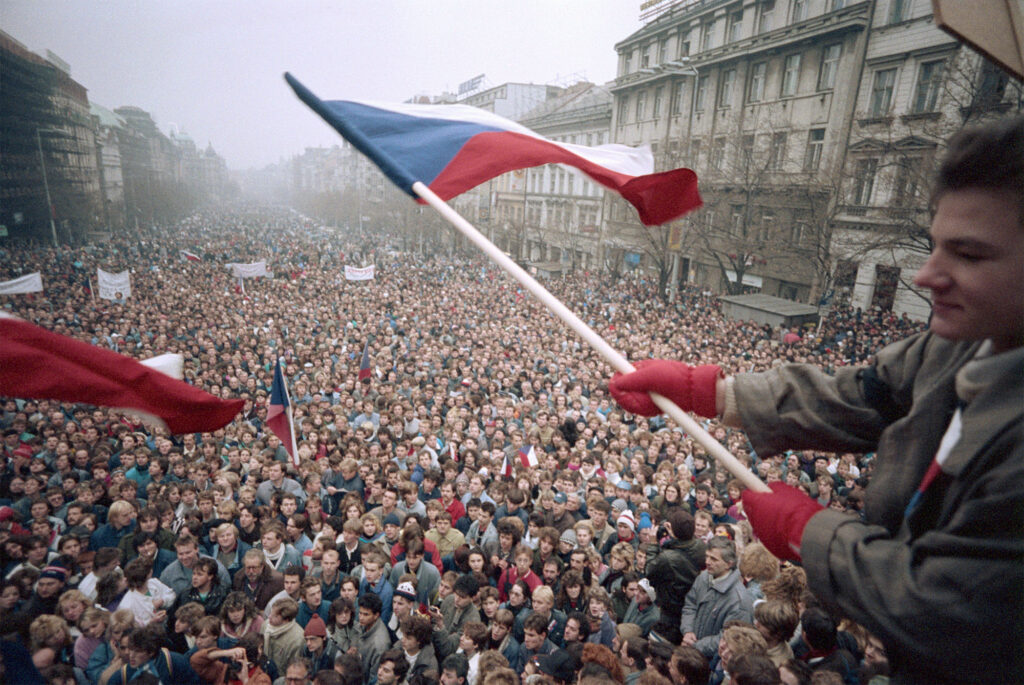
The Czech intelligentsia from the “Civic Forum” movement helped organize the protests - it was its participants who subsequently participated in negotiations with representatives of the socialist authorities and obtained from them fundamental concessions and the dismantling of the communist regime. The leader of the Civic Forum was Vaclav Havel, a dissident, writer and playwright.
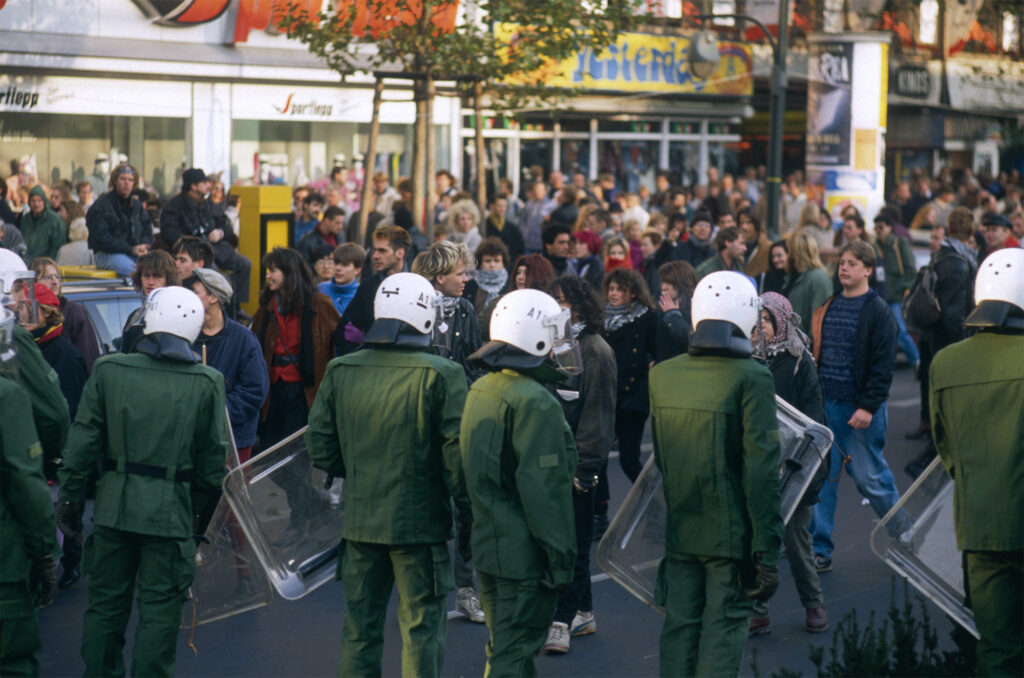
Several attempts by the government of Soviet Czechoslovakia to find a compromise with the protesters failed. The communists tried to retain some positions in power for themselves, but these conditions did not suit the democratic movement. On December 3, the composition of the government was changed: it included supporter of Alexander Dubcek and the Prague Spring, Marian Chalfa. A week later, the renewed government resigned, and the President of the Czechoslovak SSR, Gustav Husak, instructed Chalfa to form a government of national accord, after which Husak himself resigned, vacating the post of president.
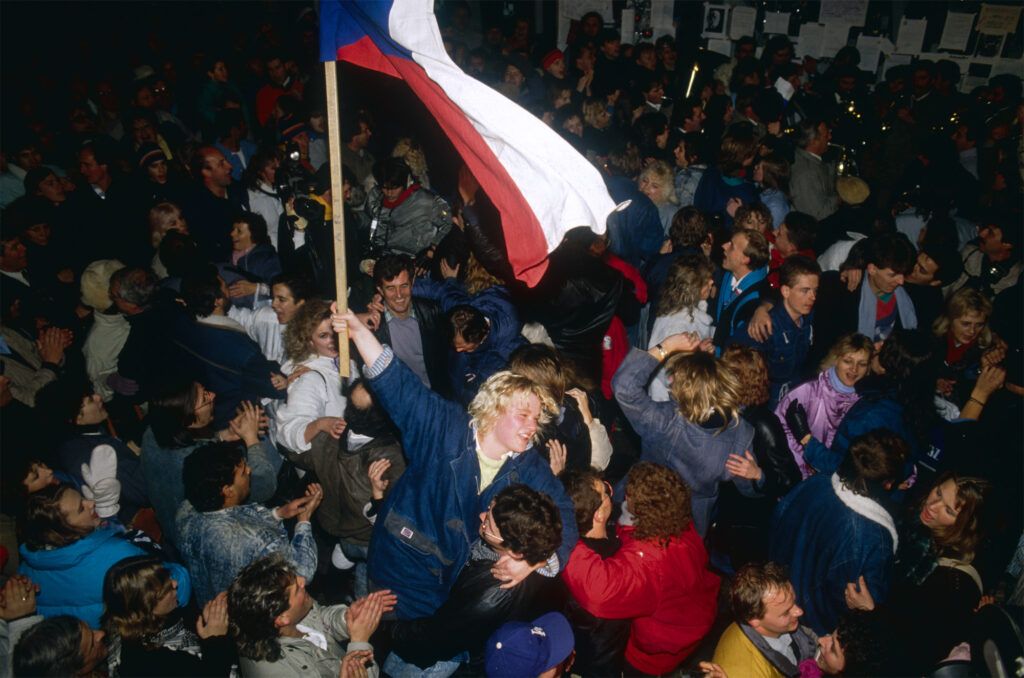
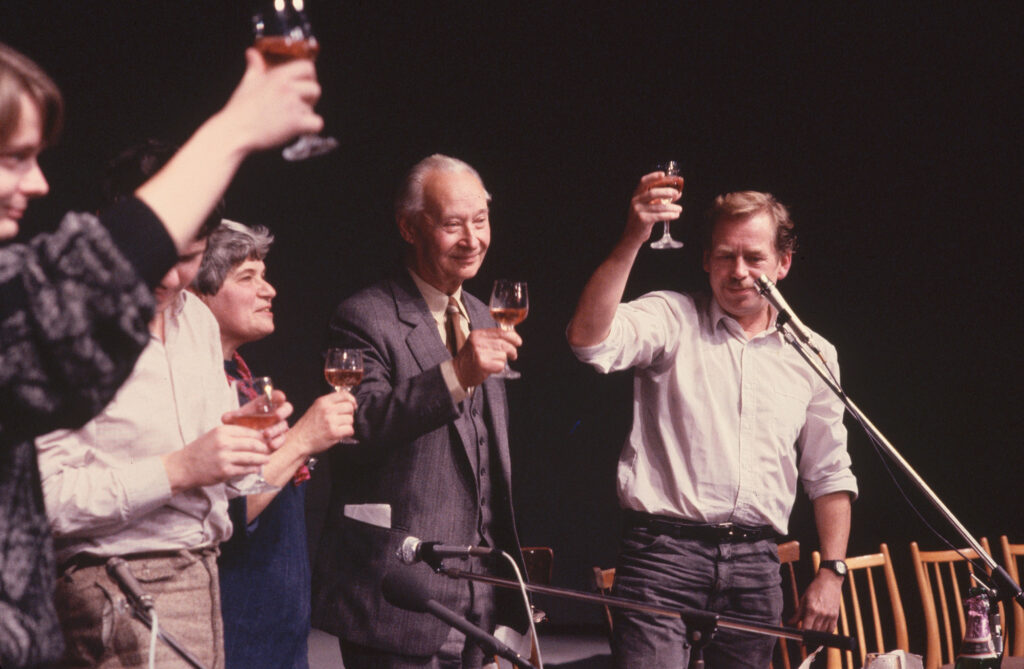
A third of the new government was made up of representatives of the democratic opposition, but the majority were still communists. As a result of negotiations between Chalfa and Havel, the parties agreed that Chalfa would support Havel in his fight for the presidency, but would retain the position of prime minister. On December 22, with the direct participation of Chalfa, Havel and Dubcek became common candidates for the position of President of the Republic and Chairman of the Federal Assembly of Czechoslovakia. A week later, the Federal Assembly approved their candidacies, and the country entered a new era for itself - a sovereign democratic republic.
In order not to miss the main materials of “Cold”, subscribe to our social networks!


Kholod needs your help to continue working
We continue to work, resisting bans and repression, to preserve independent journalism for the Russia of the future. How do we do this? Thanks to the support of thousands of caring people.
What do we dream about?
About the simple and at the same time complex - the opportunity to work further. Life will change beyond recognition many times, but we, the editors of Kholod, want to stay close to you, our readers.
Support Kholod today so we can continue to do what we do best - be independent media. Thank you!
Photo: Georges Merillon / Gamma-Rapho via Getty Images Author: Kholod editors