
Translated material
Year of Mileus
What did the libertarian president achieve when he promised big changes to Argentina?
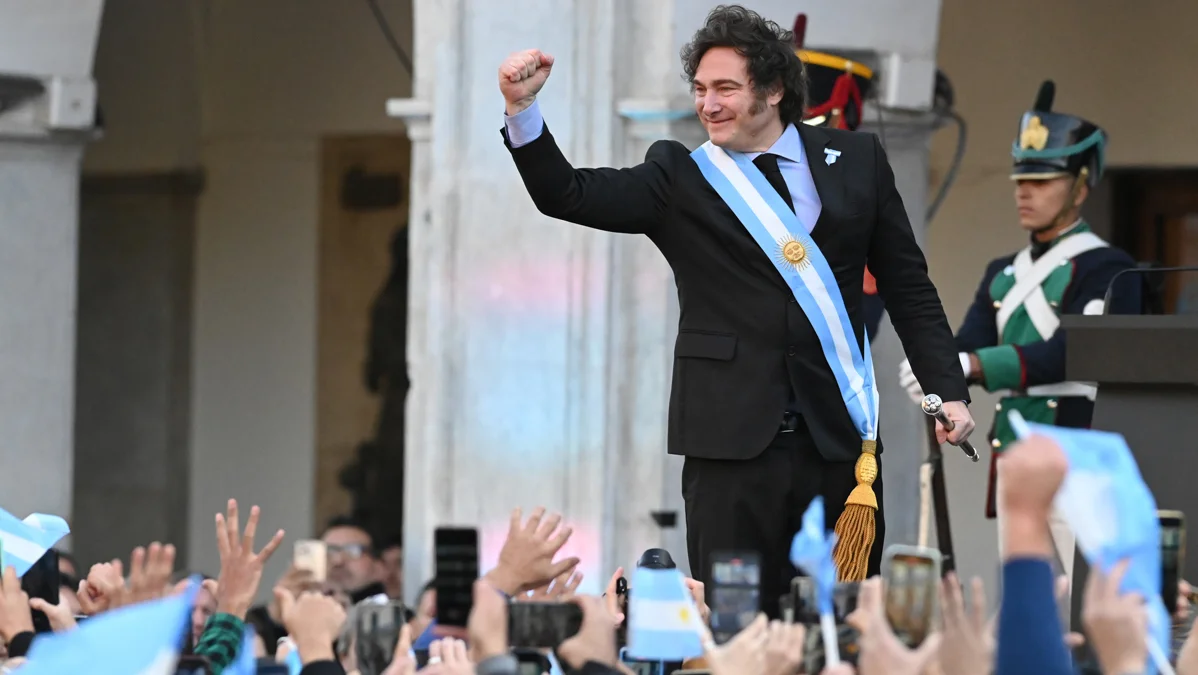
Argentine President Javier Miley greets his supporters at a ceremony to mark Fatherland Day in Cordoba, Argentina, May 25, 2024. Photo: Ariel Alejandro Carreras/EPA
“Mad anarchist”, “man with a chainsaw” - these were all the names critics and supporters called Javier Miley when the economist won the presidential election. With the collapse of the left-wing Peronist government, Miley was given carte blanche to carry out his radical reforms. The first libertarian president in history promised at his inauguration that at first “it will be even worse,” but then he will fix Argentina.
December 10 is Miley's first anniversary as President of Argentina. “Novaya Gazeta Europe” talks about how a man who despises government intervention in people’s lives reforms one of the largest economies in South America and what consequences his shock therapy led to.
9 closed ministries, 24 thousand fired civil servants, a halved peso and a reduction in inflation to 2.7% in October. These figures reflect the key changes that Javier Miley has brought to the Argentine economy. Miley came to power in a country suffering from huge inflation ( more than 200%) and bloated social benefits. The new president decided to cut budget expenditures and, under the slogan “we have no money,” closed ministries, fired officials and arranged privatization. He succeeded: Argentina's budget turned out to be a long-awaited plus. Financial discipline was a step towards achieving debt restructuring from the International Monetary Fund (Argentina is one of the IMF's largest borrowers). Vladimir Ruvinsky, professor of international relations at ICESI University (Colombia), in a conversation with Novaya Gazeta Europe, says that Miley’s main success is the “absence of a catastrophe.” “The economy has stabilized, but it is too early to say that there will be no surprises and recovery is proceeding without problems,” concludes Ruvinsky.
Miley promised that he would bring investment to Argentina. The special friendship of the Argentine president with billionaire Elon Musk has not yet brought real money for the country, although the media write that the owner of Tesla wants to invest in the lithium mines of Argentina.
“The happiest people in the context of the Mile to Power are businessmen. Miley's ideology as a libertarian is built around protecting their interests."
- says Lisette Kugler, professor at UCEMA University (Argentina), communications specialist.
Despite the positive aspects, an economic miracle has not yet happened. Argentina is the only G20 country in recession and expects to lose 4% of GDP in 2024. Kugler says her life has definitely gotten “worse” over the past year, adding that “employees can’t even pay for groceries. Many people buy food on credit.”
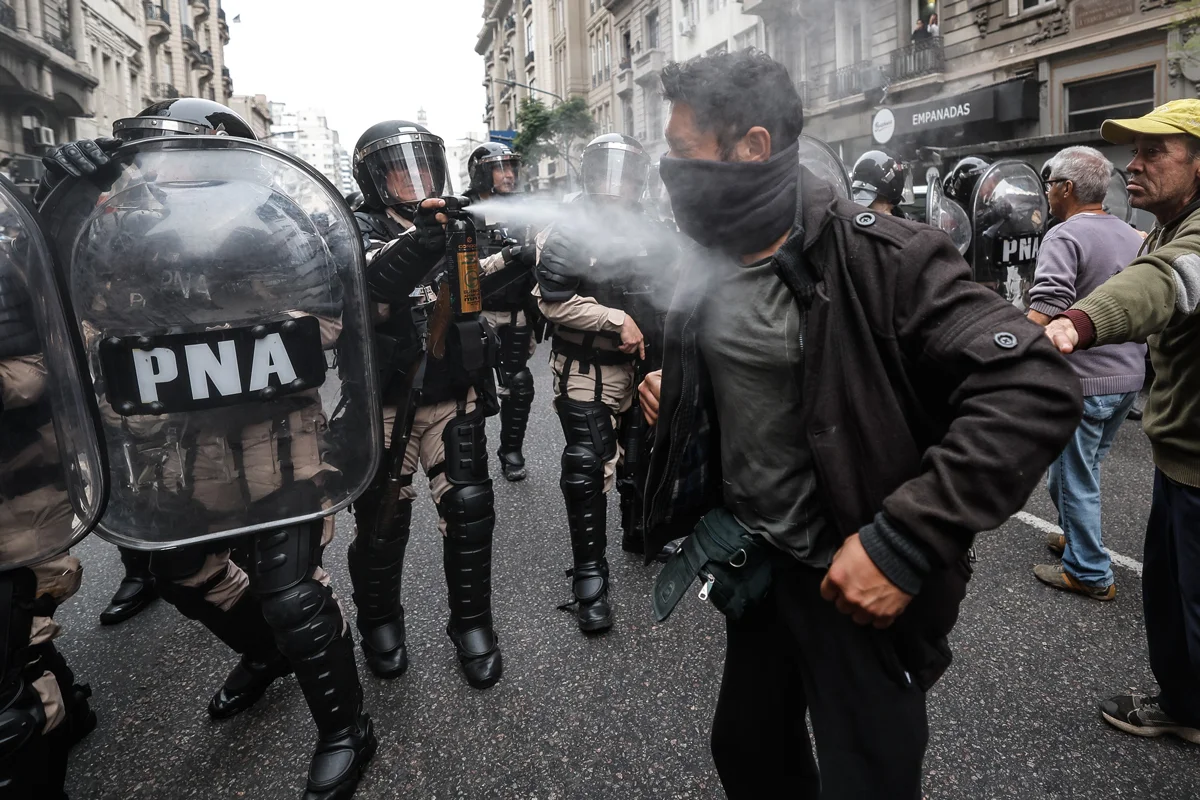
“The Miley government has chosen to fix the macroeconomy at the expense of the microeconomy. Because of this, structural poverty has increased in the country and our purchasing power has fallen,” explains Argentine journalist and author of the book “Bipolar Democracy” Carlos March. The numbers support March's words: in July 2024, Bloomberg reported that wages for workers in Argentina were growing at about half the rate of inflation. In addition, in the first six months of Miley's reign, the country saw the emergence of about five million new citizens living below the poverty line. Vladimir Ruvinsky says that life in Argentina has become much more expensive: “If we talk about an economic miracle, then economists may like it if we look at some macro processes, but it is at the everyday level that Argentina has become a very expensive country.”
Public support for Miley has declined. In September, government approval fell by almost 15% as the school year began, coinciding with student protests . The protests were caused by severe cuts in spending on education: funding was cut by a third. “Cuts in spending on education, health care and social support have hit people who work for the government hard. Over the year, Miley reduced spending on the social sector from 44% of the budget to 32%. This is unprecedented in Argentina and is leading to a lot of discontent,” says Kugler.
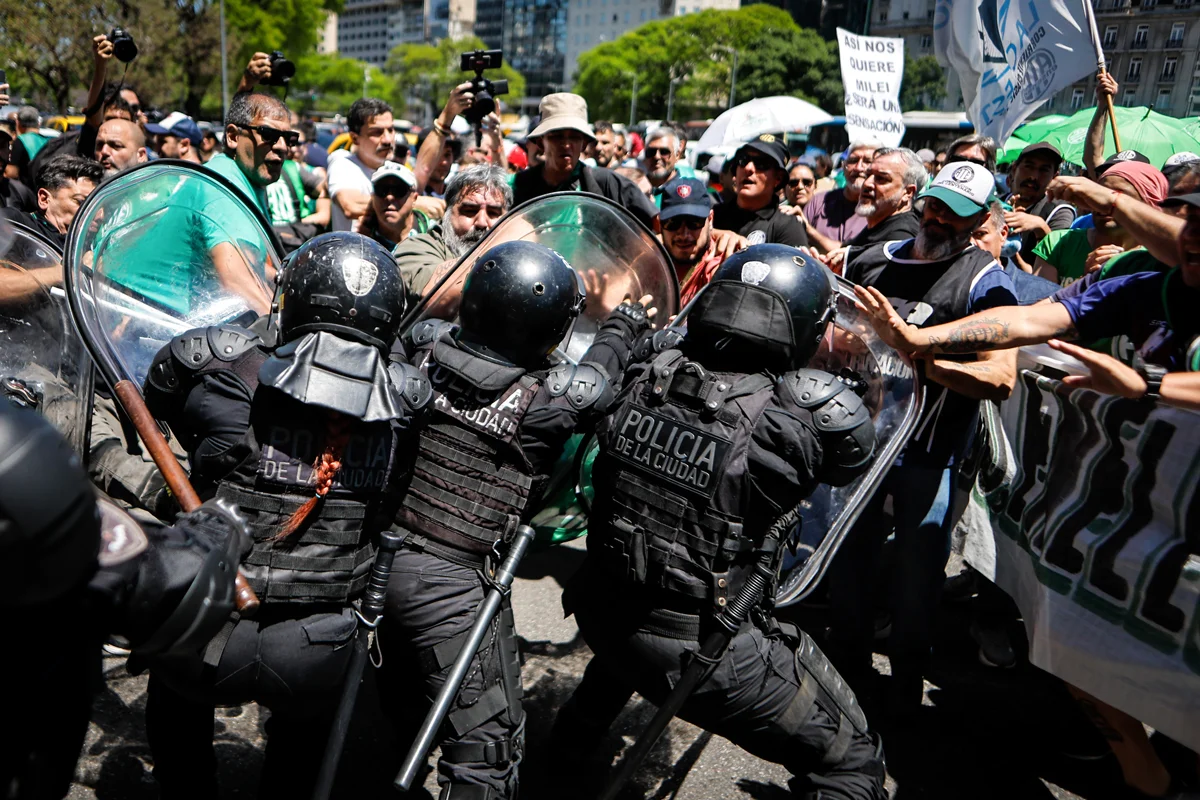
By November, the government's approval rating had risen again to 47%; This is largely due to Miley’s successful fight against protests. According to Kugler, the president is actively limiting the influence of trade unions, excluding them as an intermediary between the state and workers on the issue of social benefits. Without an organized labor movement, the country's protest potential is greatly reduced. In addition, Miley introduced restrictions on the forms of rallies.
“Now you can’t block roads, and in Argentina this has always been the main method of protest. This was done to protect people not participating in the protests,”
— Lisette Kugler clarifies.
In addition, Miley has a conflict with the media. The President accuses journalists of corruption; Immediately after taking office, he announced that he would eliminate government advertising in the media and push for the privatization of Argentina's largest news agency, Telam.
“Miley feels much more comfortable on social networks than in the media. Miley used social networks to become widely known. Today, Miley has already established himself in power and therefore feels that he can do without the press,” says March.
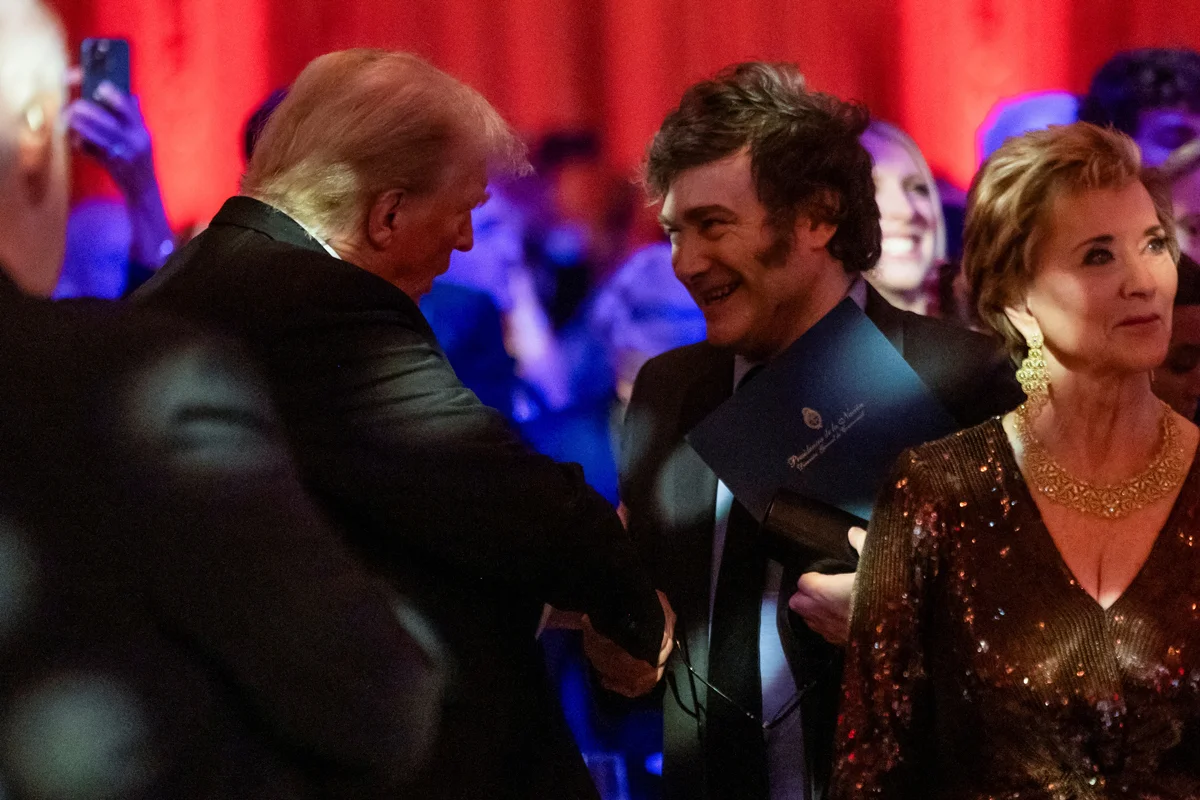
Miley's team places special hopes on the elected President of the United States. “You are my favorite president,” Manuel Adorni, head of Miley’s press service, attributed this quote to Trump. It was allegedly said during telephone conversations between the leaders of the countries. In Argentina, Trump's arrival is expected largely because of possible financial assistance, but Kugler calls for caution in these expectations: “We still have not received any money, neither from the United States, nor from China, nor from Musk.” Vladimir Ruvinsky is also skeptical about the idea that Trump will be the salvation for the Argentine economy. “The fact that Miley was at the party after Trump won the election doesn’t mean anything. It's not Trump's logic to help losers; and the Argentine economy is now in exactly this status,” says Ruvinsky.
The ideas of Trump and Miley agree with each other. The Argentine president openly polarizes society. One of the ministries closed under him was the progressive “Ministry of Women’s Affairs.” According to Lisette Kugler, “it played a big role in protecting women’s rights and combating gender-based violence.” “Our society needs protection, and Miley took it away,” she adds.
In addition, Miley calls for ignoring climate change, and during the last UN climate conference, the Argentine delegation was ordered to leave the event. Miley said that climate change is a “socialist lie.” Journalist Carlos March believes that Argentina's withdrawal from the Paris climate agreement is extremely likely. One of the reasons is the development of the country's largest oil field by the “dirty method” of hydraulic fracturing.
“In the first year of his reign, Mileus managed to win a cultural battle in which he found no rivals. Besides,
he has imposed a type of government in which people are willing to endure the consequences of economic restructuring because of hopes for change."
says March. Confirms the words of March and Kugler. She says that the middle class is still ready to be loyal to Miley because of a sense of “hope.”
The opposition is not yet able to resist Miley. The Peronist party of former President Alberto Fernandez is mired in corruption allegations, and Fernandez himself is fighting off accusations of domestic violence.
Experts interviewed by New Europe consider the next year to be key for the Miley government. It is in 2025 that congressional elections will be held, which will decide whether the president and his government can effectively advance their initiatives. “The upcoming elections will show how much people believe in Miley’s measures and are willing to continue to endure shock therapy,” concludes Kugler.