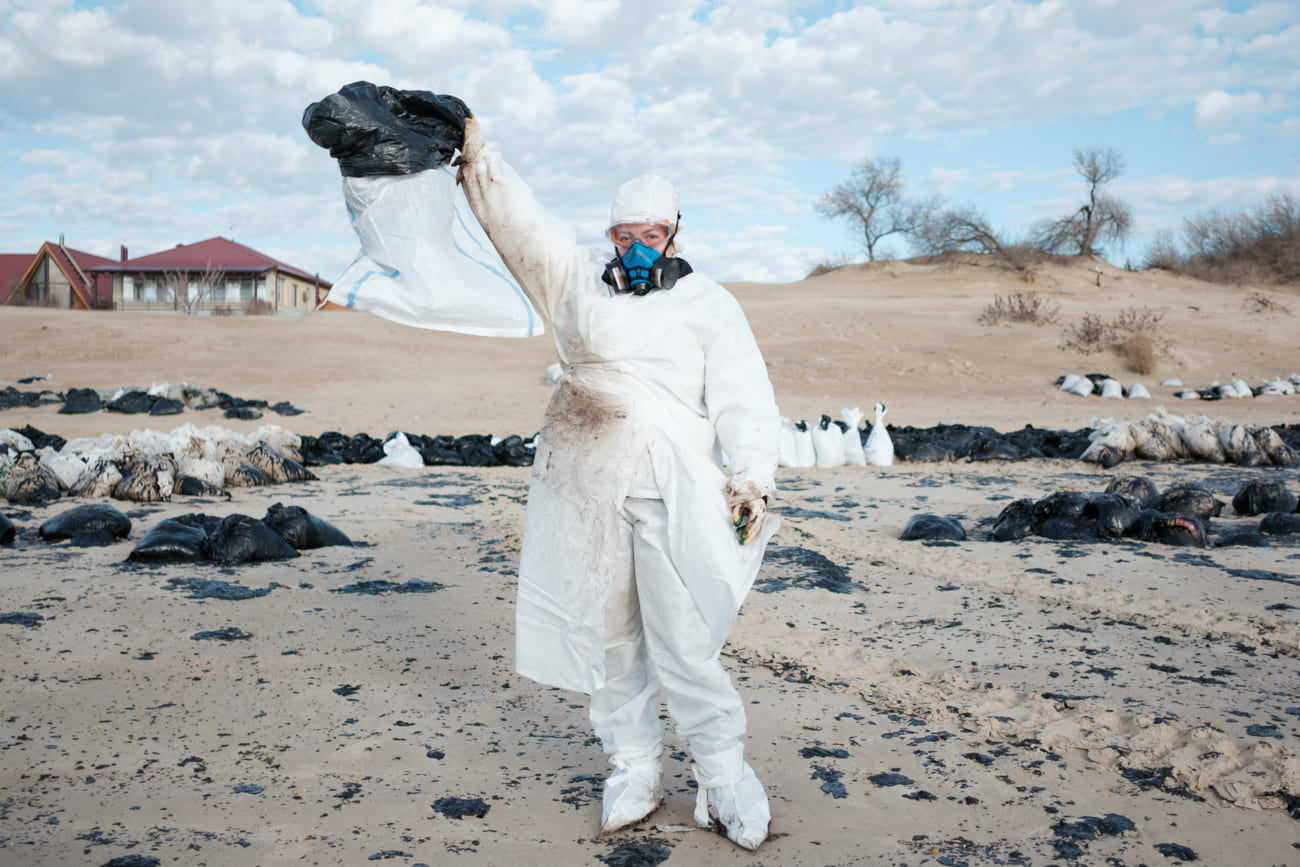
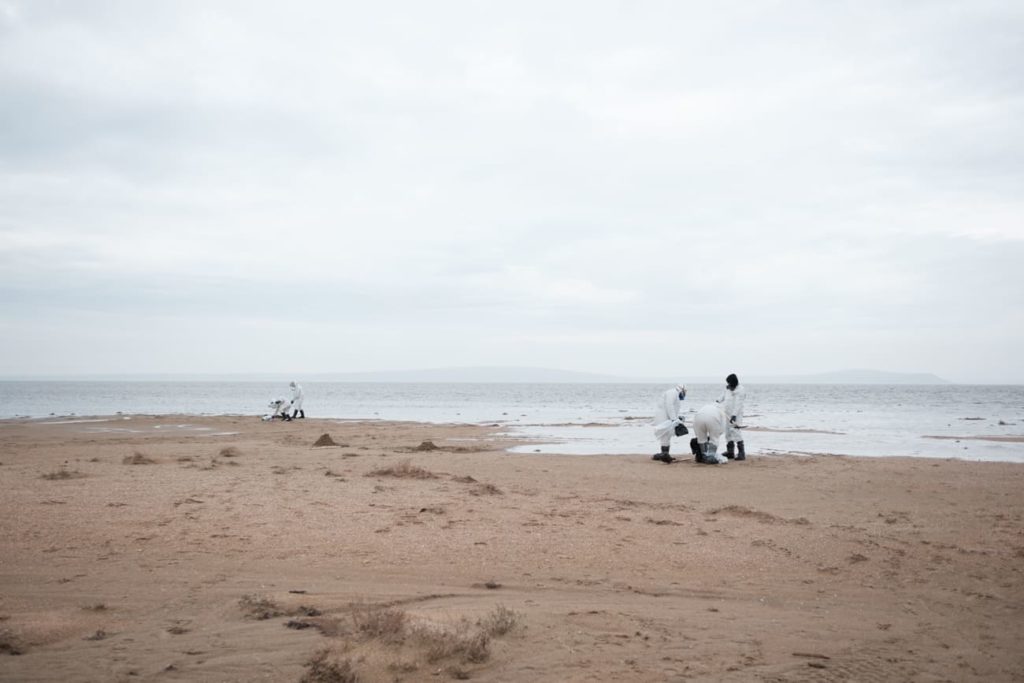
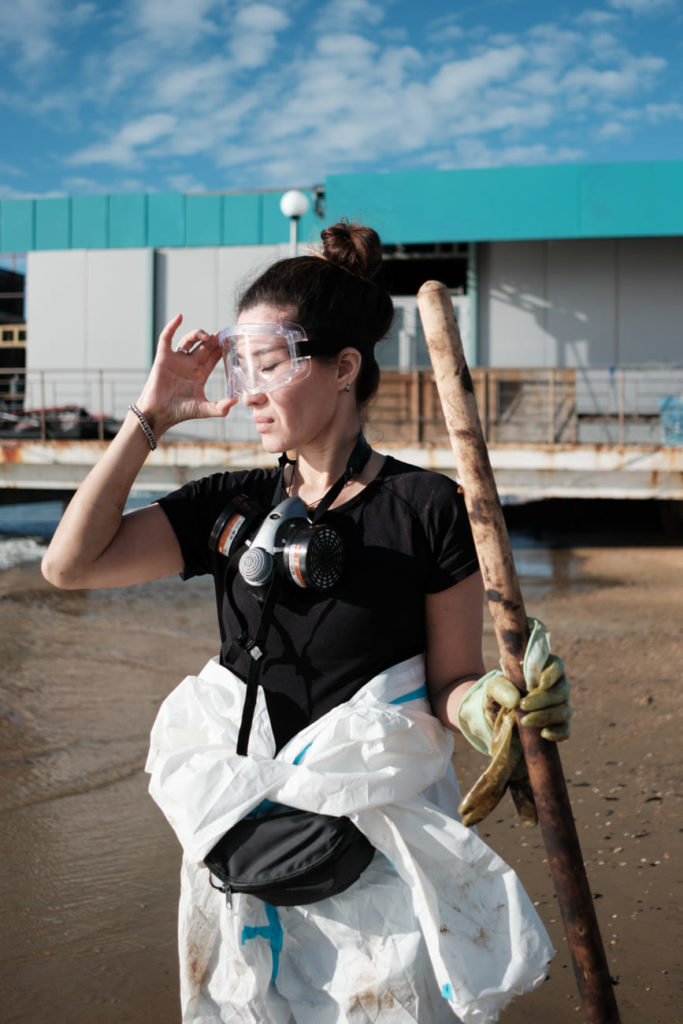
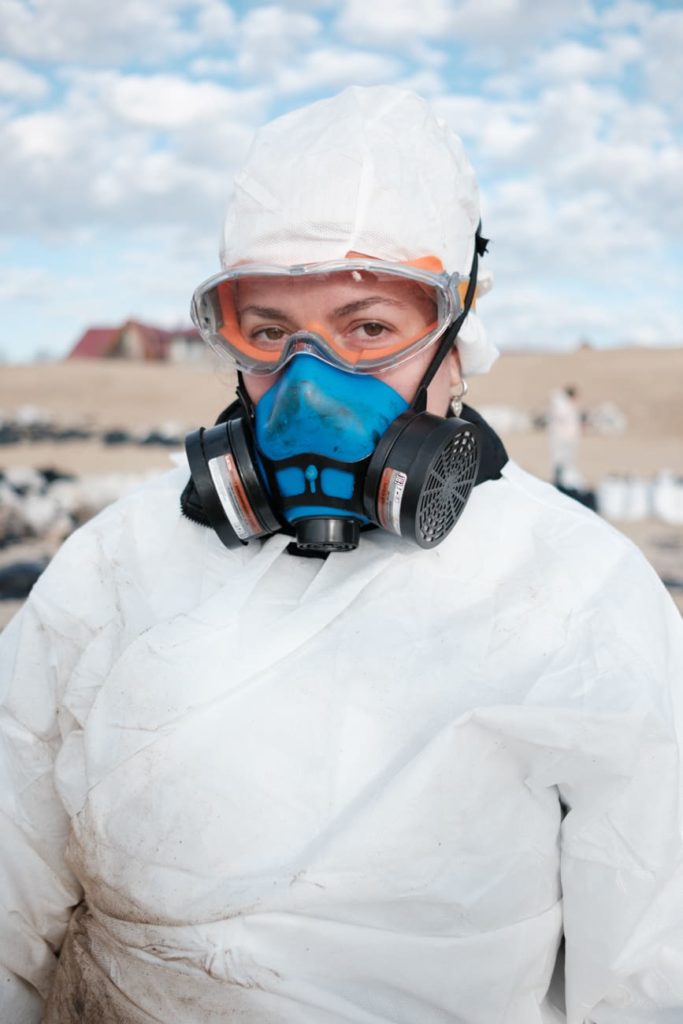
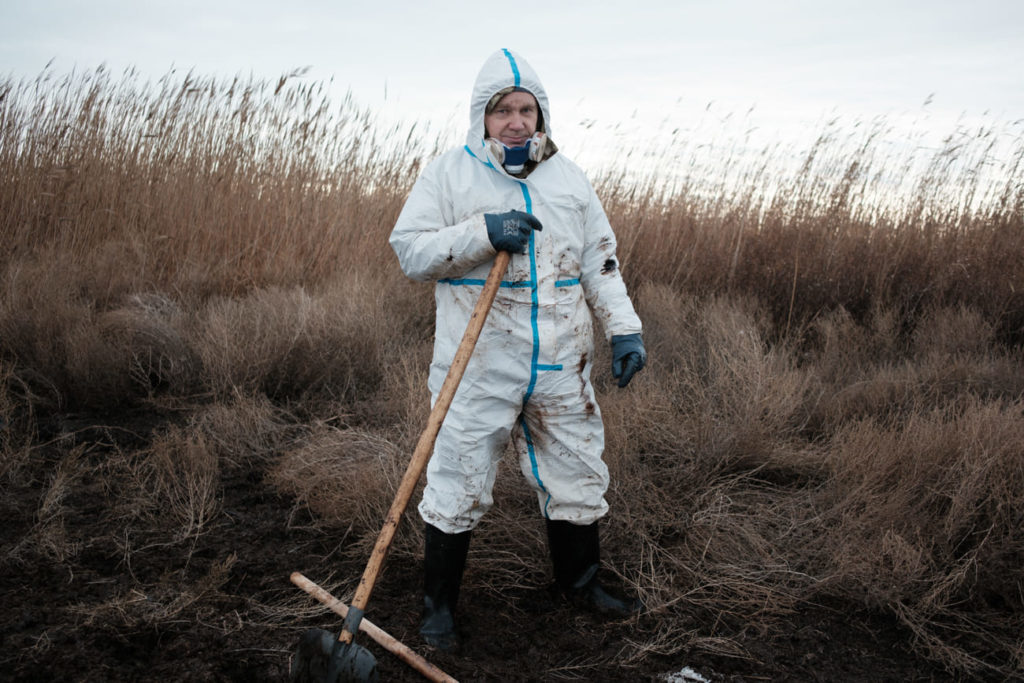
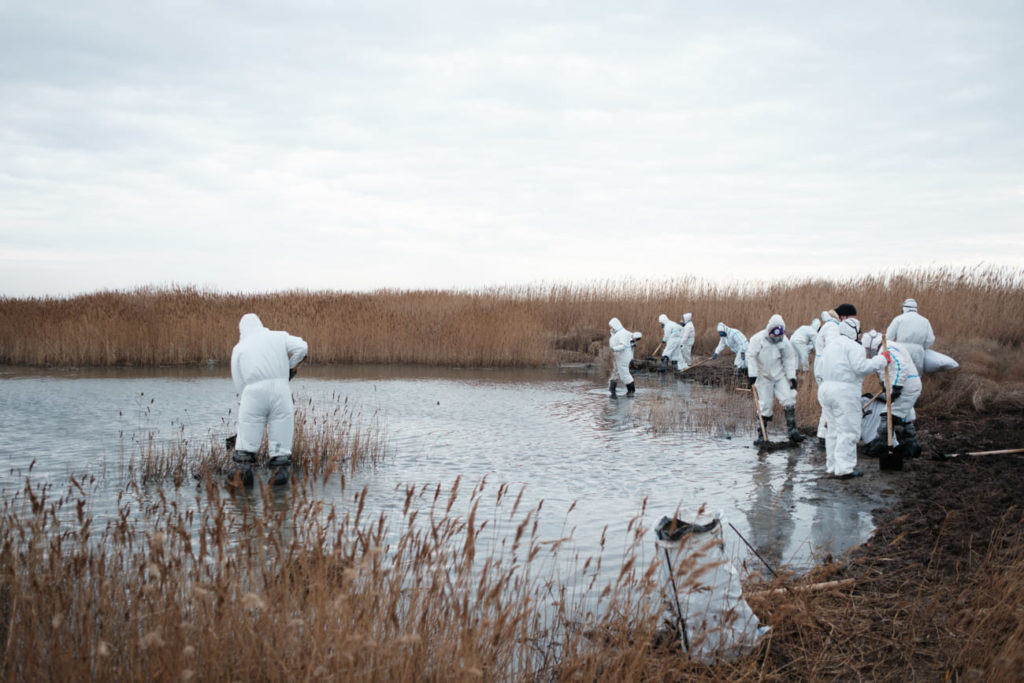
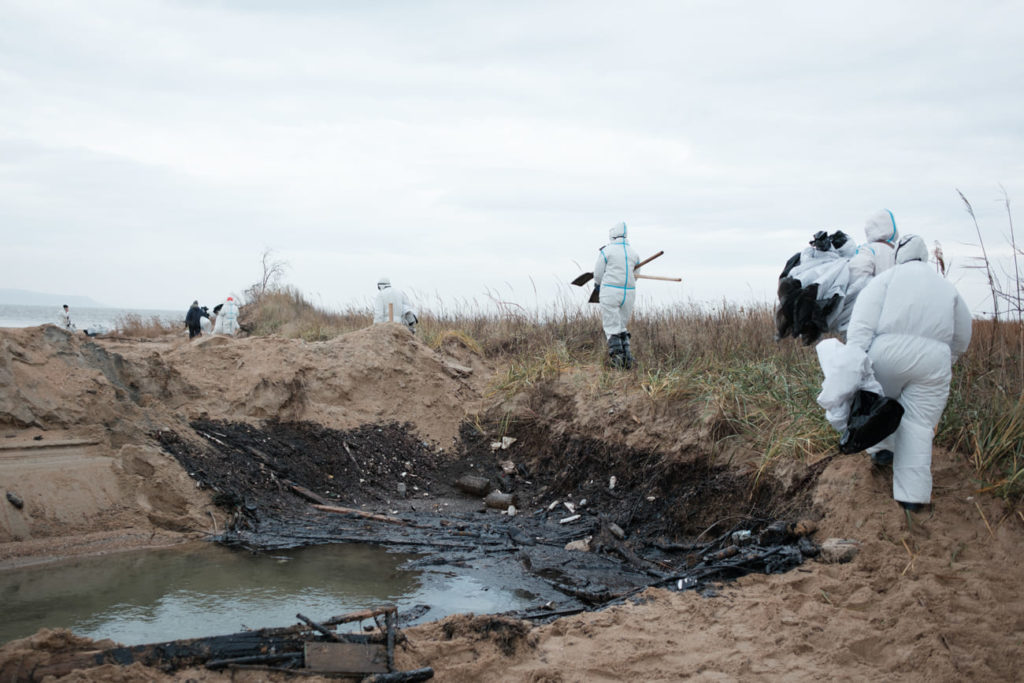
After the crash of two tankers in the Kerch Strait on December 15, oil products flooded the Black Sea coast of the Anapa and Temryuk regions of Kuban and reached Kerch. Residents of Anapa recorded a video message to Putin, asking for additional equipment and specialists to be sent to them, but mostly volunteers continue to work on the coast, many of whom came from other regions. Photographer Alina Desyatnichenko drove along the coast in the Anapa region, where volunteers collect fuel oil in plastic bags and save birds. A speech therapist, photographer, entrepreneur, numerologist and other volunteers told her what motivated them to leave all their business and go to Anapa.
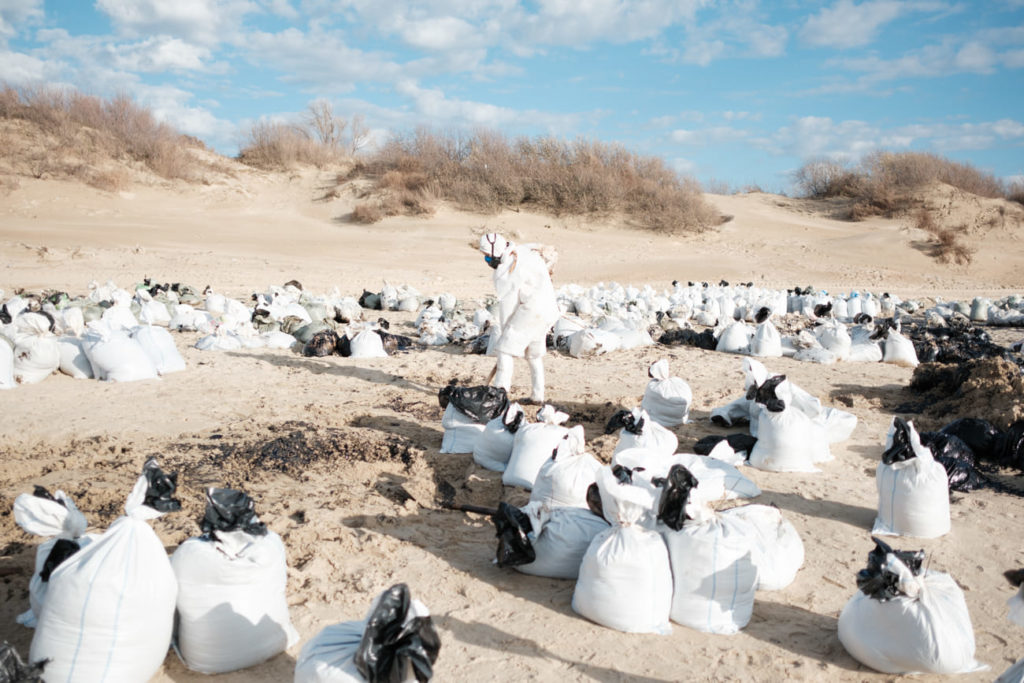
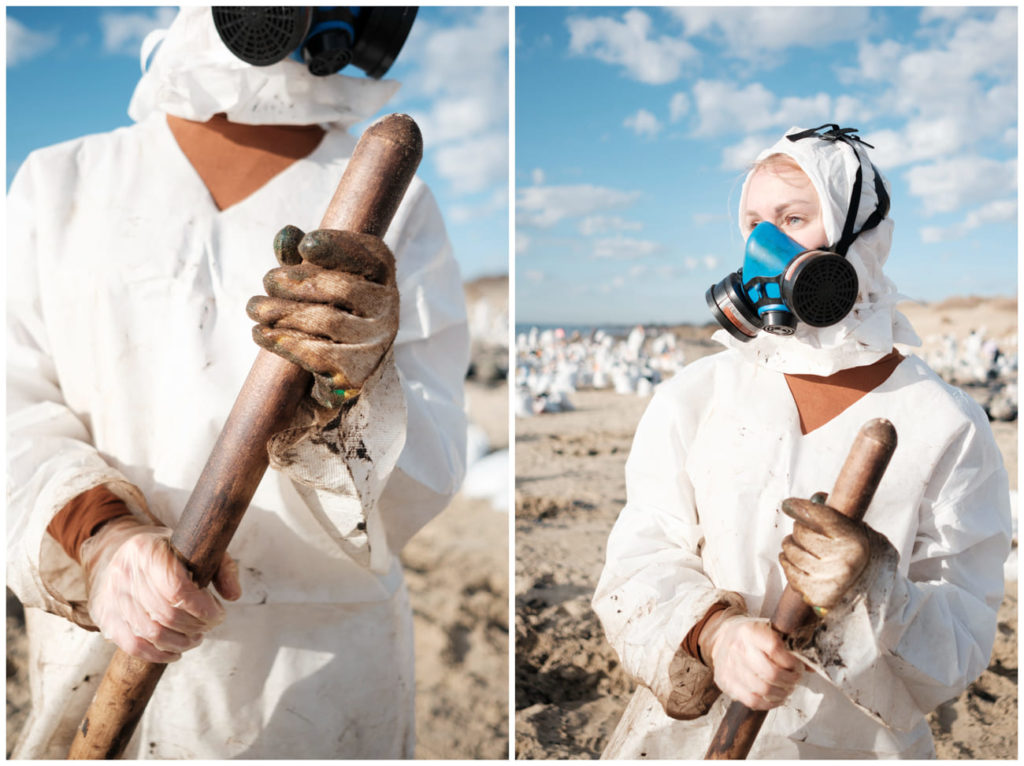
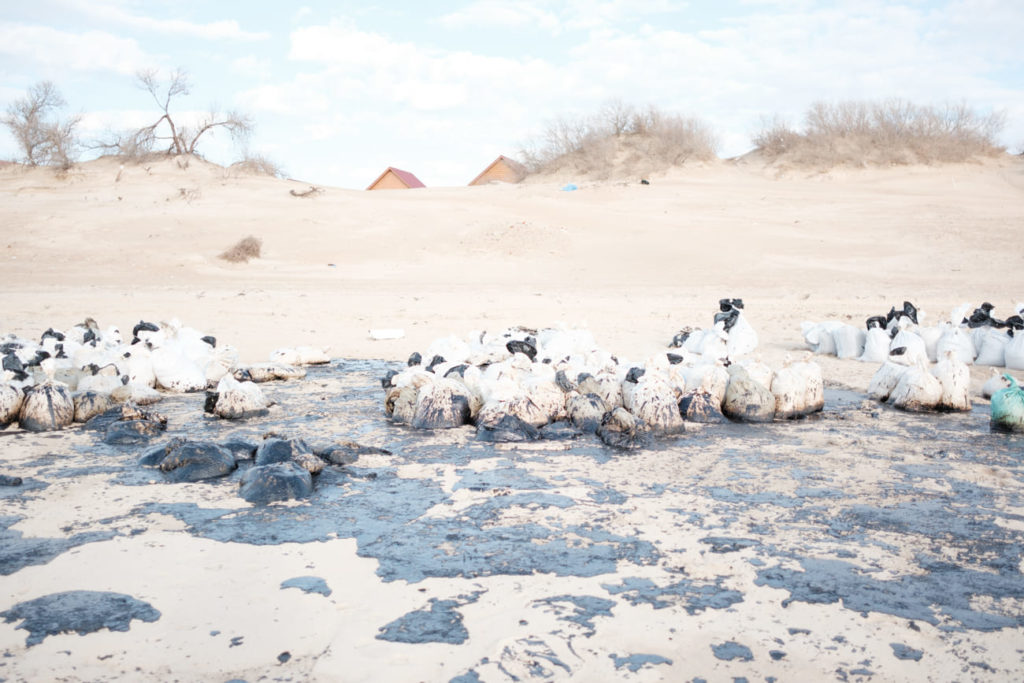
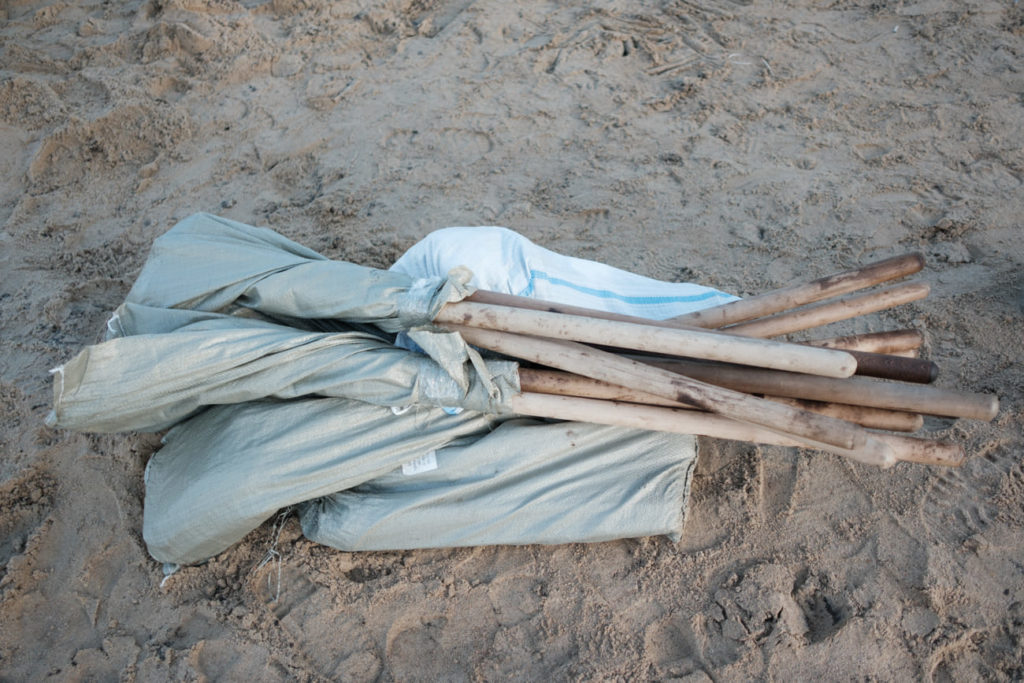
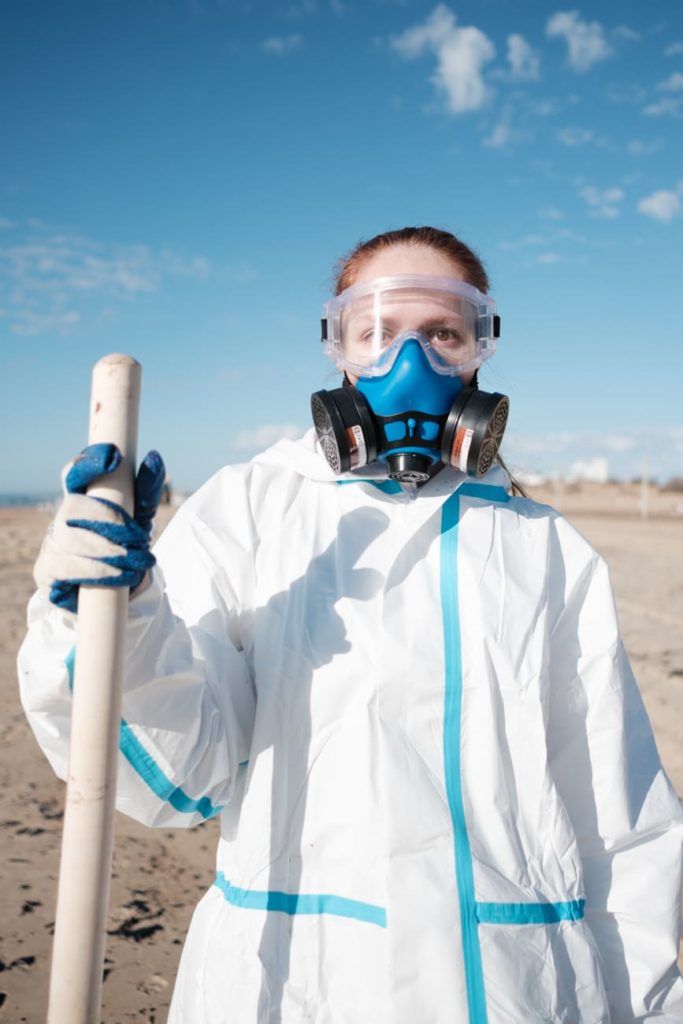
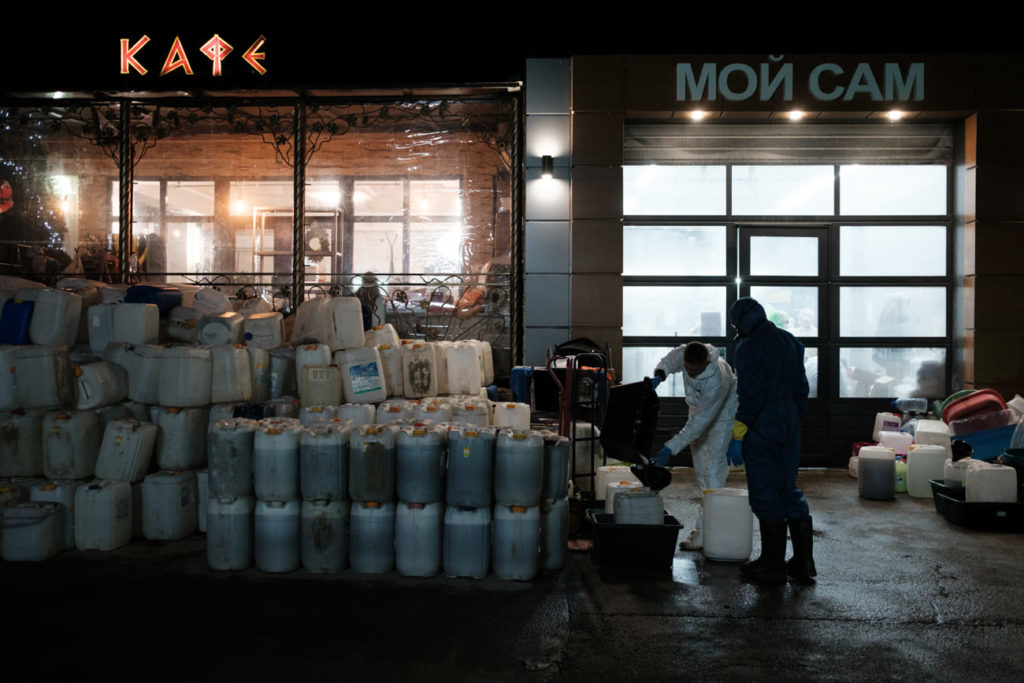
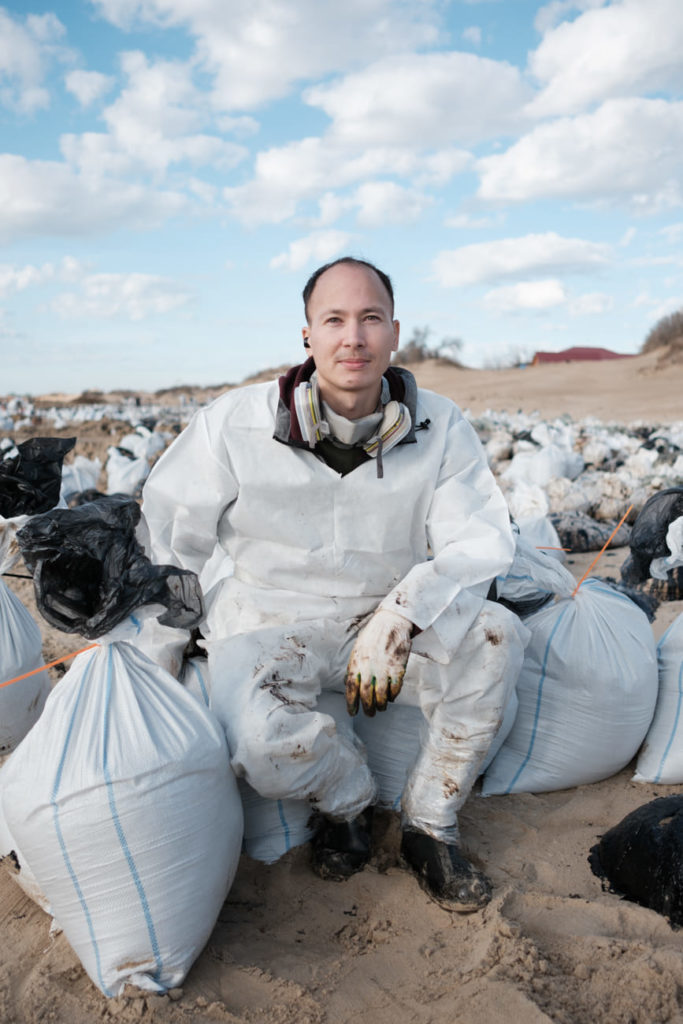
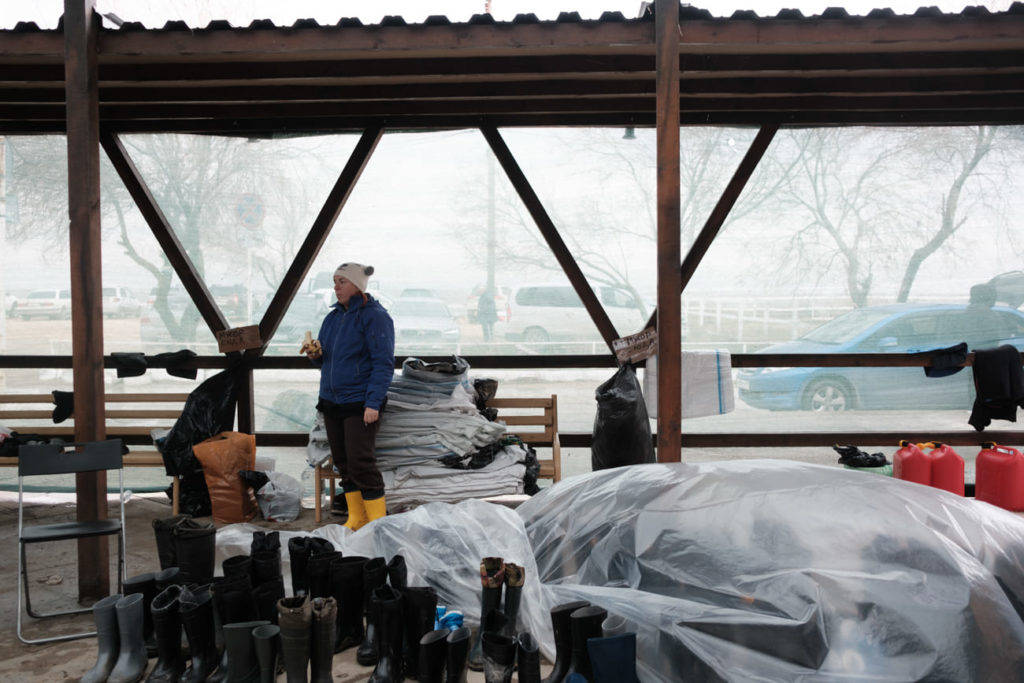
Since the first days of the emergency, volunteers have been eliminating the consequences of the oil spill on their own. A volunteer headquarters has been set up on the coast in the village of Vityazevo, and wherever work is being done to clean up the coast, there are volunteer collection points. They are given clothes and shoes for work, protective masks and shovels, and are provided with food and, if necessary, housing. Fuel oil mixed with sand has to be collected with shovels into large plastic bags, which drivers of heavy equipment do not always have time to remove due to bad weather, and they begin to leak. Volunteers complained that in the village of Dzhemete, bags of petroleum products were found buried right on the shore or stored near residential buildings. In the Voskresensky farm, local residents found bags of fuel oil even not far from the kindergarten.
On December 23, volunteers recorded a video message to Vladimir Putin, declaring that “such a disaster cannot be defeated with shovels,” and demanded that rescue teams with the necessary equipment be sent from other regions to the coast, chemical protection specialists be sent, requests for help from other countries and the involvement of veterinarians to save animals and birds. In addition, residents created a petition with similar demands. After this, the Investigative Committee opened a criminal case, but there are still not enough people and equipment to eliminate the consequences of the accident. On December 25, Governor of the Krasnodar Territory Veniamin Kondratyev announced the introduction of a regional emergency regime.
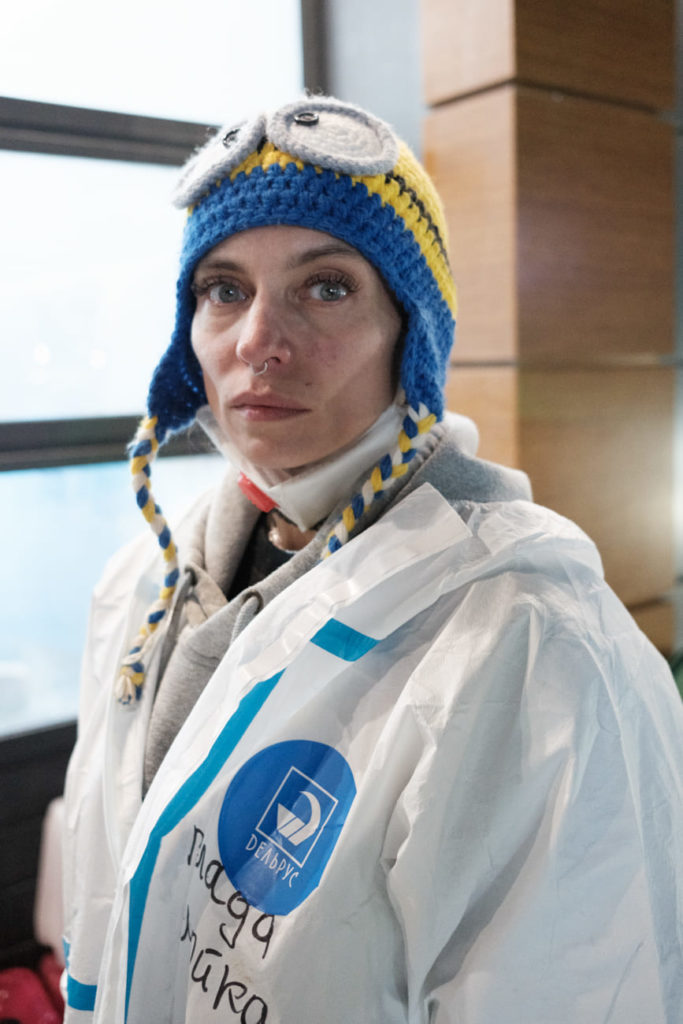
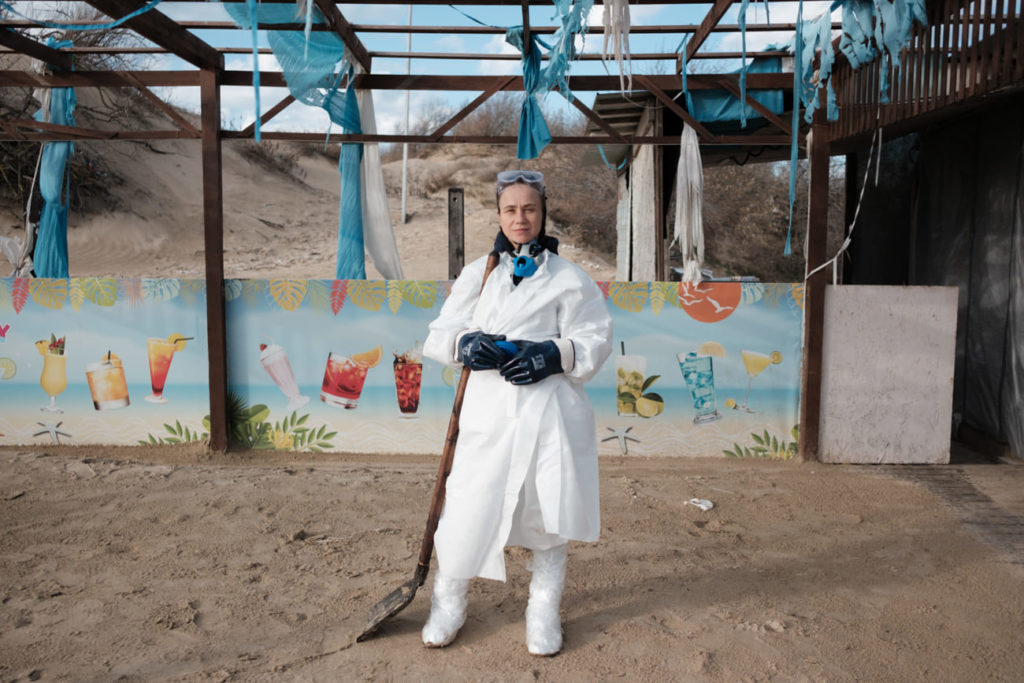
Bugazskaya spit, Blagoveshchenskaya village Beach in Dzhemete Elya from Krasnodar, volunteers in Vityazevo
Elya, Krasnodar
Elya arrived in Anapa from Krasnodar on December 24. The girl comes here several times a year, the last time she was on vacation with her husband on the coast two days before the disaster. “I was happy that there were no people there. And now I’m happy that they are all here and they are all working. Such a contrast: how clean the sea was, and two days later - this. “I’m shocked,” said Elya.
She laments that so far she can only volunteer for one day - her little daughter is waiting for her at home. After the New Year, Elya plans to return to the coast for another week.
— I love the sea madly, it brings me to tears. And I can’t look at it - I want to help.
Olga from Sochi, volunteers in Dzhemet
Olga, Sochi
Olga arrived in Anapa on December 24 along with a group of volunteers. She calls herself “a sympathetic person who could not pass by”:
— This year I was a volunteer in Tanzania, but there, of course, everything was completely different: I worked with children, wore beautiful dresses, but here I feel like a miner, covered in fuel oil. I even thought of making a contrast: how I volunteered, clean, in Tanzania - and how it is here. This is what volunteering is like in Russia.
Olga plans to stay in Anapa until January and does not exclude the possibility of celebrating the New Year here. The girl worked as a stewardess on yachts, and now she is engaged in numerology. She believes that 2024 is the year of karma, and advises everyone to come to Anapa as volunteers to “cleanse their karma.”
Beach in Dzhemete Talyana from Kaliningrad, volunteers in Dzhemet
Talyana, Kaliningrad
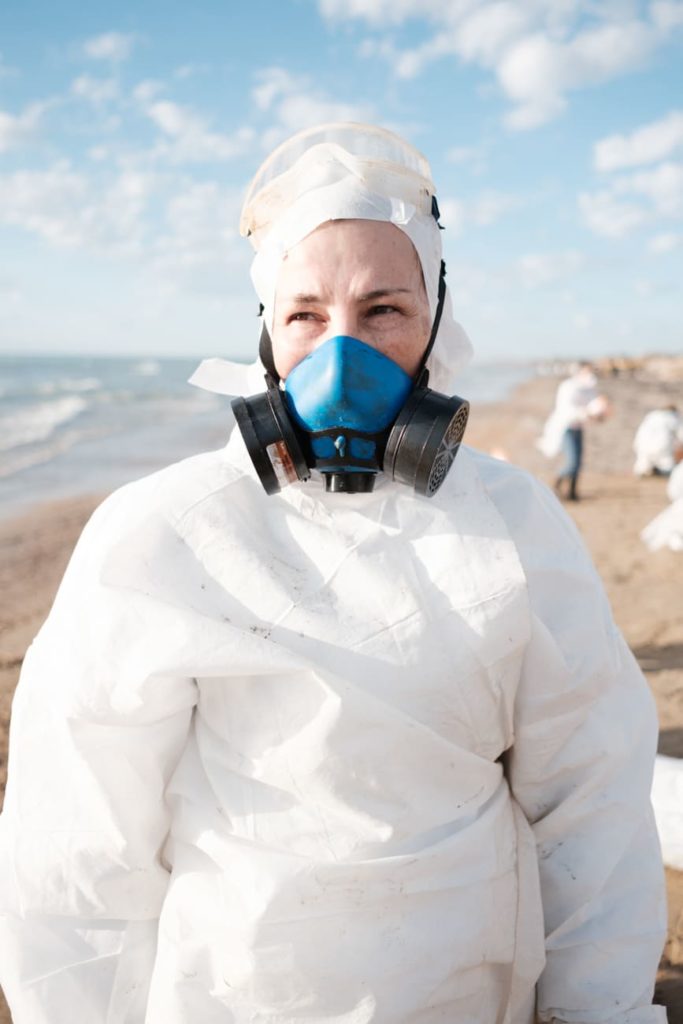
A resident of Kaliningrad, Talyana, found a replacement at work and arrived on the coast on December 23. She works as a speech therapist in a kindergarten and is involved in the work of one of the environmental communities in her city. According to Talyana, the consequences of the oil spill are much more serious than they say on television.
She came to Anapa for five days and hopes that more people will come to replace her and other volunteers during the New Year holidays. Talyana found housing in a volunteer chat - a local resident responded to her message almost immediately. Talyana says with a smile that she “feeds, waters and scolds” her if she works hard.
“I’m shocked how everything here is organized by ordinary people who are not involved in any structures. As someone said, if our people are not disturbed, they organize themselves perfectly.
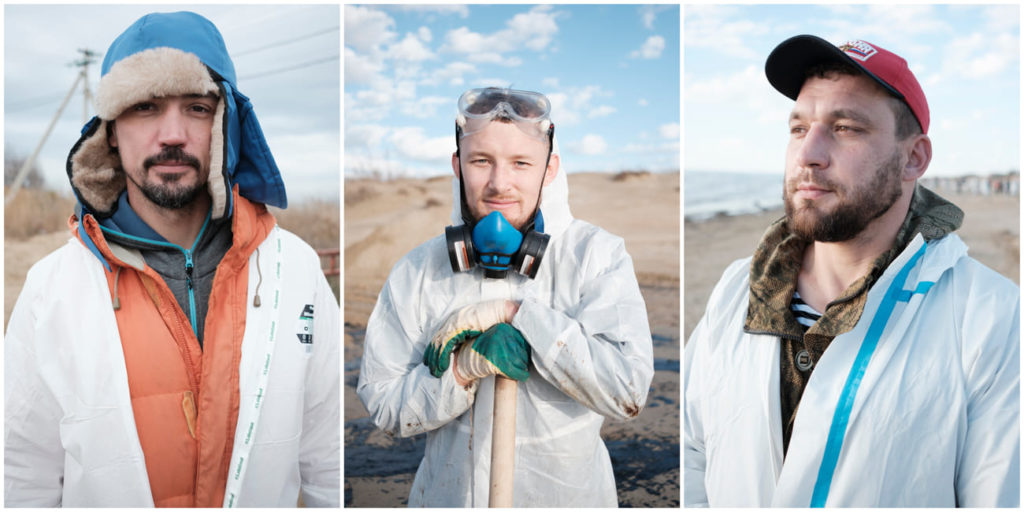
Left: Ivan from Anapa, volunteers in the village of Blagoveshchenskaya. In the center: Peter from Perm, volunteers in Dzhemet. Right: Cossack Oleg from Tuapse, volunteers in Dzhemet
Peter, Sochi
Peter came to clean the beach in Dzhemete and plans to work on the coast until the New Year.
— The main thing here is the desire to work and make a big contribution to the common cause.
Yana from Novorossiysk, volunteers in Vityazevo
Yana, Novorossiysk
22-year-old blogger Yana from Novorossiysk was motivated to come to Anapa by rils on Instagram. The girl found volunteer chats on Telegram, found out the details and went to the scene of the disaster. Here she met other volunteers, and now together they collect “piles” of fuel oil and sand into garbage bags. Yana believes that there is nothing difficult in this work, the main thing is the desire to help. The girl came for one day, but after the New Year holidays she wants to return:
“I love animals very much, and watching them die is painful.” Therefore, I believe that everyone who can should help.
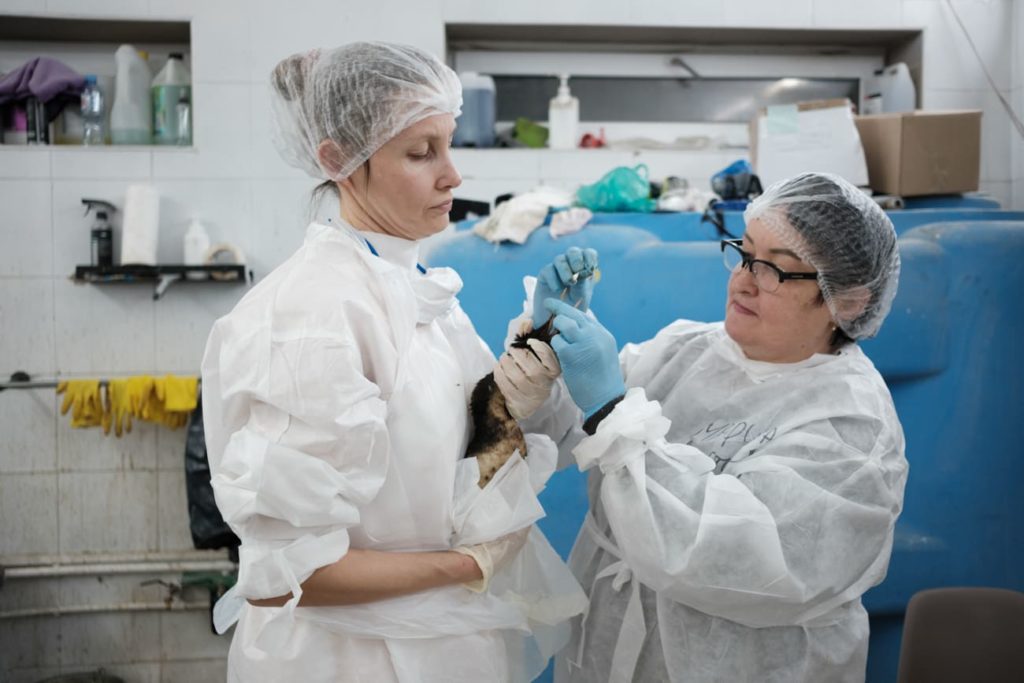
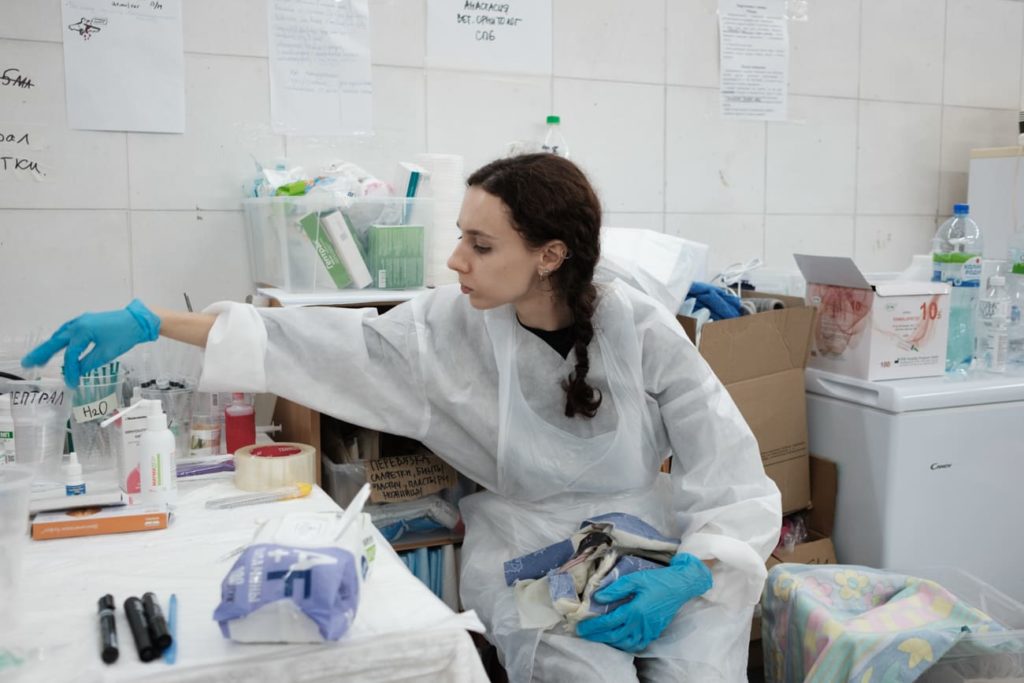
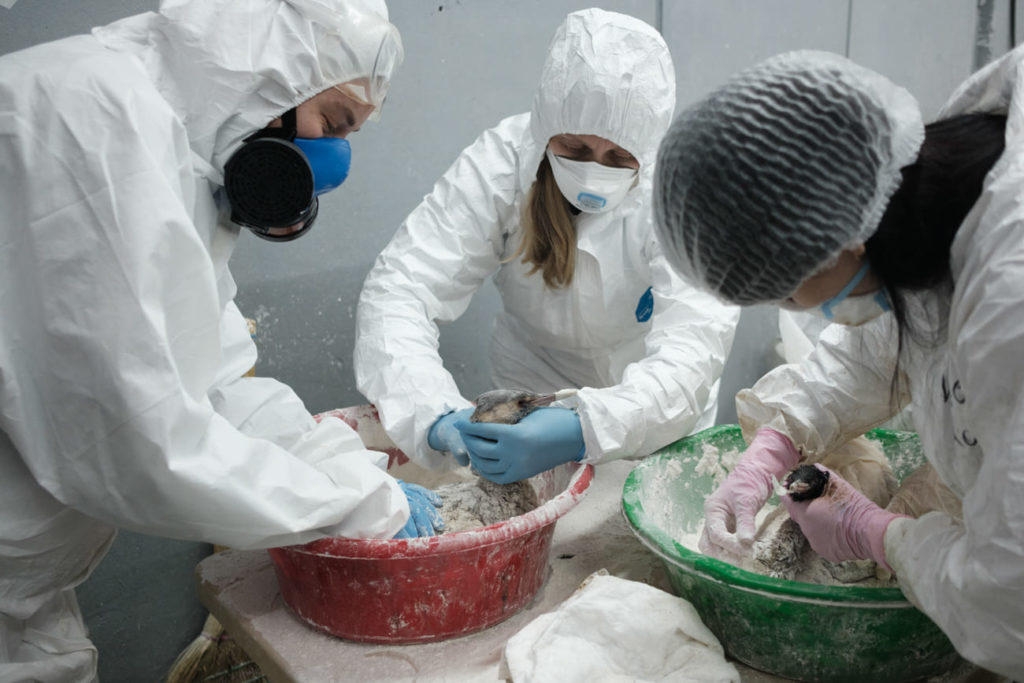
Bird rescue headquarters in Vityazevo Bird rescue headquarters in Vityazevo Bird rescue headquarters in Vityazevo Karina from Krasnodar, volunteers in Dzhemet
Karina, Krasnodar
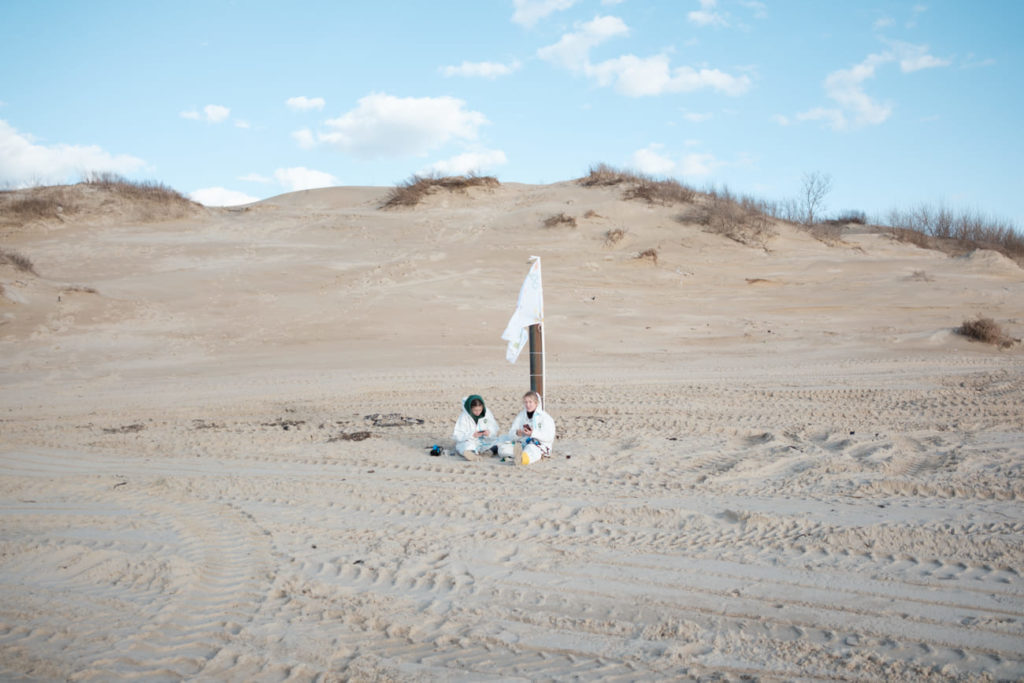
Photographer from Krasnodar Karina is attached to this coast in Anapa: for many years she has been vacationing on the Bugaz Spit - a narrow strip of land about 12 kilometers long between the Black Sea and the Bugaz Estuary, which is part of the Blagoveshchenskaya Spit landscape reserve. The Bugaz Spit was also flooded with fuel oil.
Tatyana wants to show by example that people are ready to help:
- This is my land, my planet. My heart hurts very much for all living things. I see that no one [from the authorities] is helping us. There is a belief that we can change everything, somehow improve it. Just don’t be idle—that’s my slogan.
Sergey Anatolyevich from Krasnodar, volunteers on the Bugaz Spit
Sergey Anatolyevich, Krasnodar
Sergei Anatolyevich from the public organization “Combat Brotherhood” volunteers with his comrades on the Bugaz Spit. The man often visits Anapa, he was very saddened by what happened, and he came to clean the coast “at the call of his heart.” Sergei Anatolyevich believes that such events unite people, but is worried that there is not enough professional help on the coast:
“I believe that [the consequences should be eliminated] not only by volunteers, but also by the authorities to take even more measures: bring in cadets, the Ministry of Emergency Situations, and so on. Because the holiday season on our coast is under great threat. It's very scary.
Bugazskaya spit, Blagoveshchenskaya village Bugazskaya spit, Blagoveshchenskaya village Bugazskaya spit, Blagoveshchenskaya village
Victoria, Moscow
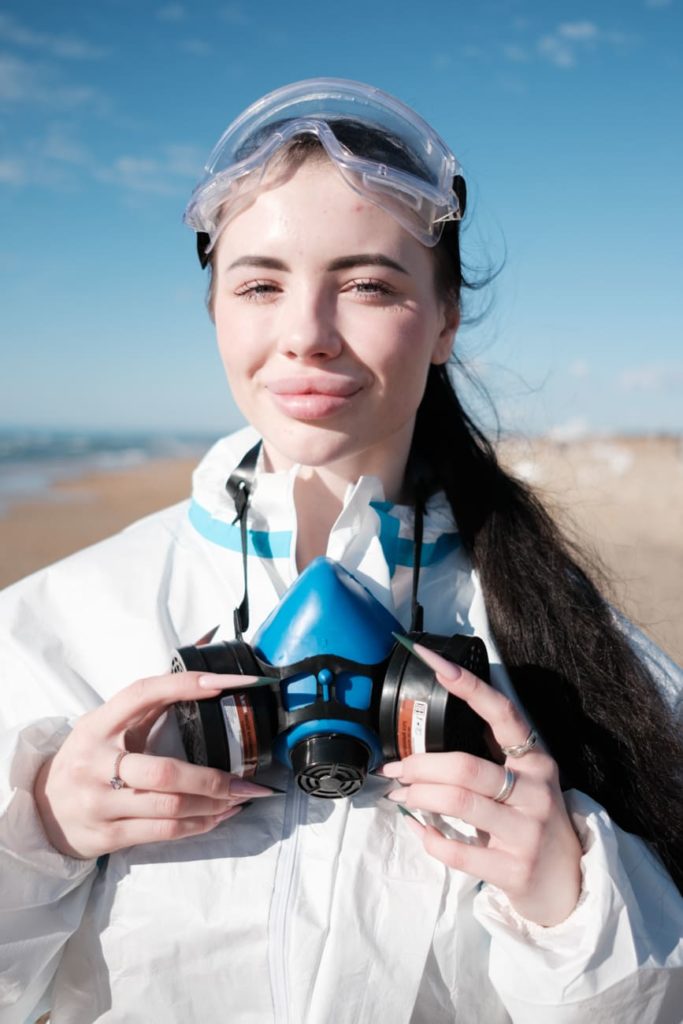
Victoria arrived from Moscow on December 23 and brought with her medicines to save the birds. On the first day, she caught injured birds from the sea and helped wash them, and then collected fuel oil on the coast. Local residents, according to Victoria, thank the volunteers for their help with tears in their eyes.
Victoria is an entrepreneur who has been helping children in an orphanage in her free time for eight years. She believes that volunteers in Anapa have different motivations: some, in her words, come to “take pictures,” damage equipment and distract them from work.
Victoria said that some volunteers felt ill - they inhaled fuel oil fumes. And he adds that it is also sometimes difficult morally: “You can save a bird, and the next day you find out that it has died.” It is even more difficult to work in bad weather:
— The hardest thing is walking along the beach when you are looking for a bird, and you and the box are blown away like a parachute. You are standing in the sand, and because of the fuel oil, you are being sucked into a swamp. If you walk against the wind, you get carried away, but you still have to carry the bird. Collecting fuel oil is monotonous work, then you see the area [cleaned] and it becomes easier for you mentally.
Tatyana from Novorossiysk, volunteers in Vityazevo
Tatyana, Novorossiysk
Blogger from Novorossiysk Tatyana was born and raised by the sea. She came to volunteer in Anapa on December 24. According to Tatyana, she does not understand people with a large audience on social networks who do not cover this disaster on the coast.
- Yes, this is everyone’s choice, but this is our sea: their children will not see dolphins. This is weird and I'm very angry. Every person is a speck in the sea. Whether you transfer one hundred rubles or come here for two hours, it doesn’t matter. There is equipment here, we really need help. Everyone thinks that someone [else] will come, someone will save, but in reality there are very few people. Everyone thinks that there is a lot of help here, but you see - two tractors have arrived. Is this appropriate to the situation? This is the apocalypse.
Bird rescue headquarters in Vityazevo Denis from Krasnodar, volunteers in Dzhemet
Denis, Krasnodar
Programmer Denis from Krasnodar says that Anapa is a special place for him; he vacations here every summer.
— There are not enough concrete actions from the administration. There are many layers of fuel oil, especially after a storm. In general, there is a gathering of very kind and sympathetic people here. Such an atmosphere [has developed] that it is very pleasant to be and work here.
Volunteer headquarters in the village of Blagoveshchenskaya Vlada from Krasnodar, volunteers at the bird rescue headquarters in Vityazevo
Vlada, Krasnodar
Vlada has been coming to Anapa from Krasnodar since the first days of the disaster, as soon as she has a free day. He says that what is needed here are those who are ready to “plow”, and not just “thin bloggers.”
Vlada works as a SMMSM specialist at a children’s gymnastics club and really appreciates the support of her family and employer in her efforts to help. Judging by the scale of the disaster, she sees that it will take a long time to deal with its consequences:
“This won’t end after the New Year.” The stain is there today, but not tomorrow, and then everyone will forget - this is the worst story, when there is only a lot of attention and people on the hype. The main thing is that we don’t stop coming here until the last pile is collected. So that later our children can look at nature, at the edge, at the birds.
Anna from Sochi, volunteers in Dzhemet
Anna, Sochi
Anna from Sochi plans to spend four days in Dzhemet. The woman notes with regret that she and other volunteers are able to do little, but it is important for her not to remain idle.
The girl says that the bags with already collected fuel oil leaked, so she and other volunteers had to collect it again. Then the newly arrived volunteers decided to use two bags nested inside one another.
— There was a storm, some bags were torn. In essence, it was monkey work. It's very disappointing. Naturally, we act by trial and error. It’s hard to work, after an hour you’re already dizzy. But we are trying, people are positive.
Beach in Dzhemete
P.S. On the evening of December 26, it became known that a federal-level emergency regime had been introduced in Kuban due to the release of fuel oil. According to the head of the Russian Ministry of Emergency Situations, Alexander Kurenkov, this will make it possible to attract additional forces and funds from federal executive authorities and state corporations, as well as provide the necessary financial assistance to affected entities from the reserve fund of the Russian government.
Support the authors of New Tab You need high-quality and interesting stories from Russia, told by our authors. And most of all we need your attention, your reactions, your support - and, yes, including financial support. Support