
Translated material
This grandfather is great
On January 15, American film director David Lynch, author of the legendary films Lost Highway, Mulholland Drive, and the Twin Peaks series, one of the most famous directors in the history of cinema, died. He was 78 years old. At the request of Kholod, film critic Vladimir Lyashchenko explains why his films were so difficult to decipher and whether it is worth doing.
Why do many people feel a sense of personal loss after Lynch's death?

“It’s as if my own grandfather had died,” was roughly the reaction many people had to Lynch’s death, at least judging by my feed. He really was the ideal grandfather - for example, in order to share his picture with friends when the mood is not very good. Or ask him about the weather every day: for two and a half years, Lynch recorded and posted weather reports from his home in Los Angeles on YouTube.
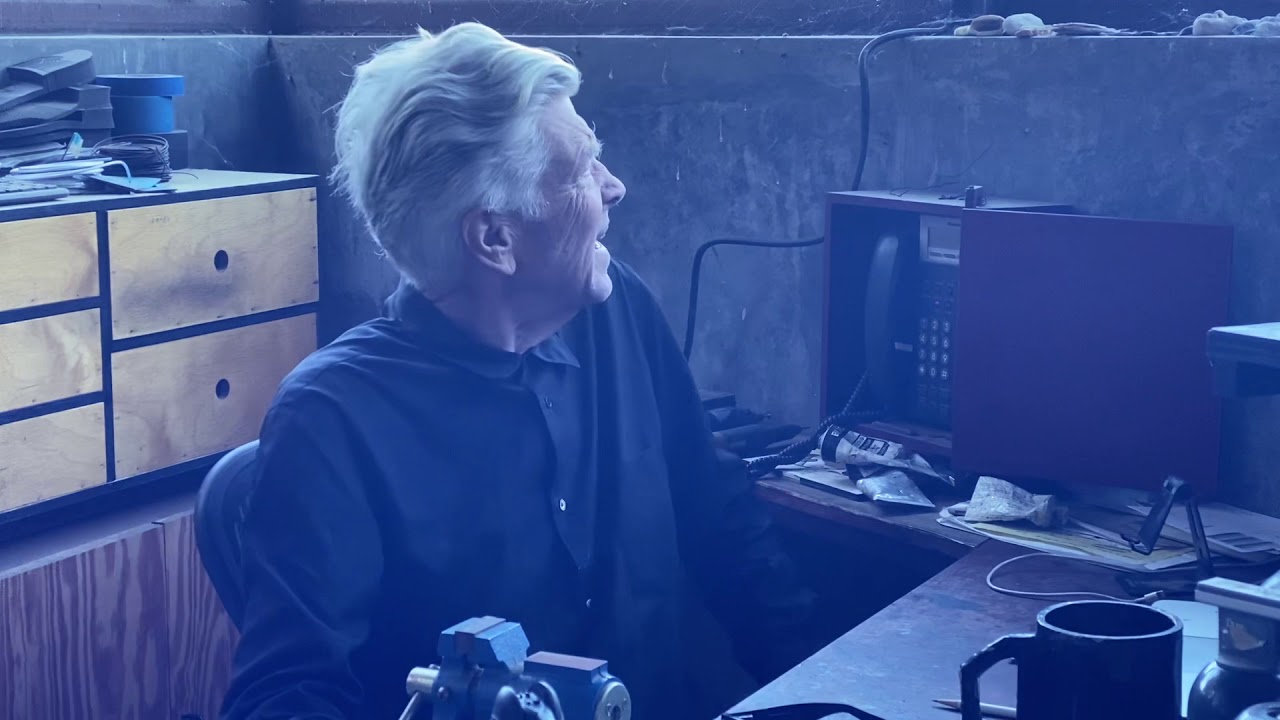
“Can you believe it, it’s Friday again!” - he came to this phrase quite quickly and, it seems, did not forget to use it in every Friday review. At the same time - each review from 40 seconds to one and a half minutes - managed to communicate what I was thinking about in the morning. Just to report - no philosophical reasoning, but a literal summary: date, day of the week, month, year, so many degrees Fahrenheit, so many degrees Celsius, the sun is shining or (very rarely, Los Angeles) cloudy. And somewhere around the thirtieth to fortieth second something like: “Today I was thinking about a musical composition ( usually a song ) such and such - it seems that this is a favorite thing that Angelo ( Badalamenti ) and I recorded in such and such a year, day Today looks like it will be sunny with a light breeze, have a great day everyone!”
A dying Russian village has turned into one big family. Once here was the economic center of the region, but now there is not even a school. But residents are enjoying life and preparing for the death of the village Society 5 minute read
It’s not clear whether this explains anything about Lynch, but try watching these records in a row - it’s very calming, even if it’s not sunny California outside, because this grandfather is super.
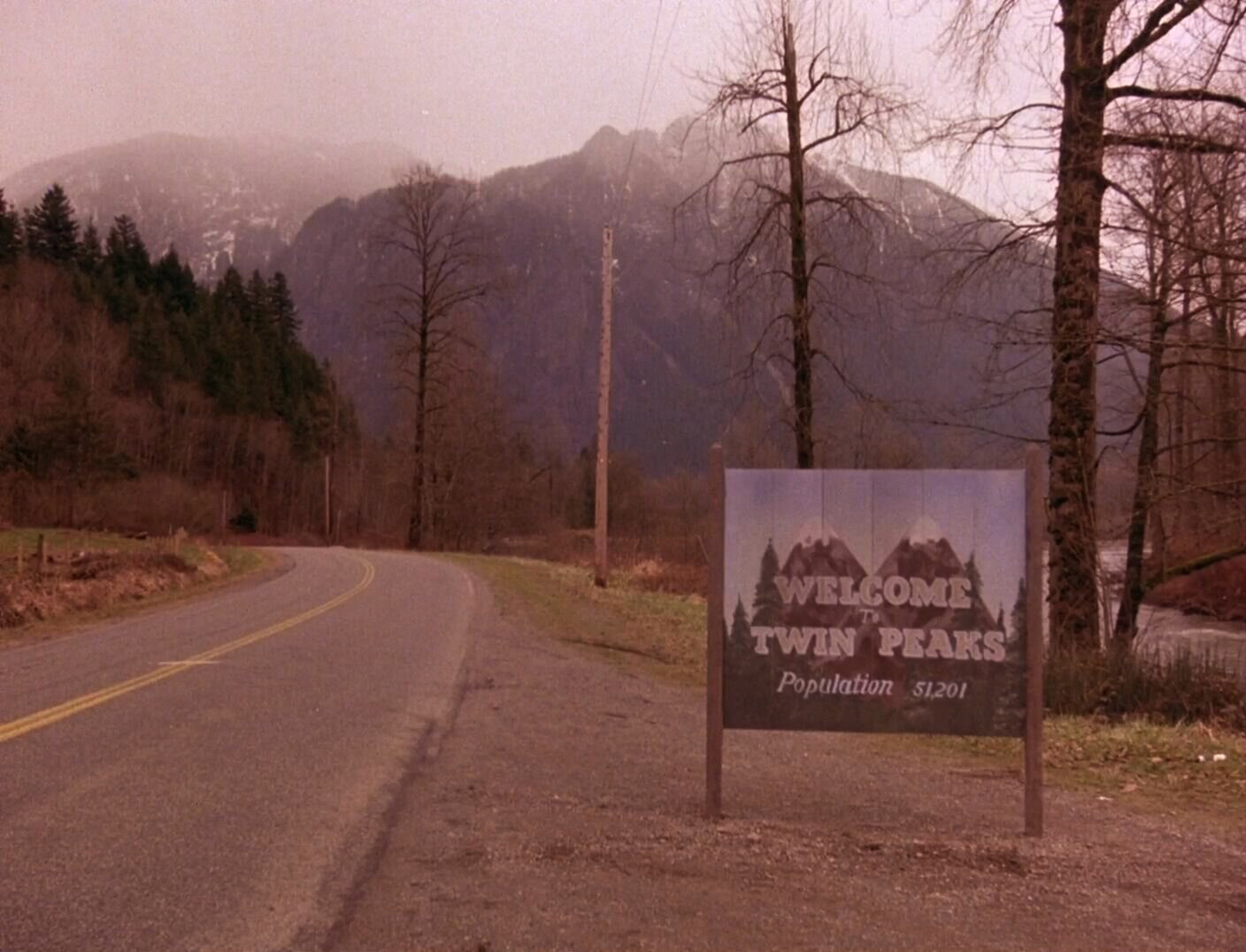
In general, it would be strange to think that Lynch was the grandfather of everyone here, but he definitely turned out to be the director for the post-Soviet space who is more than a director. It seems that the roots of this phenomenon should be sought in the history of Russian television: on November 4, 1993, Ostankino Channel 1 began broadcasting the series Twin Peaks.
I’m getting ready for a wedding with an Italian and I’ve learned a lot about traditional values. In Italy they exist, but in Russia they really don’t. Society 14 min read
Have its viewers had the experience of watching any other series, which not only was not a “soap”, but could immediately be recorded in the “radical arthouse” category? How many people had already seen Twin Peaks on VHS by that time? How many people have seen Lynch’s feature films: “Blue Velvet”, “Wild at Heart”, “Eraserhead” with “The Elephant Man”?
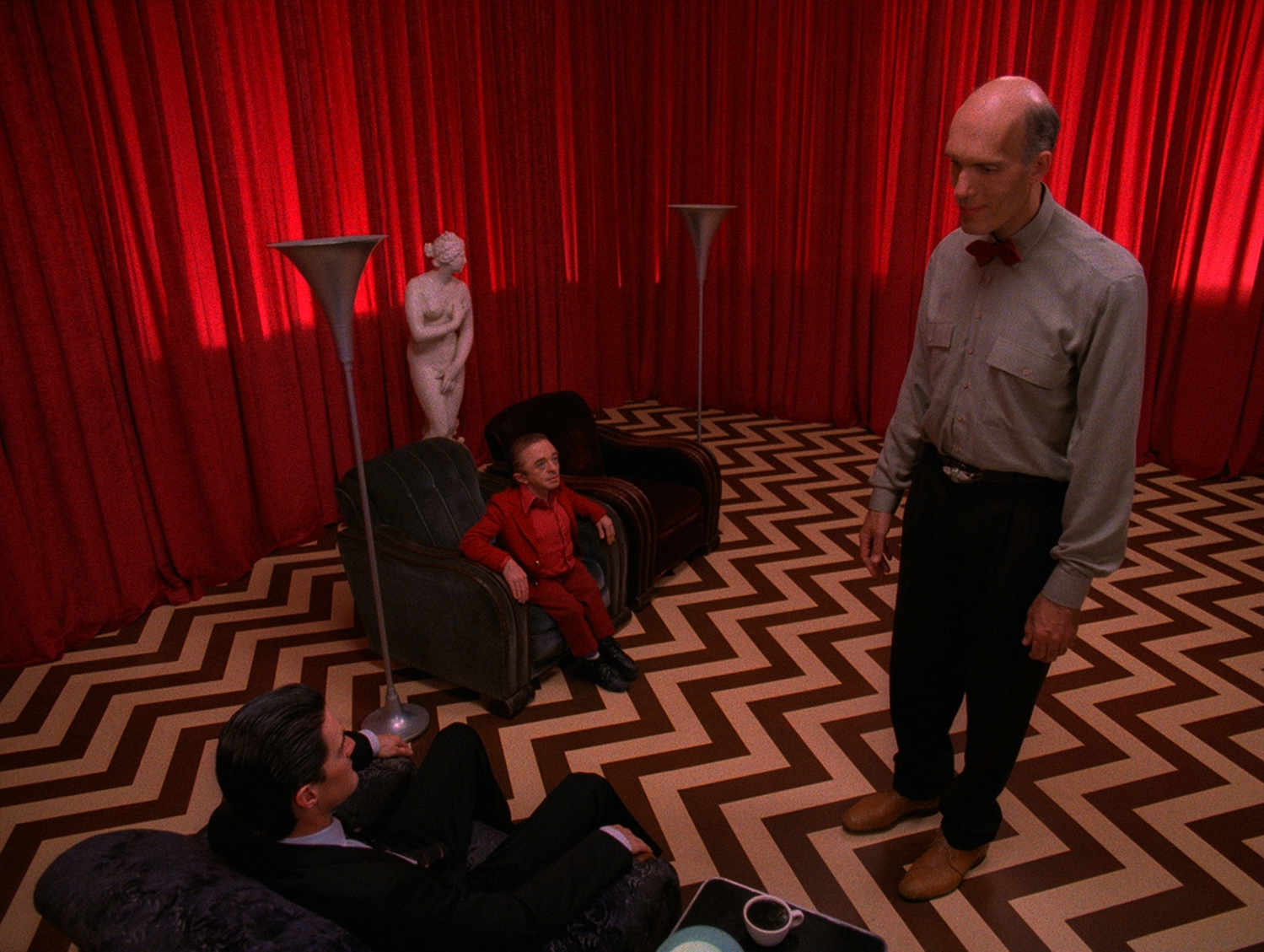
A large-scale sociological study about the influence of Twin Peaks on viewers of the 1990s would be useful here, but only one’s own experience and fragmentary memories of other witnesses of the era are available. It was something magical: from the screensaver with pine trees and the music of that same Badalamenti to, of course, the Black Lodge and the eerie speech of the dwarf, whose words were spoken backwards - what a simple, but what an effective technique.
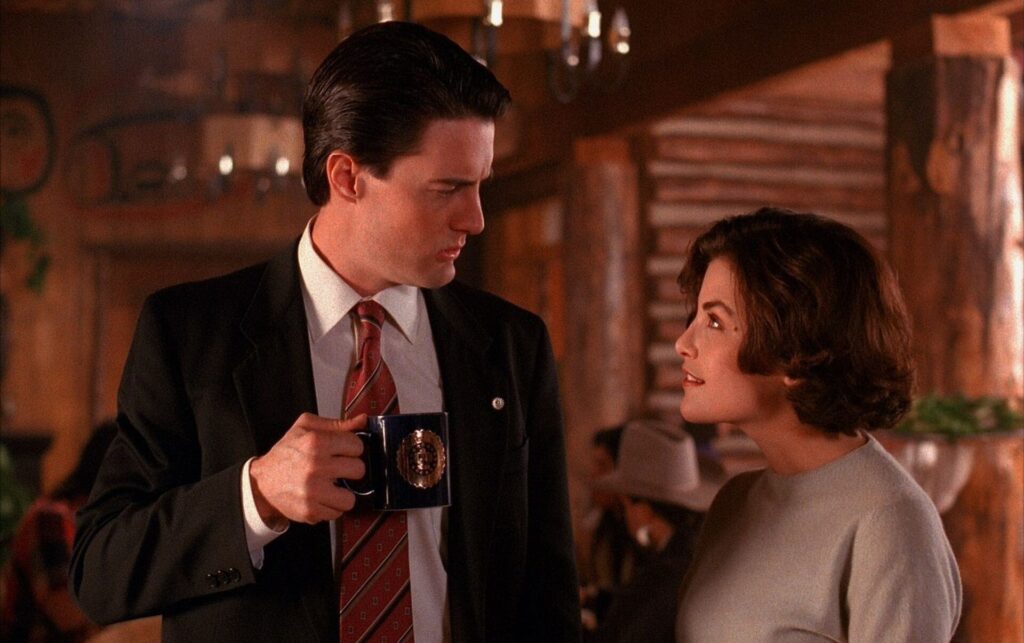
But the fact that this is also a very funny series - for some reason it was erased from memory and was discovered again (or maybe for the first time) before the sudden third season 30 years later. Although some probably knew and always remembered this, while others rewatched Twin Peaks every couple of years and rediscovered the effect over and over again. And how could this be erased if in the middle of the terrible and strange there is Agent Cooper with a mug of damn good coffee, a voice recorder and an optimist’s smile that doesn’t fit into the surrounding landscape.
Humanity is facing famine By 2050, a billion people will have nothing to eat. Where will it be worst and can it be stopped? World 6 minute read
No one has succeeded in reproducing this story in Russian cinema, although there have been many attempts. You can’t get all these Lynchian people and non-humans out of your head - it will either be an imitation, or a completely different otherworldliness. For example, scary, but not funny at all. Or vice versa. But in such a way that you would want to be in it, despite all the horror - never. But still, when it comes to the heyday of TV series in the era of Netflix and other streaming services, many still call the first original series “Twin Peaks” - they say, long before TV series ceased to be a second-rate thing, there was Lynch and there was the town in the pines .
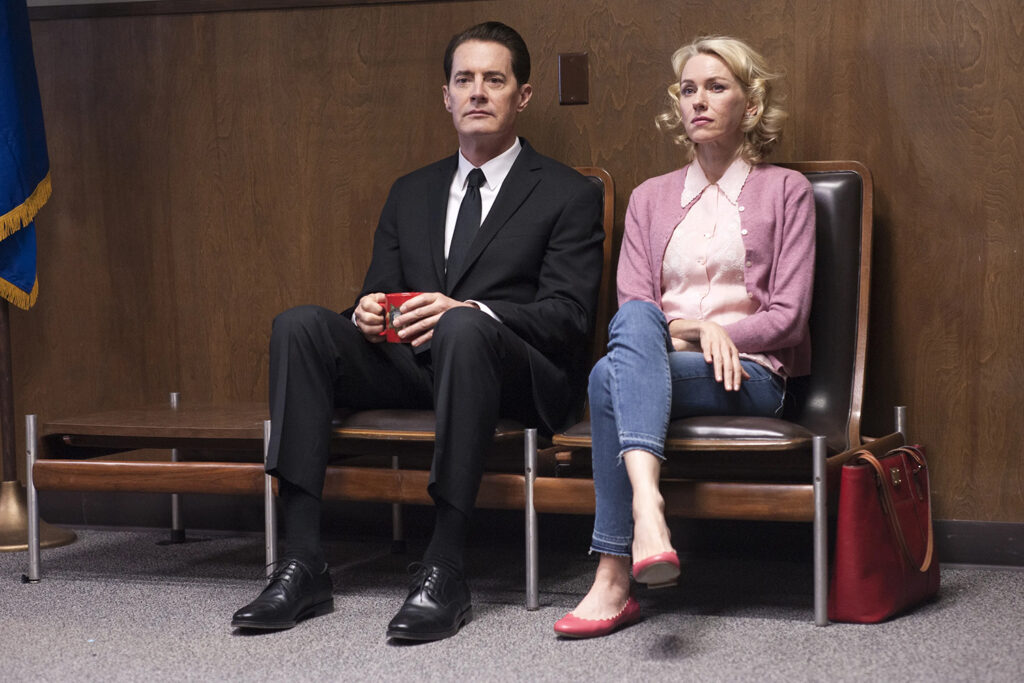
At the same time, except for Lynch himself, no one, perhaps, has ever done anything like this on TV. That is, outstanding, original, arthouse and so on series appeared, but only Lynch himself was able to repeat something truly Lynchian - when in 2017 he shot the third season of the series for Showtime. The first and second, let me remind you, were filmed and shown in the States in 1990-1991. And almost 30 years later, the third did not turn out to be nostalgic fan service, although fans were able to have plenty of nostalgia. And it didn’t turn out to be a reminder that you can’t step into the same river twice. It turned out completely “like it was then” - surprisingly lively, and in a completely new way, and again fun and scary. And then there was the eighth (out of 18) episode - and it became clear: no one else could do this. And who would be allowed?
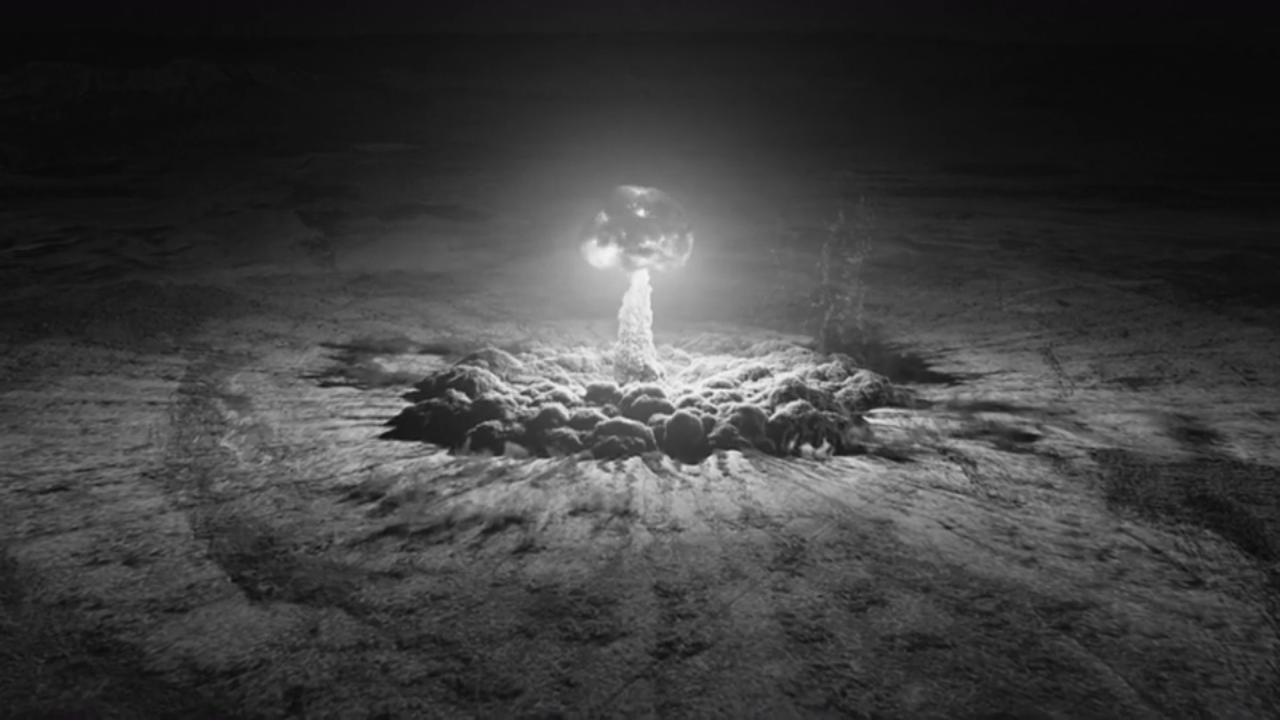
From memory: almost the entire episode we look at a frozen, but not completely motionless, nuclear explosion. Under a terrible roar. And not as it is usually shown - like a mushroom, but as if the viewer himself was placed in the center of a supernova or a kaleidoscope crumbled before his inner vision. About 10 minutes exactly. Or maybe 20. I don’t want to test my memory - like in the dialogue from “Lost Highway”:
- I like to remember everything in my own way...
- What do you mean?
- The way I remembered everything... Not necessarily the way it all happened.
Is it even possible to explain anything about Lynch without forcing someone to watch it for at least an hour? What does a set of tags from texts about his cinema tell us: visionary, surrealist, transcendental meditation, grandfather, woman with a log, who killed Laura Palmer, blue velvet, one woman in trouble, two women in trouble, three people in rabbit costumes? Some of this needed to be seen, some were simply worn out or never helped to describe anything. Whoever is called a visionary - every year a dozen of them are announced, like mushrooms of these visionaries.

Have you seen his painting? It is both very similar and not at all similar to his movie. The paintings show frozen horror. In short comics (yes, he also drew comics), the creepy moves, speaks to the viewer, and turns out to be funny - look up The Angriest Dog in the World. When Lynch points the camera at the creepy, it, if not completely dissolves into something suspiciously cozy, then integrates itself into everyday life.
How does theater survive in exile? Performances without words, events for the diaspora or true cosmopolitanism? Society 6 minute read
Another director could have limited himself to this - the result would have been some kind of post-horror with metaphors or “just to admire.” Lynch, on the other hand, has done something over and over again, because of which people are endlessly trying to decipher, interpret, and interpret him. There are different versions. In his films, only the real world exists, and everything beyond is an aberration of consciousness and memory? In his films, only the otherworldly exists, and everything that we accept as reality is an illusion? Is he simply mocking the audience, passing off a collage of incompatible things as complex riddles, and a scattering of random things as a code?
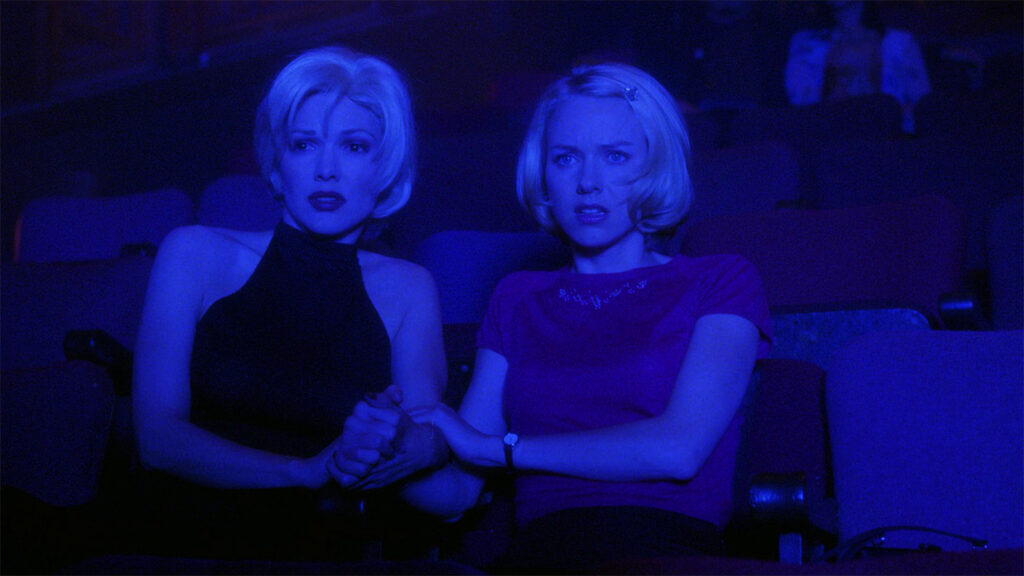
The latter is very unlikely - I know at least one person who can retell the plot of Mulholland Drive in such a way that it turns out to be a coherent story about the madness that visited an actress broken by Hollywood: that is, there is only one heroine, and all the duality of reality is a product of her traumatized consciousness. It can be assumed that it was precisely this kind of on-screen processing of reality that for some reason in the 1990s, and even in the 2000s, was very much needed by a large number of those born in the USSR. I don’t want to think about why exactly: the risk of fitting reality to an explanatory model is too great.
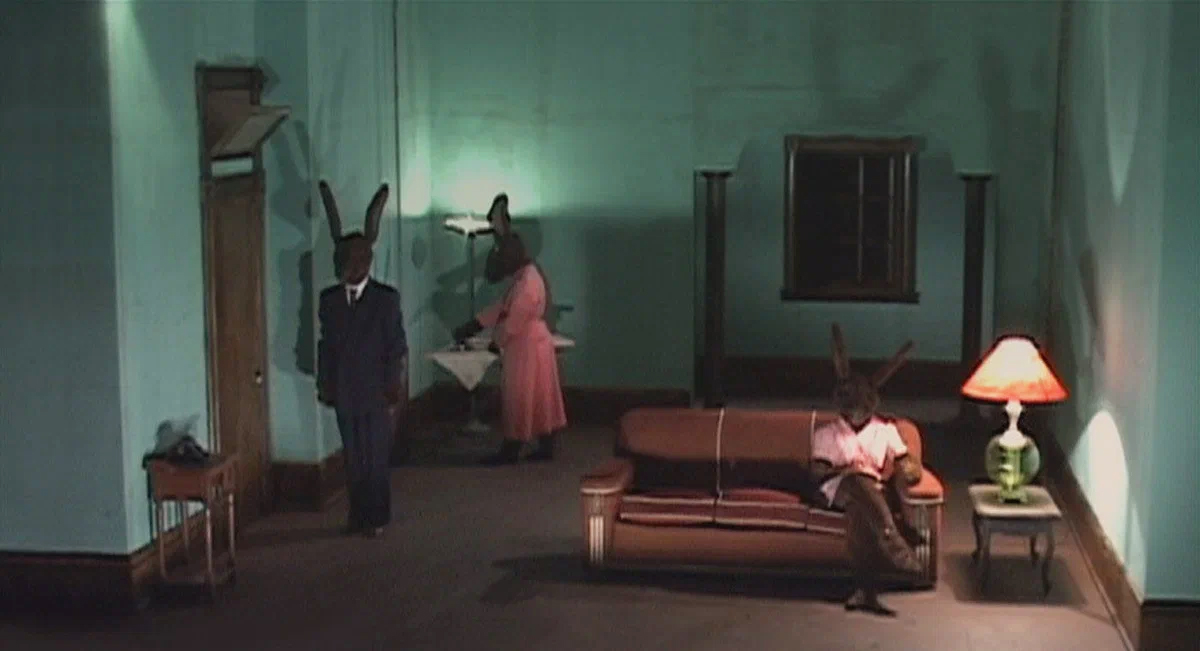
If you give up the very idea of telling what’s what in Lynch’s films, then the pictures remain in your memory. No stories. Pictures that are difficult to erase from it. Still the same Black wigwam; Bob's laughing face reflected in Agent Cooper's reflection; a face smeared with who knows what, lurking around the corner in “Inland Empire”; rabbits, again; disappearing David Bowie; blonde and brunette at a diner on Mulholland Drive.
An American company turns the bodies of the dead into fertilizer. This is better for nature than funerals or cremation, but it infuriates church representatives. World 7 min read
Even without stories connecting them, these images themselves are some kind of especially tempting alternative America (it is also alternative to the Americans themselves): one that you want to appropriate it, to impose it, like a saving matrix, on native fir trees and birches and local chthon. To blur the line between here and there, “I dreamed” and “I remember so.”
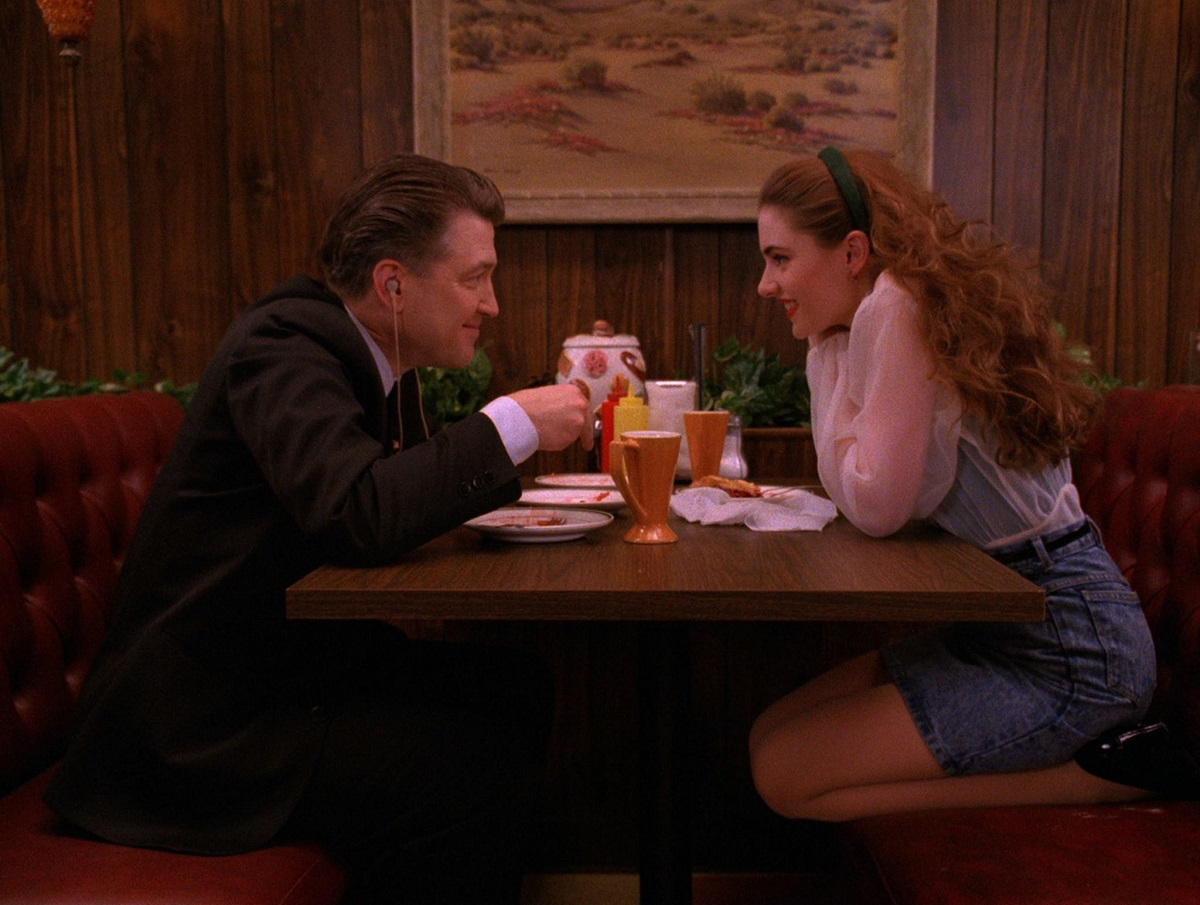
Although, maybe this is also a property of memory: not to remember the horror of Lynch’s heroes frozen in front of the entrance to the portal, but to remember himself and Agent Cooper, and the lady with the log, and in no case Bob. If so, then let this property be configurable. “See you in Twin Peaks,” someone wrote, but you could make a wish in the White Lodge: it’s hard to forget what Black looks like, but you can try to remember White, too, even if it requires a conscious effort.
The author's opinion may not coincide with the opinion of the editors.
In order not to miss the main materials of “Cold”, subscribe to our social networks!


Kholod needs your help to continue working
We continue to work, resisting bans and repression, to preserve independent journalism for the Russia of the future. How do we do this? Thanks to the support of thousands of caring people.
What do we dream about?
About the simple and at the same time complex - the opportunity to work further. Life will change beyond recognition many times, but we, the editors of Kholod, want to stay close to you, our readers.
Support Kholod today so we can continue to do what we do best - be independent media. Thank you!
Photo: Lester Cohen / WireImage Author: Vladimir Lyashchenko