
Translated material
Dressed
On Friday, August 20, US Secretary of State Hillary Clinton will announce the date of the beginning of direct negotiations of Israel and Palestine. The international “quartet” of intermediaries in Middle East settlement (USA, Russia, the EU and the UN) called on the countries to sit down for negotiations on September 2.
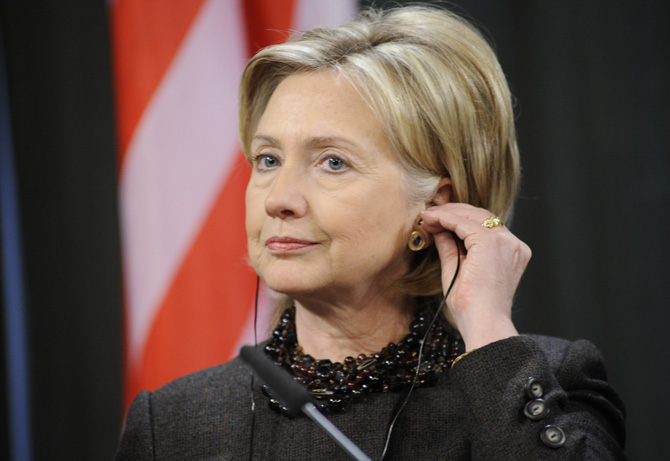
Hillary Clinton at a press conference following a meeting of the Middle Eastern Quartet.
Photo: Alexey Filippov / ITAR-TASS
All details were agreed by the Quartet on the eve of August 19. It is expected that Middle Eastern rivals will agree to participate in negotiations, where US President Barack Obama was also promised to be present. The Prime Minister of Israel Benjamin Netanyahu and the chairman of the Palestinian National Administration Mahmoud Abbas agreed that the negotiations would last a year. At this time, issues such as the borders of the new Palestinian state, the political status of Jerusalem, security guarantees for Israel and the right to return to Palestinian refugees will be discussed.
The direct dialogue between Tel Aviv and the Palestinian National Administration was interrupted at the end of 2008. The reason was Israeli settlements on the west coast and in Eastern Jerusalem, the construction of which Palestine authorities demanded to stop. Since then, the requirements of autonomy have remained unchanged - the complete cessation of the construction of Jewish settlements in their territories and the consent to create an independent Palestinian state within the 1967 borders, which, in addition to the territory of the current Palestinian autonomy, also the territory of East Jerusalem.
The first steps by the beginning of constructive negotiations were taken in June of this year, when Netanyahu promised to stop building settlements on the western coast of Jordan, and most importantly, he announced his readiness to recognize Palestine as an independent state, but only in the case of removing Hamas from power. However, on the issue of East Jerusalem, his position remained unchanged - the city should remain under the jurisdiction of Israel.
To make the parties make peace, international intermediaries showed “unprecedented pressure” on Netanyahu and especially on Abbas. So, in early August, Obama pressed both Middle Eastern rivals, forcing Israel to agree to an international investigation of the incident with the Freedom Flore and threatening Palestine with a boycott if it does not start negotiations with Tel Aviv.
To predict how negotiations will end, even the most careless analysts are not taken now, at this stage the event is already negotiations themselves. Especially for the Obama administration. Despite the Nobel Prize of the World, awarded to the American president, there are no significant international successes for his administration.