
Translated material
Plastic girls
Today in Moscow I opened the I international exhibition " The Art of the Dolls ". During the weekend, the Moscow playpen is replaced by copyright dolls of artists from 26 countries. A special tone for the exhibition is set by the fact that this is the first collective exposition of this scale in Russia, reflecting the puppet evolution in different creative directions. Obviously, the world puppet industry has long outgrown the toy scale. Collecting dolls has long been fashionable and prestigious. The Salt followed how the image of FashionDoll has changed in several centuries and what mass hysteria it was accompanied by.

The puppet industry has developed for more than a century. And what, if not a medieval Barbie, was a European model-model with a rich and extensive wardrobe attached to it? Such porcelain fashionistas were called no less than pandorah, and the outfits for them were sewn as accurate copies of the fashionable new products of the season. True, they did not play such dolls, noble ladies were staring at them, in order to replenish their own cabinets on their wardrobes.
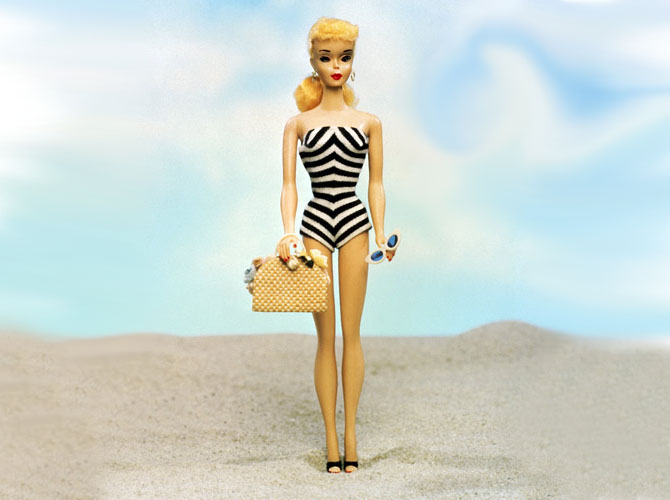
The conveyor XX century put the production of dolls on the stream, and the countless armies of cheap plastic beauties flooded endless shopping rows. For a long time, the palm of the championship was held here by the incomparable Barbie, back in 1952, copied by the entrepreneurial owner of the Matel company from a toy sold at that time only in tobacco shops and beer bars, - Lilly splendor. In order not to embarrass the strict American mothers, a teenager made a teenager from a defiantly dressed penny. The newborn received the name of the housewife’s daughter, after which she was dressed in a striped swimsuit, shoes in slippers in high -heeled and presented to the general public. The audience exploded by appliances, and the entire circulation (351 instance) was sold at the New York Fair of toys.

Over time, Barbie acquired an extensive wardrobe and a whole host of personal fashion designers. The company's designers came up with new modifications of the popular blonde: they changed her skin color, nationality, profession, invented family members and friends, built and furnished at home. Since the 1980s, the release of collection specimens began: the cost of a doll, together with an outfit from Iva Saint Laran, Pierre Carden or Christian Dior, is from 100 to 130 thousand dollars.
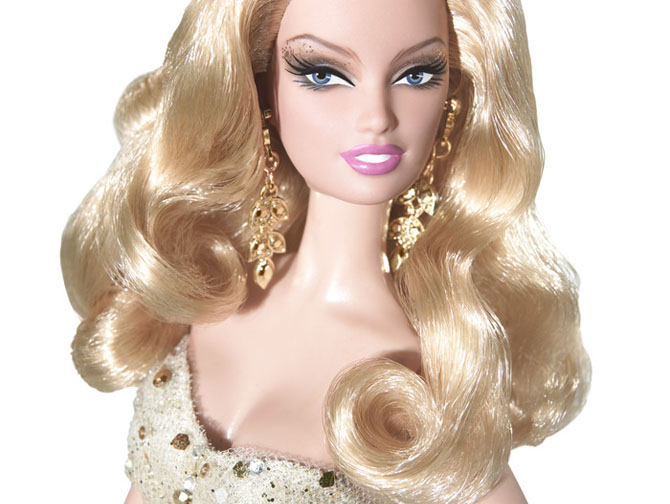
Perhaps not a single doll causes as many contradictory pools and disputes as Barbie. Psychologists beat the alarm: the hobby, it would seem, causes irreparable damage to the girl's psyche by a harmless doll. Long -term communication with this toy, according to skeptical specialists, leads to the fact that younger girls seek to live “in the style of Barbie” - easy, expensive, beautiful and carefree. In girls, the features that are completely inconsistent (from the point of view of generally accepted moral and ethical norms) appear: non-childish sexuality combined with insensitive coldness, mannerism and hysteria. By the way, the male psyche also suffers from Barbie-in the mid-80s in the USA, a man penetrated the toy store at night and cut a few dozen dolls with a knife. At the trial, he explained his behavior with a deep resentment - he will never have such a girl.
However, at present, the popularity of the queen of the puppet world has decreased significantly. Barbie gradually replace even more relevant goods from the market. If you look at them more closely, you can feel the non-voiced influence of the Japanese pop culture. Modern girls are closer and more understandable for the images of anime than the plastic blonde rapidly losing its relevance.
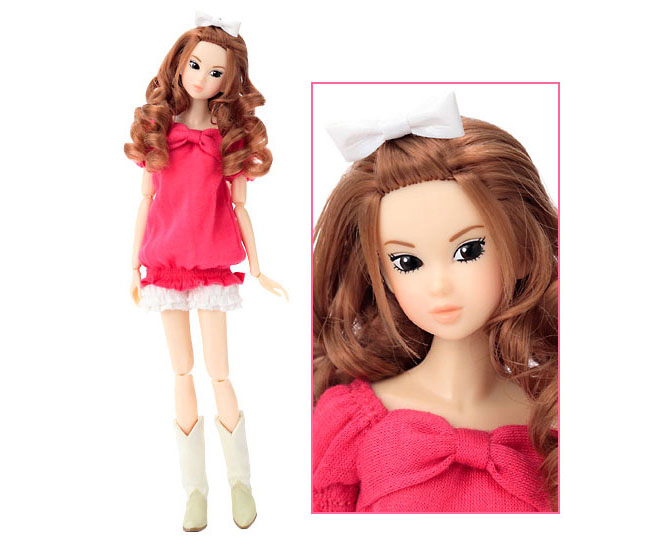
One of those who conquered millions of hearts around the world is Asian Momo. Her articulated body is surprisingly plastic, and the outfits are striking in the study of the cut and subtle detail. Initially, the doll was produced by very limited circulations (from 50 to 1,400 copies of each model), but with the transition of the right to production from Komapnii “Pastwox” to the “sectile” the doll became more accessible and much cheaper, although the tradition of collection issues was preserved.
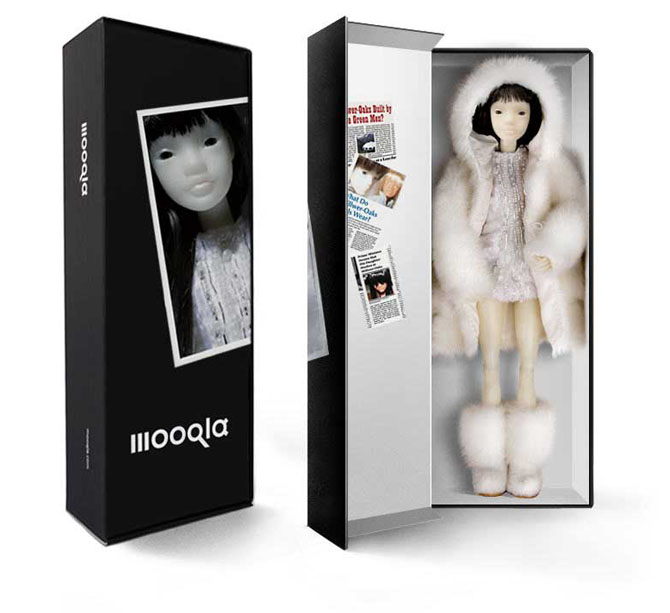
In Russia, the struggle for girlish attention is successfully based on the artist Polina Voloshina Mula (Mooqla). The image of the doll refers to the characters of the famous Japanese cartoon “Knight in Armor”: the girl-kornes created to give an unforgettable pleasure, as well as to cause intolerable pain. Representatives of the Mooqla family have their own biographies, the creation of which, by the way, had a hand by the writer Linor Goralik .
These never smiling girls seem to personify a new generation, to which it is already inconceivable to apply the former concept of innocent childhood, just as it is impossible to put on the outfits of a plastic barbie on plastic mouss.