
Translated material
Papabili parade
Candidates for the Holy See: from defenders of sexual minorities to supporters of Trump
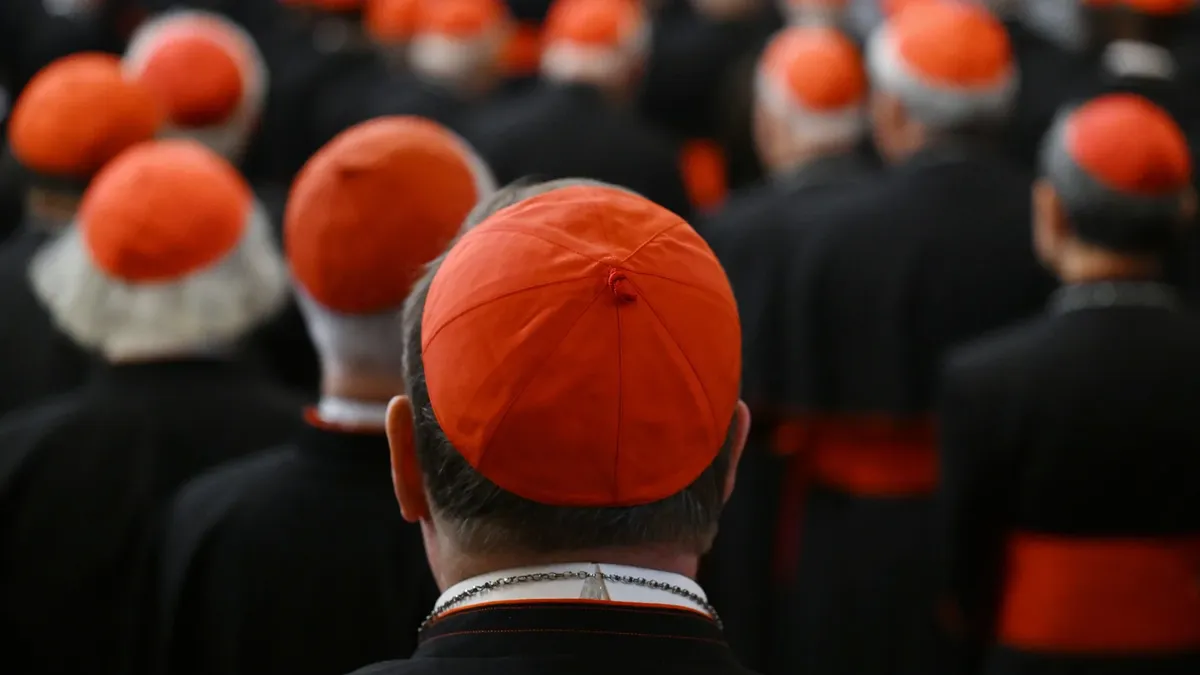
Photo: Zuma TASS
In conditions of international turbulence on the results of the conclave, which until mid -May will choose the new Pope, a lot depends on. How do they choose the largest religious leader in the world and who are the main candidates for today?
No smoke without a conclave
Conclave (collection of cardinals, from lat. Cum Clave-“turning key/under the castle”) for the election of the 267th pope-the successor of the Francis who died on April 21-will be gathering in the Sistine Chapel of the Apostolic Palace in the Vatican in the period from May 6 to 11. The terms of the conclave are spelled out in the canonical law of the Roman Catholic Church (RCC)-in order not to delay the problem-related period of the Sede VacANTE period from the point of view of the Catholic creed, when the Earth Church has no visible chapter, whose powers cannot be delegated to anyone.
In recent times, conclaves last, as a rule, for two to three days; All their participants - and these are the cardinals who have not yet reached 80 years - give a vow not to disclose what is happening behind closed doors. It is only known that discussions with votes are alternating there, and all the ballots are burned after each round. Black smoke above the Sistine Chapel means that the vote did not give a result, white - that dad was chosen. Voting continues until one of the candidates takes two -thirds of the vote. Pope Benedict XVI 15 years ago introduced a clarification in order of voting: if 33 rounds did not bring the result, then only two candidates are taken to vote in the 34th, who gained the maximum number of votes, while they themselves cannot vote.
In the past, when the conclave procedure was not regulated, the elections were delayed for years.
For example, Pope Gregory X in 1268–1271 was elected within 33 months. The opposite record is the election of Pope Julia II in 1503, when the conclave lasted less than ten hours. The election of Pope Francis (then - Cardinal Jorge Mario Bergolo) required less than two days and five rounds of voting. In the case of longer conclaves, after every three days of work, a pause is laid for one day. The most curious is the conclave of 1378, which laid the foundation for the Great Western Schism, which lasted almost half a century. Then the same collegium of the cardinals unanimously chose Urban VI first (Bartolomeo Pronyano), and four months, after a quarrel with him, Clement VII (Pierre de Cro). One rules in Rome, the other in French Avignon. After Urban VI in the Catholic Church, there was no precedent of the election of the pope from the cardinals, therefore, in our list of “papabi” we will confine ourselves to the carriers of the red mantles.
At the time of the death of Francis in the collegium of the cardinals, there were 252 members, but only 135 of them have the right to vote. It is believed that a cardinal at the age of more than 80 years is not inclined to calculate the long -term consequences of his choice. Two tape cardinals have already stated that they would not come to the conclave, so 133 people will vote, that 13 more standards established by the canons (120) will be voted. Accordingly, the dad may become the candidate who will gain at least 89 votes.
A total of 27 pivot cardinals inherited from John Paul II and Benedict XVI, the remaining 108 were elevated to the Cardinal dignity of Francis, which, as it were, creates the ground for the “continuity of the course”. Interestingly, the 91-year-old Giovanni Battista re cannot be voted in the vote. But the dad may well become a candidate over 80 years old if the electors decide that the churches need a “transition period” after the pontificate of Francis, which was saturated with experimentation.
Dad from the south?
Real candidates for the holy throne (in the Italian manner they are called “papabi”) can be classified according to various signs, for example, by cultural, geographical and theological and political-political. The stronghold of Catholicism in the modern world is the global south: Africa, Southeast Asia and Latin America; In the West, the number of Catholics and their influence on the life of their countries is progressively reduced. Although in the "local" south - in Italy, Spain and Portugal - the influence of the church is still noticeable. Perhaps,
For the first time, the Vaticanists are seriously talking about the chances of African cardinals - this would be a worthy “answer” of the Catholic world to the challenge of trumpism.
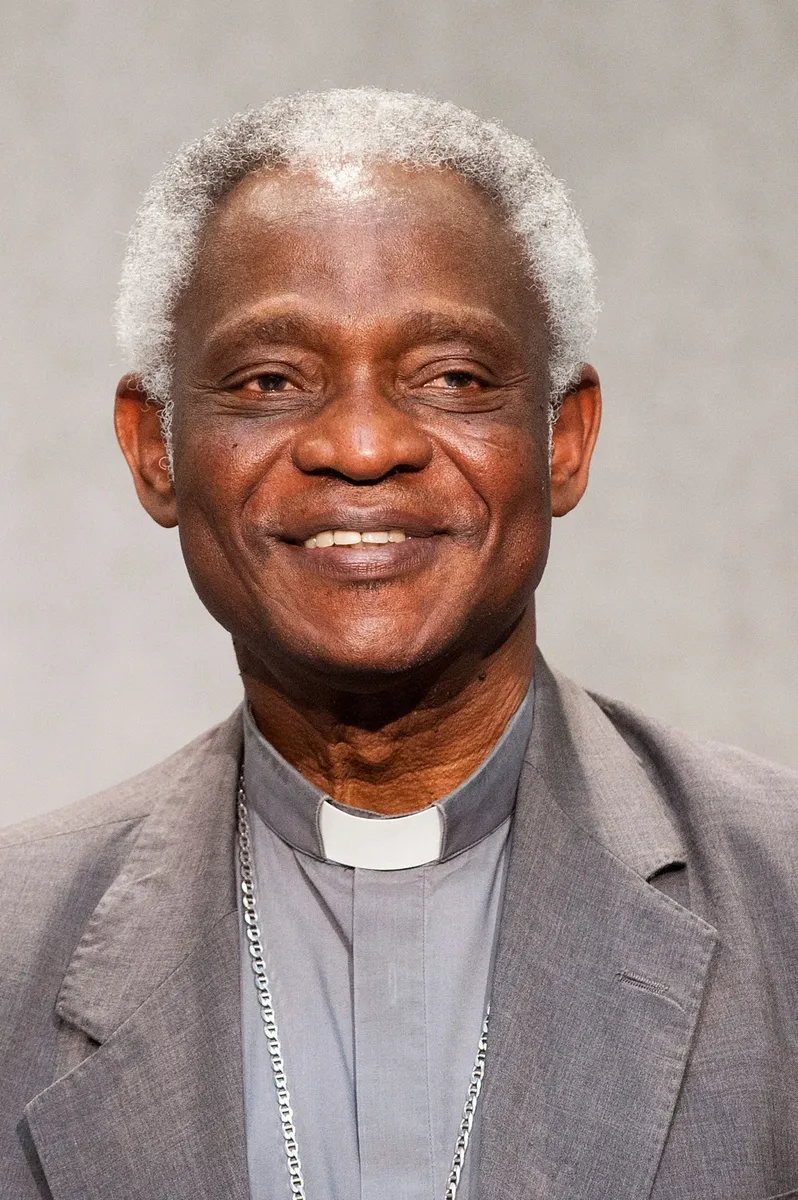
In their midst, a 76-year-old Cardinal from Ghana Peter Tarkson is distinguished, now led by the Vatican decasteria to promote holistic human development-an organ that meets the priorities of the Church policy of Francis. This decasteria is engaged in the help of refugees, poor, prisoners, victims of violence and other vulnerable groups. Before the conclave of 2013, who elected Francis, he said: “If God wished to see the Black Pope-thanksgiving to him!” The second African candidate is a 79-year-old Cardinal from Guinea Robert Sara.
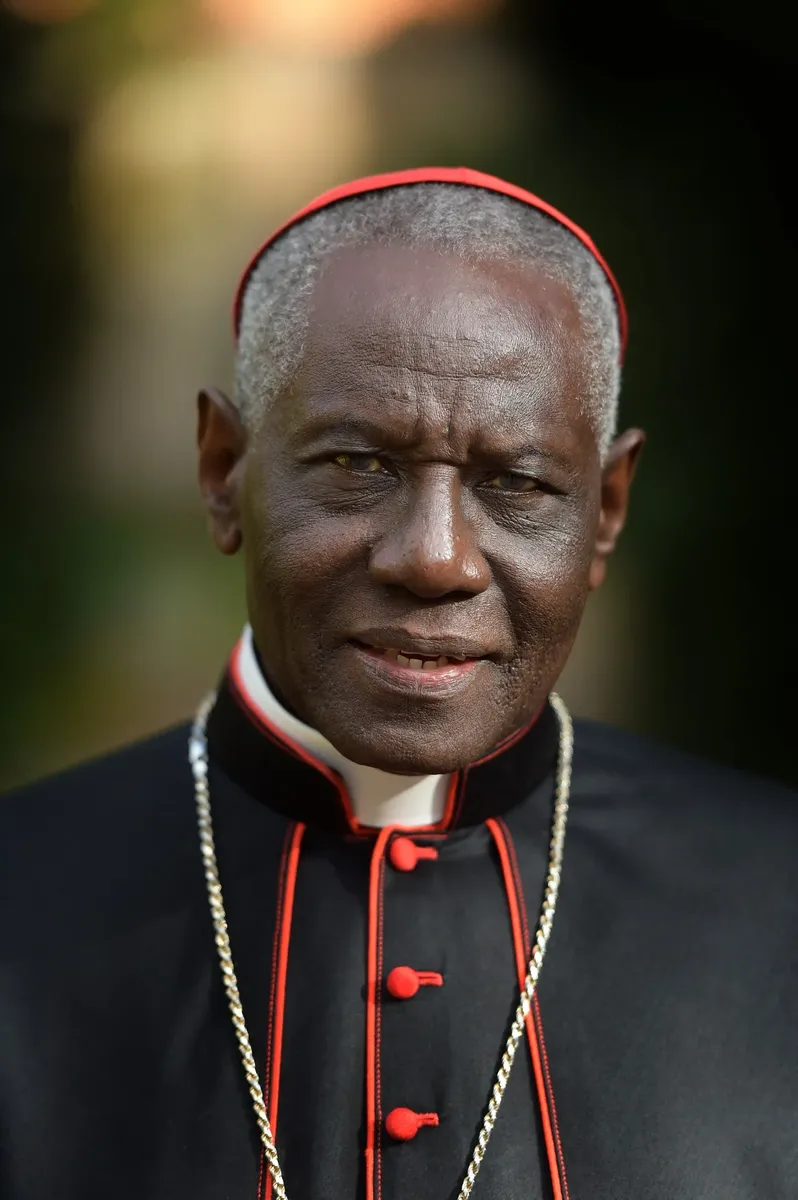
Before retirement, he held the post of prefect of the Congregation of worship and the discipline of the Sacraments. Both are pronounced conservatives, condemning not only the softening of the church’s position in relation to LGBT*people, but also the use of contraception-say, to combat the AIDS epidemic in Africa.
Perhaps a significant part of the Catholics is not yet ready for the appearance of the Black Pope, therefore, a more likely candidate from the south is the Philippine Cardinal Luis Tagle, the prefect of the evangelization diploma, the main missionary of the Vatican. This is a scientific theologian and liberal, a like -minded Francis on most questions and his fellow on the Order of the Jesuits.
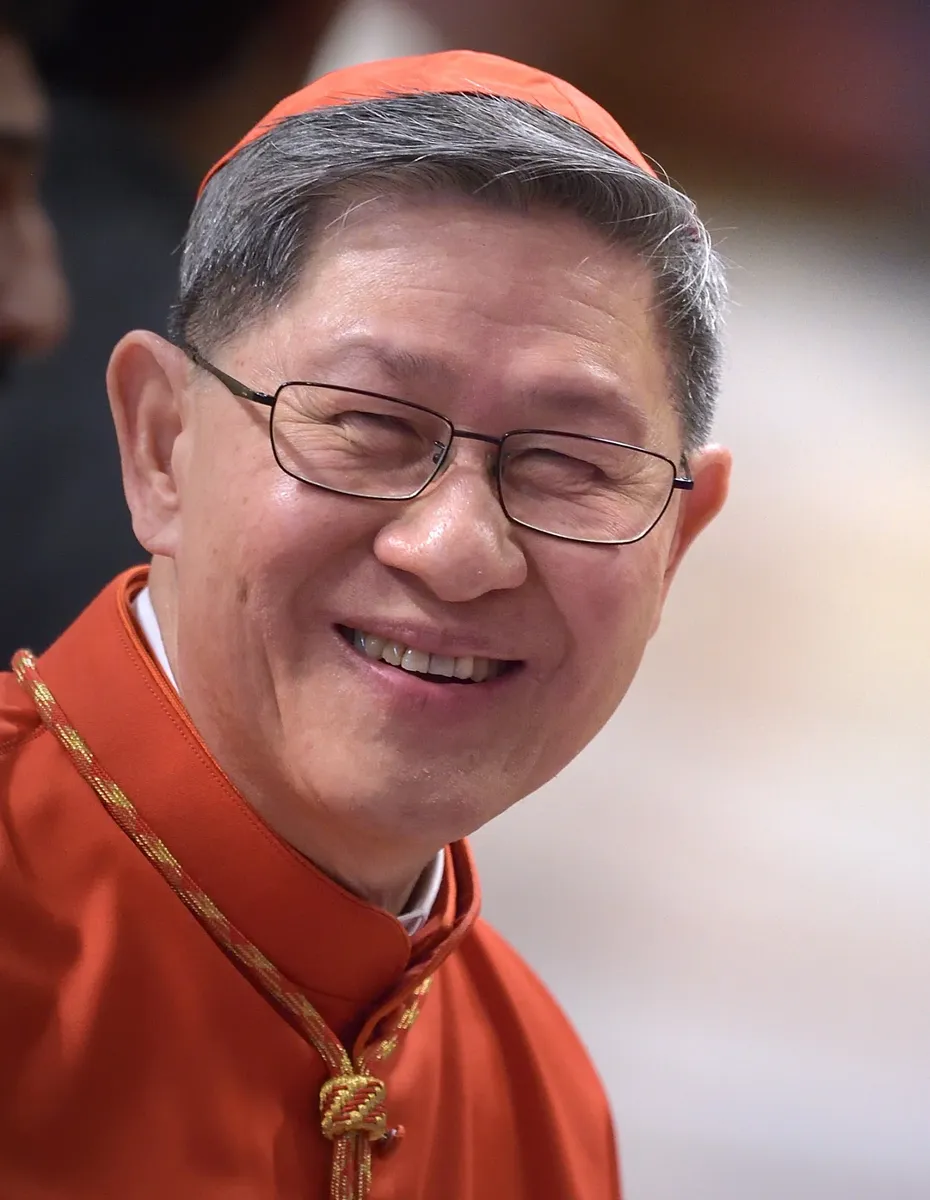
As the scientist proved the priority of the collegiality of the bishops over the sole power of the pope, and as a civil activist exposed the crimes of the President, Philippine Rodrigo Roa Duterte, recently arrested by the Mus. Until 2022, Tagle headed the largest charitable organization of the Caritas RCC, but after an independent audit that opened large -scale corruption in it, he resigned and moved away from Francis.
A more conservative candidate from Asia is the Burmese (the first in the history of this country!) Cardinal Charles Maung Bo, Archbishop Yangon, the largest city of Myanmar, covered by the Civil War.
Vatican alignment
More often, the classification of "papabi" is carried out on an ideological basis, although "malfunctions" often occur here. A classic case is the election of a conservative cardinal in 1958, Roncally John XXIII, who led the liberal reform of the church and was so carried away by the left ideology that he entered history with the nickname “pink dad”. Finding sympathy for the USSR, John XXIII made friends with Metropolitan Nicodemus (Rotov) (mentor of the current Patriarch Kirill), who wrote a book about him.
Today, the reputation of the conservative “papabi” has several candidates who would have a chance to win if the fatigue from the Francis experiments in the RCC was too great. Among them, the 65-year-old cardinal from Congo Friedolin Ambongo Ungonhh openly criticizes the deceased dad. In Africa, he is known for his tough opposition to the ruling socialists in his country. On the even more right flank, there are conditional trumpists from among the cardinals: the prefect of the Supreme Tribunal (the highest court of the RCC) 76-year-old American cardinal Reimond Leo Burk and the Hungarian Cardinal Peter Erdo close to Viktor Orban. The first is known for the rejection of the reforms of the second Vatican Cathedral (1962–1965), a criticism of liberalism in bioethics, homosexuality, etc. A couple of years ago, Pope Francis accused Bork of split and deprived of a pension, but he began to smaller the leftists even harder. A slightly more moderate candidate of trampist is the current archbishop of New York Cardinal Timothy Dolan.
The 72-year-old Peter Erdo, who can be the first pontiff-Hungar in the story, continues the line of John Paul II and, with all its conservatism, never openly criticizes Francis. In the focus of his political interests, the problem of immigrants who “should not” erode the Christian identity of Europe.
A more moderate conservative is the Dutch Cardinal Willem Aik, who criticized Francis for the “institutionalization of marital treason” in the form of repeated marriages.
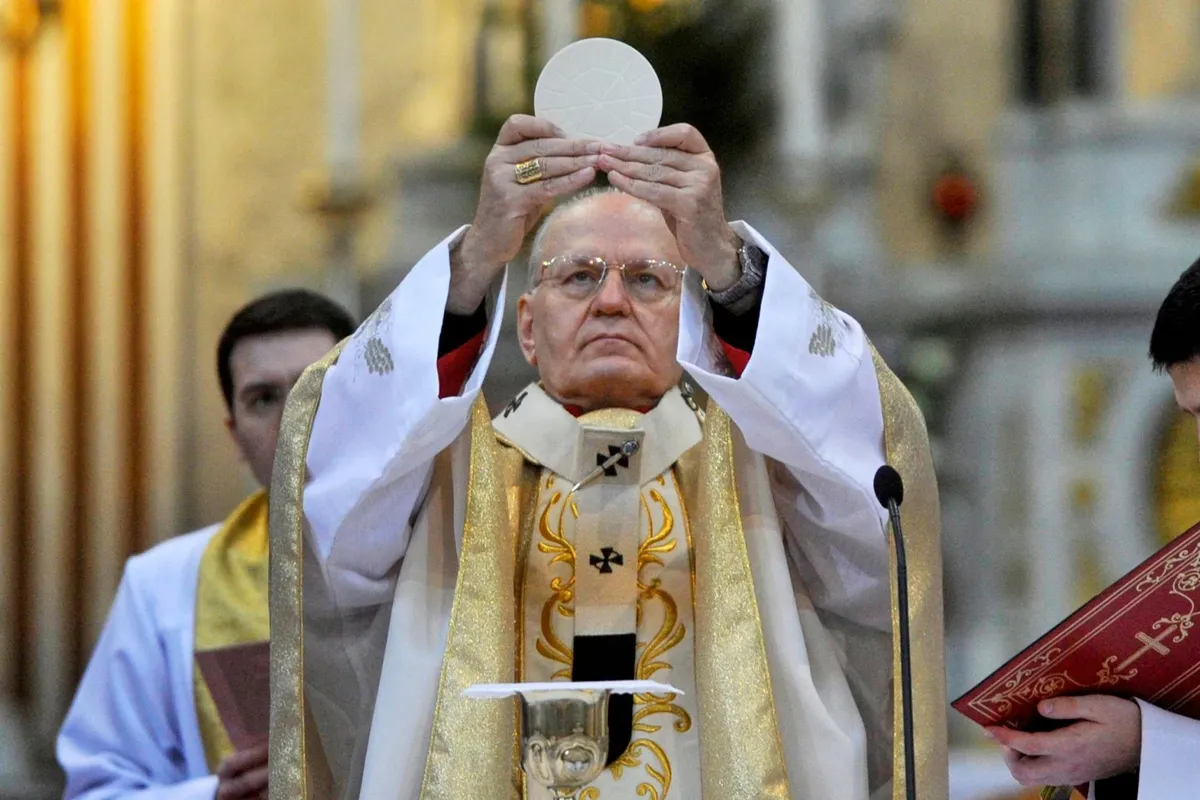
On the opposite-liberal-flank, experts are placed by two bright representatives of the Italian Party (there have been no Italians on their papal throne for a long time?)-Chairman of the National Conference of Bishops and Archbishop Matteo Dzippi and Patriarch Venice, Angela Skol. In May 2022, Francis appointed Dzuppy his special representative in the Russian-Ukrainian settlement, he visited Moscow and Kyiv twice, where he was awarded the Order for Merit. Many hoped that the cardinal, who had the experience of successful participation in the resolution of the conflict in Mozambique and the nursing the peacekeeping community of St. Egidia, will be able to promote the "peace plan" of Francis. But the conflict turned out to be too fierce ... 84-year-old Cardinal Shy was considered the favorite of the conclave of 2013, but lost in the last round of Bergolo. He is a specialist in bioetics (in particular, sexuality) and theological anthropology, founder of the Scientific Institute Studium Generale Marcianum and Oasis magazine addressed to Christians in the Islamic world. Even more liberal is the Luxembourg archbishop of Cardinal Jean-Claude Clalerish -Jesuit, advocating mitigation of migration policy and the church inclusive of LGBT people.
A rather romantic candidate-59-year-old Portuguese Cardinal Jose Tolentin Mendons, the prefect of the Vatican diploma of culture and education, which Francis elevated to the Cardinal dignity for a poetic gift. It is known for a very tolerant attitude to homosexuality and friendship with writers and composers. But Mendos is also dedicated to the secrets of the papal court: he served for more than four years with the archivist of the Vatican Secret Archive. The liberals include his peer, the Jerusalem cardinal of Italian origin to Pierbattist Pizzaball, who participated in the Palestinian-Israeli negotiations and offered himself as a hostage in exchange for children captured by Hamas. It belongs to the enlightened Order of the Franciscans and nurses about 80 thousand Catholics of Israel, Cyprus, Palestinian autonomy and Jordan.
France in the upcoming elections is represented by a very colorful figure of the 66-year-old archbishop of Marseille Cardinal Jean-Mark Avelin, who enjoyed the special favor of Francis for his love for refugees and destitute. Avelin gained media weight a year and a half ago, when he organized “Mediterranean meetings” in his city for young people from different countries and churches. Francis, who had not previously responded to the invitations of the President of France, accepted the invitation of the cardinal and performed at the forum with a sermon. Like Francis, Avelin is a descendant of migrants who first fled from the Spanish Civil War to Algeria, and then to France. In an interview, he admitted that it teaches Italian, and this is not easy at his age, after which the nickname John XXIV (yes, in memory of the “pink dad” Roncally, which Avelin also resembles externally), was fixed behind Avelin. They say that the nickname was picked up by Francis, who somehow joked about the name of the future dad ...
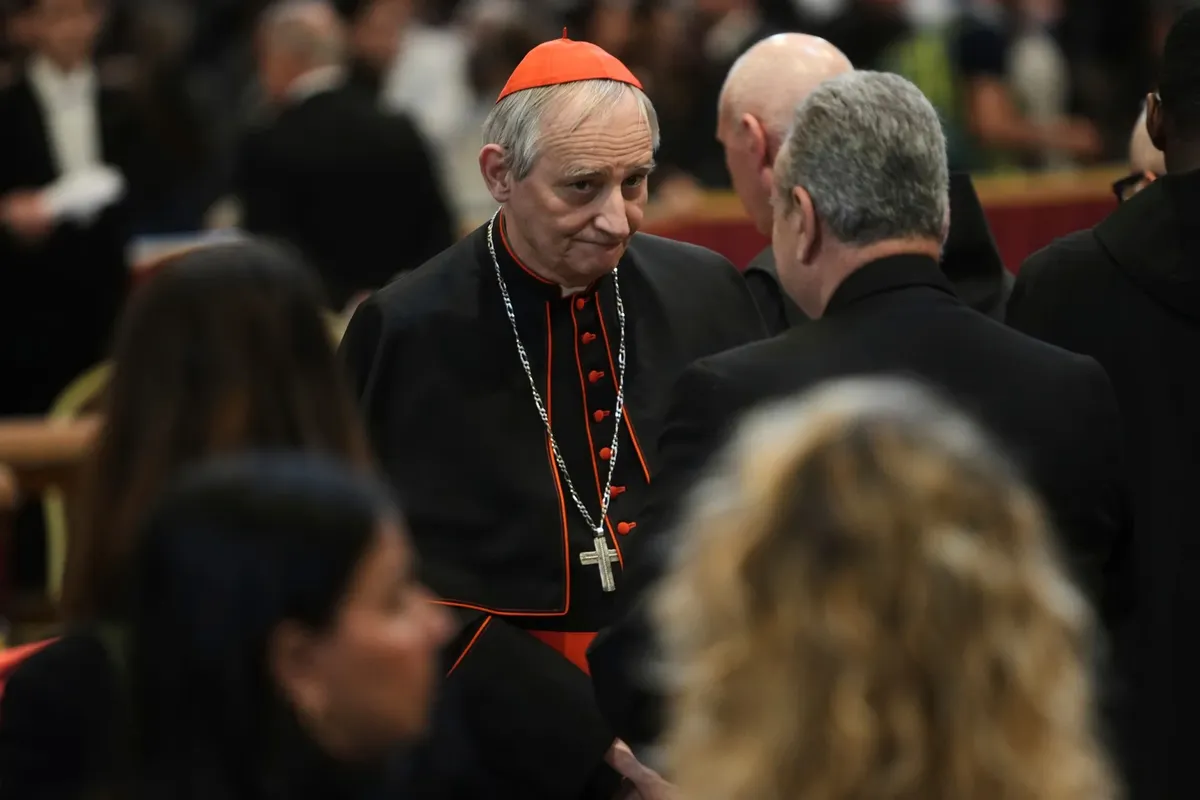
Before moving on to candidate No. 1, you need to mention three more Papabi: the former secretary of the Papal Council for the assistance of the Christian unity of the 81-year-old Canadian Cardinal Mark Welle, General Secretary of the Synod of the Bishop of the RCC 68-year-old Maltese Cardinal Mario Grek and the prefect of the dicasturia on eastern churches of 69 years old Italian cardinal Claudio Gudzherotti. The chances of the latter would have increased significantly in the event of a peace agreement between the Russian Federation and Ukraine: as the Vatican diplomat Gudzherotti worked as a papal nunchm in Ukraine, Belarus, Georgia, Armenia and Azerbaijan, speaks the Russian language.
Young dad
Finally, we ask you to love and complain-candidate No. 1 according to the estimates of bookmakers, and most of the “new” experts surveyed-Cardinal Pietro Passolin, 70-year-old (only!) Secretary of the Holy See, a second person after a pope in relations with other countries and international institutions.
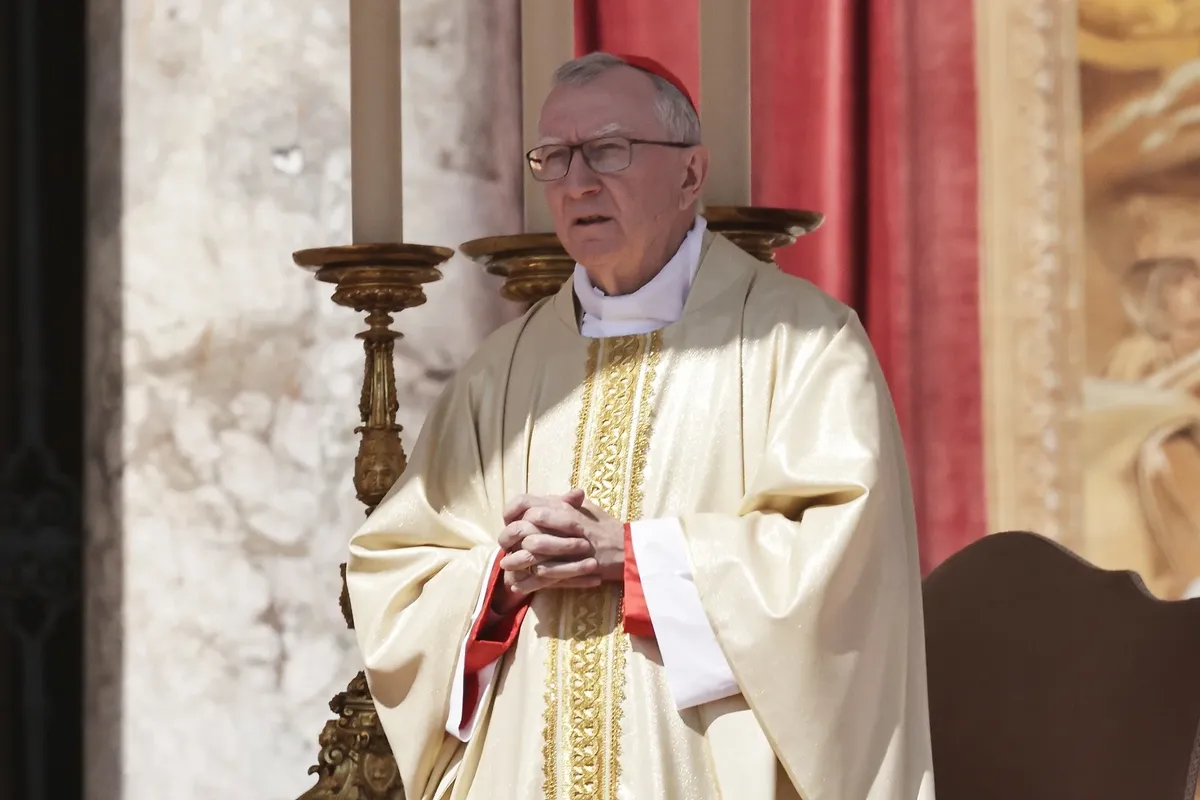
The cardinal is politically close to the Prime Minister of Italy and the leader of the Italian Brothers party George Melony. He never served in parishes and did not manage the dioceses, but, being a personnel church diplomat, represented the interests of the Vatican in such “delicate” countries as Venezuela and Mexico, where the Catholic Church did not have full rights of the legal entity until 1992. Working in the apostolic nunceurism in Nigeria, the passolin went deeper into the problems of Christian Muslim relations; As deputy secretary of the Holy See on relations with states, he sought the signing by many countries of the agreement on non -proliferation of nuclear weapons, visited the communist North Korea and Vietnam, and negotiated with Israel and China, who did not recognize the Holy throne. He came to the post of Secretary of State with the beginning of the Francis pontificate in 2013.
You can talk a lot about his successes and failures at the post - and in the case of his victory on the Conclave, such conversations are still ahead. Let us dwell on his position in relation to the Russian-Ukrainian conflict, which was more unambiguous and clear than that of Pope Francis. In the post, it was Passolin who signed on February 24, 2022 to the commander in connection with the beginning of his. There is no named after Putin in the document, but what happened is called “the worst script”, and the parties call for negotiations to “rid the world of madness and horrors ***”. After two months of active hostilities, Cardinal recognized Ukraine’s right to self -defense. He did not do any curtains towards the special spirituality of the Russian people or the distribution of responsibility between the Buryats and Chechens (which Francis allowed himself).
Historically, the Secretary of State became a dad in 1939 - also in the context of wartime: Cardinal Pacelli became Pope Pius XII. Given the specifics of our time, if we proceed from political expediency, Pietro passolin would be the best choice of conclave.
... But we will not bite. If you look at the conclave through the eyes of the believer, especially Catholic, then this is a little mysterious, and divine intervention can lead to the most unexpected result. By the way, as it was with the election of Pope Francis 12 years ago.