
Translated material
Anbar of discord
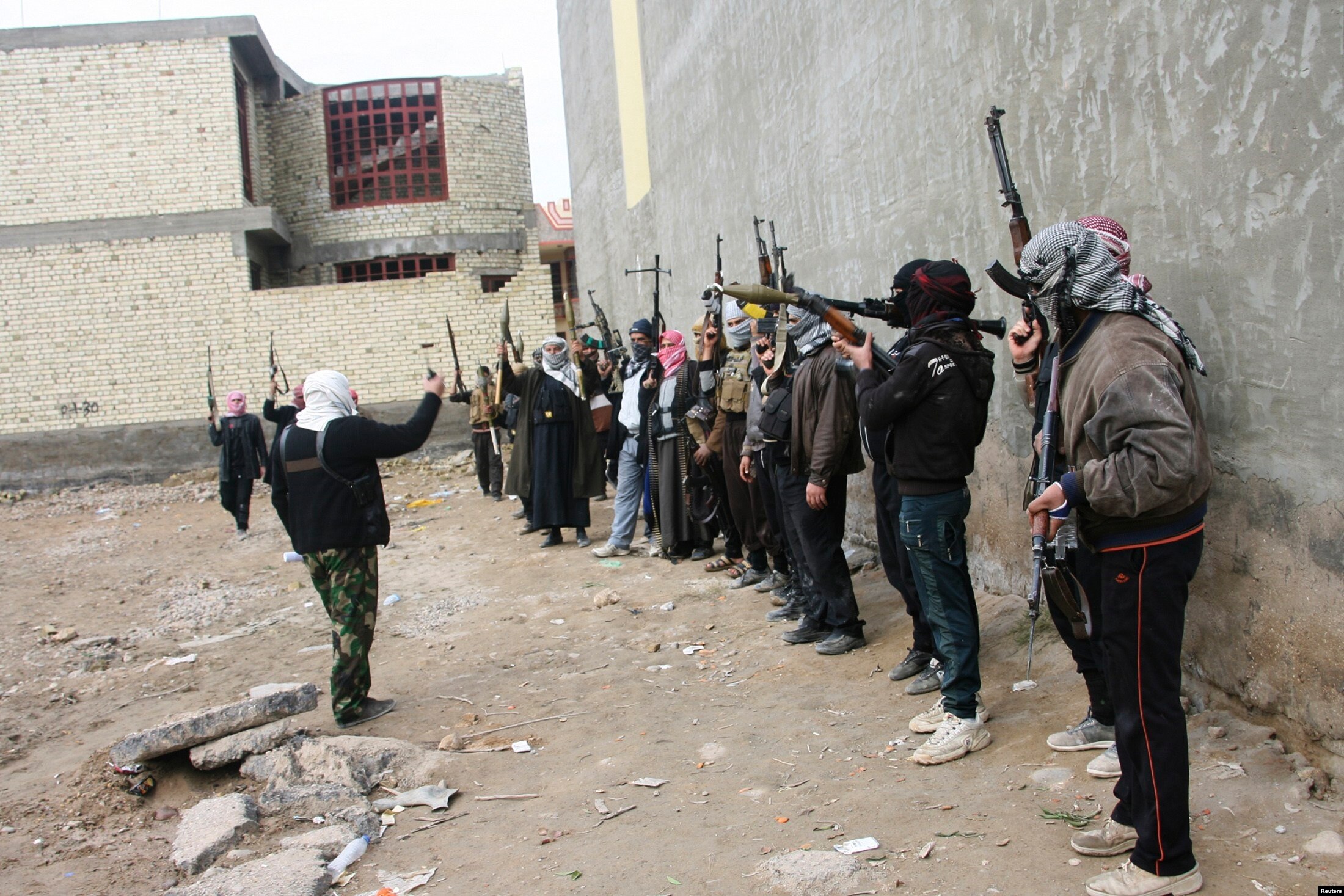
Al-Qaeda conducts fighting in order to create an Islamic state in Iraq and Levante
In the Iraqi province of Anbar, the clashes between Iraq security forces and the al-Qaeda are continuing for more than a week .Over the past day, more than 100 people have died, including civilians, in two cities where the most fierce battles are held-Falluja and Er-Ramadi. From the past week, these cities have been trying to take control of the militants of the Islamic State in Iraq and Levante group, which is supported by Al-Qaeda. The group states that he is fighting for the creation of a Sunni state on the border of Syria and Iraq.
In addition to clashes in the province of Anbar, on Sunday in Baghdad, 19 people died as a result of explosions of several bombs. The most powerful explosion was in the Shiite quarter of the Iraqi capital. He took the life of 9 people. 25 people were injured.
The cities of Falluja and Er-Ramadi, which became the center of clashes, whose echoes are heard in Baghdad, became a stronghold of militants in Iraq back in 2003. In 2004, after the air and ground operations of the forces of the international coalition, the militants managed to oust. On the side of the American military against the fighters of Al-Qaeda, then not only the forces of the Iraqi government, but also representatives of local Sunni tribes spoke. The losses were among the military and civilians. For example, Falluja was destroyed by a quarter. However, the militants returned to this region with the support of part of the Sunnis. Thus, local tribes are divided: some of them are on the side of the government today, and the other part supports the militants.
According to the Radio Radio Liberty and Director of the Free Iraq radio station Sergei Danilochkin , the Islamic State Group in Iraq and Levanta consists mainly of foreign mercenaries and arose relatively recently, which led to the escalation of violence:
-Without the support of local residents, whether local clans or individual citizens who continue to believe that the government should not be fought, the clashes could not happen: “Al-Qaeda groups” could hardly enjoy such support if the Sunnis did not pay attention to the fact that the government was acting exclusively by Shiites, that the interests of the Sunnis are infringed on. Therefore, there was a protrusion in Er-Ramadi, the capital of Anbar, which continued for more than a year. We see in the last few days.
- Among the reasons for the activation of the militants in the province of Anbar, the acceleration of the protest camp of the Sunnis, which you mentioned, but how much the confrontation between the Sunnis and Shiites in Iraq remains important for the Iraqi themselves? After all, refugees from Falluji and Er-Ramadi, cities that are considered a stronghold of the Sunnis, hide in the Shiite territories.
- This is the trend of recent times. Indeed, approximately 9 thousand families left the regions now covered by military operations, and fled in the territory where the Shiites live mostly. However, this is due to the fact that these provinces were nearby. The alternative to refugees was to hide in the desert, but it is a stronghold of militants controlled by Al-Qaeda.
Hyder Ah-Hoy, an employee of the London research center "Chatem-House", notes the role of a civil war in Syria in the current events in Iraq: "what was happening in Syria galvanized" al-Qaeda "and gave it freedom of movement across the Syrian-Iraq border. This definitely affected the possibilities of Al-Qaeda to fight the Iraqi government forces."
In the coming days, a military operation may begin in the armed clashes. Iraq Prime Minister called on local leaders in Falluja to confront the militants. According to the director of the Free Iraq radio station Sergei Danilochkin, "the government managed to agree with part of the local Sunni leaders, with those who in 2005-2006 supported the struggle against al-Qaeda, continue the struggle against the militants. And if the population believes that the government defends the interests of all Iraqi, then this may become a stroke moment. We can understand this after 2-3 months, when the parliamentary elections are held in Iraq and a new government will be formed.
The Iraqi political observer Kamran Karadagi, who lives in London, believes that the current events can put Iraq on the line of the civil war: "Violence will only deepen the crisis. Without genuine reconciliation, the situation will become worse and can turn into a real confrontation between the Sunnis and Shiites."