Translated material
Bely Svever
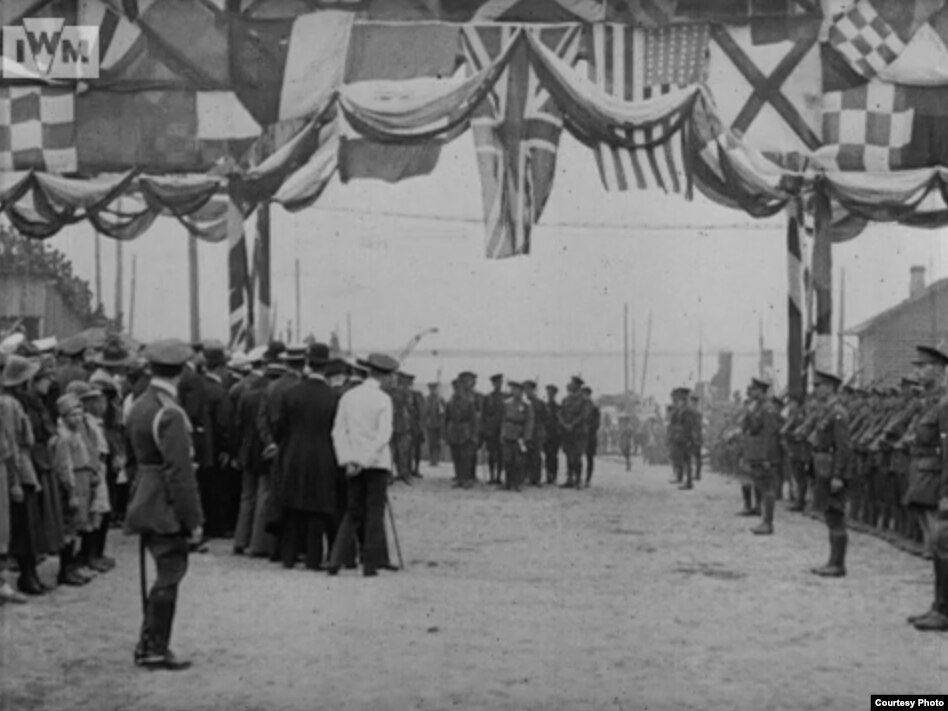
The fact that in the European north of Russia in 1918-1920 there was an autonomous northern region, today a rare local resident knows. A hundred years after the end of the Civil War, the processes that took place at that time in the region are still considered through the prism of foreign intervention. Meanwhile, the consequences of the dramatic events of the end of those years are still felt. The northern region is devoted to the documentary audio unit "Bely Sver" journalist Natalya Golysheva, in which facts, events and myths are studied through the memoirs of their participants, their families and fellow citizens who are in those fatal times on different sides of the barricades.
In 2008, Briton Fiona Pasha parsed the things of her recently deceased mother. The stepfather allowed her to rummage in the attic of a family house, where a box was found with old letters in Russian and notebooks in pollen wrappers. "I brought them home, called my sister, we seized them, but did not understand what it was. And after some time we decided to translate them all the same." This process was taken for five years - a familiar student translated, sent pieces as they readily, and the sisters, as well as their cousins, called up, discussing the finds.
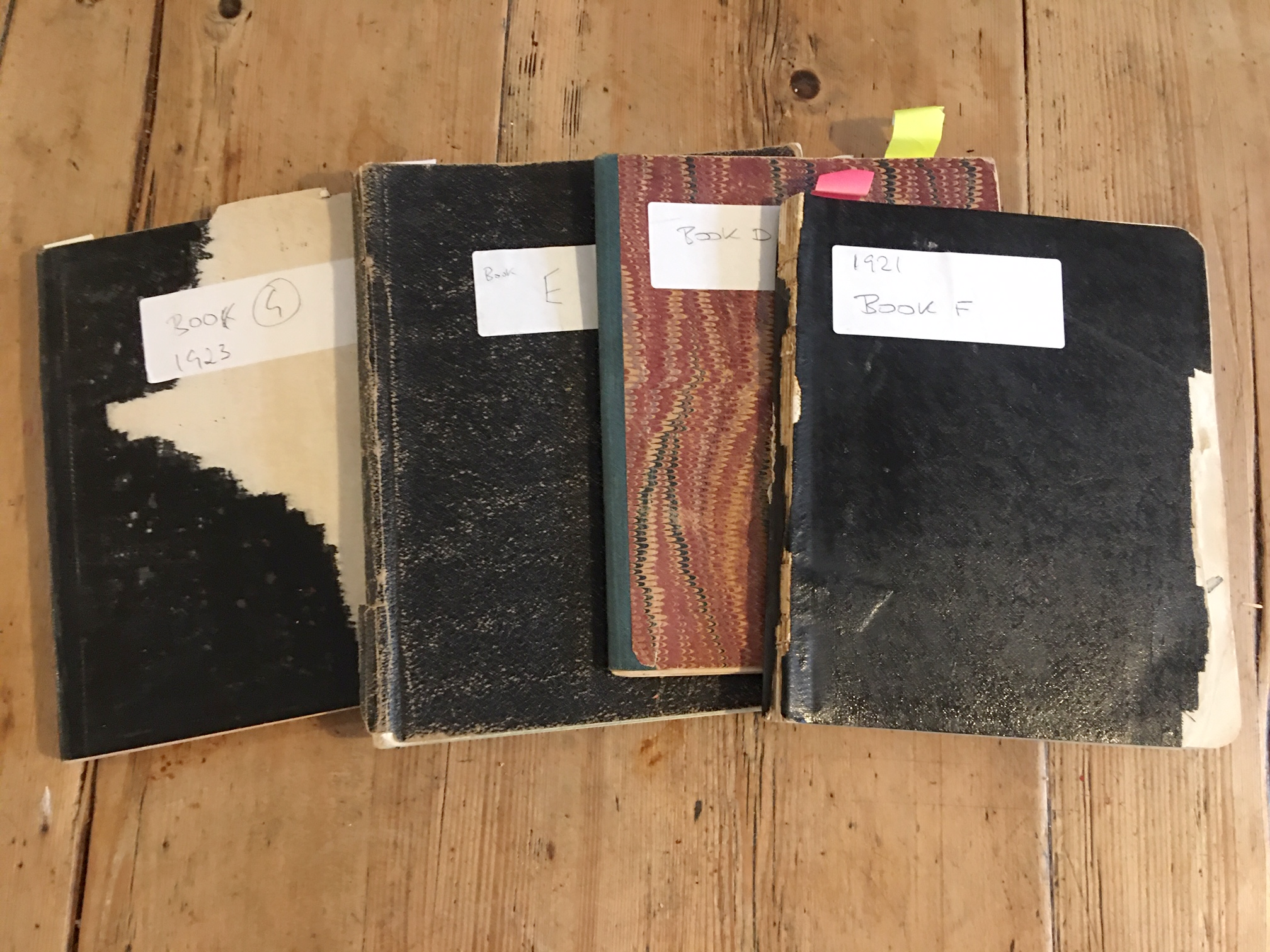
The notebooks turned out to be the diaries of their grandmother Zoe Grinway , in the girlhood of Mikhailova . Along with some unexpected details of family history, the fact unknown to the family surfaced: in 1918–1919, Zoya lived in the north of Russia, in Arkhangelsk, where she worked at the American embassy during foreign intervention, translated with foreign ambassadors and higher officers, and left her sixteen -year -old nose and left detailed notes, describing her life in the city in the city in the city in the city in the city in the city in the city in the city in the city in the city The era of great changes.
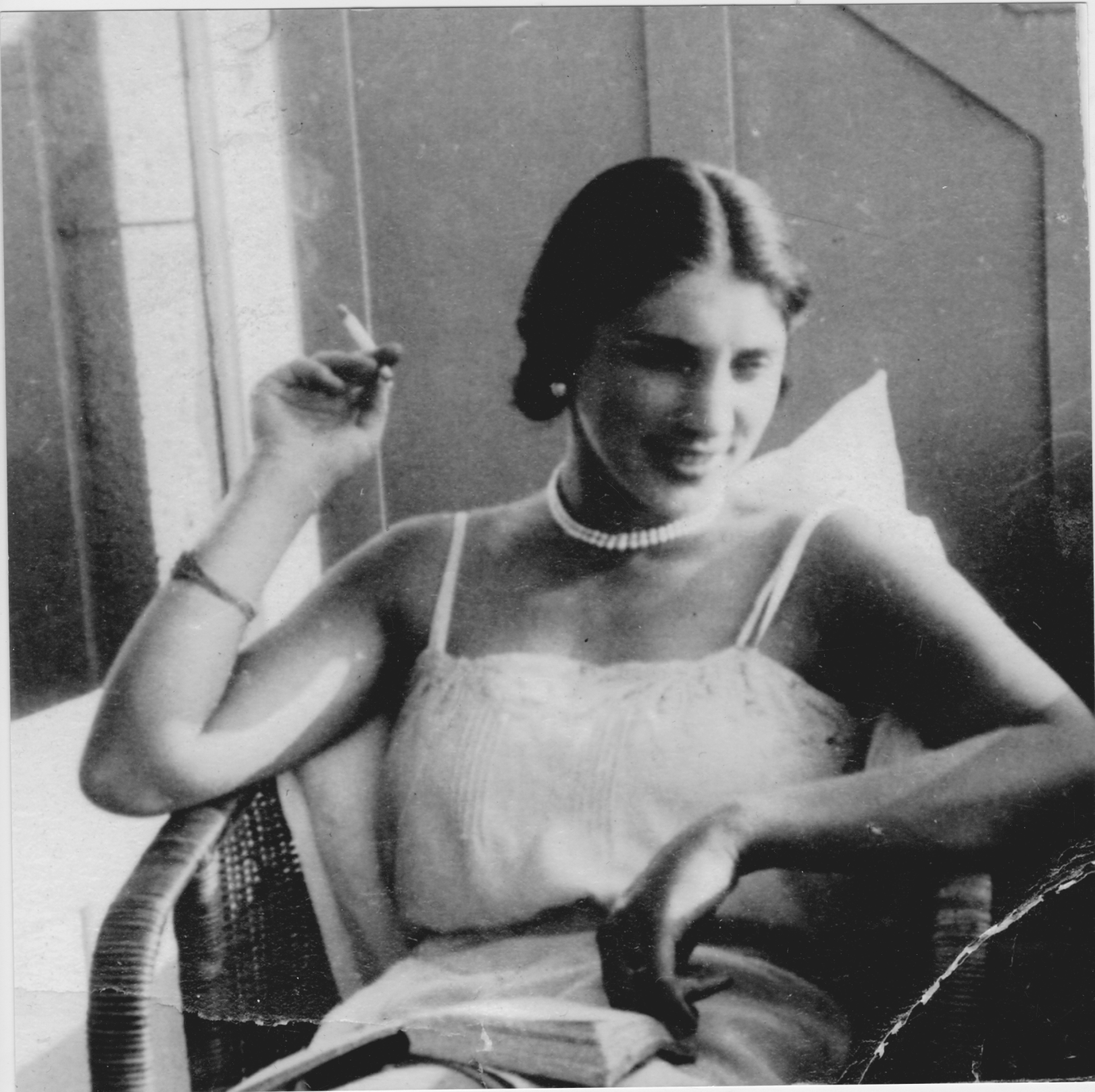
Arkhangelsk in 1918, by the standards of Zoe, was quite provincial. Of the entertainment - two electric theaters, one drama theater, walks along the alleys, wind orchestras on weekends. The gymnasium is not so hot, the society is even worse, there are no special outfits, and there is no one to wear them. The family moved north a year earlier from St. Petersburg, away from the shocks of the revolution.
Her mother married Alexander Plotnikov, a representative of the Shingarev-Strutnikov merchants of the merchants of the Shingerihi-Stravikov and the heir to a decent state. Zoe had a rather strict adopted father and an eternally displeased grandmother. The diary was an outlet. And here is luck: the provincial provincial city becomes a place of epoch -making events, and the Clotnikov’s house is the center of the social life of the city.
On the night of August 1 to 2, 1918, an anti -Bolshevik coup occurred in Arkhangelsk, which resulted in the so -called autonomous northern region, or Northern Russia. This political education lasted 18 months. Northern Russia included part of the Arkhangelsk (then along with the Kola Peninsula), the Vologda and Olonets provinces (now the Republic of Karelia). The coup was accomplished with the support of foreign allies of the White Movement, the countries of the Entente , a member of which was the Russian Empire.
In March 1918, Russia, represented by the Leninist government, emerged from the First World War, but the war continued. The Barents Sea was besieged by German submarines, in April in Finland the German landing landed and the threat of capture of the Kola Peninsula arose. The allies considered that the military warehouses and transport communications located in these areas require defense. Thus, it was decided to intervention, initially by agreement with the Murmansk Council, and then in the hope of a friendly northern government in Arkhangelsk, which for the allies became the successor of Russia, who fought with them on one side.
Such a government appeared as a result of the coup. He was headed by the People’s Socialist Nikolai Tchaikovsky , who dreamed of building a democratic republic, following the principles proclaimed by the February Revolution. From this moment on, Zoe Mikhailova's life has changed. Foreign diplomats moved to Arkhangelsk from Vologda, led by the American ambassador David Francis, who rented three best rooms in Plotnikov’s house. Parties, dinners, dances began, fans appeared, among whom were many famous historical figures.
Life as a whole also began to improve, compared to neighboring regions that were controlled by the Bolsheviks, except for refugees who flooded the region. Shops, banks, local government resumed work. The allies supplied food and released northern money wealthy pounds in exchange for trade concessions.
The coup also had an unpleasant side. To change the authorities were arrested - participating in revisions, supporting the power of the Bolsheviks, agitators and random people, whose trustworthiness was difficult to establish. The provincial prison was full, and the allies decided to create camps of prisoners of war, the most famous of them was located on the island of Mudyug at the mouth of the North Dvina. Then the myths that became the basis of Soviet propaganda begin.
“ In the 1920s, prisoners' written stories were gathered because the pension was provided for everyone who survived. It was precisely what a huge number of myths were born ,” says Igor GOSTEV , head of the Military History Department of Arkhangelsk. “ Then legends were needed in favor of the authorities, and these necessary fairy tales were then combined, artistically processed and published by political publishers. So the legend that is most famous today was that it was a camp of death, that a huge number of people died there, and this is the most important myth. temporary content ".
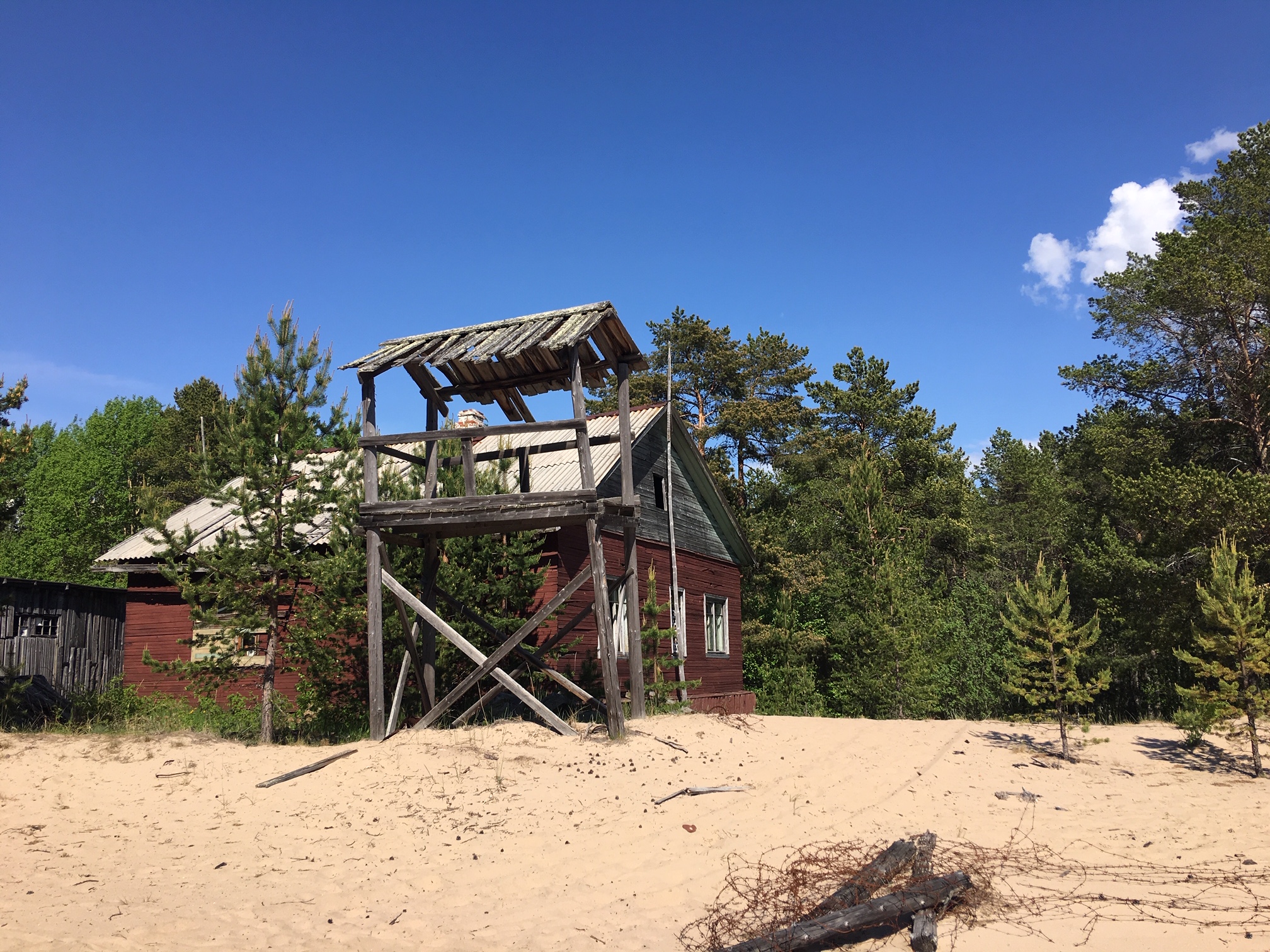
In May 1919, the Mudyugsky camp was transferred to the local Russian authorities, and it became a criminal exile-sailing prison, with the corresponding conditions of detention. This fact was excluded from subsequent myth -making: in the Soviet years, excursions were carried to Mudyug to demonstrate the "horrors of intervention." Now there is no money to maintain the exposition. Rare tourists get to the island on their own, if you are lucky with the weather to look at the guard tower and the only camp hut that has survived to this day.
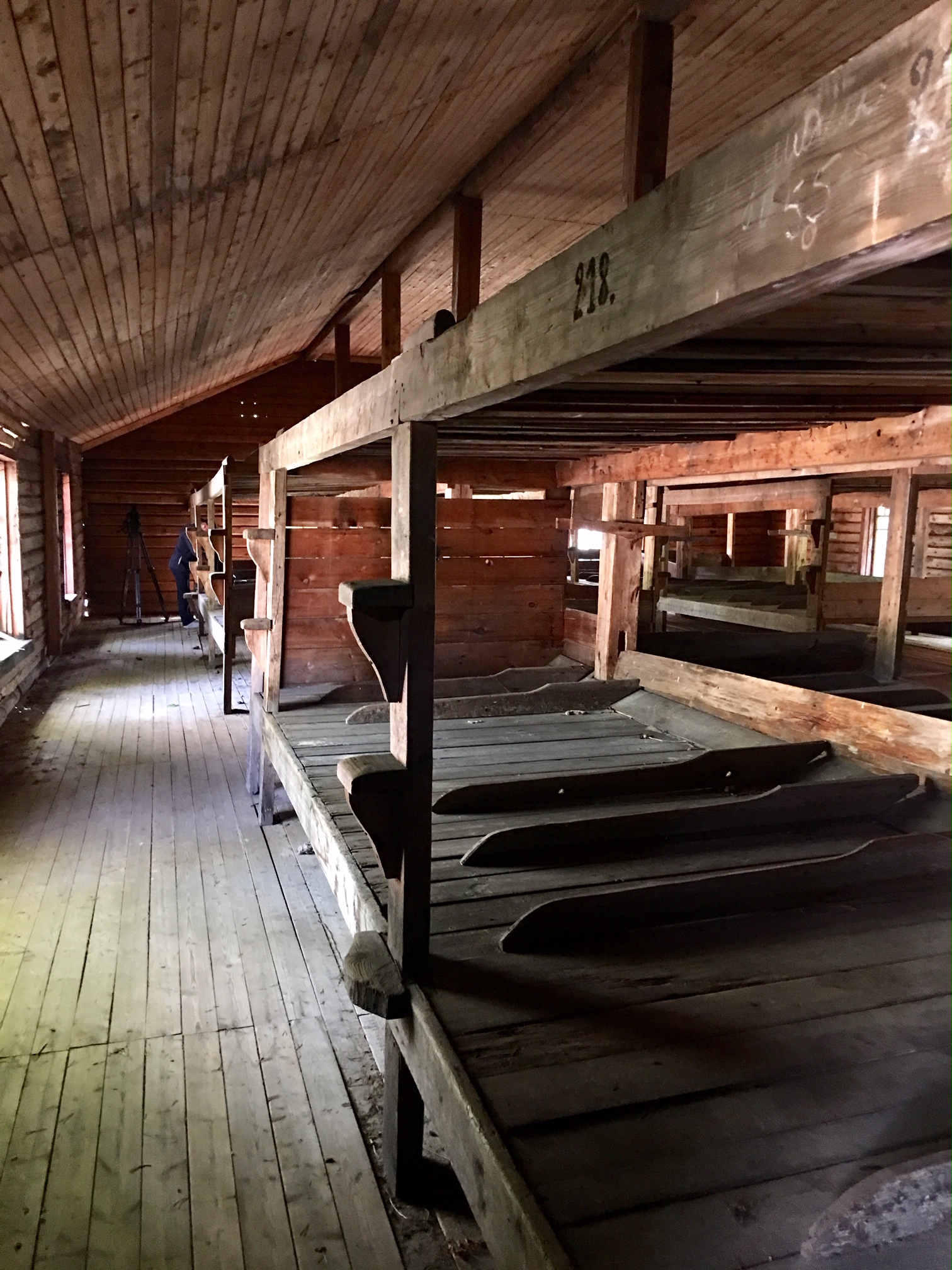
“ Everything was completely different than it usually seems to be ,” explains Igor GOSTEV. “ The barracks were built during the First World War for the railway station, which has not started work. And still one of these buildings stands. It is built of a beautiful larch bar, that is, even without heating, this building cannot be frozen in completely terrible frosts. Not only there were stoves. These buildings were reinforced there, there were reinforced there. Normal conditions of residence, people do not realize this when they come on a tour - were made for Soviet soldiers during the years of World War II.
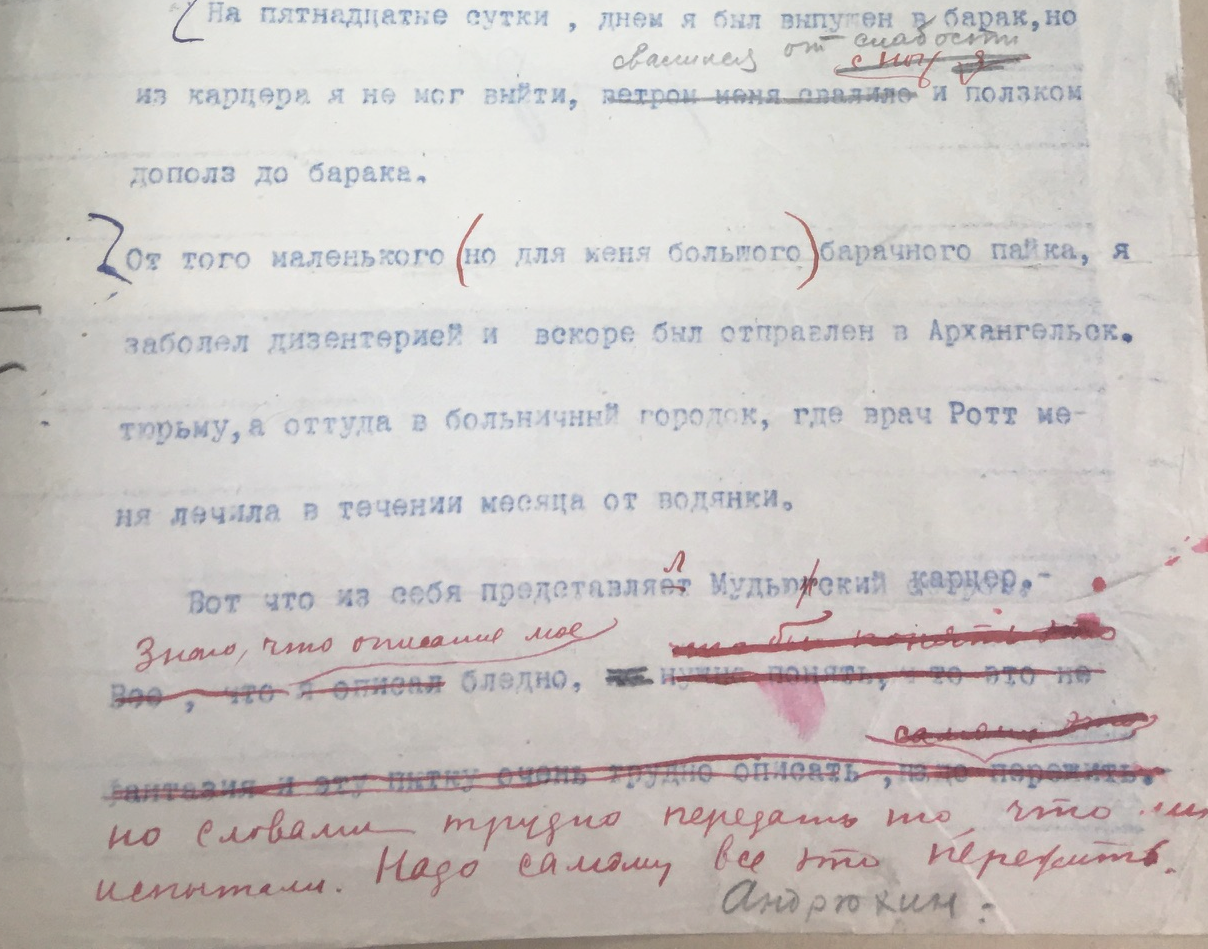
The issue of myths: the regional archive and the Arkhangelsk Museum of Local Lore storage of the memories of both the participants in the civil war and the revolutionary events of 1917. They clearly see the edits - the original option, the second option with corrections over the manuscript text, and often the final option already printed on the typewriter. Visiting the necessary accents.
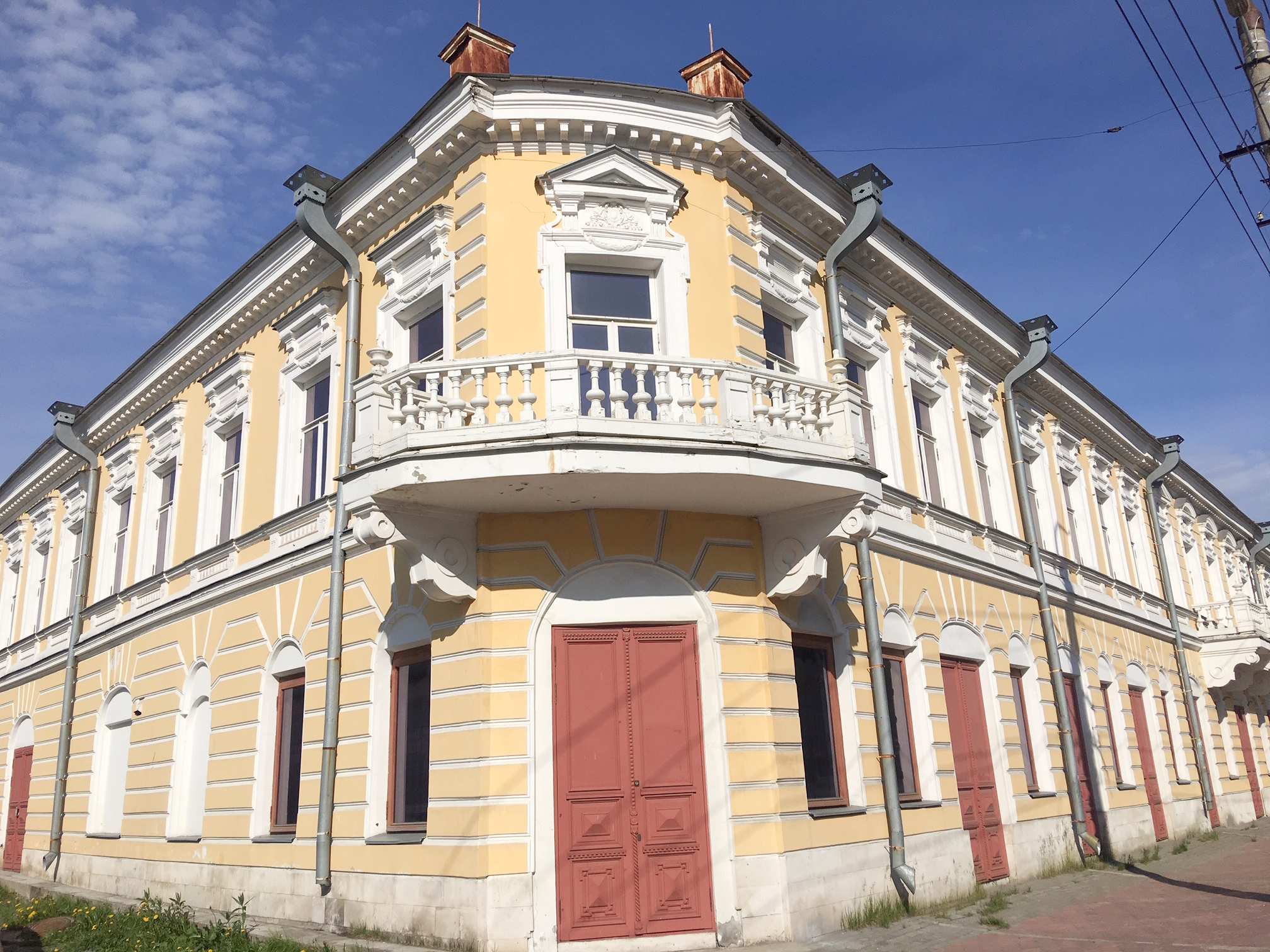
Mythology as a way of ritualizing collective consciousness fixes important images and models of behavior, representing a simplified model of the world. The world, known to us now, originates in the Civil War, dividing society into "before the foundation" and "then". Arkhangelsk, as it was a hundred years ago, was destroyed almost completely. The house of the merchants of Plotnikov is one of the few that survived. The older generation of Arkhangelogor residents knows him as a district executive committee. In the 1990s, the building was given to the Museum of Fine Arts, which over the past few years again became known as the house of Plotnikova thanks to the keeper of his story Tatyana Zelenina.
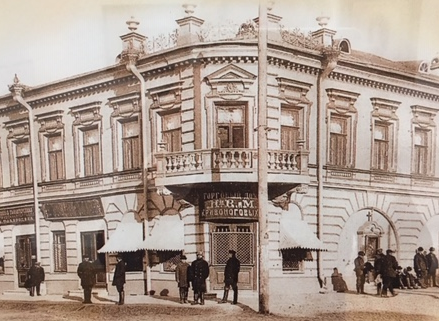
“ We have one disgusting feature of the Russians-we all start from scratch all the time. Here is some kind of teenage nation, you know how the teenagers are ruining everything, so with us ... ” says Tatyana Vladimirovna. Once in Plotnikova’s house, there were painted ceilings in each room, but they became unusable and painted them. “ At the time of the district executive committee, a coachman came here, talked about the interiors, and there were a Komsomol member, they say,“ we don’t need anything. ”But they remembered one phrase:“ Why have they painted such a beauty , ”says Tatyana Zelenina. The comprehensive restoration was not a pocket, but the ceiling was completely opened in one room.
Restoration would be more successful in the presence of documentary images, but they are not. Only one photograph of secular reception in Plotnikova’s house has been preserved: in the Great Hall, members of the Government of the Northern Region are sitting in the company of foreign ambassadors. In the 1990s, Zelenina managed to find the case of the adoptive father of Zoe, Alexander Plotnikov in the FSB archive. He was arrested three times and finally shot, and in the case the inventory of numerous photographs of the house was preserved. “ I regret that then I didn’t ask where all the photos are? And now those archives are closed ,” says Zelenina. “ I think that this is unfair. Here is how to love our homeland, if we don’t know our story? We must survive it, rethink, do not comb the past. Yes, we will compassion, resent, admire, but it should be accessible .”
Zoya Mikhailova was evacuated from Russia in the fall of 1919 along with the allies. In London, she married the importers of Henry Greenwei and preferred not to remember her life in Russia. “ She wanted her two daughters to grow up by English ladies ,” says Fiona Pasha. “ They studied at a private school, they had a great life, a good situation in society. At that time, people were not especially friendly to refugees from Russia. Zoya tried not to affect her daughters.”
The world, as we know him, would be completely different if the allies and whites won
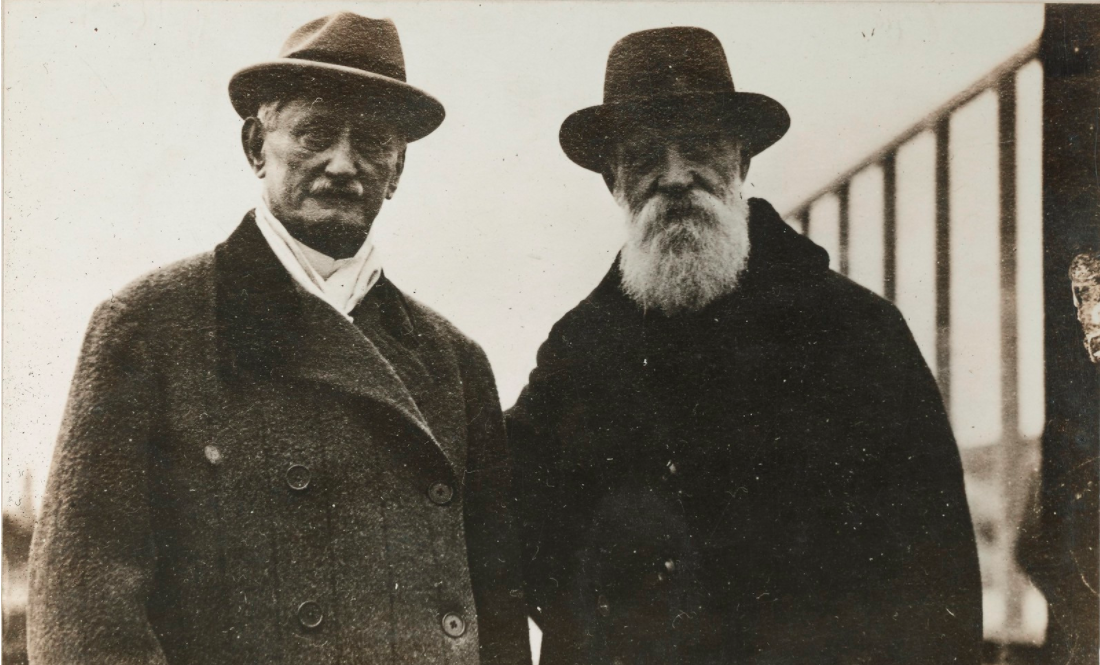
Silence was facilitated by the position of the British government, who preferred the et of the traces of the failed northern campaign under the carpet. After the end of the First World War in November 1918, the official reason for the allied troops in Russia disappeared. Then the purpose of the intervention was adjusted, the foreign military actively drawn into the civil war on the side of the whites. “ All official documents were classified for 50 years and became available only in 1969-1970. All because the British government actively tried to shift the Bolsheviks, and then also actively hid this information. In 1921, the Anglo-Soviet trade agreement was signed and Britain and the USSR ceased to be enemies ,” says Australian Damien Wright . For more than 20 years, he worked on the book "The Secret War of Churchill against Russia", trying to make up for an information gap with regard to the intervention in the West.
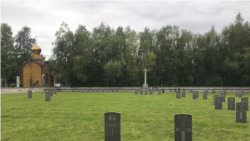
In the Vologda cemetery in Arkhangelsk there is a separate British military memorial. He became the last marina of the sailors and soldiers of Great Britain and its allies who died in the Arkhangelsk region during the first, and then the Second World War. In addition to neat tombstones, commemorative signs with the names of soldiers and officers who fell in battles and dead from illnesses or wounds during an intervention in the north are installed on the walls of the necropolis. They are united by the fact that the places of their burial are unknown. Among them - a barely noticeable line - is the name of Edward Gallagher from the Irish city of Kork.
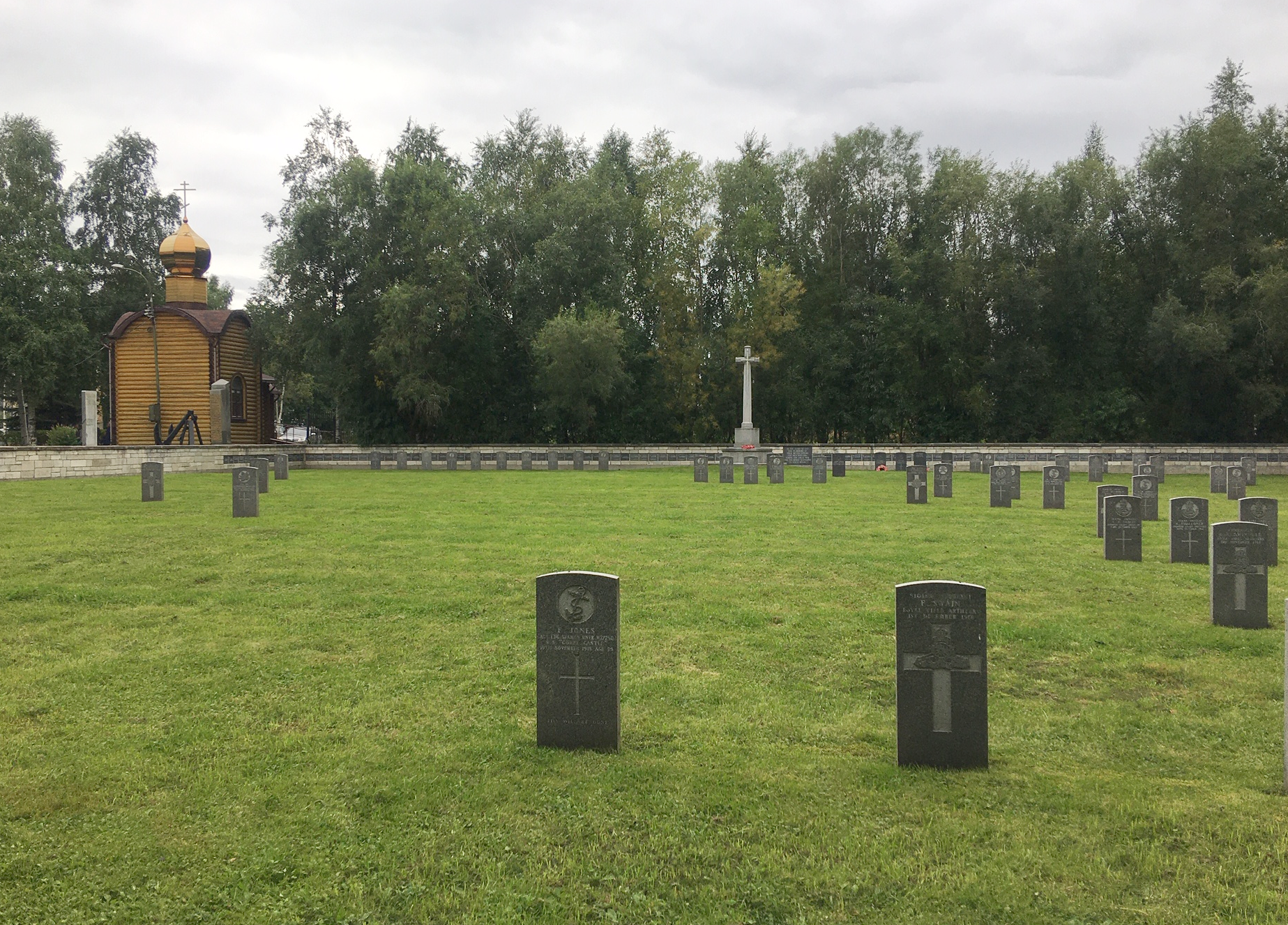
He passed with the British army the entire World War I, spent 4 years in France on the Western Front. After the end of the war, everything was waiting for him to be demobilized. But the command was in no hurry to let the Irish go home because the political situation was tense. In Ireland, there was a fierce struggle for independence from the UK. The London authorities were afraid that the soldiers who could manage their weapons, upon returning home, will pour into the ranks of the Irish Liberation Army.
“ Six months after the end of the war, in April 1919, he was still not demobilized ,” says Pat Tumi , the grandson of Edward Gallagher. “ And then the call of volunteers to Northern Russia began. Those who agreed, promised to provide a two-week vacation to see his family. Edward had a wife and four children. Therefore, he decided to go to this short-term one-so he was so short-term-he was so short-term. It seemed - a campaign in Arkhangelsk to first take a vacation, and after a few months to finally reunite with the family . "
Edward Gallagher did not connect with his family. He remained lying in the frozen Archangel land, like many other foreign soldiers of this small army, the memory of which came to a memorial plate in cemeteries in Arkhangelsk and Murmansk. " In the USA and Great Britain, who sent thousands of military to Russia and left hundreds of those who died there during the intervention, this story is virtually unknown. It is amazing, given the scale of what happened. Surprisingly, the consciousness of how much the world would have been if the allies and whites won, -Damien Wright says, Hitler would not have invaded the USSR in 1941, not There would be a Korean war, Mao Zedun, the Vietnamese War, the invasion of Afghanistan.
The war is in a new form, and it will end, probably, when the power and people find a common language and stop lying to each other
In Russia, in relation to the intervention of the Allies in the north of the country, there are two extreme points of view. Some consider the interventionists by treacherous invaders, others with saviors and assistants to the right business. Perhaps the most consistent position throughout the Soviet period, and now, is expressed by historians who insist that the foreign presence was a catalyst for the civil war in these parts. The British really used in the north the methods of warfare for that time: tanks, aviation, chemical weapons. To some extent, this set up part of the local population, heated by the Bolsheviks, against them, especially by the end of the northern campaign. But to deny the internal contradictions that existed regardless of foreign intervention, at least incorrectly.
Lyudmila Novikova , the author of the book “Provincial Counterrevolution in the North”, is sure that “ no one was interested in emphasizing the participation of the local population in hostilities .” This myth of intervention is very actively that the Reds defended the country from the interventionists, and the local Bolsheviks supported. “ It was very convenient to affirm that a huge army of interventionists came, and they could not have any resistance. It was less painful than telling about the mistakes of the Soviet regime, about the unpopularity of the Bolshevik policy, about the unwillingness of the population to mobilize in the Red Army and so on. It was such a very convenient myth ,” says Lyudmila.
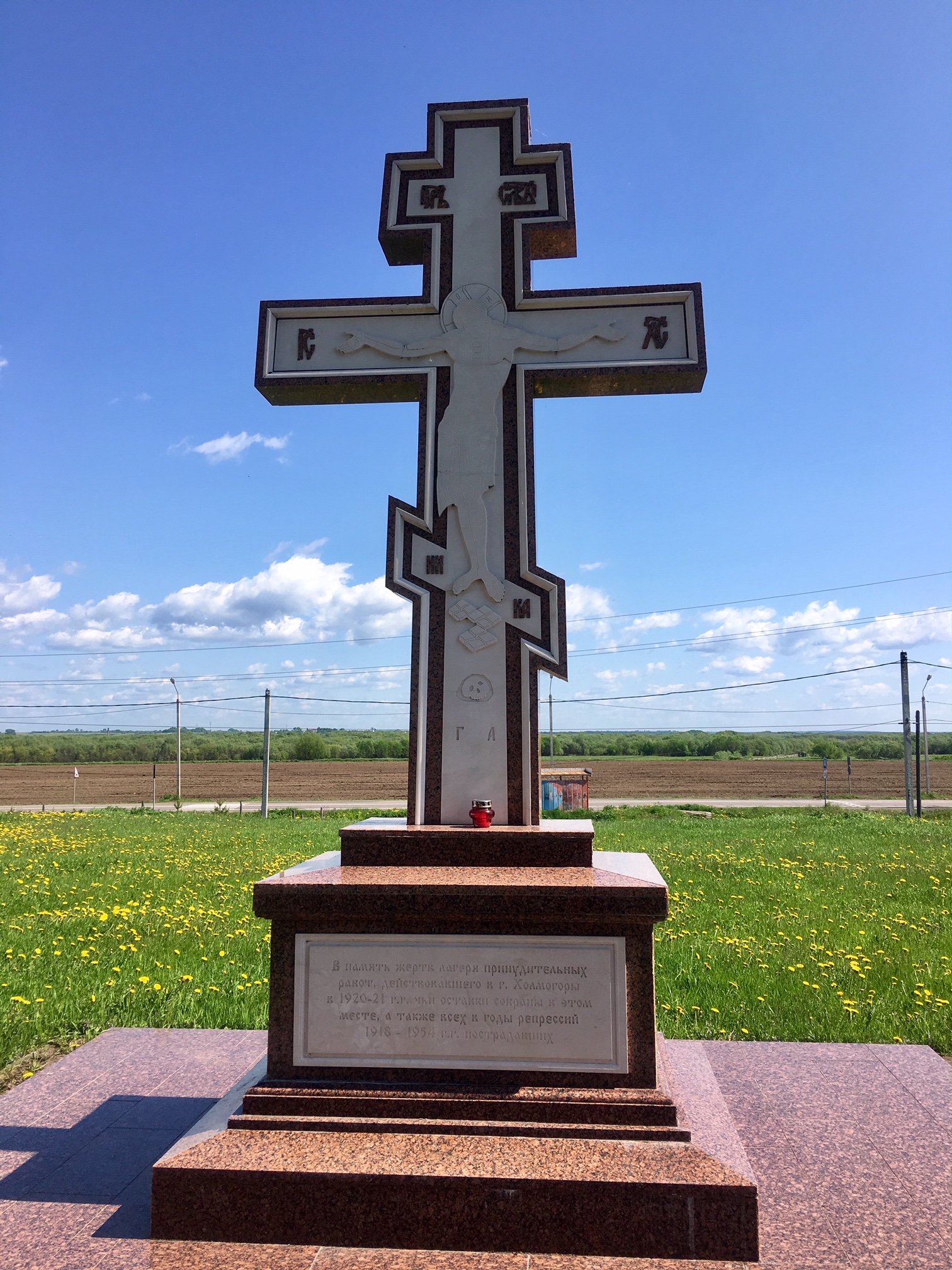
The unpopularity of the Bolshevik policy was especially noticeable in areas where in the spring of 1918 an attempt to mobilize in the Red Army was made. The peasants, who only returned from the war, did not want to stand under the gun again, and the confrontation resulted in a series of uprisings. The largest is in the Schenkur district in the south of the Arkhangelsk region, where the union of resounded artels was successfully maintained, uniting up to 50 thousand workers in nearby counties. They had something to lose: the union had its own commercial school, printing house, forestry; Shenkur resins went directly to Britain and Holland. “ Of course, the peasant uprisings throughout Russia flashed ,” says Igor GOSTEV. “ But the fact is that we have any peasant, folk riots are not articulated as civil wars. Look what is happening in Shiesa, in Khabarovsk, in Bashkiria - this is the same civil war. It goes in a new form and it will end, when the power and people will find a common language and cease to lie to each other .”
The study of the heritage of the Civil War and the intervention in the north has undergone several stages. In Soviet times, the Civil War here was considered exclusively through the prism of intervention. " По названиям книг мы видим, что история Гражданской войны, в тех регионах, где особенно активно была представлена интервенция, например, на Севере, – это "история английской интервенции". Памятники – это памятники жертвам интервенции, как будто бы местное население и не участвовало в этой войне" , – говорит Людмила Новикова.
В 1990-е годы ситуация изменилась. Появились научные работы, рассматривающие Гражданскую войну отдельно от интервенции. " Вдруг все вспомнили о белом движении и стали говорить: "Ребята, это одно и то же, и белые, и красные, просто они воевали за Россию, но за разные убеждения , – говорит Игорь Гостев. – Сейчас, может быть, куда-то опять акценты смещаются. Но внутреннее убеждение людей не меняется от этого ".
Смещение акцентов становится всё более заметным в последние годы, на фоне усиления конфронтации России со странами Запада. В середине сентября 2020 года в Архангельске прошла всероссийская научная конференция , посвященная столетию окончания Гражданской войны и интервенции на севере России. Открывая форум, крупнейший за последние 30 лет, помощник президента и председатель Российского военно-исторического общества Владимир Мединский провозгласил: " Эти уроки очень актуальны, в том числе когда мы смотрим на то, что происходит в последние годы в мире. Когда вокруг России пытаются создать такой же санитарный кордон, как пытались державы Антанты когда-то сто лет назад… Тогда стояла задача превращения России в слабое государство, расчлененное государство, полуколонию ".
Не дай бог, мы убедимся в правоте русского классика, утверждавшего, что русский бунт бессмысленен и беспощаден
Отвечая на вопрос корреспондента местного телевидения о возможности гражданского примирения, в свете разнообразных и зачастую полярных позиций, Мединский сказал: " Я думаю, что все давно примирились. Уже нет ни красных, ни белых, ни зеленых, ни потомков интервентов. История, судьба и господь все расставили по своим местам. Примирение давно уже достигнуто. мы лишь должны с этим согласиться, перелистнуть страницу, перейти от оценок к изучению прошлого ". Ведущие не стали возражать помощнику президента. Когда в той же студии другие участники конференции обсуждали вопросы, связанные с неоднозначностью оценок исторического наследия, профессор СПбГУ Александр Пученков отметил: " Мы живем в стране, где последний залп Гражданской войны хотя и отгремел 100 лет назад, но до сих пор каждый россиянин подсознательно ассоциирует себя либо с белой, либо с красной правдой. Мне кажется, мы никогда не сможем прийти к какому-то согласию о том, кто был прав 100 лет назад, потому что правы были все и неправы были также все ".
Последний корабль союзников отчалил из Архангельска 27 сентября 1919 года. Эту сцену наблюдала 12-летняя Евгения Шольц, впоследствии в замужестве Фрейзер: " Я видела, как уплывали корабли. Всегда в районе 8 утра. Помню, как мой дядя спросил: "Зачем они вообще приходили? Мы за это заплатим". Так и произошло" .
Северная область пала под ударами большевиков через полгода после ухода союзников. Жители её заплатили большую цену за автономию. По данным краеведа профессора Анатолия Куратова , с февраля по ноябрь 1920 года в Архангельске и лагерях были расстреляны и умерли от голода и болезней 25.640 человек. По другим данным, цифры - если оценивать по территории нынешней Архенгальской области - могут доходить до 100 тысяч пострадавших по области (то есть каждый третий житель).
Для сравнения: во время интервенции количество жертв составило приблизительно до 4 тысяч человек, включая около 300 человек, погибших на острове Мудьюг. Точные цифры – предмет дискуссий, но данные о пострадавших от красного и белого террора различаются в десятки тысяч раз. " Архангельская губерния в начале 1920-х годов находилась под фактической оккупацией Красной армии, по краю волнами прокатывались аресты и расстрелы. Именно террор стал важнейшим инструментом советизации края, послужив кровавым предвестником сталинского террора 1930-х ", – это цитата из книги Людмилы Новиковой "Провинциальная "контрреволюция" и гражданская война на Севере".
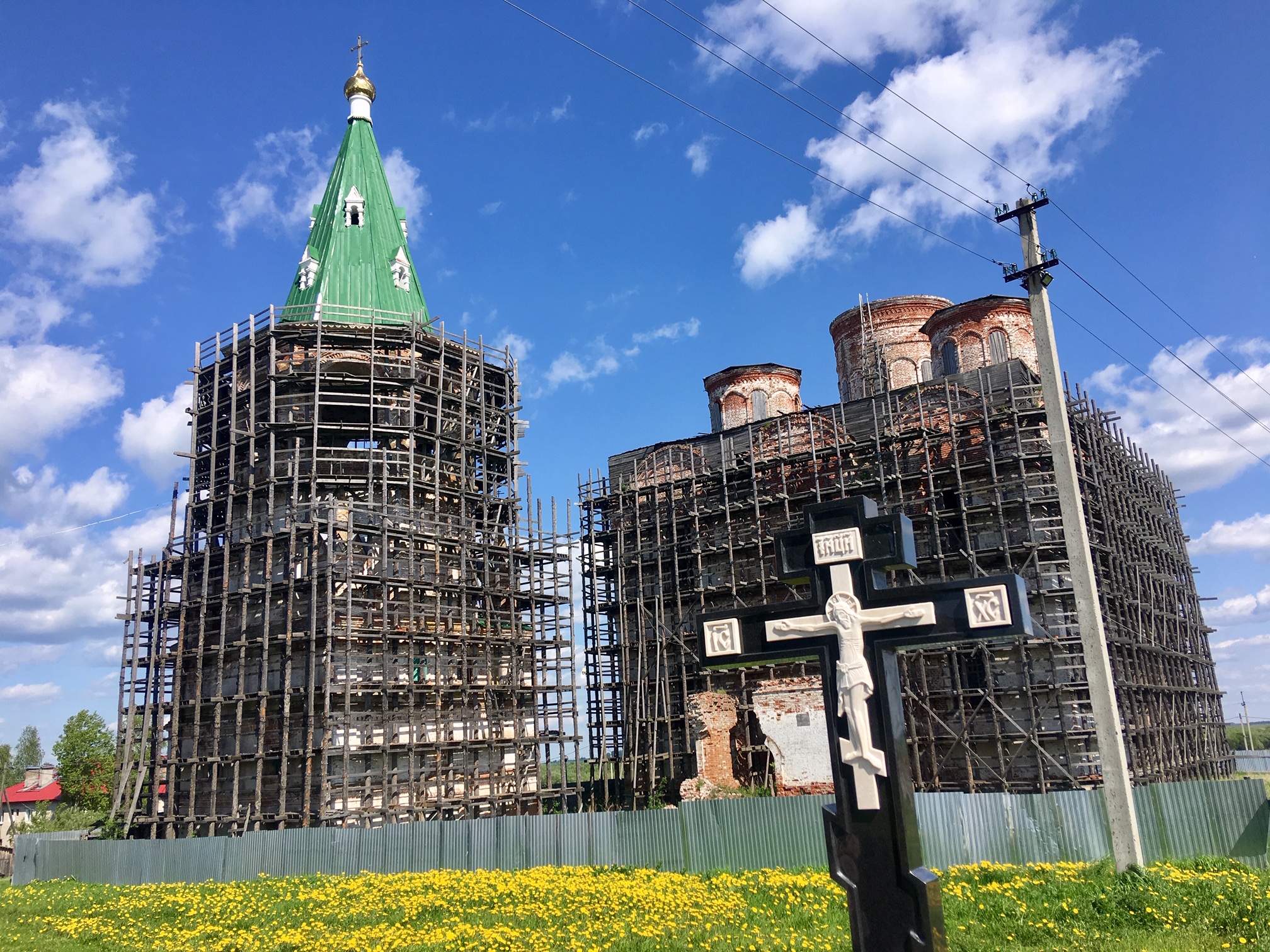
Большие северные монастыри – Соловецкий, Холмогорский, Пертоминский – уже в первые месяцы после закрытия Северного фронта превратились в концентрационные лагеря, предвестники ГУЛАГа. Елена Павлова живет в селе Холмогоры, что в 80 километрах от Архангельска. " Вот вся эта земля, весь этот насыпной холм, он весь пропитан кровью и здесь повсюду можно найти человеческие останки ", – рассказывает она. К моменту падения Северной области в Холмогорах был православный женский монастырь, от которого сейчас осталась одна небольшая действующая церквушка, восстановленная силами прихода. Все остальные постройки – на пути к разрушению.
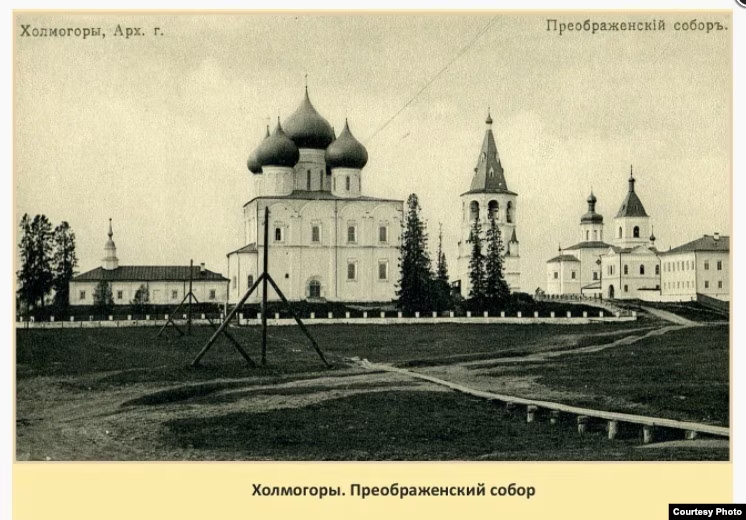
" Когда мы проводили здесь ремонтные работы, то постоянно находили человеческие останки. Под каждым столбиком на две лопатки копнешь – и наткнёшься на них. Сколько здесь погибло тысяч людей – неизвестно, расстреливали без суда, списков не составляли. Останков у нас накопилось много, мы их собирали в мешки, а потом решили поставить для них общий памятник, покаянный крест", – вздыхает Павлова. Предположительно, только в Холмогорском лагере за два года его существования погибли около 8 тысяч человек. Единственное, что о них напоминает, – крест-памятник, возведенный на народные пожертвования.
Северные лагеря на базе разоренных монастырей – дело рук руководителя Особого отдела ВЧК Михаила Кедрова . Он был направлен в Архангельск для "зачистки территории" от следов интервенции и Белой армии, и успешно справился с задачей. Об этом напоминает улица имени Кедрова, вопрос о переименовании которой периодически становится предметом общественного обсуждения, но дальше этого дело не идет. Попытки местных активистов избавить улицы города от имен тех, кто его уничтожал, неизменно наталкиваются на сопротивление. " Мне просто стыдно перед своими детьми и внуками за то, что мы позволяем им жить в пространстве лжи. И пока именами этих людей называются улицы, мы как бы соглашаемся с тем, что они сделали , – возмущается Ирина Пономарева, учитель местной школы. – Преступления эти не названы и не признаны. Может быть, цифры репрессий неточны, но мы не можем отрицать сам факт террора. Я думаю, что настанет время, когда градус правды будет установлен, но, возможно, это время ещё не настало, потому что мы до сих пор не делаем нравственного усилия в России, чтобы свою историческую память осмыслить" .
Пока это время не настало, старые раны продолжают саднить, а мифы и легенды процветать, и каждый справляется с ними по-своему. " 1917 год реально разделил Россию пополам , – напоминает Игорь Гостев. – Но вот даже сейчас, глядя на распределение убеждений и взглядов по самым разным мотивам, начиная от отношения к царизму, к монархии, к большевикам, по отношению к современным событиям, мы можем сказать о том, что народ разделен строго напополам. И вот это вот противостояние, когда нет перевеса каких-то убеждений, и говорит о том, что нет победителя. А раз нет победителя, то противостояние продолжается. Да, оно кухонное, в глубине людских умов пока что, но не дай бог оно выльется на улицы. Не дай бог мы убедимся в правоте русского классика, утверждавшего, что русский бунт бессмысленен и беспощаден ".
Документальный аудиосериал "Бѣлый Северъ" выходит с 21 сентября до конца ноября 2020 года , при поддержке Архангельского краеведческого музея. Он рассказывает о людях и судьбах Северной области, оказавшихся по разные стороны баррикад. И о том, что это значит для нас сегодняшних.