
Translated material
Dialogue on Broadway
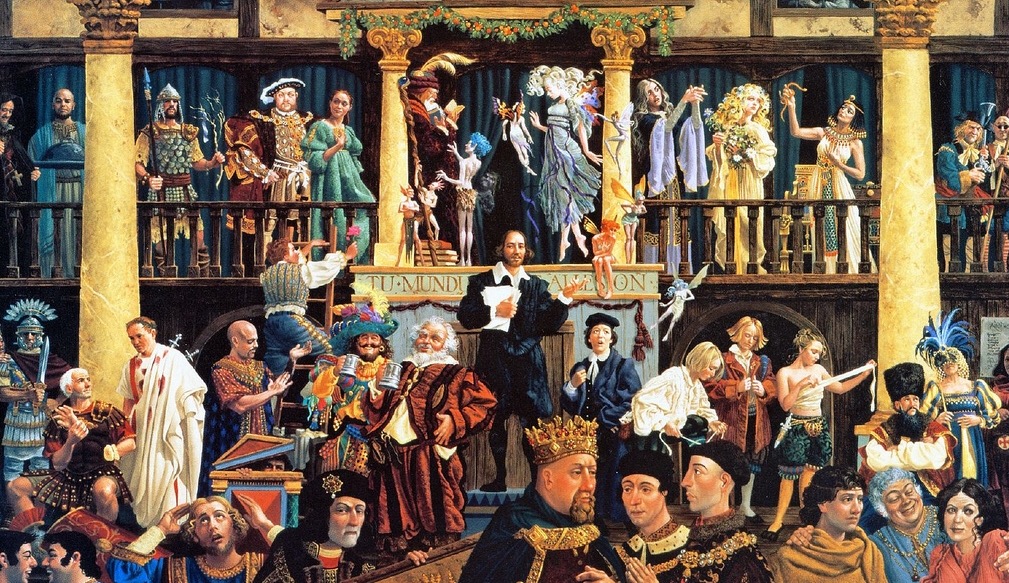
Shakespeare and Music: Tariverdians. Prokofiev in NY: one -handed concert. The 100th anniversary of Menukhin
Alexander Genis: On the air - our heading “Dialogue on Broadway”, which we and the musicologist and cultural historian Solomon Volkov are leading in the Broadway studio Radio Liberty.
Solomon, what is they talking about Broadway?
Solomon Volkov: Broadway they talk about their main, so to speak, a bakery - namely Shakespeare. In connection with the anniversary: 400 years from the date of his death. And what would Broadway do without Shakespeare's plays?
Alexander Genis: Yes, of course, Shakespeare as he was and remains the nail on which the entire culture of the West hangs, there is no getting away from this.
Solomon Volkov: Meyerhold once said that he was taken to lead the theater in which only one play will go - “Hamlet”, and nothing else is needed, there will always be a full hall.
Alexander Genis: Harold Bloom, who belongs, probably the most important book about Shakespeare in our generation, said that Hamlet had the greatest impact on Western culture after Jesus Christ. He wrote interestingly about what the main merit of Shakespeare is? He says Bloom that no one has ever created more characters than he. He has about a hundred main characters, and everyone is not like each other. Yes, a few more sots of secondary characters, which also differ from each other. But in dramaturgy, the most difficult thing to distinguish from one from the other. Chekhov wrote when he composed “Three Sisters”: if you knew, he complained how difficult to hold the attention of the viewer on three heroines, for this it was necessary that they look differently, speak differently, and behaved differently. It is very difficult to do. But Shakespeare, of course, was the great master of the stage. Today I want to talk to you about something - about music. Shakespeare presented a huge number of plots for the Western Musical Theater, but not in Russia. Why?
Solomon Volkov: Why? Romeo and Juliet of Prokofiev immediately come to mind, in my opinion, this is the best ballet for this plot.
Alexander Genis: Perhaps yes. Ballet - yes, but the opera - no. How many Shakespearean operas exists in one Verdi, for example, and the Russian opera did not respond to Shakespeare. Is it because we had our own Pushkin for this?
Solomon Volkov: It can be very much. In this regard, we must recall what influence Shakespeare had on Pushkin can be decisive on Pushkin, as a playwright.
Alexander Genis: “Boris Godunov”, of course.
Solomon Volkov: This is an absolutely Shakespearean thing. By the way, here we enter a completely different area. I think “Boris Godunov” would have had the right, firstly, to a much happier stage life in Russia itself, and secondly, to much greater glory abroad. Maybe because the opera Boris Godunov is considered the main Russian opera abroad. Maybe the opera has intercepted the glory of Pushkin’s tragedy. And here we can recall that when the Opera of Mussorgsky appeared, the main claims to her were that he distorted Pushkin. Modern criticism primarily blamed Mussorgsky.
Alexander Genis: And how does Shakespeare's work reflect on modern music, already in our time?
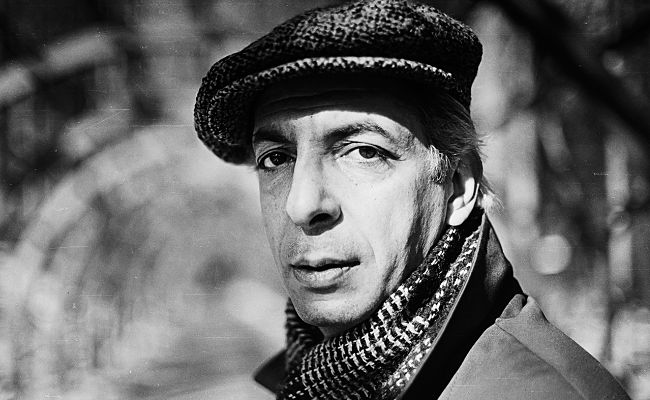
Solomon Volkov: Again, I can’t say that there are some remarkable or detained in our minds, domestic musical opuses on Shakespearean texts. But there is one exception, it is extremely close to my heart, I don’t know how you will react to this, but I really appreciate the Tariverdiev cycle, which he created on the texts of Shakespeare's sonnets, of course, translated by Marshak. After all, it is so difficult - imagine, to take Shakespeare. Although I must say that Shakespeare's sonnets, I can recall Shostakovich’s wonderful experience, has a brilliant, one of his best vocal works of the Shakespearean sonnet. But in principle, in this sense, Shakespeare in Russian was also especially unlucky. Kabalevsky, in my opinion, has some Shakespearean works, not so many of them.
Alexander Genis: This is partly due to the translation of sonnets. Pasternak still gave exemplary translations of Shakespeare's tragedies.
Solomon Volkov: What is now disputed by many.
Alexander Genis: Let them dispute. But I compared many translations of Hamlet, and I must say that the Pasternaki translation is most similar to Shakespeare, it is most similar to the original. It is funny, it's scary, this is a living theater. This does not apply to sonnets. Shakespeare's sonnets translated by Marshak, as our colleague Gandelsman said, “written in a square-nesting method”. And there is something in this, they are rather simplified retelling than transfers.
Solomon Volkov: But I appreciate the Tariverdiev cycle. He wrote a cycle to the words of Shakespeare, and then used this music in the television movie of the two-part 1980s “Adam marries Eve”. In my opinion, everyone has long forgotten about this television movie, and Tariverdievo music lives, it is remembered and performed. He managed to overcome the “square-nesting”. He got a fluid, freely pouring melody, lyrical, sincere, intimate, in my opinion, very modern. 35 years have passed, she could already become obsolete.
Alexander Genis: But in my opinion, she just refers to her time and reminds me of the old “blue light”. There is something sincere, light, pleasant, what pensioners watch on New Year's Eve. But this is only my amateurish opinion, I do not insist on it.
Solomon Volkov: Firstly, if pensioners watch what sounded for the first time 35 years ago, then this in itself is not bad. You are in vain here belittling pensioners, pensioners are also people.
Alexander Genis: Shakespeare was also a pensioner when he left the theater to rest.
Solomon Volkov: a living part of our society, I assure you, far from the worst.
Alexander Genis: No, in no way I am trying to offend them, we are already close to this with you.
Solomon Volkov: What pensioners like, I assure you that the younger generation like this, which again finds the vitamin in the music of Tariverdiev, which they do not find in the most important popping or in the Russian-speaking rap. Did the Russian-speaking rap have won for himself some kind of devoted audience comparable to the audience in the United States? No, rap for Russia has largely remained alien phenomenon.
Alexander Genis: And thank God, because I can’t stand rap, I admit honestly.
Solomon Volkov: You see. And the Tariverdievskaya melody is alive, she makes Shakespeare our contemporary. It doesn’t sound like the fact that four centuries were written, but as if it was written today, as if Shakespeare is a modern poet.
Alexander Genis: This, of course, is a big problem. In fact, you touched here naked nerve. All English -speaking people listen, look, read Shakespeare in the original, and not in translation, and for them this is primarily an old language. This, of course, is a big problem that we talked about in the first part of our “Ach”. Because the Shakespeare that we know with you, and the Shakespeare that Russian readers and listeners know, the audience has little in common with Shakespeare, who is known in the countries of the English language. Maybe that's why Tariverdiev’s music is more suitable for the Russian Shakespeare.
Solomon Volkov: I want to put one of Shakespeare's sonnets in the musical arrangement of Tariverdiev performed by the author himself. This is also a unique thing - its intimacy, penetration, sincerity. Maybe now I will offend numerous fans of Mark Bernes, but in this case I prefer the author’s manner of performing the Tariverdieva of any other quasi-agency manner.
(Music)
Alexander Genis: What else are they talking about on Broadway?
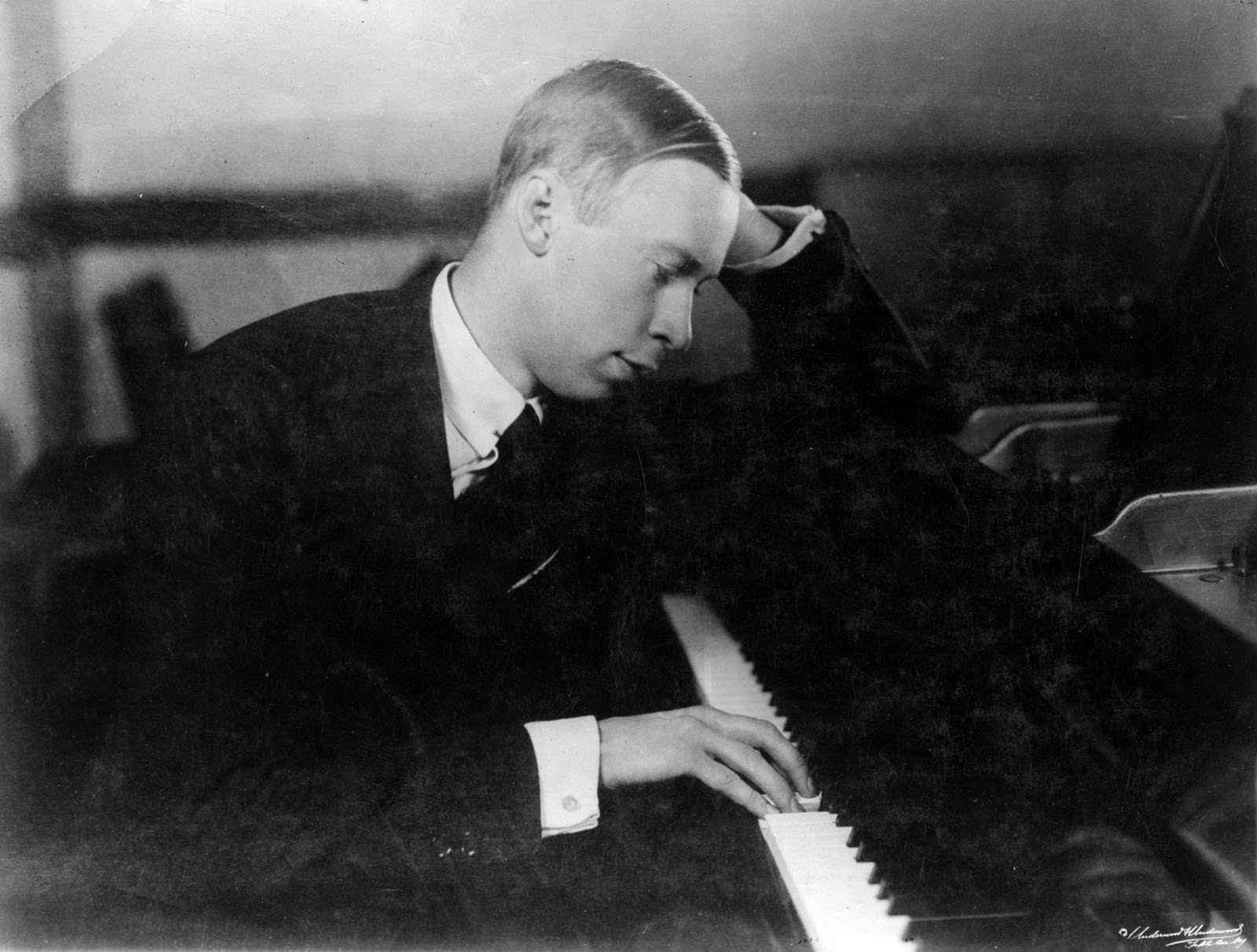
Solomon Volkov: A sensational concert is being discussed on Broadway, which Valery Gergiev gave to the Brooklin Academy of Music, our New York Avangard Center with the Mariinsky Theater orchestra. In one concert, which lasted three hours and had two breaks, all five piano concerts Sergei Prokofiev, which is performed this month of 125 years, were performed.
Alexander Genis: They say that this was preceded by a small scandal. The fact is that Gergiev was not just late for a rehearsal, but held concerts without rehearsal at all, because he failed to get to the concert in time. He is actually famous for this.
Solomon Volkov: So it was. But there was no particular trouble here, because he already showed this program in different other places and knew the music and soloists even these who performed that evening, in this repertoire.
Musicians performed excellently with him, each of whom is a significant figure in modern pianism. Moreover, from the young, George Lee, the American pianist, one of the winners of the last Tchaikovsky competition, he is 19 years old - and up to two veterans, very famous performers, by the way, they are both immigrants from the Soviet Union, Alexander Toradze and Sergey Babayan. They both live in the United States, teach, are very famous as teachers, they have a large galaxy of students. They also performed in this concert. Lee played the first concert - this is Prokofiev’s youth concert, one of his most popular. It is a pity that the BAM hall for the orchestra is not very suitable, there the sound of the orchestra is lost. Then the second piano concert was played by Toradze, the third piano concert, which, in the opinion of criticism, was a success, our new star Daniil Trifonov performed.
Alexander Genis: Which we have repeatedly talked about our listeners.
Solomon Volkov: The fourth concert was played by a young pianist from the latest winners of the Tchaikovsky competition Sergey Redkin. And the fifth concert was played by Sergey Babayan.
Alexander Genis: I am most interested in the fourth concert, because this is an unusual concert.
Solomon Volkov: E. The concert is philosophical.
Alexander Genis: And this is a concert for the left hand. One of the tragedies in the history of music of the twentieth century is connected with this. This concert was written for one -armed pianist, brother of the famous philosopher Ludwig Wittgenstein Paul, who lost his right hand on the fronts of the First World War, and managed to overcome this, to put it mildly, drawback. For him, concerts for his left hand were written by famous composers, they are called “one -handed concerts”. Roel wrote the best concert of this kind, and he wrote for him. Interestingly, his brother Ludwig Wittgenstein was poorly related to this project. But the whole world sympathized with Paul Wittgenstein when he fought with his drawback and managed to conquer the world, and he played these concerts around the world, including very successfully performed in America. And his brother believed that it was artificially, pretentiously, “non -authorized”. Since Ludwig Wittgenstein was most interested in accuracy, in truth in the philosophical sense of the word that he associated with authenticity, he believed that the pianist with one hand was nonsense, and since this cannot be. Nevertheless, his brother was a famous pianist and continued to stay for a long time.
Solomon, what is a concert for one hand, how is this happening?
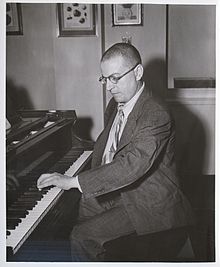
Solomon Volkov: This does not happen for the simple reason that today this left -handed repertoire exists exclusively the one that was ordered by Paul Wittgenstein. In general, this story itself is exciting, you can, in my opinion, write a novel about it and make a film.
Alexander Genis: Firstly, this has already been done, about Wittgenstein, about the Wittgenstein house, several books were written about this very amazing family, the film was shot, and more recently in America another book “Wittgenstein's House”, which tells all these stories. So she is worthy, of course, fiction.
Solomon Volkov: Judge for yourself: a person loses his right hand, any other person in his place would go to accountants, anywhere.
Alexander Genis: He did not have to go anywhere, he was the heir to one of the richest families of Austria.
Solomon Volkov: Here we approach the second point. He could ride on yachts, enjoy life with this money. He ordered, paid considerable at that time the most famous composers of his time, in fact his efforts, because of his interest, because of his desire to participate in the creative discourse of his time, the most famous left-handed repertoire appeared. Richard Strauss for him wrote an essay specifically, Ravel, as you rightly indicated, wrote a left -handed concert, which is still often very performed, a popular thing. As for Prokofiev, he did not succeed with Prokofiev. Prokofiev wrote to him an essay, Wittgenstein answered him with a polite letter of the following content in the style of a la Dovlatov: “Thank you very much for your composition, but I will not play it, because I did not understand a single note in it.”
Why Dovlatov? Because Dovlatov always told me that he was in letters, and he sent his stories according to various editions, always looks at the last phrase. Because the letter may begin like this: “They received your story. Very funny, the whole editorial office laughed amicably when they read. ” But the last phrase will be: "But, unfortunately, we will not be able to publish it."
Alexander Genis: T with Dovlatov taught me to read reviews in the opposite way. He said that you should also read the last phrase and it should always be this: "With the humor inherent in the author, with the art inherent in the author, with art inherent in the author ...". Do not read the rest.
Solomon Volkov: Dovlatov added: “The answer may begin like this:“ We got your story, he is terrible, he is bored, nobody liked him. ” But if the last line “We print it”, then everything is in order. ” So Wittgenstein answered according to the first option that thank you very much, but I won’t play. This concert is practically not performed, very rarely, that is, only if a person, say, Vladimir Krainev, a wonderful pianist is domestic, recorded all five concerts, then the fourth is also included there. Or as now in the case of a concert of Gergiev in BAM - all five concerts are one evening, then the fourth and fifth are performed.
The first three concerts of Prokofiev - = Absolute Favorites and musicians and the public, they sound everywhere, the fourth and fifth in this sense was not lucky. Not lucky - the wrong word. When we say “unlucky” - this means that it would be worth playing, but they are not played. Unfortunately, in Prokofiev this is not the best period of his work - the beginning of the 30s, when he composed his fourth and fifth concerts, it was neoclassicism by means of modernism, so to speak.
Alexander Genis: Critics write about this: “Prokofiev could not decide in any way whether he would work in a classic paradigm, or he would be an avant -garde artist. And it turned out neither one nor the other. ”
Solomon Volkov: In general, this, of course, greatly undermined his faith in himself in these years. He wanted to make a two -handed version from this concert, but it didn’t come to this. He himself talked about this concert, that sometimes I think about him - I like him, and sometimes not. And also an interesting reaction of the closest friend of Prokofiev’s closest composer Tyskovsky, who, by the way, has an anniversary in April, he wrote in his diary: “Interesting, but dry.” This is a friendly remark, but it determines the essence of this concert. To demonstrate the essence of this composition to you, we will show you the final of the fourth concert performed by Vladimir Kranev.
(Music)
Solomon Volkov: In April, a hundred years since the birth of the great violinist, Jehudi Menukhin, turned one hundred years old. I had the happiness of knowing him and not only to know, he played a significant role in my fate, because several people rescued me from the Soviet Union, when they did not want to release me from there because they did not want Shostakovich’s memoirs that I recorded with the composer. The colonel in Ovir, smiling and exposing his golden teeth, said: "I have no idea what is happening to you, why you are not released." At that time, everyone was released, and they kept me for more than a year. Menukhin was one of the people who contributed, I immediately after leaving to the west, font with him, we maintained a relationship. He wrote commendable reviews for my two books - for Shostakovich’s memoirs and for a book of conversations with George Balanchin. So I treat him with the greatest gratitude as a person. But he is also mine to be the most beloved violinist of the twentieth century.
Alexander Genis: This is a curious statement, because it is responsible. What, what, the great violinist in the twentieth century was enough.
Solomon Volkov: Let's say traditionally, if they say, the greatest violinist of the twentieth century, then the first name that comes to mind, of course, Yasha Haifets. When I studied at the Leningrad Conservatory, our teachers, when they wanted to show how to execute a concert of Brahms or Tchaikovsky’s concert, I put Haifetsa’s notes. Indeed, it cannot be better. This is such greatness, grandeur, absolute perfection, very thoughtful monumental performance. Perfection is a suitable word for Heifets.
It is here that we can say that yes, Menukhin did not have this perfection. I called it, I came up with such a definition of Menukhin, I still use it, - the fallen angel. He was a man who fell from the sky and broke his wings, while in him there was an angelic one, but with a break. The reason for that was obvious that in childhood he was poorly taught to play the violin. Это очень важно, я как профессионал в этом деле могу сказать, что очень важно, чтобы тебя в детстве правильно научили, его учили неправильно, и он очень быстро потерял должную техническую школу на скрипке. Когда он первый раз приехал, а он приезжал в Советский Союз не раз и не два, когда я его первый раз услышал где-то в 1960-е годы в Советском Союзе впервые, он уже сыграть ничего особенно не мог, нужно было догадываться, что он хотел сказать. Он преодолевал свое техническое несовершенство силой духа. Это были этакие руины храма. Но мы смотрим на руины храма и понимаем, каков он был, и это вызывает в нас благоговейное чувство, настоящие художественные переживания. Так и игра Менухина: технически несовершенная, у него дрожали руки, он вибрировал с трудом, не всегда попадал на нужные ноты, но не нужно мне этого хейфецского совершенства, которое подавляет, а дайте мне это страдание, нежное изнурение какое-то, то, что я ассоциирую с определением «падший ангел» и то, что было в игре Менухина.
Александр Генис: Соломон, а если сравнить Менухина с пианистом ХХ века, что бы вы сказали?
Соломон Волков: Вы знаете, равного ему, похожего на него нет. Но у меня схожий сантимент вызывала Юдина в самые последние годы ее жизни, после того, как она попала в автомобильную катастрофу и уже не владела фортепиано. Она выходила на сцену и то, что она предлагала слушателям, уже было не исполнение, а чертеж исполнения. Она словно говорила: вот так можно было бы сыграть это сочинение, если бы я могла. И нужно было догадываться об этом. Это было полноценным художественным переживанием, уверяю вас. Абсолютно то же самое происходило с Менухиным в поздние годы. И он не зря переключился в старости на дирижирование и стал очень значительной дирижерской фигурой.
Александр Генис: Менухин вообще крайне любопытная фигура в мире музыки уже потому, что он, например, играл с Граппелли джазовые композиции, он играл с Рави Шанкаром на ситаре...
Соломон Волков: Он невероятно увлекался восточной музыкой. Он увлекался йогой, есть же многочисленные снимки Менухина, спокойно стоящего на голове. Он был активной политической фигурой и заступался за Солженицына.
Александр Генис: Кроме всего прочего он был знаменитым филателистом, у него были огромные связи в этом мире, он занимал какие-то важные посты в этом очень замкнутом обществе.
Скажите, пожалуйста, а как вам нравятся мемуары Менухина, они сравнительно недавно появились на русском языке?
Соломон Волков: Они абсолютно соответствуют тому облику чрезвычайно доброжелательного, искреннего, наблюдательного, невероятно образованного человека, каким Менухин был в жизни. Они у меня есть по-английски с его очень теплой надписью.
Александр Генис: О чем вы с ним говорили кроме музыки?
Соломон Волков: Обо всем, потому что его все интересовало. Во-первых, мы говорили о балете, у него жена балерина была. Он недаром дал мне отзыв похвальный о диалогах с Баланчиным, ему очень нравился Баланчин. Мы говорили с ним о политике. Он, приехав в Москву, заступился за Солженицына и с этим связана забавная история. В тот момент, когда он приехал в Москву, он выступил там на музыкальном конгрессе и поддержал Солженицына, который уже был «персоной нон грата», Менухин мгновенно исчез со страниц советской прессы. А я в это время сотрудничал в рижской газете «Советская молодежь».
Александр Генис: В которой я тоже сотрудничал, у нас много общего.
Соломон Волков: И я умудрился там написать статью на тему «Менухин и йога». Она прошла, в редакции никто ничего слыхом не слыхивал о том, что произошло с Менухиным в Москве, что его подвергли остракизму полному, и статью мою напечатали. Но потом разразилась жуткая гроза, потому что кто-то спохватился и, как полагается, стукнул. А до Менухина дошла эта статья, что самое удивительное, ему это переслали, потому что в тот момент был полный блэк-аут в Советском Союзе на Менухина. И это тоже очень поспособствовало нашим теплым отношениям.
Александр Генис: Соломон, какую музыку он играл с особым наслаждением?
Соломон Волков: Всякую, очень разнообразную. Скажем, я считаю, что идеальная запись концерта Бартока для скрипки с оркестром принадлежит Менухину, лучшая, как я считаю, запись концерта Бетховена с Фуртвенглером тоже принадлежит Менухину.
Александр Генис: Сама по себе эта запись очень важна, потому что во время войны Менухин дал 500 концертов для союзников, то есть он был активным участником борьбы.
Соломон Волков: Он был видным антифашистом. Но после войны он же активно поддержал Фуртвенглера, которого обвиняли во всех смертных грехах.
Александр Генис: И дал с ним концерт, что конечно, было важно.
Соломон Волков: Это был удивительный человек, великий музыкант, для меня один из столпов музыкальной культуры ХХ века. А показать я хочу пьесу, которую и я играл, поэтому я понимаю, что с ней делает Менухин. Это пьеса Крейслера, один из его многочисленных пастишей, которые он выпускал в свет под чужим именем. Он говорил: вот это старинный композитор Пуньяни, старинный композитор Леклер или в данном случае композитор Франкер. Что интересно, Менухин начинал как вундеркинд.
Александр Генис: В три года он уже играл на скрипке.
Соломон Волков: В детстве как раз у него со скрипичной техникой было все в полном порядке, это уже ближе к зрелому возрасту у него все порушилось. Любопытно, он говорил: «Я обожал Крейслера, но музыку его понял, только когда достиг уже преклонного возраста, в 19 лет».
Александр Генис: Для вундеркинда это не так смешно звучит.
Соломон Волков: Так вот, так он играл музыку Крейслера, так он воссоздавал неповторимый крейслеровский шарм, в котором мы так же слышим и шарм Менухина - и человека, и музыканта.
(Music)