
Translated material
Rosprirodnadzor filed a lawsuit against Norkel for 148 billion rubles
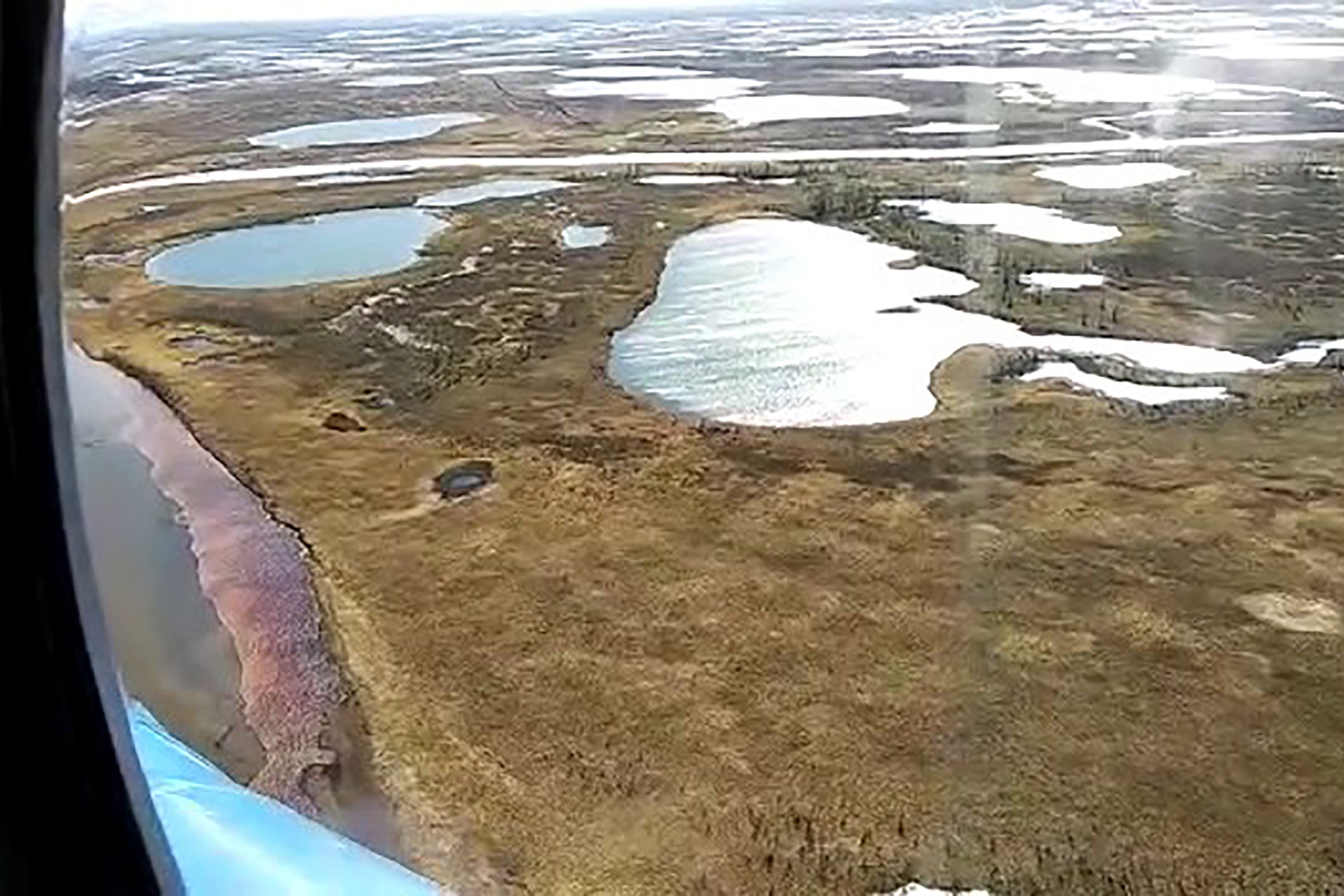
Rosprirodnadzor filed a lawsuit against Norilskell on compensation for damage in the amount of about 148 billion rubles for fuel spills in late May. This was reported by TASS in the press service of the environmental department.
The lawsuit was filed in the Arbitration Court of the Krasnoyarsk Territory. The defendant is the Norilsk-Tymyrming Energy Company, which is part of Norilskel.
Representatives of Norilsk Nickel have not yet commented on the lawsuit. Earlier, the company did not agree with the assessment of the damage caused as a result of the accident given by Rosprirodnadzor.
- On May 29, in Norilsk, a spill of more than 20 thousand tons of diesel fuel on the roadway to the TPP-3 "Norilsk-Tyimyr Energy Company" occurred in Norilsk. Later it fell into two rivers - Daldykan and Ambariya, and from there to Lake Pyasino.
- On June 3, due to the incident, on the initiative of President Vladimir Putin, a federal emergency regime was announced. This was preceded by the reprimand of the Krasnoyarsk governor Alexander Uss and the general director of NTEK Sergey Lipin. At the same meeting, the head of the Ministry of Emergencies, Yevgeny Zinichev, said that his department learned about the accident late in two days. Norilsk Nickel claims that Moscow knew about the leak in 25 minutes.
- The head of the Ministry of Natural Resources Dmitry Kobylkin called the amount of damage to water arctic resources unprecedented.
- The Federal Service for Supervision of Nature Management estimates the amount of environmental damage from the fuel spill at the TPP-3 at almost 148 billion rubles (about $ 2 billion).
- After that, as Izvestia wrote , the Ministry of Finance prepared an amendment to the Budget Code, as a result of which compensation paid by Norikel for the environmental damage will go to the federal budget. The current legislation assumes that this money should go to the municipal budget, which means that the Norilsk authorities could receive an amount eight times higher than the average annual income of the city.