
Translated material
Genius and bitch
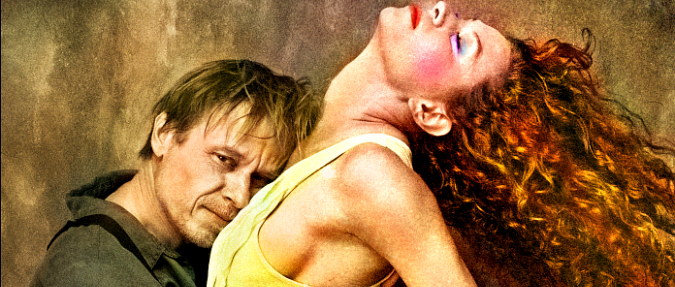
Family drama of the photographer Jan Saudek in the courtroom and on the film
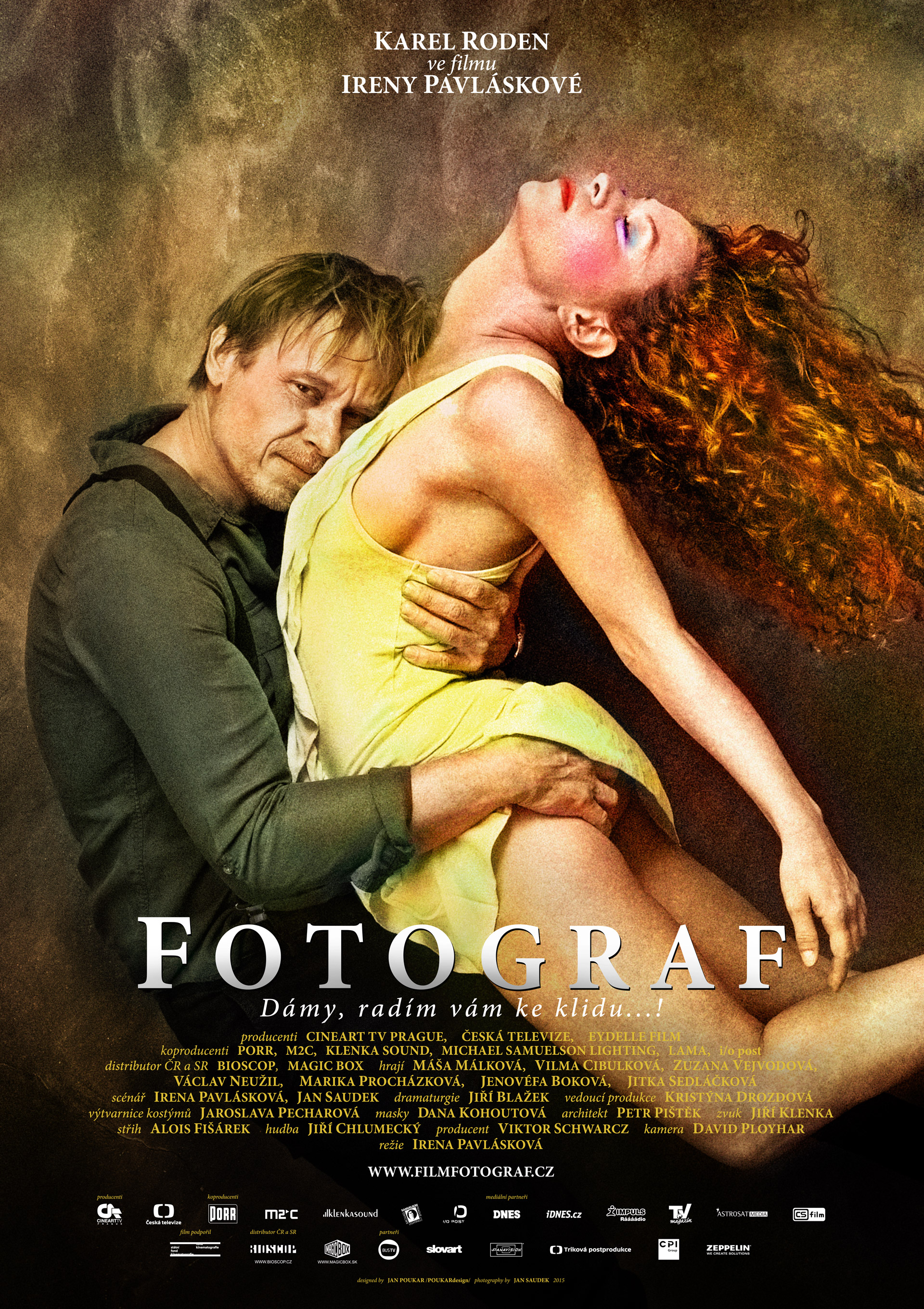
In 2015, the Czech Republic celebrates the anniversary of the famous photographer Jan Saudek. A native of a Jewish family who suffered during the Holocaust, Jan Saudek began to engage in photography in his youth. In the communist Czechoslovakia, he could not exhibit his frivolous work, but in the West they were well known . Today, 80-year-old Yang Saudk is one of the most famous Prazhan, and they know him not only as a photographer and an artist, but also as a hero of the boulevard chronicle. A loud trial with his ex -friend, who performs under the pseudonym Sarah Saud Kova , lasted 7 years. Jan Saudek accused her of deceiving him to sign the papers on transferring her rights to her works, as well as property. This story formed the basis of the plot of the film by Irene Pavlaskova "Photographer", which is enormous in the Czech Republic.
Irena Pavlaskova talks about how the real Jan Saudek became the character of her film - photographer Jan.
- Usually such films are made after all the heroes have already died, but here absolutely everyone is alive. How did you decide to take up such a film, where famous people say such a truth that outsiders are usually not informed?
- Our picture is not quite a biography of Jan Saudk. This is rather inspiration of his life, creativity and his unusual character. Jan Saudk participated in writing the script, I met him with his households and his photo models, and, most importantly, tried to understand him as a person.
- Jan Saudek himself appears at the very beginning of the film and says that no one will know the whole truth anyway ...
- I wanted to tell the story of an extraordinary person, whose life and fate go beyond the so -called normal, correct lifestyle. Despite the fact that he is a very deep, wise, smart one. But his whole way of life, his extravagant behavior was a grand provocation, like all his work and his private life. I wanted to show the truth of his life, it was while he is alive. Why wait for a person to leave to tell about him? My film is true.
-You met him back in the early 1990s ...
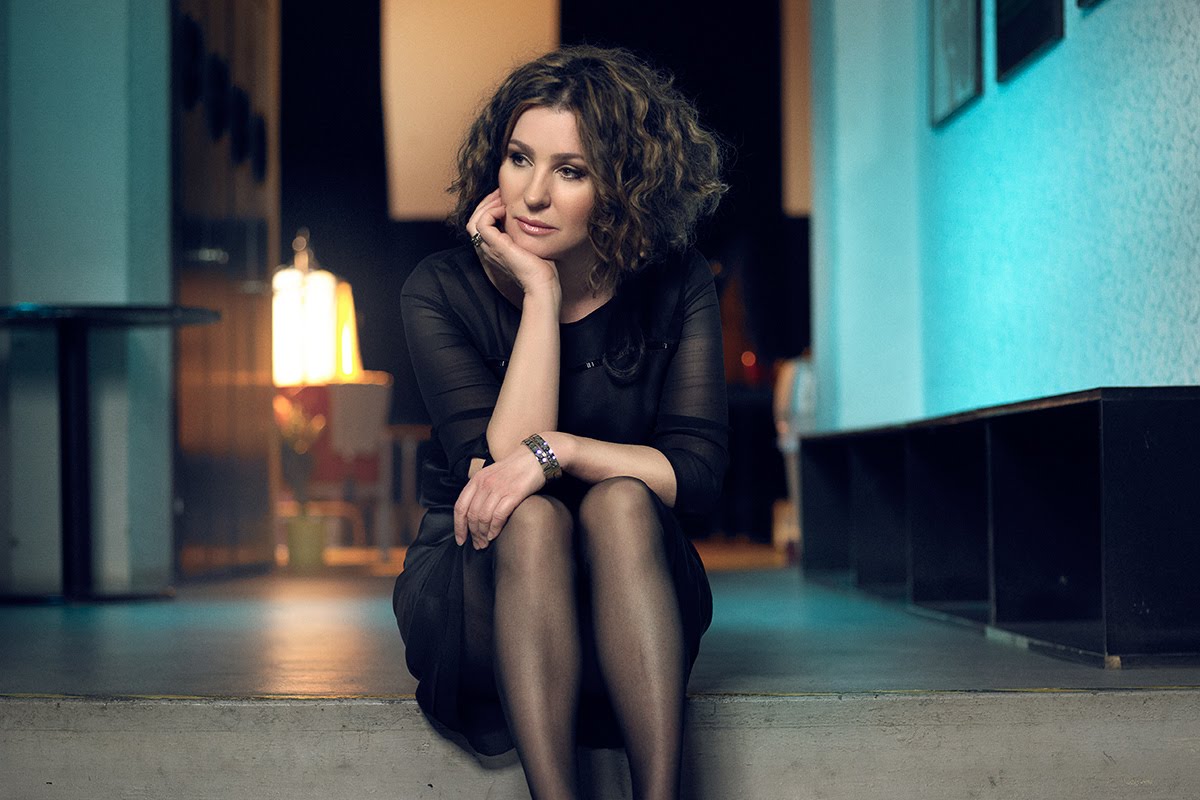
-Yes, in the early 1990s after the so-called “velvet revolution” in Czechoslovakia, when the totalitarian communist regime fell, I was offered to make the first documentary movie in our country about Jan. Under the communist regime, Saudk was prohibited, he did not like the authorities, they did not like his way of life, his freedom of love, his work and love for him in the West. I must say that in the 1970-80s, Jan Saudek was recognized in America and Western Europe. They admired everywhere, he exhibited his photos in the best museums in the world. Saudk received the French Order of Arts and Literature. And here almost no one knew him. Therefore, in 1992, when I shot a documentary about him, Saudk, as an artist and out of the ordinary person, became a discovery for the country. Then we felt some kind of community. I must say another thing: he was never not only caressed by the authorities, but for thirty years he was forced to work as a worker so as not to be considered a parasite. They did not want to accept the artists to the Union and allow him to switch to the position of a free artist. Therefore, he worked at the factory with a technical photographer, but this is only a name, in fact it was a rather hard physical work.
- In the Czech Republic, there was also a punishment for parasitism, as in the USSR - if you do not work officially, you could be imprisoned?
- Yes, exactly like that. You should have been either a member of the Union of Artists, then you could engage in creativity, or have a seal in the documents that you work somewhere. The “woman-housewife” category was also allowed, but provided that there was a working husband.
- He was not just not loved by the authorities, he was imprisoned. In your film there is a scene of his arrest a . He was also charged with the propaganda of Zionism ....
- His Zionism was that at home he held the Israeli flag. His father Jew was thrown into the Nazi concentration camp during the war. So the family survived more than one shock during the Nazi occupation of Czechoslovakia and during the so -called socialism.
- And Yang Saudk also got to the camp. ..
-It was a camp for the twin children on whom they were going to set up experiments, but it was already at the end of the war, in March-April of 1945. They stayed there for several days. But I think that even an hour spent in a concentration camp or in a camp for children stolen from their families is already an injury for life.
- In your film there is no very important line. After all, Yan Saudek had the twin brother Kaya Saudk, he recently died. In Prague, its huge exhibition takes place and the 80th anniversary of the two Saudecs is celebrated. And the brother was in this camp with him. Why is this line not at all, why did you decide to exclude the twin from his biography?
- I have already said that my film is not a biography of Saudk. The theme of brother and love for his brother is very important in the life of Jan. They, twins, have been together all their lives. In recent years, they somehow dispersed, did not meet. With Karl, Kaya, as he is called, a misfortune later happened. For the past 9 years, he was lying in a coma, and Yang did not meet his family. Ian was very painfully worried about this gap. It seemed to me that relations with my brother are a topic for an independent picture. In our picture there are so many ups and downs, so many dramatic moments that another line is a overload for one film.
- When you suggested Yana Saudke to make a film about his life, did he immediately agree or was at first scared by such a proposal?
- We said even then, 20 years ago, that a twenty -minute documentary film is very little to tell about him and his work, and that we should shoot an artistic picture, full -length. But time quickly flew, I shot other films, and only after 18 years I called him and shared my plan. You are right: at first he was a little scared, asked to tell how I was going to do all this and what resonance the public will be. But when I told him what kind of picture I want to take and what is mainly interested in, he was very quickly inspired, it carried him away, and we began to write a script together. We worked for almost two years. Every week I went to him in a workshop in his house, found out how he lives, met his photo models, women, friends, friends. He told me about his life, shared his thoughts. I recorded all this, and read his books at home. And so it all lasted two years until we wrote the script.
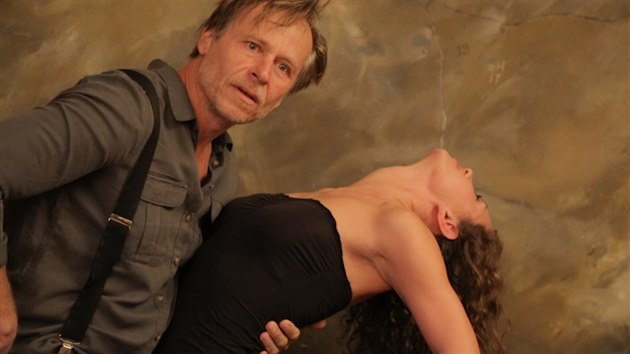
- In the center of the film is his conflict with a woman who is called Libka in the film, and in the Czech Republic they know her as Sarah Saud Kova , she is also a photographer, not so famous, but well -known. In the Czech Republic, the relations of Yana Saudk and Sarah are a well -known story, there was a very loud court, the tabloids constantly write about this. But our Russian listeners are unlikely to know about this story.
- The story in general terms is such as depicted in the film, but I did not create a documentary portrait of this woman. By the way, Sarah Saudkova is completely her pseudonym. I wanted to imagine this case as a certain phenomenon in society. Often there is such a plot: some unknown, but torn by the desire to change his life, the person comes to a famous person or a person who has power, tries to gain his trust, tries to make his career through him, and then, when he cannot completely master it, at some point he throws a knife into his back. This happens when this person had already received what she wanted from him, she herself became strong enough, but still her dreams did not come true. She did not, say, his wife or something else did not receive, and now the moment of revenge comes for the previous humiliation. This story happened to Yan. In the film, it was ostentally how one fine day a young woman came to him, a sweet, quiet, beautiful, who informed him that he loves him, admires him and that it would be a great honor to work with him as an assistant, an assistant. She knew perfectly well that Jan’s weak spot was women, and he really liked her, and he sheltered her. Over time, she became his assistant, without whom he could not do. She conducted all his financial affairs, she herself became a fashion model, created a relaxed atmosphere when working with the model, she controlled all his contracts, taxes and freed Yana from all unpleasant worries. But after several years, when she saw that she could no longer capture, she struck him.
“She wanted to marry him?”
- At first she had enough seizures of positions, which she could not dream of. But over time, this was already not enough for her, of course, she wanted to have her own rights, formal rights, she wanted to create a family with him. But Jan never promised her anything like that, he was 35 years older than her, he has children from previous marriages. So he immediately told her: no, in this sense you, please, do not count on me. By the way, he is with all his women on you.
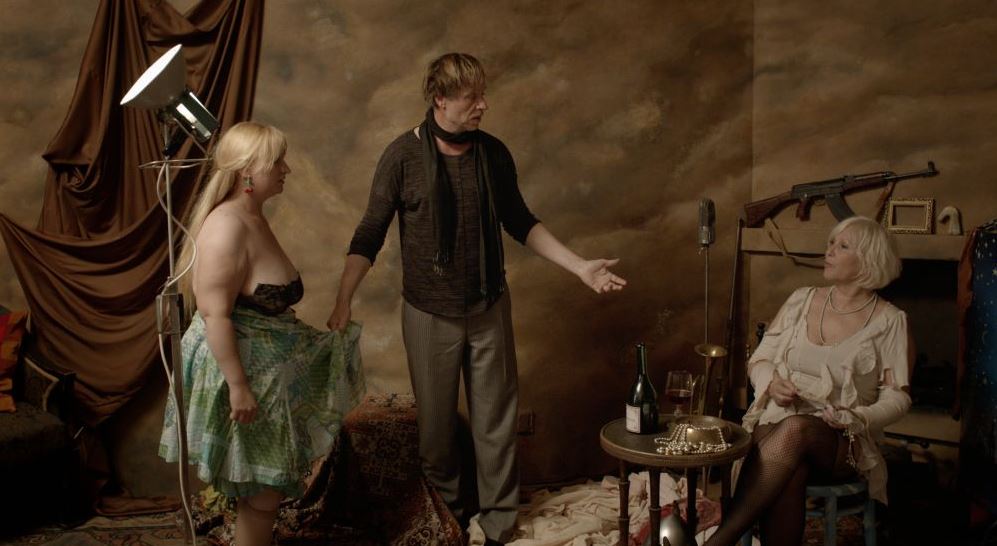
In response to this, she slipped the contracts unprofitable for him, according to which she becomes the only seller of all his photographs, paintings and publisher of his books. Under other agreements, he rewrites his villa, property, workshops and apartments to her. Yana can only belong to 15 percent of the revenue. In addition, she became pregnant from his son, and they both created this company that took away from Yan all the rights.
- And you are familiar, talked with her?
- I told you about the movie heroine. In my life, I met this woman twenty years ago at Saudk when I shot a documentary about him. She was clumsy sweet, but even then her behavior seemed strange to me. But once again I want to say that the heroine in our film is not a copy of Sarah. In the center of my attention in the film was a story about how the artist of the world name lost his work. This was the most painful for Jan. The fact that she took his money from him, the villa was , of course, terrible, but the worst thing for him was that he could not publish and exhibit his photos. I could not create.
- Including the negatives she stole.
- Yes, and it was murderously for him. After all, Jan shot a film, these were the movie German ones by which he made the originals. He painted his original photos using special equipment, and it was half photographs, half -picture, they were very appreciated. He could not restore old photos without negatives.
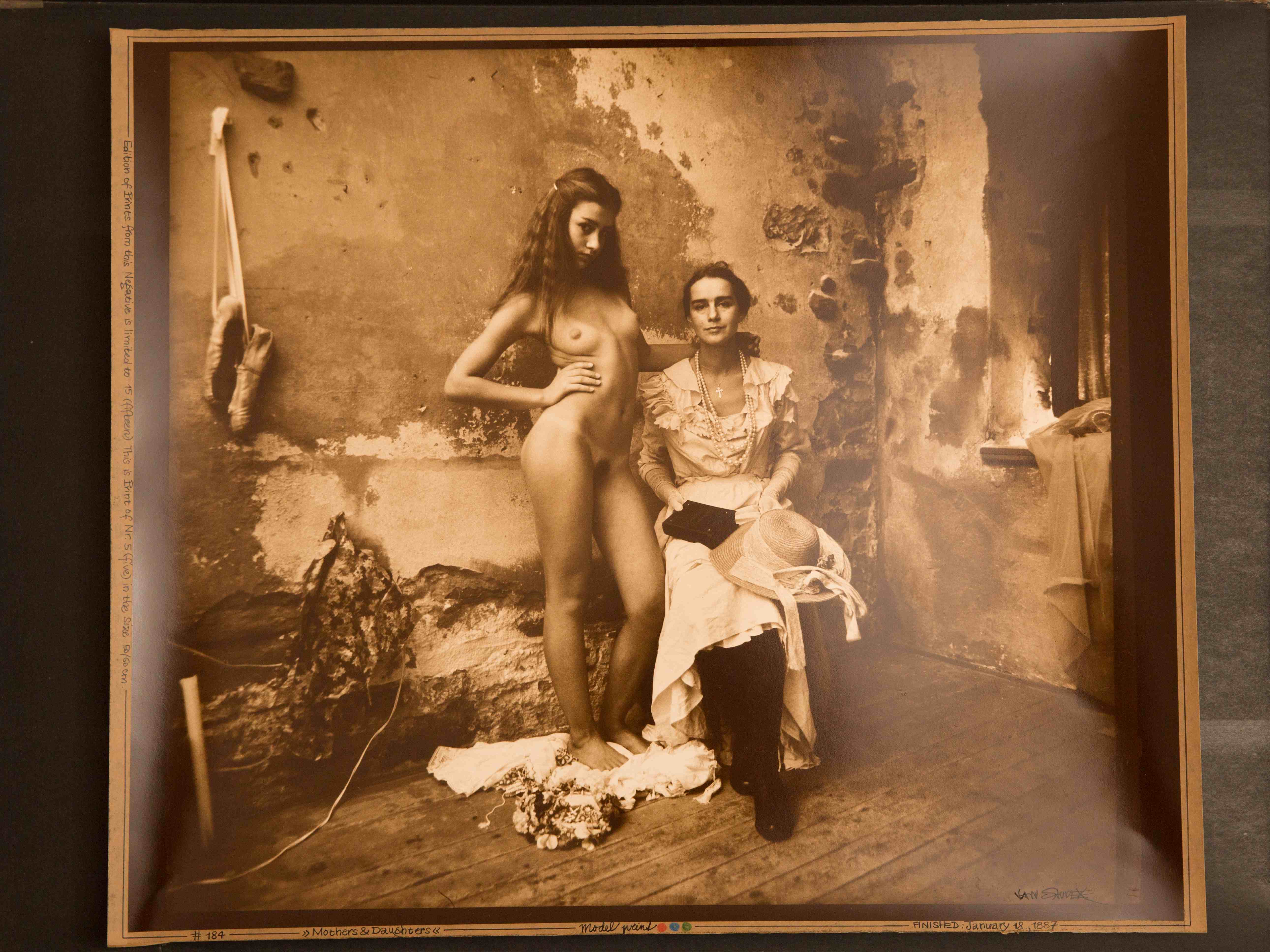
- It is interesting that he sets a date there a hundred years earlier, as if all these photographs or paintings were made in the 19th century. I have such his work, marked with 1895.
- He takes some of his photos in the style of the beginning of the last century. He dresses his fashion models in the dress of the “Bel Epam” style, and jewelry, jewelry in the same style. And some of his photos are quite modern.
“There is another important detail: she not only deceived him, but she seduced his son.” And the heroine in your picture , and the real woman left Yana to his son.
- She wanted her children to have genes Yana, his family genes, she wanted to have creative genes, talented children, so she did everything possible to get them. There is another important topic, you said about her that she also became a photographer. This topic will sound in the film: the theme of plagiarism. Criticism is paradoxically condescending to the imitator, because, as one such critic put it in the film, "the middle peasant, unlike real talent, does not annoy anyone." At least with us. And our heroine is the same: there are few talents, their own inner life, the soul that wants to express something is no. There was a desire to become a famous photographer and to adopt his themes and style from Jan. She just copied the photos of Jan. He himself, in terms of kindness of sincere, taught her his photography technique. And he arranged her exhibitions, included her work in his exhibitions, and so she was knocked into the so -called photographers.
- and became the mother of his grandchildren.
- She became the mother of his grandchildren, yes. And one more interesting thing for this woman, but we do not have this in the film. Without his permission, she changed her name and took the pseudonym Sarah Saudkov. It was a very cunning move, everyone first thought that she was or his wife, or they were from the same family. This is not bad: to take the pseudonym Rothschild or Obama, you can say everywhere that I am Irena Obama. Many people are very listening to the name.
- You think that from the very beginning, both Sarah Saud Kovoy , and your heroine had such a spider’s plan that clings to a person and sucks all the juices, or at first loved him, was a sincere girl admired by a great artist, and then gradually became so cynical? How do you perceive your heroine?
- Of course, I do not know her real motives, but I think that she has never been clean, delighted and naive. But the insidious plan, which she later carried out, maybe not conceived from the very beginning, everything took place step by step, she saw all his weaknesses where you can profit from, where you can take something bad, all this arose gradually. Because this type of girls who seek wealthy athletes, successful football players, hockey players, businessmen, from the very beginning, is clear what they are striving for, even if they feel in love with.
- How did this whole story end? The trial begins in your film, and there is no final.
- This whole story was tragic. The court lasted 7 years. Jan could absolutely could not work, he did not make money, he had no right to exhibit and sell his photos. He painted the paintings, but she also applied their paw on them. And, finally, he won the court, who considered that this whole story is “against good customs”, because the agreement, according to which he lost his rights to his work, is so immoral and unprofitable for Jan that he could not sign it “by free will”. Now he is his own master again. Jan has a new family and three new children.