
Translated material
Conscious killer
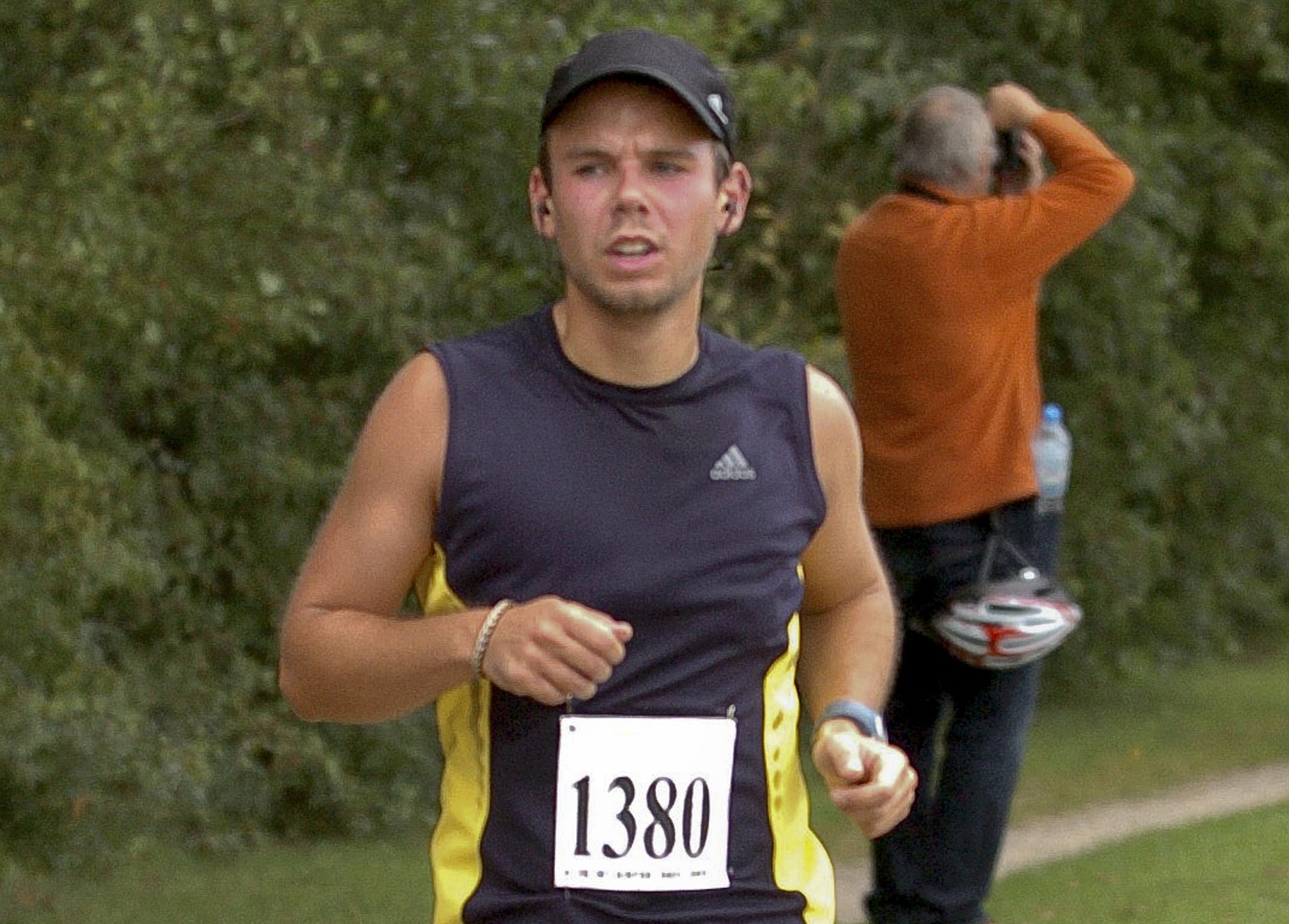
The actions of the second pilot "Aerobus-320", which crashed in the Alps, led to the death of 150 passengers and crew members
Two days after the Airbus-320 disaster, the German budgetary airline (low-cost airline) Germanwings in the French Alps finds out new details about what happened in the cockpit in the last minutes before the crash. According to a press conference on March 26, the prosecutor Marseille Bris Roben, the second pilot of the liner, 28-year-old Andreas Lubits, became the culprit of the disaster. Thanks to the data obtained after the decoding of the on -board self -script, it became obvious that it was he who deliberately provoked the crash of the aircraft.
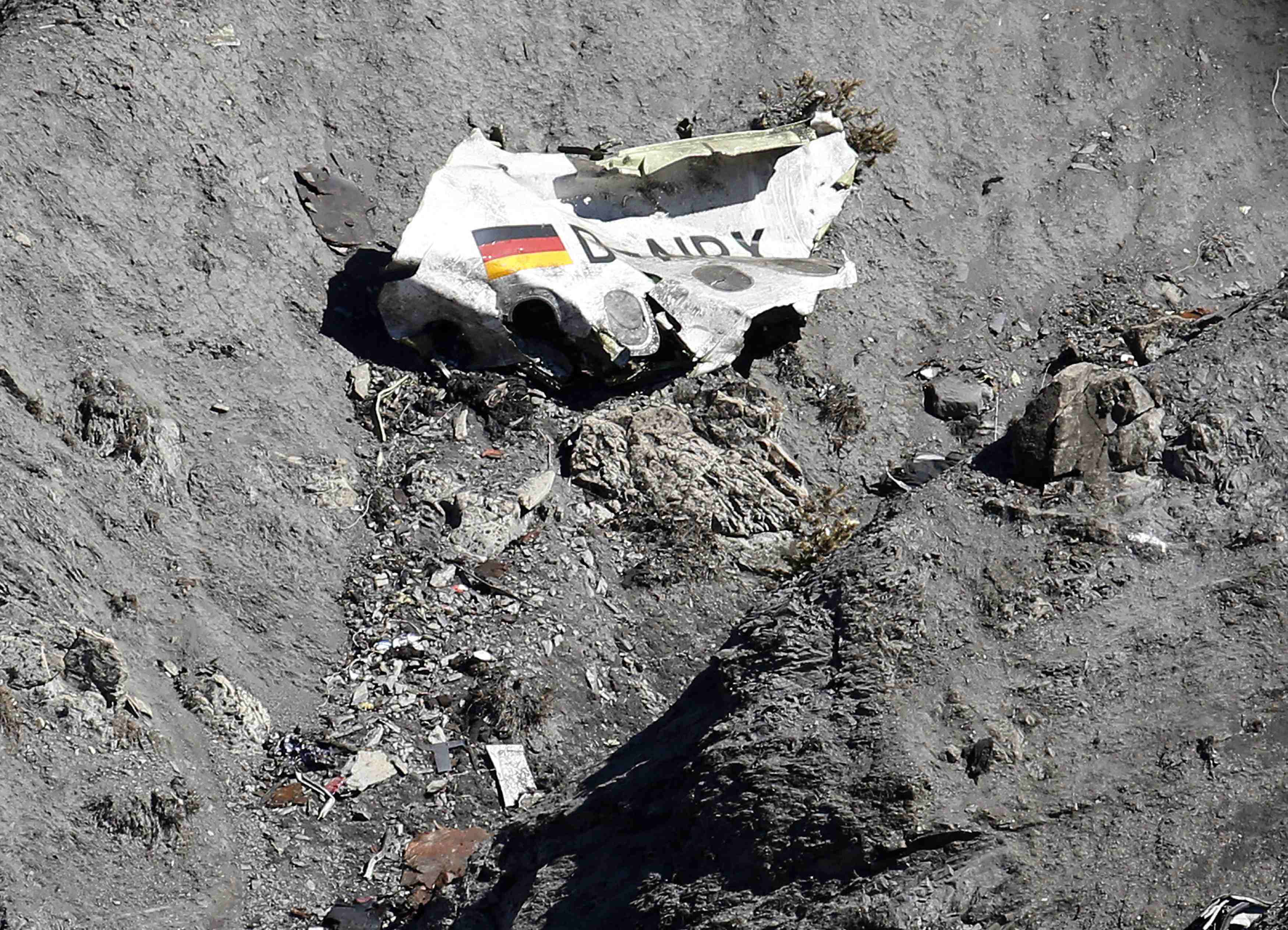
As the prosecutor of Marseille said, "the first twenty minutes of flight were held in the usual mode - the commander and the second pilot led the usual conversation, in a very polite tone. The commander was preparing a briefing, who was supposed to be held at Dusseldorf. The answers of the second pilot sounded concisely. Then the commander asked his partner to take control and left the cabin, obviously, he had been recording to the toilet. The sound of a pushing chair and the closing door recorded.
When the liner commander returned, he could not get into the cabin, gaining his personal code, since the door was blocked from the inside. The action that also produced Lubits. The record recorded the requirements of the main pilot to open the door. There was no answer from the cab. The commander tried to break the door to the cabin with an ax - this is part of the compulsory equipment on board for safety purposes. The appeals of the ground dispatcher to the pilot with a demand to clarify the situation were also recorded, and his request to the Liners nearby to establish a radio contact with the Airbus-320. The answer to all this was the silence of Andreas Lubitsa. According to the prosecutor Marseille, the record recorded his measured breathing until the last moment before the crash. “This was not the breath of a person who is experiencing a heart attack,” said Bris Roben.
The result of this drama was the rapid loss of the “airbus” of heights - from 12 thousand to 2 thousand meters. He crashed into the mountain range of estrope at a speed of 700 kilometers per hour. According to the French prosecutor, there is every reason to believe that the second pilot deliberately led to a crash. To the question of journalists about the origin of Andreas Lubitsa, Bris Roben replied that he was a German citizen, but he does not know about his ethnic origin: "But he did not correspond to the profile of the terrorist, if what you mean."
The media today analyze the condition in which the second pilot was located. The German publication "Bild" reports that from 2008 to 2009, Lubits for a year and a half was under the supervision of a psychiatrist due to a severe form of depression. This is evidenced by the documentation provided by the newspaper by the German Department for Supervision of Air Transport. These data were transferred directly to the management of the Luftganza airline, which is the subsidiary of which is the Germanwings. Today, the psychologist will begin to study this documentation, and then it will be transferred to the courts of Germany and France, Bild writes.
The head of the Luftanza Karsten spurs yesterday confirmed that in 2008 Andreas Lubits interrupted his training for a certain period of time. According to Bild, just during this period, he suffered from depression and attacks of uncontrolled anger.
His dream was to become a pilot of "Luftanza", and it was for such a career that he was preparing
In turn, the British edition of Times reports that the leadership of Luftanza was known about Lubitz’s tendency to depression and that he experienced an “existential crisis”. In addition, the newspaper writes, some time ago he had problems in his personal life. The German press cites Lubitsa's friends, according to which in 2009 the young man survived the so -called professional burnout syndrome .
Nevertheless, he successfully remembered all the tests for the conformity of the profession and “was 100 percent capable of piloting the plane,” assured the chief of Luftanza. Lubits was hired by Germanwings in September 2013. He had 630 hours of flights. For comparison: the commander of the broken liner had a total raid for more than 6 thousand hours. In accordance with the existing rules, Lubitz regularly underwent medical tests, including a psychologist's check. According to the German publication "Spiegel" , the last test for professional acceptance he successfully passed in January this year.
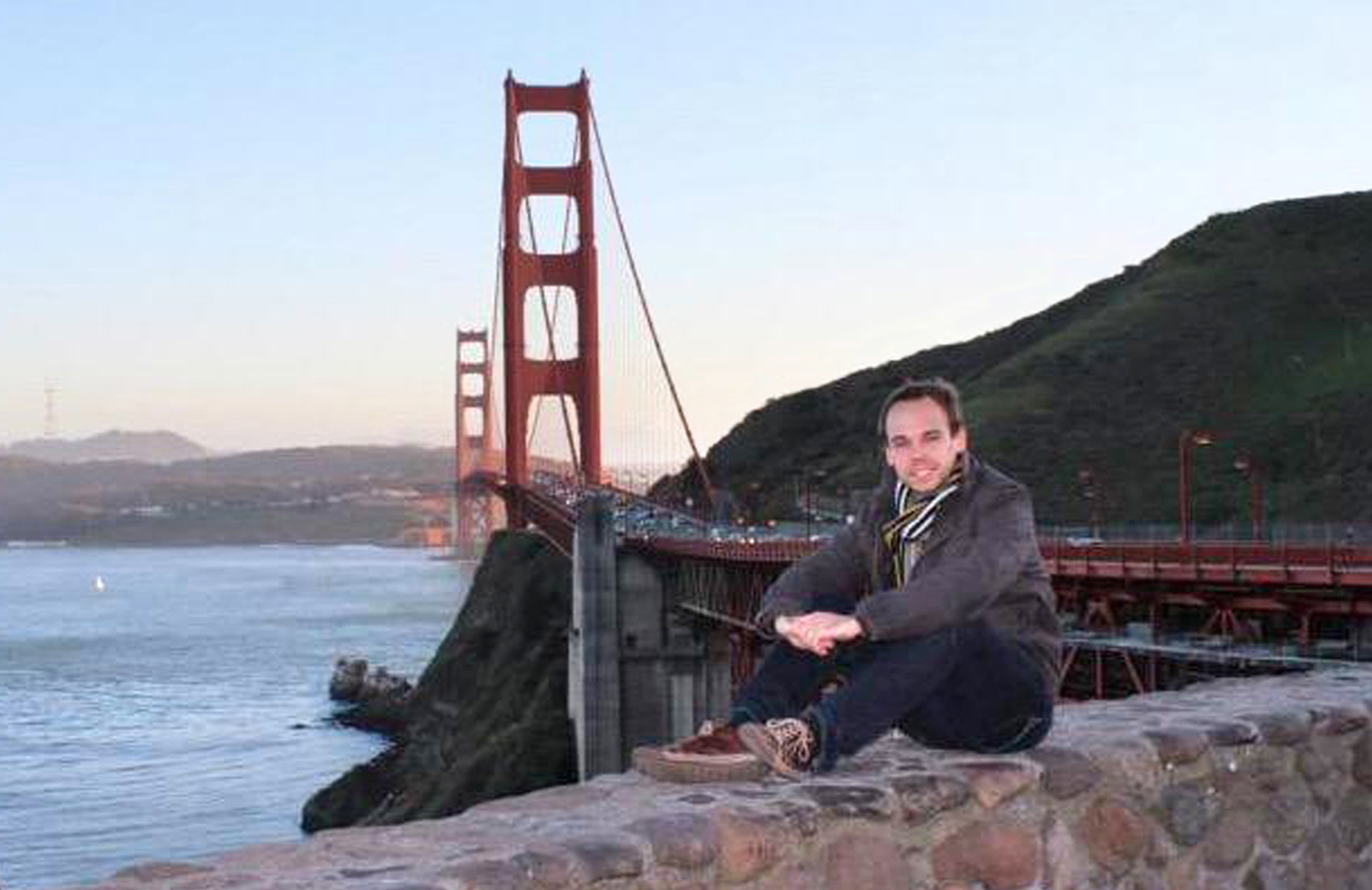
Andreas Lubitz lived with his parents in the town of Montabaur (land of Reinland-Palatz) and was a member of the local flight association from the age of 14. The neighbors describe it as an absolutely normal young man, sports, cheerful, ambitious. According to local media reports, his dream was to become a pilot of Luftanza, and it was for such a career that he was preparing. Lubits’s piloting was trained at the Luftganza flight school in Bremen, and then in the Phoenix (Arizona, USA). He began to work with the second pilot only 11 months after graduation, but the Luftganz company notes that "there is nothing special about this."
In the parental house Lubitsa and in his apartment in Dusseldorf yesterday a search was carried out. The commander of the German prosecutor’s office, published today, reports that in the apartment of Lubitsa, investigators found a torn sick leave, including the date when the disaster occurred. The diagnosis specified in the "sick leave" is not specified in the prosecutor's office. It is only emphasized that the investigators did not find any evidence capable of confirming the version of the terrorist attack on religious or political reasons.
The actions of the pilot, which led to the death of 150 people, forced some European companies to ban the pilots in the cab alone. In particular, Norwegian airlines were forced to resort to such measures. In some EU countries, the pilot has no right to be in the cabin, so what happened in the Airbus-320 is considered a violation of safety rules for passenger vessels.