
Translated material
David beltik - about the tragedy of the Tsanaev family
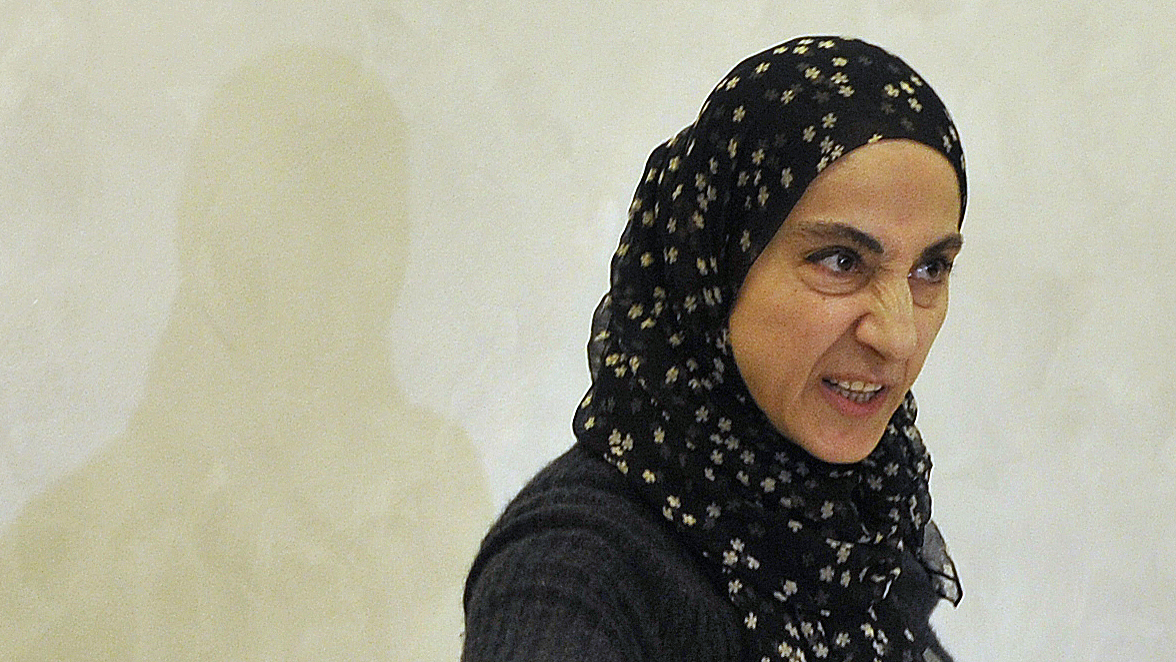
After a dramatic and largely chaotic yesterday, which ended (already late at night) with the arrest of one of the suspects in explosions in Boston (the second was killed in a shootout with the police earlier), the United States has a time of reflection. Who were the Tsarnaev brothers, which was carried out by the attack, where law enforcement agencies made a mistake, and where, on the contrary, they worked professionally whether the new terrorist attack will lead to further limiting civil freedoms or, for example, revising immigration reform plans or tightening control over weapons - all these issues are already discussed and will be discussed in the coming days and weeks.
One of the first attempts to analyze the personality and motives of Tamerlan and Johar Tsarnaevs is contained in the article by David belt on the website of The New Yorker . It begins with a reminder of how "in the midst of World War II, Joseph Stalin declared the Chechen people an enemy of the USSR and expelled him from his homeland." Among the deported was the Tsarnaev family, which settled in Kyrgyzstan.
The strap briefly talks about the history of wars in Chechnya and terrorist attacks and notes that the Tsarnaev family moved to the United States more than 10 years ago - and the children, who was now killed by Tamerlan and arrested Johar - in fact, grew up and formed in America. At the same time, the younger brother of Johar, apparently, was much more successful to adapted to American society. The belt gives numerous evidence of the acquaintances and neighbors of the brothers, their comrades in school and, finally, excerpts from their records on social networks - "jokes, resentment, prejudices, faith, dreams." He writes about the tragedy of the parents of the brothers (they returned to Dagestan a few years ago, Anzor Tsarnaev said in an interview with Freedom that he considers his children the victims of the conspiracy).
In the history of the Tsarnaev family, the author of The New Yorker concludes, - the tragedy of deportation and the fact that “the era of digital technology cannot provide asylum from extremism” concluded, and, finally, the fact that the “American dream” is deceiving and not for everyone who comes to the country with hopes for better life.