
Translated material
Severless Brueghels
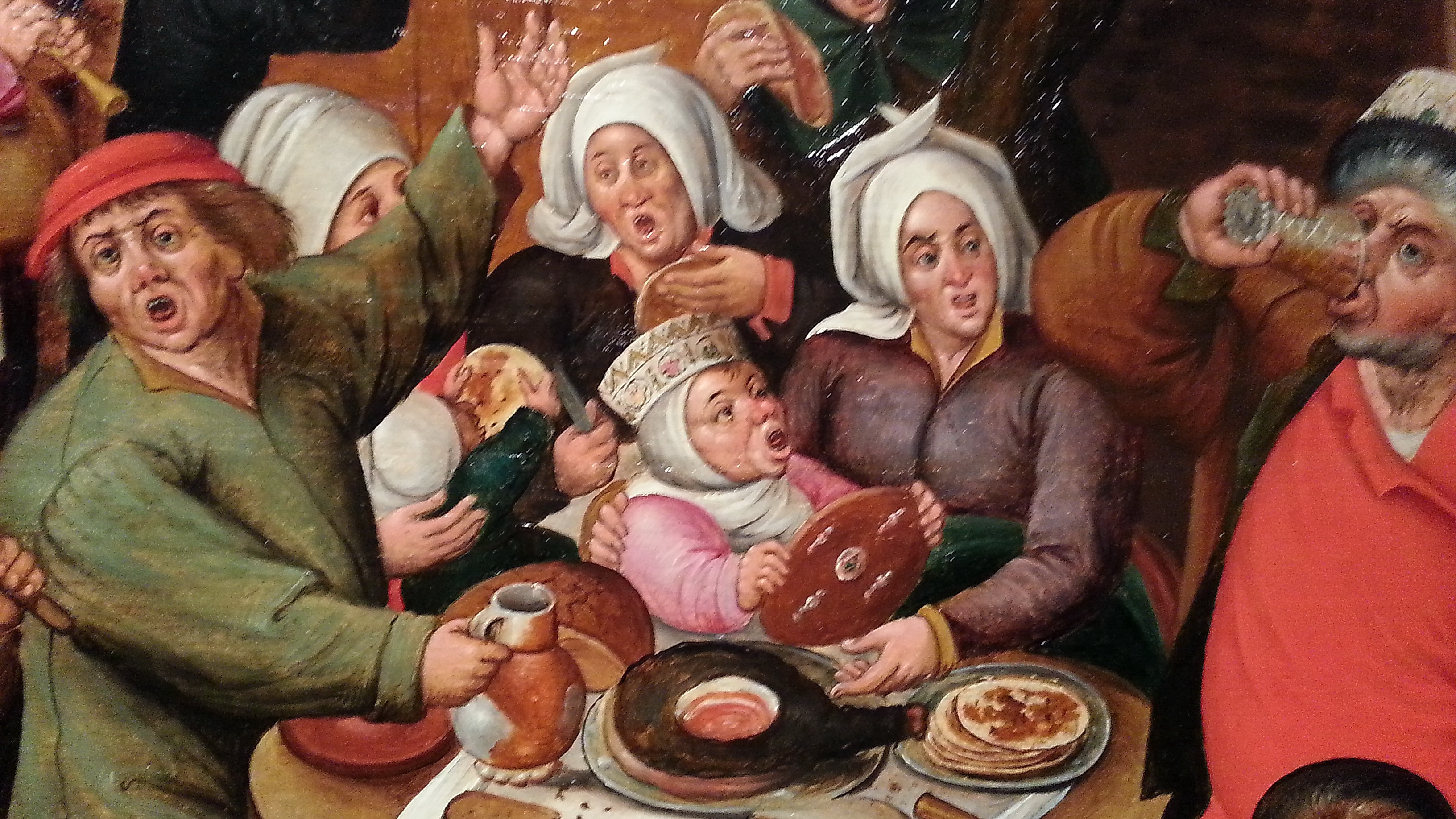
Flemish painting from the meeting of the Russian businessman leads to thoughts about the permissible in art
"Younger Bruegels" - an exhibition with this name opened at the Pushkin Museum of Fine Arts. Here are the paintings of the descendants of the founder of the most famous artistic dynasty in the world - Peter Bruegel the Elder, nicknamed Muzhitsky.
It is possible that if the too zealous modern zealots of piety were better familiar with the history of art, they would not attacked either the Novosibirsk opera Tangyiser or the exhibition of relevant artists. As a rule, the most daring metaphors and images do not occur from scratch. Their origins can be found in the works of old masters, who certainly could not be blamed either in blasphemy or a lack of faith. The real life and life of art is wider than the Orthodox canon.
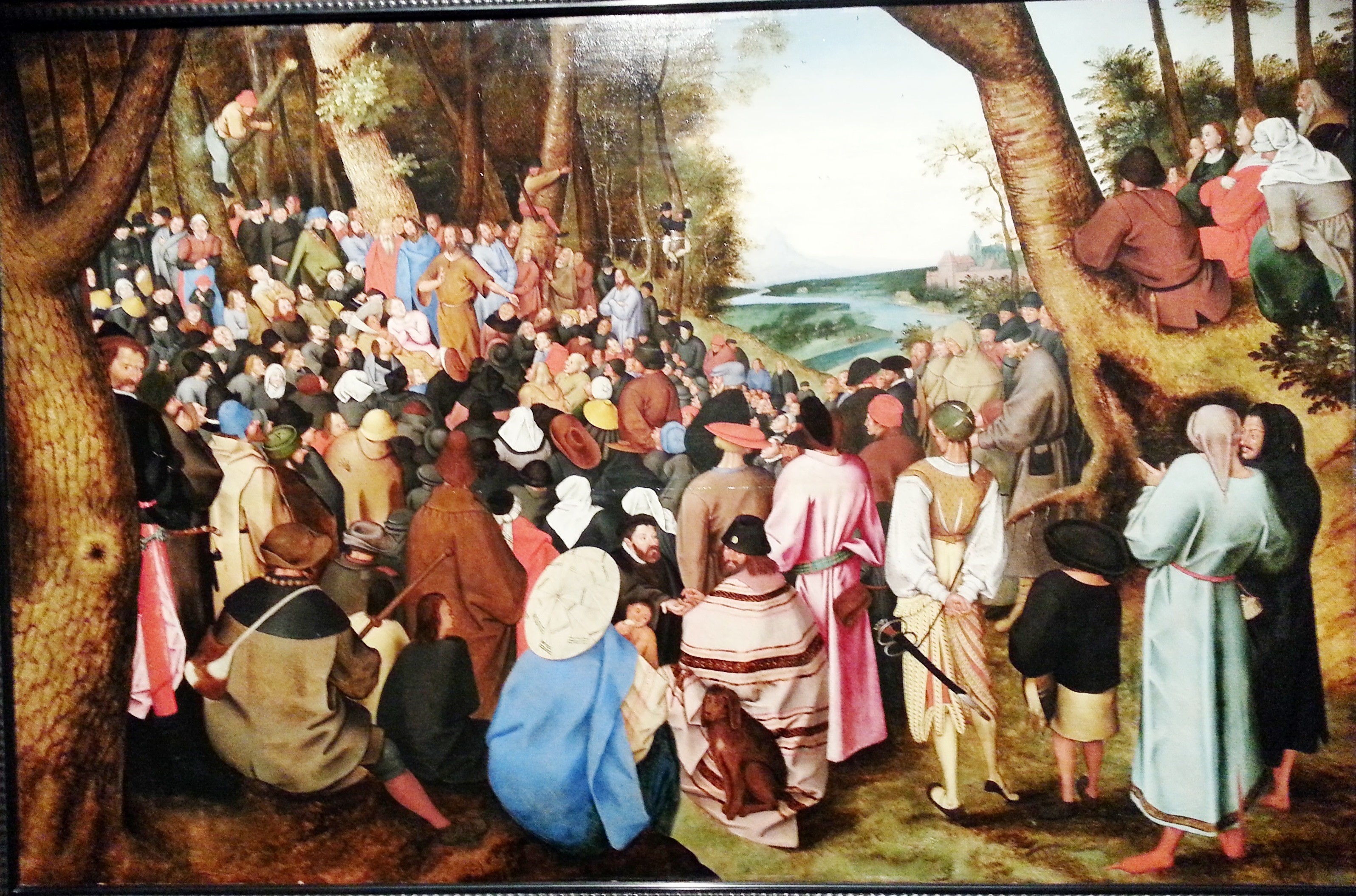
And Peter Bruegel the Younger, nicknamed Hell, and Jan Bruegel velvet, and other members of this family often copied the success of the most famous of Brueghels. So at the exhibition, the visitor will see not only original things, but also “familiar strangers”, that is, repetitions and variants of masterpieces, known to all at least by reproductions. Most often, these are multi-sized compositions, where the characters in the background or somewhere on the side live their independent life and make up their special plot. Sometimes decent, sometimes not very. Mothers help grunts to celebrate natural needs. The couples merge in serious kisses, and the peasant holiday flows into a ferocious fight.
Meanwhile, the researcher of Western European painting of the XVI-XVIII centuries Vadim Sadkov reports, all this is religious art. The paintings of the younger Brueghels, even with the very rude scenes, are full of Christian symbols and allusions:
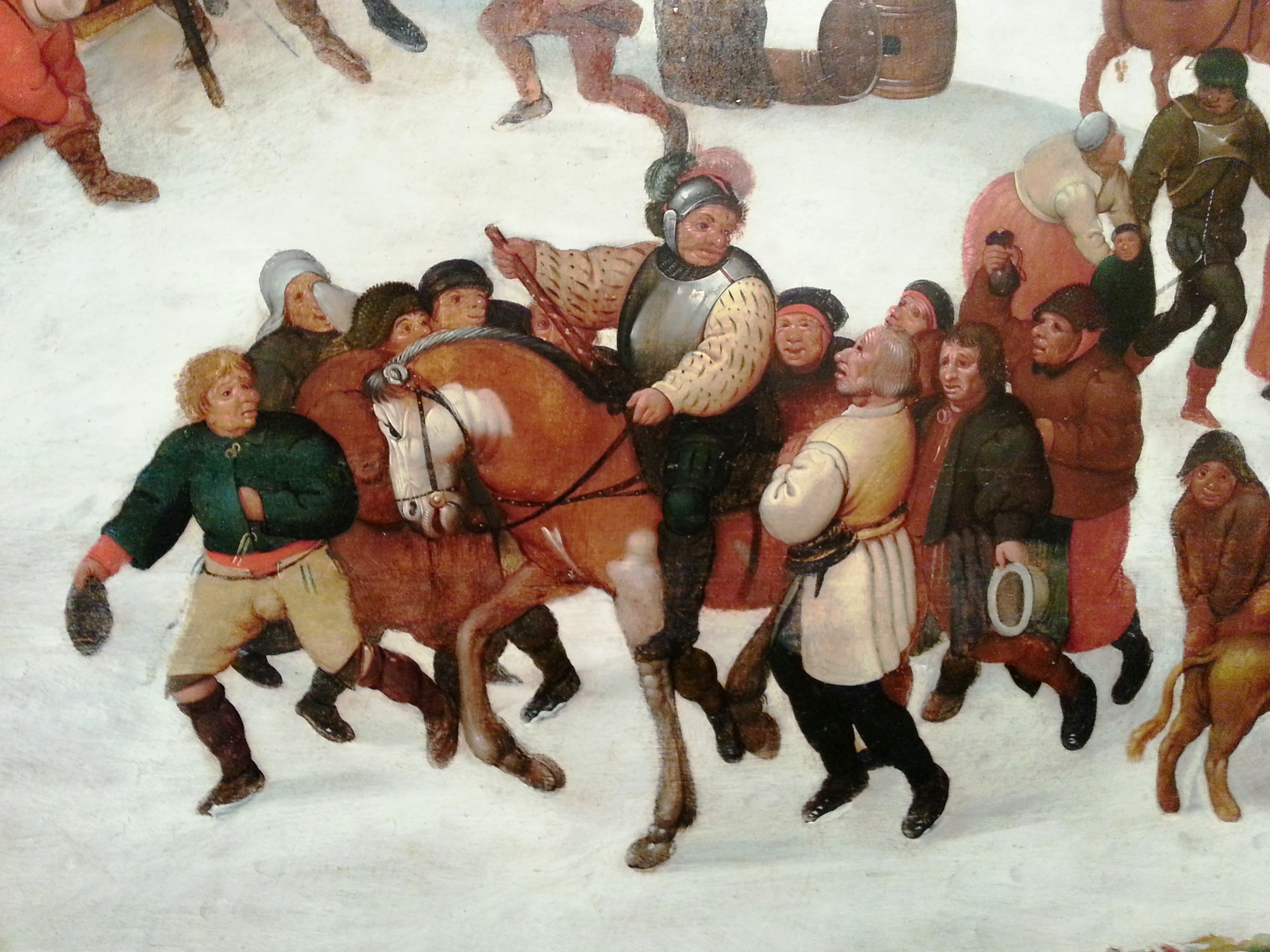
- The artists and customers of these works were deeply believers. The younger Brueghels created the so -called "emblematic collections" - special publications with the image and interpretation of various symbols in the era of the extraordinary heyday. We can talk about the phenomenon of emblems of perception of life. This concerned not only fine art, but also literature. For example, the late Shakespeare.
In Bruegels, emblems were created per circle, taking into account the degree of education. The emblem could have been explained at the same time from the point of view of moral, that is, household, further-loving-erotic, and the third-the highest level-philosophical and theological. The same item (it doesn’t matter that a ship, a flower, a shoe, a fisherman with a fishing rod) at different three levels could be explained every time in different ways, sometimes even diametrically opposite ways. The same monkey can be interpreted with a plus sign or with a minus sign.
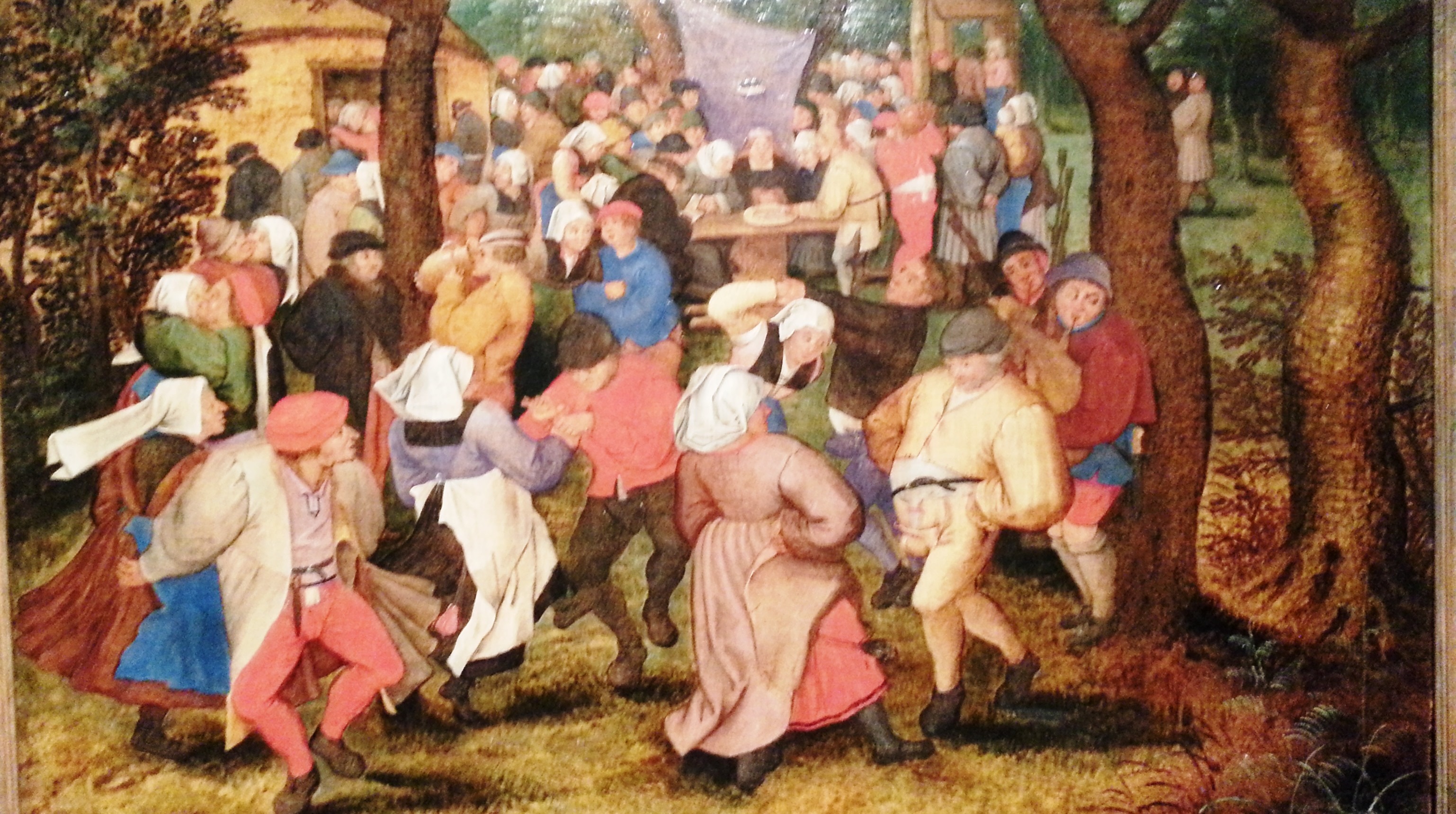
Many paintings have trees with hollows. The hollow, on the one hand, is an old symbol of refuge in antiquity by early Christians. It is no accident that in the paintings of the same Bosch, righteous hermits lead life in the hollow, hide from all kinds of life passions and temptations. On the other hand, from the point of view of the loving-erotic one, it is a symbol of the female genital organ. This list can be continued indefinitely. Here all these paintings are unusually entertaining in terms of interpretation.
- But is the highest, theological level in the paintings with such mundane plots as peasant genre scenes?
- Undoubtedly. The highest level here exists, as they say, "from the contrary." Such paintings should have reminded that the measure should be observed in all these entertainments and not forget about God. Publishing boots, fights, love hugs, the artist hints to the viewer so that he does not forget that his stay in earthly life is a brief moment compared to the eternity of the afterlife of the soul.
These works are the inextricable component of the world artistic, spiritual culture. And all that they did was, using the expression of the Dutch-monalist Jacob Katz, taught, entertaining. On the one hand, they somehow entertain the viewer, tickle his imagination and his gaze, on the other hand, they act as moralists who teach a person a righteous lifestyle, ”says Vadim Sadkov .
Flemish painting from the meeting of the Russian businessman leads to thoughts about the permissible in art
All the paintings presented at the exhibition belong to the Russian businessman Konstantin Mauergauz , who collected his collection in record time, in just 15 years. His plans include the creation of a private museum of Flemish painting.