
Translated material
TV-boom
Series instead of novels
Opening a new television season, American producers found that their business is developing too successfully. In the market, they say, there are too many shows that fight for the attention of the viewer. Last year there were 371 of them, it will be more than 400, which almost doubled the indicators of five years ago. These figures confirm the judgment of critics: today television is by no means an American one - it is experiencing an unexpected boom, the aesthetic consequences of which we have to realize and evaluate.
Once, when the TV and I were still small, everything that the blue screen showed was considered true. In the era of "crucified boys" some still believe in this until others simply turn on the TV. Of course, in the free world, blue screens are treated with less disgust because there are many of them, and they contradict each other, allowing the viewer to choose what to believe. But this does not save the information TV from the fundamental crisis. Today it feels unnecessary atavism. But, losing the Internet on all fronts, parting with other people's roles, it is looking for and finds itself such a genre that they cannot take away from him. This is a slow television that opens the half -forgotten joys of a detailed story, a branchy plot, a detailed interior, a priceless costume, a confusing intrigue, complex, including illegitimate, connections and intricately conflicting characters. All this finds a place on the blue screen. Tired of catching up, the TV slows down reality, offering us endless, like Scheherazada's tales, TV shows.
The most famous of the Nobel Prize of American writers, Philippe Rot, not so long ago abandoned his profession, finding that his readers had disappeared. “A habit has gone,” he complains, “characteristic of many generations of adults: every evening an hour or two read novels.” But what the readers were looking for in them, plunging on a day every day into a complex fictional life of many characters, now the audience of the series finds.
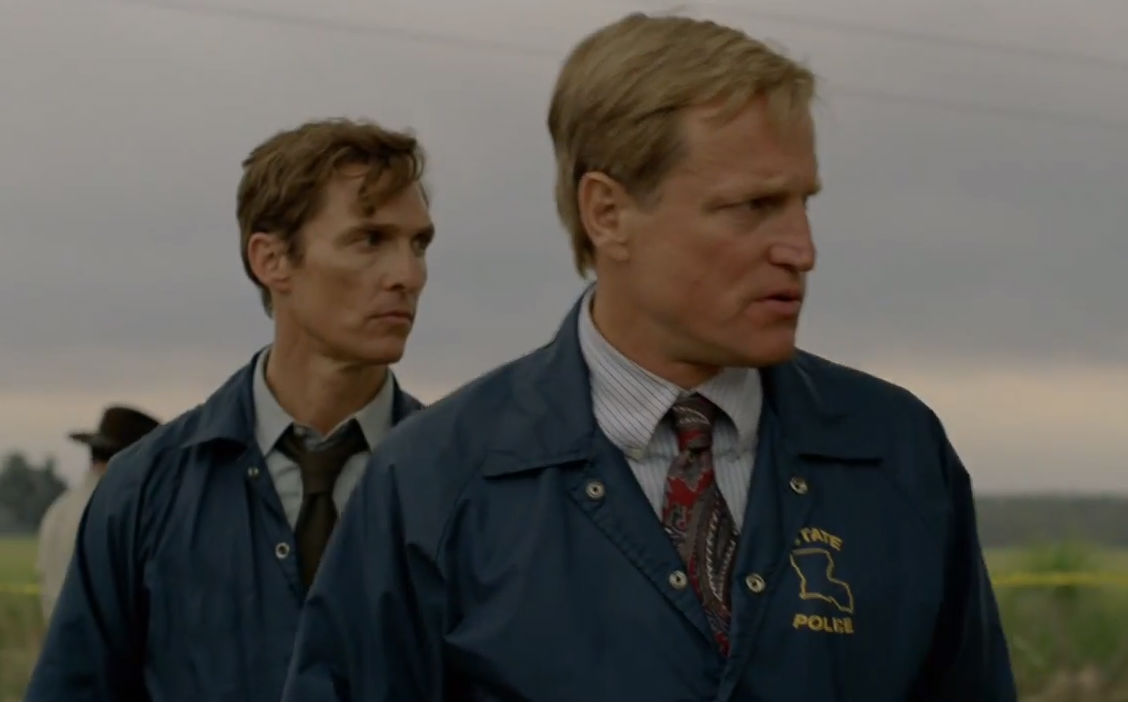
Among my loved ones there is a brilliant “decalogue” of Keslevsky, the irresistible “real detective” (I have not watched the second season), the fascinating television and “Borgia” and “no worse than“ three musketeers ”) and the instructive Danish Borgen (an invaluable allowance in democracy). Of course, mentioning better than the series, I kept silent about bad, mediocre and terrible. But it is unlikely that there are more than empty, boring and stupid novels - to write a book easier and cheaper.
Compared to the series with the book there is no betrayal of literature, because it knows how to live without a binding. Recall that the best literature - Homer and the Bible - was born outside of writing, for centuries did without it, which means that today it can adapt to a bloodless existence. The narrator, in essence, is important his story, and not the way he gets to the audience. But if the paper is the carrier of the narration, then the television screen copes with the fiction no worse. Metaphors, saving on the descriptions of landscapes, embodying portraits of heroes without words, the series abolishes the necessary service ballast necessary for the reader and immediately goes to the matter - to the dialogue and action.
This does not mean that the TV is able to replace all the literature. It is enough that the series is a fat novel today. Having adapted to our century, he retained his substantial features. First of all, leisurely. The series learned from the classics to finish each chapter so that readers were waiting for the next one that came with the next number of the magazine. Actually, the great books of the XIX century were created as series: creams of series and volumes-seesons. This allowed the best authors, starting with dickens, to take into account the reader's reaction and adjust the novel course. No wonder Eisenstein called Dickens the inventor of Hollywood.
The movie, however, is not able to replace books already because they do not fit into it. The narrative arch of the film should be closed by the end of the second hour. Cinema is a one -time aesthetic salvo. It is impossible to live in it, as readers of classic novels did, who created a convincing illusion of alternative reality. We go to the cinema as a visit, the series ourselves come to us, like relatives - with things and for a long time. And when they leave our house, we call others to fill the void formed on the blue screen. Here is a television boom that has returned prestige and status to her challenge.