
Translated material
The torment of love
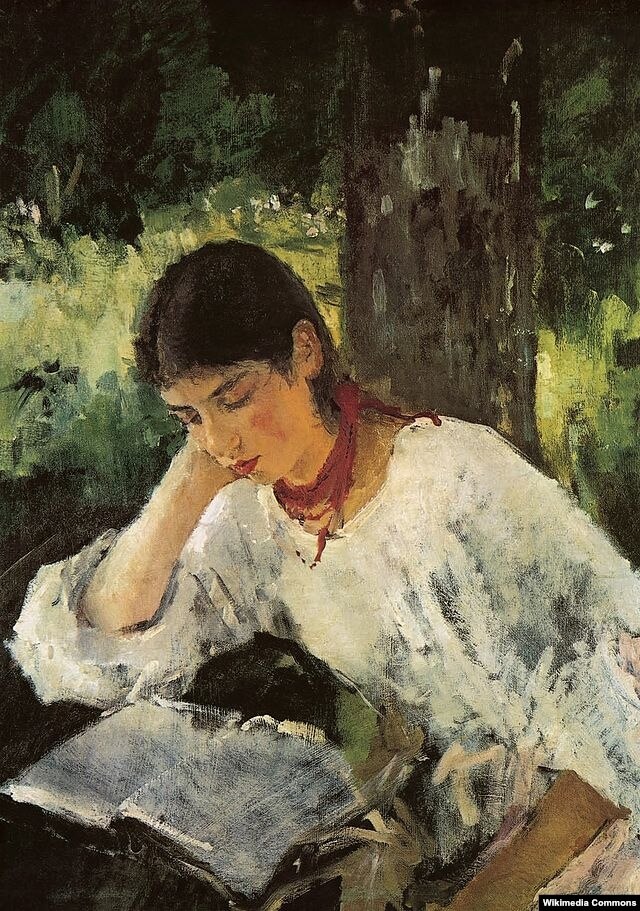
How difficult it is to fall in love with Tatyana Larina or Anna Karenina! They are too full of full, as if with furniture, as if densely populated: with their feelings, wardrobes, utensils. Either Tatyana, or with Tatyana: the Lord’s house, pancakes on Shrovetide, a wax jug with lingonberry water, on red paws of a heavy goose, curtains, roofs and a fence, trees in winter silver, Karl with a tail, a shed nanny Filipyevna in a long body gear, neighbors in the carts, kibyki, castles, casters, casters, casters, casters Chairs, chests, jam in banks, cages with roosters, large salt of secular anger.
Anna Karenina, who challenged Tatyana Larina, rushes about the parquet of the dining room lit by one lamp, along the carpet of a dark living room. Heavy portraits of relatives and friends hang on the walls. There is a malachite bourgehur on the table ... The husband is cracking with his hands, and in a dream he whistles with his nose ... The son of Seryozha, preceded by the governess.
You will not get hooked on such women with your love. I want to fall in love with gymnasiums, pursuists of the early twentieth century. They have been inhabited by Bunin's prose, but not only Bunin. Alexei Remizov also has his own Zina Razumovsky, Nina and Katya Muravitsky. And A. Tolstoy. And in the "Doctor Zhivago" they are still fresh, from frost, from the rink. “These were her first tears and the only ones. And these tears revealed her heart. And since then her revealed heart only breathed in love; and because it was insatiable, it was conquered - and there was no gymnasium who would not fall in love with Valya” (A. Remizov, “in pink brilliance”). The vice is mixed with their charm. They are tormented by the torment of love, divided or unrequited. You can’t call their conscience. They don't have it. And at the same time sincere, cordial, reliable. There is only one barrier between them and you - age. For some reason, you are stubbornly fourteen, and you can’t catch up, fly after a few years that you are separated. The willingness to fall in love with them, and not in Larina or Karenina, speaks not about the tastes of the lover, but about the very nature of love: the nature of wonderful, shameless, flying.