
Translated material
Two fates
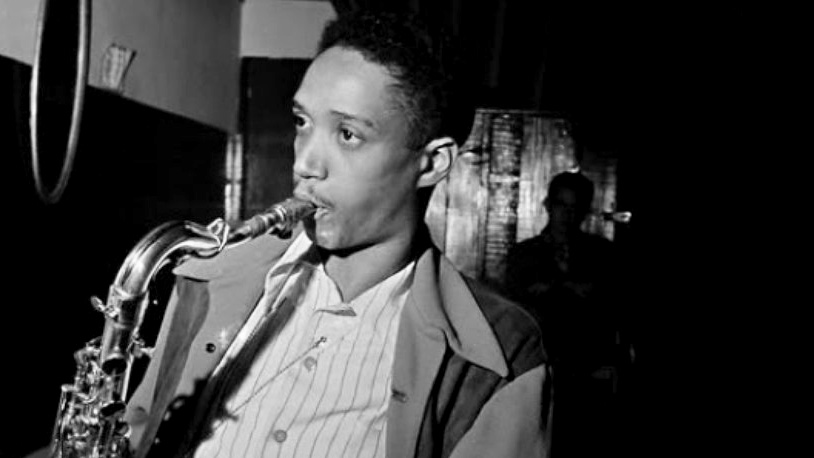
Was the Saxophonist Wardell Gray a victim of one of the main mafia of the United States Meira Lansky? Was there a white pianist, Alene Warren Hage, a killer?
Man was born in the ancient town of Grodno on July 4, 1902. Fleeing from the pogroms, he, a child,, together with his family on the Kursk ship, crossed the gray waves of the ocean and moored to the island of immigration customs and quarantine-Ellis-Iland, USA. It is said that his name was Meyr Lansky, but they also write that the family tree was on the surname of the Shishlanovsky. The custom of simplifying the names before pronounced Fonham existed not only in the United States, it exists in France, the Netherlands or Italy. Meir Sh and S and S andni became Meyr Lansky and, in adulthood, was in the first three of the main and terrible gangsters of America. He later took an active part in the creation of the gambling empire, which operated in Saratog, Miami, Causil-Blafs and Las Vegas. The empire also included gambling concessions in Cuba. As a member of the Jewish mafia in the United States, Lansky undoubtedly had a strong influence on the development of the Italo-American mafia and played a large role in the consolidation of the criminal world. With all this, and despite the double -breasted costumes in a mafia strip, he interests us only in a very narrow case ... almost gossip ...
On May 25, 1955, a saxophonist Wardell Gray was found in the desert on the sandy spit, easier in the desert, which crawls to Las Vegas. Since he was a black jazzman, the police did not especially delve into the details of death. One thing was installed for sure: 34-year-old Wardell was rolled up.
Did Meyr Lansky play on the pipe, on the harp or on the thrombone? God forbid the story of jazz from such assumptions! Meyr Lansky played on the Tompson brand machine and even then not personally, but through ordinary boys of the mafia ....
Good afternoon, evening or night .. Your retirement age “Spidols” and the “Panosoniki” hits on the half -dead batteries deliver the waves of “freedom” to your house. Welcome to the Jazz Time club! Our site: www.svoboda.org . The microphone in Lutetia is your constant DS.
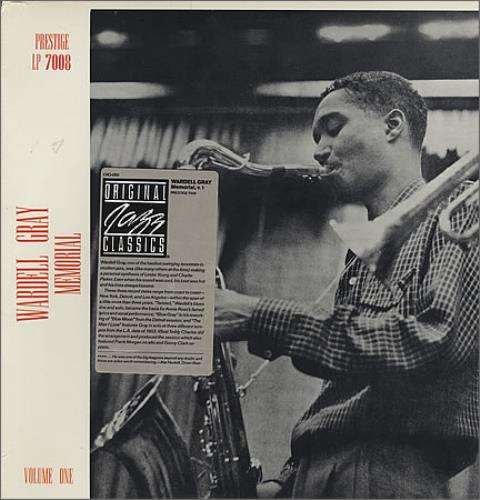
Wardell Gray - Easy Living - 4:21 (Wardell Gray - Memorial - Prestige)
“Easy Living”, “Careless existence”, “Easy life” - Ralph Ranger and Lyo Robin; Song-Standard 1937. Wardell Gray-tenor-saxophone; El Hage - piano; Tommy Potter - double bass and Roy Hines - drums. November 11, 1949, New York.
The vocal performance of this song for me exists only in the only version. Here he is:
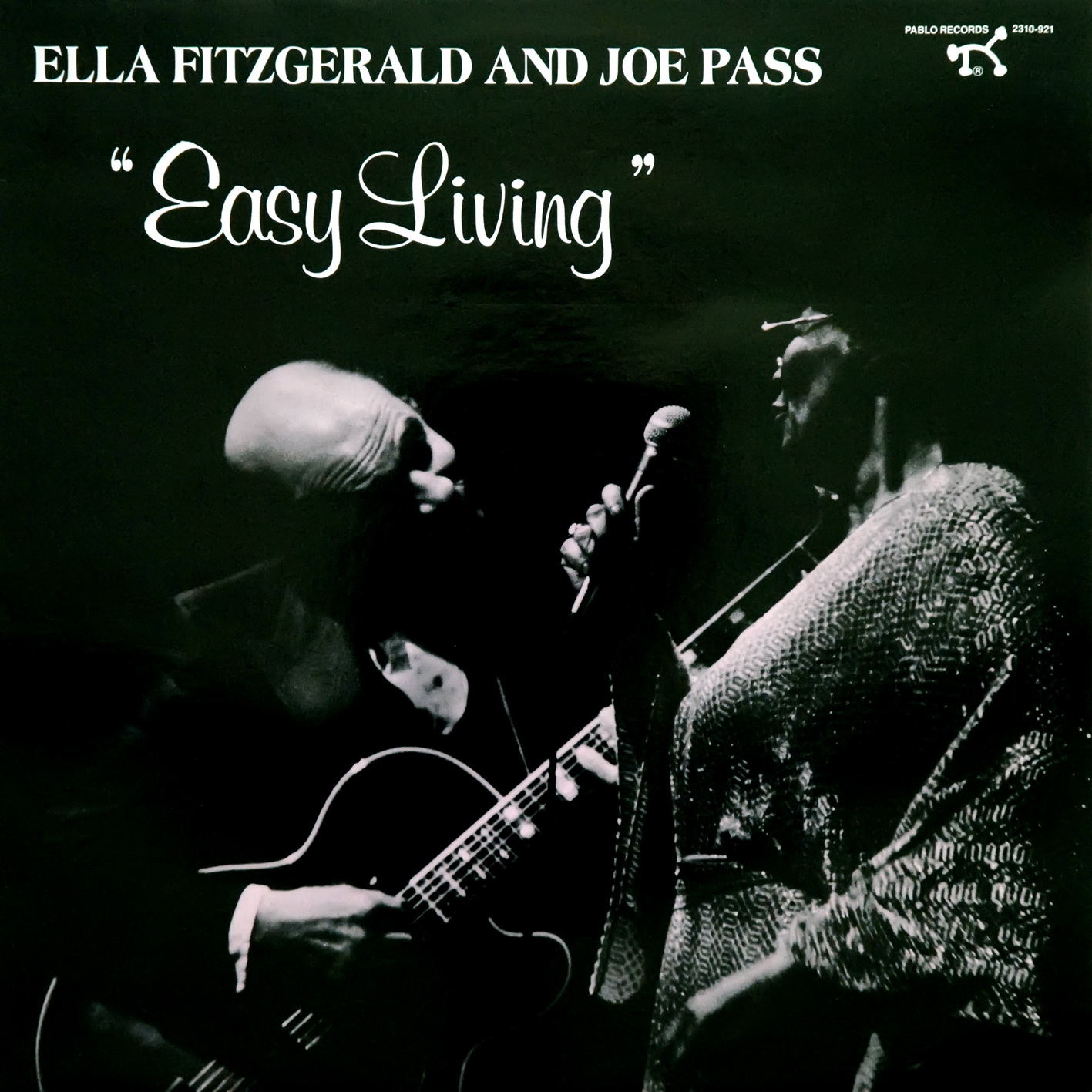
ELLA Fitzgerald & JoE Pass - Easy Living - 4:14 (Joe Pass & Ella Fitzgerald - Easy Living - Pablo)
“Easy Living”, “Easy Life” is the duet of Ella Fitzgerald and the string of guitar Joe Pass. 1986, producer of Norman Grenz "Pablo". Elle had to live nine years. Diabetes has already begun its destructive work. But the words of the song, the words of Lyo Robin, could make any woman made any woman and certainly, in a certain sense of honest, a man:
Living for you is easy, this is a light life.
Living is generally easy if you are in love or in love.
And this is the same case - I'm in love with
And there is nothing to the world but you.
Alas, these illusions have not visited your DS for a long time, but a pity.
Nevertheless, our hero today, at least in the first half of the Jazz Time, is Saxophonist Wardell Gray, who has not lived up to 35 years for several months.
Meyr Lanski in that 55 year is especially PAS Las Vegas. According to French sources, the saxophonist Wardell Gray was clean as a tear: unlike most colleagues, he did not beat, did not sniff out and did not swallow. American sources talk about the opposite that it was in Las Vegas that he was hooked on chemistry. And either he owed someone from the mafiosi, or rude Lansky, but, in short, Meyr ordered him to be removed. His saxophone fell silent once and for all.
From the space through satellites Hotbird and Asiasat-7, on smartphones and mobile phones, as well as from our website www.svoboda.org . You listen to the weekly "Jazz Time." “Jazz Time” is the story of the primarily American jazz, its currents, genres and heroes. The microphone in Lutetia has your ds.
Wardell Gray - Sweet Lorraine - 4:02 (Wardell Gray - Memorial - Prestige)
“Sweet Lorraine”, Cliff Beruell (music) and Mitchel Paris (words) wrote this song in 1928 and it immediately became the standard. The same composition and the same date for the record as in Easy Living.
Let me remind you: Wardell Gray-tenor Saxophone; El Hage - piano; Tommy Potter - double bass and Roy Hines - drums. November 11, 49, New York.
Wardell Gray, alas, does not have so many qualitative records and this fact, and not just early death, also turns it into an underestimated jazzman.
Gray was born in Oklahoma, grew up in Detroit. His idol was Lester Young all his life. He started on a clarinet, switched to tenor and played in numerous local orchestras until he hired his famous pianist Earl Hins. The Hines orchestra was a school for many jazzmen, including Gillespi and Parker. The Hinns orchestra was forever on the tour and when the orchestra reached California, the happy sagsophonist, seemingly happy changes in the life of a young saxophonist. He fell in love with a certain Dorothy Duval, in a married diva, which was just on the verge of a divorce. Alas, a friend Wardell “helped” Gray and seduced Madame Duval. Wardell returned to Chicago, where he lived after Detroit and married the singer Jerry Walker.
In the Hines Orchestra, Wardell worked for three years, moved to Los Angeles and gathered his own quartet. He had a pianist Dodo Marmaroz himself. A short era of studio records began. Gray played with Benny Carter, Benny Gudman, County Basei, played with Dece, Dexster Gordon the famous duet “Pitle”. It was his giant and only hit. He accomplished a sentimental castling: he divorced Jerry and married Dorothy.
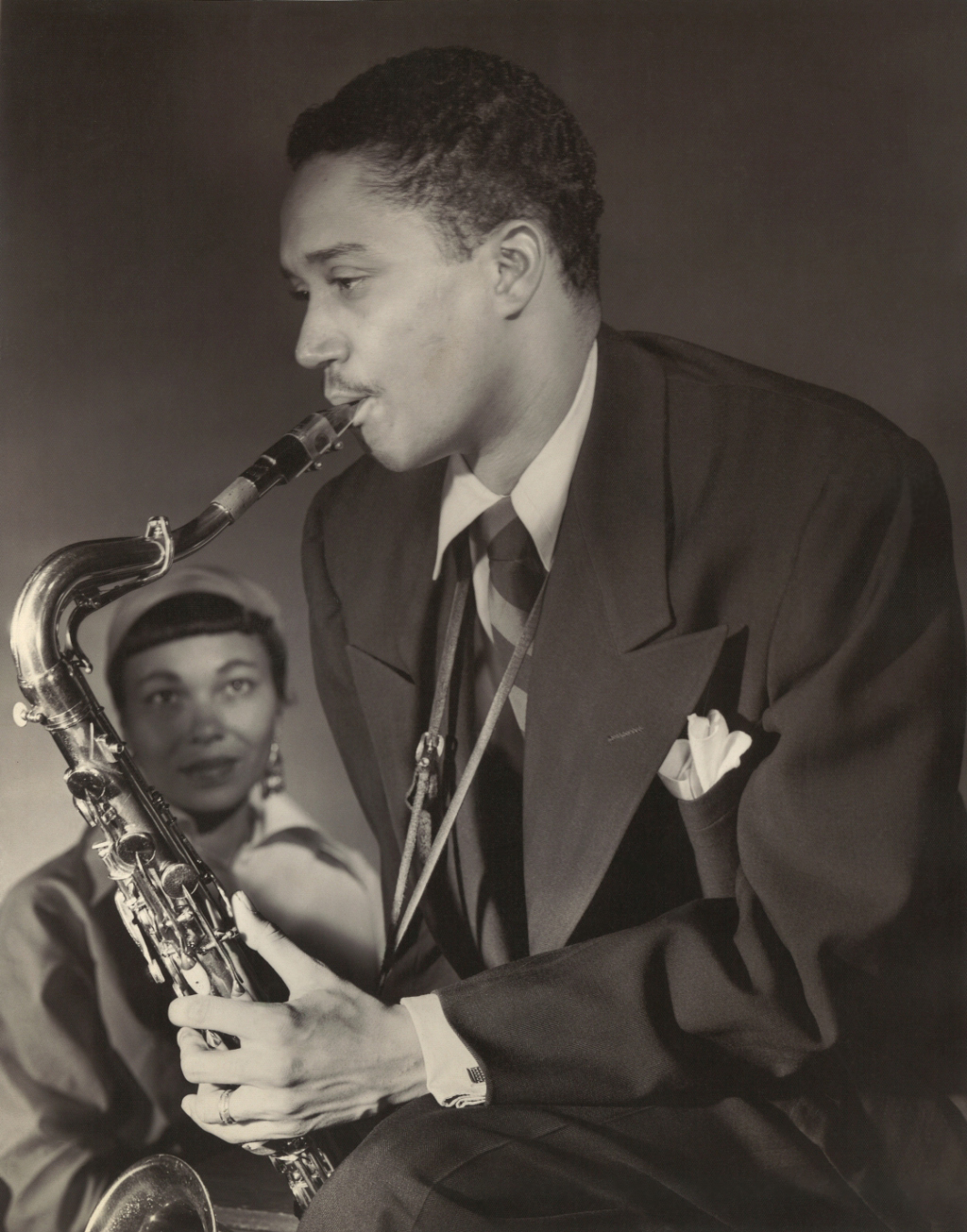
They settled in a small house in LA and, according to friends, Wardell and Dorothy healed a cheerful happy life. It was at that moment that Gray left Baisy's orchestra: he was tired of dragging on the roads of America, he wanted to live a quiet home life. But by this time in Los Angeles it was tight with work and, when Benny Carter called him in Las Vegas to open the Moulin Rouge Hotel, Wardell agreed and attended the first rehearsals, but on the opening day-May 25, 55, he did not appear on the stage. He was already dead. As his biographer writes: "Most likely, his death was ordered by the head of the mafia Meir Lansky."
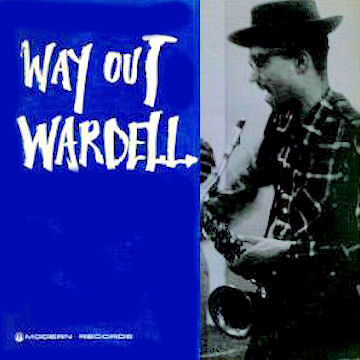
Wardell Gray - One O 'Clock Jump - 11:12 (Wardell Gray - Way Out Wardell - Phantom)
An excerpt from 11-minute improvisation on the topic of the Basey County “One O 'Clock Jump”. The quality of the record is explained by the half-amateur work of the club engineer (it is only known that these are Los Angeles clubs, but what?). Wardell Gray, tenor Saxophone, plays with thirty-five-year-old Errolom Garner-Royal; Housard McGi - a pipe; Barney Kessel - guitar; Reed Calendarem - double bass; Don Lamonda - drums. This is 1948 and Wardell is already on the top steps of his artistic career.
And now back to our jazz calendar.
I am going to pay tribute to the pianist El Heiga, born in July.
Let me, however, recall that you are listening to the “jazz time” through the satellites of Hotbird and Asiasat-7, also from our website www.svoboda.org . The microphone in climatically incorrect Lutetia is your unchanged DS.
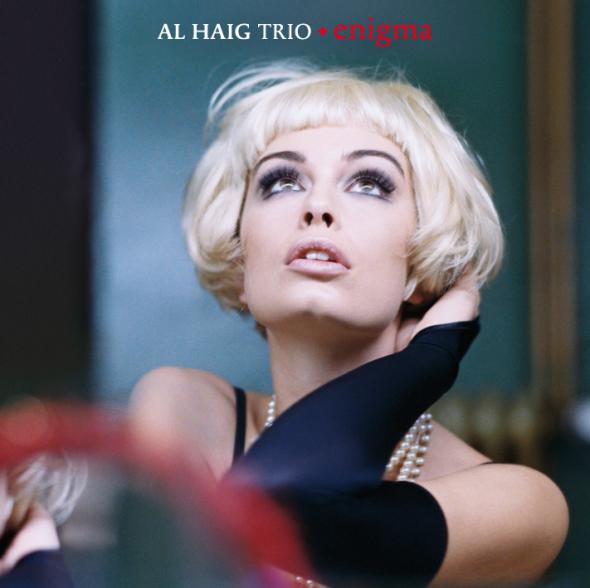
Al Haig - Con Alma - 4:25 (Al Haig - Enigma - Jazz Ball)
“Con Alma”, “Inspired”, “With the Soul” - the composition of Dizzy Gillespi. El Hage - piano, solo. The Trio Ela Hayig recorded this Enigma disc in 1977. Several plays, including Con Alma, Haig plays as part of a trio, and, as in this case, almost solo. However, the brushes of Frank Gent, like the smuggling of Jamil Nasser, scratch his hearing.
Alene Warren Hage was almost the first (add Bad Powel) a bi-bope pianist. He was born on July 19, 1922 in Newark, New Jersey. As a child, he learned to play both the piano and on the harp (!), On the clarnet and saxophone! These music lessons in American schools! The feeling is that you will not be allowed to the certificate if you do not play on a thrombone, smugus or vibrophone! Drafted into the army, Al Hage plays in the Coast Guard orchestra - something similar to the border troops. This is 1942-1944. In that era, El is listening to Teddy Wilson, Mela Powel and Billy Cyl. He also heard Bad Powel’s game in time and realized where this could lead. After the demobilization, he will make his debut in Boston and moves to New York. This is the era of raging and sleepless 52nd street. He plays with the guitarist Lloyd “Toyin” Grimece and, unexpectedly, receives an invitation from two madmen of the era: Dizzy Gillespi and Charlie Parker-to become a pianist of their rhythm-section. The preserved records of more than of low quality, so I offer you the trio of Ela Heiga 1954, playing the standard of Johnny Green "Body and Soul":
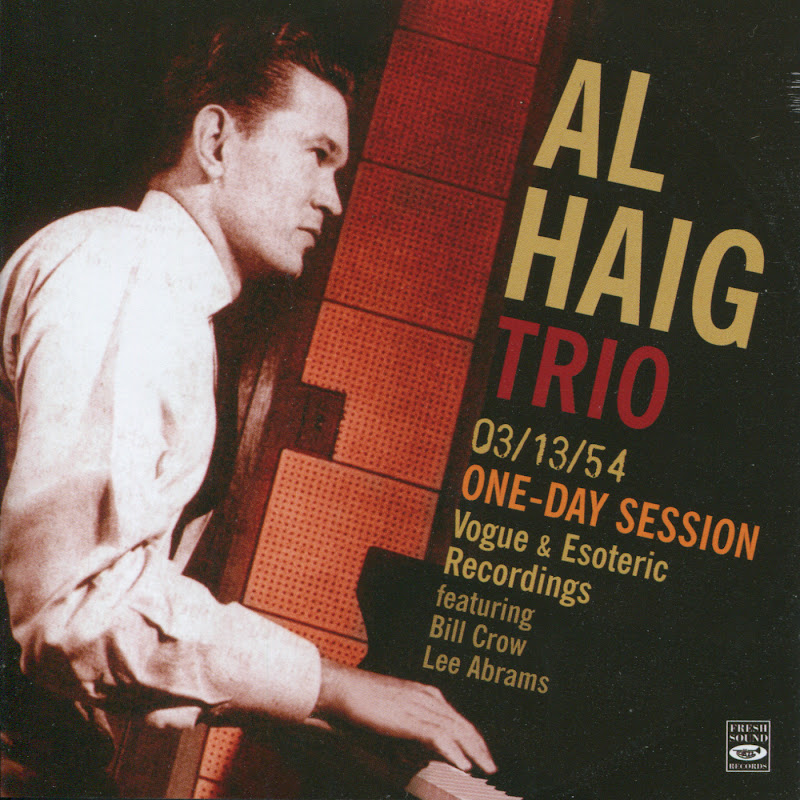
Al Haig Trio - Body and Soul - 4:52 (Al Haig Trio - One Day Session - Fresh Sound)
"Body and Soul", Johnny Green and Edward Hayeman. "I am all your body and soul ...". Trio Ela Heiga, piano, with Bill Crowe - double bass and Lee Ebrams - drums. The record was made in New York in 1954 and entered the vinyl Esoteric, and Si-di appeared on Fresh Sound.
In the early years, Bibop El Heig was overwhelmed. He participated in the historical records of the Bop standards at the company “Guild”, such as “Salt Peanuts”, “Hot House”, “Lover Man” and “Shaw Nuff”. But, frankly, there is another delicate side of the matter. Heig, unlike Monk, Powel, Yerla Hineza or Jay Makshanna, was not an African American. He was smashed with white! And, despite the bilateral racism in society and, one -sided, in Jazz (we recall the story of Miles Davis and Lee Kotnz from the old programs!) - Ela Haig was worn in her arms.
At the end of 1945, El again became part of the sextile Dizzy and Parker, who played at that time in Hollywood. Historically, this is the first appearance of a bi-box on the western coast. In 1946, he writes with Dizzy the already defended classics of the new genre: “Dainamo Hey”, “Round Midnight”, “Night in Tunisia” and “One Bass Hit”. Ben Uebster, Coleman Hawkins, Eddie Lokjo Davis want to sign up only with him. It must be said that, like Charlie Parker or Dizzy Gillespi, these aggressive soloists left very little El Heiga. Its side of the square was always the most narrow itself. From which we can conclude that the “square” in jazz improvisation is rather a metaphor.
“Jazz Time” at the frequencies “Freedom! Through satellites Hotbird and Asiasat-7, or directly from our site www.svoboda.org . The microphone in Lutetia has your ds.
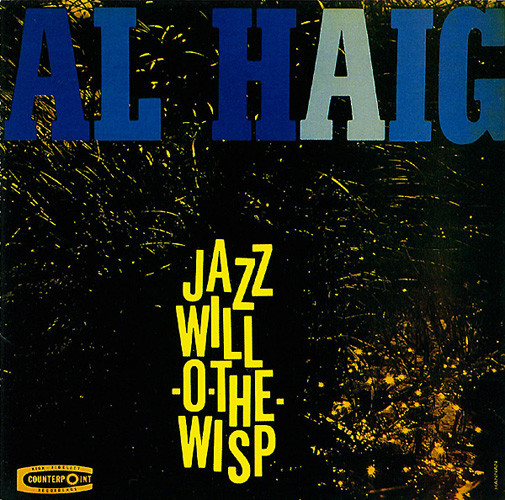
Al Heig-'Round Midnight -5:20 (Al Haig Trio-Jazz Will-O-The-Wisp-Solar Records)
“About midnight”, “around midnight” is a masterpiece of Teleonius Monka. March 13, 1954, New York. The same composition of the Trio Ela Heiga: Haig, Royal, Bill Crowe - double bass and Lee Ebrams - drums. But this is not LP “Esoteric”, but “Jazz Will-O-The-Wisp” Vogue.
Surprisingly, many American jazz historians believe that after recording with Nonet Miles Davis, the Birth of the Cool program disk, El Hage disappeared and appeared, mature and full of strength in the last decade of his life, in the seventies. French historians do not agree: Al Hage with interruptions, but played in France and the USA from 1960 to 1980 (with Rene Tom in Montreal, with Jimmy Raynie in Carnegie Hall in New York); He toured Europe: Great Britain, France, Sweden, Belgium, Denmark and only after that he began his Vita Nuova and recorded a number of wonderful discs for Spotlite, Choice, Interplay and Musica.
In 1969, Al Hage was arrested: he was accused of killing his third wife Bonnie on October 9 of the same year. Apparently, she was strangled. El spent about a year in prison and was released. He claimed that his wife in severe drinking rolled up the stairs from the second floor and turned her neck. El Hage died of a heart attack on November 16, 1982. In 2007, the second wife of Ela Heiga, Grange Raten, published memories called “The Death of the Bi-Boy wife”. In these memoirs, she described the death of Bonnie in detail, exposing Hayig and the dark side of his character - his cruelty and aggressiveness in relation to loved ones. She brought the statement of the smuggler Hal Gailor, to whom El admitted that he killed his wife.
After leaving prison, that is, in the early seventies, Al Hage began to play and record, and this was the most fruitful decade of his musical life.
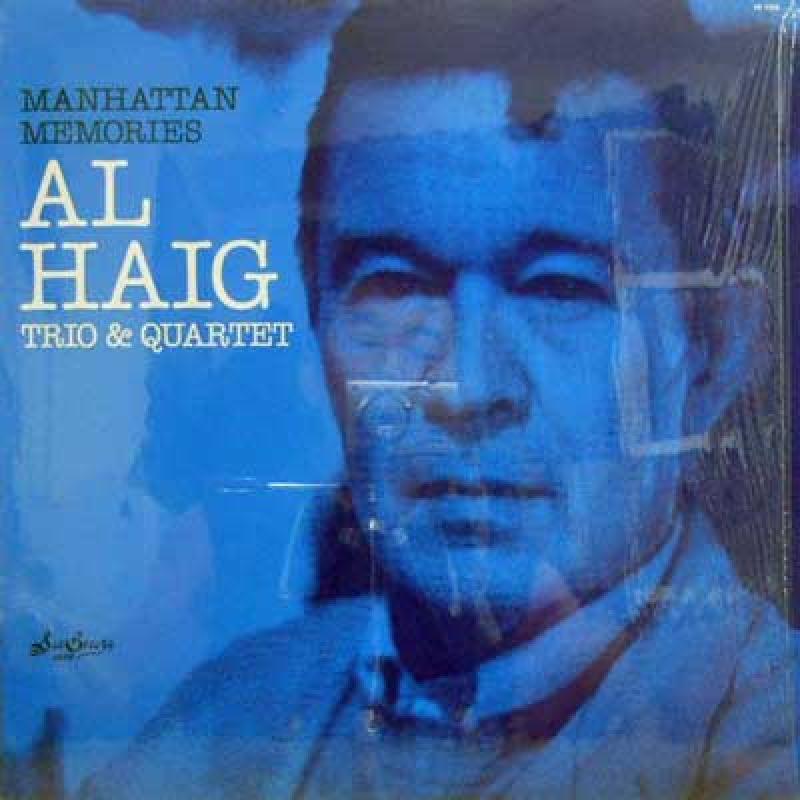
Al Heig - I'll Keep Loving - 3:20 (Al Haig Trio & Quartet - Manhattan Memories - Sea Breeze Jazz)
“I'll Keep Loving”, “I will still love” - the composition of Bad Powel. El Haig Solo, February 18, 1977, New York.
That's all for today. Sound engineer of this issue Alexander Arkadyev, author and presenter - Dmitry Savitsky. Until next week, all the blessings to you, Chao, Bai-Bai!