
Translated material
Malaya Moscow
Big square is a former Russian "city in the city". Legend was a place of deployment of Soviet troops until 1993. The large square occupied about 20 percent of the 200 thousandth city, which after 1945 moved from Germany to Poland. The wall that fenced the square from the Polish population is demolished today. There were luxurious general villas, the building of the Soviet command of the Northern Group of Troops (the former building of the German army headquarters) and the house of officers, the former female gymnasium, and now the spiritual seminary. There were solid German houses where the families of Soviet junior officers lived next to the Poles. One of the city legends about the tragic novel of the wife of the Soviet captain and the Polish officer is told in the film "Malaya Moscow". A tour of the city, the philosopher Wojciech Kondush, held a tour of the large square.
Malaya Moscow
- How do you know so much about the history of Majo Moscow, about the history of Soviet to Vratrat? After all, it is not enough to be just a historian, just a philosopher and just a resident of Wroclaw and Legery. Was you to hurt you in this ? You know by the names of all the generals who lived in these villas.
- I moved to live from Wroclaw to Legnitsa in 1986, before I did not know what was happening in this city. When I started living here, I decided to find out the history of the city. These were the times of the presence of the Soviet troops: it was impossible to talk, it was impossible to investigate the documents - this is a forbidden topic, as well as a forbidden zone, the territory was the lesnitsa itself, where they were. I learned about what happened until 1986 and later, after the departure of the Soviet troops from the lesnitsa, from documents in archives, stories, memoirs of citizens and former Soviet citizens of my city. I remember when I arrived, in 1989 the last wave of strikes began against the presence of the Soviet troops in Legery and in Poland as a whole. These protests continued until the final withdrawal of troops in 1993. I saw individual and mass protests in the city, in various points, places, around the military commandant’s office of the Soviet garrison and so on. People went to pickets, demonstrations, with slogans. It was constantly and lasted until the end of the withdrawal of troops from Eastern Europe, in Poland there was such a center of these protests. It is interesting when the military found out that they needed to leave Poland, to leave forever, to return to their homeland, they began to sell everything they could sell, and their own, and not their property. The city was like one big flea market. People from Poland came to buy various things, but they sold everything here. They sold, for example, what was in the apartments, what was in these palaces, villas, mansions, sold historical property, ancient furniture. Soviet officers took part of the property with them in containers home. It was a sale, but also theft, they said: we are leaving nowhere, there is no longer the Soviet Union, there are no single armed forces, we do not know if we will find work in a civilian, we have no apartments. We copy how we can, selling everything that we can sell. Because we do not know what life awaits us in the future, no one awaits us in our homeland. Such a situation was an excuse for what they did in recent years.
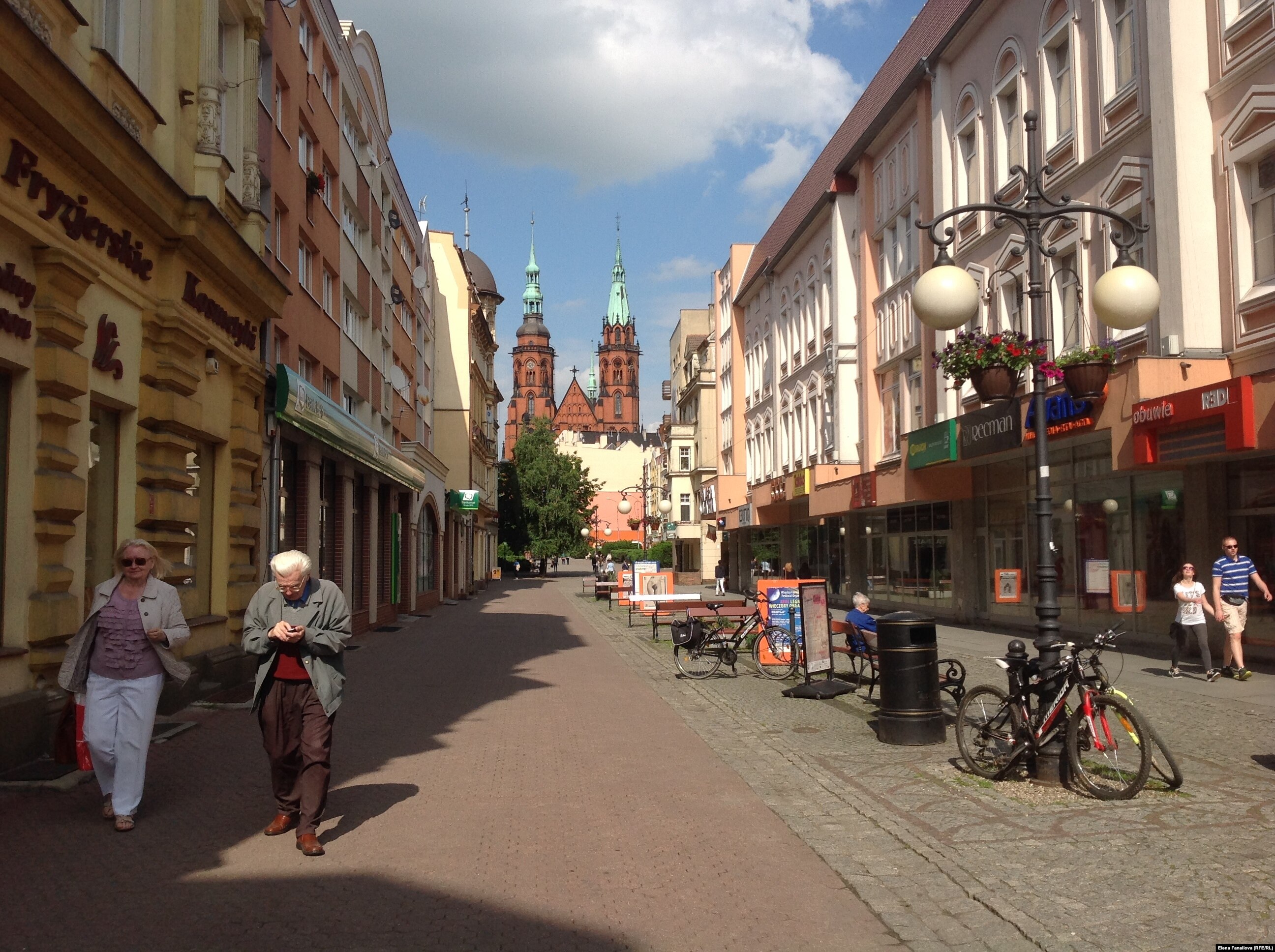
- And I also heard , that at that time the Soviet military said: it is still not Polish, all that we received, all these villas, all these apartments are German houses. Please explain as a historian that stood behind these words?
- In February 1945, Soviet troops entered the German city of Legery, and everything that was in this city was considered a trophy. Until 1947, German property was taken to their homeland, but not all. In lesnitsa, there was the largest garrison of Soviet troops in Poland, one of the main in Eastern Europe, was the command and headquarters of the Northern Group of Forces. Officers, generals lived in these apartments, in which wealthy legends, merchants, representatives of free professions and manufacturers used to live. In these villas there was ancient furniture, which "we used for 48 years, and now we have been taking it with us."
- When the lesnitsa became a Polish city and when Bres became a Wroclaw? Is this post -war changes?
- In 1945, the lesnitsa became part of Poland. She completely became Polish after the withdrawal of troops. One third of the city was at the disposal of the Soviet troops - for 56 square kilometers it was a Soviet Union. This territory returned to Poland only in 1993. The city rested, one might say, became independent, became a sovereign city and began to live a completely new life.
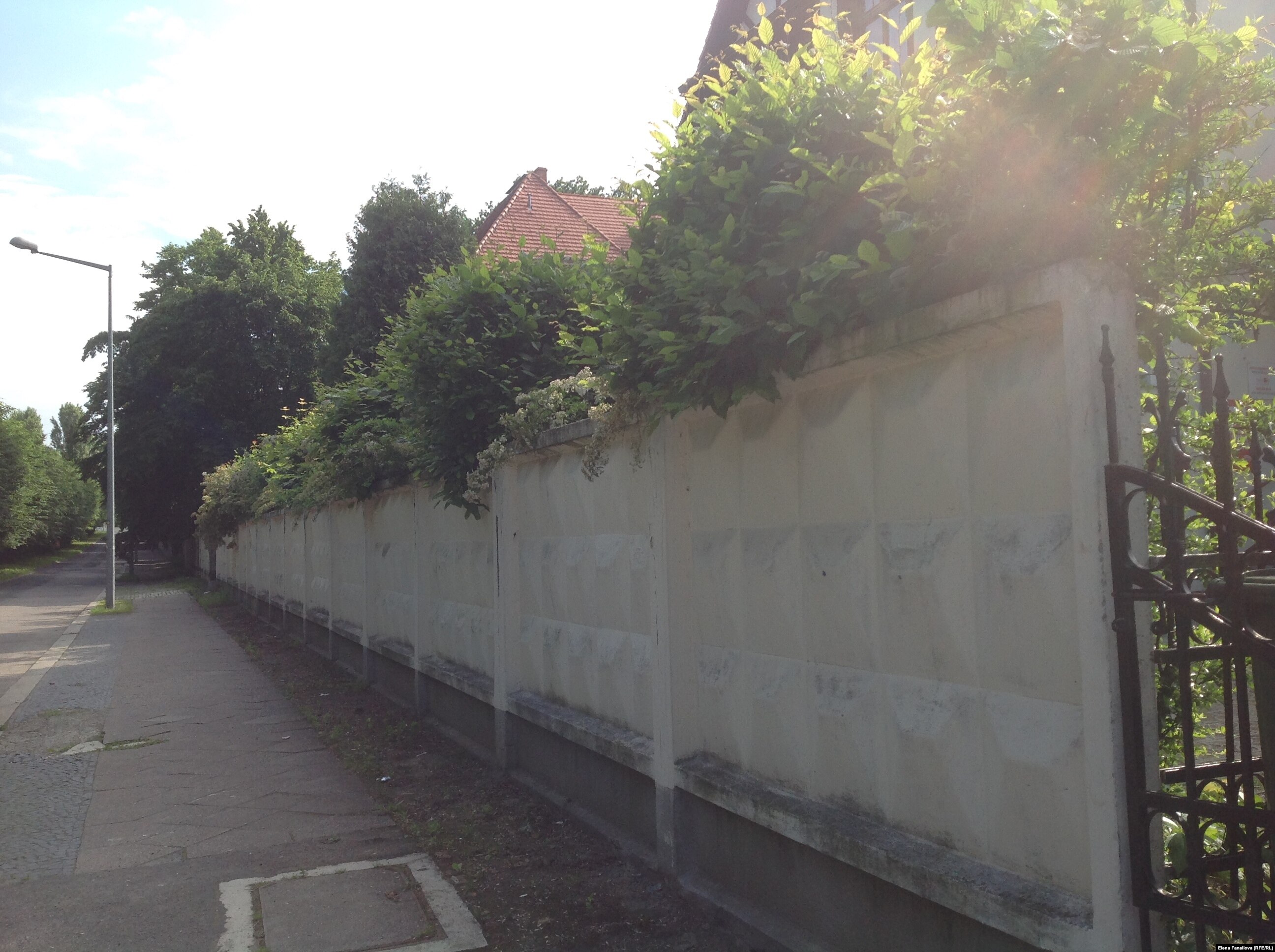
- We saw the remnants of the wall that fenced off the so -called Olsha square, that is, the Soviet square , from the rest of the world of Lypensa . Did this mean that with an ovarian life followed this wall, was absolutely closed from the city?
- In the city there were one hundred so -called complexes, one hundred sites in which Soviet lived, and these territories were surrounded by a concrete fence. But part of the military lived “at large”, that is, in the city, in apartments, in buildings along with Polish families.
- What is surprising today is, let's say, honestly, the luxury in which the Soviet military lived. I expected that the square was something gloomy, similar to some Soviet barracks, but it turns out that the top link officers lived just excellently. It’s good to imagine this in the Soviet Union. The good officer, which was lodging in the city, also lived in excellent conditions, along with the Poles.
- Today, the former Soviet military says that these were the best years of their life, they did not live like that before and often did not live so later. The square was an elite territory before the war and after. In this territory, the highest team received the apartment, there lived command, the Commander -in -Chief lived, starting from Rokossovsky.
- In what years did Marshal lived there?
-Somewhere until the 49th year, 1945–49, Rokosovsky was in Legery. Square, Little Moscow - it was a city in the city. Autonomous restaurants, clubs, hotels, kindergartens, nursery, good supply in stores, officers received money in Polish currency and rubles in Sberbank in the Soviet Union. They engaged in private trade, brought something, sold, bought.
- They probably could go freely to the Western group of troops, to East Germany?
- Not all. But some groups of officers, due to official circumstances, left and brought many interesting things from Germany. Poland also produced interesting things that they bought and took with them to their homeland, sold there.
- However, Poland also had hungry periods when in the Soviet zone, in the zone to Vratrat, there was more food. For example, Story with Soviet sweets, which exists in all the memoirs of Legery : the children loved them . Was it like that?
- Yes. It is believed that citizens did not feel a great shortage of products in 1981–82 due to the fact that their friends, Soviet families, bought in their stores and transferred them to Polish families.
-Due to the fact that it still turned out to be not entirely closed to Vratrat , some formal relations were possible?
- Yes, this is 48 years of marriage. Although the military had a ban on private relations, on contact with Polish citizens, but this ban was only on paper. We can say that almost every Polish family had acquaintances among Soviet citizens. Interest was on both sides. We wanted to buy something interesting from Soviet products, they bought in Soviet stores or brought something from the Soviet Union, and they were interested in buying some things in our foreign exchange store or right in our stores. So everything was spinning perfectly here.
- In Russia, the film “Ma Laya Moscow” is known , he received a prize of spectator sympathies at the Moscow Film Festival, and for the Poles, I think, was a whole event . This is the film about the novel of the Russian , but the officer, and the Pole, the special services intervene , it is dying, this is a tragic story. How documentary is she or the director embellished something?
- As I said, this is 48 years of marriage. Everything was, there were novels, there was love between the Poles and the Soviet. Indeed, this love of a Soviet citizen from Belarus and a Polish officer happened. When the KGB found out about this, he decided to stop right away. How it was done in those days: I received two to three days to collect things, I had to leave. When they reported this, the woman left the house and did not return, and she had two sons, the Soviet husband-officer. Three days later they found her hanged in the forest. This story became legendary, it entered the post -war story of the leder. The grave of this woman is in the leder. Her family decided so. A few years ago, civil graves were dismantled: if the civilian was buried, they made one big for everyone, and only one of her grave remained, as it is, as it was done in 1965. She is such a symbol, there are always fresh flowers on it, the legery constantly come. The older generation remembers this great love, a great romance of a Pole and a Russian woman in Legery.
- Director Waldemar Kshystek is going to shoot the continuation of the story about the Malaya Moscow, but this is no longer a love story, but completely different ?
“It will be a thriller called“ photographer ”. The case is happening in Legnitsa, in Little Moscow in the 1970s, in parallel in the modern lesnitsa and modern Big Moscow. In the fall, there should be the premiere of this film.
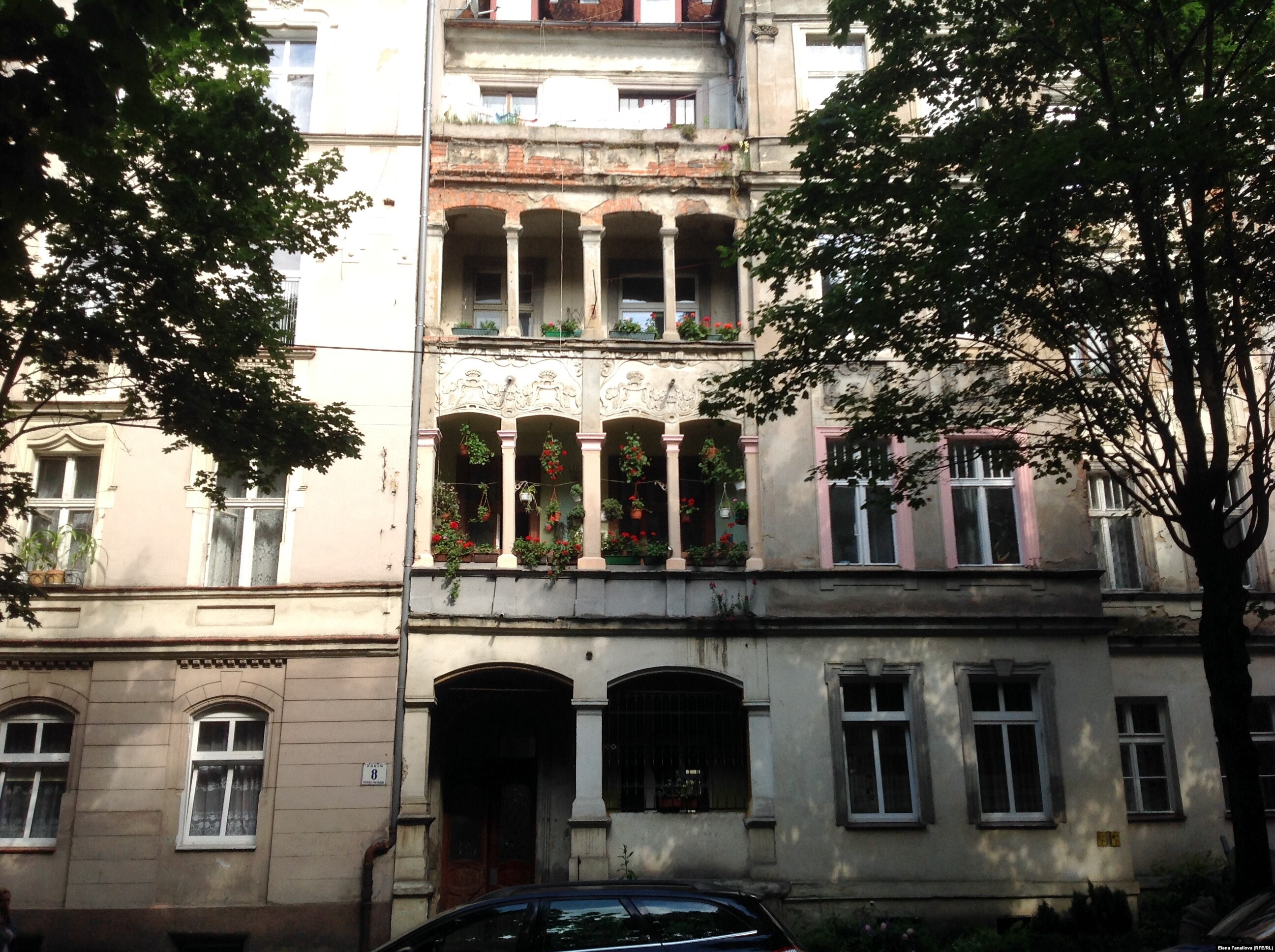
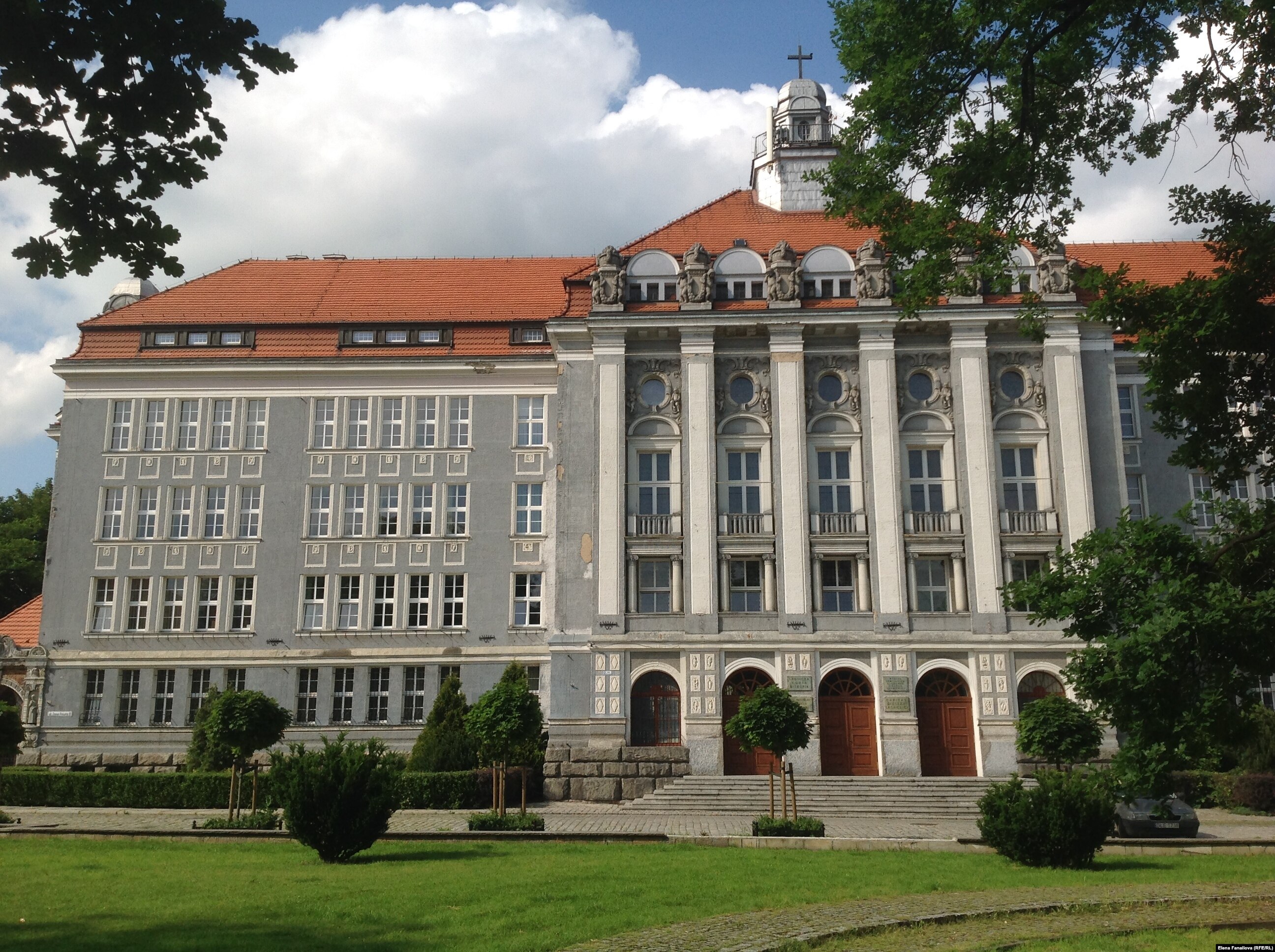
-I was struck by two buildings - the house of the officers and the building, which belonged to the German higher military command in the 30s , and then the Support of the Soviet Higher Military Command. Let's start with the house of officers, what kind of grandiose architectural work?
-Before the war, the lesnitsa was the garrison town of the 18th Wehrmacht division. When the Red Army entered, the soldiers settled in the barracks, which were built in 1936. There was a Wehrmacht building building at the same time, occupied by the Soviet command. The house of officers fit in the building of the former German female lyceum. It was a school for women until 1945.
- What is this architectural style? In the end he will be like the end of the X I X century.
- The city was so built, the end of the XVIII - beginning of the XIX century. It was a rather modern city in 1945.
- And what kind of monument with a cross now stands opposite the former house of officers?
-This is a monument to the 2000th anniversary of Christianity, there is a quote, the statement of John Paul the Second, when he was in the leder. This is a monument of history, not far from the lesnitsa, the Polish prince died, during the struggle against the campaign of the Tatars in Europe. They defended Christian Europe in the battle on the lesnitsky field.
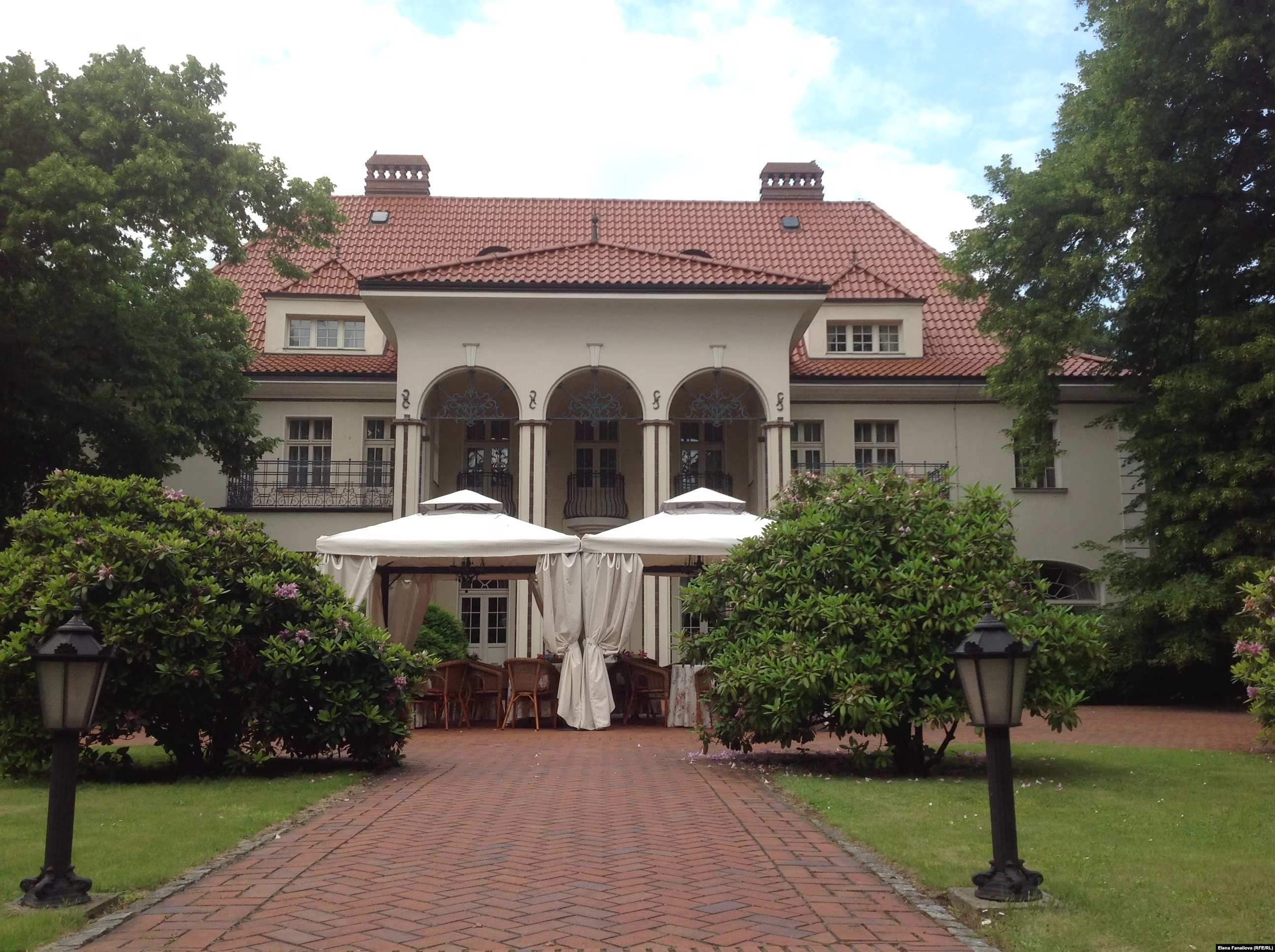
- I can’t help but remember the house of receptions in which the Soviet military arranged evenings, receptions for high guests. Interestingly, the city chapter of the leder there would be there , in general , the Poles were there?
- The Poles in the square were very rare, but during the holidays there were individual invitations. They were brought to the square by car directly to this house of receptions and vice versa. It was a representative hotel house, immediately after the war it was the residence of Marshal Rokossovsky, and later, in the 70s, there was already a hotel for guests coming from Moscow, the central government of the Soviet Union, and the Ministry of Defense. Generals of the Warsaw Agreement came, they settled there, arranged banquets.
- How do the city of Anea now relate to the myth of Ma at a scarlet Moscow? It is clear that the wall was destroyed, but the objects remained, there were buildings that remind people about the Mass Moscow, maybe about German time too. Are there any strong emotions or time has passed?
- Time has passed. Tourists who come to the legend are talking about the Soviet occupation, talking with the residents of the city, they can find out that Legens do not think about this period as the occupation. I already said - 48 years have passed, and I remember that it was good in a relationship. It was one thing - politics, this was not mentioned, and the second is everyday relationship between people. Doctors of Soviet hospitals who helped the Poles, treated the Poles. Remember the supply. They remember the participation of the Soviet ones during a flood in the Legend. There was such a case: the church was burning in 1966, firefighters of the Soviet maids took part in its salvation. I remember many such moments. So, talking with the inhabitants, you will not hear anything bad about this period. Policy politics, we know why this happened, we know where the inhabitants of the Legnitsa came from-from Central Poland, or former immigrants from behind the Bug. We knew why Soviet troops live here, what role they play in Europe in these times. This was not said, it was normal. And the relationship was not bad.
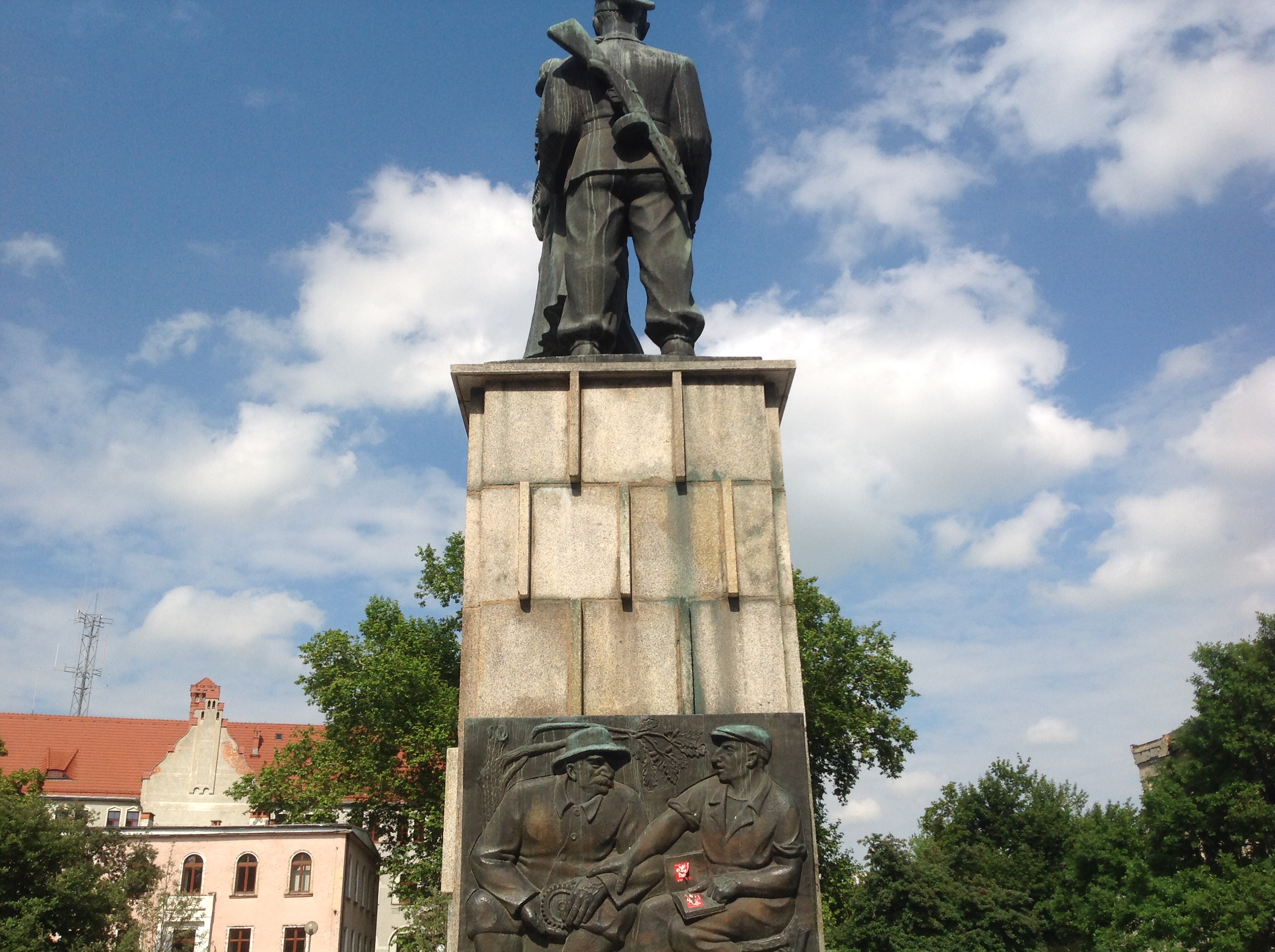
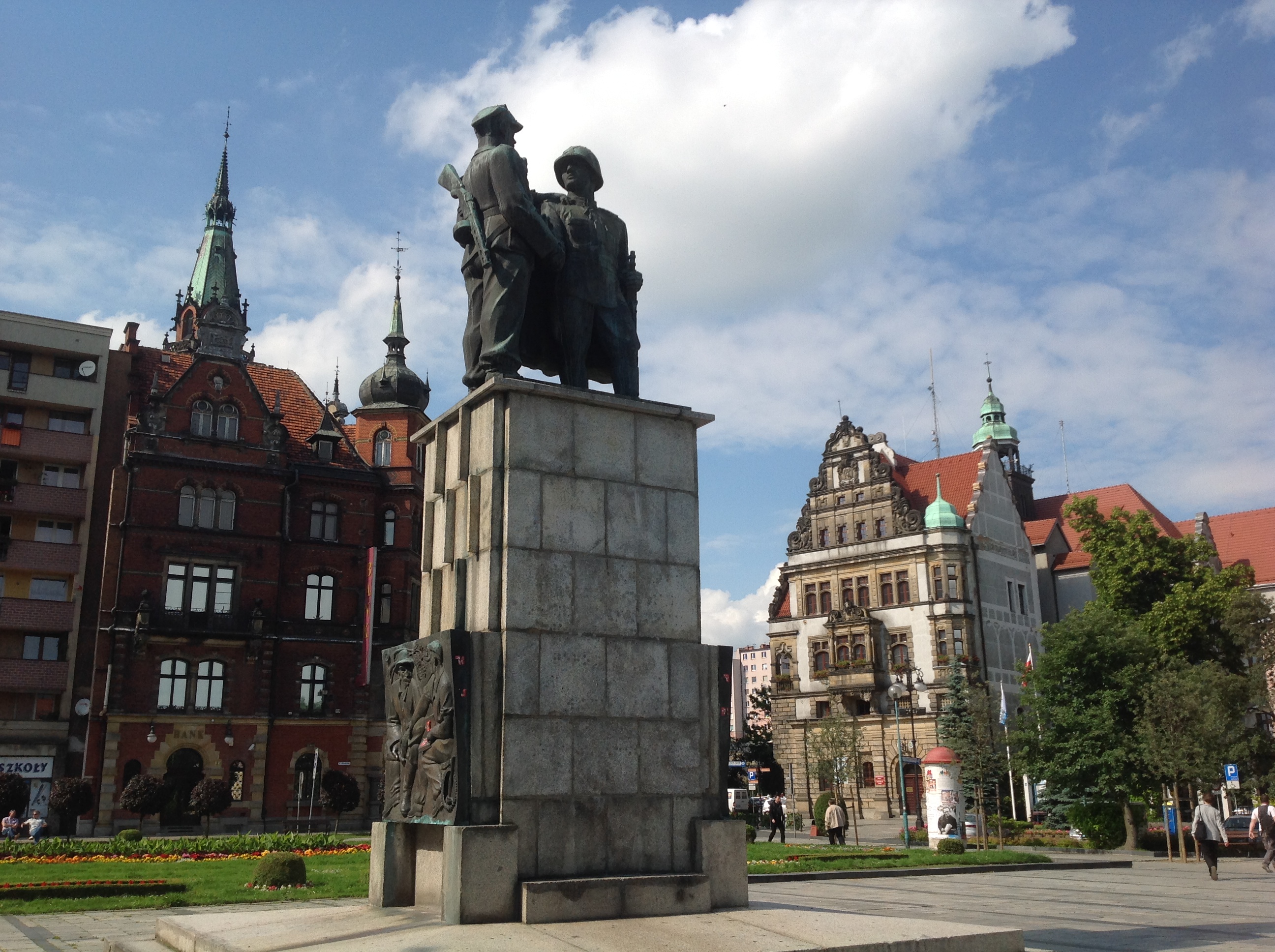
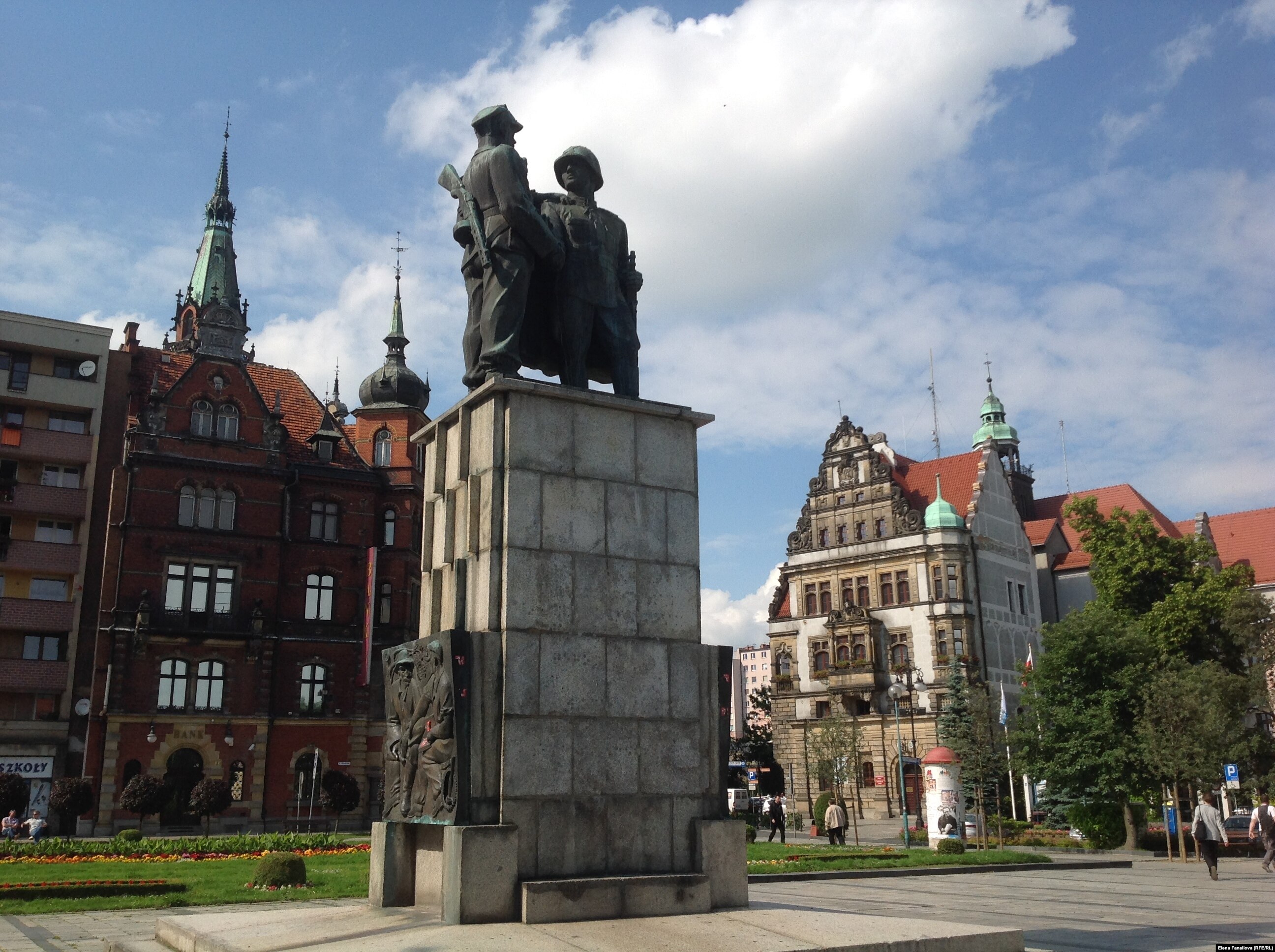
-The monument to the friendship of the Soviet and Polish soldier , with the girl we saw, had already wanted to demolish several times, although it is difficult to demolish it-he was tall, made tightly, from the former statue of some German emperor, if I am not mistaken ?
- There was a survey of citizens a few years ago, and 83% spoke to the monument to stay, and it remained. Yes, these discussions make political emotions, they periodically appear, some want to sell it to scrap metal, others to transfer it to a military cemetery or a square. But it has been standing since 1971, one of the last in Poland. Jan and Ivan, as they are called here, are in the city center. In the future, probably, there is another place for him. In general, it is planned to restructure this territory.
- Tourists are interested in Vratrat?
- Yes, tourists from the former Soviet Union come a lot. Probably, several tens of thousands of people passed through the lender - such travelers are nostalgic, we can say. Tourists come from Germany, former legens, their children come. There are many other tourists, because a very interesting architecture of the city, we can see all the architectural styles.
- You called nostalgic tourism from the Soviet and German side. And if you imagine a Frenchman or Englishman, will this story say something , or will he just watch Ar-Deco and the beautiful medieval architecture?
- Tourists from the West do not know this story, and the young generation of Russians who find themselves here does not know this story. What happened for 48 years in Legery is a common story of both the former Soviet Union and Poland. Few people know what was the role of large groups of Soviet troops abroad after 1945, people come and are surprised: what, where. Yes, I understand why this is so: there are almost no books about this period, there are no memories, besides what can be found on the Internet. There is no study of this period. In Poland, it would also be necessary to examine this story deeper, but we started all this study only in 94–95, and it continues to this day. We have reached our research almost to the end. In order to better investigate this period, you must have access to the archives of the Ministry of Defense of the Russian Federation, to the archives of the Northern Group of Forces that are located in Podolsk. But they are under the heading “secret” for several decades. So we have some impasse. Research is conducted over the memory of this period, we talk, write down the memories of people who remember something, have something to do with the Soviet ones.