
Translated material
End of the exam

Is the school exam a personal business or state concern?
The additional period of passing the USE ended, a few days remained until the end of the receipt of documents universities, when it becomes clear how the decreased, compared to last year, the USE points influenced the educational trajectories of Russian applicants.
When choosing a university, Russian graduates, as a rule, are guided by last year passing points, and they were higher, since the examination procedure itself was not under such strict control. By the way, it is quite possible that the 2013 graduates who have not yet received or decide to change the educational institution will gain a competitive advantage, in fact not confirmed by real knowledge. It is also likely that the metropolitan universities, in which, thanks to the introduction of the exam in recent years, the percentage of nonresident students has significantly increased, will lower the so -called “quality of admission”, since the total number of high -pointers (stobalniks and those who gained more than 80) decreased, and few risk the average results.
In the future, judging by the statements of the Minister of Education, the exam will not become more stable, but will continue to change, both for objective and political reasons. From objective ones - the transition to new federal standards, basic and profile levels of training. However, for this, the director of the VSHE Lyceum , Natalya Lyubomirskaya , believes, the principles of the exam will not have to be changed:
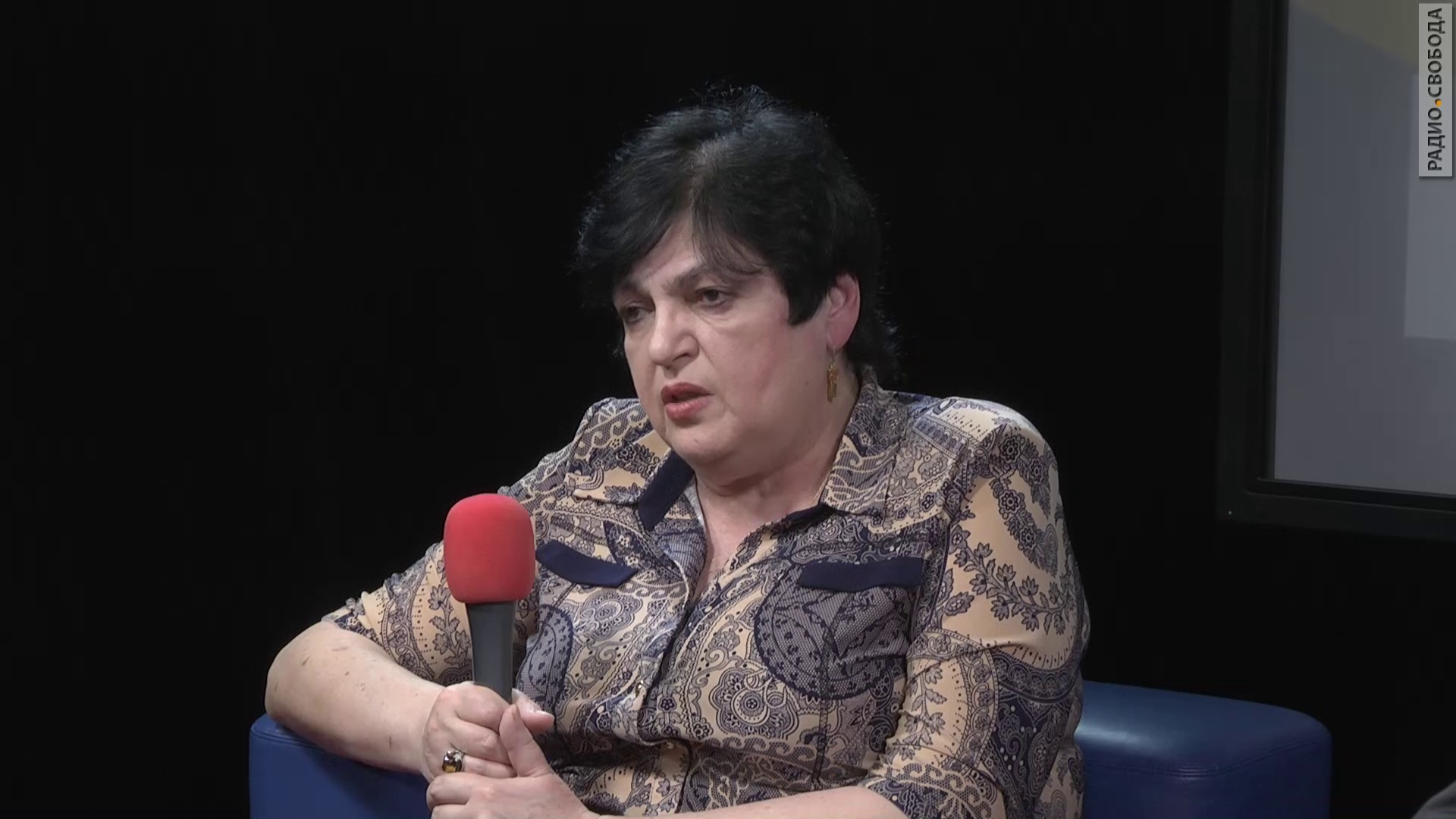
- Now we are in the transition period related to the fact that the USE materials are not tuned to new standards. Because new standards are necessarily different levels of studying a particular subject, and the exam is still the same. However, correcting the situation is quite simple: parts A and B - in order to get a school certificate, part C - to build a rating for entering educational institutions. Let's say today to solve the C5 problem in mathematics a good teacher will take several hours. The task is C6
I do not see contradictions between new standards and exam
Many cannot solve at all. And this is done specifically to make a rating from the guys. It is impossible for everyone to receive maximum points, otherwise the exam will not fulfill its function, does not realize the control format. It is important that different levels appear so that a person who studies mathematics at the basic level will pass one version of the exam, and the one who studies at the in -depth level is another, otherwise it will be unfair. But I do not see the contradictions between new standards and the exam.
It turns out that for the director of the Unified State Examination of the Unified State Examination, this is a control format, a meter of the level of knowledge. However, one should not forget about the social and political significance of the exam, so important that it was necessary that the corresponding decree of Vladimir Putin, which confirmed that the results of the exam will exclude from the list of indicators of evaluating the effectiveness of Russian governors. In turn, Dmitry Livanov assured that the exam will cease to be used as a criterion for the effectiveness of schools. However, he did not suggest any new criteria, which is understandable: it is quite difficult to measure the individual achievements of each student in the current conditions. Editainme Internet magazine editor Natalya Chebotar believes that foreign experience should be used in Russian schools:
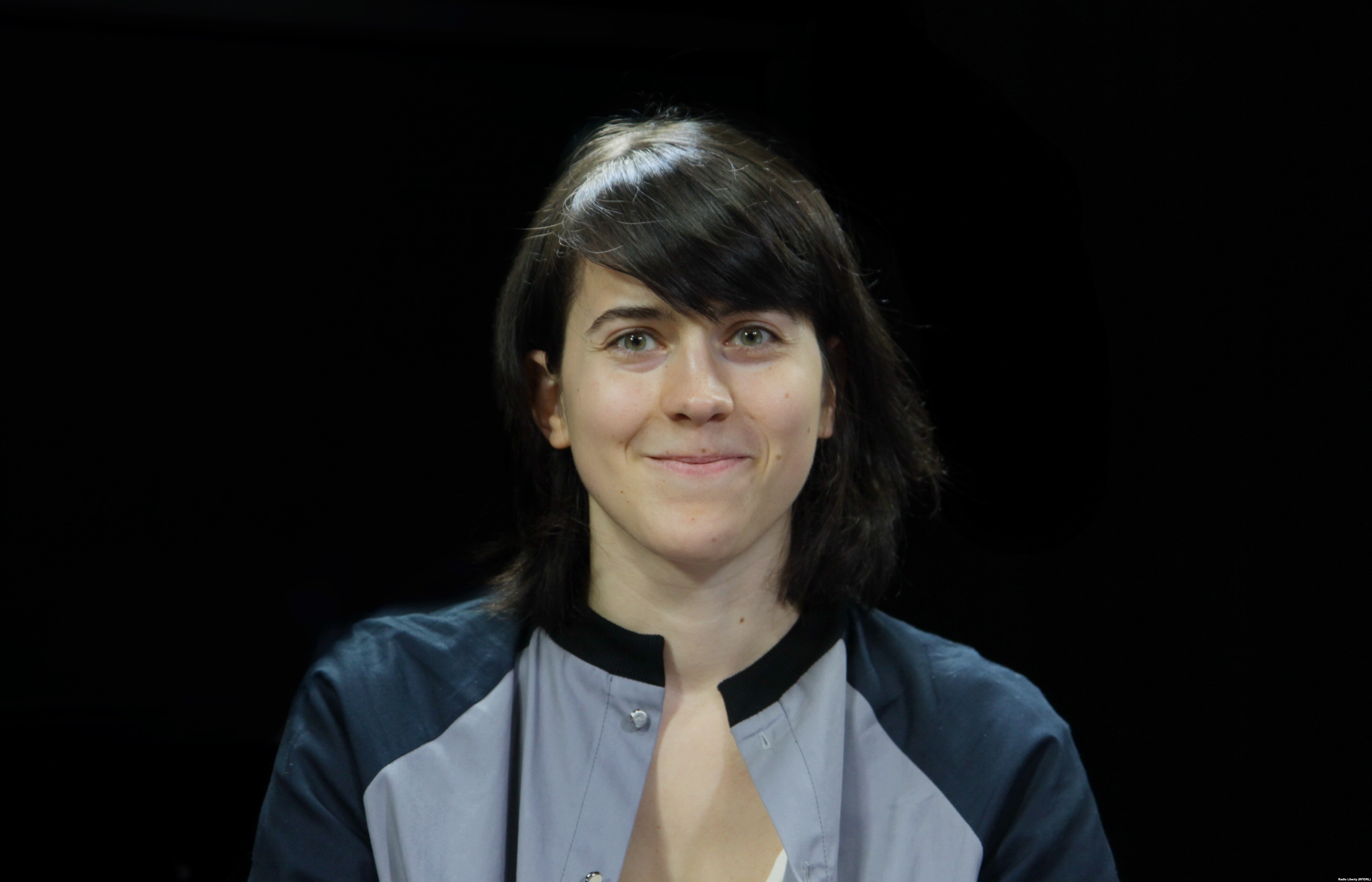
- I would pay attention to three large trends that are now actively developing in the world. If we talk about the United States as one of the most technologically highly developed countries, then this is a model of "mixed education", which means the use of computers and teacher work equally. This model is on three whales. The first is that the student has something like a remote control of his training, a class and lesson system completely breaks down, the student with the help of specially selected programs goes at his own individual pace, at his program. The second - the student receives instant feedback. If earlier the child did the task and, if he poorly understood it, performed it on the three, and after that came to the next lesson, then the new system stands on the fact that until the child masters the topic perfectly, he does not move on. In order for the child to move to the next stage, a teacher connects to him and provides individual assistance. At the same time, gifted children can move on, they do not get stuck and do not wait for everyone else.
It is important that about 200 schools transferred to this model last year, and these were one of the poorest schools, about 70 percent of migrants, for whom the English language is not native, studied - and many of them went to first places in their states, and some reached the first places in the United States. This model, however, is experimental, but it is already clear that it gives good results.
On the other hand, there is a global trend of working with big data, and in education it is quite seriously changing the picture. Take today's situation: a person is studying for eleven years, then passes the exam, and suddenly
The new system stands on the fact that until the child masters the topic “excellent”, he does not move on
The state learns that he studied poorly all this time. In the new model, we see when this begins to happen, and these data allow us to personalize training, due to which the child who needs help receives more attention from teachers. We recently conducted research together with the Diary.ru and the Institute of Psychology of the Russian Academy of Education, asked children and parents, teachers: would you want the curriculum to be personalized? Parents and children answered: yes, of course. Most teachers said: no, this is not necessary.
And the last thing is Pisa, international literacy studies and the ability to solve problems, the study of skills. In the future project, which is now being prepared by the Montreal Institute, among other things, is testing a joint solution of problems. It looks like this: two children sit behind different computers, in different places and solve one problem. Each has part of the conditions, and they must jointly solve this problem. The program records all their interactions (they can be corresponded in chat), the same program collects their entire conversation in the matrix, analyzes, and thus they understand who participated in solving the problem, how to evaluate it. This is to the question of where the assessment moves further, and what kind of exams can arise.
It should be noted here that the Russian trend, unlike the listed by Natalia Chebotar, is not aimed at the technologically equipped future, but in an ideologically outdated past - for example, returning to the form of oral exams in humanitarian subjects, the complete exclusion of test tasks.
Whether these measures will improve the level of training of future students, I asked to suggest VSHE vice -rector Grigory Kantorovich :
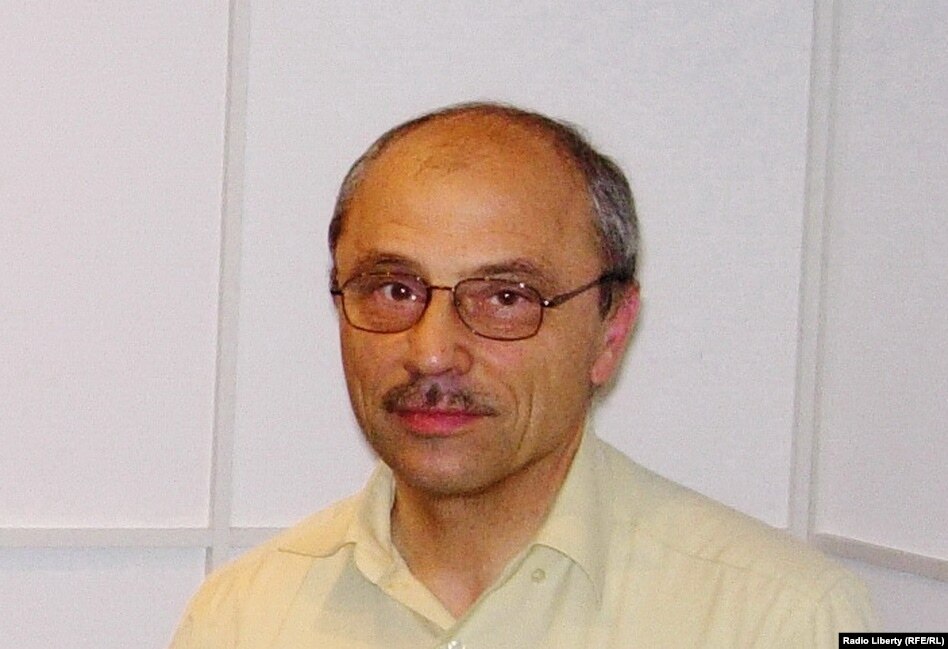
- From my point of view, the presence of a test part is not a criterion. There is, for example, the famous American APT, when, due to a large number of test issues with a very high density, it is possible to check the entire program.
As for the exam in humanitarian disciplines, there are simply no such exams around the world. And I understand the difficulties with creating a good written exam in humanitarian subjects, but a return to the oral ... How can you unify the requirements here? To build an examiner training system? It is clear that in humanitarian subjects the volume is much smaller than in mathematics, Russian or social studies, although social studies choose the maximum number of applicants, about 400 thousand, it is very popular. And to ensure a uniform technique of an oral exam in 400 thousand people, and even according to such an ideologized subject, I can’t imagine how this can be done. And then the next step is quite obvious: we will not have the USE, but again there will be entrance exams, each university has its own. With all the costs of the exam, he still solved the problem of unification.