
Translated material
It is necessary to share
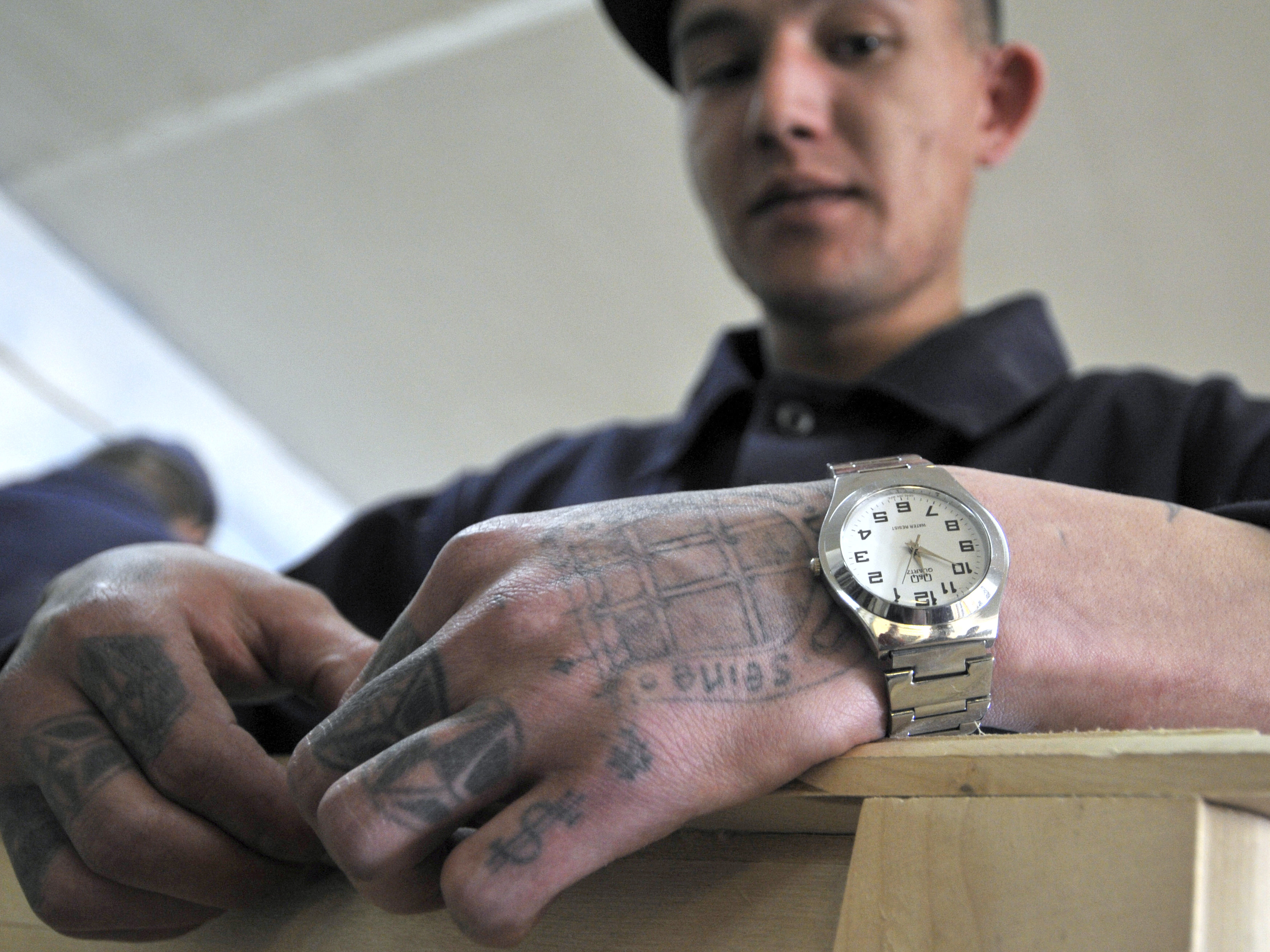
The St. Petersburg Commission for Clogue adopted an appeal to the President of Russia, in which she asks him to shift the authority to decide the fate of convicts for a short time on the shoulders of the governors.
Until 2001, a special commission under the President of Russia was pardoned. Then the then headed the state Vladimir Putin abolished it, creating 89 similar commissions of the regional level. In St. Petersburg, such an organ appeared in 2002.Now in St. Petersburg it is noted that the institution of pardon is extremely ineffective. If in 2000 the cases of 12.5 thousand who were treated with a petition for the pardon of prisoners were positively resolved, then in 2008 there were no pardon at all. “As soon as regional commissions were organized, a sharp decline was going on, which is still ongoing,” says Alexei Kozyrev, head of the St. Petersburg commission.
According to the Constitution, the final decision on pardon remains with the president. Yes, and the bureaucratic procedure itself is extremely bulky, adds Alexei Kozyrev: “Here the person has received three years. He knows that he writes while he comes to us, he will reach the governor, the governor will send the president (and there all this fails for many months) - more than a year will pass.” That is why only convicts for a long time now contact the commission for pardon.
Alexei Kozyrev is convinced that the Russian penitentiary system is excessively tough, and the pardon procedure must be simplified: "Young people cannot be kept in prison for a long time - they will be molested by real recidivists, who will be turned into their" faith ". But, unfortunately, such do not write to us."