
Translated material
Arab night. Marina
Marina met her future husband - a Syrian - in China. Both studied there in the magistracy. In 2012, after graduation, they moved to Latakia. Marina’s husband was called up to the government army.
This text is part of the joint project of Radio Liberty and the present time " Arab night. The history of Russians in Syria ."
The Syrians met me very warmly. But on the New Year, my first holiday is here, I sobbed. It was such a hot sunny day! There was a palm tree outside the window, I looked at this palm tree and sobbed.
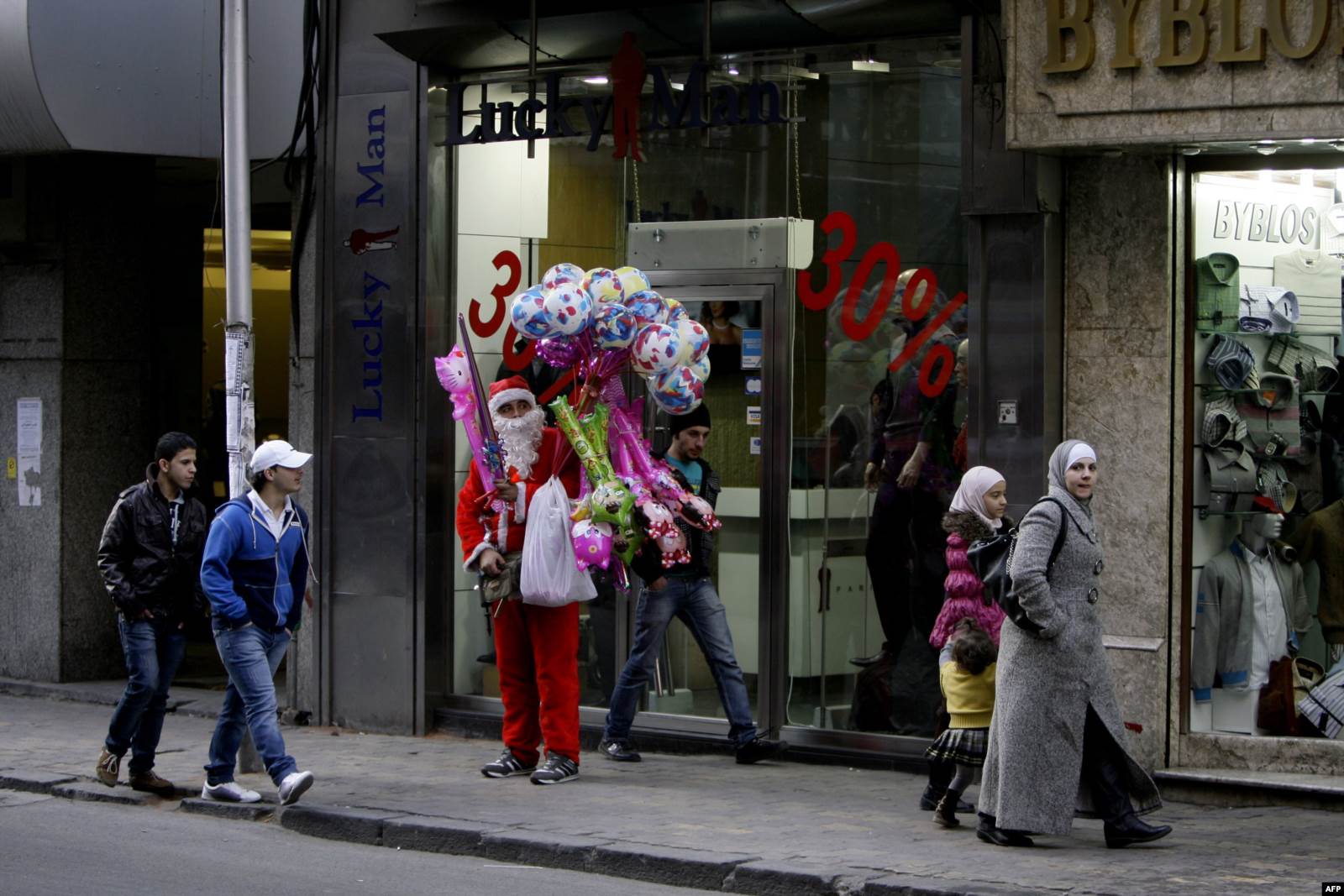
No atmosphere of the New Year was felt. In Syria, it is customary to fry barbecue on this day, and at midnight to launch fireworks. But they do not open any champagne under the battle, they do not give any gifts to each other.
There are a lot of cultural differences in general. This is due to the fact that Syria is very hot, especially in the summer. For example, for shopping everyone goes only in the evening, when the sun is already sitting. Therefore, all markets work almost up to twelve in the morning. On Fridays, almost everything is closed: on this day it is customary to sit at home and pray. If you go out into the street, it seems that the city has extinct.
I lived among the Arabs, I did not know any of the Russians for a long time. This helped me learn the language faster. After seven to eight months, I began to talk a little. And when her husband was taken to the army, she got a job as a Russian language teacher at the Institute of Foreign Languages at the University in Latakia.
"It seemed to me that my life would end now"
When I went to Syria, I expected that everything would be destroyed, as they showed on TV on TV, but there was nothing like this in Latakia. I did not find demonstrations. They say that in early 2011 people went out into the streets, smashed shops, burned tires. But in 2012, everything was already fine. Everything worked, students and schoolchildren went to classes. There were many visitors. Then there was a feeling that all this would end soon.
Later, hostilities began in the suburbs. Both day and night, explosions were heard in Latakia. The windows in the house were constantly trembling. There were moments when I was afraid to sleep at night. But I could not leave, because then I would have lost my connection with my husband. Once in the army, he often was in places where he does not catch in touch. We could not call for weeks. In Russia, I would generally stop receiving news from it.
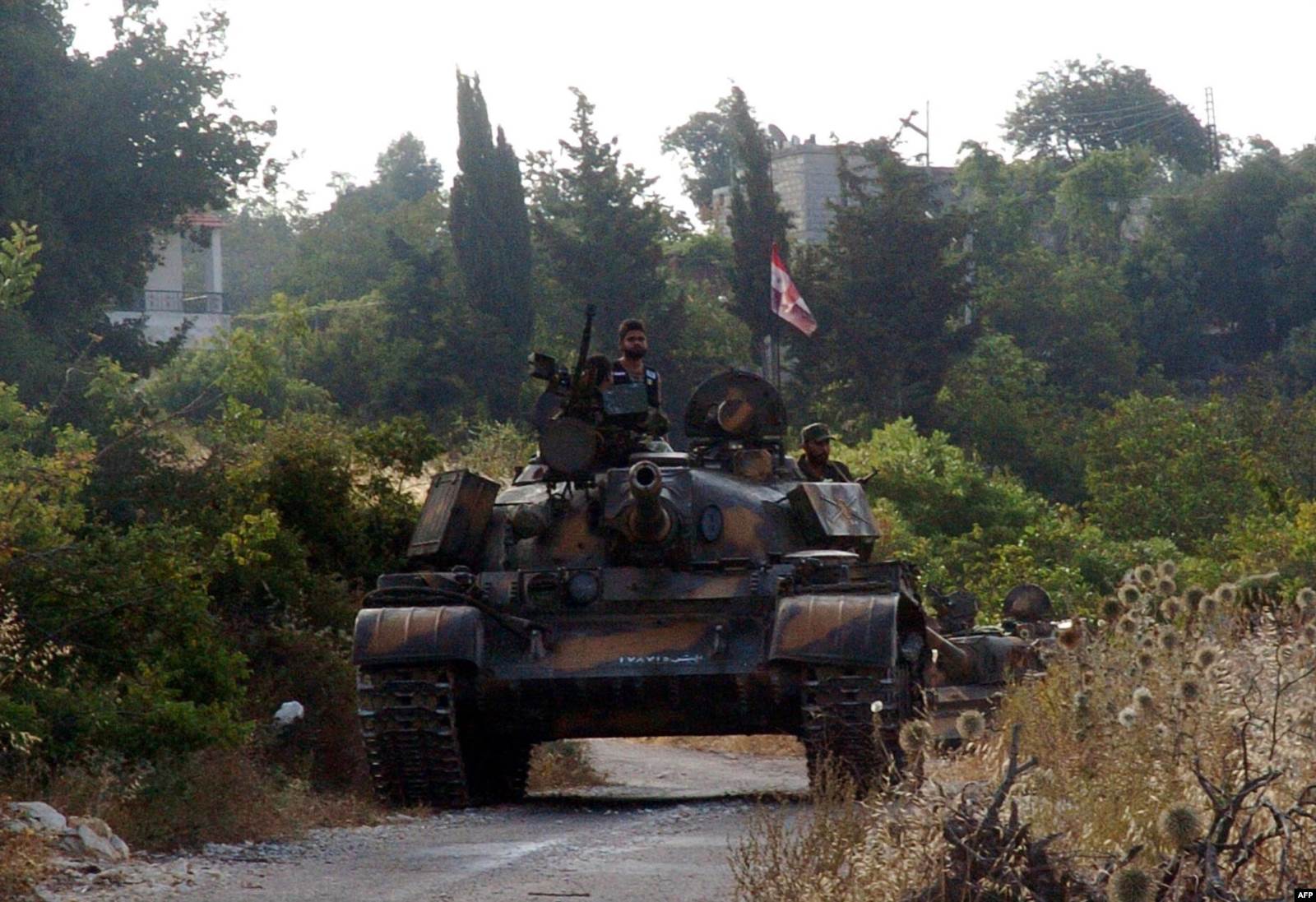
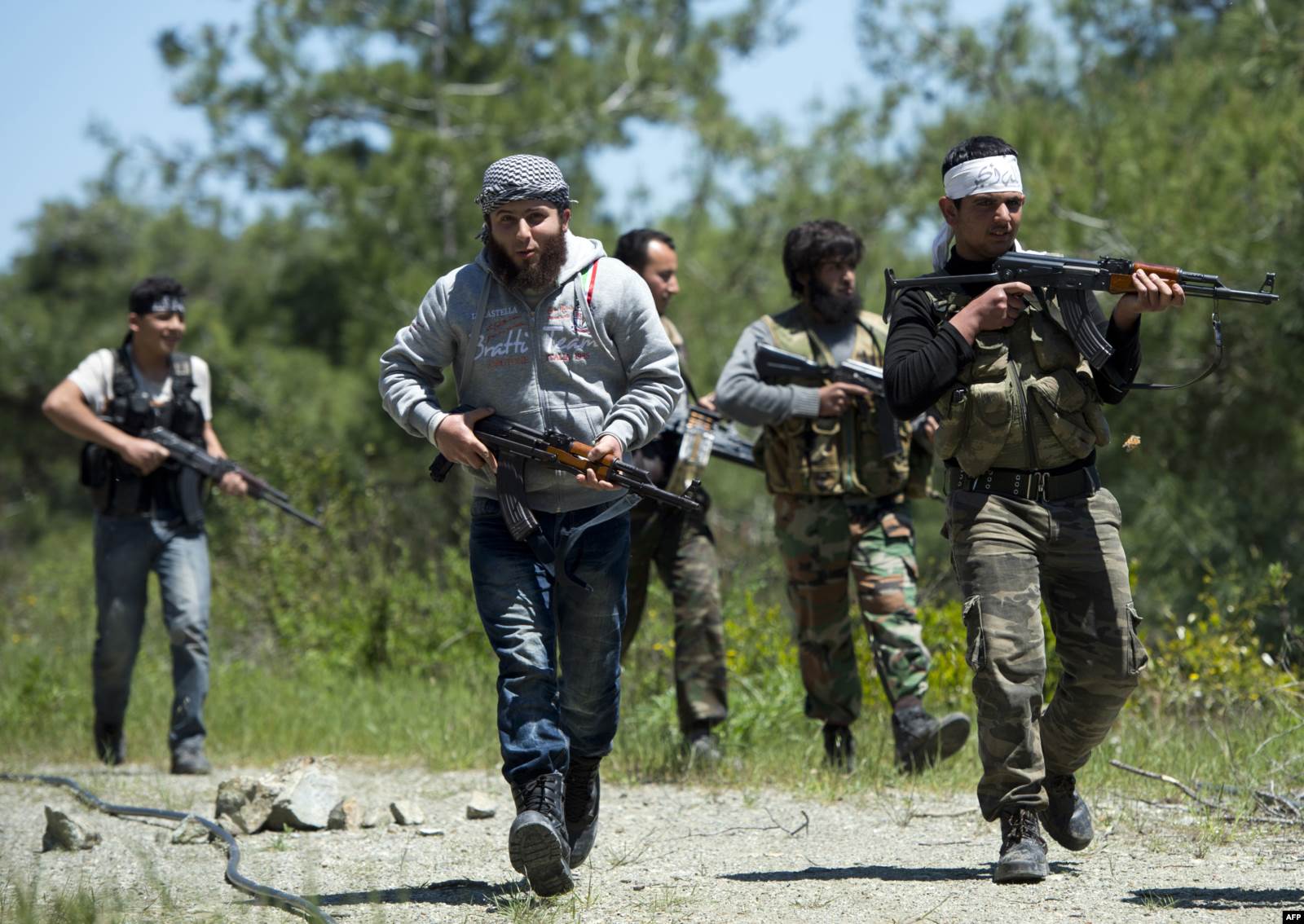
My husband did not participate in hostilities, but at the end of 2012, their military unit was attacked by the Jebhat al-Nusra group. On TV, a report was shown how terrorists enter this part, take the military captive, beat someone. His parents and I watched these reports all day and cried. I practically buried my wife.
After a day - a bell. The husband and some of his colleagues were able to escape. And there were several such moments: they were attacked, but they managed to fight back.
It was still scary in the fall of 2018, when Israel fired at Latakia ( on September 17, 2018, Israeli fighters attacked military facilities, including fighting warehouses, in Latakia. According to Israeli leadership, they constituted a threat to the country's security ). Shells fell near my house. The whole building was shaking, it seemed that bombs were torn right under the windows. And so for about 20 minutes they fell, fell, fell. It seemed to me that my life would end now. But, thank God, shells reached the olive fields only.
"I really want to leave here - there would be where"
Living here is still very difficult. Constantly turn off the light, especially in winter. There are no central heating in apartments, people use either electric heaters or gas. No electricity or gas - no heat. The winter of 2019 was so cold! You fall asleep and wake up trembling. Constant interruptions in water.
When I went to Russia, it seemed that I was in paradise! I never thought that I would so much appreciate the fact that hot water flows from the tap, and there is constantly light and warmth at home.
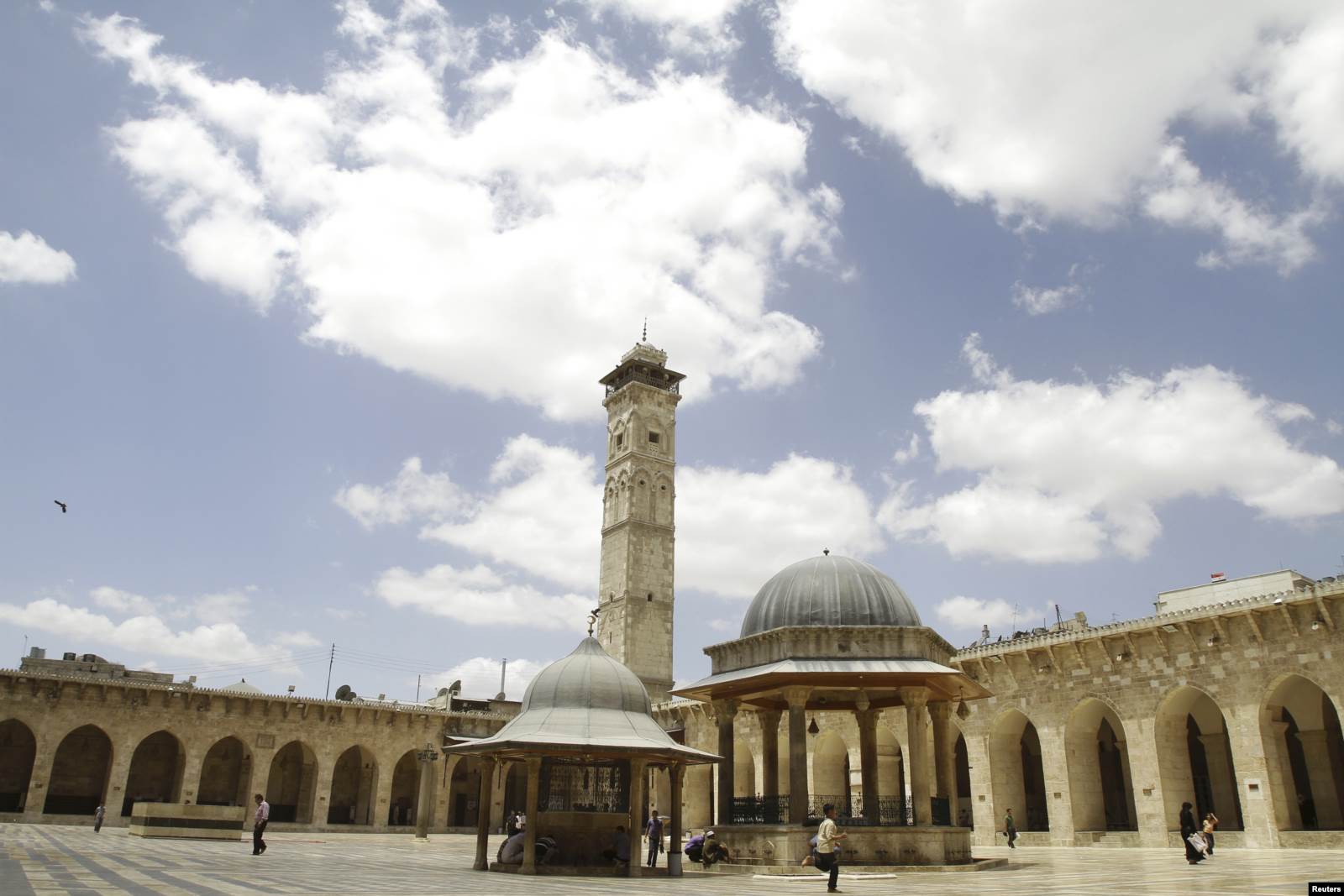
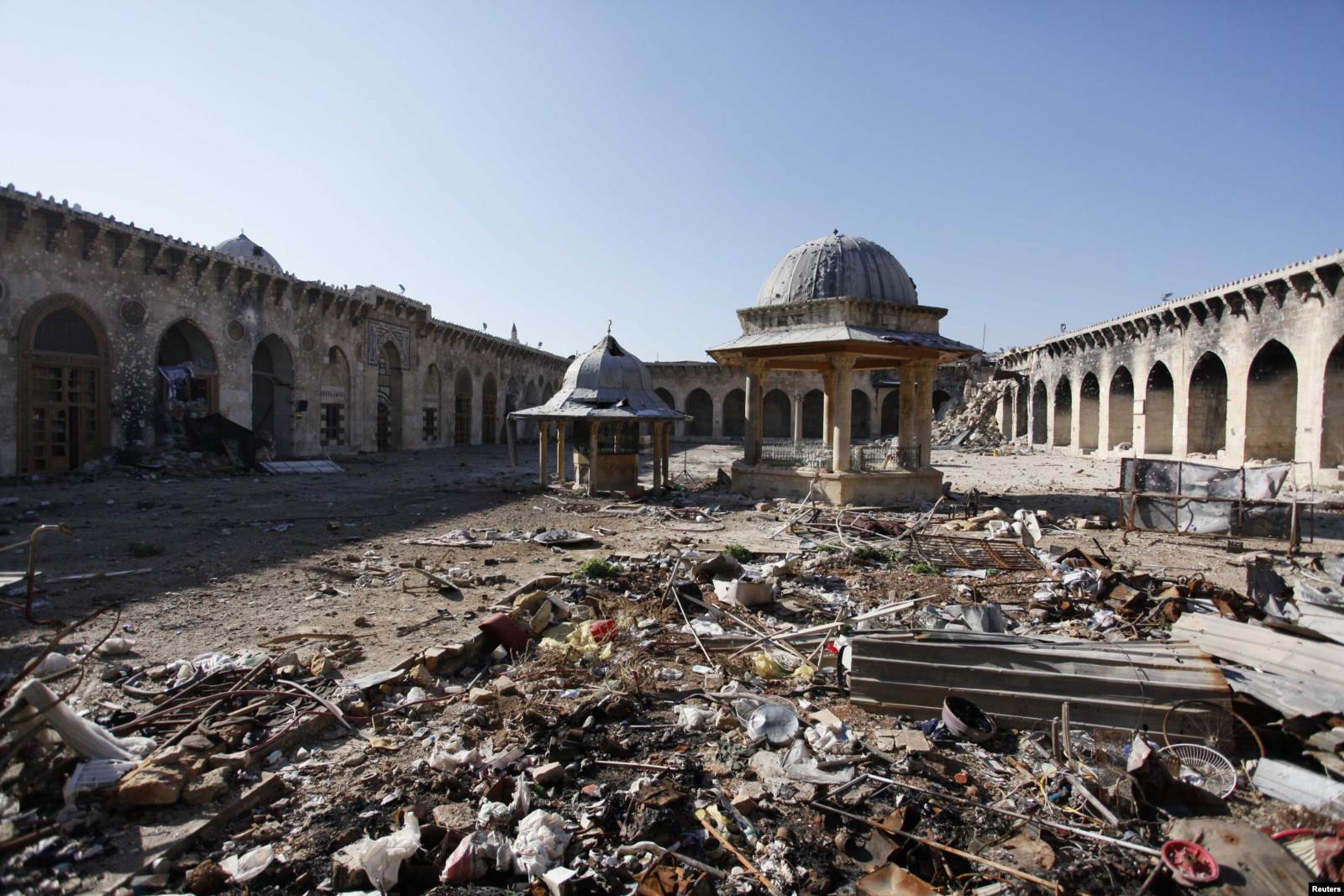
There is almost no destruction in Latakia. Transport works fine, buses go. But recently we went to Damascus, and on the way we saw a destroyed suburb. It frightened. And in Homs still there are absolutely destroyed areas, as in an extinct city. And they alternate with normal streets where beautiful shops are open, people walk.