
Translated material
Vanguard in a crooked mirror
The BBC television channel 4 released the film The Zaks Affair: Anatomy of a Fake Collection ("Case of Zaksa: Anatomy of the Fake Collection"). This is a documentary investigation of a loud scandal associated with the sale of fakes, fake works of painting of the twentieth century

How to get around the lock?
Read>Ivan Tolstoy: In recent years, many stories have appeared, where Russian, Ukrainian, Belarusian, Jewish avant -garde sold at auctions and in private transactions was not genuine. The paintings were either today's copies or some options on the topic of the real ones.

The BBC television channel 4 released the film The Zaks Affair: Anatomy of a Fake Collection ("Case of Zaksa: Anatomy of the Fake Collection"). This is a documentary investigation of a loud scandal associated with the sale of fakes, fake works of painting of the twentieth century
The film, shot by the Russian BBC service and available on the YouTube channel, talks about one of these stories-about the collection of Leonid Zaks, who sold avant-garde work through the Swiss Gallery "Orlando" in Zurich. How many work was sold, it is difficult to establish who they got - too, but one story was taken by the creators of the film as the basis of the investigation.
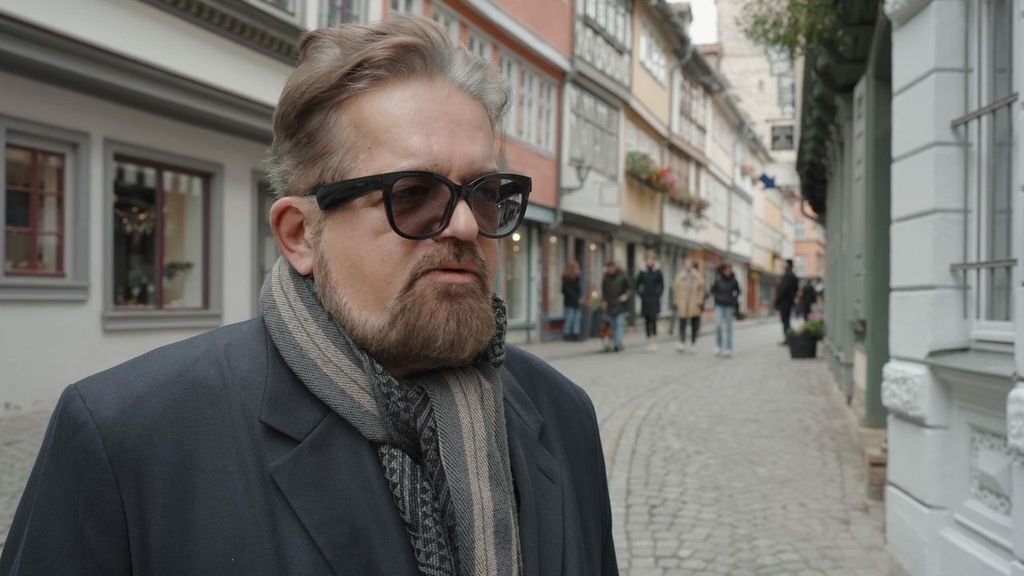
Experts invited to the conversation speak in Russian. These are art critic Konstantin Akinsha, collector and essayist Andrei Vasiliev and London galleryist James Batterwick.
The author-investigator "Zaksa affairs" is a BBC correspondent Grigor Atanesyan. Perhaps one of our listeners saw a recent film-Traumazone Russia-where Grigor performed a producer. This film received the BAFTA British Academy.
Today, Grigor Atanesyan is our interlocutor.
Grigor, the world of fakes of painting is extensive and has a long history, was faked in all centuries. What task was you set by your film?
Grigor Atanesyan: It is true that art has always been faked. We wanted to look at the particularly deplorable situation that was formed that it was used to be called just a Russian avant -garde, now we call Russian, Ukrainian, Belarusian, Jewish avant -garde, the “Soviet avant -garde” the term is also used. Because, apparently, from what we saw and were able to show in the film on the example of one collection, in this area the matter is especially bad.
It seems to me that here the primitive Marxist approach works: fakes appear especially often and a lot where there is market demand, where they are ready to pay a lot of money for a work of art. The Russian avant-garde is a very fashionable current, in general, in fact, probably, the most famous and original direction in Russian art, which is most interesting to the West in the first place, therefore they were ready to pay a lot for it, especially in the 2000s.
Whole separate auction houses were created, which sold only Russian art
Moreover, in the 2000s, not only Western collectors and businessmen were ready to pay for him, but also Russian, when Russian capital, the so-called oligarchs fell into London and New York auctions. Entire separate auction houses were created that sold only Russian art. And when the paintings of Malevich, Lisitsky and other masters of this era began to beat market records, a wave after a wave of fake went. And now, as experts say, there are already more fakes in the market than genuine works of the Russian, Ukrainian and Jewish avant -garde. We wanted to show this strange, paradoxical situation.
Ivan Tolstoy: Since when did the Russian avant -garde become fashionable? One of the heroes of your film, one of the experts calls the mid-50s when the Soviet Union began to open. But if the Soviet Union began to open, if these paintings began to appear on the Black Market (in stores all this could not be seen in museums), then in the West, why did the interest of Russian art arose in those years?
Grigor Athanesyan: The experts with whom we talked for this film say that in the 50s the West began to really learn about the Suprematism, constructivism and other currents, because they were part at the very beginning of the pan-European cultural experiment, which was one from France to Russia. Then, after the revolution and especially the coming to the power of Stalin, this cultural exchange was closed. Then in Germany there was generally the fight against degenerative art, with any modernism.
In the postwar years, a new interest in experimental Russian art arose
And after the war, in the post -war years, a new interest in experimental Russian art arose. The first wave was in the 50s, the second very large wave occurred during perestroika, and then work from Russia, including Malevich, Lisitsky, and so on, began to come already. Just shortly after a series of blockbusters-exhibitions, the Russian market began to open in the West. And in Russia, for the first time, the art market became legal, it began to emerge from the black zone into the gray one, because he was still not a truly transparent market. And this time gave the first truly massive large wave of fakes.
Ivan Tolstoy: You have chosen one line - the line of Leonid Zaks, assigning it, if not responsible, then a suspect of a forgery, that is, a crime. Your film is called "masterpieces that there were no. Collection of Zachs." And in the English original it is called The Zaks Affair, that is, the "Zaksa case". It sounds a little stronger, as if more accusatory.
I carefully watched the film, and I lack a number of logical links, causal chains in it. But I understand that everything cannot be placed in one journalistic film. Let me ask you in connection with these gaps. The very first question is this: who is Leonid ZAS? Where is he, this undeveloped gentleman? How do you know that he is at least guilty of something? Maybe this is a sneak of him, and he did not make any fakes?
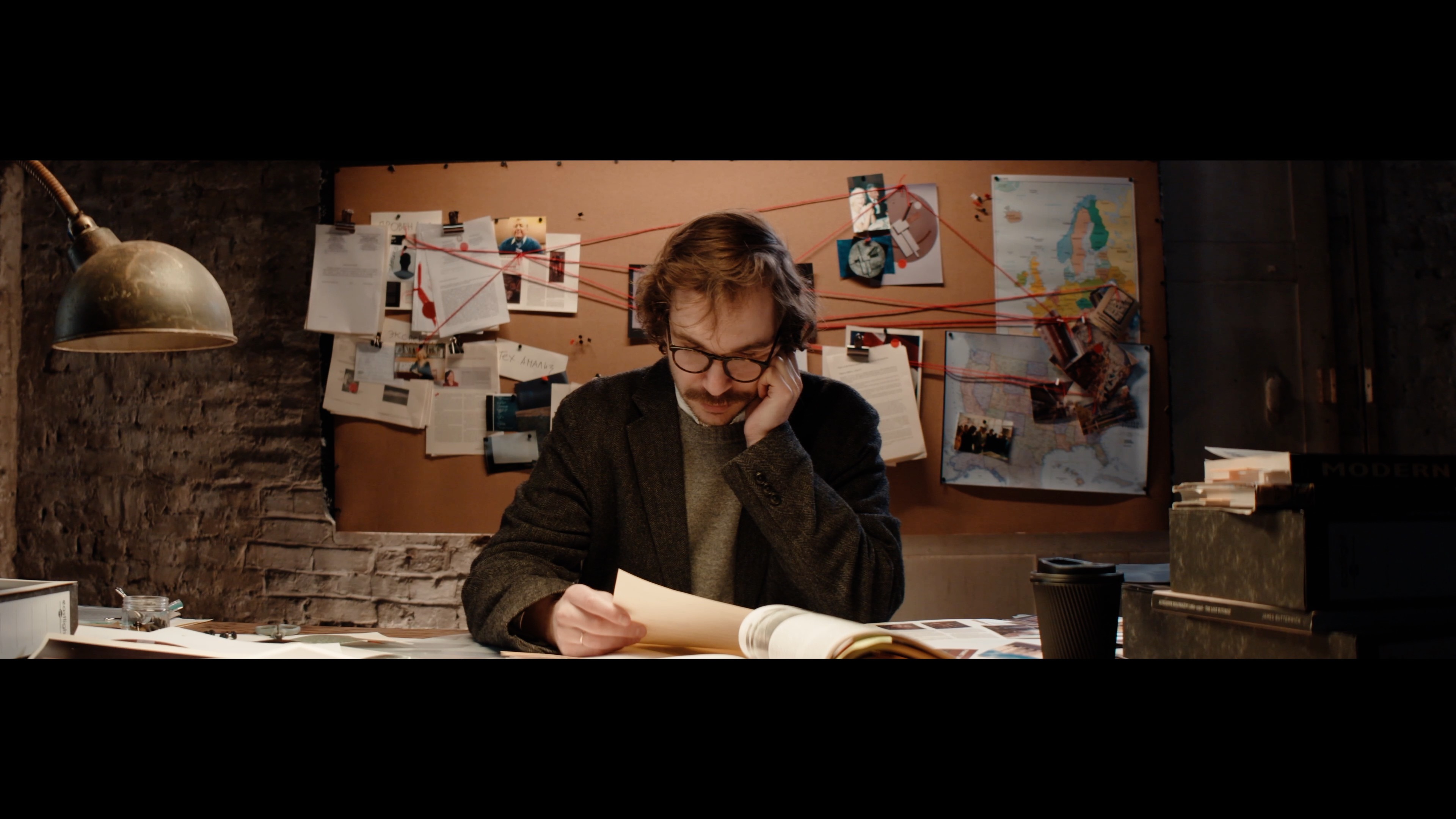
Grigor Atanesyan: I completely agree with your remark that there are some gaps in logical chains. They are connected with the fact that this story was completely consciously kept as non -public as possible. Leonid ZakS is the minimum, simple language, speaking, glowed, and this is his difference from all other such stories.
Our film is called in English "Anatomy of a fake collection", because we take one collection, fake, Russian, Ukrainian, Jewish avant -garde and, by its example, show how all these collections are arranged, because the scheme is the same. But this collection and Leonid ZAS are the most successful compared to all their brothers in this case. Because they managed to avoid the attention of the press, the attention of truly large art historians and the attention of the police and other law enforcement agencies-this is the main difference.
Everything was done modest enough, at a modest level
They managed to avoid this due to the fact that everything was done quite modestly, at a modest level relatively, although millions of dollars, pounds, Swiss francs in any case were paid for these works, they did not claim to win, as they say in English, the “hearts and minds of all people”. The task was, as I understand it, to sell.
In a conversation with me, Zaks said that he regrets that he did not sell the entire collection at once when he received it. When he received it, from whom, we do not know, we can only believe in his words.
And here the question is further: why do we know that Leonid Zaks did this? He distributed a number of interviews when he was just starting. He appeared in general in Belarus in the early 2000s and said that he was such a collector-method, he wants to show this sacred Grail of the Russian avant-garde in Belarus, to want people to see him.
We must speak - in the collection, according to him, more than 200 oil paintings of avant -garde players, including a very serious collection of "rags" Lisitsky. The “Roons of Lisitsky” are very valuable things that are very few, because most of them were destroyed, there are several dozen of them around the world, in Russia there are not a single oil “random” of Lisitsky in all state meetings, only schedules, and Zaks had several, and at least 200 paintings.
This caused enthusiasm among Belarusian bureaucrats from culture, they began to hold exhibitions. But, however, they bypassed the National Art Museum of Belarus. That is, these were some libraries, non-core museums, historical museums and so on. But to where there are still forefront specialists, Zachs did not go.
Then the historian Alexander Lisov in Vitebsk gave an interview in which he said that this story is completely fantastic, it can only be designed for people who are completely not familiar with the realities of Belarus and Belarusian history.
The role of art historians who wrote articles signed certificates is also important
In the Sachs collection and in the anatomy of any fake collection, how important the part of the creator and owner of the collection is, the role of art historians who wrote articles, signed certificates and in every possible way helped market promotion and selling this collection. Often these are art historians with well -known names, serious positions in Russian museums and not only.
Ivan Tolstoy: And art historians themselves are often mistaken in a blue eye, conscientiously, as they say, are mistaken? Maybe these things were made so skillfully that it was possible to spend specialists?
Grigor Atanesyan: Of course, art historians are also mistaken, there is a presumption of innocence. But in the case of Zachs, everything is much funnier and easier. In the framework of this investigation, we began to contact them, I spoke with art historians who wrote very laudatory articles about the Zaks collection, including Anton Uspensky, the leading employee of the Russian Museum, Tatyana Kotovich, the Belarusian art, they both wrote in several articles in which they retelling this absolutely wonderful story about aunt at the very end of the Second World War.
Peasants from the Belarusian forests brought her paintings by Lisitsky, a cup, a vone
The peasants from the Belarusian forests brought her paintings by Lisitsky, a chashnik, Suetin, carried pictures of even those artists who did not work in Vitebsk, but simply paintings, for example, carried. And these art historians who repeated these very funny things when I began to contact them and ask: "How do you know this? How did you check it?" They told me that we did not check, we wrote it from the words of Zaks. He brought us some documents, something was written there, a story seemed interesting to us, we began to write.
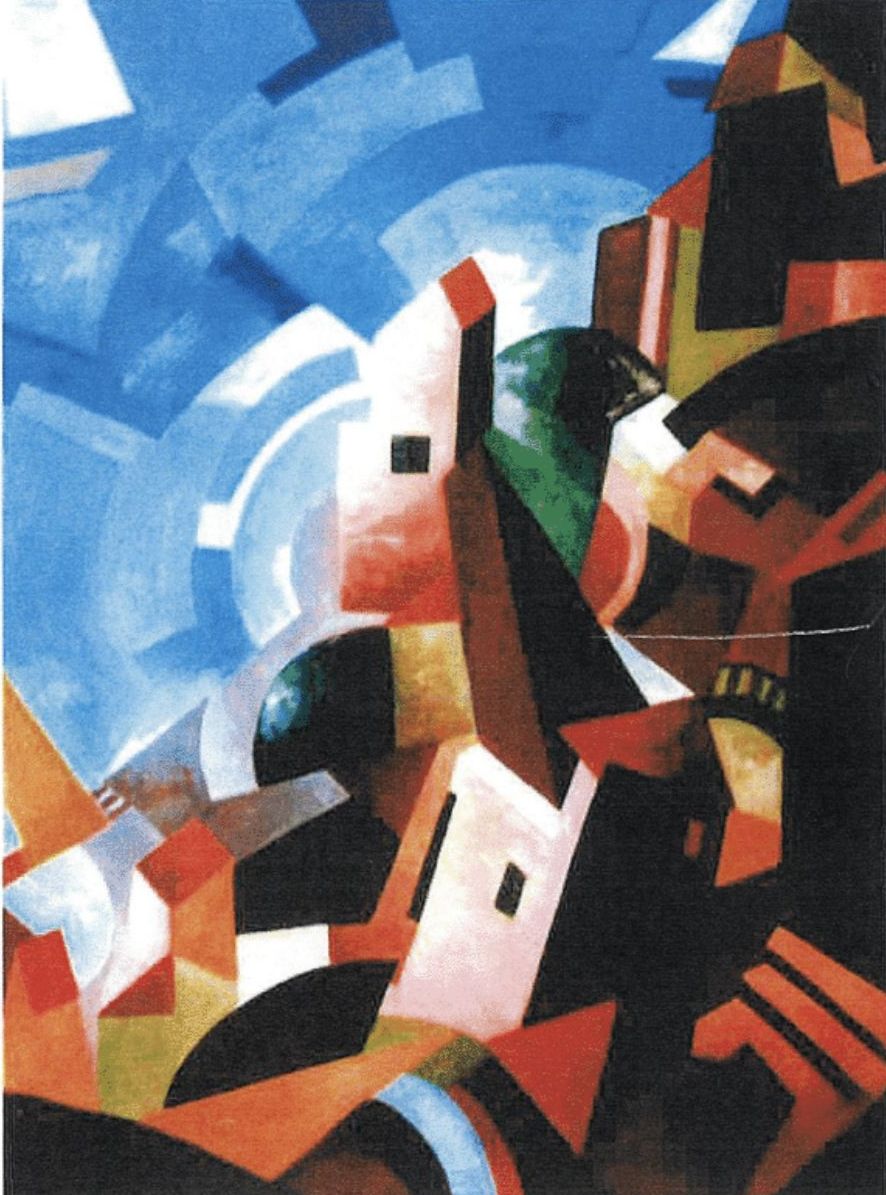
But what is interesting in these articles of art historians - Uspensky, and Kotovich, and others - there are many illustrations, these are illustrations of paintings from the Zachs collection, and these paintings are signed as the genuine work of Lisitsky, exterior, Popova, and so on, are simply signed by their names without a sign of the issue, without any disclaimers.
And when I asked them: "You still confirmed that these are genuine things?" - They denied: "In no case, we did not confirm anything, we simply talked about an interesting family story."
I don’t know what their intent was and what they had in mind, Zaks understood this differently, used it differently.
We stopped with you at his stories that Belarus closed for him after Lisov’s interview, an article about the collection on Wikipedia was deleted. He went west - to Switzerland, where he came with these articles by art historians Kotovich, Uspensky and others, who repeated this whole story. The Zachs collection began to be sold through the avant -garde gallery in Zurich. Buyers on sale were given these very art historians as confirmation of Provenance.
Ivan Tolstoy: Yes, this is an interesting moment. This is not a direct proof, but the rapprochement of the story, surname, the reproduced picture, legends and the name of the respected expert, of course, creates this aura in which the buyer begins to believe. This is the amount of suspicions in the legal language, the sum of suspicions of authenticity.
"It is not a picture, paradoxically, but there is a story that accompanies it"
The details of the origin of the paintings are not at all interesting to themselves, in isolation from art. The film shown on the BBC 4 channel 4 sounded a memorable thought that "there is not a picture, paradoxically, but there is a story that accompanies it." That is, the canvas is sold together with the myth of himself, by the arm with the fate of the artist, and the more interesting, the fate of the author is more interesting, dramatic, the more interest his work is.
The role of this very Zurich Gallery "Orlando" remained unclear to me as the viewer. The question arises: maybe the fakes were made by this same gallery, and the noble name of Leonid Zaks is not tarnished? After all, he himself says in your film, if I remember correctly what he gave to the gallery masterpieces, originals, and then what happened to them, he does not know.
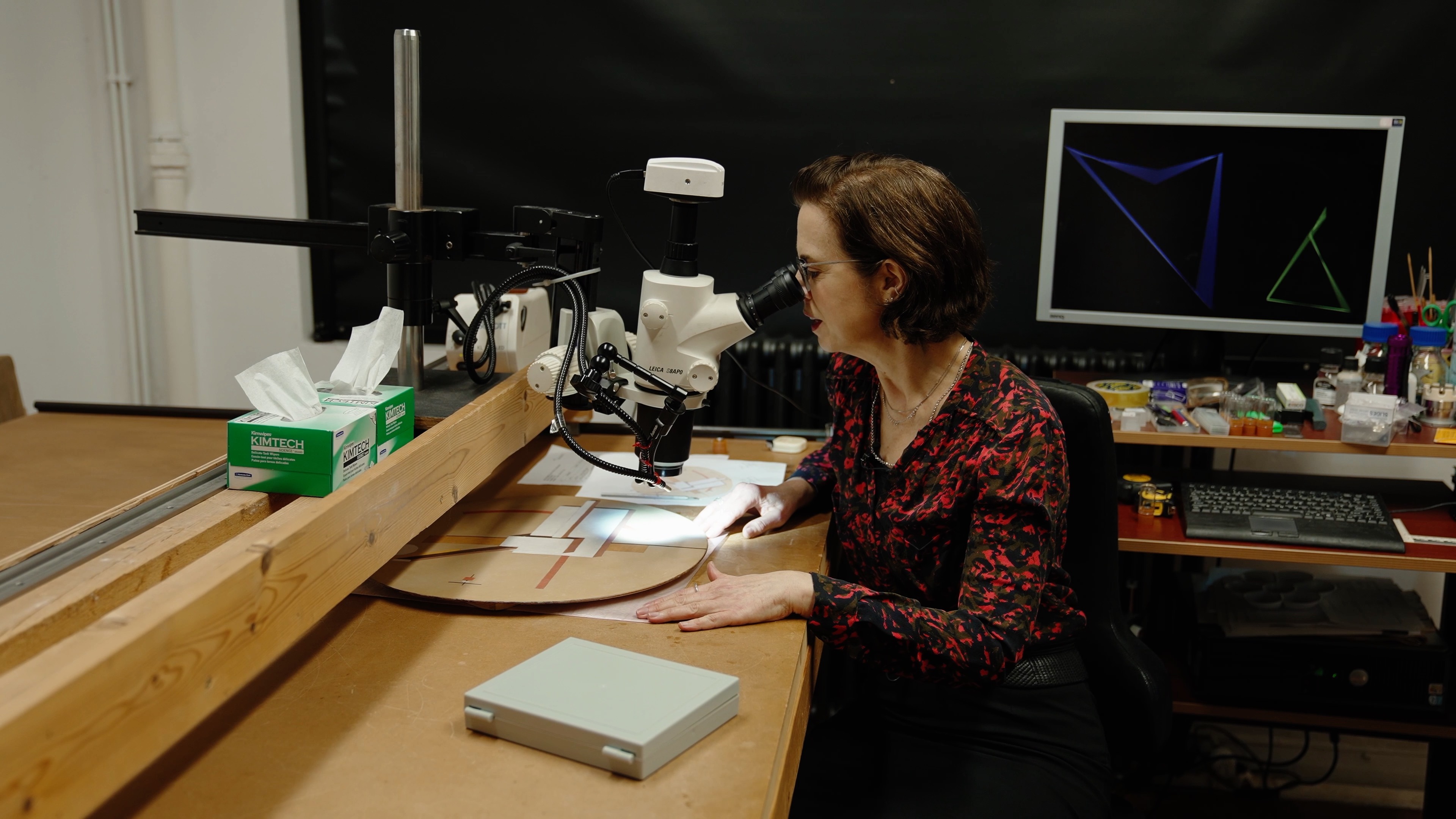
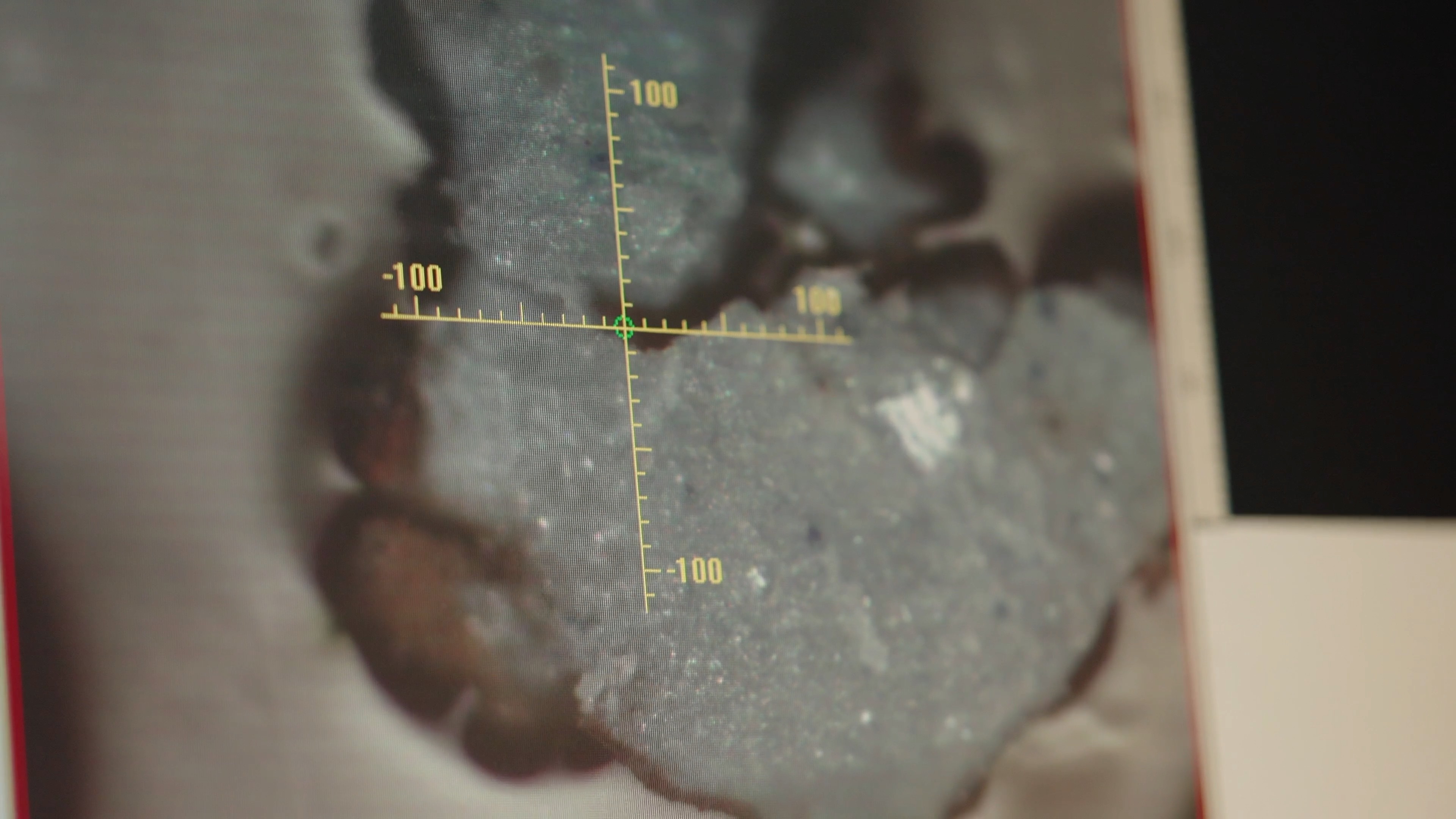
Grigor Athanesyan: Yes, this is a very interesting line of protection chosen by Leonid Isaakovich Zaks. Because we tested two paintings from his collection, which we were able to get from the unfortunate deceived buyers in Switzerland, both turned out to be one hundred percent fakes - as scientific examination read in one of the most prestigious laboratories in London, which checked a lot of Russian avant -garde, has a database for Popov and other masters.
To which he said to me: “Listen, of course, not my paintings. Everything that I handed over to the Orlando Gallery was perfect and what happened to them next ..." That is, in fact, he means that the Gallery "Orlando" wrote copies from these paintings and sold them - sounds completely madly.
But the funny thing is that the paintings were sold not only through this gallery - the paintings were sold through another Swiss gallery, through other sources. The provenance of these all the paintings is one completely non -existent. This is the opinion of Leonid Isaakovich, probably, if he is sure that his paintings are genuine, then he has the right to this opinion. But he gave very interesting arguments.
"Who should I believe me-my own mother or some strangers?"
I told him that the studies of experts in Provenansa completely smashed to the fluff of everything that he spoke about the history of the collection, which he ended in rational arguments, he said: “Listen, before my death, my dear mother, an honest person, wrote it all on paper. Who should I believe me-my own mother or some strangers?” With experts.
Ivan Tolstoy: Yes, you won’t object emotionally, of course, mom needs to believe. Well, is there an understanding of how the international fake industry works? They catch people with a crawled brush in their hands from time to time. What do they talk about the cuisine of this activity? Or Lei in their throat boiling resin, they will not disrupt a word?
Grigor Atanesyan: No, there are actually books of even successful fakes who were caught, who were served. In England there was a story: a person wrote a book, there are films in which they tell, documentary.
Here, it seems to me that in the case of the avant -garde a very interesting story, because it is unique. The works of avant -garde players are most often faked in copies format, in the format of pastes. Because contrary to the philistine representation: what to draw a “black square”, my child can do this - in fact, it is extremely difficult to create a masterpiece of cubophuturism, foivism, rays, zonism, and Suprematism. Subcishers create that the art critic, consultant of our film, the hero of our film Konstantin Akinsha calls "terrible twins."
At least three fake "picturesque architectonics" go around the world
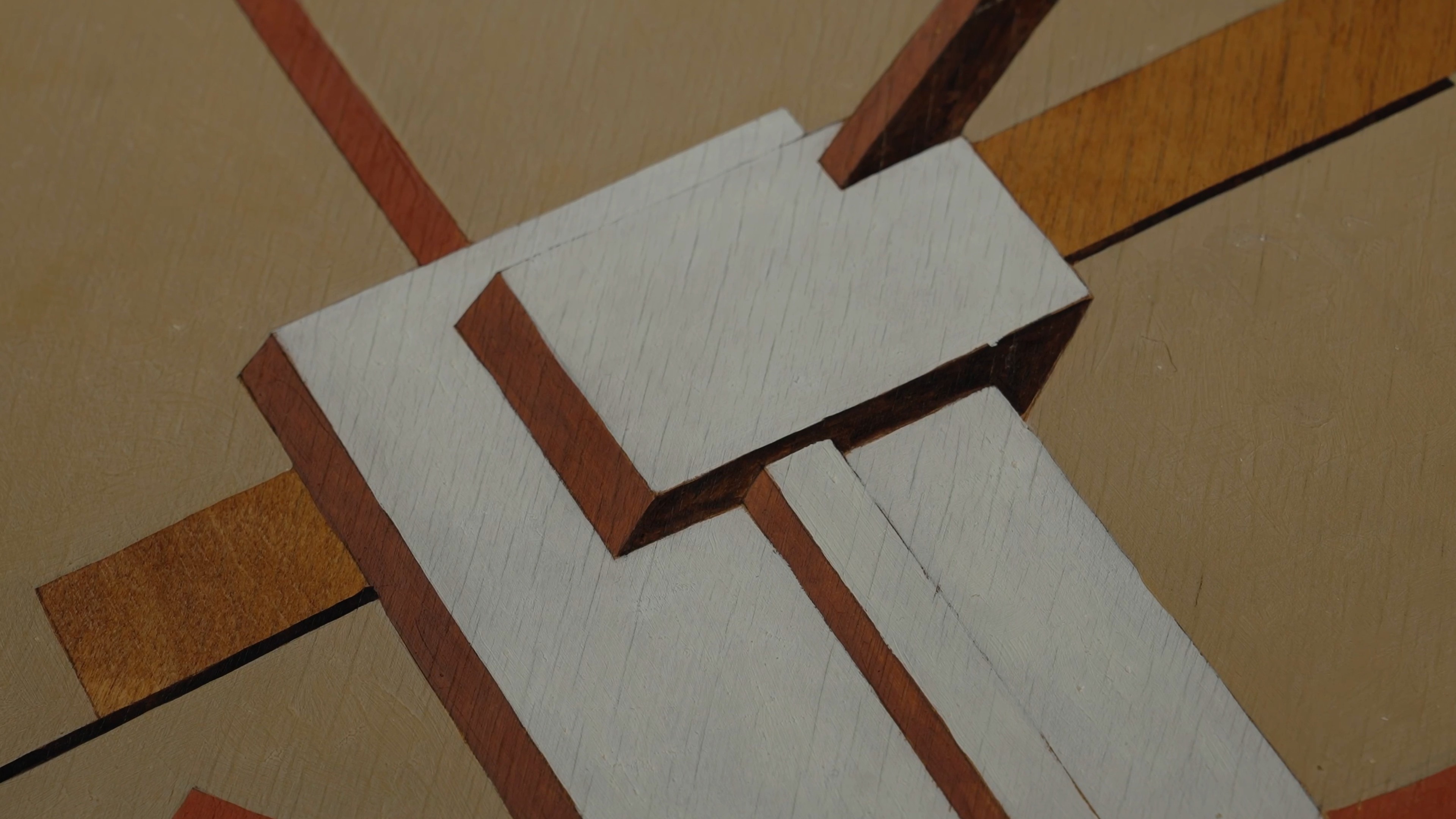
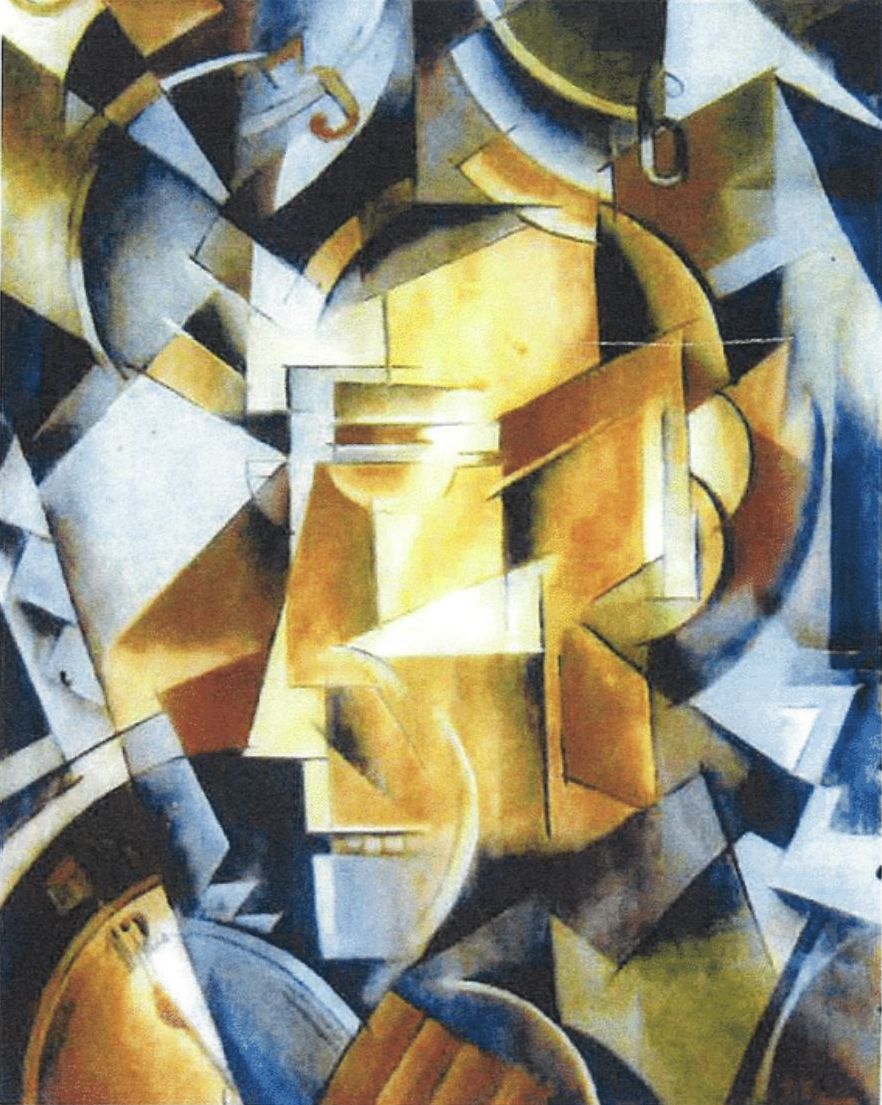
That is, for example, we checked one of the paintings of the Zachs collection, which is called the "picturesque architectonics" and is attributed to Lyubov Popova. The genuine "picturesque architectonics" hangs in the Tretyakov Gallery, at least three go around the world, I know for sure, fake "picturesque architectonics." They are very similar, they are made very close to the original. All these copies, by the way, have signatures of art historians.
It seems to me that we understood and showed in this film that the fake industry works as a kind of real conspiracy theory, only here there is no conspiracy-this is a real conspiracy. There are people who come up with these collections somewhere, these ideas, this business, a startup Initiative, there are people who write these fakes, there are art historians who are ready to come up with projection, write about it in respected magazines.
By the way, articles about the Zaks collection were published in the journal of the St. Petersburg Academy of Arts, in the journal of the Moscow Museum of Modern Art and in other famous magazines. Then there are galleries and auction houses of the second grade, not the first grade. The fakes do not go to Sotbis and Christis, because Sotbis and Christis burned.
At Christis there was a scandal in the 90s, when they sold a large collection of fakes of the Russian avant-garde, they recognized their mistakes, since then they have become much more careful. The second grade auction houses in Germany and Switzerland, not in London, which do not attract so much attention. И все это работает благодаря некоему треугольнику между поддельщиками и владельцами, искусствоведами и теми, кто готов это продавать и снабжать покупателей бумагами этих искусствоведов.
Иван Толстой: Я вспоминаю известную старую шутку: в музеях по разным странам находятся шесть тысяч полотен Айвазовского из тех тысяч им созданных. Вы уже сказали, что по всему миру гуляет больше подделок, как считают эксперты, чем самих подлинников. И все-таки, как можно оценить это число? Это десятки работ, это сотни, это тысячи? Что говорят знающие люди?
Григор Атанесян: Мне кажется, по-настоящему масштаб подделок русского авангарда, давайте скажем, сомнительных картин русского авангарда показало так называемое "висбаденское дело", которое было очень громким, когда в 2013 году израильский арт-дилер Ицхак Заруг и его деловой партнер были обвинены в продаже огромного количества подделок авангарда через галерею, которая самому Ицхаку Заругу принадлежала, в Висбадене в Германии. Полиция арестовала около полутора тысяч картин. Было очень громкое судебное дело, которые закончилось более-менее ничем.
Там удалось доказать, что только три картины стопроцентные подделки. Заруг был осужден, все остальное как бы повисло в воздухе. Это дело на самом деле показало сложность решения проблемы подделок через суд, потому что судебная система во всем мире устроена совершенно на иных принципах, чем мир искусства.
То самое бремя доказывания и презумпция невиновности – оба этих принципа в случае с судами над владельцами сомнительных картин ложатся на экспертное сообщество. То есть любой из нас может купить на Арбате самую простую работу под Малевича, выставить ее за Малевича, сказать, что она передавалась в нашей семье поколениями, наши бабушки в Ленинграде получили лично от Казимира Севериновича эти работы. И дальше не мы должны доказывать в суде, что это подлинники, а искусствоведы должны доказывать, что это подделки.
Иван Толстой: Если столько людей любителей прекрасного попадаются на фальшаках, значит что-то в этих работах есть, не так ли? Значит, уровень их не ниже определенной черты? Суммы-то на этом рынке фигурируют астрономические. То есть, оставляя в стороне вопрос о подделке, это значит тоже искусство, причем первоклассное. Or not?
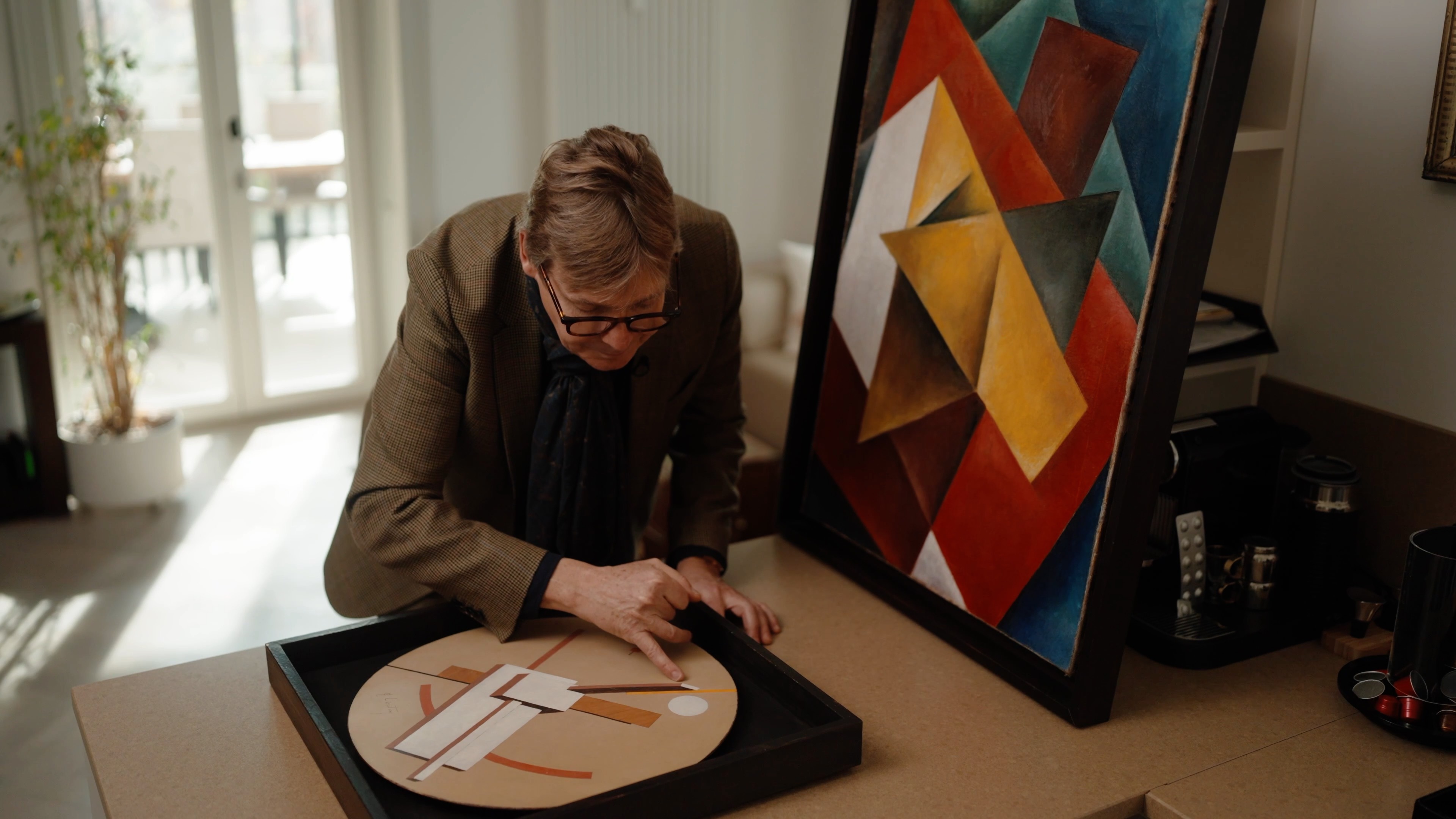
Григор Атанесян: Мне кажется, скорее нет. Потому что те подделки, которые мы видим в коллекции Закса, по крайней мере те две работы, которые мы подтвердили, что это точные подделки, проведя химический анализ, другие работы из его коллекции сомнительные, они выглядят как все-таки плохие копии.
Множество других подделок, развенчанных теми же Акиншей, Васильевым и Баттервиком, не выглядят убедительными подделками для многих специалистов. Акинша находил очень много смешных подделок, в которых есть просто буквальные ошибки: слово "коммуна" написано с одной "м". Эта картина выставлялась в Италии, в итальянском языке слово "коммуна" пишется с одной "м". Он находил авангардистские изображения традиционной еврейской трапезы, а там вещи, которых не могло быть, помидоры и другие, которых не могло быть просто на традиционной кошерной трапезе.
Он развенчивал подделки Гончаровой, потому что в автомобиле был, например, левый руль, а в Российской империи был только правый руль, было левостороннее движение, но машины все были только с правым рулем, и так далее.
Он находил на подделке марки Российской империи с изображением государя императора Николая II – не было таких марок. Я думаю, что эти произведения стоят дорого, люди готовы их покупать, потому что есть рыночный спрос, многие люди думают, что искусство – это инвестиция. Дилеры говорят, что это ошибочное мнение, потому что колебание в цене совершенно непредсказуемое.
Тот же авангард за все эти десятилетия моды и бума – насколько хорошо люди узнали авангард? Мне кажется, что и на Западе, и в России мы знаем только первые имена Малевича, Лисицкого. Может быть, Гончарова, Попова, Удальцова стали известны благодаря созданному бренду, понятию "амазонок авангарда" – когда этот бренд взлетел, то и они стали известны. Для самой широкой публики эти имена, даже для читающей интеллигентной публики, остаются неинтересными.
Их дилер имел поддельщика в Китае, который все это клепал
Я вспоминаю другую гигантскую аферу с подделками – это дело Knoedler Gallery (Нёдлер Геллари) в Нью-Йорке, где известная галерея долго продавала иногда за десятки миллионов долларов картины современных художников середины ХХ века. Потом оказалось, что их дилер, который это искусство добывал, просто имел поддельщика, который сидел в Китае и все это клепал.
На одной из картин Джексона Поллока, проданной через эту знаменитейшую, важнейшую нью-йоркскую галерею, подпись Поллока с ошибкой, в его имени есть орфографическая ошибка, оно неправильно написано. Это плохая подделка, но она все-таки продалась за десятки миллионов долларов, потому что это бренд, потому что люди доверяют галереям значительно, они не ждут в них подделок.
Иван Толстой: Какова же судьба фальшаков? Их что, тайно вывозят на окраину какого-нибудь Базеля или Милана и в полной тишине сжигают в заброшенных гаражах или кто-то коллекционирует такие проштрафившиеся работы, бережно хранит их и ждет своего часа, чтобы выгодно продать как артефакты, сыгравшие когда-то свою зловещую роль и разрушившие некоторые человеческие судьбы?
Григор Атанесян: По французскому законодательству картины, признанные подделками, сжигаются, уничтожаются. Это было очень смешно, потому что героиня нашего фильма Беатрис Гимпель МакНалли, она коллекционер, ювелир, она у нас исследовала поддельные произведения из коллекции Закса, доставшиеся от своих родителей, и дала их нам на проверку, что очень благородный шаг с ее стороны. Давая их нам, она фактически понимала, что вместе две эти картины стоят почти миллион франков, то есть она теряет эти деньги. Потому что до проверки еще была вероятность, что их можно кому-то продать, после проверки стало понятно, что это фальшивки и они ничего не стоят.
Она, пойдя на этот щедрый жест, просила об одном: не сжигайте их
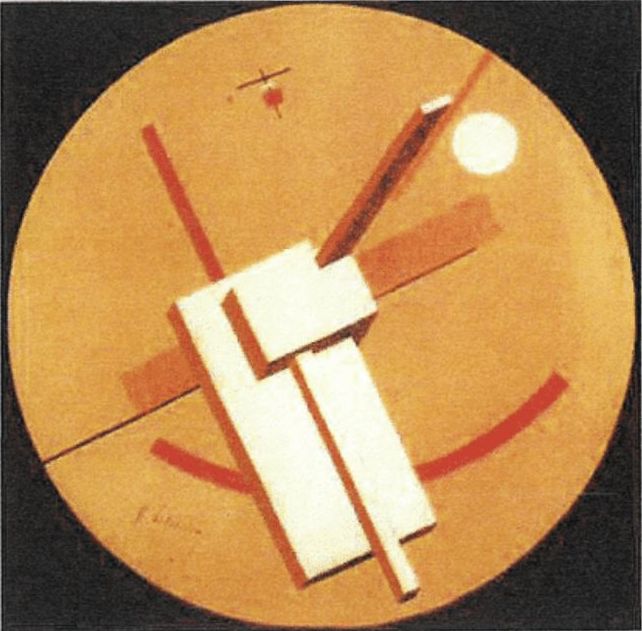
Она, пойдя на этот щедрый жест, просила об одном: не сжигайте их. Потому что она жила во Франции, она знает, что там подделки сжигают. Но интересно, что эти самые признанные подделками картины очень любит ее сын Эрик, он живет тоже в Цюрихе, они висят у него дома. Он говорит, что ему на самом деле в конце концов все равно, это подлинный Лисицкий или нет, ему этот "Проун" из коллекции Закса очень нравится, он видит в нем энергию Лисицкого, он видит в нем логику, замысел художника. И это вещи, которые он получил от своих бабушки и дедушки, которые были действительно знаменитыми коллекционерами. И это красивая вещь, которая имеет для него эмоциональное значение.
Поэтому, я думаю, судьба многих подделок может быть вполне замечательной, они могут украшать стены домов и радовать людей. Проблема просто в том, что, когда с подделками не борются, они попадают на страницы учебников, они попадают на выставки, они попадают в музеи, и новое поколение искусствоведов, экспертов, дилеров учится уже на подделках.
Константин Акинша любит залезть в диссертации каких-нибудь новых выпустившихся искусствоведов в Европе и увидеть там в диссертации про Малевича треть подделок. И дальше уже на самом деле русский, украинский, еврейский, белорусский авангард просто перестает существовать, потому что он превращается, как Акинша писал в своей статье, в "королевство кривых зеркал", где эти ужасные близнецы, неотличимые друг от друга картины, которые заполонили рынок, их больше, чем подлинных.
Люди просто ничего не хотят иметь общего с русским искусством
Это еще приводит к тому, что люди просто ничего не хотят иметь общего с русским искусством. Я помню, что в Лондоне, когда я начинал работать над этим материалом, я постарался поговорить с очень многими специалистами по русскому искусству и с теми, кто имеет дело с подделками, – некоторые люди отказывались со мной говорить, потому что, по их словам, русское искусство стало токсичным. Люди просто не хотят это трогать, они не хотят ничего об этом знать и слышать. Они знают, что, если ты занимаешься русским искусством, ты попадешь, тебя обманут или ты кого-то ненароком обманешь, и будут проблемы.
Иван Толстой: Вот слушаю я вас, Григор, и так хочется попросить специалистов, экспертов, людей, знающих свое дело достоверно, выпустить альбом, каталог достоверных работ русского авангарда, просто тех работ, вокруг которых нет и тени сомнения. Пусть в этот альбом не попадут многие подлинные работы, но все-таки то, что будет в этом томе – надеюсь, толстом, – будет стопроцентно верным и достоверным.